
Commune sits in the village of Beervelde, east of Ghent in the East Flemish countryside, and holds a White Star recognition from Star Wine List, a signal that its wine program is taken as seriously as what arrives on the plate. The address alone, on the quiet Beervelde-dorp, tells you something about the deliberate distance from urban dining circuits and the sourcing logic that tends to follow such a location.
Pearl is the En Primeur Club membership app — saves, bookings, and concierge access live there. Same editors, same standards.
- Address
- Beervelde-dorp 51, 9080 Lochristi, Belgium
- Phone
- +32 9 430 89 35
- Website
- commune.be
- Directions
- Get directions
 Saves & bookings on Pearl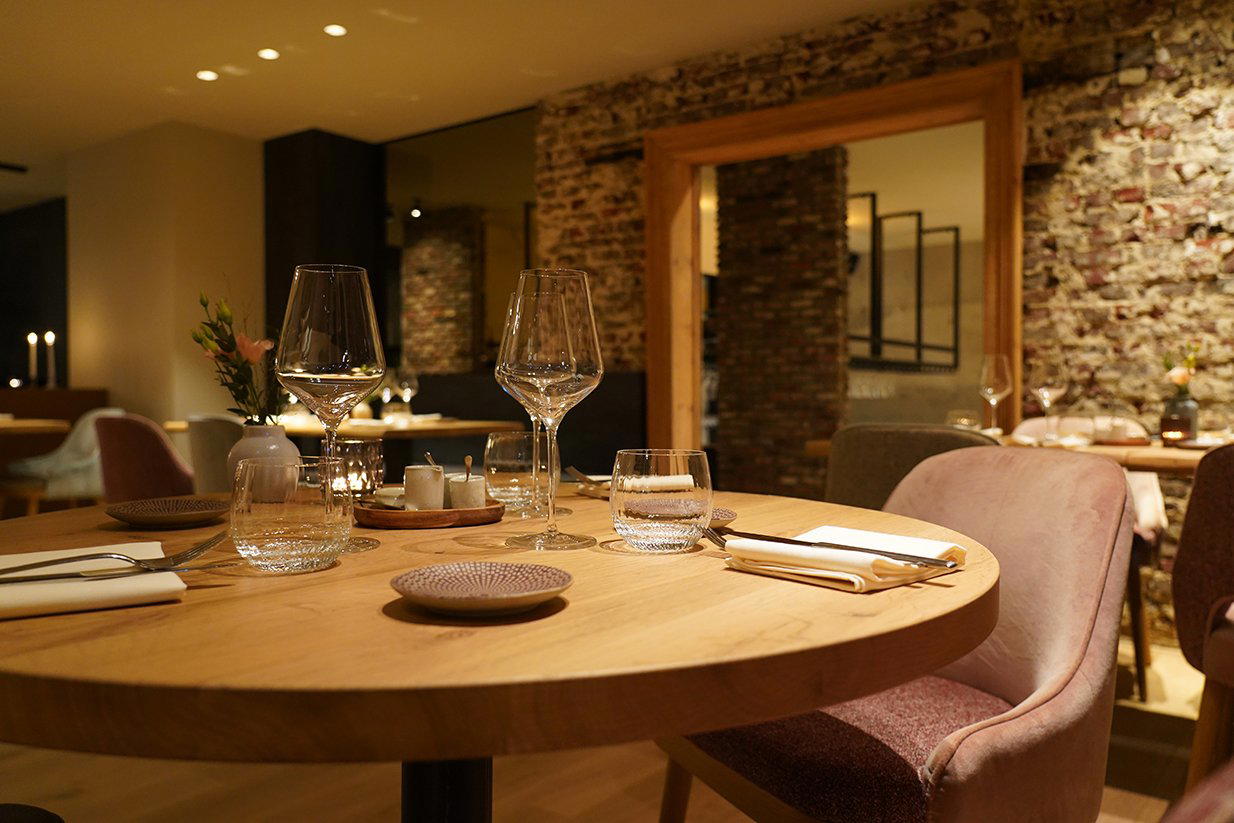
A Village Address with a Point to Prove
The strip of Flemish villages that runs east of Ghent through Lochristi and into Beervelde is not a dining corridor anyone stumbles into by accident. The roads are narrow, the signage modest, and the surrounding landscape agricultural in a literal sense: nurseries, market gardens, and the kind of flat, productive land that has fed this part of East Flanders for centuries. It is precisely this geography that frames what Commune, at Beervelde-dorp 51, is doing. In a country where the highest-profile restaurant addresses cluster in Ghent, Brussels, and the coast, a decision to operate from a village of this scale is a sourcing argument made in brick and mortar before a single dish is served. For context on the wider Belgian fine dining field, see Boury in Roeselare, Zilte in Antwerp, and Hof van Cleve in Kruishoutem, each operating from non-capital addresses with equally deliberate geographic logic.
What the White Star Signals
Star Wine List published Commune in October 2023 and awarded it a White Star, a recognition granted to restaurants whose wine programs demonstrate genuine depth and curatorial intent rather than a standard by-the-glass offering bolted onto a food menu. In Belgium, where the wine list at serious restaurants often reflects the broader Burgundy-and-Champagne orthodoxy of northern European fine dining, a White Star designation suggests Commune's list takes positions, whether in regional producers, natural wine, or format choices, that require some explanation and advocacy. It does not mean the list is cheap; White Star properties in comparable European markets typically price wine programs to reflect the curation behind them. What it does mean is that the list merits attention as a parallel text to whatever is happening in the kitchen. For those building an itinerary around wine-serious Belgian restaurants, Willem Hiele in Oudenburg and Bartholomeus in Heist operate in adjacent territory on the coast, while Bozar Restaurant in Brussels anchors the capital end of the same conversation.
The Sourcing Logic of a Village Kitchen
East Flemish restaurants that operate at this remove from urban supply chains tend to share a structural preference: shorter ingredient distances, closer relationships with growers, and a seasonal rhythm that is imposed by geography rather than chosen for marketing purposes. The area around Lochristi in particular is known across Belgium for its horticultural production, it supplies much of the country's nursery trade and sustains market gardeners whose output is absorbed by Ghent restaurants far larger and better-known than Commune. A kitchen located here has access to that supply chain without the intermediary markups and logistics delays that come with city-centre addresses. Whether Commune takes that advantage fully, or partially, or in a particular direction, falls outside what the available record confirms, but the address itself functions as a structural argument in favour of proximity sourcing, and that argument is worth understanding before you arrive.
Belgian fine dining has moved steadily toward this kind of grounded sourcing logic over the past decade. The generation of kitchens that followed the Franco-Belgian classic tradition represented by addresses like d'Eugénie à Emilie in Baudour or the earlier model of Comme chez Soi has, in many cases, turned toward more explicit local rootedness. You see it at Castor in Beveren, a short drive west, and at De Jonkman in Sint-Kruis, where the modern Flemish kitchen has become a recognisable style in its own right, ingredients-forward, technique-disciplined, and sceptical of the kind of French classical overlay that once defined the ceiling of ambition in this country.
The Experience on Arrival
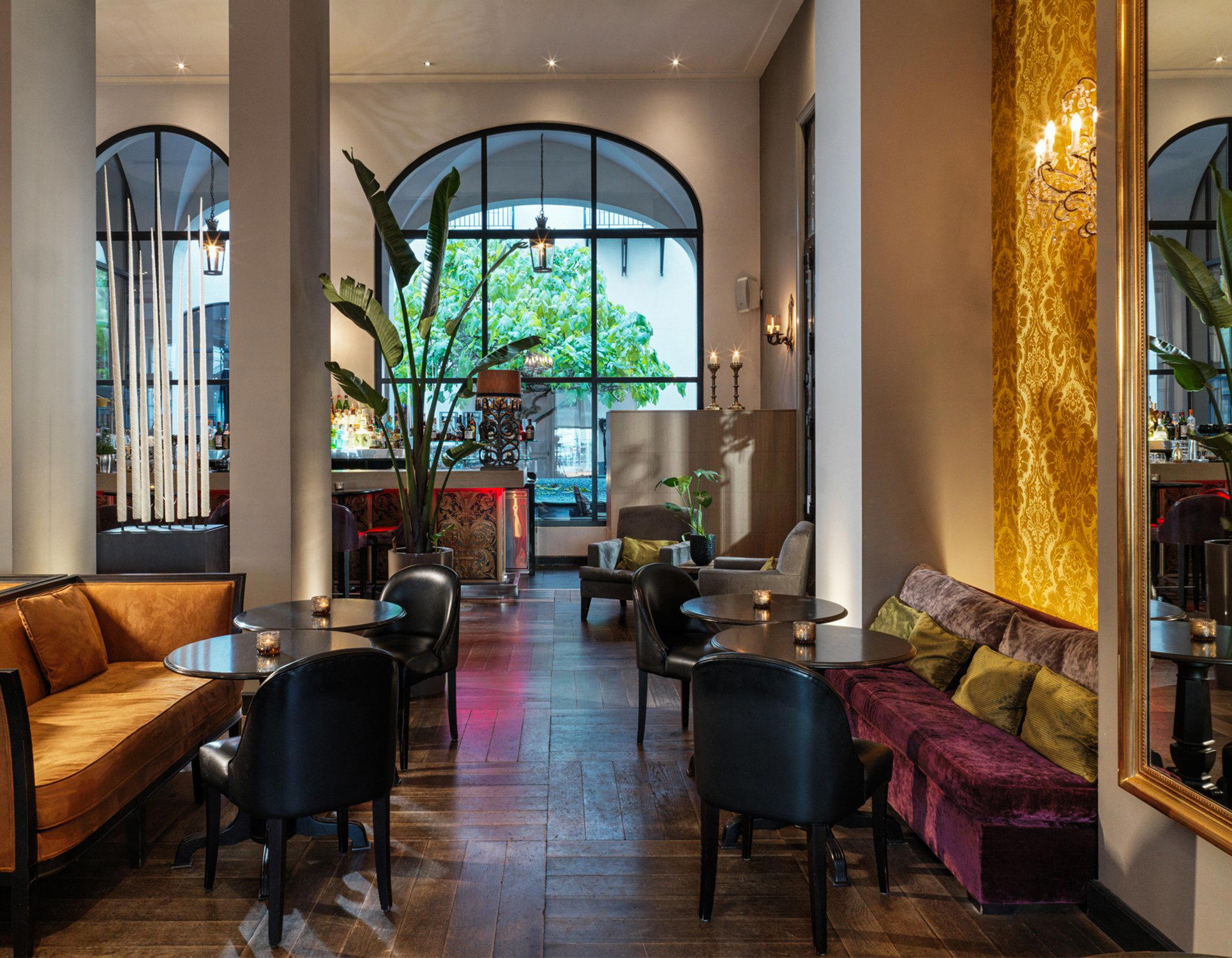
Beervelde-dorp is a village-centre address in the oldest sense: a cluster of buildings around what was historically the civic and social core of the settlement. Approaching Commune, the expectation should be intimacy rather than spectacle. This is not a converted industrial space in a regenerating urban quarter, nor a destination-resort dining room with landscaped approach roads. The physical scale is human, the surrounding streets quiet in the manner of a Flemish village on an ordinary evening. That atmosphere tends to produce a particular kind of meal, one where the room does not compete with the food for attention, and where the wine list becomes a more active part of the conversation because there is less visual noise to absorb.
Planning Your Visit
Commune sits at Beervelde-dorp 51, in the municipality of Lochristi, approximately fifteen kilometres east of Ghent's city centre by road. The village is not served by meaningful public transport at meal times, so arrival by car is the practical baseline for most visitors. Ghent itself is worth building around as a base: it has strong hotel options across price tiers, and the drive to Beervelde takes under twenty minutes from the centre. Booking Commune in advance is advisable given its scale and village setting, this is not a restaurant that absorbs walk-ins at volume, and a White Star recognition generates its own pull from wine-focused travellers. The wider Beervelde area is covered in our full Beervelde restaurants guide, and if you are spending time in the region, bars, wineries, and experiences in the area are mapped separately. For reference points further afield, Cuchara in Lommel and L'Eau Vive in Arbre illustrate how Belgian restaurants at similar price positions are approaching the sourcing and format questions that Commune appears to be working through from its East Flemish base. Internationally, the discipline around ingredient provenance visible at Le Bernardin in New York City and the community-embedded dining model of Emeril's in New Orleans offer useful reference points for how location-specific sourcing becomes a sustained kitchen identity over time.
A Quick Peer Check
Comparable venues nearby, for context on price, style, and recognition.
| Venue | Cuisine | Price | Notes |
|---|---|---|---|
| CommuneThis venue — the venue you are viewing | Belgian Seafood Bistro | $$$ | Not listed |
| Een Twee Vijf | Modern Belgian Bistro | $$$ | Rabot - Blaisantvest |
| Ensemble | Modern Belgian Bistro | $$$ | Snellegem |
| Béus | Modern Belgian Farm-to-Table | $$$ | Passendale |
| U-Ziel | Modern Belgian Fine Dining | $$$ | Geel |
| Jan Breydelstraat 36 | Authentic Belgian Bistro | $$$ | Elisabethbegijnhof - Prinsenhof - Papegaai - Sint-Michiels |
Recognition history
Dated appearances from independent guides and award organizations, with the underlying list record or original source where available.
Star Wine List
Star Wine List
Continue exploring
More in Beervelde
Restaurants in Beervelde
Browse all →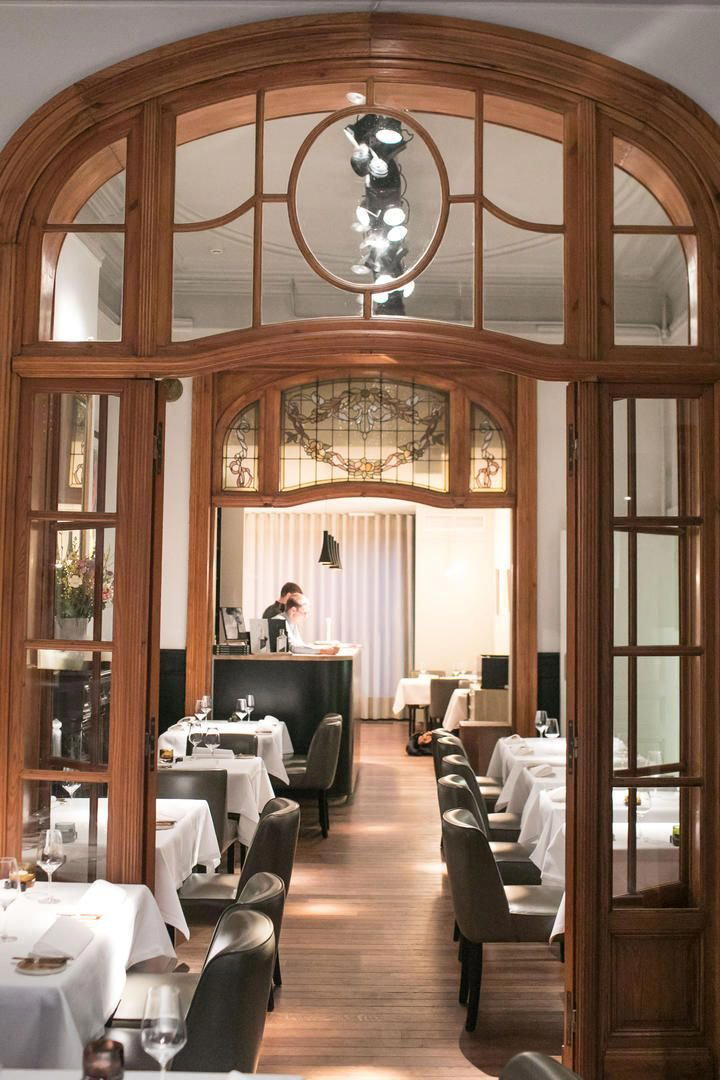
Bars in Beervelde
Browse all →
At a Glance
- Cozy
- Intimate
- Date Night
- Special Occasion
- Terrace
- Historic Building
- Extensive Wine List
Current opening hours
- Monday
- 12–2 PM, 6:30–10 PM
- Tuesday
- 12–2 PM, 6:30–10 PM
- Wednesday
- Closed
- Thursday
- Closed
- Friday
- 6:30–8:30 PM
- Saturday
- 6:30–8:30 PM
- Sunday
- 12–2 PM, 6:30–8:30 PM
Hours can change for holidays and private events. Last verified .
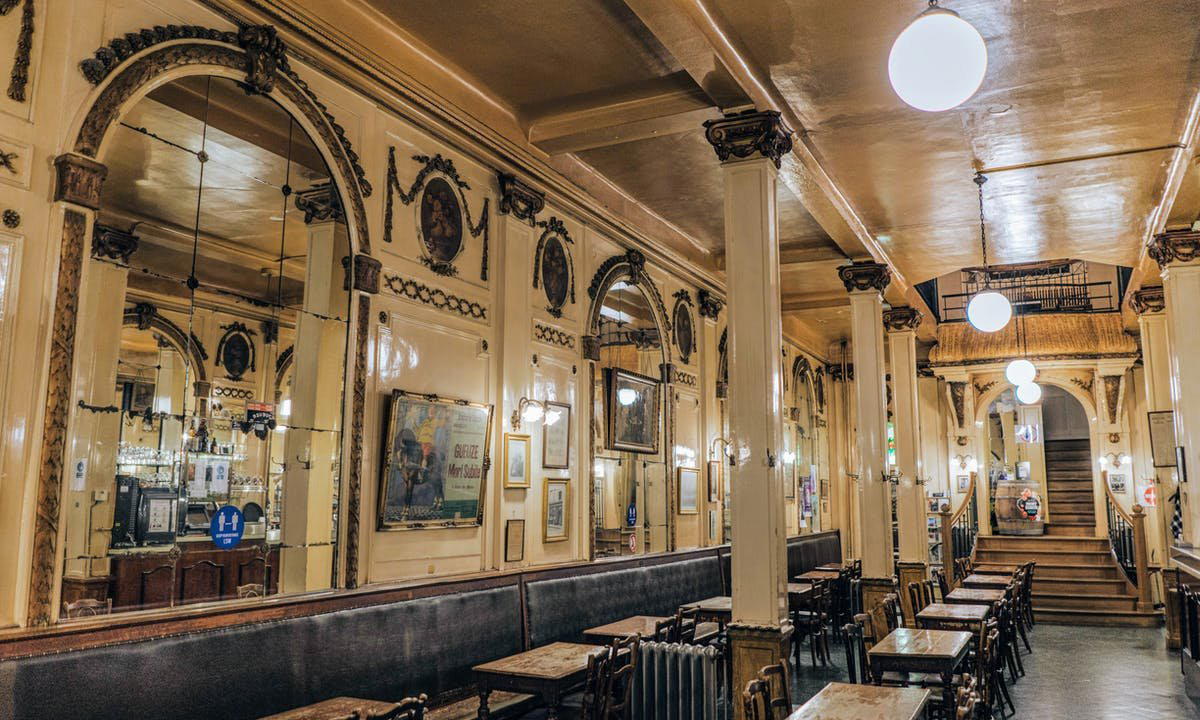
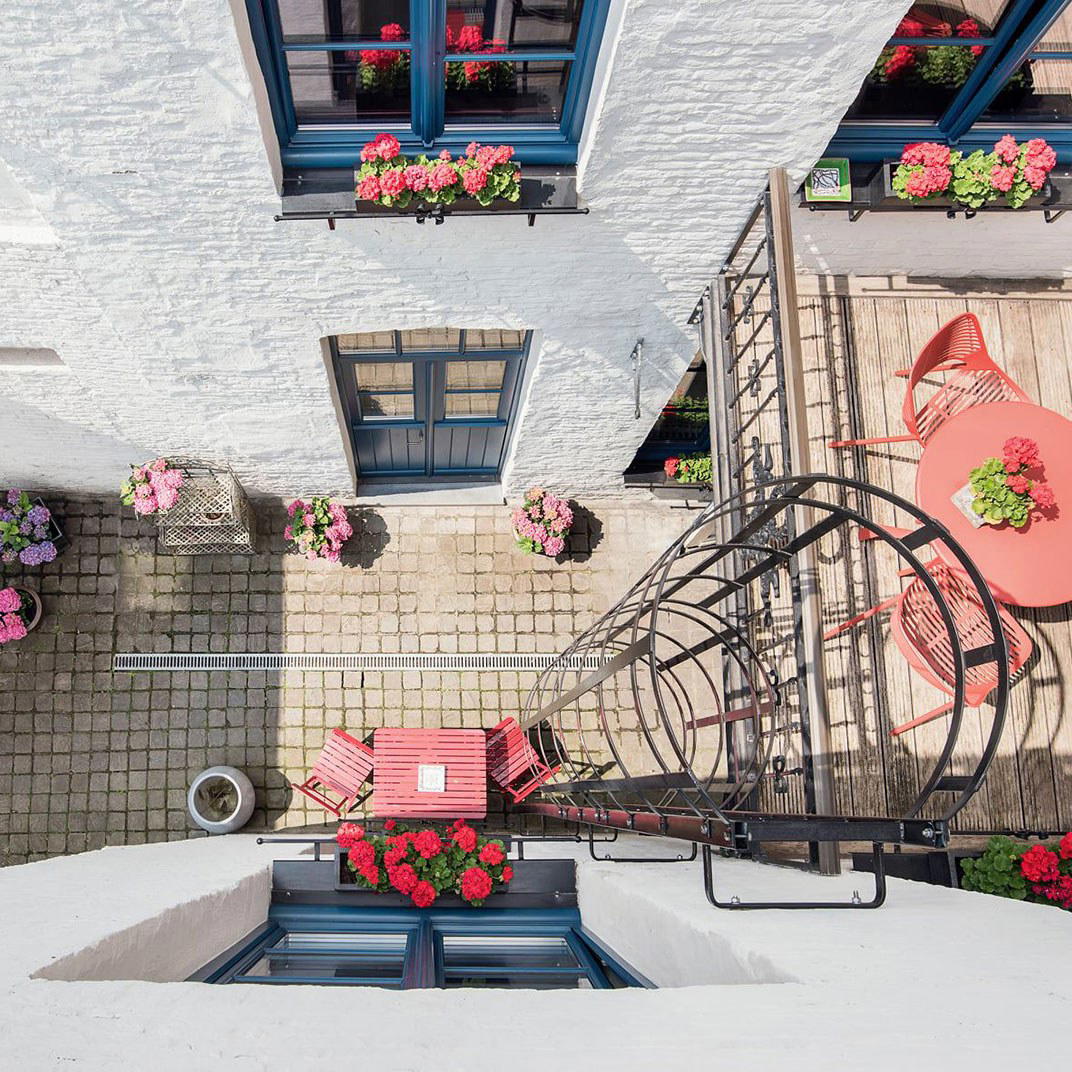
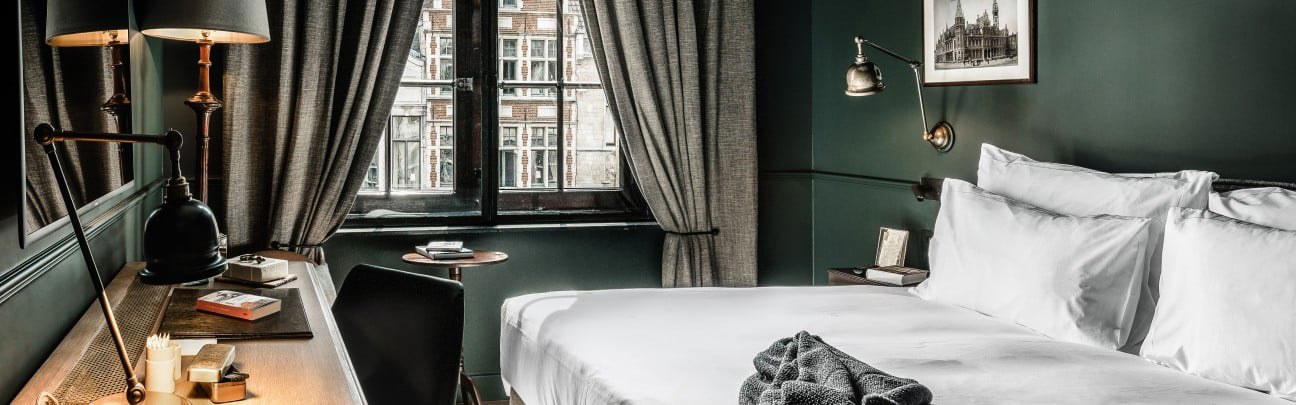
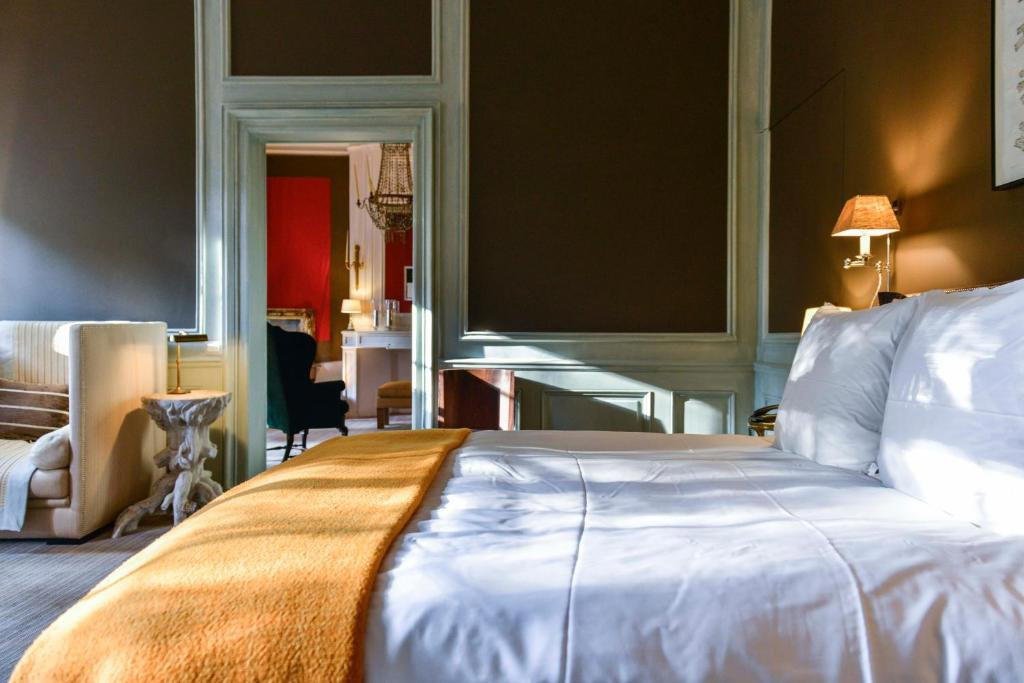
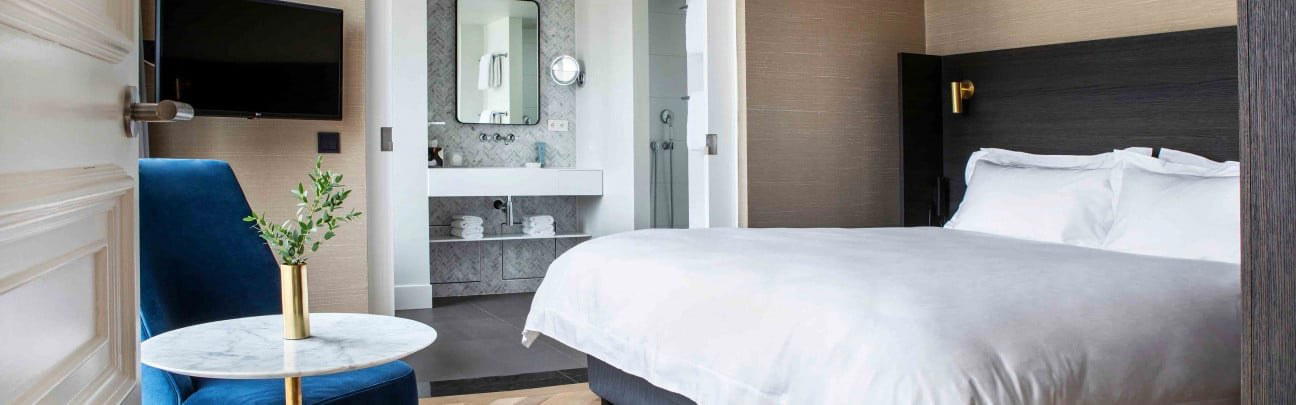
Cozy and warm atmosphere in a beautifully restored historic town hall building with pleasant terrace seating.