't Korennaer


1 Michelin Star · We're Smart World 1 Radish
Our verdict
Holding a Michelin star in both 2024 and 2025, 't Korennaer operates from Nieuwkerken-Waas with a kitchen philosophy built around disciplined ingredient sourcing and Eastern-inflected flavour signatures. Chef Edwin Van Goethem layers vegetables, fruits, and premium proteins, Norwegian scallop, young Anjou pigeon, brill, winter truffle, into compositions where texture and contrast do the structural work. At €€€ pricing, it sits a tier below Belgium's most expensive creative tables while matching their ambition.

Pearl is the En Primeur Club membership app, where members save venues, book tables and use the concierge.
The menu
What to order
- Hoppescheuten with Wagyu
- Filet of Venison with Cloudberry and Tamarind Sauce
- Young Turbot with Spinach and Dijonnaise
- Scallop with Winter Leek, Nori, Wasabi and Ponzu
- Aged Côte à l'Os with Béarnaise Pickles
Where Flanders Meets Precision Sourcing
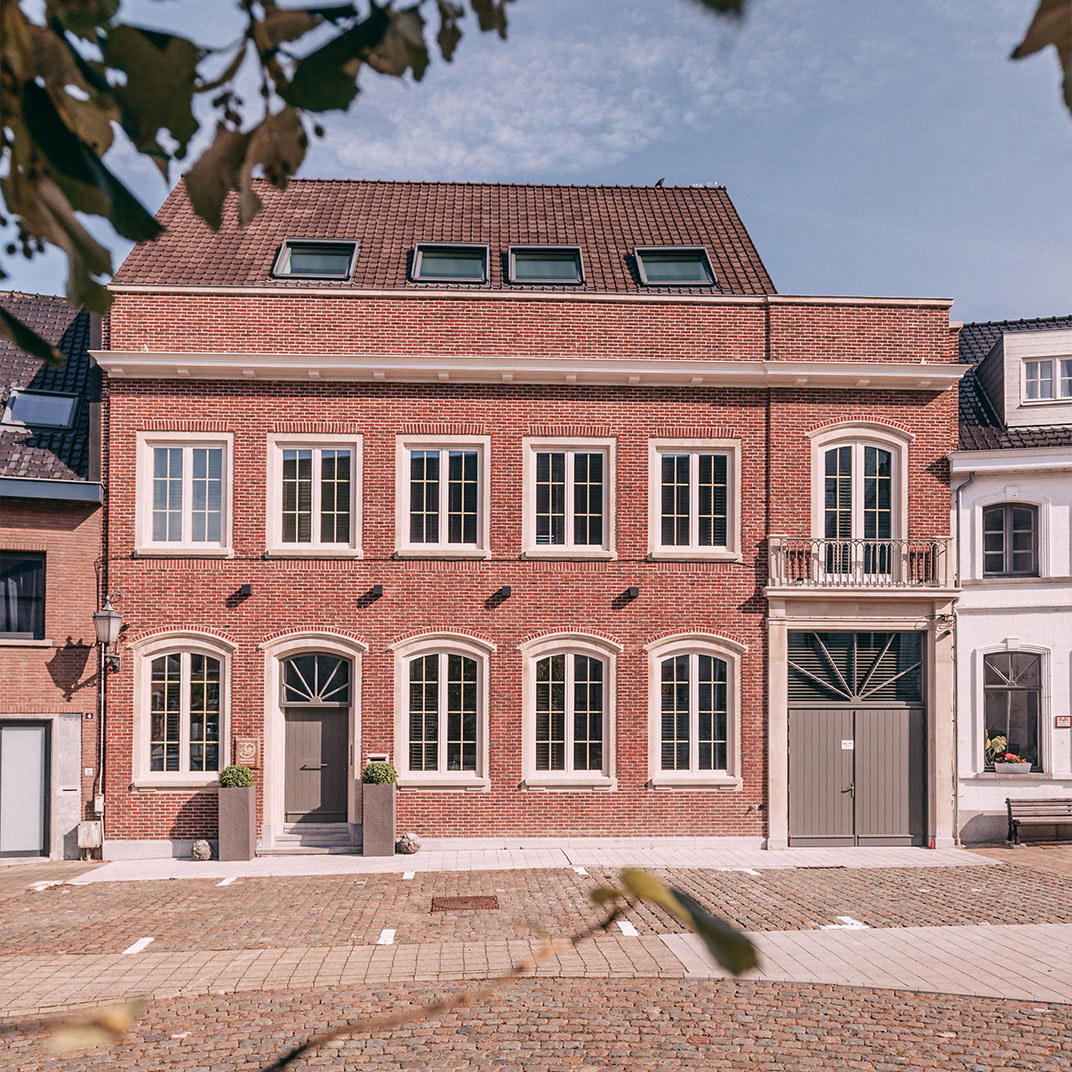
The road into Nieuwkerken-Waas, a quiet municipality folded into the Sint-Niklaas agglomeration southwest of Antwerp, does not signal what's ahead. The Waasland region is agricultural country, flat and orderly, its rhythms tied to the land in ways that most Belgian dining destinations have long since abandoned for urban theatre. Arriving at Nieuwkerkenstraat 4, the surroundings are calm rather than conspicuous. That understatement carries through into the dining room itself, where the absence of metropolitan noise allows the food to occupy the full frame of attention.
This kind of provincial setting has produced some of Belgium's most focused cooking. The country has a track record of Michelin-starred tables operating far outside Brussels and Antwerp, see Willem Hiele in Oudenburg, Bartholomeus in Heist, or Ralf Berendsen in Neerharen, where proximity to specific producers and distance from city-centre overhead creates conditions for a different kind of discipline. 't Korennaer sits inside that tradition, holding its Michelin star across both 2024 and 2025.
The Sourcing Logic Behind the Menu
Belgian modern cuisine at the top tier has largely converged on the same principle: ingredients sourced with enough specificity that the provenance itself becomes an argument. What distinguishes kitchens at this level is not whether they source carefully, most do, but how transparently that sourcing shapes the plate's architecture. At 't Korennaer, the sourcing logic is unusually legible. Chef Edwin Van Goethem names his references with precision: Norwegian scallop (Sint-Jakobsnoot), young pigeon from Anjou, brill from cold-water sources, winter truffle, crapaudine beetroot.
Each of these is a deliberate selection within a category, not a generic protein or a seasonal default. Norwegian scallop, for instance, carries different salinity and muscle density than Atlantic or Pacific alternatives. Anjou pigeon has a reputation among French and Belgian chefs for leanness and clean flavour, a product of traditional Anjou breeding practices that has made the region's poultry a consistent reference point in serious kitchens across northern Europe. Crapaudine, the oldest-known beetroot variety, dark-skinned and mineral-forward, is the kind of ingredient that signals a kitchen operating with historical and agricultural awareness, not just trend awareness.
For a broader view of how Belgian kitchens are handling sourcing and creative ambition at the top tier, the approaches at Hof van Cleve in Kruishoutem and Boury in Roeselare offer instructive contrasts. Both operate at €€€€ pricing and within the Modern Flemish creative tradition. 't Korennaer's €€€ positioning places it a tier below those tables in cost, while the Michelin endorsement suggests the gap in ambition is narrower.
Eastern Keys as Structural Logic
The phrase used to characterise Van Goethem's approach, Eastern keys as a personal signature, is worth taking seriously rather than treating as decoration. In contemporary European fine dining, Asian flavour references function on a spectrum that runs from cosmetic (a yuzu gel dropped on a plate that could have been designed anywhere) to structural (where spice logic, fermentation technique, or umami layering actually reshapes how a dish is built and tasted).
The combinations on record here suggest the latter. Celeriac, truffle, and apple with Norwegian scallop is a European cold-climate construct; what the Eastern inflection likely introduces is an acidity or aromatic register that prevents the dish from resolving into pure richness. The pairing of knolletjes, crapaudine, celery, pear, and cumbava (kaffir lime) with brill is more explicit: cumbava is a Southeast Asian citrus with a floral, resinous character distinct from European lemon or yuzu, and its presence alongside winter brill and root vegetables is a deliberate disruption of what would otherwise be a classic northern European composition. The result is flavour movement, dishes that shift register mid-plate rather than settling into a single dominant note.
This approach connects 't Korennaer to a broader strand of Northern European cooking that has absorbed Asian technique without becoming fusion in the loose sense. Kitchens like Frantzén in Stockholm and FZN by Björn Frantzén in Dubai have formalised this cross-referencing into defining identities. At 't Korennaer the scale is more intimate, but the intellectual project is recognisably related.
Texture as the Third Dimension
Modern cuisine at Michelin level has largely moved past the phase where technique existed to demonstrate itself. The more sophisticated position, evident in the dishes described here, is where technique is invisible as such, but its effects are present in every bite. The emphasis on texture in Van Goethem's cooking is not about contrast for its own sake. Salsify alongside young pigeon and winter truffle is a pairing that works in part because of how salsify's fibrous, slightly sweet character holds up against the fat of truffle and the iron note of game bird. The textural register makes the flavour register possible.
Vegetables and fruits woven through the menu are not garnish or gesture. The frequency with which they appear alongside premium proteins, scallop, brill, pigeon, suggests they carry structural weight in the composition. This is a kitchen that has thought through what vegetable matter does to the pacing and resolution of a plate, not one that treats plant elements as supporting cast.
Where 't Korennaer Sits in the Belgian Dining Picture
Belgium's Michelin map is denser per capita than almost anywhere in Europe, and the competition at one-star level is genuine. Tables like Zilte in Antwerp, d'Eugénie à Emilie in Baudour, L'Eau Vive in Arbre, La Durée in Izegem, and Sir Kwinten in Sint-Kwintens-Lennik all occupy the same Michelin tier and represent different flavour traditions and regional identities. Bozar Restaurant in Brussels operates in a different urban register entirely. Each of these tables competes not just on food but on the coherence of its culinary argument.
't Korennaer's argument, sourcing specificity, Eastern flavour logic, textural intelligence, is coherent and sustained across the menu as documented. Diners at €€€ level expect a repeatable standard, and the evidence suggests that standard is present here.
For planning a wider trip around this corner of East Flanders, see our full Nieuwkerken-Waas restaurants guide, along with resources on hotels, bars, wineries, and experiences in the area. The restaurant's address is Nieuwkerkenstraat 4, 9100 Sint-Niklaas.
Frequently asked questions
Is 't Korennaer more mid-range or high-end?
Pricing at 't Korennaer is listed as €€€.
Fast Comparison
| Venue | Cuisine | Price | Awards | Notes |
|---|---|---|---|---|
| 't KorennaerThis venue (the venue you are viewing) | Modern French with Japanese Influences | $150–200 | 1 Michelin Star · We're Smart World 1 Radish | Not listed |
| Boury | Creative French Fine Dining | $300–500 | 3 Michelin Stars · La Liste Top Restaurants | Modern Frlemish, Creative French |
| Comme chez Soi | French - Belgian, Classic Cuisine | Not listed | Michelin 1 Star | Not listed |
| Hertog Jan at Botanic | Modern Japanese Omakase Fine Dining | Not listed | 2 Michelin Stars · La Liste Top Restaurants | Modern Flemish, Creative |
| L'Eau Vive | Modern French Fine Dining | $150–200 | 2 Michelin Stars · La Liste Top Restaurants | French, Modern French |
| La Durée | Modern French Fine Dining | $150–200 | 2 Michelin Stars · La Liste Top Restaurants | French-Belgian, Creative |
Recognition history
Dated appearances from independent guides and award organizations, with the underlying list record or original source where available.
Michelin 1 Star
Michelin
We're Smart World 1 Radish
We're Smart World
Full recognition history (4 entries)
Michelin 1 Star
Michelin
Michelin 1 Star
Michelin
Continue exploring
More in Nieuwkerken-Waas
Restaurants in Nieuwkerken-Waas
All restaurants in Nieuwkerken-Waas →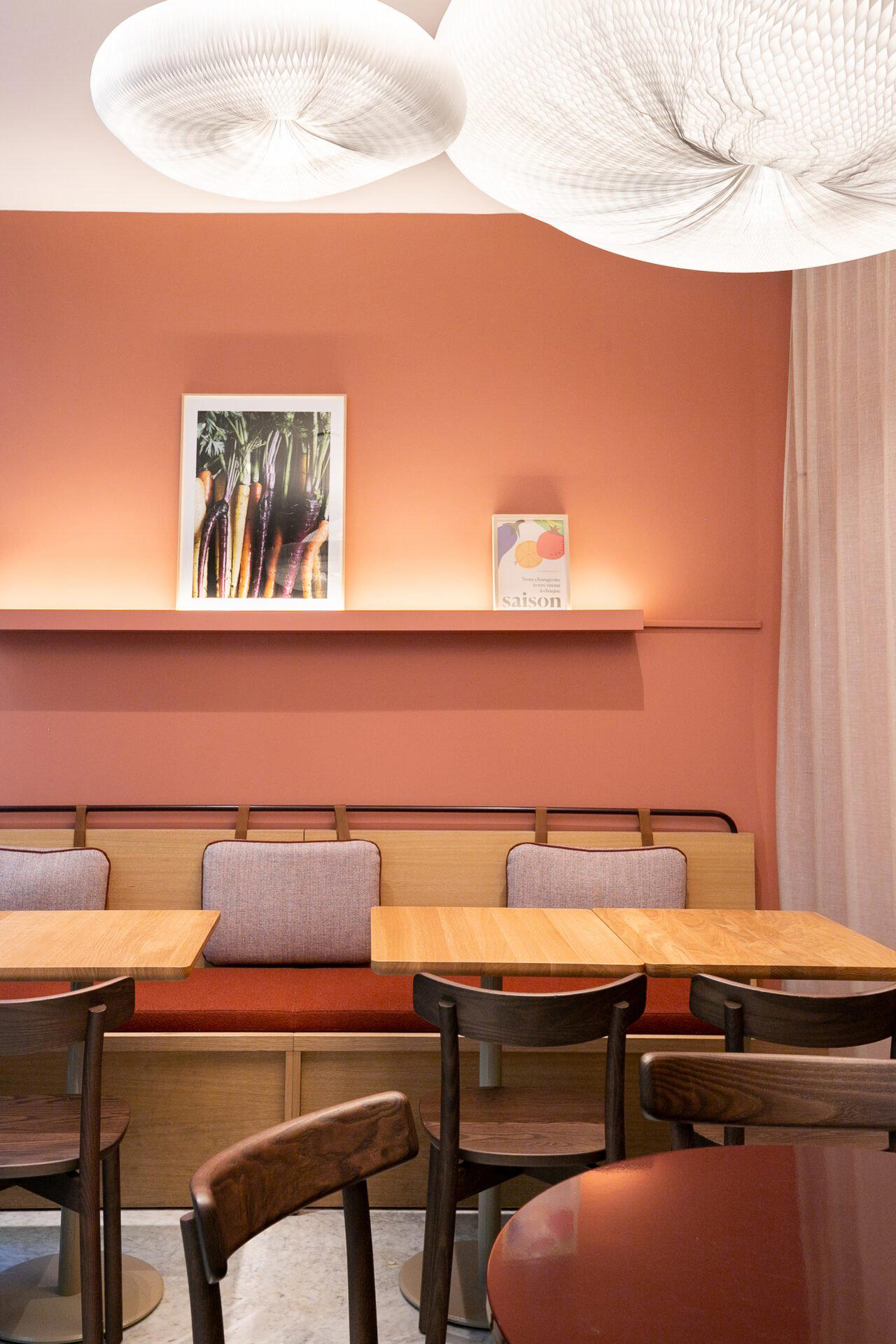

't Korennaer
The wine
- Wine program
- Deep wine list
- Extensive wine list
- Sommelier-led
Details
- Elegant
- Sophisticated
- Romantic
- Modern
- Date Night
- Special Occasion
- Celebration
- Business Dinner
- Open Kitchen
- Terrace
- Garden
- Extensive Wine List
- Sommelier Led
- Farm To Table
- Local Sourcing
- Garden
- Tasting Menu
- A La Carte
- Prix Fixe
- Wine
- Craft Beverages
Current opening hours
- Monday
- Closed
- Tuesday
- Closed
- Wednesday
- Closed
- Thursday
- 12–2 PM, 7–9 PM
- Friday
- 12–2 PM, 7–9 PM
- Saturday
- 7–9 PM
- Sunday
- 12–2 PM, 7–9 PM
Hours can change for holidays and private events. Hours as of .
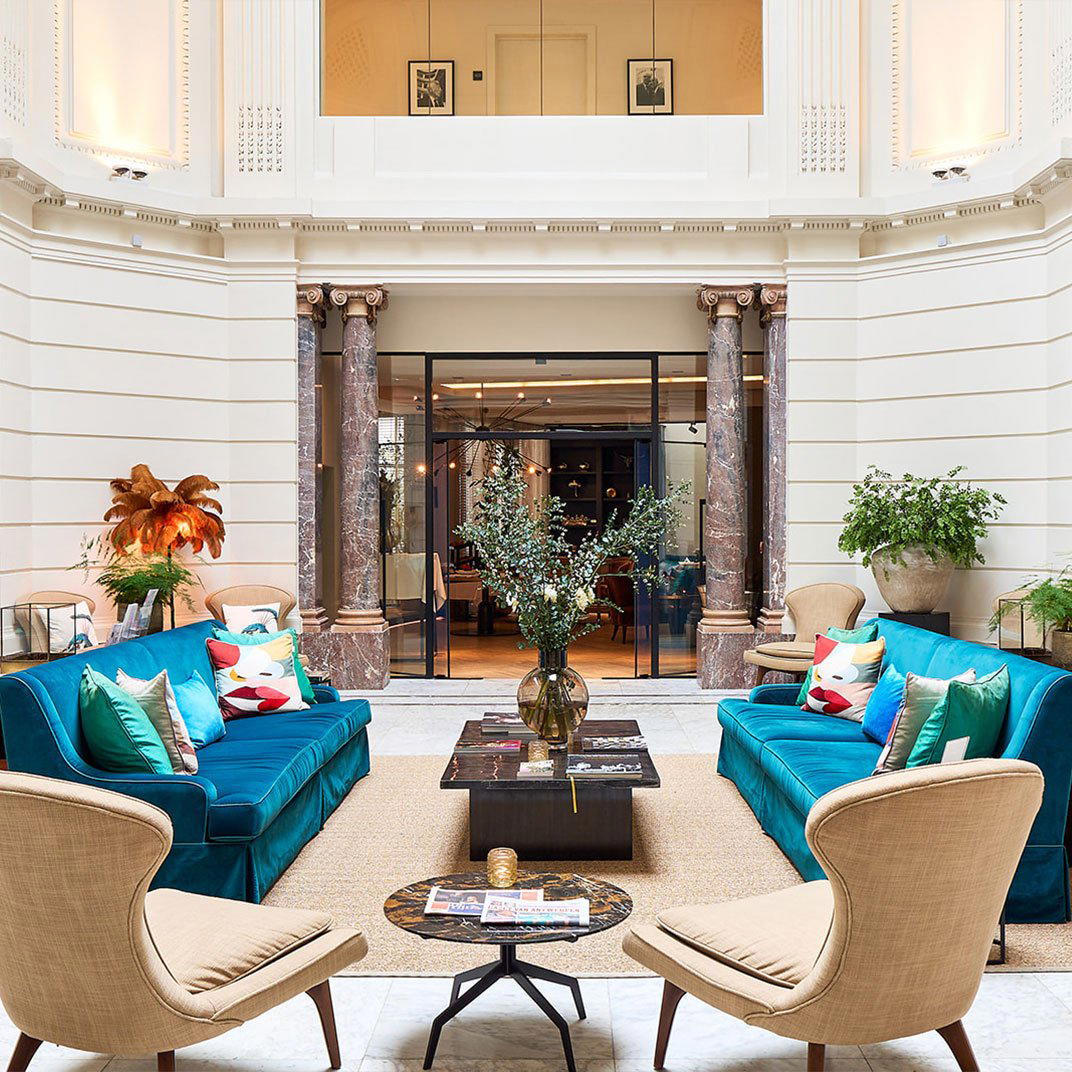
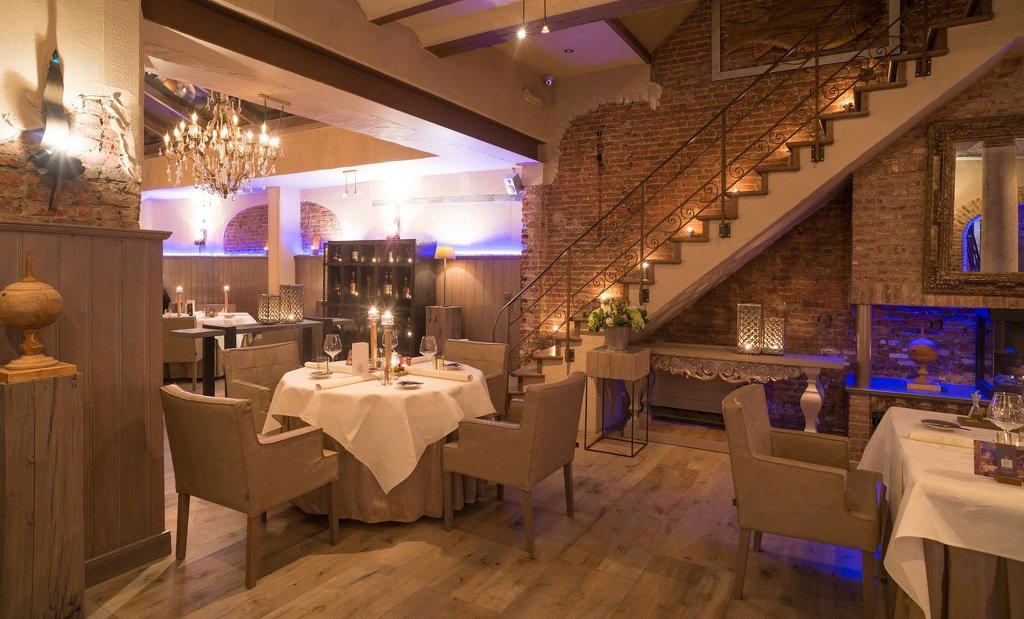
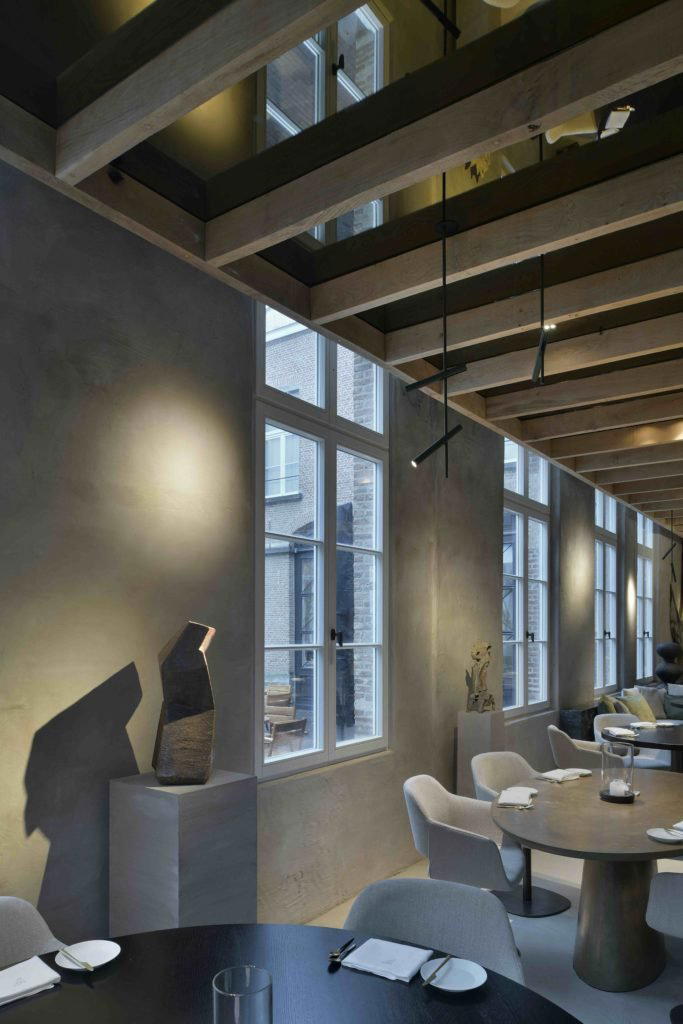
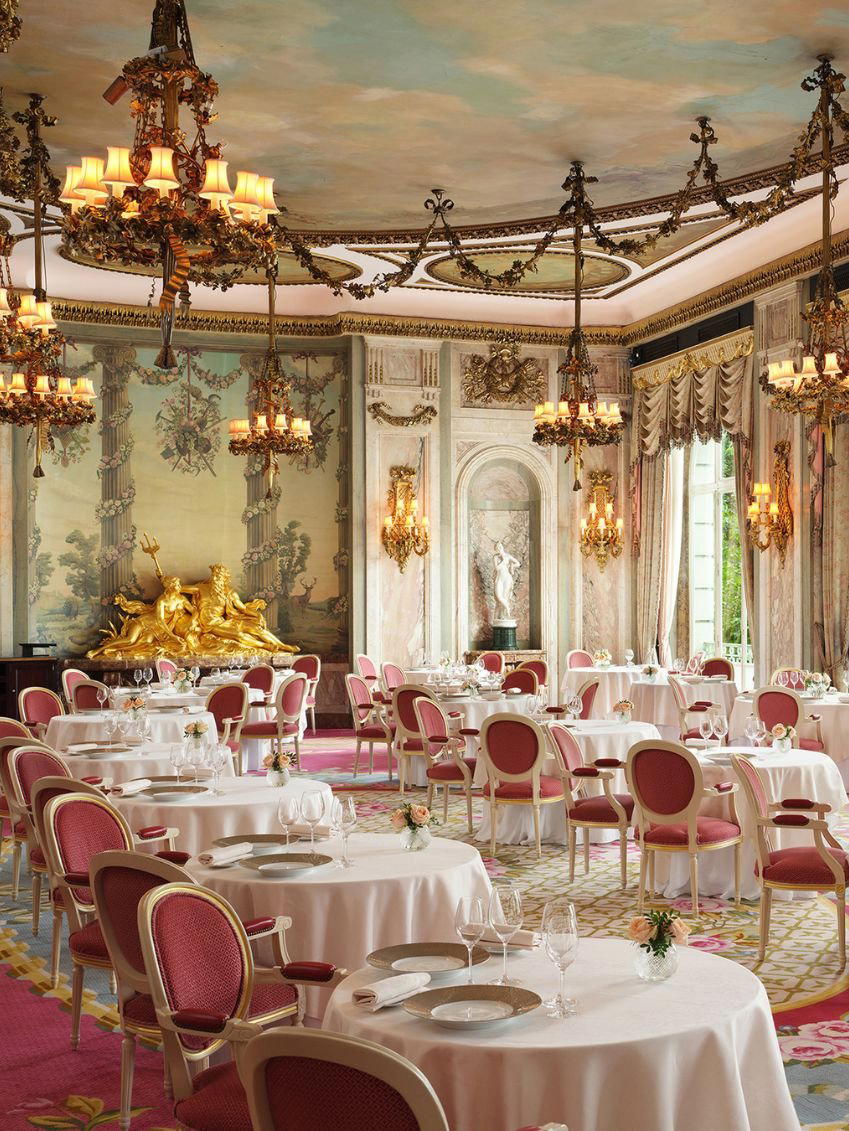
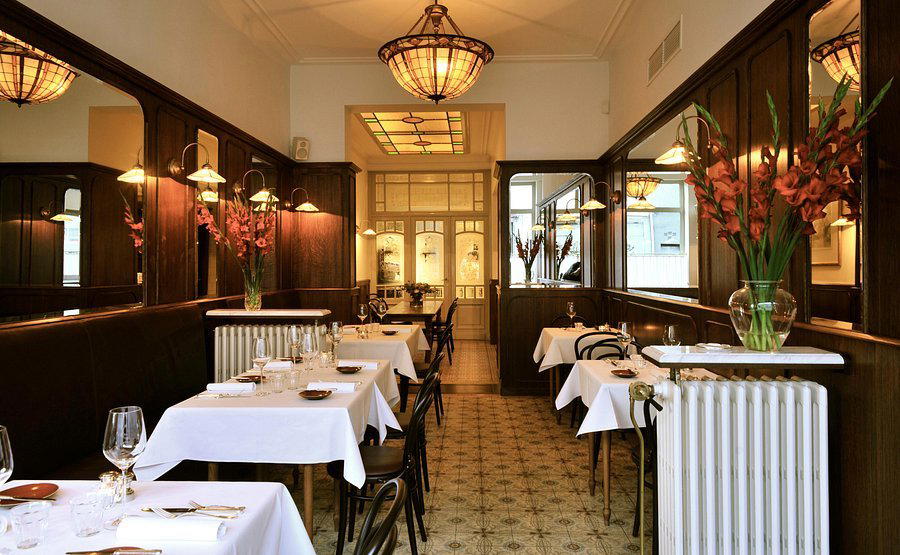
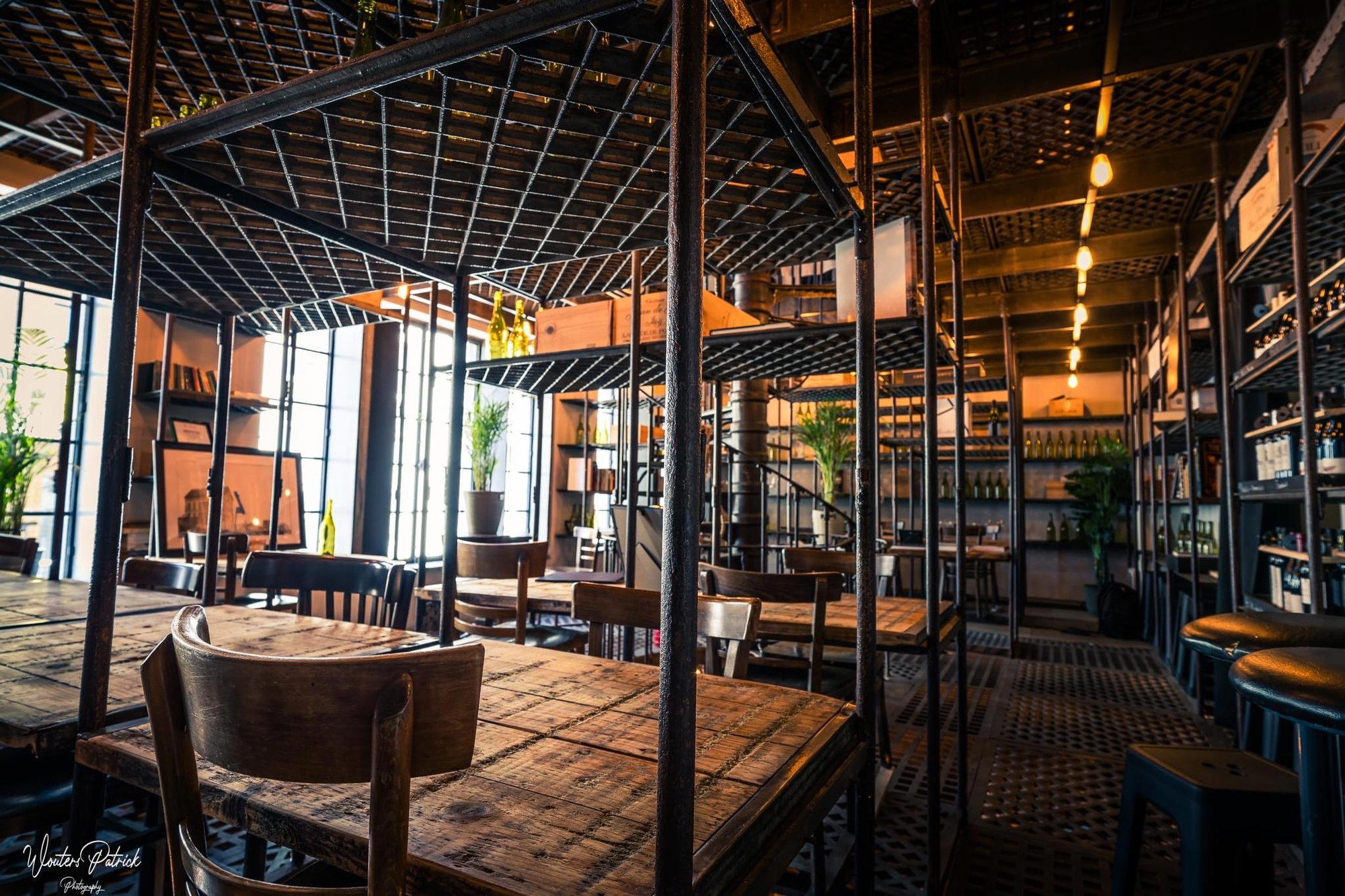
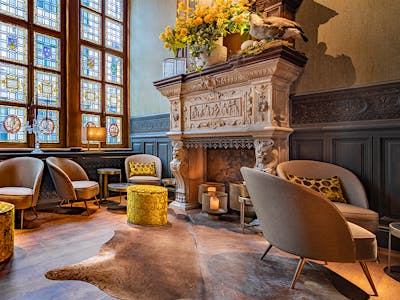
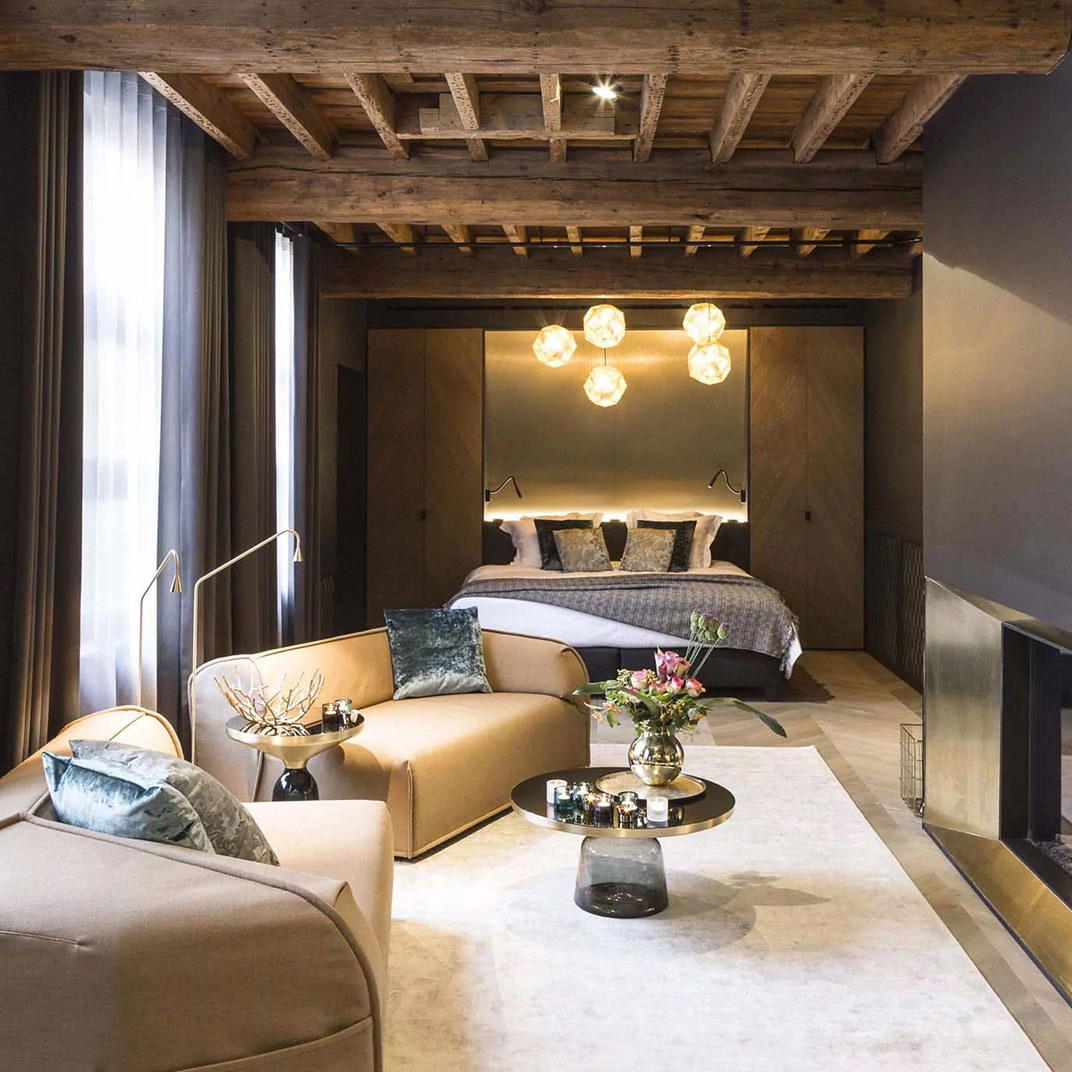
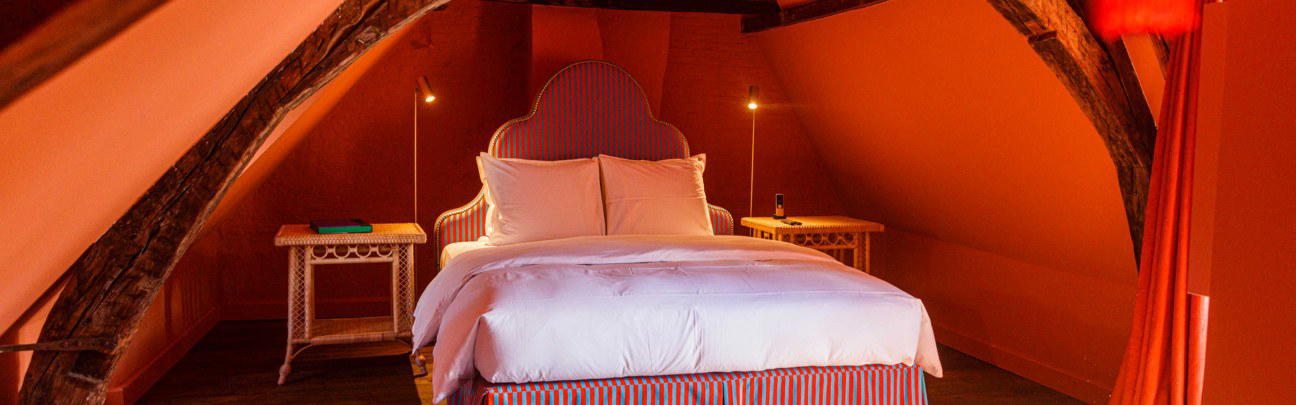
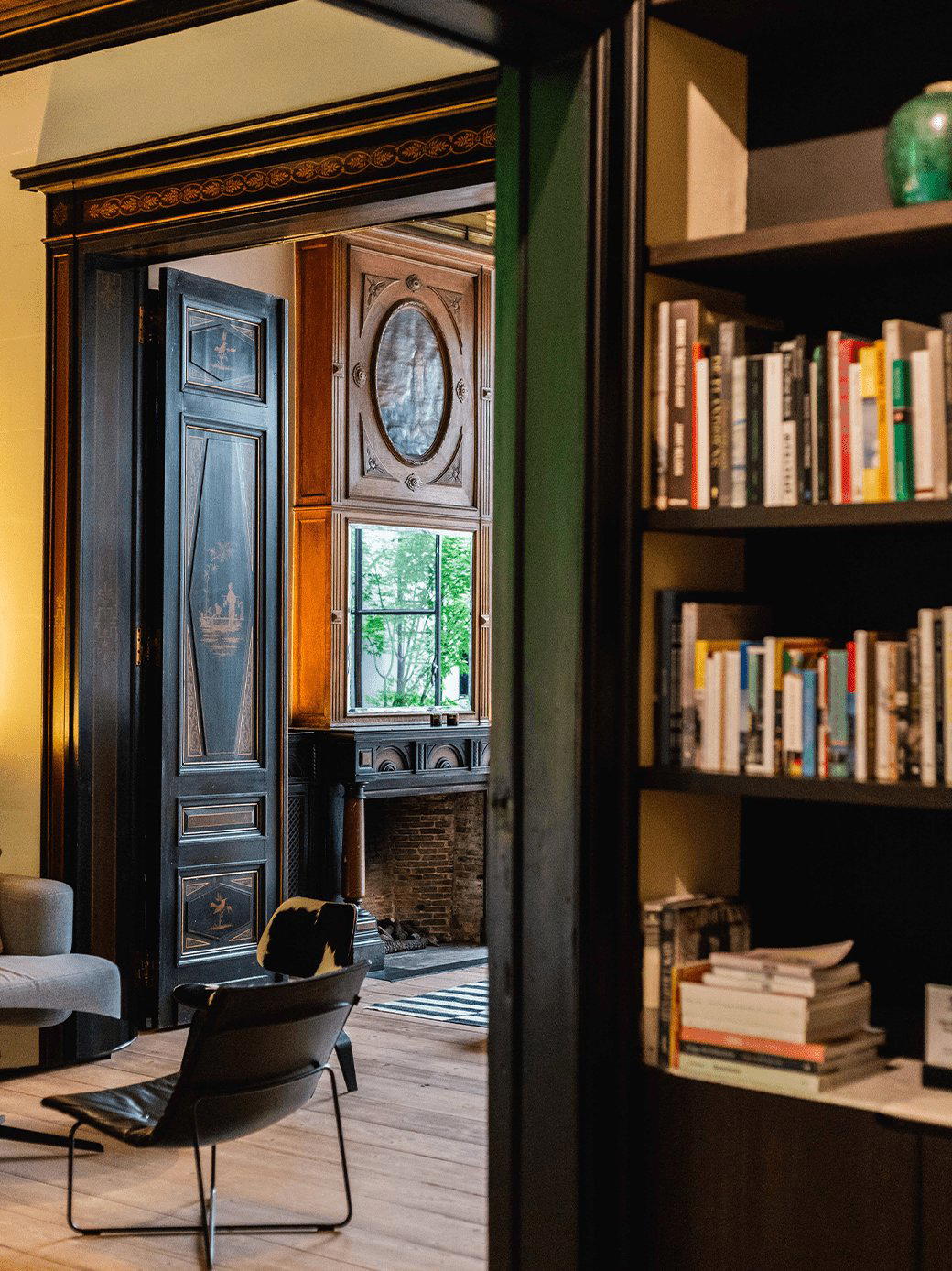
Elegant and serene with earthy tones, modern decor with an open kitchen allowing guests to observe chefs at work, creating a warm and familial atmosphere despite the fine dining setting.