Ensemble sits on the Gistelsteenweg in Jabbeke, a small West Flemish commune that punches above its size in serious dining. The restaurant joins a tight cluster of destination addresses in this corridor between Bruges and the coast, where ingredient sourcing and kitchen discipline increasingly define the offer. It is the kind of address that rewards the drive.
Pearl is the En Primeur Club membership app — saves, bookings, and concierge access live there. Same editors, same standards.
- Address
- Gistelsteenweg 223, 8490 Jabbeke, Belgium
- Phone
- +32496322747
- Website
- bistro-ensemble.be
- Directions
- Get directions
 Saves & bookings on Pearl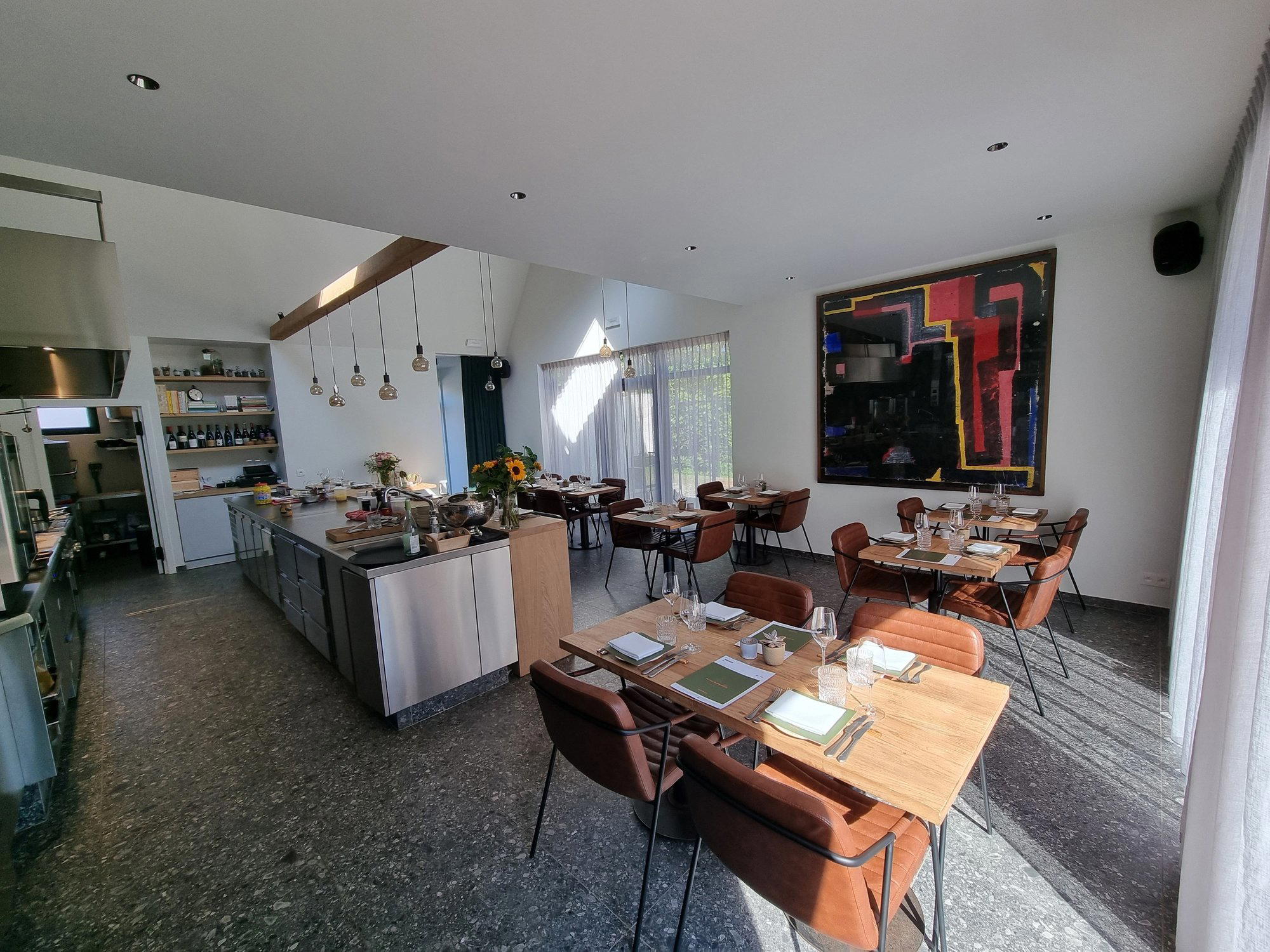
Where the Road Leads: Dining Along the West Flemish Corridor
The stretch of Flemish countryside between Bruges and the North Sea coast has quietly accumulated a concentration of destination restaurants that sits in sharp contrast to its rural character. Towns like Jabbeke, Oudenburg, and Roeselare are not culinary capitals in any metropolitan sense, yet they house kitchens that draw guests willing to leave the city behind for an evening. Ensemble, on the Gistelsteenweg — a road that threads through Jabbeke's commercial outskirts before opening into agricultural flatlands — occupies that same logic: the building is the destination, not a stop along the way.
Belgium has long sustained this model. The country's dispersed population and car-dependent geography have historically made roadside and village dining viable at price points that would require a flagship city address elsewhere. The result is a regional dining map where serious kitchens exist at seemingly arbitrary coordinates, and where local sourcing is less a marketing stance than a practical necessity rooted in proximity to specific producers. Willem Hiele in nearby Oudenburg exemplifies this: a kitchen whose identity is inseparable from the coastal terroir immediately around it. Ensemble operates in that same regional tradition, where the address itself signals a relationship with what grows, swims, or grazes nearby.
The Sourcing Logic That Shapes Belgian Rural Kitchens
West Flanders sits at an intersection of agricultural productivity and coastal access that few European regions can match at such short distances. Within thirty kilometres of Jabbeke, a kitchen has credible access to North Sea catch, polders livestock, greenhouse vegetables from the Westland corridor, and the dairy output of one of Belgium's most active farming zones. This geographic fact shapes how serious kitchens in the area construct their menus: not around a fixed format imposed on seasonal ingredients, but around what is available and when.
The ingredient-sourcing model that now dominates Belgian fine dining at the regional level is distinct from the locavore branding that characterises many urban menus. In cities, proximity claims are often aspirational or approximate. In a commune like Jabbeke, the supply chain is genuinely short, a different proposition. Kitchens in this corridor can, in principle, respond to what is harvested that week rather than what was contracted that quarter. What the address itself signals is alignment with a local food culture that takes this seriously.
For context on what this kind of regional sourcing discipline can produce at its highest expression, Hof van Cleve in Kruishoutem and Boury in Roeselare represent the Flemish benchmark: kitchens where the relationship between region and plate is documented and consistent across multiple years of recognition. Zilte in Antwerp and Vrijmoed in Gent show how the same sourcing logic translates into an urban setting, though with longer supply chains and broader menus. The rural West Flemish model is tighter, less mediated, and often more direct in the relationship between producer and plate.
Jabbeke's Place in the Broader Dining Conversation
Jabbeke does not have the density of Ghent or the tourist infrastructure of Bruges, but it maintains a small cluster of restaurants that together constitute a genuine destination. Côté Préféré operates at the creative French tier in the same commune, pricing against peer kitchens in Bruges rather than local casual dining. Fiston, Mika, and Saporo add further range to what the commune offers. This concentration is characteristic of the Belgian model: rather than one dominant restaurant city in a region, tables of genuine quality spread across the map at irregular intervals.
Ensemble at Gistelsteenweg 223 sits within that pattern. The address places it on a main road through the commune, which in the West Flemish context means accessible by car from Bruges in under fifteen minutes and from the coast in a similar window. For guests coming from further afield, Ghent is roughly thirty minutes by car, Antwerp under an hour, the drive is the entry condition, as it is for nearly every serious rural address in this part of Belgium. Our full Jabbeke restaurants guide maps the broader dining picture for visitors planning an evening in the area.
For those comparing across the Belgian dining spectrum more broadly, addresses like Bozar Restaurant in Brussels, Le Chalet de la Forêt in Uccle, La Durée in Izegem, Ralf Berendsen in Neerharen, and d'Eugénie à Emilie in Baudour illustrate the national range: from capital city institutions to village kitchens operating well outside any metropolitan orbit. Internationally, the model of destination dining in non-obvious locations finds parallels at addresses like Lazy Bear in San Francisco or, in terms of sourcing rigour, Le Bernardin in New York City, where the relationship between ingredient origin and final plate is the defining editorial of the kitchen.
Planning a Visit to Ensemble
Belgian restaurants at this level of seriousness, whether operating as a set-menu address or a more flexible à la carte format, almost universally require advance booking rather than walk-in access. The West Flemish corridor addresses that draw guests specifically for the kitchen rather than for passing convenience tend to run lean on covers, which means tables fill earlier than the dining room size might suggest.
How Ensemble Jabbeke compares with similar nearby venues.
| Venue | Cuisine | Price |
|---|---|---|
| Brasserie Fiston | Traditional Cuisine | €€€ |
| Côté Préféré | Creative French | €€€ |
| Auberge de Herborist | Farm to table | €€€ |
Continue exploring
More in Jabbeke
Restaurants in Jabbeke
Browse all →
Bars in Jabbeke
Browse all →
Hotels in Jabbeke
Browse all →
Wineries in Jabbeke
Browse all →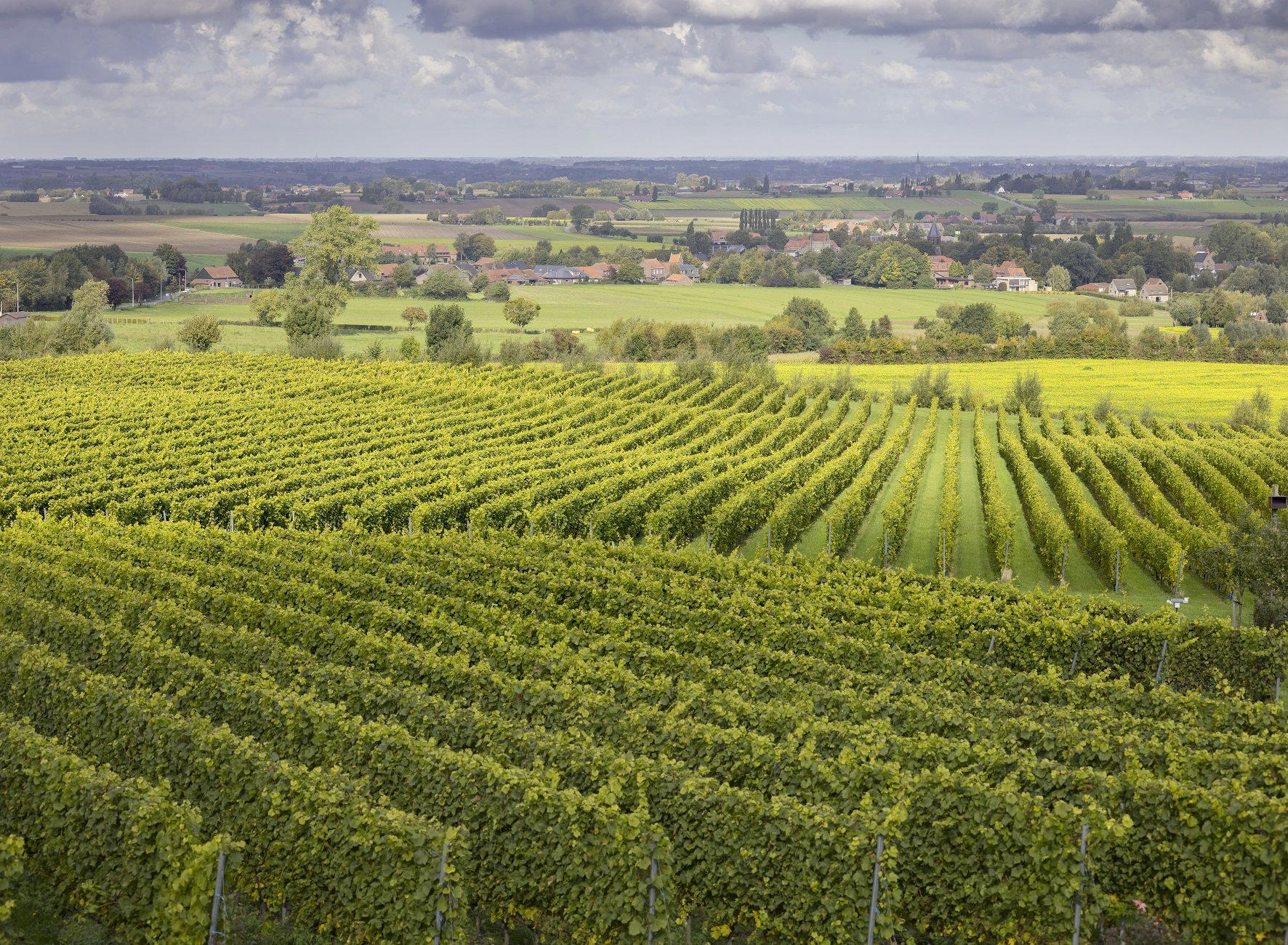
At a Glance
- Cozy
- Intimate
- Elegant
- Date Night
- Special Occasion
- Open Kitchen
- Garden
- Extensive Wine List
- Local Sourcing
- Garden
Current opening hours
- Monday
- Closed
- Tuesday
- 7–9 PM
- Wednesday
- 7–9 PM
- Thursday
- 12–2 PM, 7–9 PM
- Friday
- 12–2 PM, 7–9 PM
- Saturday
- 12–2 PM, 7–9 PM
- Sunday
- Closed
Hours can change for holidays and private events. Last verified .
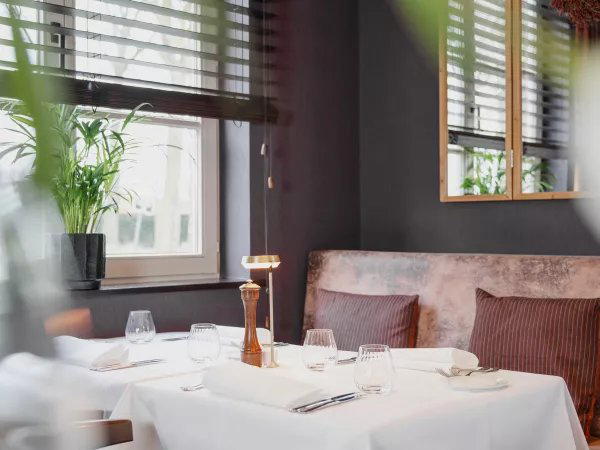
Warm, home-like atmosphere with cozy decor, soft lighting, and a welcoming 'coming home' feel as described in guest reviews.
Know Before You Go
- Getting there
- Gistelsteenweg 223, 8490 Jabbeke, Belgium