
Comme Chinois belongs to Kobe’s serious bread-and-cafe culture rather than its steak-house mythology. The Sannomiya bakery-cafe has Tabelog Bread 100 WEST recognition and a low-price format built around bread, cafe use, sandwiches, and takeout, with a small eat-in setup that makes the visit feel closer to a daily ritual than a destination meal.
Pearl is the En Primeur Club membership app — saves, bookings, and concierge access live there. Same editors, same standards.
- Address
- Japan, 〒651-0087 Hyogo, Kobe, Chuo Ward, Gokodori, 7 Chome−1−15 地下
- Phone
- +81 78-242-1506
- Website
- comme-chinois.com
 Saves & bookings on Pearl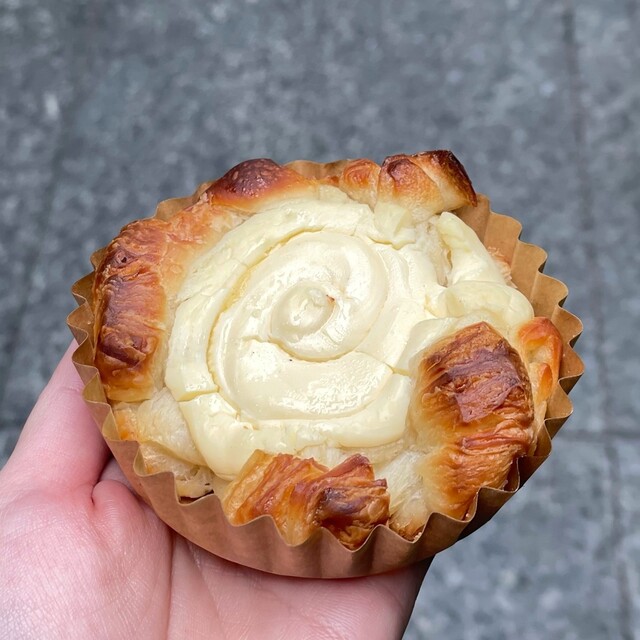
Approaching a basement bakery in Sannomiya changes the tempo of eating in Kobe. The city is often reduced to beef, port history, and Western-style sweets, but its bread culture is a quieter inheritance of the same international appetite. At Comme Chinois, the ritual is not a long lunch or a chef-led counter performance. It is selection, tray, cashier, and the small decision of whether the bread leaves in a bag or pauses briefly at a table.
That format matters. Japanese bakeries work on timing: morning shelves, midday cafe use, and the steady rhythm of office workers, families, and shoppers moving through a station district. In Kobe, where Sannomiya functions as both transport hub and commercial center, a bakery-cafe can read the city more clearly than a formal dining room. Bread is portable, repeatable, and priced for routine rather than ceremony.
Kobe's French-leaning bread habit, seen through a Sannomiya bakery ritual
Kobe has long absorbed European food forms without treating them as museum pieces. Bakeries here are not merely pastry cases attached to coffee; they sit inside everyday urban life, alongside kissaten, department-store food halls, and compact lunch counters. Comme Chinois fits that pattern with a Bread, Cafe, and Sandwich classification and Tabelog Bread 100 WEST selection in 2022, a useful signal in a category where local repeat business tends to be more revealing than spectacle.
The distinction is important for travelers mapping Kobe by appetite. A beef restaurant such as Aburi Niku Kobo Wakkoku Shinkobe ten or Aburi Niku Kobo Wakkoqu Kitano Sakamoto Ten belongs to the city’s celebratory dining register. A cafe like Akaneya Coffee Ten sits closer to Kobe’s coffee tradition. This bakery-cafe occupies the in-between zone: casual, low-priced, and still serious enough to appear in a regional bread list.
The service style also changes expectations. This is not a tasting-menu room asking diners to surrender an evening. It is closer to the Japanese bakery custom of browsing first, deciding by appetite, then treating the purchase as breakfast, lunch, or a small pause between trains. In that sense, the defining idea is not a single dish but the urban bread ritual itself: a Western-derived craft translated into Kobe’s everyday pace.
The evidence is in the format: low price, compact seating, regional recognition
Price band keeps the experience grounded. Compared with Kobe peers such as Propeller, listed in a higher dinner bracket, or Toriryori Ranpu, which sits in a dinner-led category, Comme Chinois belongs to a different economic tier. It is closer in spend to casual city stops such as SAVOY, while cafe comparables like CAFE KESHiPEARL and Kinton Koube ten occupy a slightly higher everyday cafe range. Those comparisons clarify the decision: this is a bread-first stop, not a substitute for a full evening table.
Tabelog’s Bread 100 WEST selection gives the bakery a credible place within western Japan’s competitive bread scene. The same recognition history also includes selections in 2017, 2018, 2019, and 2020, which points to sustained relevance rather than a single year of attention. For a category crowded with neighborhood bakeries, that continuity is the trust signal.
The room reinforces the hybrid nature of the visit. The setup includes 28 seats, with counter and table seating, and the cafe side operates under different etiquette from takeaway. Bread can be eaten on the terrace near the entrance, while indoor cafe use requires a drink order; bread served in the eat-in section can be warmed in a toaster. Those details shape the experience more than decor language ever could. The ritual asks diners to know which mode they are choosing: quick purchase, terrace pause, or cafe seat.
That makes the bakery especially useful in a Kobe itinerary built around contrasts. Pairing a low-key bread stop with more structured dining elsewhere gives a clearer view of the city than moving from one formal meal to another. For broader planning, Our full Kobe restaurants guide gives the dining map, while Our full Kobe hotels guide, Our full Kobe bars guide, Our full Kobe wineries guide, and Our full Kobe experiences guide help place the stop inside a full day rather than treating it as an isolated errand.
How to place it in a wider Japanese eating day
Japan’s casual dining strength lies in category discipline. A shop can do one format narrowly and still become part of a serious food itinerary. That logic connects Kobe bakeries with focused venues elsewhere, from .cafe in Osaka to.know in Kumamoto, (Shoku) Vietnam in Kawasaki, and [Curry Senmon Ten] Maruyama Kyoju. in Sapporo. Each reads less as an all-purpose restaurant and more as a precise answer to a specific craving.
In Kobe, that specificity is valuable. A traveler can move from bakery breakfast to a lunch counter such as Akari, then into a more formal meat-focused evening, or pivot toward international casual cooking at Ali's Halal Kitchen. The point is not to rank these experiences against one another; it is to understand the city by format, price, and pace.
For readers building cross-city comparisons, the same logic extends beyond Japan’s major tourist circuits. -Grilled beef Sukiyaki- KAMAKURA TANUKIAN 鎌倉 たぬき庵 in Kamakura speaks to a different ritual around beef and simmered sweetness, while. 鮪と炭火焼き うお炭 秋葉原店 in Tokyo frames eating through tuna and charcoal. Abroad, Jōdo Saké Bar in Los Angeles and Onigiri Time in Pasadena show how Japanese food formats travel and adapt. The restaurant is smaller in scale, but the lesson is the same: the format tells diners how to behave before the first bite is chosen.
The editorial case is simple. Come for Kobe’s bread culture rather than a grand restaurant performance. The value lies in a disciplined, affordable bakery-cafe routine with enough recognition to justify crossing Sannomiya for it, and enough everyday utility to make it feel native to the city rather than staged for visitors.
Cuisine and Awards Snapshot
Comparable venues by cuisine and price in the same metro.
| Venue | Cuisine | Price | Notes |
|---|---|---|---|
| Comme ChinoisThis venue — the venue you are viewing | French-style bakery & patisserie café | $$ | Not listed |
| L'AVENUE | Modern French-style patisserie & chocolate shop | $$ | Chūō |
| patisserie mont plus Honten | French Patisserie | $$ | Chūō |
| セッタン | French Auberge with Local Japanese Ingredients | $$$ | Kita |
| Misaku Kobe kitano ten | Kobe-style okonomiyaki & teppanyaki | $$ | Chūō |
| El Raco Den Takeuchi | Traditional Catalan Spanish restaurant | $$ | Chūō |
Recognition history
Dated appearances from independent guides and award organizations, with the underlying list record or original source where available.
Tabelog 100 #14 · No. 14
Tabelog · Tabelog 100 - Bread - WEST - 2022
Continue exploring
More in Kobe
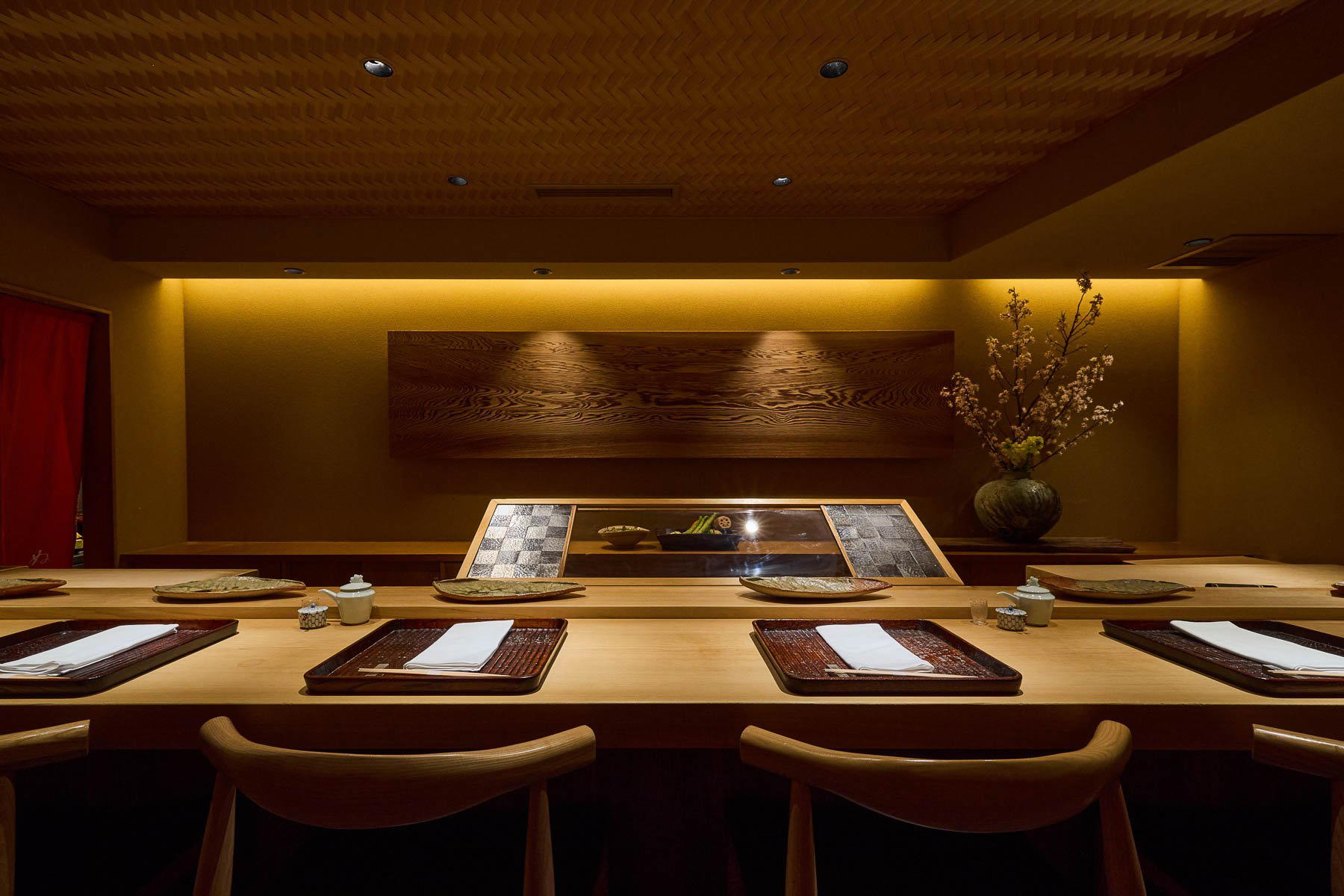
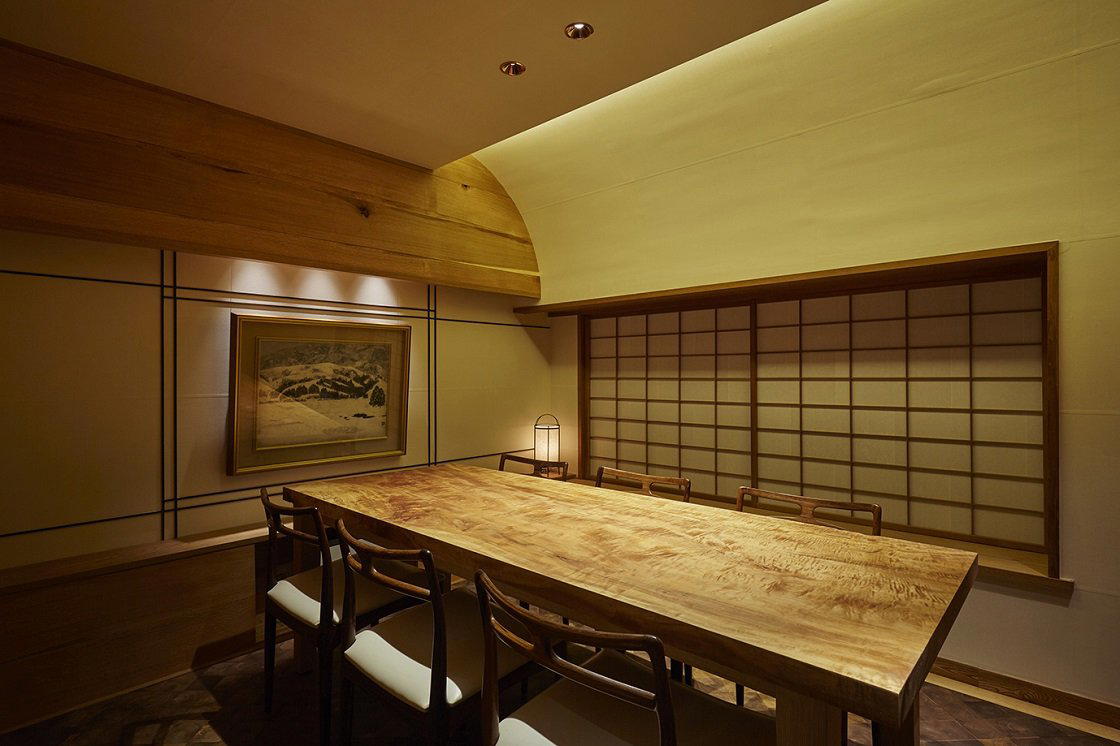
Restaurants in Kobe
Browse all →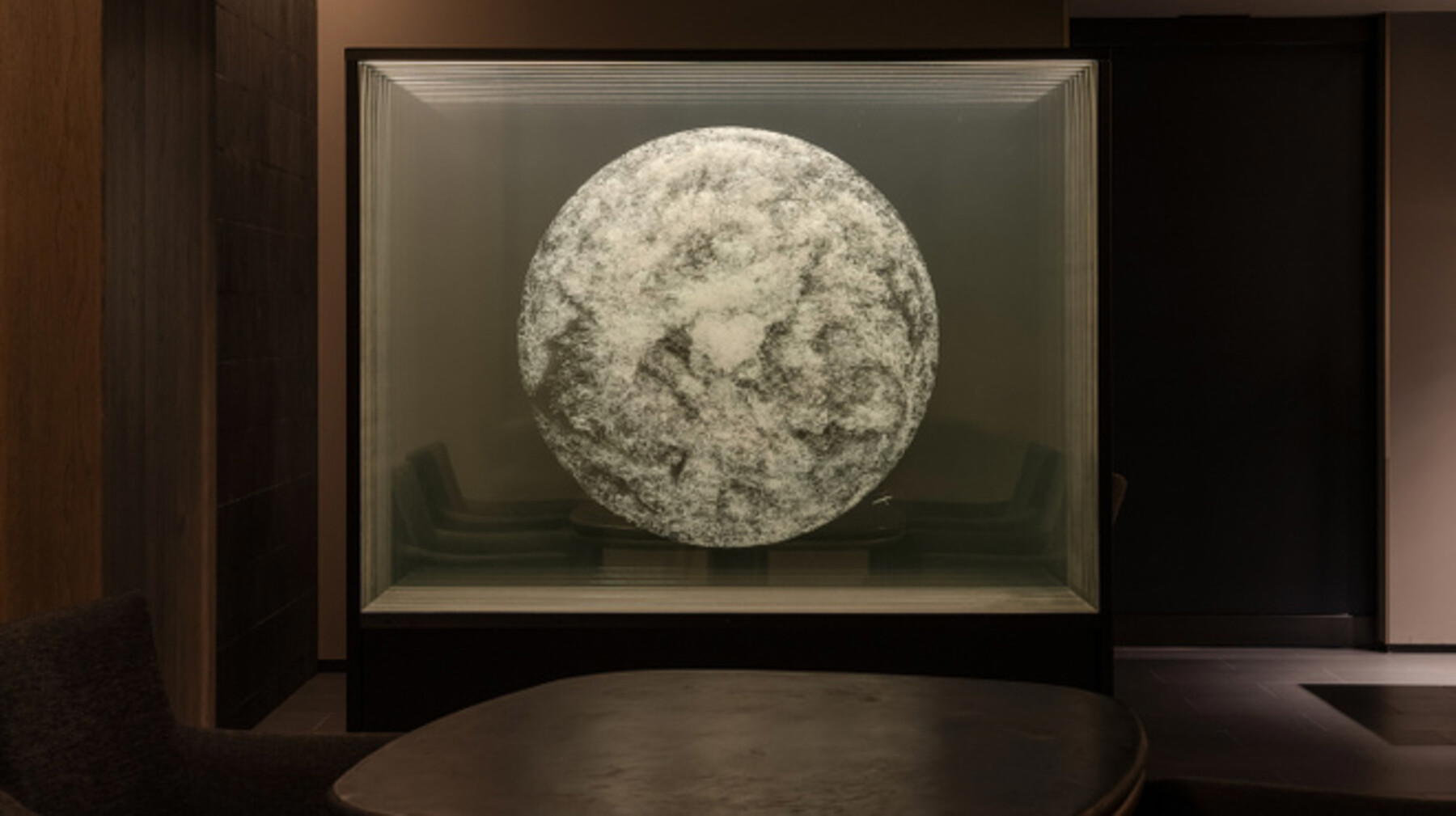
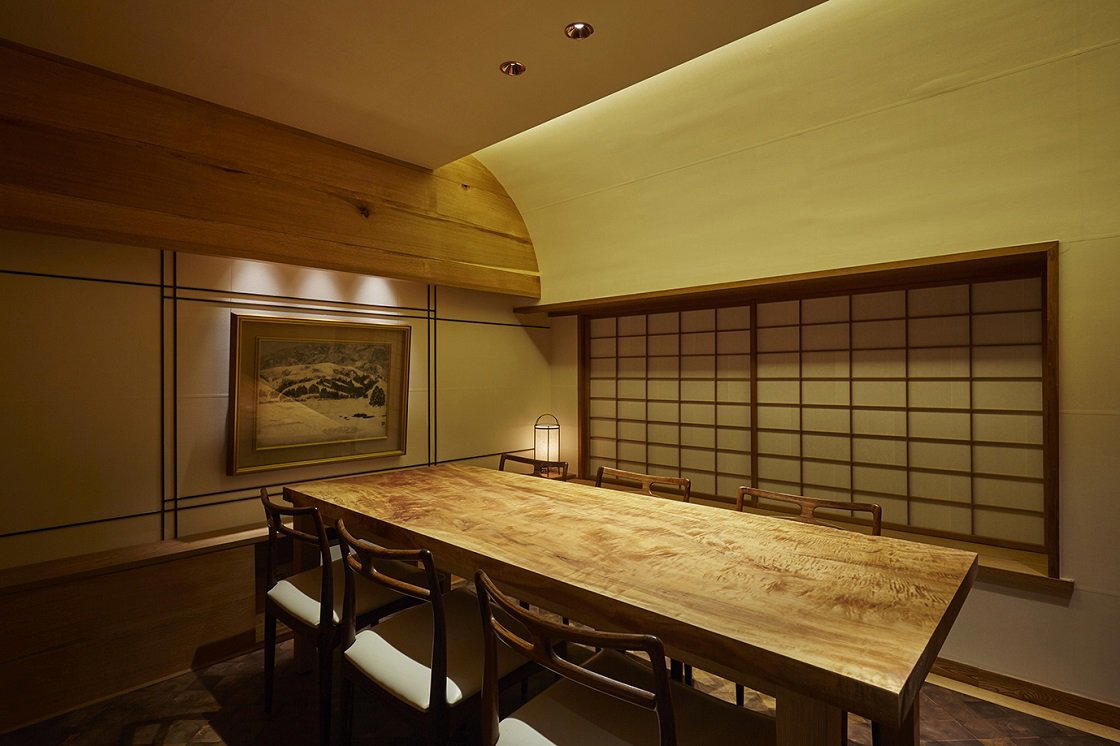
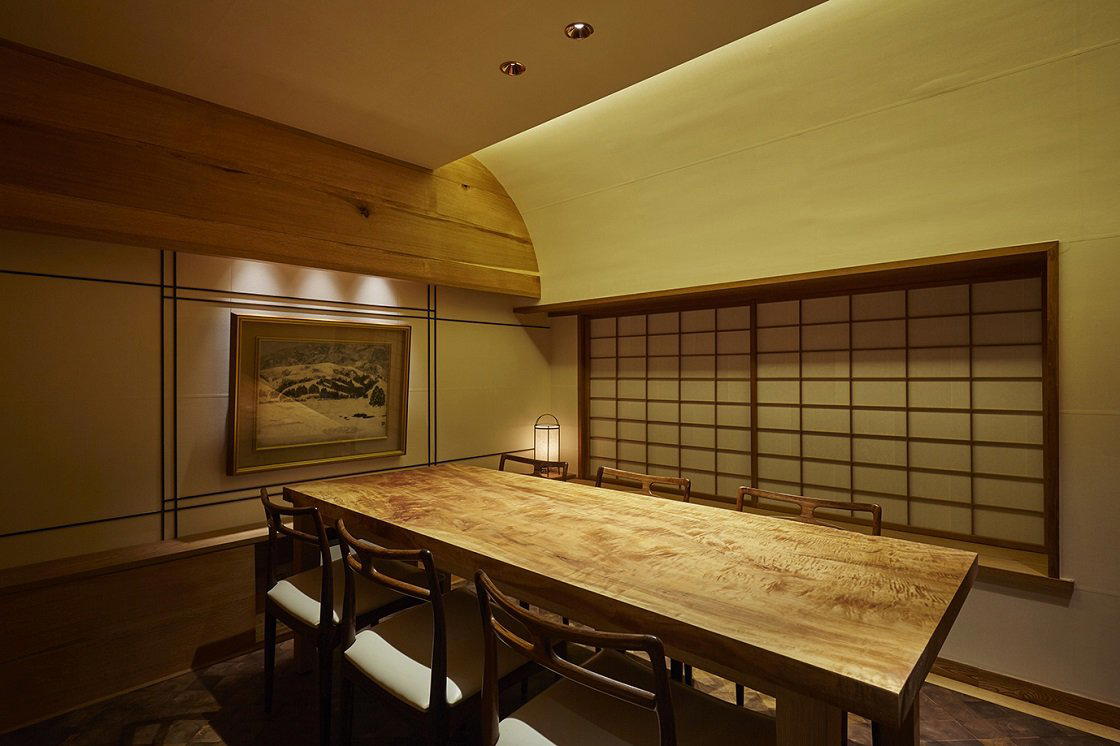
Bars in Kobe
Browse all →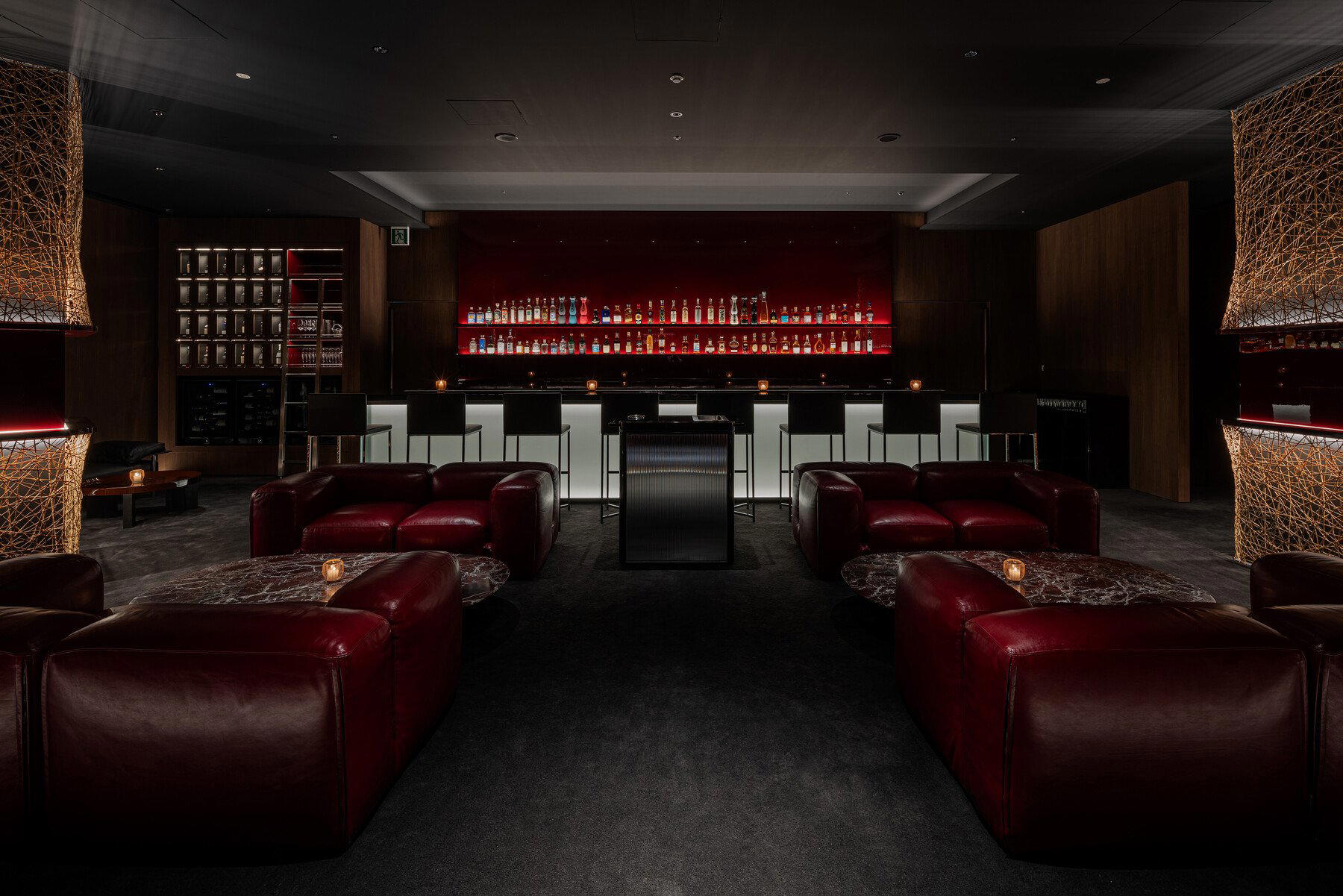
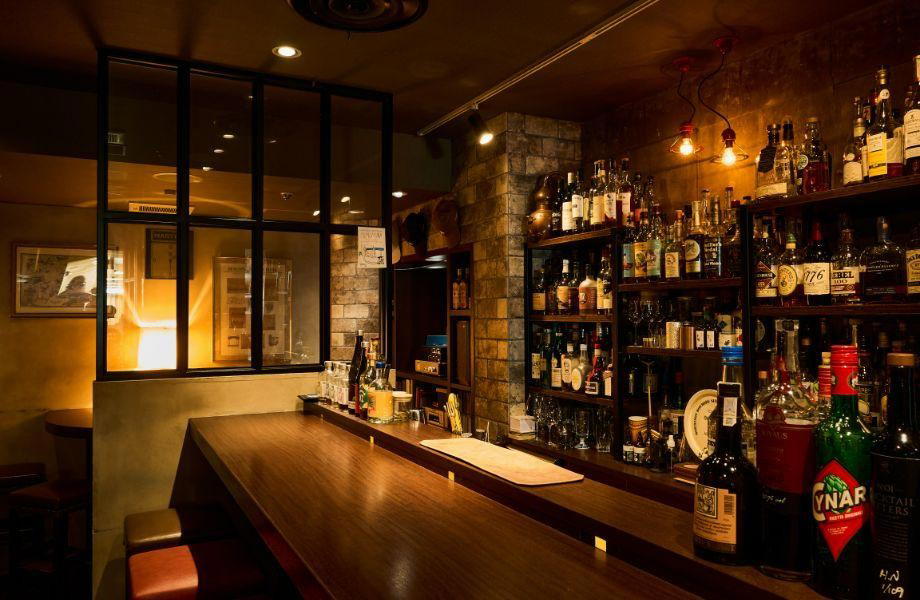

Hotels in Kobe
Browse all →


At a Glance
- Cozy
- Lively
- Classic
- Rustic
- Trendy
- Well Known
- Casual Hangout
- Solo
- Family
- After Work
- Brunch
- Standalone
- Design Destination
- Terrace
- Local Sourcing
Current opening hours
- Monday
- Closed
- Tuesday
- 8 AM–6 PM
- Wednesday
- Closed
- Thursday
- 8 AM–6 PM
- Friday
- 8 AM–6 PM
- Saturday
- 8 AM–6 PM
- Sunday
- 8 AM–6 PM
Hours can change for holidays and private events. Last verified .
A chic yet casual basement bakery-café with rustic decor and exposed brick, filled with displays of breads and pastries; it feels warm, bustling, and neighborhood-friendly rather than formal, with people lingering over coffee, sandwiches, and sweets.