Our verdict
Come Bebe Ama occupies a quiet stretch of Carabanchel, one of Madrid's southern districts that has drawn increasing attention as dining energy shifts away from the city centre. With a name that translates loosely as 'Eat, Drink, Love,' the address signals an informal register that sits at a remove from Madrid's high-tasting-menu circuit, making it a useful reference point for understanding how neighbourhood dining in the capital is evolving.

Pearl is the En Primeur Club membership app, where members save venues, book tables and use the concierge.

The menu
What to order
- Smoked anchovy
- Prawn gyozas
- Iberian croquettes
- Fideua
- Torreznos
Carabanchel and the Southward Shift in Madrid Dining
For most of the past two decades, serious eating in Madrid meant staying north of the Manzanares: Salamanca, Justicia, Chamberí. The city's Michelin geography reinforced that bias, concentrating marquee addresses like DiverXO, Coque, Deessa, and DSTAgE in districts where rents and clientele aligned with tasting-menu economics. Carabanchel, historically a working-class barrio in the city's south, sat outside that map entirely. That is changing. Over the past several years, independent openings have appeared along its quieter streets, and Come Bebe Ama, at Calle de Gesaleico 20, is one of the addresses that local diners have started referencing when the conversation turns to where the neighbourhood's character is being written now.
The name itself tells you something about the register: a phrase that collapses eating, drinking, and affection into a single instruction. That tone, at once direct and warm, reflects a broader trend in Madrid's mid-tier independents, where the studied casualness of neighbourhood trattorias and natural-wine bars has displaced the formality that once defined any restaurant trying to be taken seriously. Come Bebe Ama sits in that current, positioning itself in contrast to the high-production, high-price format that dominates the city's fine-dining tier.
What the Address Says About the Evolution
Carabanchel's dining scene has passed through recognisable phases. Through the 2000s and early 2010s, it remained largely residential in character, its restaurants serving the barrio rather than drawing visitors from across the city. The next phase, visible from roughly 2016 onward, brought a wave of smaller, lower-overhead openings, often from operators priced out of more central postcodes, who found that the area's resident base was younger, more food-literate, and increasingly willing to support non-traditional formats. Come Bebe Ama operates in that third phase, where the question is no longer whether Carabanchel can sustain interesting restaurants, but which of those restaurants are building something with enough coherence to last.
That evolution mirrors patterns visible across European cities where post-industrial or historically working-class districts have become the ground where the most genuinely local dining culture develops, free from the pressures of tourist footfall and the design language of international hospitality. Madrid has seen this in Lavapiés and Vallecas; Carabanchel is the current southern frontier of that movement. Our full Madrid restaurants guide maps the broader shape of how those zones relate to one another.
Positioning Relative to Madrid's Fine-Dining Tier
Come Bebe Ama does not compete in the same bracket as Paco Roncero or the other high-investment creative addresses that define Madrid's premium tier. Spain's broader fine-dining infrastructure, which includes three-star destinations like El Celler de Can Roca in Girona, Mugaritz in Errenteria, Martin Berasategui in Lasarte-Oria, Azurmendi in Larrabetzu, and Arzak in San Sebastián, as well as coastal innovators like Quique Dacosta in Dénia and Aponiente in El Puerto de Santa María, sets a reference frame that neighbourhood restaurants necessarily define themselves against, even when not directly competing with it.
In that context, what distinguishes the Come Bebe Ama tier is its relationship to locality. Where the high-end circuit draws from a national and international clientele, and where a destination like Ricard Camarena in València or Cocina Hermanos Torres in Barcelona functions partly as a city-level calling card, Come Bebe Ama's value proposition is neighbourhood-first. The dining room exists, primarily, for the people who live nearby or who make the deliberate trip south specifically for it. That is a different kind of restaurant, and not a lesser one.
For comparative reference internationally, the analogy sits closer to the community-anchored format that Lazy Bear in San Francisco disrupted the high-end casual conversation with, though Come Bebe Ama operates at a far lower production register. The comparison with a precision-driven operation like Le Bernardin in New York City is illustrative only in its contrast: what Le Bernardin represents in terms of formalised excellence, Come Bebe Ama implicitly declines as a model, aligning instead with directness and informality as values in themselves, not defaults born of limited resources.
Planning Your Visit
Carabanchel sits in the southern part of the city, accessible via Metro Line 5 (the green line), which runs to Carabanchel and Aluche stations. The area is less saturated with tourists than central Madrid, and the street-level energy around Calle de Gesaleico reflects that: quieter, more local, without the density of foot traffic that defines areas like Gran Vía or Malasaña. For visitors combining Come Bebe Ama with Madrid's central dining circuit, the practical consideration is transit time rather than distance; the city's metro is efficient and the southern districts are not isolated, just directionally distinct from where most visitors anchor themselves.
Given the absence of confirmed booking, hours, and pricing data in public records at the time of writing, contacting the venue directly before visiting is advisable. Neighbourhood independents in this tier often operate reduced hours mid-week or close on Sundays and Mondays, a rhythm common across Madrid's smaller restaurant category.
What should I eat at Come Bebe Ama?
The name's implicit directive, eat and drink with affection, is as good a guide to approach as any specific dish recommendation.
Is Come Bebe Ama connected to any recognised culinary lineage in Madrid?
There is no publicly confirmed chef background or culinary lineage attached to Come Bebe Ama in, which places it outside the traceable training genealogies that link many of Madrid's credentialed restaurants to figures like those behind DiverXO or the broader Basque and Catalan traditions that shaped Spain's haute cuisine movement. That absence of documented lineage is not unusual for the Carabanchel independent tier, where the operative credential tends to be the kitchen's consistency and neighbourhood standing rather than formal award recognition.
Frequently asked questions
Is Come Bebe Ama suitable for children?
Carabanchel runs at a slower, more residential rhythm than central Madrid, and Come Bebe Ama fits that register. The address on Calle de Gesaleico is a working neighbourhood setting rather than a formal dining room, which generally means fewer rigid expectations around timing or behaviour.
What kind of setting is Come Bebe Ama?
Come Bebe Ama sits in Carabanchel, a southern Madrid district that has shifted from purely residential to a genuine local dining destination over the past decade. The address on Calle de Gesaleico places it away from the tourist circuits of Justicia or Salamanca, which means the room skews towards regulars rather than visitors. Expect a neighbourhood independent in character, not a polished tasting-menu operation.
Is Come Bebe Ama a good option for eating in Carabanchel without going to central Madrid?
Come Bebe Ama on Calle de Gesaleico is precisely that kind of option, a local address in Carabanchel that removes the need to head north to Chamberí or Salamanca for a decent meal. Metro Line 5 connects Carabanchel to the wider city, but the neighbourhood now has enough independent dining to hold an evening on its own terms. For visitors staying in or near the south of Madrid, it represents the kind of local-first eating the area has been building towards.
What should I eat at Come Bebe Ama?
Madrid's southern neighbourhood restaurants tend to rotate around market availability rather than fixed printed menus, so asking the room what is fresh is standard practice rather than an admission of indecision.
Reputation Context
Comparable venues nearby, for context on price, style, and recognition.
| Venue | Cuisine | Price | Awards | Notes |
|---|---|---|---|---|
| Come Bebe AmaThis venue (the venue you are viewing) | Modern Extremaduran Spanish Gastrobar | $30–50 | Not listed | Not listed |
| Azotea del Círculo | Modern Spanish Mediterranean with Tapas | $30–50 | Not listed | Cortes |
| Abascal | Modern Spanish Tapas | $30–50 | Not listed | Almagro |
| Castizo Plaza del Ángel | Modern Spanish Tapas | $30–50 | Not listed | Barrio de las Letras |
| La Txulapona | Basque-Madrilenian Spanish | $30–50 | Not listed | San Juan Bautista |
| Casa Salesas | Modern Spanish All-Day Bistro | $30–50 | Macarfi 6.6 Food Rating | Chueca |
Continue exploring
More in Madrid
Restaurants in Madrid
All restaurants in Madrid →
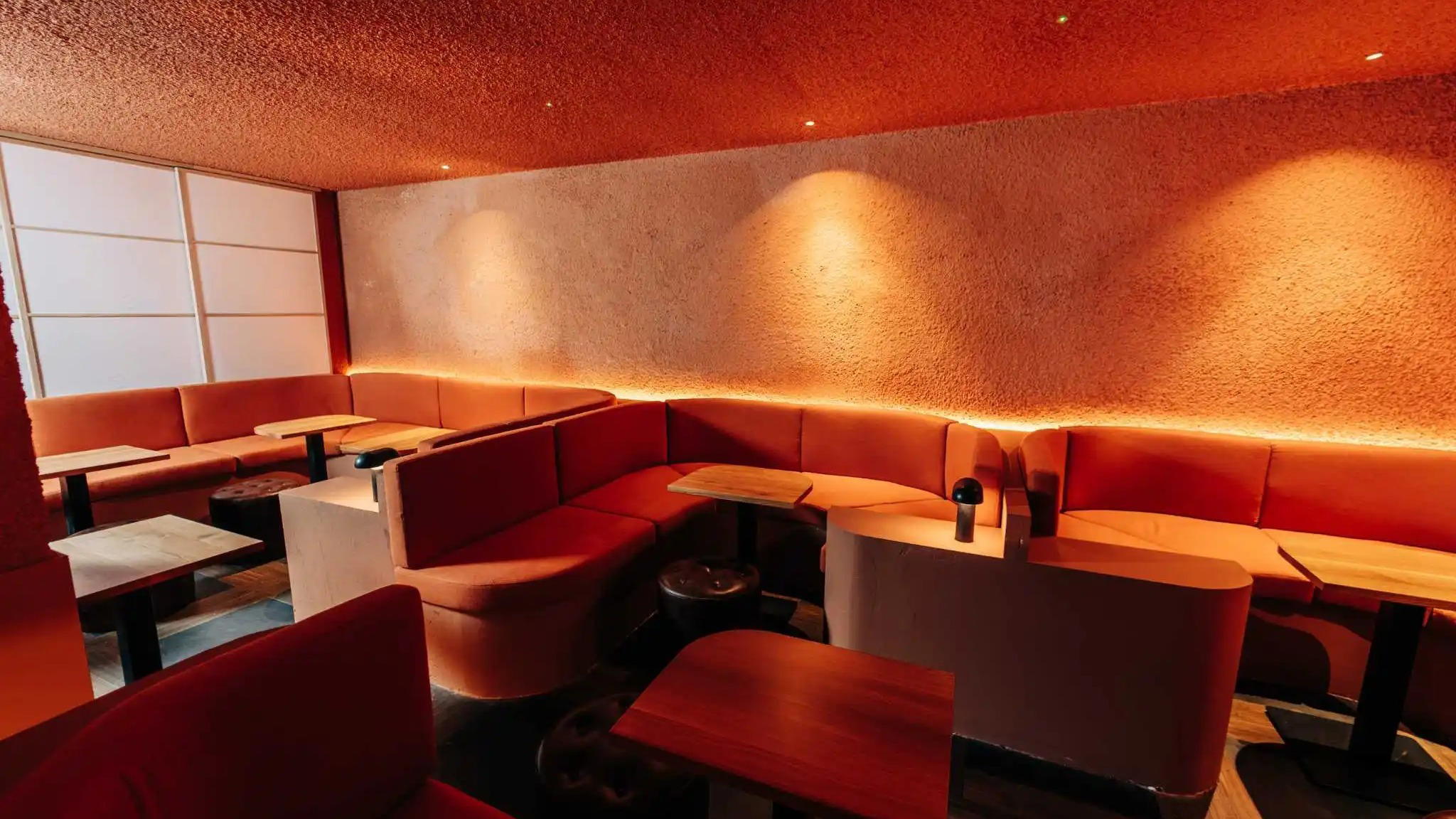
Bars in Madrid
All bars in Madrid →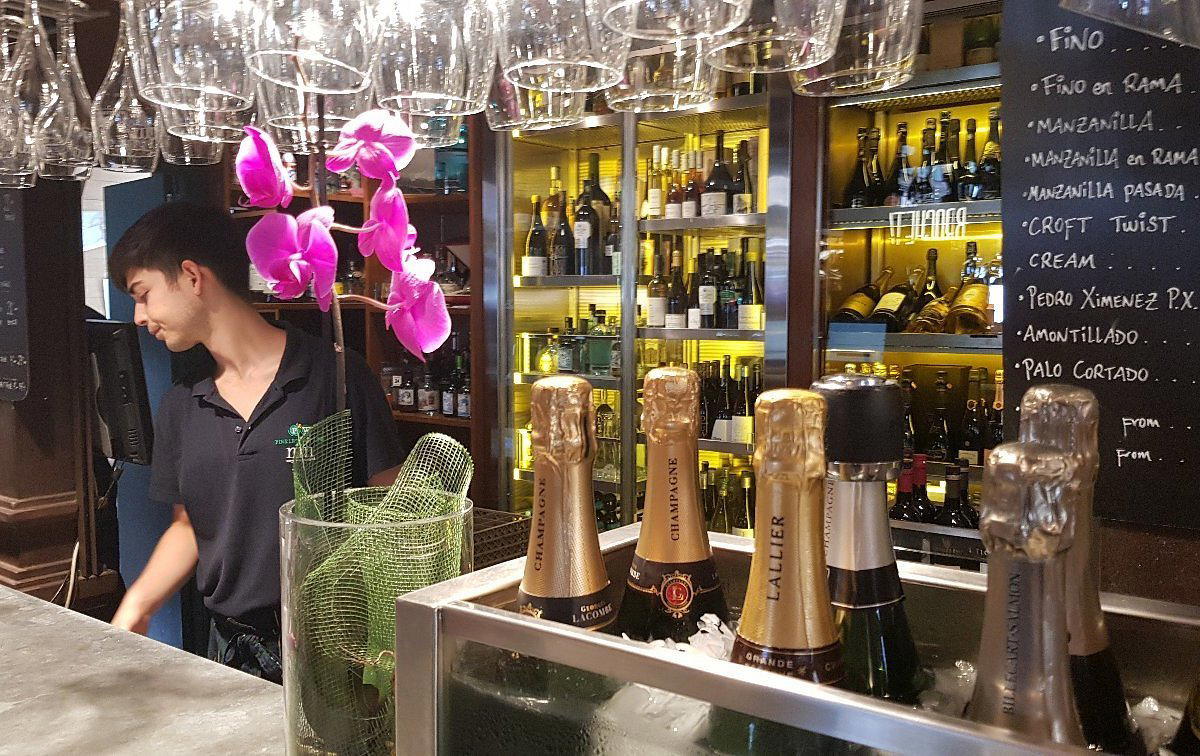
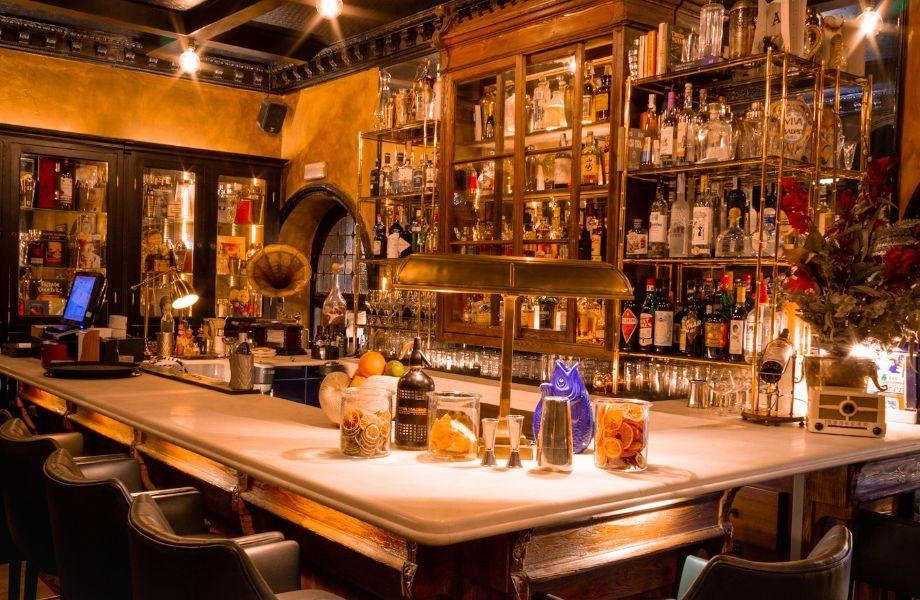
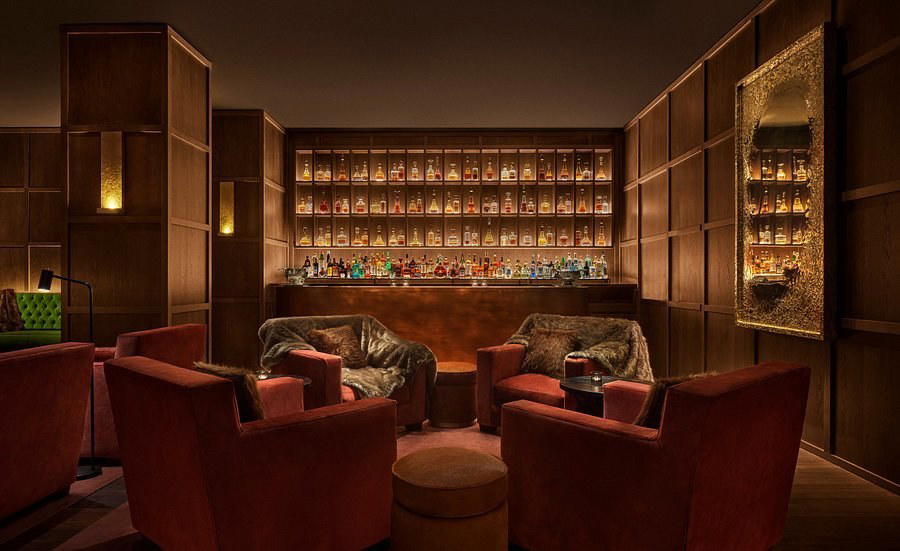

Details
- Cozy
- Modern
- Intimate
- Date Night
- Group Dining
- Special Occasion
- Open Kitchen
- Terrace
- Live Music
- Local Sourcing
- A La Carte
- Small Plates
- Tasting Menu
- Vegetarian Friendly
Current opening hours
- Monday
- Closed
- Tuesday
- Closed
- Wednesday
- 1–5 PM, 8–11:30 PM
- Thursday
- 1–5 PM, 8–11:30 PM
- Friday
- 12:30–6 PM, 8:30 PM–12 AM
- Saturday
- 1 PM–12 AM
- Sunday
- 1–6:30 PM
Hours can change for holidays and private events. Hours as of .
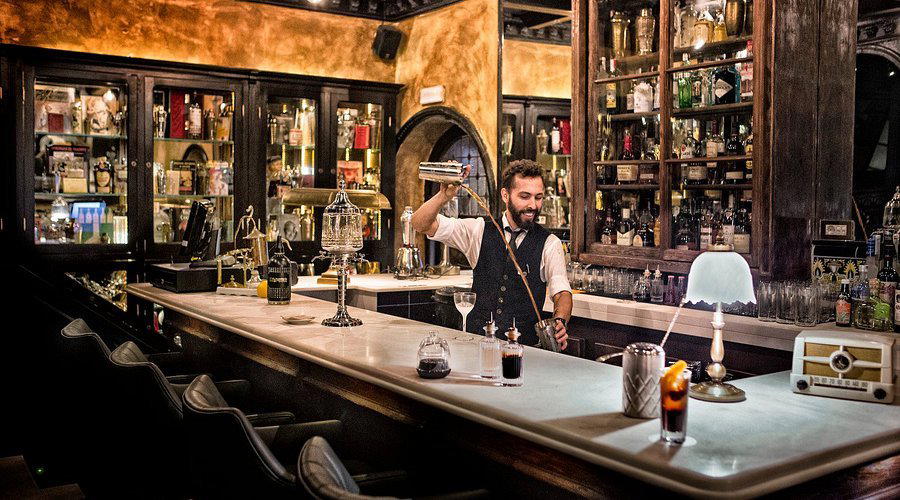
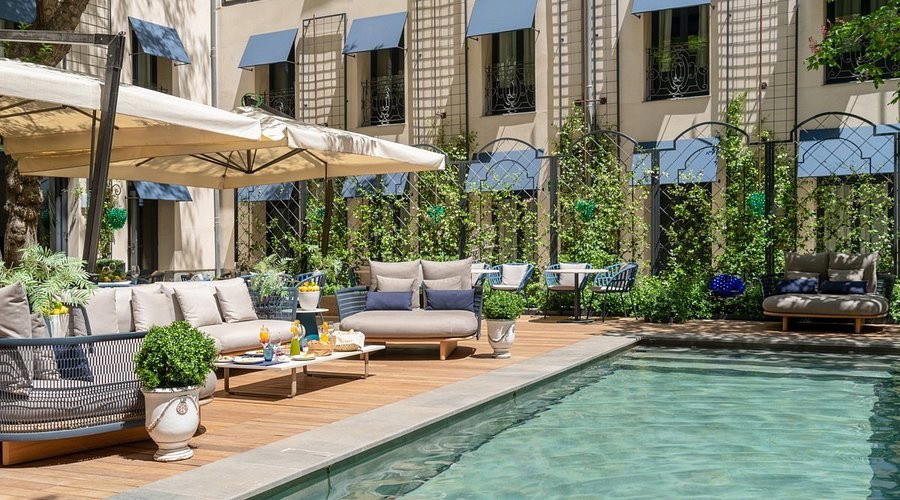
Cozy and relaxed atmosphere with a lively bar area, comfortable seating on the terrace, and a haven of peace away from main streets.