Our verdict
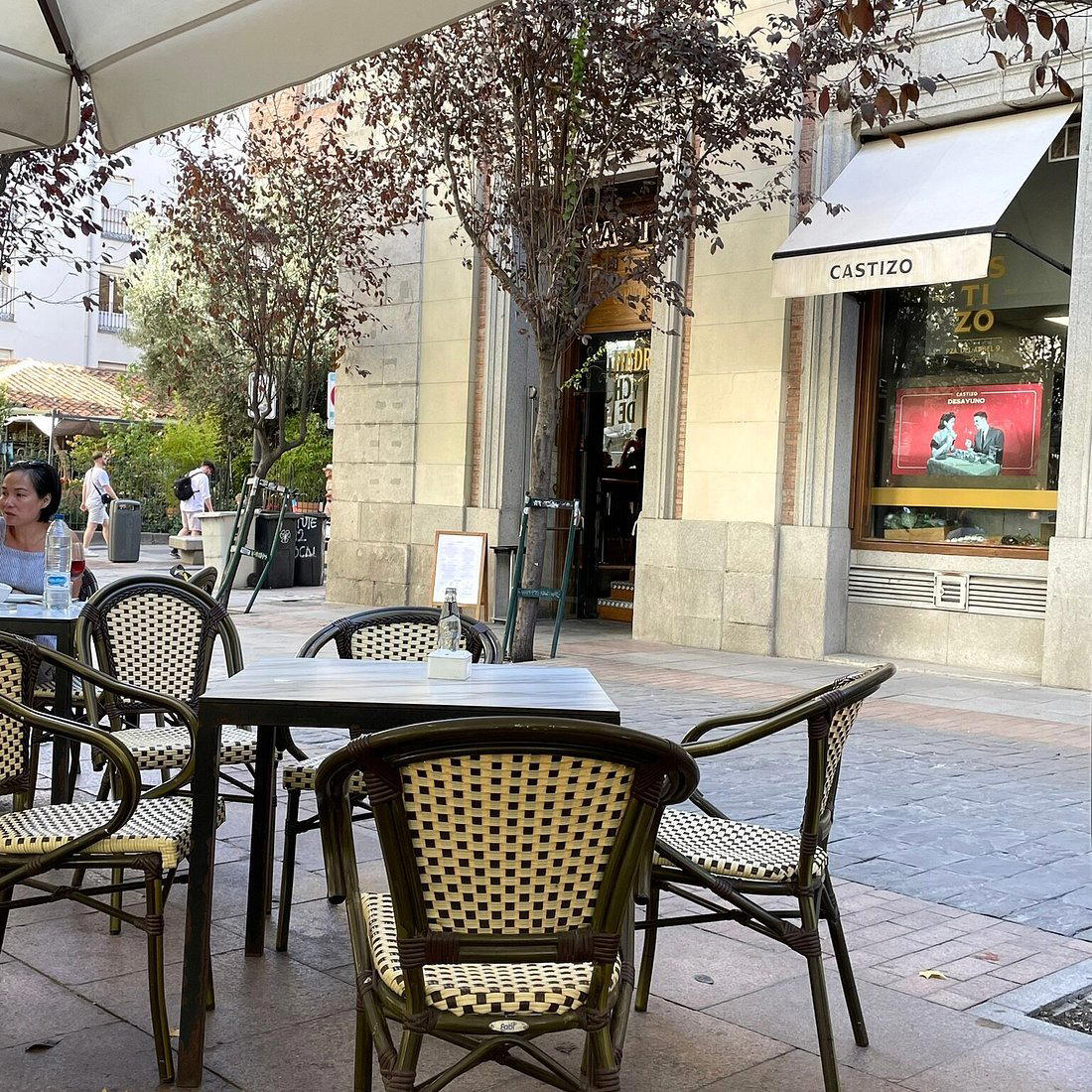
Castizo Plaza del Ángel sits at one of central Madrid's most storied intersections, a stone's throw from the literary cafés of the Huertas neighbourhood. The restaurant operates within a tradition of Madrid castizo cooking — the city's own vernacular cuisine, rooted in offal, legumes, stewed meats, and seasonal market produce — placing it in a distinct tier from the capital's avant-garde tasting-menu circuit.

Pearl is the En Primeur Club membership app — saves, bookings, and concierge access live there. Same editors, same standards.
The menu
What to order
- Patatas bravas
- Pincho de tortilla
- Croquetas de jamón
- Ensaladilla rusa
Where Plaza del Ángel Fits in Madrid's Dining Map
Madrid's restaurant scene has spent the last two decades bifurcating. On one side sit the avant-garde tasting-menu houses: DiverXO, with its three Michelin stars and boundary-pushing Asian-Spanish hybrids; Coque, with its multi-room experiential format; Deessa and DSTAgE, each representing a particular strand of modern Spanish creative cooking. On the other side sits something older and, in its own way, harder to do well: the castizo tradition, the cuisine Madrid actually grew up eating.
Castizo Plaza del Ángel occupies the second category. The address itself carries weight. Plaza del Ángel is a compact square in the Huertas district — the neighbourhood that gave Spain Cervantes and the literary café culture of the early twentieth century — and the streets around it have fed Madrileños for centuries through tabernas, tascas, and market-adjacent cocinas. A restaurant bearing the castizo name in this location is making a specific claim about what it is and who it's for.
What Castizo Cooking Actually Means
The word castizo has no clean English equivalent. Historically, it referred to something authentically, unambiguously of Madrid, a purist's category, applied to people, dialect, and food alike. Applied to cuisine, it draws a clear line around a set of dishes that emerged from the city's working-class neighbourhoods: callos a la madrileña (tripe slow-cooked with chorizo and morcilla), cocido madrileño (the three-course chickpea stew served in sequence from broth to vegetables to meat), oreja a la plancha (griddled pig's ear), and bocadillo de calamares in its fried-ring form. These are not dishes that trace their roots to the Basque Country or Catalonia. They are Madrid's own, and they developed in direct relationship with the city's slaughterhouses, its market at La Cebada, and the cooking traditions of the casticismo culture that flourished here from the eighteenth century onward.
This matters for understanding where Castizo Plaza del Ángel positions itself. Spain's highest-profile cooking in recent decades, from El Celler de Can Roca in Girona to Mugaritz in Errenteria to Arzak in San Sebastián, has largely come from the Basque Country and Catalonia. Madrid's contribution to the global conversation has been through its creative vanguard, not its vernacular tradition. A restaurant that commits seriously to castizo cooking is, in that context, doing something with clear cultural purpose: holding the line on a cuisine that risks being reduced to tourist shorthand while the city's critical attention points elsewhere.
The Huertas Setting
Huertas and the adjacent Barrio de las Letras form one of central Madrid's densest concentrations of bars, restaurants, and cultural history. The neighbourhood sits between the Paseo del Prado to the east and the Puerta del Sol to the west, and its streets around Calle de las Huertas, Calle del León, and Plaza del Ángel have hosted tertulia culture, the Spanish tradition of intellectual gathering over food and drink, since at least the seventeenth century. Cervantes lived and died nearby; plaques mark the former sites of rival writers' homes. The area's tabernas predate most of what now passes for historic dining in other European capitals.
That depth of food culture means the neighbourhood already carries a baseline expectation. Tourists fill the outer ring of establishments around Puerta del Sol and Santa Ana, but the streets around Plaza del Ángel draw a more knowing crowd: locals who understand the difference between a bar offering vermut and tinned fish as cultural practice and one doing so as performance. A restaurant named Castizo in this square is staking a position in that more discerning local current.
Madrid's Castizo Tradition Against the National Fine-Dining Picture
To understand what Castizo Plaza del Ángel represents within the broader Spanish restaurant hierarchy, it helps to trace where Spanish fine dining has concentrated its energy. The Basque Country gave the world pintxos culture and a disproportionate share of Michelin stars relative to population. Catalonia built a global reputation through elBulli's legacy and a cluster of technically demanding successors. Valencia's Ricard Camarena and Andalusia's Aponiente represent strong regional identities rooted in local ingredients. Even Extremadura has its Atrio in Cáceres, with two Michelin stars and a wine cellar of serious depth. Madrid, by contrast, has historically imported talent and tradition rather than generating a recognised regional cuisine, which is precisely why the castizo tradition holds particular importance for the city's food identity.
Internationally, the closest comparison might be found not in Spain but in cities where a dominant vernacular cooking style holds its own against a creative tasting-menu class. Think of the brasserie tradition in Paris holding ground against neo-bistro modernism, or the counter-culture of precision steakhouses in New York existing outside the tasting-menu circuit of places like Le Bernardin. In Madrid, castizo cooking serves a similar function: it is the cuisine that predates the critical apparatus, and it continues to matter precisely because it answers to different values than those that drive Michelin visits or 50 Best positioning. It is also the cuisine most likely to disappear if sufficient serious attention is not paid to it, replaced by versions of itself that retain the names of the dishes but not the technique or sourcing that makes them coherent.
Placing Castizo Plaza del Ángel in Context
Within Madrid's current restaurant scene, venues operating at the creative €€€€ end, Paco Roncero among them, represent a different competitive tier than a castizo-focused address on Plaza del Ángel. The two categories are not in direct competition; they answer to different motivations and different appetites. Visitors who have booked Madrid primarily for the avant-garde circuit may encounter Castizo Plaza del Ángel as a counterpoint: a lunch or early dinner option that sits outside the tasting-menu rhythm and provides the city's own culinary register rather than a globally inflected creative one.
For those building a broader itinerary around Spanish regional cooking, the comparison points extend further: Azurmendi in Larrabetzu, Martin Berasategui in Lasarte-Oria, and Cocina Hermanos Torres in Barcelona all represent regional traditions refined to fine-dining status. Castizo cooking operates at a different register, but it serves an equivalent function for Madrid: the cuisine through which the city makes a claim on its own food identity. See our full Madrid restaurants guide for broader context on where Castizo Plaza del Ángel sits within the capital's dining picture. For creative Spanish cooking at a comparable remove from Madrid, Quique Dacosta in Dénia and Lazy Bear in San Francisco offer useful comparisons for understanding how vernacular cooking traditions interact with the international fine-dining conversation.
Planning Your Visit
| Detail | Castizo Plaza del Ángel | Creative Peers (e.g. DiverXO, Coque) |
|---|---|---|
| Format | Castizo/traditional Madrid | Tasting menu, multi-course |
| Price tier | Not published | €€€€ |
| Booking | Online, often weeks/months ahead | |
| Setting | Plaza del Ángel, Huertas, Centro | Various central/north Madrid |
| Dress code | Not specified | Smart casual to formal |
| Leading for | Madrid's own vernacular cuisine | Avant-garde Spanish tasting menus |
Frequently asked questions
What's Castizo Plaza del Ángel's location?
Castizo Plaza del Ángel is located at Pl. del Ángel, 9, Centro, 28012 Madrid, Spain, Madrid.
How does Castizo Plaza del Ángel fit into the Huertas dining scene compared to Madrid's avant-garde restaurants?
Castizo Plaza del Ángel operates in a different register from Madrid's creative tasting-menu houses. Where venues at the avant-garde end pursue technique-driven reinvention, a castizo kitchen holds to the city's historically rooted recipes without reframing them as contemporary cuisine. Located in Huertas — one of central Madrid's densest concentrations of culturally significant bars and restaurants — it sits within a neighbourhood that has sustained this traditional cooking style across generations.
What's the signature dish at Castizo Plaza del Ángel?
Castizo cooking at Plaza del Ángel centres on Madrid's vernacular canon. Callos a la madrileña — tripe slow-cooked with chorizo and morcilla — and cocido madrileño, the city's defining chickpea stew, represent the core of what this format delivers. These are dishes rooted in Madrid's offal and legume traditions, not creative reinterpretations of them.
What's the best way to book Castizo Plaza del Ángel?
No online booking platform has been confirmed for this address at Pl. del Ángel, 9 in Madrid's Centro district. For a castizo-format restaurant in Huertas, arriving directly at the venue or calling ahead is the standard approach. Midweek lunches at traditional madrileño spots in this neighbourhood typically offer the most availability.
Cost Snapshot
Comparable venues nearby, for context on price, style, and recognition.
| Venue | Cuisine | Price | Awards | Notes |
|---|---|---|---|---|
| Castizo Plaza del ÁngelThis venue — the venue you are viewing | Modern Spanish Tapas | $30–50 | Not listed | Not listed |
| La Mi Venta | Traditional Spanish Castilian | $30–50 | Not listed | Palacio, Traditional Spanish Castilian |
| St. James Juan Bravo | Valencian Rice and Paella Specialist | $50–100 | Macarfi 6.6 Food Rating | Castellana, Valencian Rice and Paella Specialist |
| Arzábal | Modern Spanish Tapas | $50–100 | Macarfi 7.1 Food Rating · Guía Repsol 1 Sol | Lavapies, Modern Spanish Tapas |
| KultO | Modern Spanish Tapas with Andalusian Flair | Not listed | Macarfi 7.3 Food Rating | Ibiza, Modern Spanish Tapas with Andalusian Flair |
| Verdejo | Traditional Spanish Tapas & Escabeches | $50–100 | Macarfi 8.7 Food Rating · Guía Repsol 2 Soles | Salamanca, Seasonal Spanish Taberna with Modern Touches |
Continue exploring
More in Madrid
Restaurants in Madrid
All restaurants in Madrid →
Bars in Madrid
All bars in Madrid →
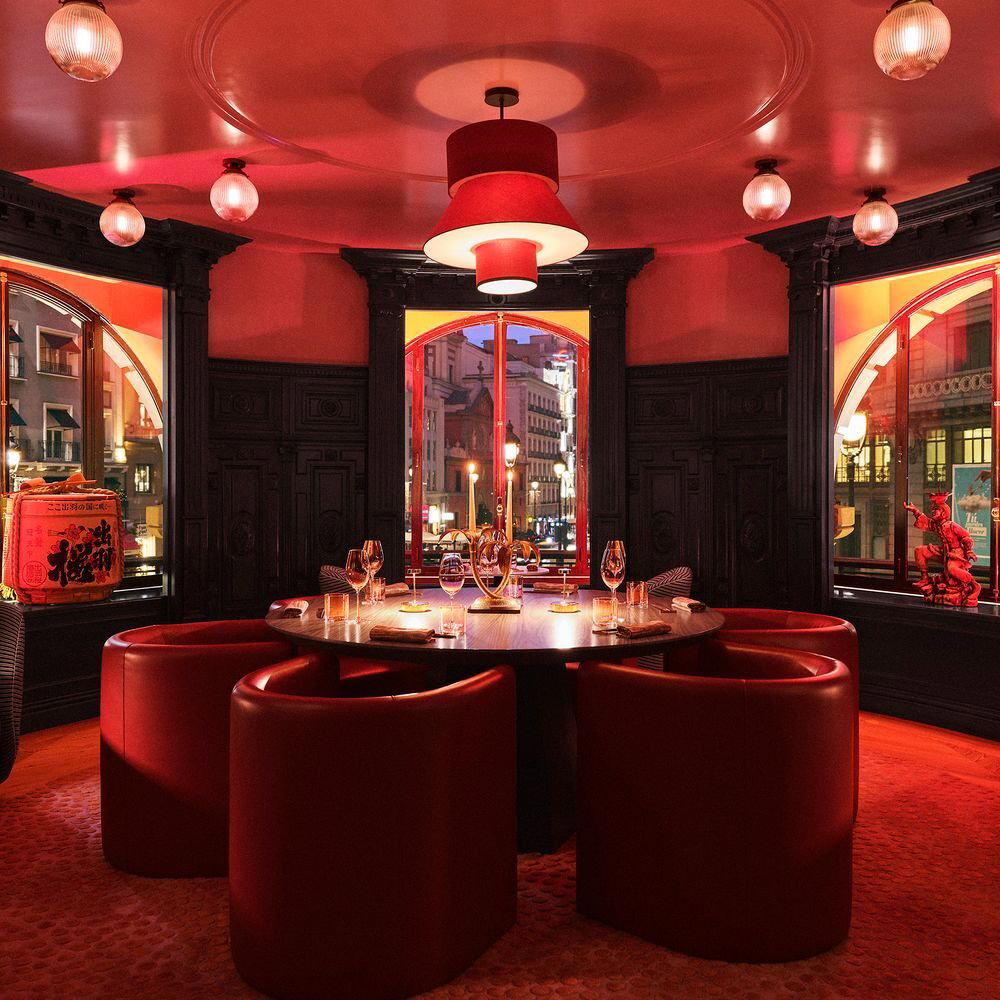
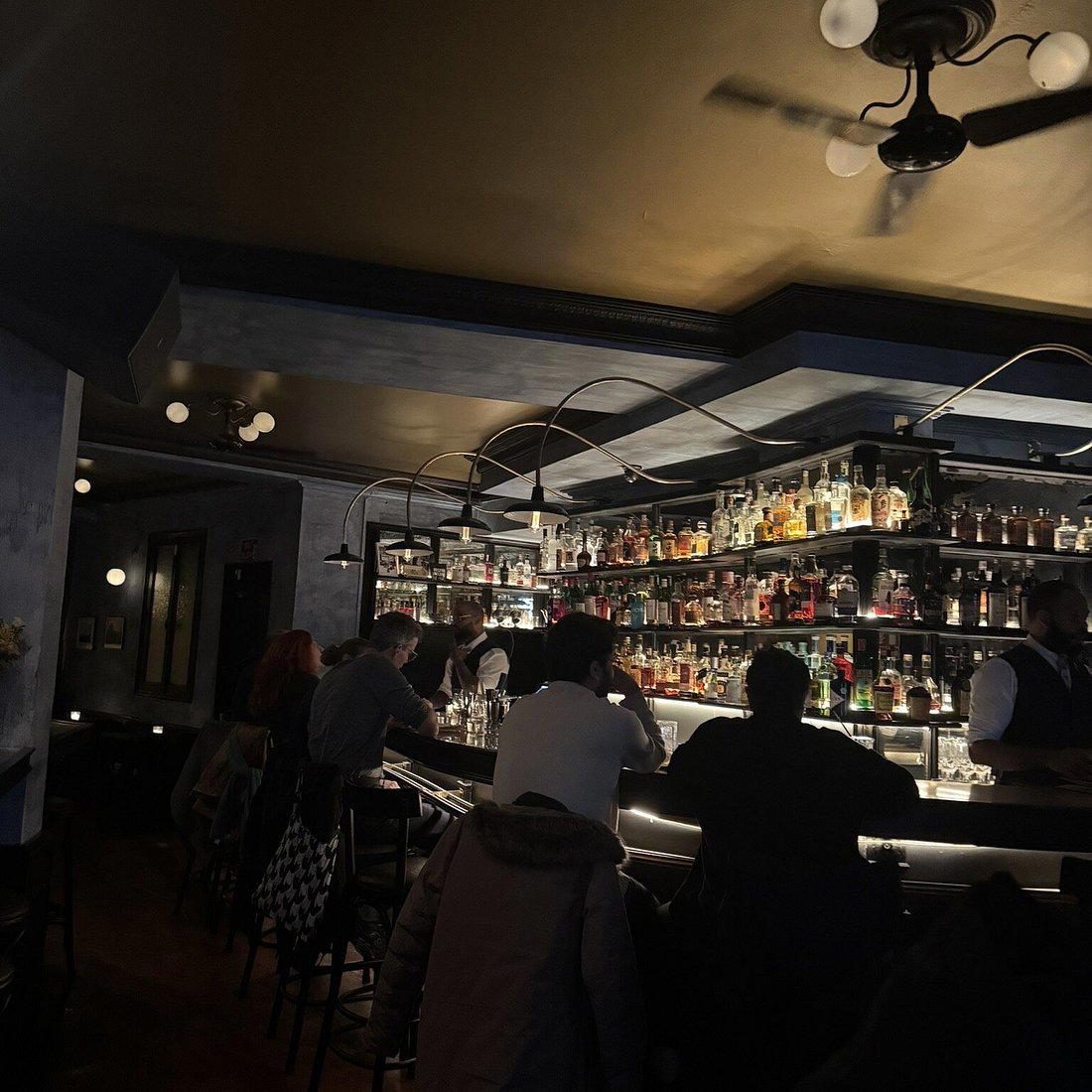

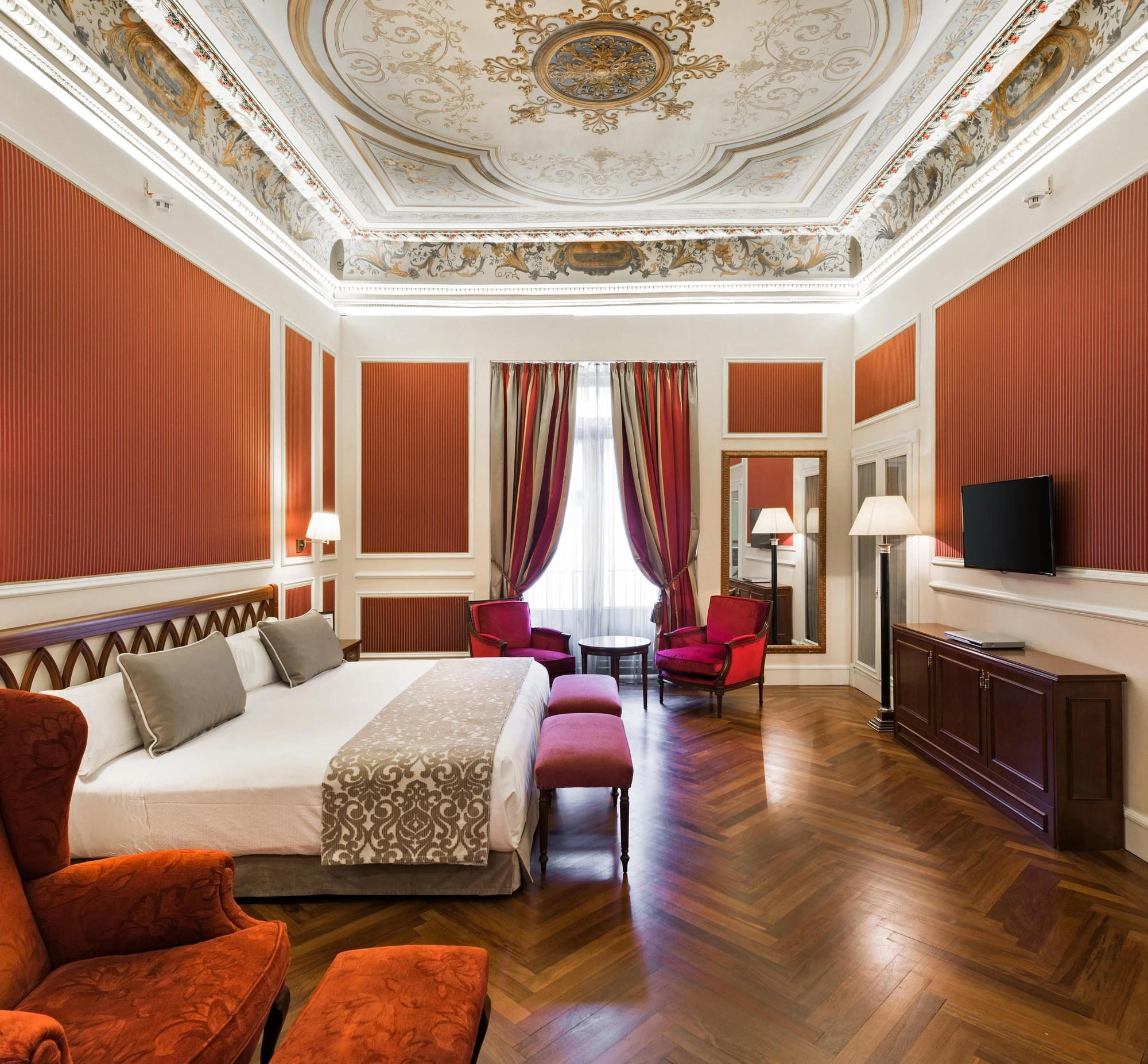
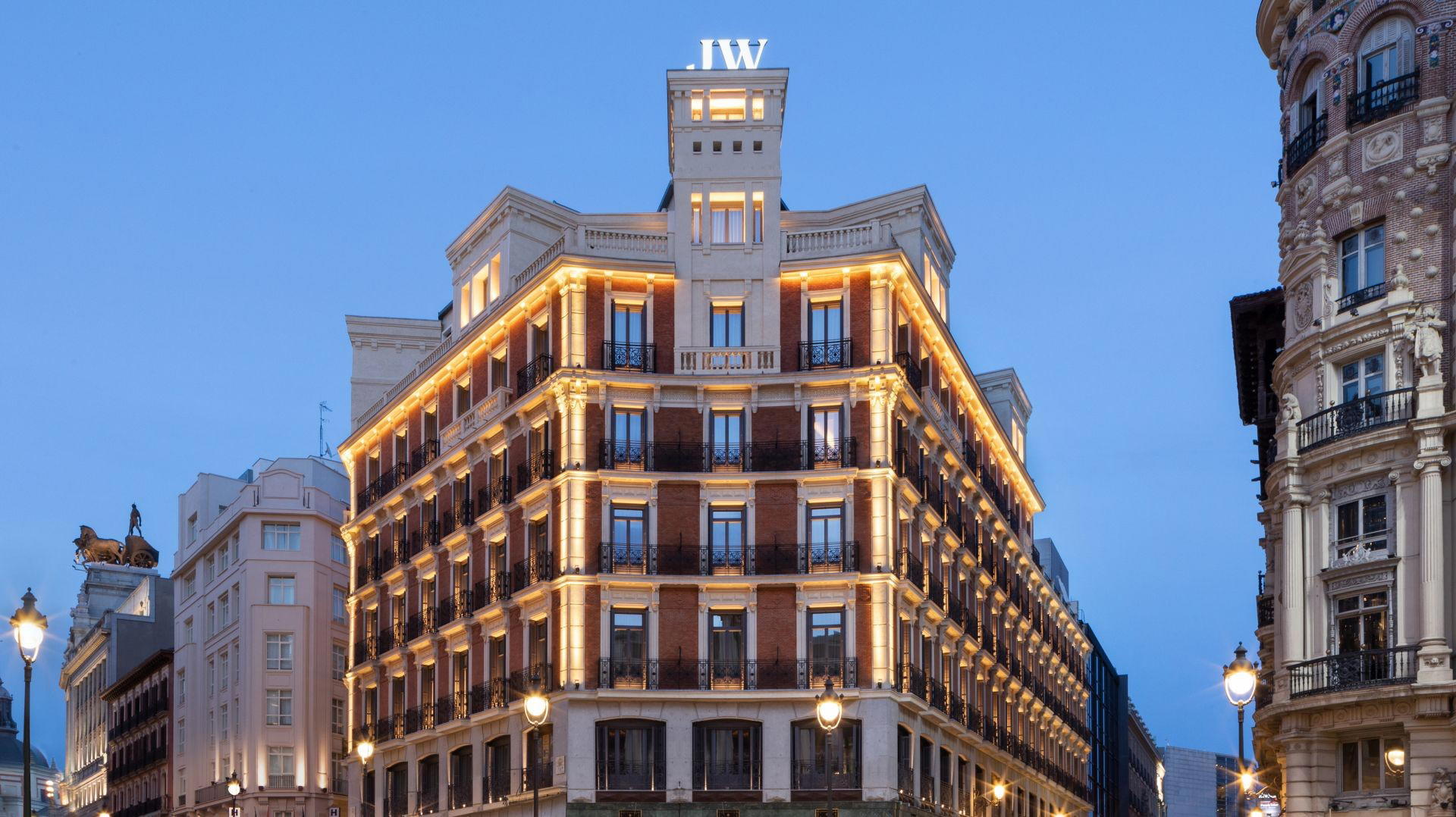

Castizo Plaza del Ángel
The wine
- Wine program
- Curated wine list
- Craft cocktails
Details
- Classic
- Lively
- Cozy
- Casual Hangout
- Group Dining
- Brunch
- Terrace
- Craft Cocktails
- Street Scene
- Small Plates
- A La Carte
- Cocktails
Current opening hours
- Monday
- 9 AM–1 AM
- Tuesday
- 9 AM–1 AM
- Wednesday
- 9 AM–1 AM
- Thursday
- 9 AM–1 AM
- Friday
- 9 AM–1 AM
- Saturday
- 9 AM–1 AM
- Sunday
- 9 AM–1 AM
Hours can change for holidays and private events. Last verified .
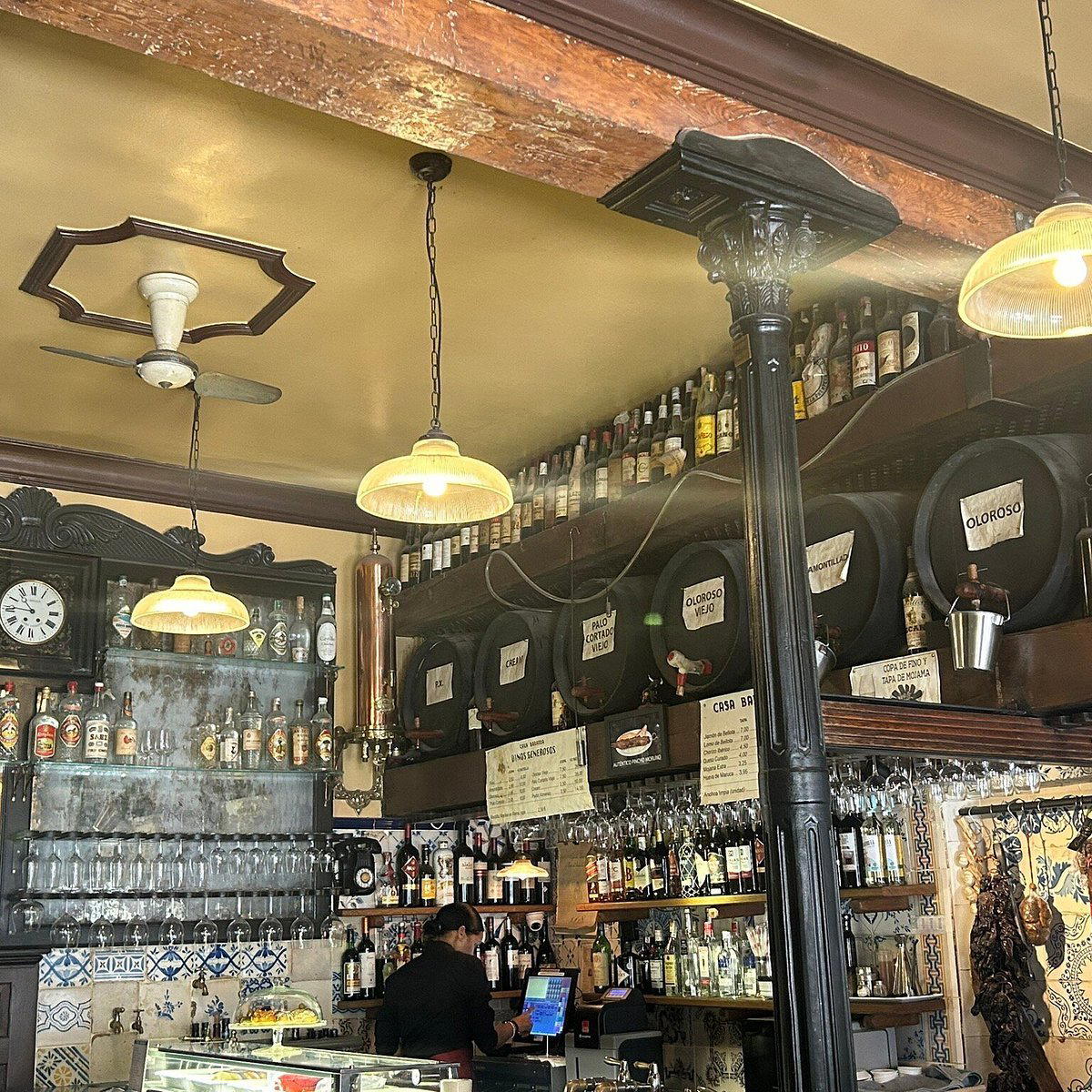
Classic taberna atmosphere with lively terrace seating in a lively central plaza.