Cơm Niêu Sài Gòn
Cơm Niêu Sài Gòn on Tú Xương Street in District 3 has built a following around one of Ho Chi Minh City's most theatrical dining rituals: claypot rice cooked sealed and then cracked open tableside, releasing steam and the scent of caramelised crust. The restaurant sits at the intersection of traditional southern Vietnamese home cooking and a format that rewards patience and attention. It is the kind of address that locals return to rather than recommend to strangers.
Pearl is the En Primeur Club membership app — saves, bookings, and concierge access live there. Same editors, same standards.
- Address
- 27 Tú Xương, Phường Võ Thị Sáu, Quận 3, Thành phố Hồ Chí Minh 700000, Vietnam
- Phone
- +84 826 336 888
- Website
- comnieusaigon.com
- Directions
- Get directions
 Saves & bookings on Pearl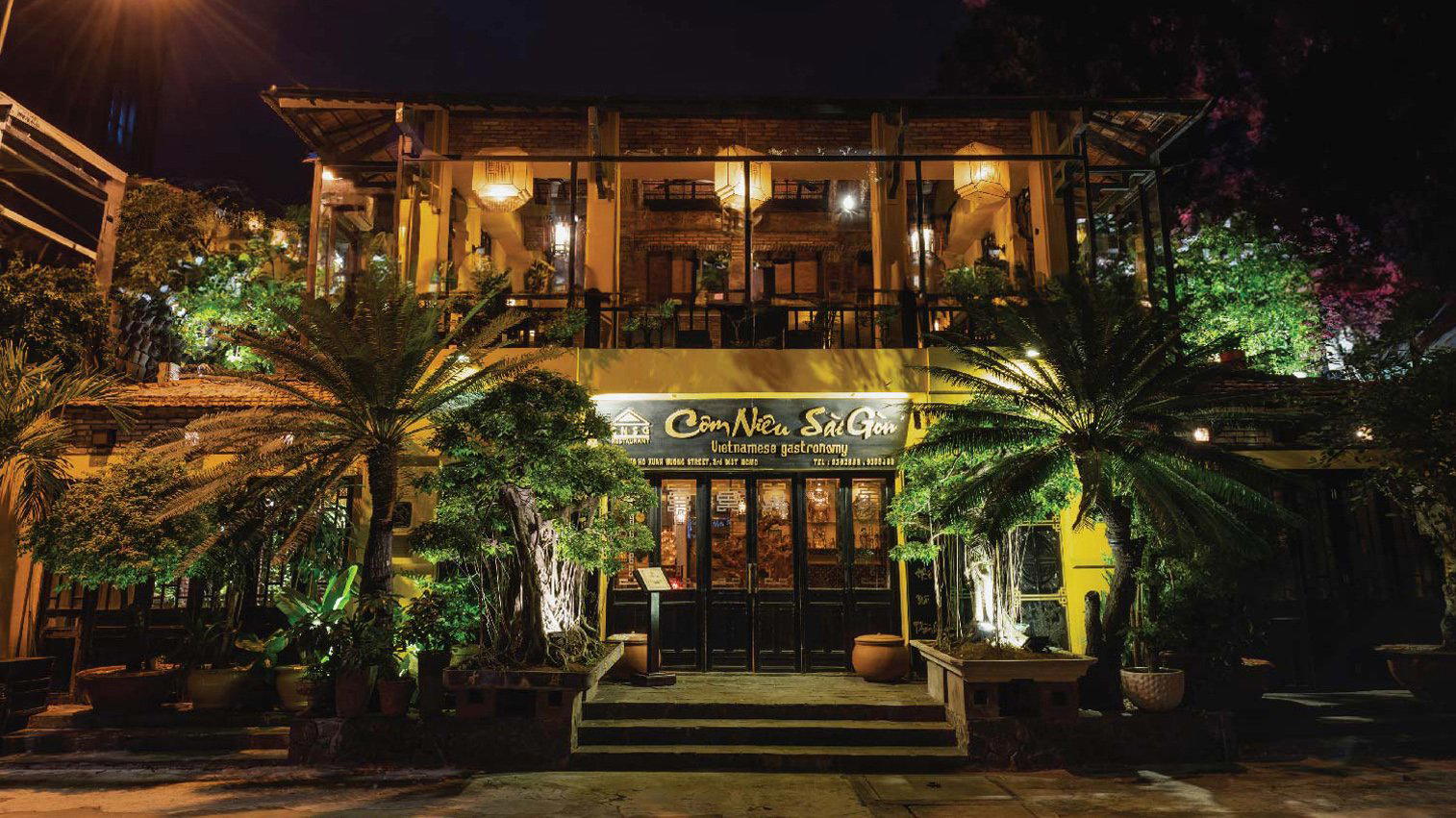
The Sound Before the Plate
District 3's Tú Xương Street has a particular register in Ho Chi Minh City's food geography. It is residential enough to feel removed from the tourist corridors of District 1, but known enough among the city's regular diners to carry genuine weight. The street level noise here is different from Bến Thành's chaotic ambient hum: motorbikes thinning out by early evening, conversations audible through open frontages, the smell of charcoal and clay drifting from kitchen vents. Cơm Niêu Sài Gòn occupies 27 Tú Xương in District 3, Ho Chi Minh City, serving traditional Vietnamese clay pot rice at a casual price point.
The format that defines the restaurant is cơm niêu, claypot rice, a cooking method rooted in southern Vietnamese domestic tradition. Rice is packed into unglazed earthenware, sealed, and cooked over direct heat until the bottom layer caramelises into a crust called cơm cháy. The pot arrives at the table sealed and is cracked open to order, releasing a column of fragrant steam. That moment, the crack of clay and the smell of toasted rice meeting cool air, is the sensory centre of the meal. It is not theatre for its own sake; the crust is the point. In a dining culture that values textural contrast as deeply as flavour complexity, cơm cháy occupies a specific and important register.
A Tradition With a Geography
Claypot rice formats exist across Southeast and East Asia, from the clay pot rice of Hong Kong's dai pai dongs to the stone pot bibimbap of Korean kitchens. Within Vietnam, cơm niêu is most closely associated with the south, where wood-fire and earthenware cooking remained central to household food preparation well into the late twentieth century. The urban version served in Ho Chi Minh City restaurants tends to pair the pot with an array of accompaniments: braised pork, salted egg, dried shrimp, pickled vegetables, and various soups or stir-fries that build out the table. The pot itself is functional architecture for the meal rather than a single dish.
Ho Chi Minh City's restaurant scene has diversified significantly in the decade since 2015, with innovative formats like Akuna and CieL pulling the upper tier of the market toward tasting menus and international technique. Addresses like Coco Dining occupy a mid-range innovative tier, while Anan Saigon has brought street food formats into a more structured dining context. Against this backdrop, Cơm Niêu Sài Gòn operates in a different register entirely: it is not competing for attention within the modernist or fine-dining conversation. Its reference point is the home kitchen and the kind of Cantonese-influenced southern Vietnamese cooking that shares a lineage with addresses like Long Trieu, though the format and price position are markedly different.
What the Room Communicates
The physical environment at a cơm niêu restaurant carries its own logic. The earthenware pots stacked in the kitchen, the sound of cracking clay, the visual of steam escaping a just-opened vessel: these are sensory signals that orient the diner before the food arrives. The smell of caramelising rice is distinct from other cooking aromas in the Vietnamese repertoire, closer to popcorn or roasted grain than to the fish sauce and lemongrass registers that dominate street food. It is a quieter, more domestic smell, which is partly what makes it appealing to the local audience that returns to places like this regularly.
District 3 as a dining district has shifted over the past decade toward a mix of longstanding local institutions and newer boutique restaurants. Tú Xương itself has remained more residential than commercial, which means addresses here tend to operate on word-of-mouth and repeat custom rather than foot traffic. That pattern suits a format like cơm niêu, where the meal is built around deliberate pacing: waiting for the pot, cracking it, constructing bites from the components on the table. It is not a format that suits people in a hurry, and the clientele at such restaurants typically reflects that.
Vietnam in Wider Context
Within the broader Vietnamese dining circuit, Ho Chi Minh City and Hanoi operate as distinct culinary poles. Hanoi's cooking, as represented by addresses like Gia, tends toward northern restraint and fermented depth. The south, including the central city corridor represented by Saffron in Hue and the Hội An institutions like Cargo Club, sits between those poles. Ho Chi Minh City's cooking is especially Chinese-influenced, one diverse in format, and the commercially dynamic. Within that context, a restaurant anchored to a specific southern Vietnamese cooking tradition carries a different kind of authority than a globally inflected tasting menu. It is the authority of continuity.
Across the Vietnamese coast, seafood-focused restaurants from Bau Troi Do in Son Tra to Phuong Nhung in Cat Hai represent the coastal register of Vietnamese cooking. Inland and urban formats like cơm niêu sit at a different angle, emphasising preserved and dried ingredients, rice as the structural centre of the meal, and slow cooking methods that do not depend on daily fresh catches. Both traditions are essential to understanding Vietnamese food as a system rather than a collection of signature dishes. Further afield, Nhà hàng Madame Lân in Hai Chau and Le Pont Club in Hai Phong offer points of comparison for how Vietnamese dining formats translate across different city contexts.
For those building a fuller picture of Vietnam's regional food, Mi Quang Ba Vi in Thanh Khe and Duyên Anh in Phu Vang round out a picture of how individual cities and districts handle their own culinary inheritance. Internationally, the discipline of a format-driven dining experience around a single core technique finds loose parallels in how destination restaurants like Le Bernardin in New York or Lazy Bear in San Francisco build a full meal around a defining philosophy, even if the culinary register is entirely different.
Planning a Visit
Cơm Niêu Sài Gòn is located at 27 Tú Xương, Phường Võ Thị Sáu, District 3, Ho Chi Minh City. The address is accessible by ride-share from District 1 in under ten minutes outside of peak traffic. The cơm niêu format is best experienced in a group of two or more, as the communal table construction of a full meal, multiple pots, shared accompaniments, and paced courses, works better with additional people. Evening visits tend to align better with the neighbourhood's rhythm, when the street quietens and the meal can be taken at the pace it rewards.
Nearby-ish Comparables
Comparable venues nearby, for context on price, style, and recognition.
| Venue | Cuisine | Price | Notes |
|---|---|---|---|
| Cơm Niêu Sài GònThis venue — the venue you are viewing | Traditional Vietnamese Clay Pot Rice | $$ | Not listed |
| HOME Saigon | Modern Vietnamese Fine Dining | $$$ | Quan 3 |
| The Lunch Lady (Nguyen Thi Thanh) | Traditional Vietnamese Noodle Soups | $ | Quan 1 |
| Be Che Inside Ben Thanh Market | Southern Vietnamese Sweet Soups (Chè) | $ | District 1 |
| Viet Eyeglasses - Aeon Mall Tan Phu | Vietnamese Cha Ca | $$ | Tan Phu |
| Bếp Mẹ Ỉn | Innovative Vietnamese-Italian Pizza | $$ | Quan 1 |
Continue exploring
More in Ho Chi Minh City
Restaurants in Ho Chi Minh City
Browse all →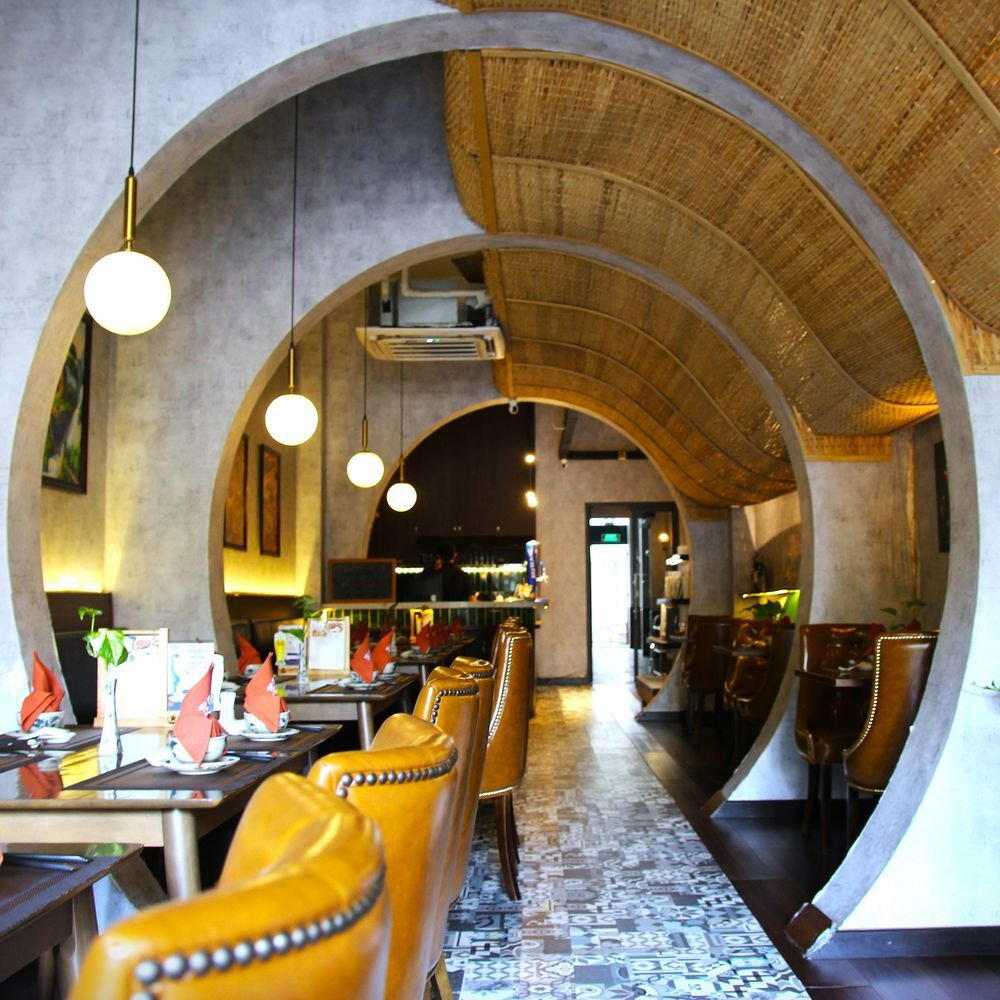
Bars in Ho Chi Minh City
Browse all →
At a Glance
- Cozy
- Rustic
- Classic
- Family
- Casual Hangout
- Group Dining
- Live Music
- Open Kitchen
Current opening hours
- Monday
- 6 AM–10:30 PM
- Tuesday
- 6 AM–10:30 PM
- Wednesday
- 6 AM–10:30 PM
- Thursday
- 6 AM–10:30 PM
- Friday
- 6 AM–10:30 PM
- Saturday
- 6 AM–10:30 PM
- Sunday
- 6 AM–10:30 PM
Hours can change for holidays and private events. Last verified .
Home-like atmosphere with warm yellow lights, antiques, paintings, and traditional Vietnamese decor.