HOME Saigon
On a residential stretch of Điện Biên Phủ in District 3, HOME Saigon operates in a register that much of Ho Chi Minh City's dining scene has moved away from: produce-led, neighbourhood-rooted, and unhurried. The address places it among District 3's quieter residential streets rather than the high-traffic corridors of District 1, and that geography shapes both the sourcing philosophy and the pace of a meal here.
Pearl is the En Primeur Club membership app — saves, bookings, and concierge access live there. Same editors, same standards.
- Address
- 216/4 Điện Biên Phủ, Phường Võ Thị Sáu, Quận 3, Thành phố Hồ Chí Minh 700000, Vietnam
- Phone
- +84857275999
- Directions
- Get directions
 Saves & bookings on Pearl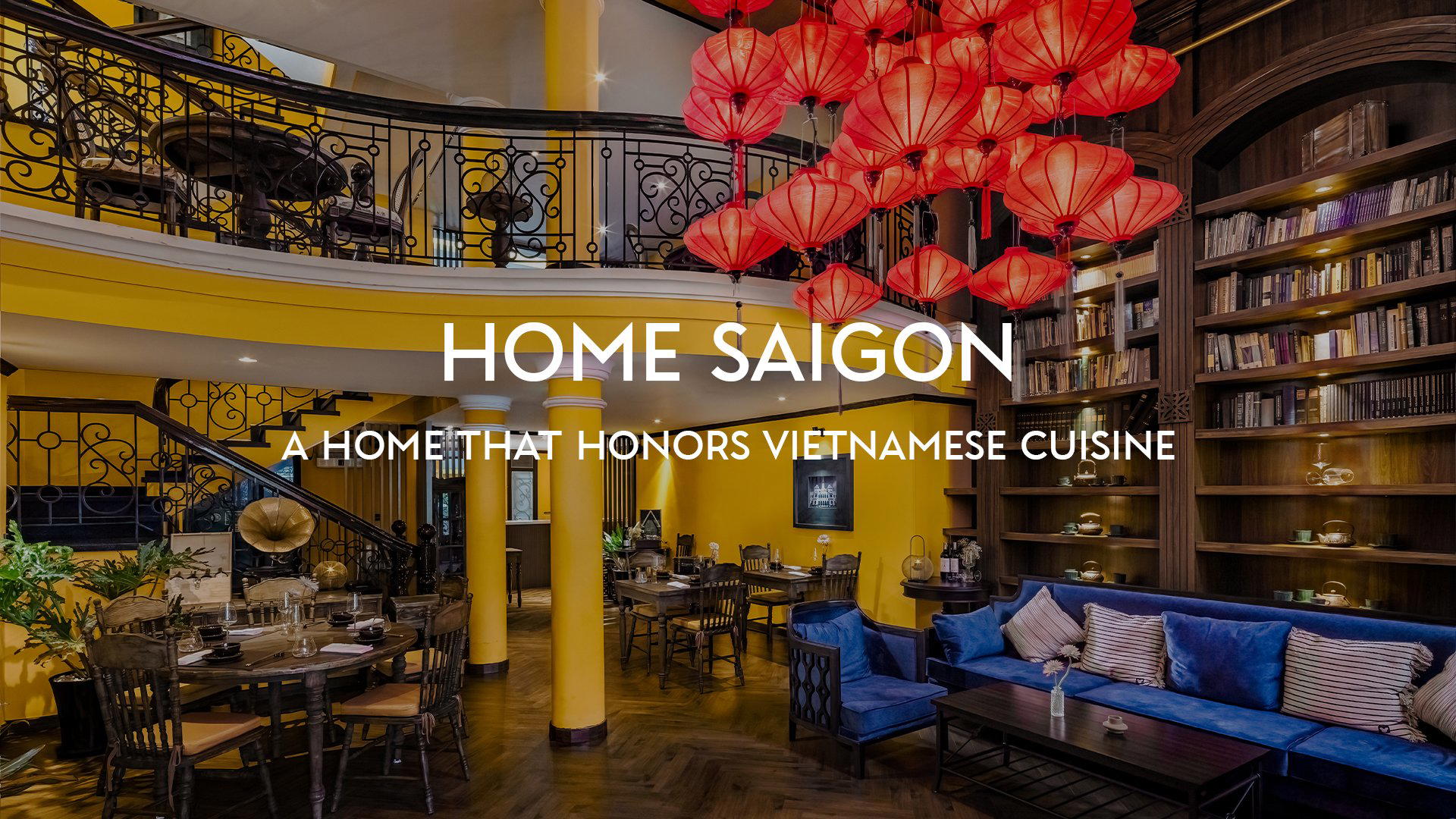
District 3 and the Case for Staying Local
Ho Chi Minh City's restaurant geography has sorted itself into fairly legible tiers over the past decade. District 1 holds the flagship addresses, the expense-account rooms, and the international names. District 3, by contrast, has retained something older: the rhythm of a neighbourhood that still eats close to home. On Điện Biên Phủ, a long artery that connects the civic centre of the city to the quieter residential blocks of Võ Thị Sáu ward, that neighbourhood character is most visible at street level, where the scale of buildings stays human and the foot traffic is local rather than tourist-facing. HOME Saigon sits on that street, at number 216/4.
Across Vietnam's premium dining tier, the sourcing argument has become the central one. At Anan Saigon, the frame is Vietnamese street food reinterpreted through a fine-dining lens, with a strong emphasis on the provenance of local ingredients. At Akuna, the innovative format places ingredient sourcing inside a broader seasonal narrative. HOME Saigon's particular position in that conversation is shaped by its District 3 address: closer to the markets, further from the performance spaces of District 1, and operating at a scale that keeps the supply chain short.
What Ingredient Sourcing Looks Like at Street Level
Vietnam's agricultural geography gives Ho Chi Minh City-based restaurants an unusual sourcing advantage. The Mekong Delta, among the more productive river systems in Southeast Asia, sits within a few hours of the city and supplies a consistent stream of freshwater fish, vegetables, herbs, and rice across the seasons. The Central Highlands, further north, contribute coffee, pepper, and produce that rarely appears in the export market. Coastal provinces from Vũng Tàu to Phú Quốc add seafood that can reach city kitchens within a day of harvest. A restaurant that takes those supply lines seriously does not need to reach far to build a menu with genuine ingredient depth.
The sourcing conversation in Ho Chi Minh City's dining scene is not yet as formalised as it has become in Hanoi, where Gia has built an internationally recognised programme around northern Vietnamese producers. In the south, the approach tends to be less declarative and more embedded in practice, which is part of what makes venues like HOME Saigon worth attention from readers tracking how Vietnamese ingredient culture is evolving outside the headline-grabbing formats.
Reading the Room: What District 3 Dining Signals
The District 3 context the restaurant occupies is worth noting. Coco Dining operates in the innovative tier at a ₫₫₫ price point, with a format that leans heavily on visual presentation. CieL occupies a similar innovative register. Long Trieu anchors the Cantonese end of the city's premium dining map at ₫₫₫₫. These are all venues that have made deliberate format choices, and those choices position them against different reader types.
The restaurant's name itself signals an intent to occupy different territory: domestic rather than spectacular, familiar rather than aspirational. In a city where the higher-concept rooms have multiplied rapidly, that is a positioning choice rather than a limitation. The venues that have held ground in Ho Chi Minh City tend to be those that identified a specific reader and served them consistently. For the reader who has already worked through the District 1 circuit, District 3's residential addresses often deliver more per visit.
Vietnam's Broader Dining Moment
It is worth placing the restaurant inside Vietnam's wider restaurant trajectory. The country's fine dining scene has reached a level of international recognition that would have been difficult to predict fifteen years ago. La Maison 1888 in Da Nang brought Michel Roux Jr. into the Vietnamese conversation. The street food tradition, documented at length through addresses like White Rose in Hoi An, has generated genuine international interest in Vietnamese ingredients and technique as a base rather than a backdrop. That interest has filtered down to how neighbourhood restaurants in Ho Chi Minh City think about their own sourcing, presentation, and positioning.
The contrast is instructive when you look across the full EP Club Vietnam coverage. From Bien 14 in Halong to Jollibee in Kon Tum and King BBQ in Rach Gia, the country's restaurant market spans an enormous range. At one end sit international chains serving consistent formats; at the other, address-specific rooms where the provenance of a single ingredient can anchor an entire tasting menu. The restaurant occupies a position closer to the latter, shaped by its neighbourhood geography and its apparent commitment to a domestic rather than export-facing register.
For readers tracking how Vietnamese dining culture develops outside Hanoi, Ho Chi Minh City's District 3 is worth monitoring. The ward has not yet attracted the volume of critical attention that some District 1 addresses have generated, but the conditions for serious neighbourhood dining are present: proximity to produce sources, a resident rather than transient customer base, and rents that allow smaller operators to run sustainable programmes without the pressure of tourist-volume covers. The restaurant is worth adding to a Ho Chi Minh City itinerary that has already covered the more obvious stops.
Planning a Visit
The restaurant is at 216/4 Điện Biên Phủ, Phường Võ Thị Sáu, District 3, Ho Chi Minh City. The address is reachable from the District 1 core in under fifteen minutes by taxi or ride-share, and the Điện Biên Phủ corridor is well-served by both. Readers exploring further afield in Vietnam will find useful context in the EP Club coverage of Dookki in Minh Xuan, GoGi House in Bac Lieu, and Big Bowl in Cam Ranh, alongside international reference points like Le Bernardin in New York and Atomix for understanding how ingredient-led formats perform at different price tiers globally. For a sense of how international food court formats play out in the Vietnamese beach market, BIG CHILL in Phan Thiet offers a useful counterpoint.
Quick Comparison
Comparable venues nearby, for context on price, style, and recognition.
| Venue | Cuisine | Price | Awards | Notes |
|---|---|---|---|---|
| HOME SaigonThis venue — the venue you are viewing | Modern Vietnamese Fine Dining | $$$ | Not listed | Not listed |
| An's Saigon | Progressive Vietnamese | $$$ | Michelin Plate | Quan 2 |
| Madame Lam | Modern Vietnamese Contemporary Cuisine | $$$ | Michelin Plate | Quan 2 |
| Viet Eyeglasses - Aeon Mall Tan Phu | Vietnamese Cha Ca | $$ | Not listed | Tan Phu |
| Noir. Dining in the Dark | Sensory Dining in the Dark (International Fusion) | $$$ | Not listed | Quan 1 |
| Old Sister Broken Rice | Vietnamese Broken Rice (Cơm Tấm) | $ | Not listed | Phu Nhuan |
Continue exploring
More in Ho Chi Minh City
Restaurants in Ho Chi Minh City
Browse all →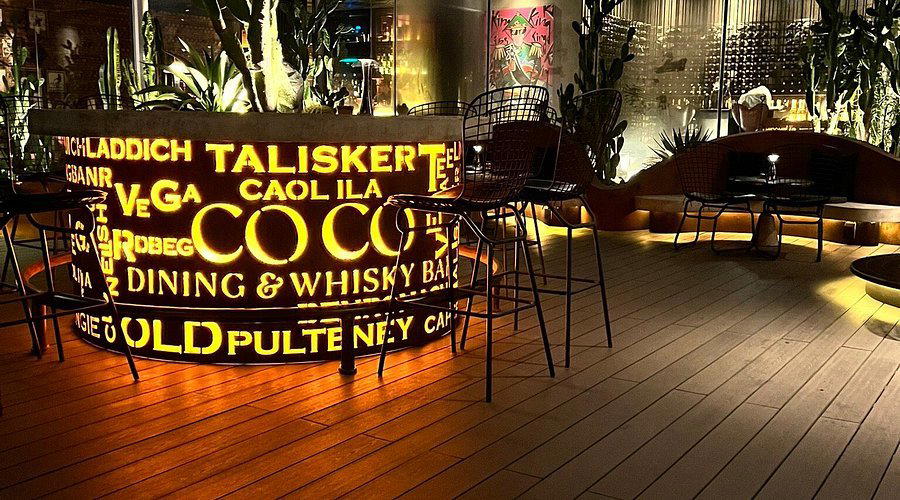
Bars in Ho Chi Minh City
Browse all →
At a Glance
- Elegant
- Sophisticated
- Cozy
- Intimate
- Date Night
- Special Occasion
- Group Dining
- Private Dining
- Terrace
- Craft Cocktails
- Local Sourcing
- Garden
Current opening hours
- Monday
- 11 AM–10 PM
- Tuesday
- 11 AM–10 PM
- Wednesday
- 11 AM–10 PM
- Thursday
- 11 AM–10 PM
- Friday
- 11 AM–10 PM
- Saturday
- 11 AM–10 PM
- Sunday
- 11 AM–10 PM
Hours can change for holidays and private events. Last verified .
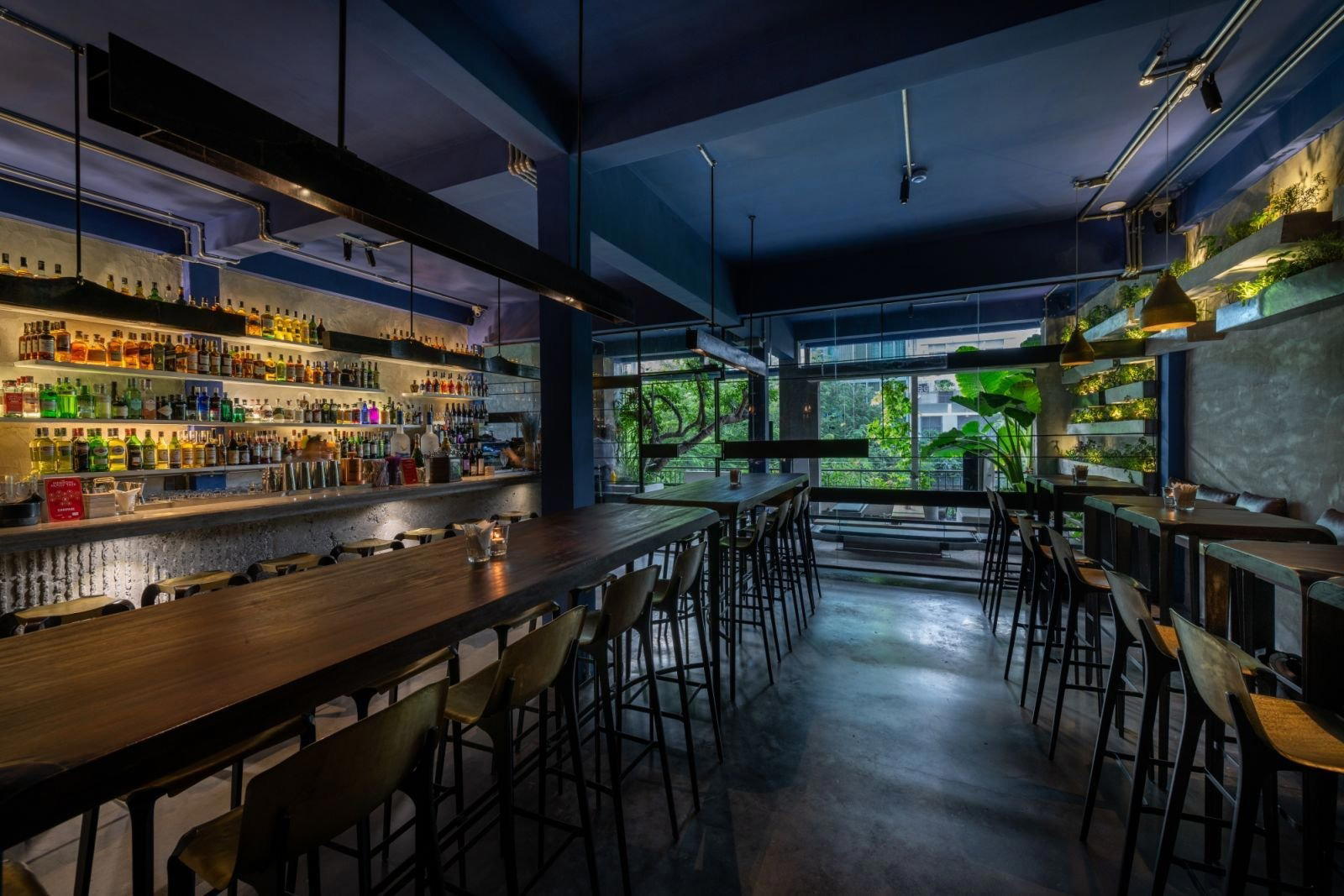
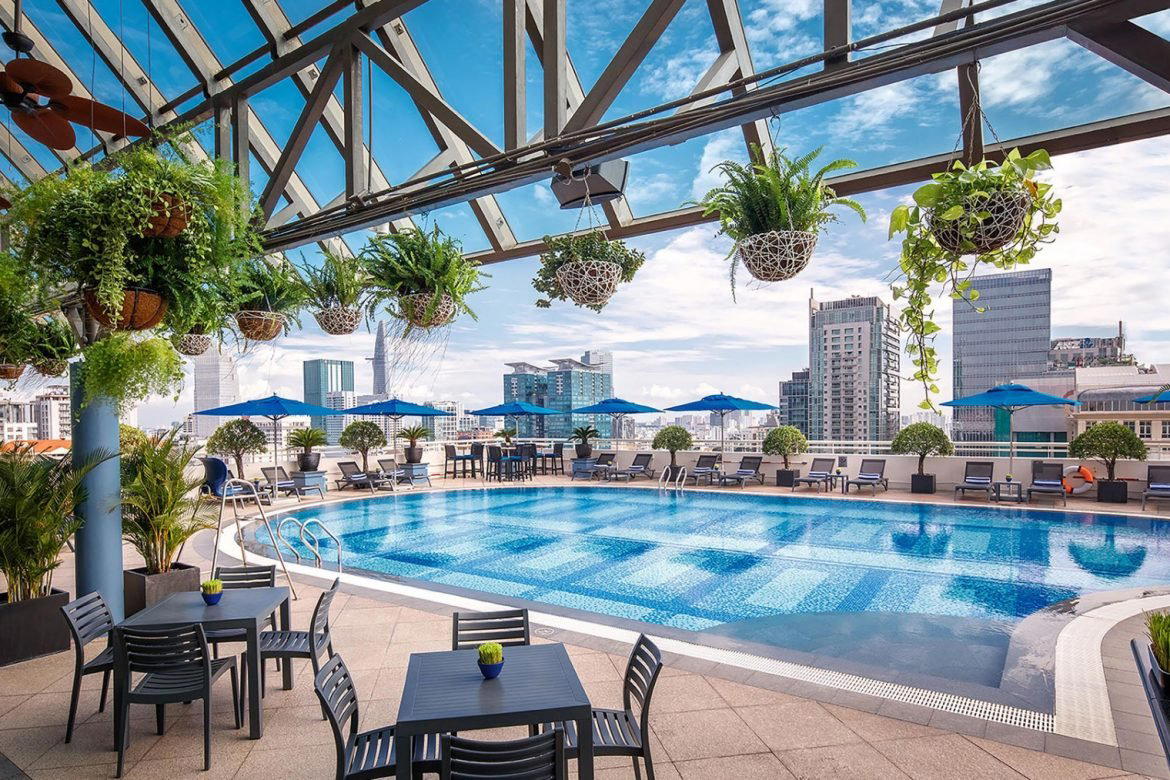
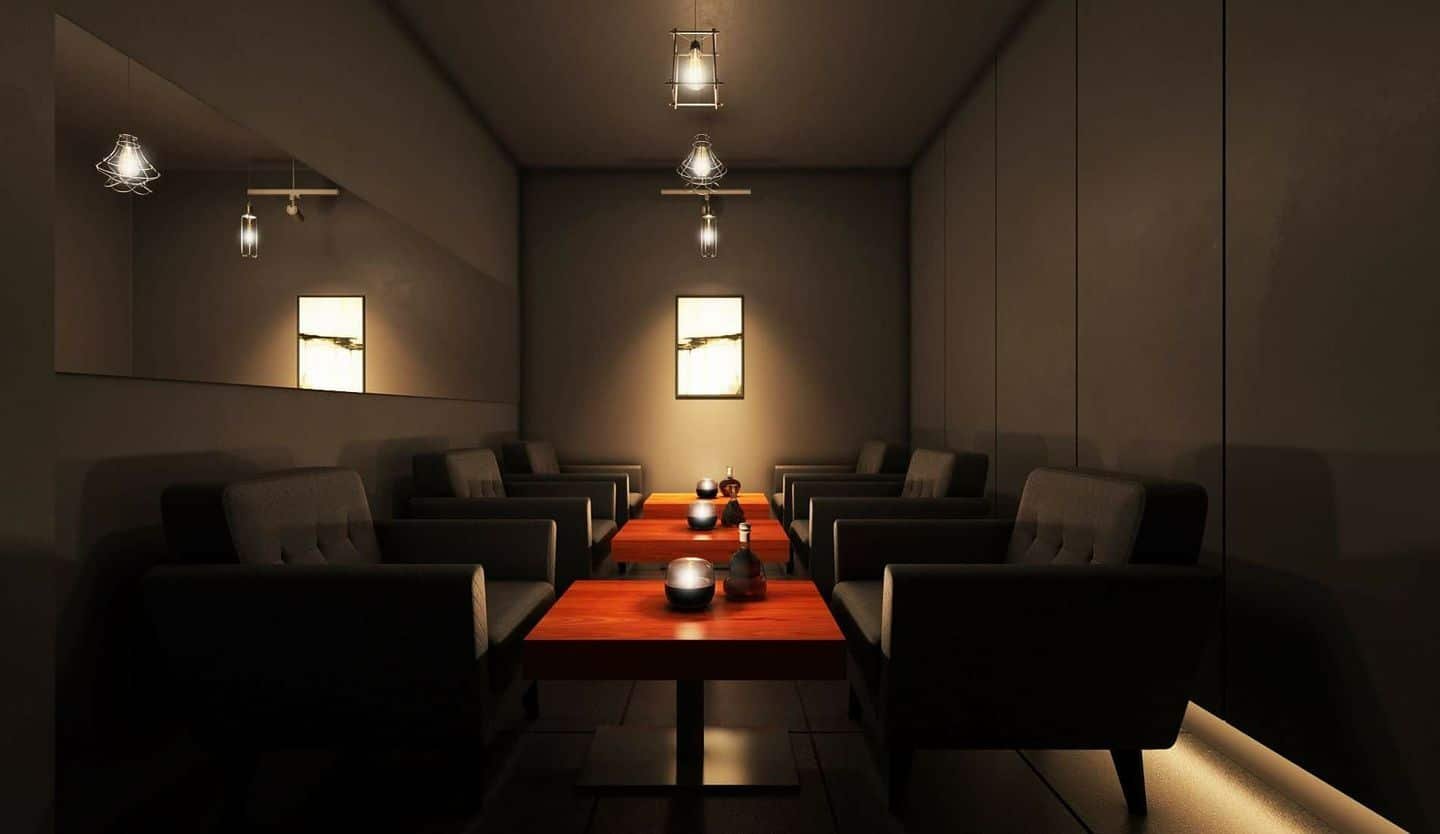
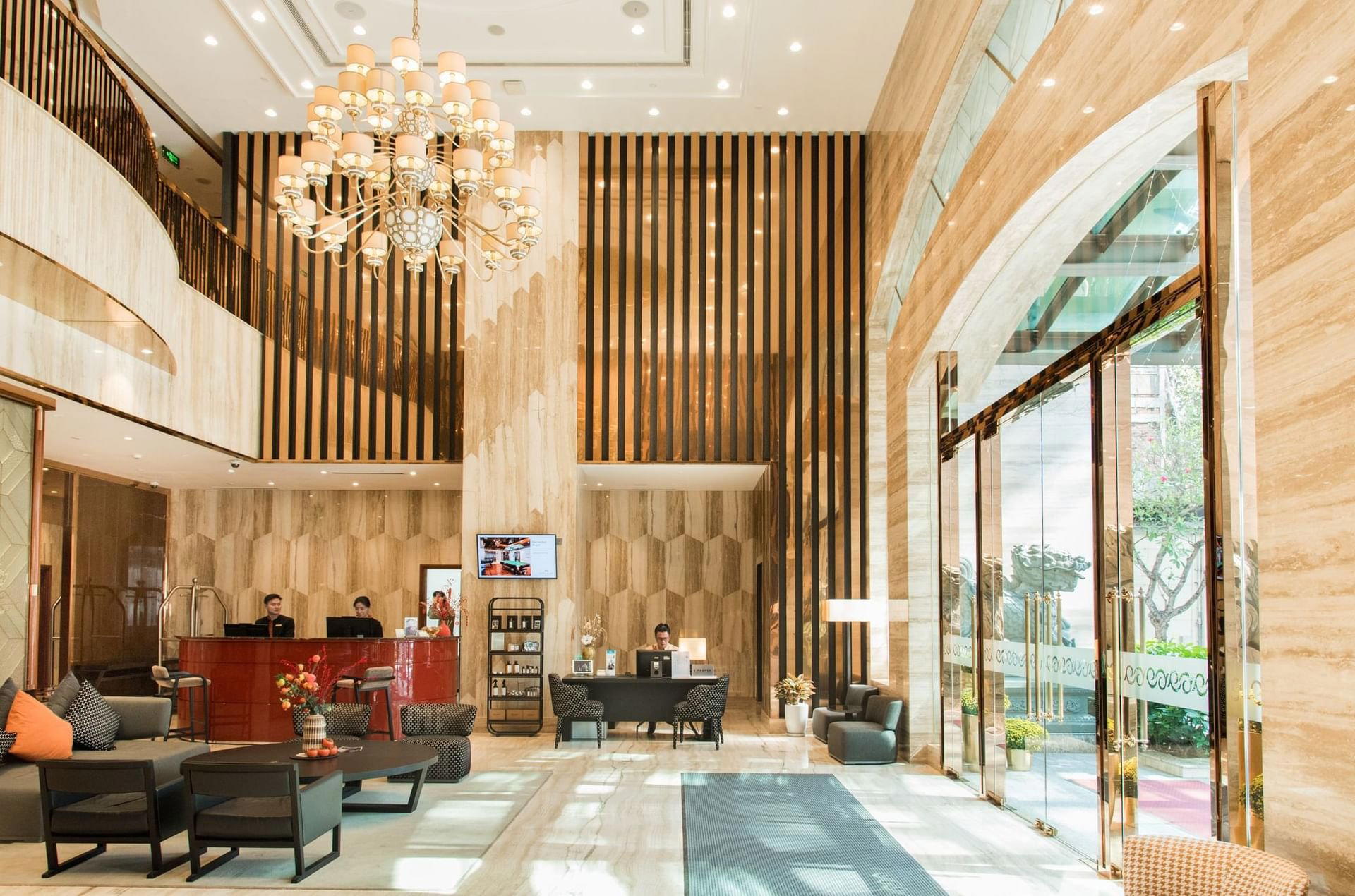
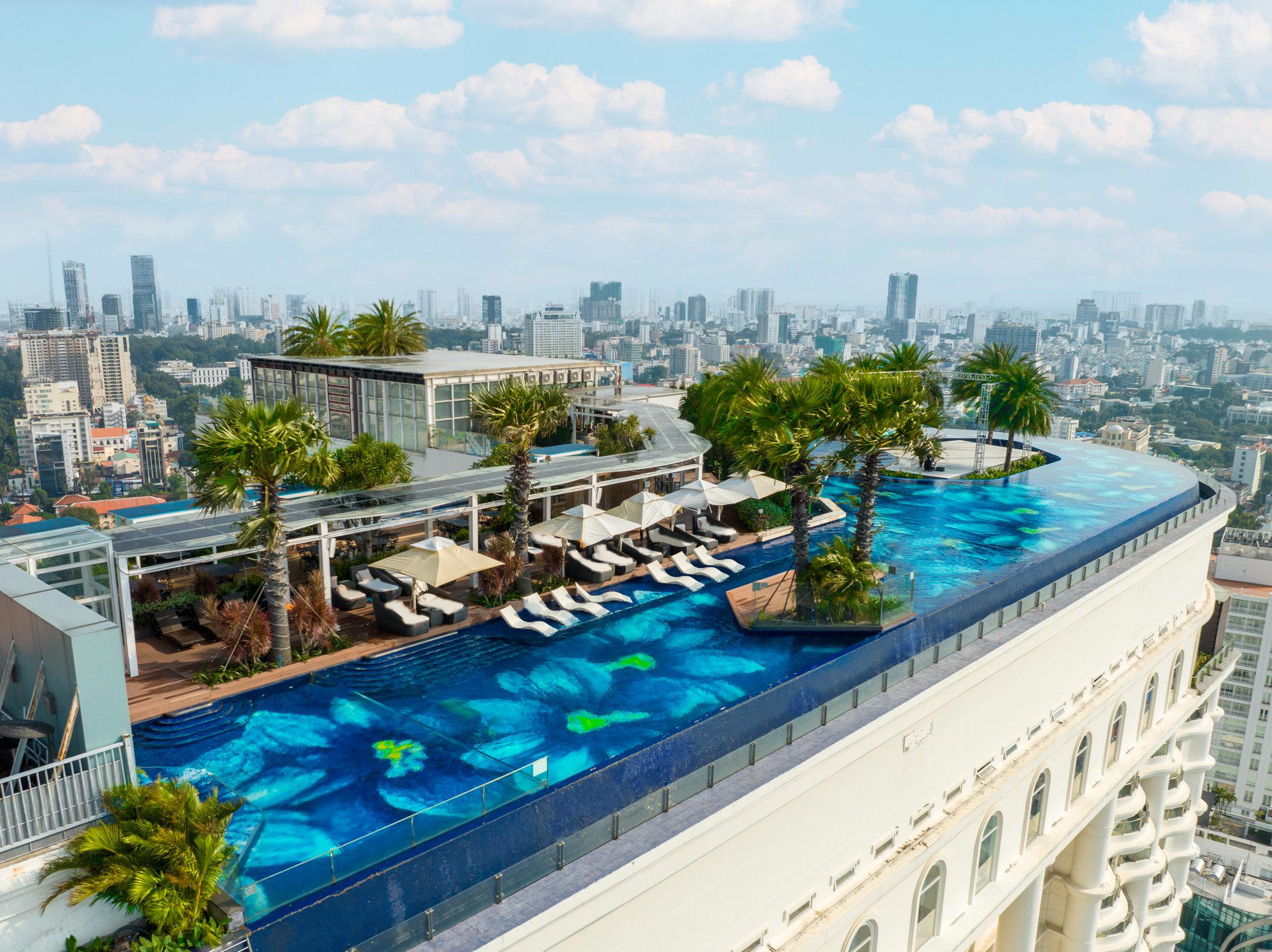
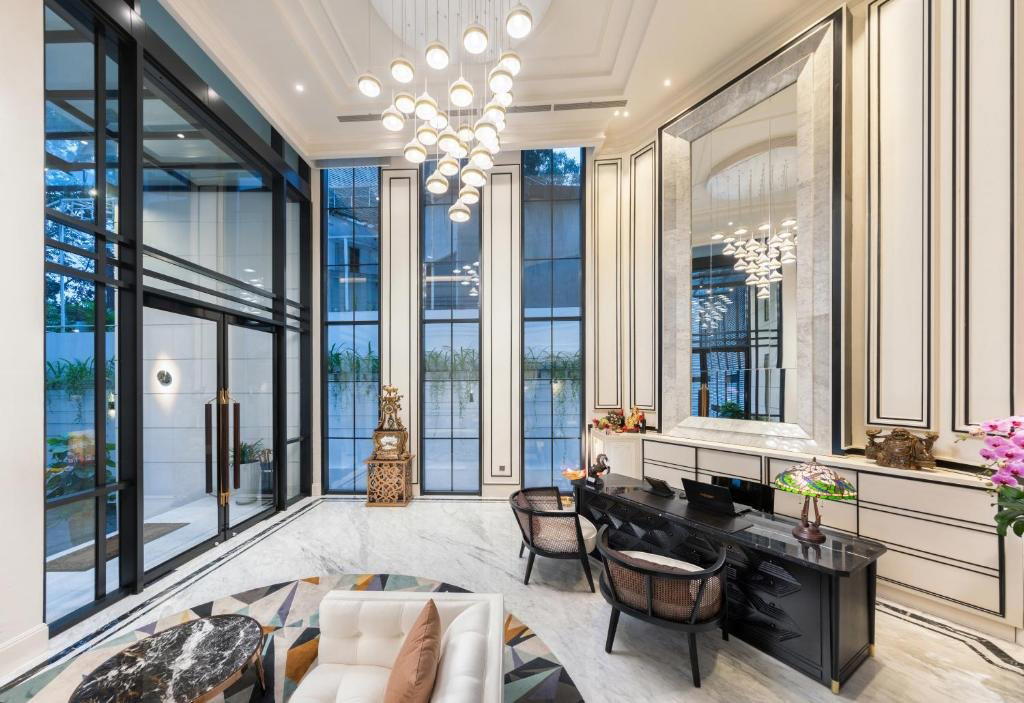
Elegant and sleek with dark earthy tones, navy hues, intimate balconies, terraces, secluded enclaves, relaxing water features, and lush greenery.