Long Trieu


The only Cantonese restaurant in Ho Chi Minh City to hold a Michelin star, Long Trieu sits on the Nguyễn Huệ and Đồng Khởi corridor and has retained its recognition across consecutive guides (2024 and 2025). La Liste placed it at 75 points in its 2025 rankings. The ₫₫₫₫ price tier positions it among the city's most formal Chinese dining rooms.
Pearl is the En Primeur Club membership app — saves, bookings, and concierge access live there. Same editors, same standards.
- Address
- 22 – 36 Nguyễn Huệ &, 57 – 69F Đồng Khởi, Thành phố Hồ Chí Minh, 700000, Vietnam
- Phone
- +84 28 3823 6688
- Website
- thereveriesaigon.com
- Directions
- Get directions
 Saves & bookings on Pearl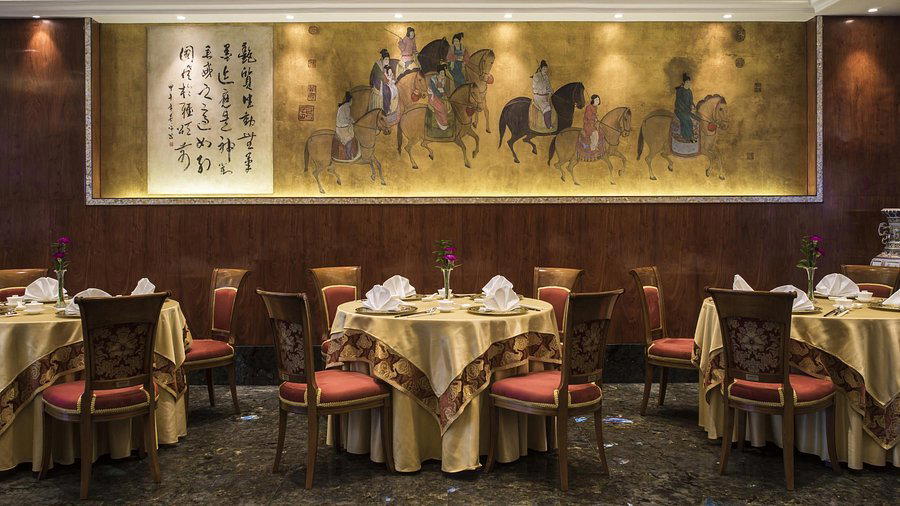
Cantonese cooking, at its serious end, does not travel light. The tradition demands precision roasting, careful stock work, and a kitchen culture that takes technical discipline more seriously than novelty. That kind of cooking has a long but quiet history in Ho Chi Minh City, where the Cholon district has sustained Chinese culinary communities for generations, long before any international guide took notice. Long Trieu, at the Nguyễn Huệ and Đồng Khởi intersection in District 1, is a Michelin-starred Cantonese restaurant.
Cantonese in Ho Chi Minh City: The Competitive Context
The city's Michelin-starred tier now covers a range of approaches, from Vietnamese street food refinement at Anan Saigon to the more experimental register at Akuna. Chinese cooking within that constellation is rarer. Long Trieu occupies a position that has few direct competitors at its price point in this city. For context, the dominant Cantonese fine dining circuit runs through Hong Kong, where Forum and T'ang Court set the benchmark at the three-star level, and through Macau, where Jade Dragon and Chef Tam's Seasons operate in the same rarefied bracket. Le Palais in Taipei and 102 House in Shanghai add further data points across the region. Long Trieu sits below that elite tier by star count, but the sustained dual-year recognition signals a kitchen operating with consistency that Michelin's system requires above most other qualities.
Within Ho Chi Minh City itself, the ₫₫₫₫ price range places the restaurant at the apex of the Chinese dining category. Other Cantonese-leaning rooms in the city, including Dim Tu Tac on Dong Du Street, operate at lower price points with a more casual yum cha format. The restaurant argues for a different category: formal table-service Cantonese, where the roasting programme and live seafood handling sit at the centre of the kitchen's identity.
The Art of Cantonese Roasting
Siu mei, the Cantonese roasting tradition, is the technical core around which high-end Cantonese kitchens have always organised their identity. Char siu, the twice-glazed barbecued pork that depends on precise sugar caramelisation and temperature management, and whole roasted duck, which in its Peking form requires a separate air-drying stage before any heat is applied, are the reference points against which a Cantonese kitchen is measured by guests who know the cuisine. Neither dish is simple at volume. Both reveal a kitchen's discipline almost immediately: char siu that arrives too dry has been over-roasted or held too long; duck skin that lacks lacquer has missed the preparation window.
At the serious end of the Cantonese spectrum, these roasted dishes are not afterthoughts or side items. They anchor the meal and provide the standard against which the rest of the kitchen's output is evaluated. Restaurants in this tier typically source specific pork cuts for char siu work, with the shoulder-to-fat ratio determining how the glaze behaves under heat. The same attention extends to whole-bird roasting, where the cavity seasoning, the drying time, and the carving sequence all affect the final plate. This is the discipline that distinguishes a formally trained Cantonese kitchen from a room that cooks Chinese food without that specific lineage.
The chef name field lists Les Pêcheurs. What the awards record does clarify is that Michelin's inspectors, who assess across multiple visits, found the kitchen consistent enough to recommend across two consecutive annual guides.
Location and Setting
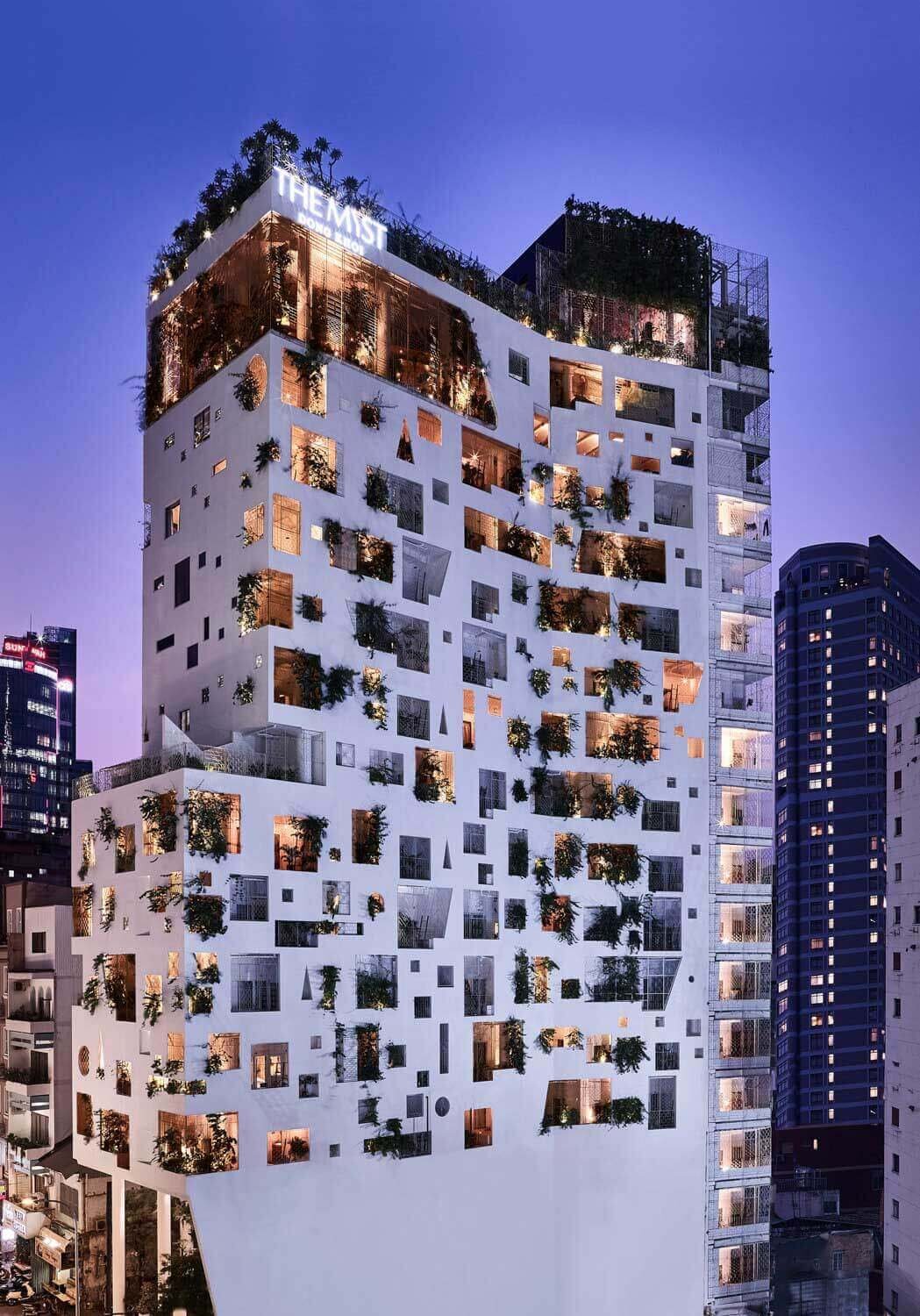
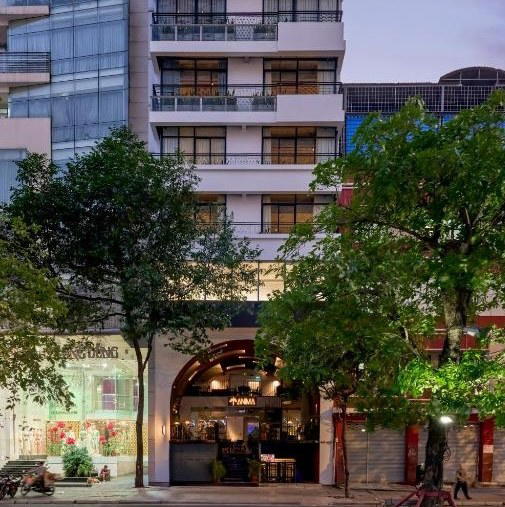
The address spans the intersection of Nguyễn Huệ and Đồng Khởi, District 1's central commercial and hospitality corridor. This is the part of Ho Chi Minh City where formal dining rooms have natural foot traffic from business visitors and wealthier locals. The neighbourhood positions the restaurant alongside the city's hotel dining tier rather than its street-food or neighbourhood-restaurant tier. Restaurants operating at ₫₫₫₫ in this part of District 1 are, by default, competing partly on address as well as kitchen quality. The physical proximity to the Nguyen Hue walking boulevard, opened in 2015 and now one of the city's main pedestrian gathering points, means the surrounding area has significant evening activity.
Broader District 1 dining scene covers multiple price points and traditions. Lai and Tiệm Cơm Thố Chuyên Ký represent other registers of the city's Chinese-influenced and Vietnamese cooking. Elsewhere in Vietnam, the starred tier includes Hibana by Koki in Hanoi and La Maison 1888 in Da Nang, each occupying different genre positions. The restaurant's Cantonese focus makes it a distinct category within the country's starred dining map.
Google Reviews and Broader Recognition
1 across 77 reviews confirms steady guest interest. Restaurants in this category in Southeast Asia frequently operate with lower review counts precisely because their guests tend to be corporate diners, serious food travellers, and local high-net-worth regulars who do not default to public review platforms. The 4.2 score sits in a range where polarisation between formal-service expectations and personal preference can affect the number, though the consecutive Michelin recognition provides a more reliable quality signal than the review volume alone.
Planning a Visit
The restaurant sits at the ₫₫₫₫ price tier, which in Ho Chi Minh City terms means a meal that competes in cost with the city's international hotel restaurants. Booking in advance is advisable given the kitchen's Michelin status and the limited nature of Cantonese fine dining rooms at this level in the city. The venue's address at 22-36 Nguyễn Huệ and 57-69F Đồng Khởi places it within the central District 1 grid. Arriving from the main Nguyen Hue boulevard is direct on foot from the broader hotel cluster in that area.
Budget and Context
Comparable venues nearby, for context on price, style, and recognition.
| Venue | Cuisine | Price | Awards | Notes |
|---|---|---|---|---|
| Long TrieuThis venue — the venue you are viewing | Cantonese | $$$ | Michelin 1 Star | Not listed |
| CieL | Not listed | $$$$ | Michelin 1 Star | Quan 2, Modern Vietnamese Fusion Fine Dining |
| Akuna | Not listed | $$$$ | Michelin 1 Star | Quan 1, Modern Australian-Vietnamese Fine Dining |
| Dim Tu Tac (Dong Du Street) | Not listed | $$$ | Bib Gourmand | Quan 1, Authentic Cantonese Dim Sum |
| Lai | Not listed | $$$ | Michelin Plate | Quan 1, Modern Cantonese |
| Bánh Xèo 46A | Not listed | $$ | Bib Gourmand | Quan 1, Traditional Vietnamese Bánh Xèo |
Recognition history
Dated appearances from independent guides and award organizations, with the underlying list record or original source where available.
Michelin 1 Star
Michelin
La Liste Top Restaurants
La Liste
Michelin 1 Star
Michelin
Michelin 1 Star
Michelin
Continue exploring
More in Ho Chi Minh City
Restaurants in Ho Chi Minh City
Browse all →
Bars in Ho Chi Minh City
Browse all →
At a Glance
- Elegant
- Ornate
- Sophisticated
- Business Dinner
- Special Occasion
- Family
- Group Dining
- Private Dining
- Hotel Restaurant
- Extensive Wine List
- Street Scene
Current opening hours
- Monday
- 11 AM–2 PM, 6–10 PM
- Tuesday
- 11 AM–2 PM, 6–10 PM
- Wednesday
- 11 AM–2 PM, 6–10 PM
- Thursday
- 11 AM–2 PM, 6–10 PM
- Friday
- 11 AM–2 PM, 6–10 PM
- Saturday
- 10 AM–2 PM, 6–10 PM
- Sunday
- 10 AM–2 PM, 6–10 PM
Hours can change for holidays and private events. Last verified .
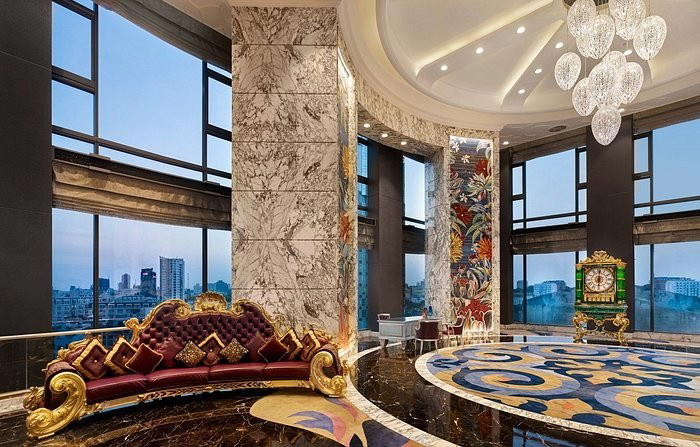
Lavish dining room with jade stonework, gold-leaf Chinese scenes, ornate seating, and city street views; some guests note bright lighting.