On Rue du Colisée in Paris's 8th arrondissement, Colisée 56 sits in one of the city's most competitive dining corridors, where the pressure of the neighbourhood sets a high bar before a plate arrives. The address places it among the dense concentration of serious French tables that define the Triangle d'Or, making it a calculated choice for visitors who know the 8th well enough to compare.
Pearl is the En Primeur Club membership app — saves, bookings, and concierge access live there. Same editors, same standards.
- Address
- 56 Rue du Colisée, 75008 Paris, France
- Phone
- +33183970926
- Website
- colisee56.com
- Directions
- Get directions
 Saves & bookings on Pearl
The 8th Arrondissement and the Weight of the Address
Rue du Colisée runs through the heart of Paris's 8th arrondissement, a district whose dining identity was largely written in the twentieth century and has been argued over ever since. The Triangle d'Or — the area bounded by Avenue George V, the Champs-Élysées, and Avenue Montaigne — has long concentrated some of the city's most formally ambitious tables. Le Cinq at the Four Seasons Hôtel George V and Alléno Paris au Pavillon Ledoyen both operate within a short walk, setting the competitive register for any restaurant that opens near this postcode. The 8th is not a neighbourhood where a new address passes unnoticed; the diners who know it also know every alternative within a ten-minute radius.
That context matters when considering Colisée 56 at 56 Rue du Colisée. The address is the primary signal: this is a restaurant that has chosen to position itself inside one of the most scrutinised dining corridors in France. Booking decisions here are not made in isolation. They are made against a backdrop that includes multi-starred neighbours, decades of critical opinion, and a local clientele with strong reference points. For visitors building a Paris itinerary, understanding the neighbourhood comes first; the restaurant is one option within a larger field.
What the Address Signals Before You Book
The logistics of visiting any restaurant in the 8th require planning of a different order than much of the city. Tables at the senior addresses in this corridor, L'Ambroisie on Place des Vosges or Arpège on the Left Bank, are booked weeks or months in advance, and the 8th's dining public is accustomed to that rhythm. Even at mid-tier addresses, the assumption is that you have done your research before arriving. Showing up without a reservation in this part of Paris is a strategy that rarely rewards patience.
For Colisée 56 specifically, confirmed booking details, hours, reservation method, price range, are not publicly available in a centralised form at the time of writing. That absence itself shapes the booking approach: the most reliable path is direct contact with the venue, whether by telephone or through the restaurant's own channels, rather than relying on third-party aggregators that may carry outdated availability. This is a pattern common to smaller independent addresses in the 8th, where management often prefers to handle bookings personally and where the front-of-house relationship begins before you cross the threshold.
The Broader French Fine Dining Reference Points
Any serious French table in Paris sits within a national conversation that extends far beyond the city. The country's restaurant culture is defined by institutions in Lyon, Alsace, the Aveyron, and the south, and a Paris address is always implicitly measured against that wider canon. Troisgros in Ouches, Bras in Laguiole, and Auberge de l'Ill in Illhaeusern represent a lineage of French cooking that Paris restaurants either draw from or position against. Similarly, Paul Bocuse's Auberge du Pont de Collonges, Les Prés d'Eugénie in Eugénie-les-Bains, and Georges Blanc in Vonnas define a regional gravity that Paris cannot replicate but often references. In the south, addresses like Mirazur in Menton, La Table du Castellet, and Auberge du Vieux Puits in Fontjoncouse have built reputations that pull serious diners out of the capital entirely. And in the Alps, Flocons de Sel in Megève shows how altitude and season can become central to a restaurant's identity in ways a Paris address cannot access.
Paris holds its own through density, access, and the concentration of international clientele. The 8th in particular has historically attracted diners whose reference set is international rather than regional, which is why addresses like Kei, a French-Japanese hybrid that holds three Michelin stars on Rue du Coq Héron, can find an audience here that might not exist in a smaller French city. The comparison with international counterparts, from Le Bernardin in New York to Lazy Bear in San Francisco, is one that 8th arrondissement diners make habitually.
Planning a Visit: What You Need to Know
Given the limited publicly confirmed data on Colisée 56's current format, hours, and pricing, the planning approach should be methodical. The 8th is well served by the Métro, Franklin D. Roosevelt station on lines 1 and 9 is the closest point of access, and the area has no shortage of good alternatives if a particular evening is unavailable, which means flexibility on dates is less costly here than in neighbourhoods with fewer options. For visitors building a broader Paris dining programme, our full Paris restaurants guide covers the city's key addresses across categories and price points.
| Venue | Cuisine | Price |
|---|---|---|
| Colisée 56This venue — the venue you are viewing | Not listed | Not listed |
| Alléno Paris au Pavillon Ledoyen | Creative | €€€€ |
| Kei | Contemporary French, Modern Cuisine | €€€€ |
| L'Ambroisie | French, Classic Cuisine | €€€€ |
| Le Cinq - Four Seasons Hôtel George V | French, Modern Cuisine | €€€€ |
| Pierre Gagnaire | French, Creative | €€€€ |
Continue exploring
More in Paris
Restaurants in Paris
Browse all →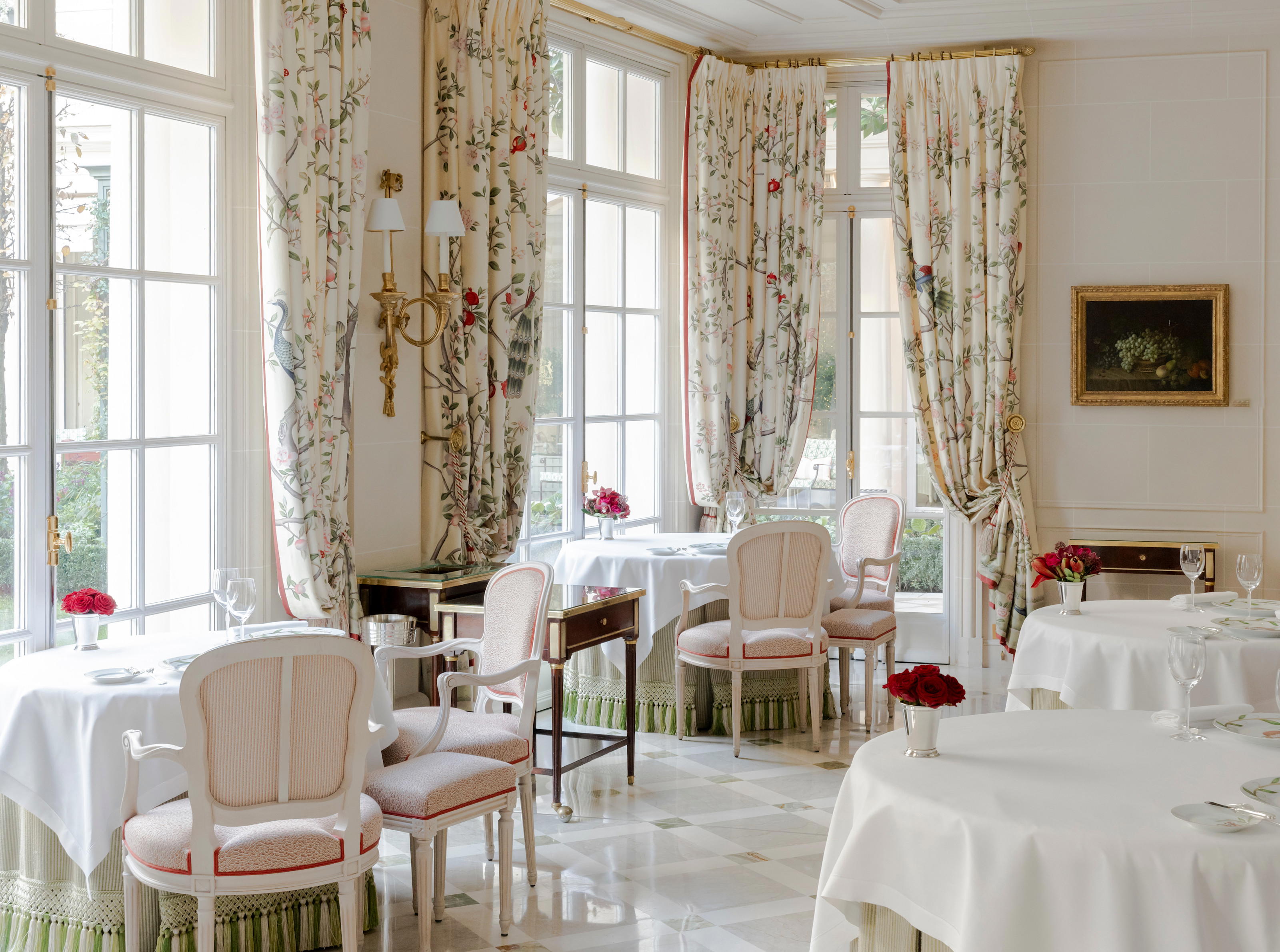
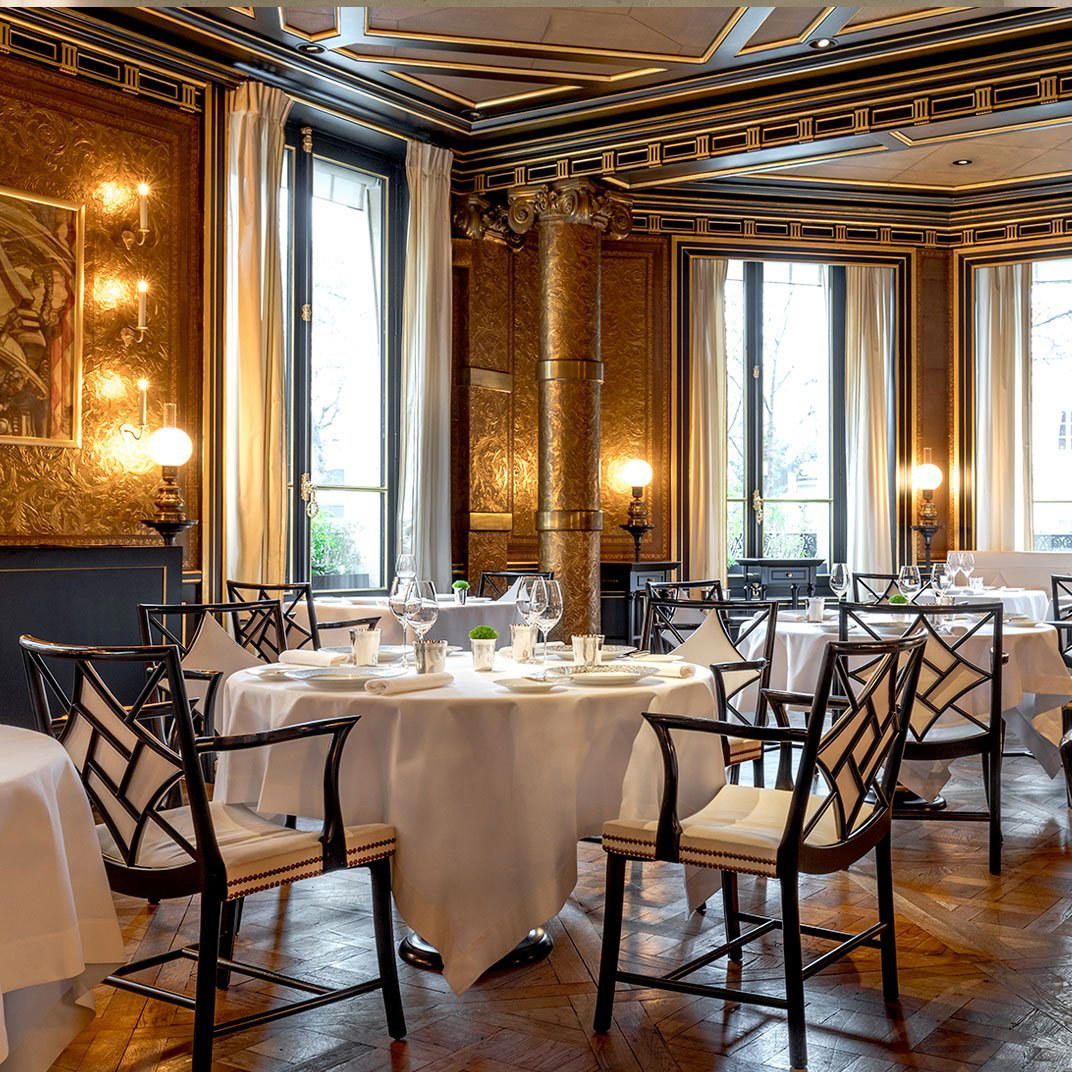
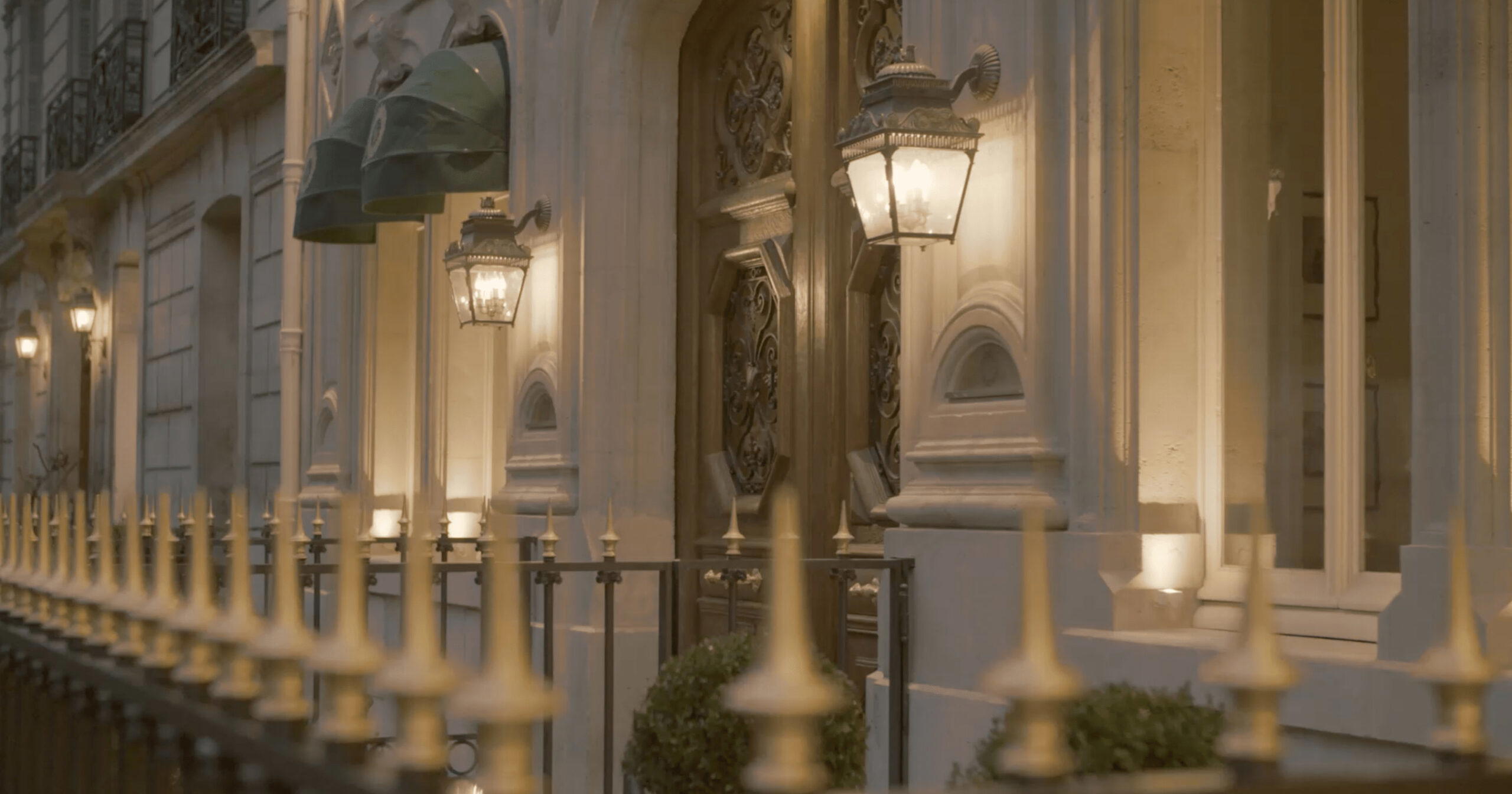

Bars in Paris
Browse all →
Hotels in Paris
Browse all →



At a Glance
- Elegant
- Cozy
- Classic
- Date Night
- Group Dining
- Casual Hangout
- Standalone
Current opening hours
- Monday
- 12–2:30 PM, 6:30–10:30 PM
- Tuesday
- 12–2:30 PM, 6:30–10:30 PM
- Wednesday
- 12–2:30 PM, 6:30–10:30 PM
- Thursday
- 12–2:30 PM, 6:30–10:30 PM
- Friday
- 10 AM–2:30 PM, 6:30–10:30 PM
- Saturday
- 7–10:30 PM
- Sunday
- Closed
Hours can change for holidays and private events. Last verified .
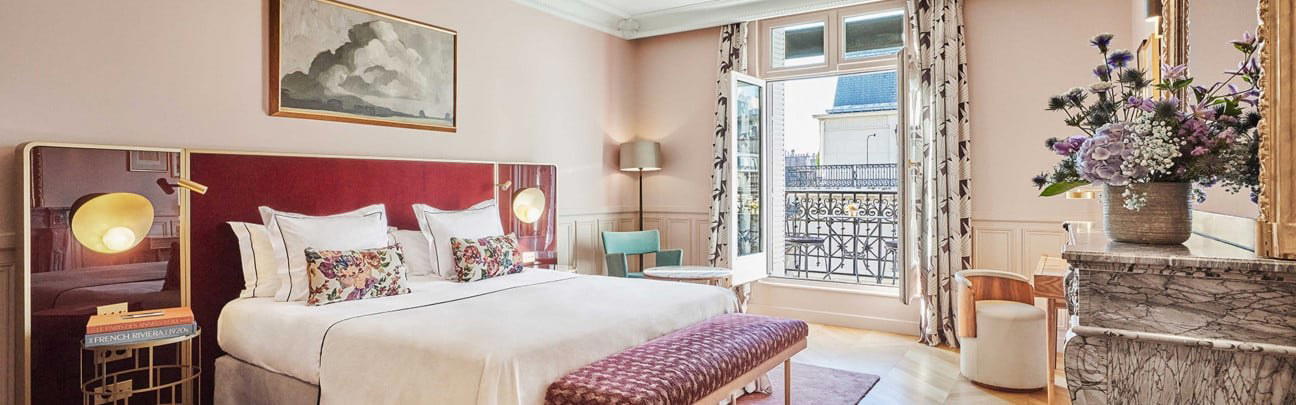
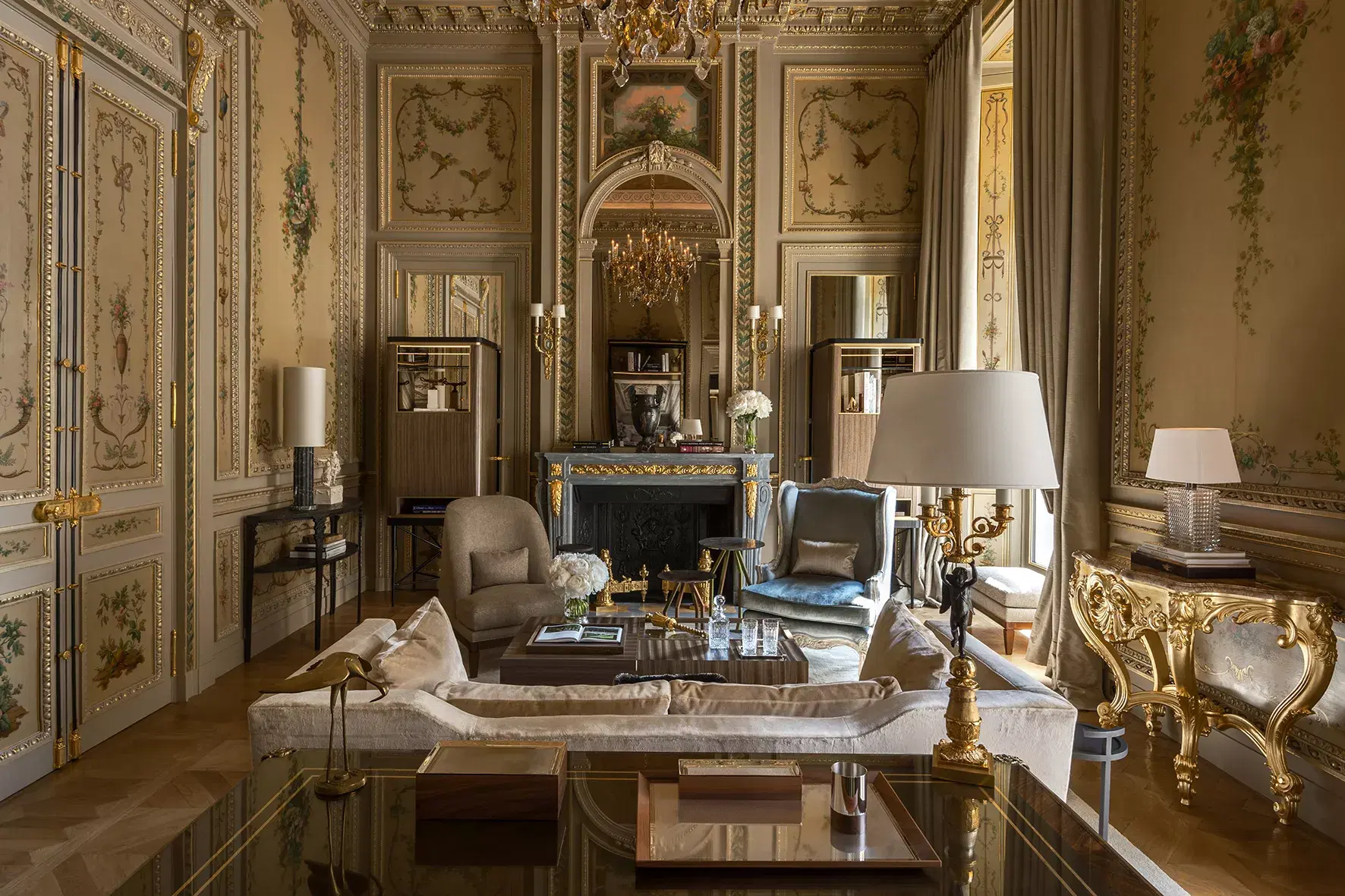
Convivial and elegant atmosphere with welcoming service.
Know Before You Go
- Getting there
- 56 Rue du Colisée, 75008 Paris, France