Bobby occupies a quiet stretch of Rue Lambert in the 18th arrondissement, operating at a remove from the more polished dining circuits of central Paris. The address places it firmly in neighbourhood territory, where the rhythm of a meal shifts depending on the hour — a distinction that defines much of what makes eating here worthwhile. For context on how it compares across the Paris dining scene, see our full restaurant coverage.
Pearl is the En Primeur Club membership app — saves, bookings, and concierge access live there. Same editors, same standards.
- Address
- 29 Rue Lambert, 75018 Paris, France
- Phone
- +33180506118
- Website
- lebobby.com
- Directions
- Get directions
 Saves & bookings on Pearl
The 18th's Quieter Register
Paris's 18th arrondissement has always maintained a split identity: the tourist-facing slopes of Montmartre on one side, and the denser, more residential streets below and east on the other. Rue Lambert sits in the latter territory, away from the crêpe stands and portrait artists, in a part of the neighbourhood where the clientele is local by default rather than by design. Restaurants here don't compete in the same tier as the grand boulevard addresses or the palace hotel dining rooms — places like Le Cinq at the Four Seasons George V or the rigorous tasting counter format of Alléno Paris au Pavillon Ledoyen. They operate on neighbourhood logic: regulars, accessible pricing, and a format that shifts noticeably between midday and evening.
Bobby, at 29 Rue Lambert, belongs to that neighbourhood register. The address is specific enough to matter: this is not the gentrified southern edge of the 18th near Pigalle, nor the more self-conscious pockets around Abbesses. It is a working-class-rooted street in an arrondissement that has absorbed successive waves of change without fully shedding its original character. That context shapes what a meal here feels like, particularly how differently the room reads at lunch versus dinner.
Lunch vs. Dinner: Two Distinct Moods
The lunch-versus-dinner divide is among the more reliable structural differences in Paris dining, and it plays out with particular clarity in neighbourhood restaurants like Bobby. Across the city, midday service tends toward compression: shorter menus, faster pace, a clientele balancing time against appetite. The classic formule format — entrée, plat, dessert at a fixed price, survives most robustly at this tier of address, where the surrounding neighbourhood generates genuine lunch demand from workers, residents, and the occasional visitor who has learned that midday is when Paris's less theatrical restaurants are at their most honest.
Evening service in the same rooms shifts toward something more deliberate. Tables turn more slowly. The same kitchen typically extends its menu. The clientele is more likely to be dining as an event rather than a necessity, which changes the temperature of the room in ways that go beyond lighting. For a restaurant on a quiet residential street in the 18th, that evening shift can mean the difference between a local canteen and something approaching a destination, modest in scale, but chosen with intention.
This structural difference matters when deciding how to approach Bobby. If the neighbourhood pattern holds, and there is no data to suggest it diverges significantly from the Paris norm at this address type, lunch is likely the more efficient, higher-value proposition, while dinner offers a slower, more considered version of the same kitchen.
The 18th in the Wider Paris Dining Conversation
To understand where a restaurant like Bobby fits, it helps to map the full spread of Paris dining. At the formal end, three-Michelin-star addresses such as Arpège and L'Ambroisie operate on entirely different economic and experiential logic. Kei, with its Franco-Japanese synthesis, represents a further variant of the high-investment contemporary French model. These are not comparison points for Bobby; they are anchors that define the opposite end of the spectrum.
The more useful frame is the category of Paris neighbourhood restaurants that hold their ground through consistency and local relevance rather than critical recognition. France has a long tradition of this tier: the bistrot de quartier that earns its place through decades of reliable cooking rather than any single award cycle. Beyond Paris, that tradition plays out in addresses like Auberge du Vieux Puits in Fontjoncouse or Bras in Laguiole, restaurants whose reputations rest on a specific, rooted relationship with place. The scale is different, but the underlying logic, cook for where you are, not for who might be watching, connects them.
Internationally, the neighbourhood-anchored model has its own prestigious equivalents. Le Bernardin in New York and Lazy Bear in San Francisco both demonstrate how a restaurant can be deeply embedded in a city's specific dining culture while attracting visitors who make the trip deliberately. Bobby operates at a far more local scale, but the principle that place and clientele shape cooking as much as technique applies across the spectrum.
What the Address Tells You About the Experience
A restaurant's physical location within a city is itself a form of editorial statement. Choosing to open at 29 Rue Lambert rather than in the 6th or the 1st positions Bobby in a neighbourhood where pretension tends to get filtered out quickly. The local clientele in this part of the 18th is not the same as the tourist-adjacent crowd near Sacré-Coeur, nor the design-industry lunch set of the Marais. It is a more mixed, more residential audience, and restaurants that survive here tend to do so by being genuinely useful to that audience rather than by performing a version of Paris dining for outsiders.
That is, in many ways, the harder standard to meet. A restaurant can maintain a certain level of critical attention through novelty, but neighbourhood regulars return on the basis of consistency and value. The lunch hour is where that test is most stringent: the midday crowd in a working residential neighbourhood expects food that is priced fairly, served without delay, and worth returning to the following week. Dinner allows more latitude, but the foundation has to be built at noon.
For visitors approaching Bobby as an option, the practical implication is clear: arrive at lunch if you want to see the restaurant operating in its most natural register, and at its most accessible price point. For the slower, more expansive version of the same kitchen and room, the evening service is the appropriate choice.
France's Broader Restaurant Tradition and Bobby's Place in It
France's restaurant culture at the institutional level is represented by addresses like Paul Bocuse's Auberge du Pont de Collonges, Troisgros in Ouches, Auberge de l'Ill in Illhaeusern, Les Prés d'Eugénie in Eugénie-les-Bains, Georges Blanc in Vonnas, and mountain addresses like Flocons de Sel in Megève or the coastal Mirazur in Menton. These are the formal pillars. La Table du Castellet represents the regional prestige model at a different scale. None of these are in direct conversation with a neighbourhood address in the 18th, but they provide the cultural backdrop against which any French restaurant operates, consciously or not.
The French dining tradition places genuine value on the table that does one thing well, repeatedly, for the same people over years. By that measure, a neighbourhood restaurant on Rue Lambert that holds its lunch crowd through honest cooking and appropriate pricing is participating in something structurally French, even if it carries none of the formal markers. See our full Paris restaurants guide for the broader range of options across the city's arrondissements and price tiers.
Planning Your Visit
Address: 29 Rue Lambert, 75018 Paris, France. Arrondissement: 18th, accessible by metro (Château Rouge or Marcadet-Poissonniers on lines 4 and 12 are the closest stations for this part of the 18th). When to go: Lunch for the neighbourhood-canteen experience and the strongest value proposition; dinner for a more relaxed pace with fewer time constraints on the table. Budget: Specific pricing is not confirmed; the address and neighbourhood profile suggest a mid-range neighbourhood price point rather than a destination-restaurant tariff. Dress: No formal requirement expected at this address type in this part of the 18th.
Reputation First
A small set of peers for context, based on recorded venue fields.
| Venue | Cuisine | Price | Awards |
|---|---|---|---|
| BobbyThis venue — the venue you are viewing | Not listed | Not listed | This venue |
| Alléno Paris au Pavillon Ledoyen | Creative | €€€€ | Michelin 3 Star |
| Kei | Contemporary French, Modern Cuisine | €€€€ | Michelin 3 Star |
| L'Ambroisie | French, Classic Cuisine | €€€€ | Michelin 3 Star |
| Le Cinq - Four Seasons Hôtel George V | French, Modern Cuisine | €€€€ | Michelin 3 Star |
| Pierre Gagnaire | French, Creative | €€€€ | Michelin 3 Star |



At a Glance
- Lively
- Cozy
- Energetic
- Modern
- Casual Hangout
- Group Dining
- Date Night
- Late Night
- Open Kitchen
- Terrace
- Beer Program
- Craft Cocktails
- Local Sourcing
- Street Scene
Current opening hours
- Monday
- 7:15–10:15 PM
- Tuesday
- 12:15–2:15 PM, 7:15–10:15 PM
- Wednesday
- 12:15–2:15 PM, 7:15–10:15 PM
- Thursday
- 12:15–2:15 PM, 7:15–10:15 PM
- Friday
- 12:15–2:15 PM, 7:15–10:15 PM
- Saturday
- 12:15–2:30 PM, 7:15–10:30 PM
- Sunday
- 12:15–2:30 PM, 7:15–10:30 PM
Hours can change for holidays and private events. Last verified .
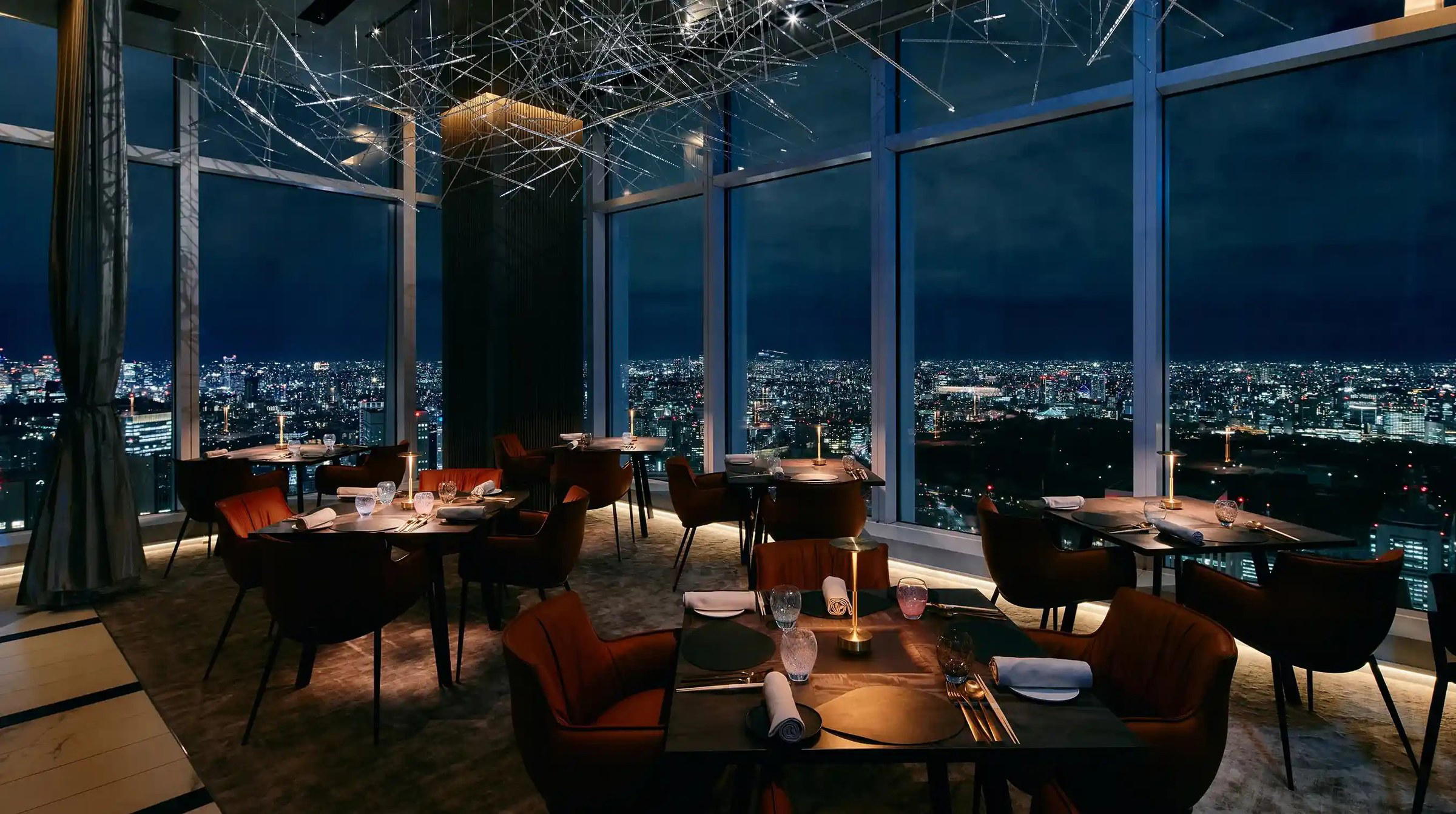
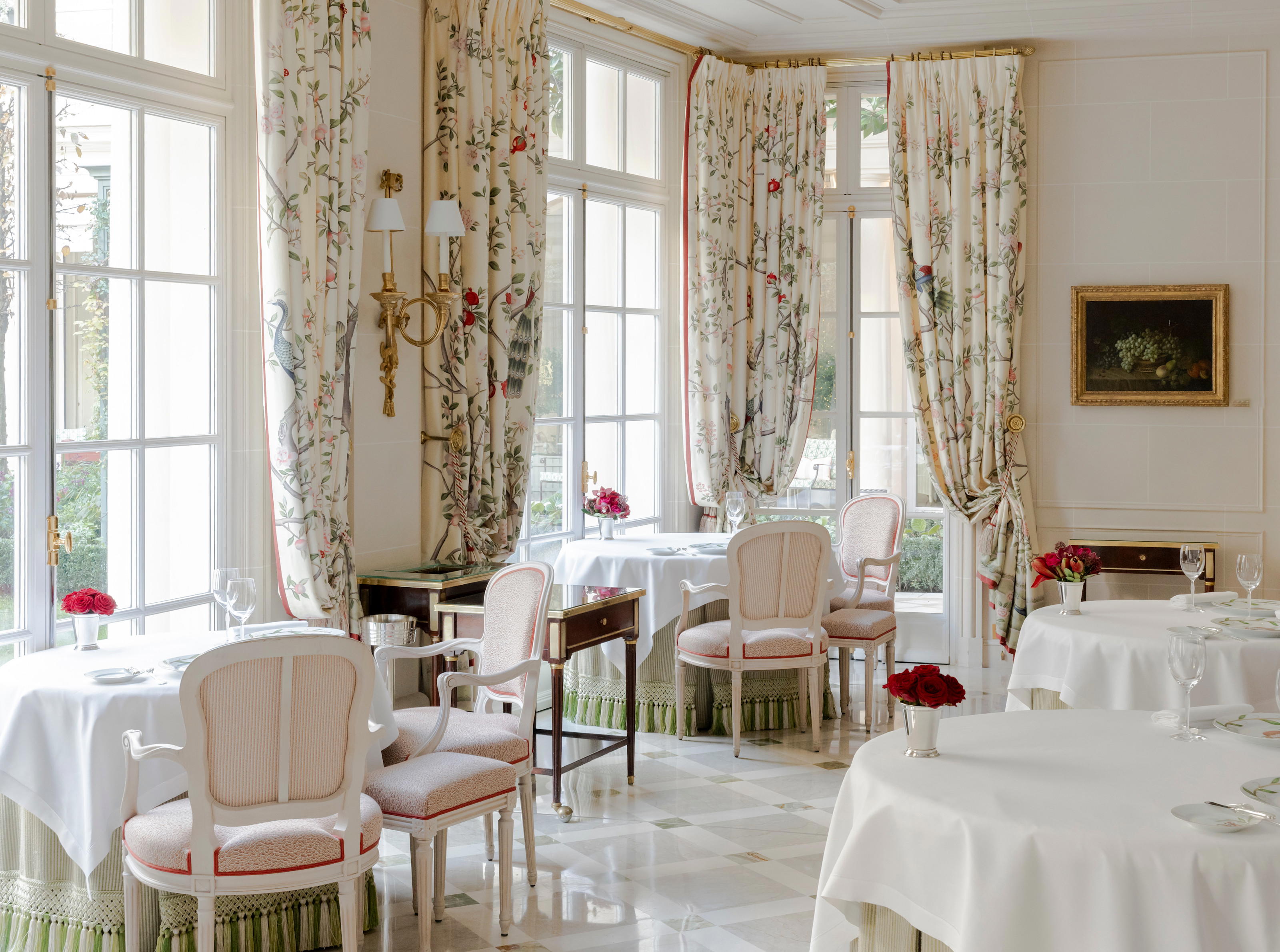
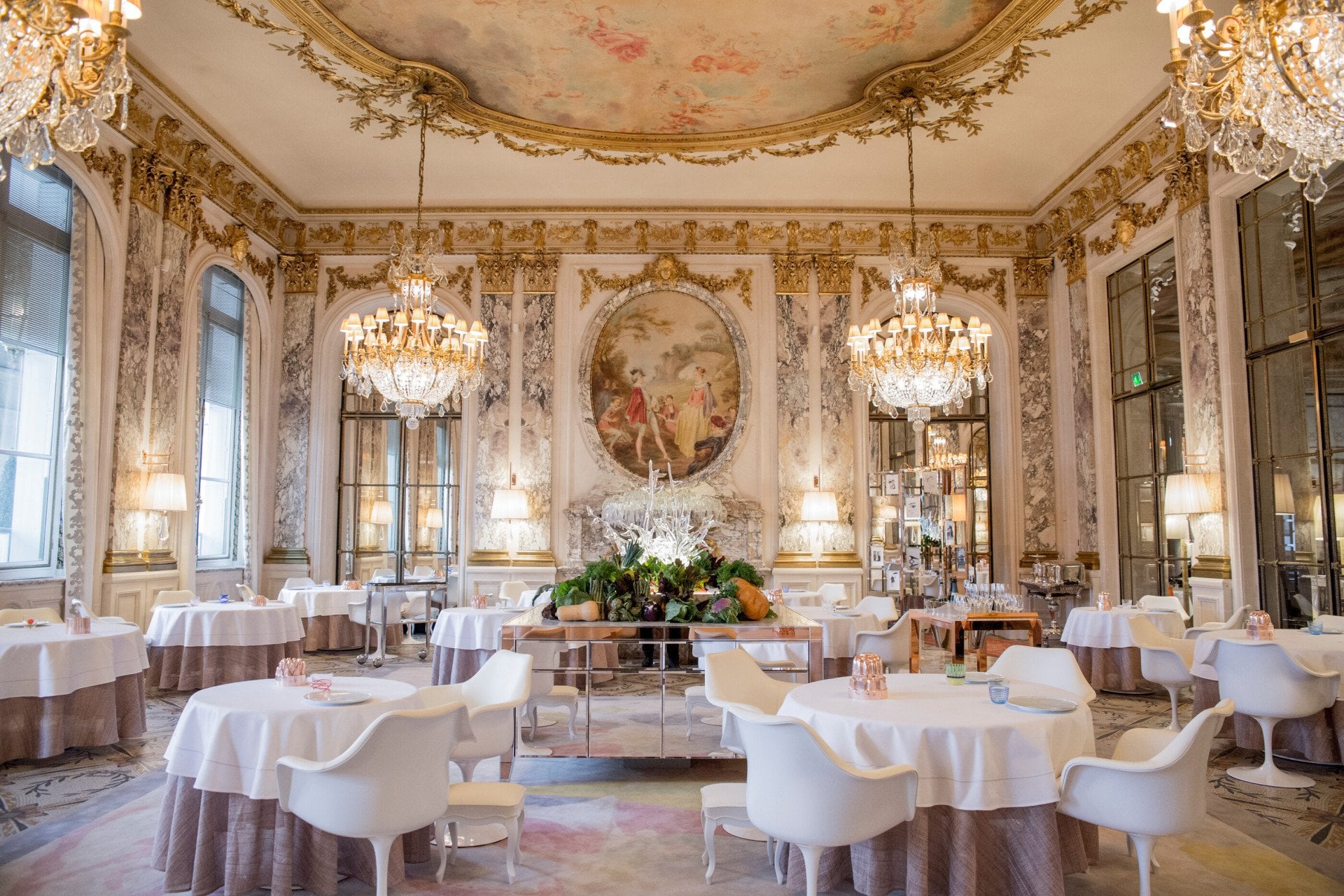
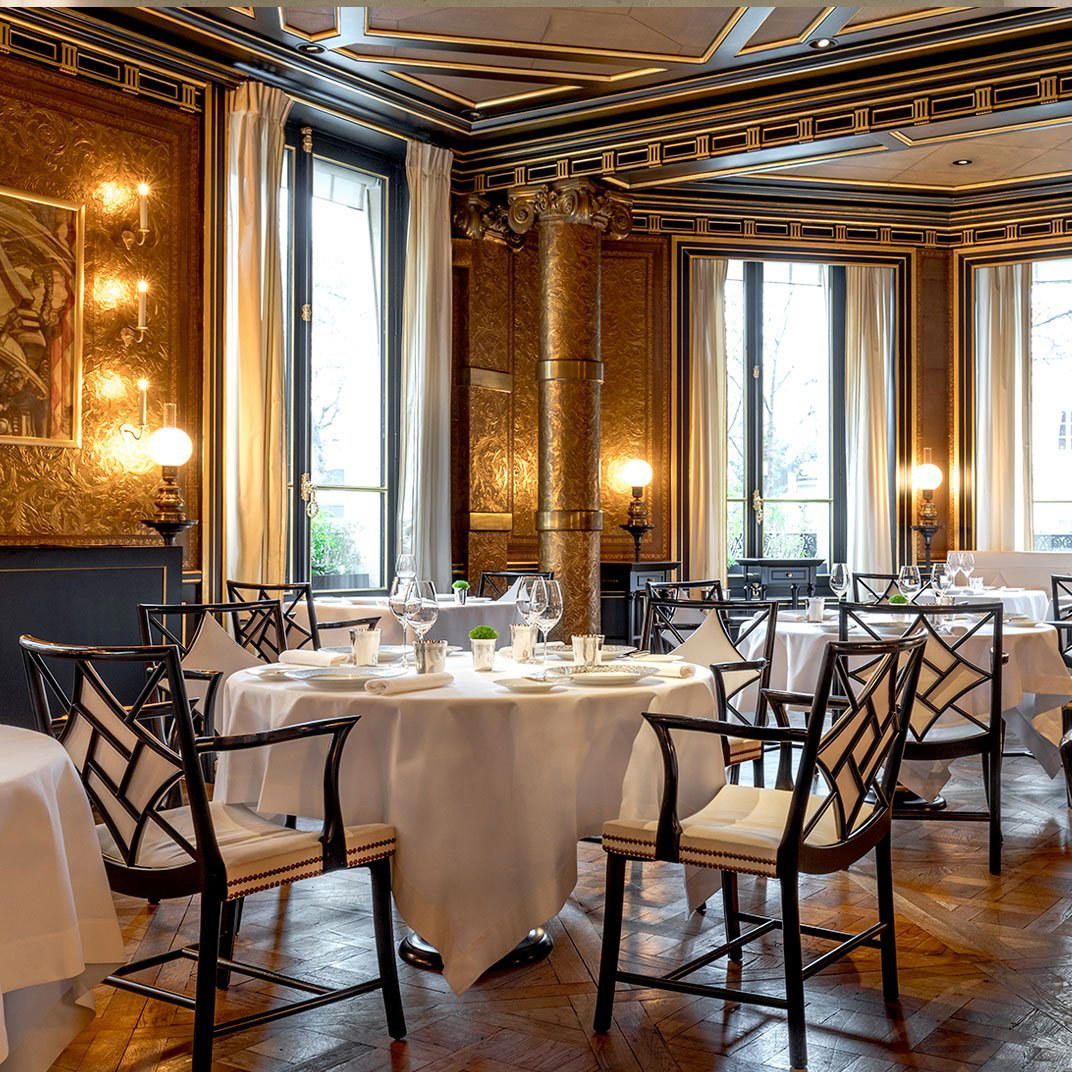
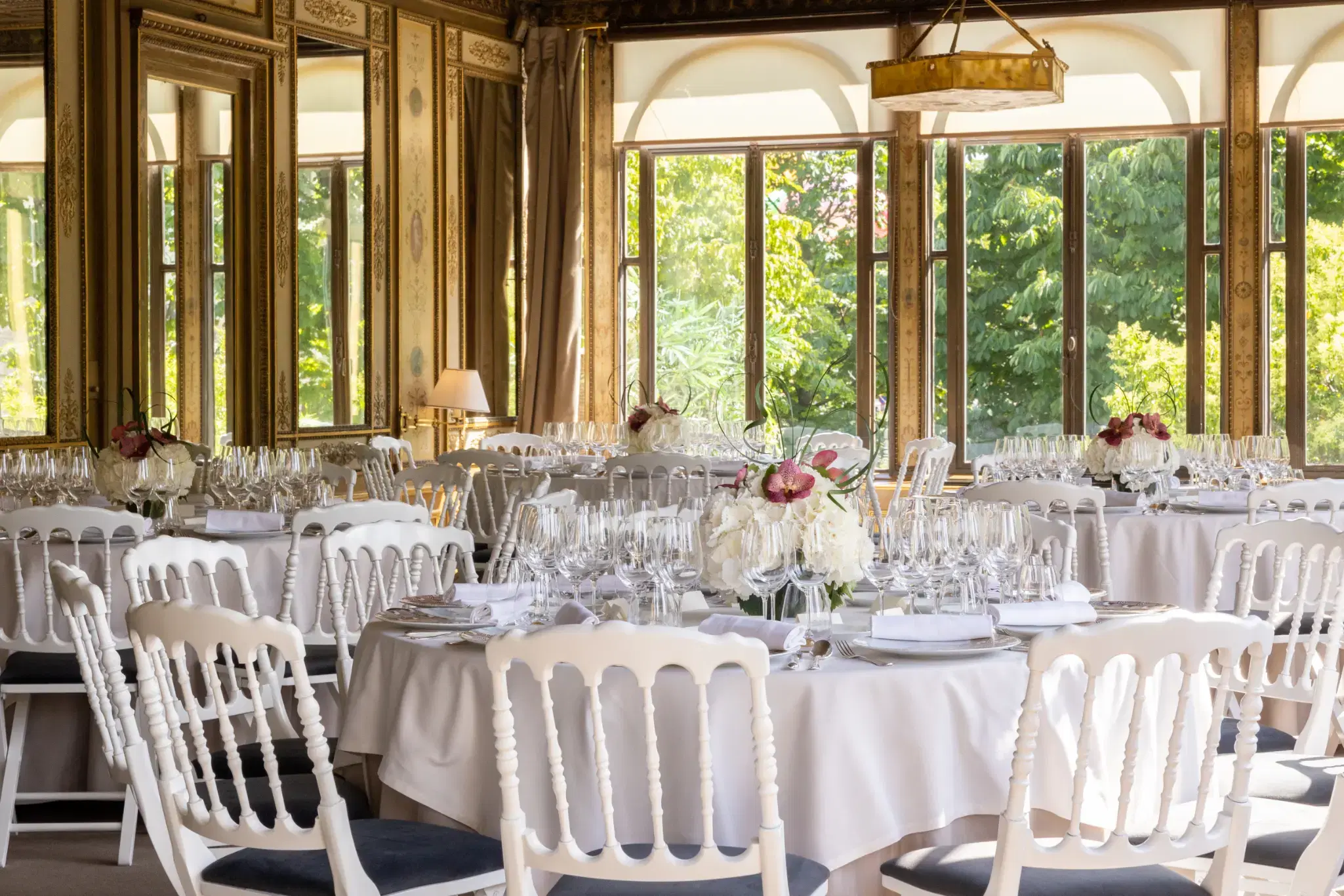
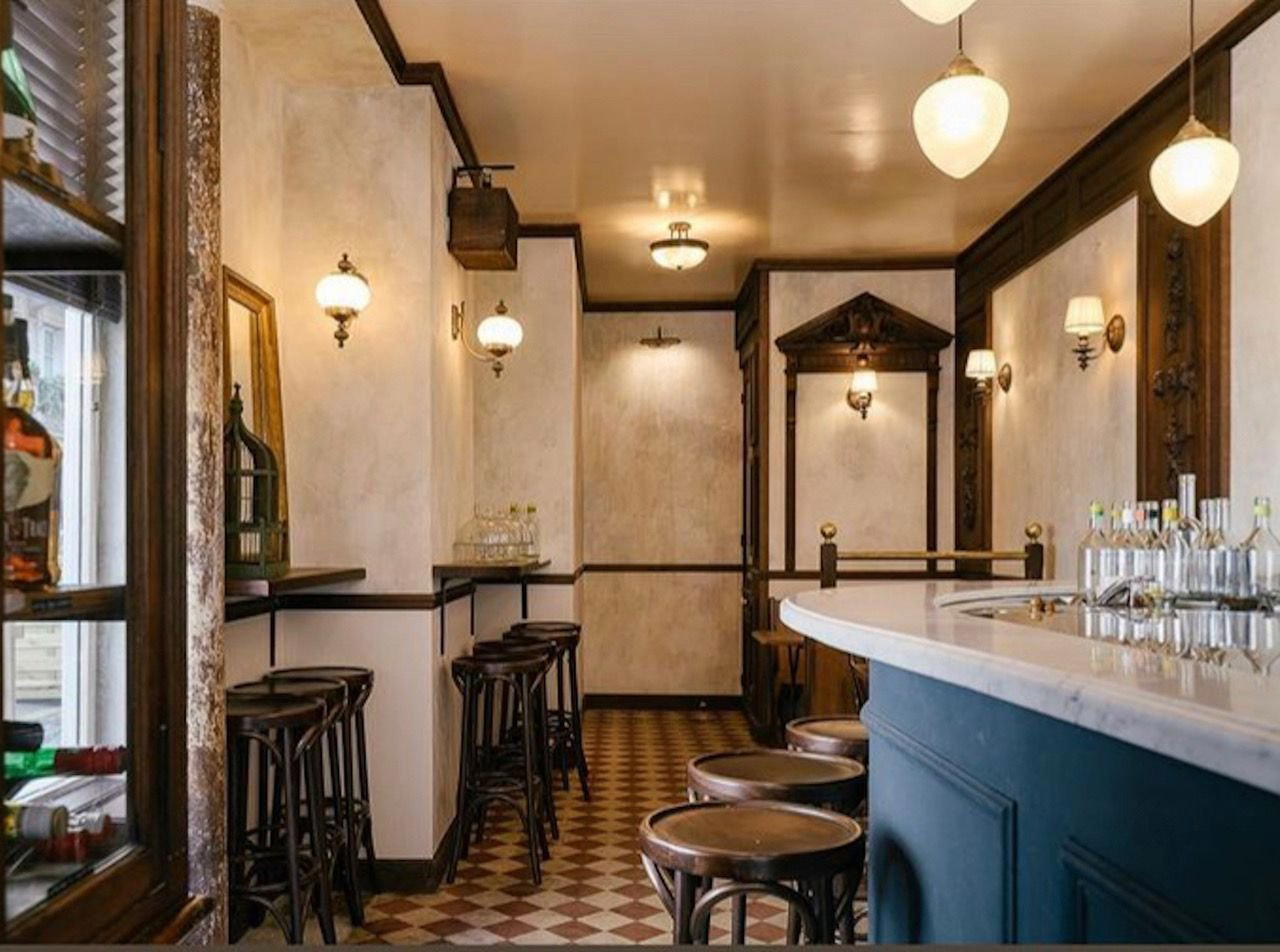
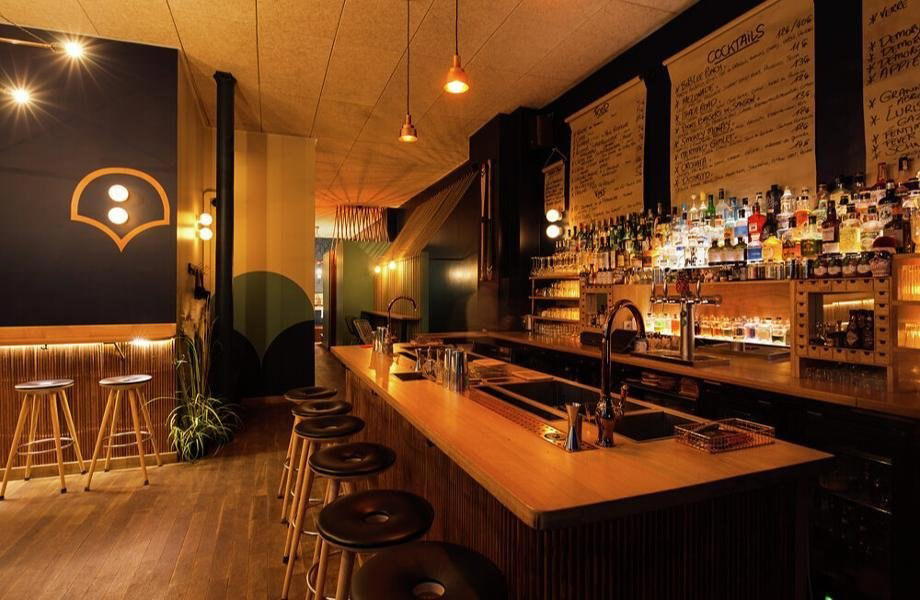
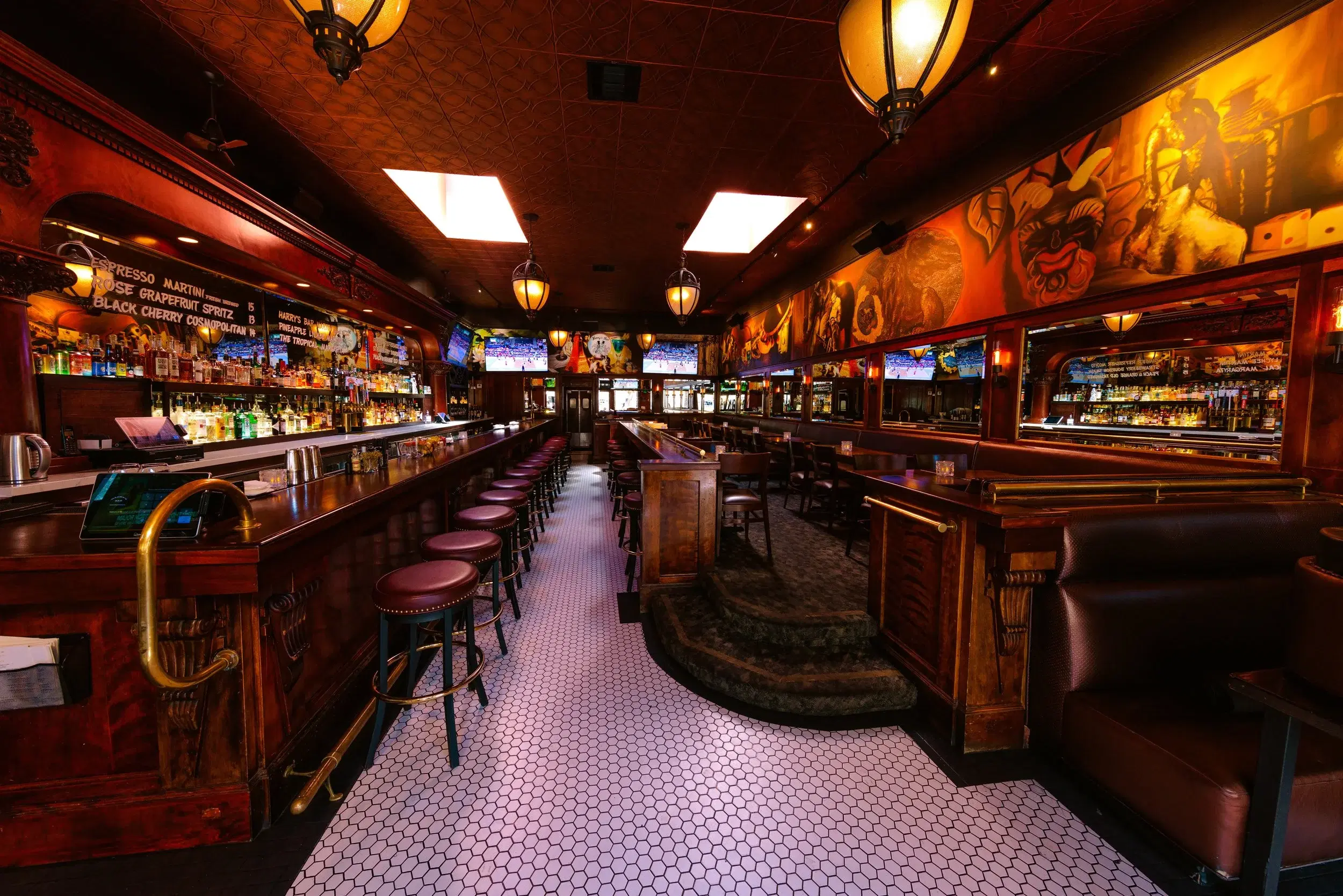
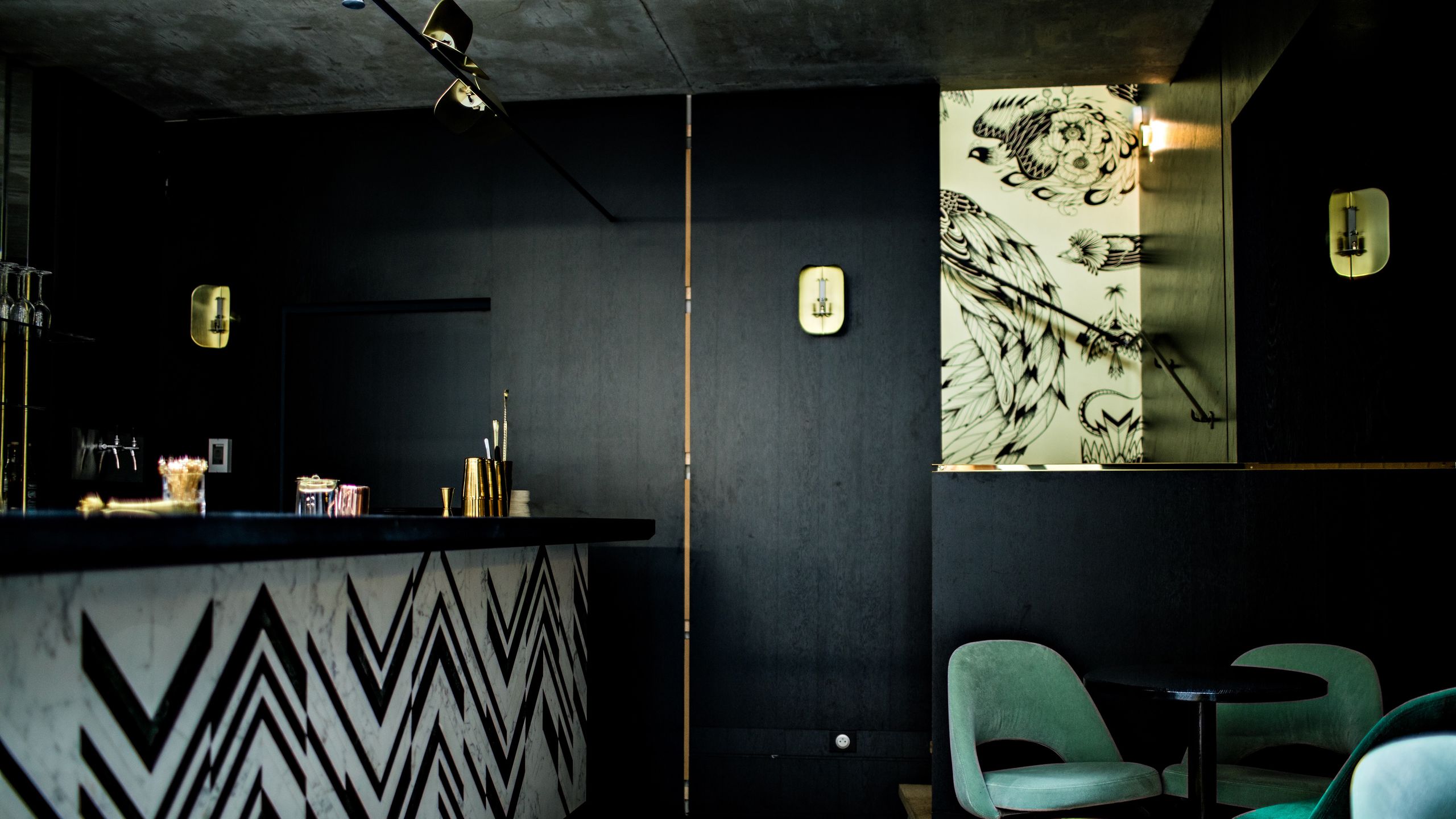
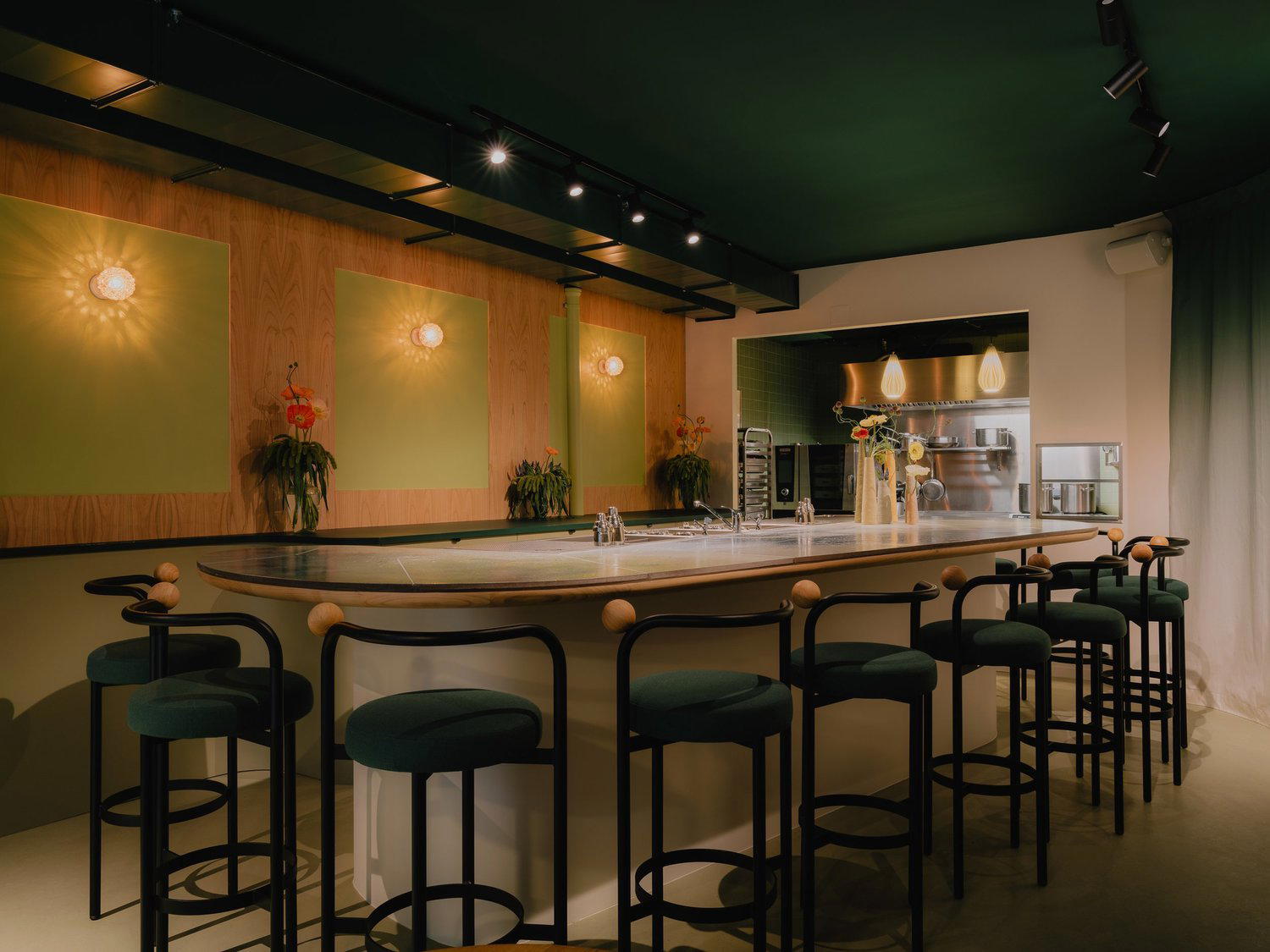
Cozy, bustling dining room with tables packed closely together, loud and convivial atmosphere with open kitchen visible; spills onto terrace in warm weather for people-watching.