Il Bacaro sits on Rue Auguste Laurent in the 11th arrondissement, where Italian-inflected dining has found a receptive audience among Paris's more food-literate neighbourhoods. Against the city's dominant French fine-dining tier, it occupies a different register: quieter on ceremony, sharper on ingredient sourcing, and shaped by a lunch-versus-dinner rhythm that rewards those who plan accordingly.
Pearl is the En Primeur Club membership app — saves, bookings, and concierge access live there. Same editors, same standards.
- Address
- 9 Rue Auguste Laurent, 75011 Paris, France
- Phone
- +33143791666
- Website
- ilbacaroparis.com
- Directions
- Get directions
 Saves & bookings on Pearl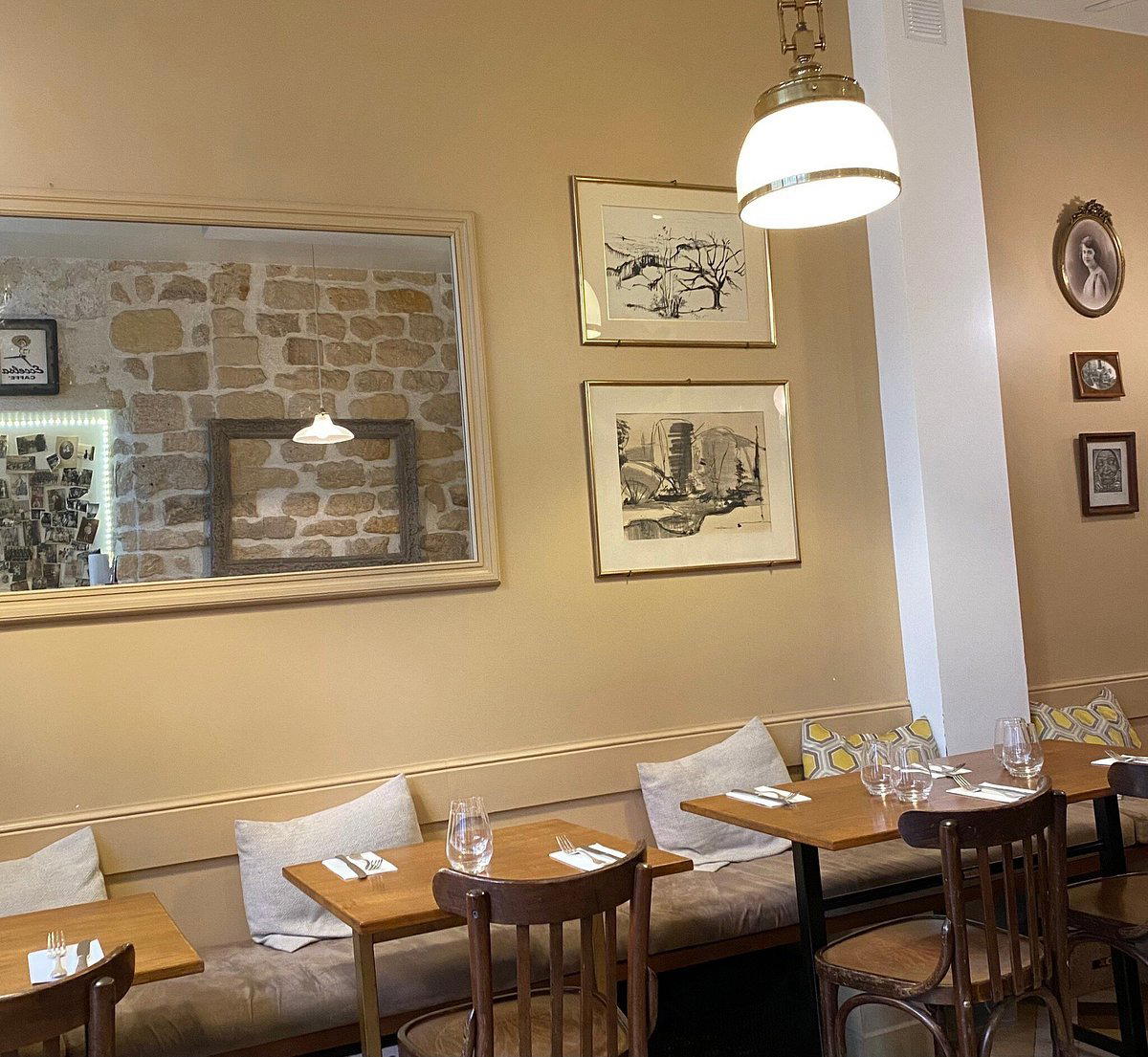
The 11th and the Italian Question
Paris has never been short of Italian restaurants, but the 11th arrondissement has developed a particular relationship with the format. The neighbourhood draws a crowd that eats out frequently, spends attentively, and has grown impatient with Italian cooking that leans on nostalgia rather than craft. Il Bacaro, at 9 Rue Auguste Laurent, sits in this context: a street-level address in a part of the city where dining decisions are made by word of mouth, not by hotel concierge lists.
The broader Paris dining scene in 2024 is stratified in ways that make the 11th's character clearer by contrast. At the summit tier, places like Alléno Paris au Pavillon Ledoyen, Arpège, and Le Cinq at the Four Seasons Hôtel George V operate with full brigade structures, prix-fixe commitments, and price points that reflect their address as much as their kitchens. Kei and L'Ambroisie occupy a comparable formal register. Il Bacaro is not competing in that tier. It is doing something structurally different: offering a format where the Italian trattoria tradition — ingredient-led, portion-generous, wine-friendly — meets a Parisian appetite for informality done with care.
Lunch and Dinner: Two Distinct Moods
The lunch-versus-dinner divide at Italian restaurants in Paris is rarely discussed, but it is real and consequential. At lunch, the room tends to operate at a different pace: natural light, faster service, a clientele that includes local professionals and market-adjacent regulars. The Italian trattoria model is well-suited to this rhythm, pasta dishes that don't require hours of preparation, wines served by the glass without ceremony, and a pricing structure that makes the midday visit feel like an efficient decision rather than an occasion.
In the evening, the same space reads differently. The 11th's restaurant streets fill up after 7:30pm, the room turns louder and more social, and the expectation shifts toward a longer table. For Il Bacaro, this split matters because the Italian format inherently supports both without requiring the kitchen to change its logic. Dishes that work as a quick lunch course, cured meats, risotto, simple secondi, read equally well as part of a shared evening spread. The key difference is pacing: dinner in this context rewards those who arrive without a hard stop time.
For visitors to Paris working out where Italian dining fits into an itinerary dominated by French restaurants, the practical advice is consistent: use the lunch service for a focused, lower-pressure meal; reserve the evening slot for a longer sit if the table arrangement allows it. This is not specific to Il Bacaro, it reflects how Italian restaurants across Paris's eastern arrondissements tend to perform across the day.
Rue Auguste Laurent in the Broader 11th Context
The 11th is not a single neighbourhood in any useful culinary sense. It runs from the busier stretches near Oberkampf and Parmentier down toward Bastille, with each pocket carrying its own dining character. Rue Auguste Laurent sits in the quieter southern section, away from the highest-volume restaurant streets. That address carries a practical implication: the crowd skews more local, and the atmosphere at both lunch and dinner reflects a clientele that has chosen the location deliberately rather than stumbled into it from a nearby tourist route.
This positioning within the 11th connects the restaurant to a broader pattern visible across French cities: interesting Italian cooking tends to happen in residential neighbourhoods where rents allow for smaller margins and longer-term thinking, rather than in tourist-heavy zones where Italian restaurants compete on visibility and price point. The address is, in this sense, an editorial signal as much as a logistical one.
Italy in France: The Broader Culinary Reference
France's relationship with Italian cuisine has always been more textured than the rivalry narrative suggests. French culinary education has long borrowed from Italian technique, the mother sauce framework, the northern Italian approach to butter-based cooking, and the two traditions share more than either country's food press tends to acknowledge. In Paris specifically, the Italian restaurant format has evolved over the past decade from red-sauce reliability toward something closer to the regional Italian model: wine lists that track producers by appellation, pasta made in-house, and secondi that reflect seasonal rather than fixed sourcing.
The comparison is useful not because the restaurant is derivative of those models, but because understanding the category clarifies what to expect and what to ask for. For those whose France itinerary extends beyond Paris, this calibration of Italian-in-France quality becomes relevant when visiting destinations like Mirazur in Menton, where Mediterranean influence operates at a different scale, or Flocons de Sel in Megève, where Alpine-bordering-Italian flavours appear in a French fine-dining frame.
The depth of France's own regional fine-dining tradition remains the dominant reference point for any serious food itinerary. Houses like Troisgros in Ouches, Auberge de l'Ill in Illhaeusern, Bras in Laguiole, Paul Bocuse in Collonges-au-Mont-d'Or, Assiette Champenoise in Reims, Au Crocodile in Strasbourg, and Auberge du Vieux Puits in Fontjoncouse represent a lineage that shapes the standard against which Paris's restaurant scene, including its Italian addresses, is implicitly measured. AM par Alexandre Mazzia in Marseille offers a further point of comparison for those tracking how southern France's culinary identity intersects with Mediterranean influence. Beyond France, the Italian-meets-international register finds its sharpest expression in rooms like Le Bernardin in New York and Atomix in New York, though those comparisons operate in an entirely different price tier and format.
For the Paris picture in full, our full Paris restaurants guide maps the city's dining by neighbourhood and price tier with the specificity that a single-venue profile cannot provide.
Know Before You Go
- Address: 9 Rue Auguste Laurent, 75011 Paris, France
- Arrondissement: 11th, southern section toward Bastille
- Format: Italian trattoria-register; suited to both lunch and dinner service
- Lunch vs. Dinner: Lunch is faster-paced and typically lower-pressure; dinner rewards an open-ended sitting
- Booking: Contact details not publicly confirmed at time of publication; check current listings for reservation access
- Nearest area: 11th arrondissement; accessible via Bastille or Voltaire metro stations
Continue exploring
More in Paris
Restaurants in Paris
Browse all →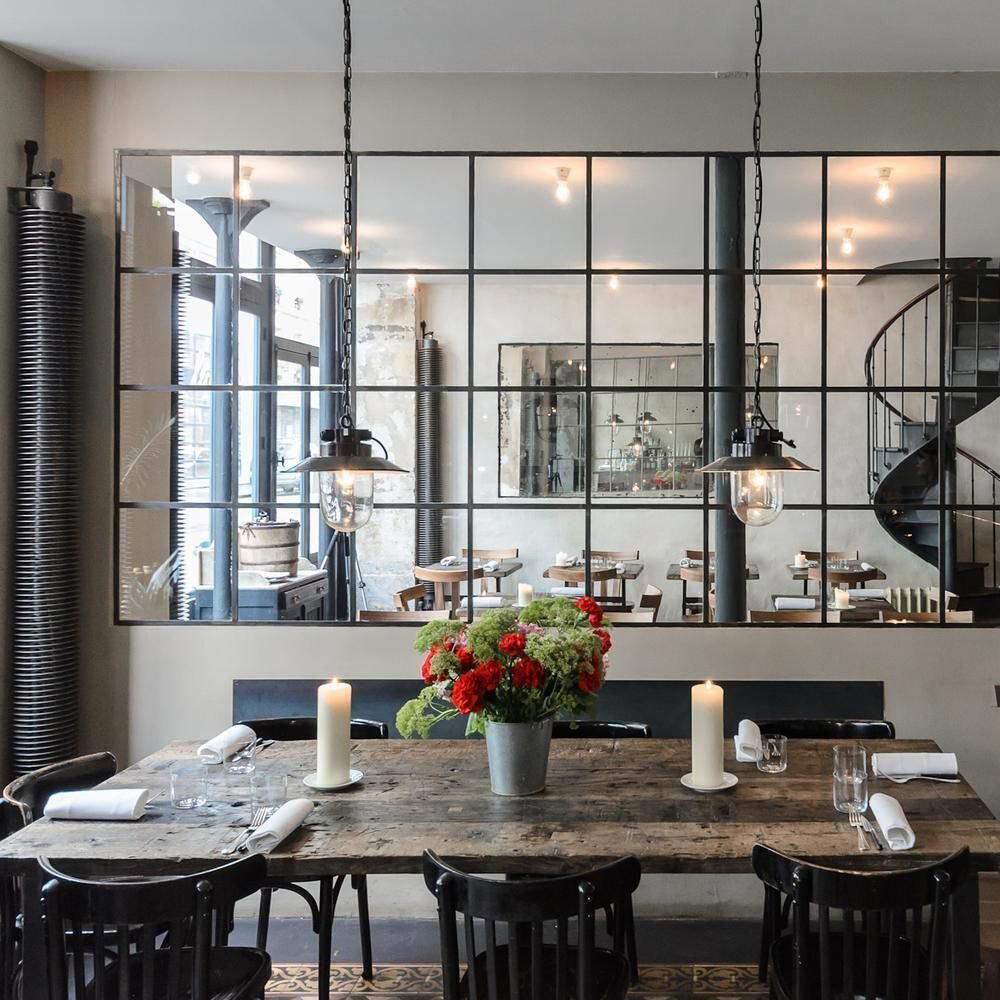
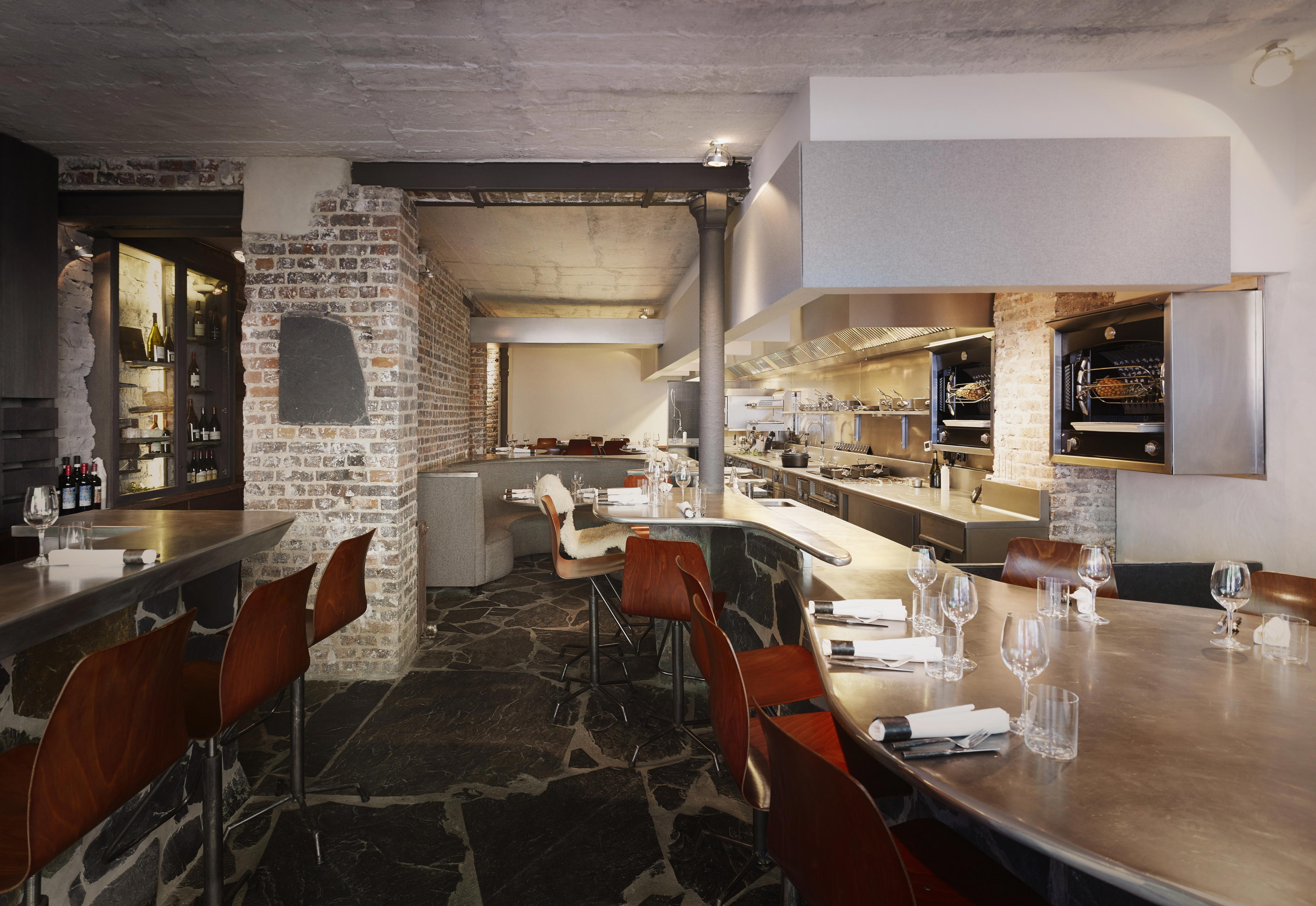
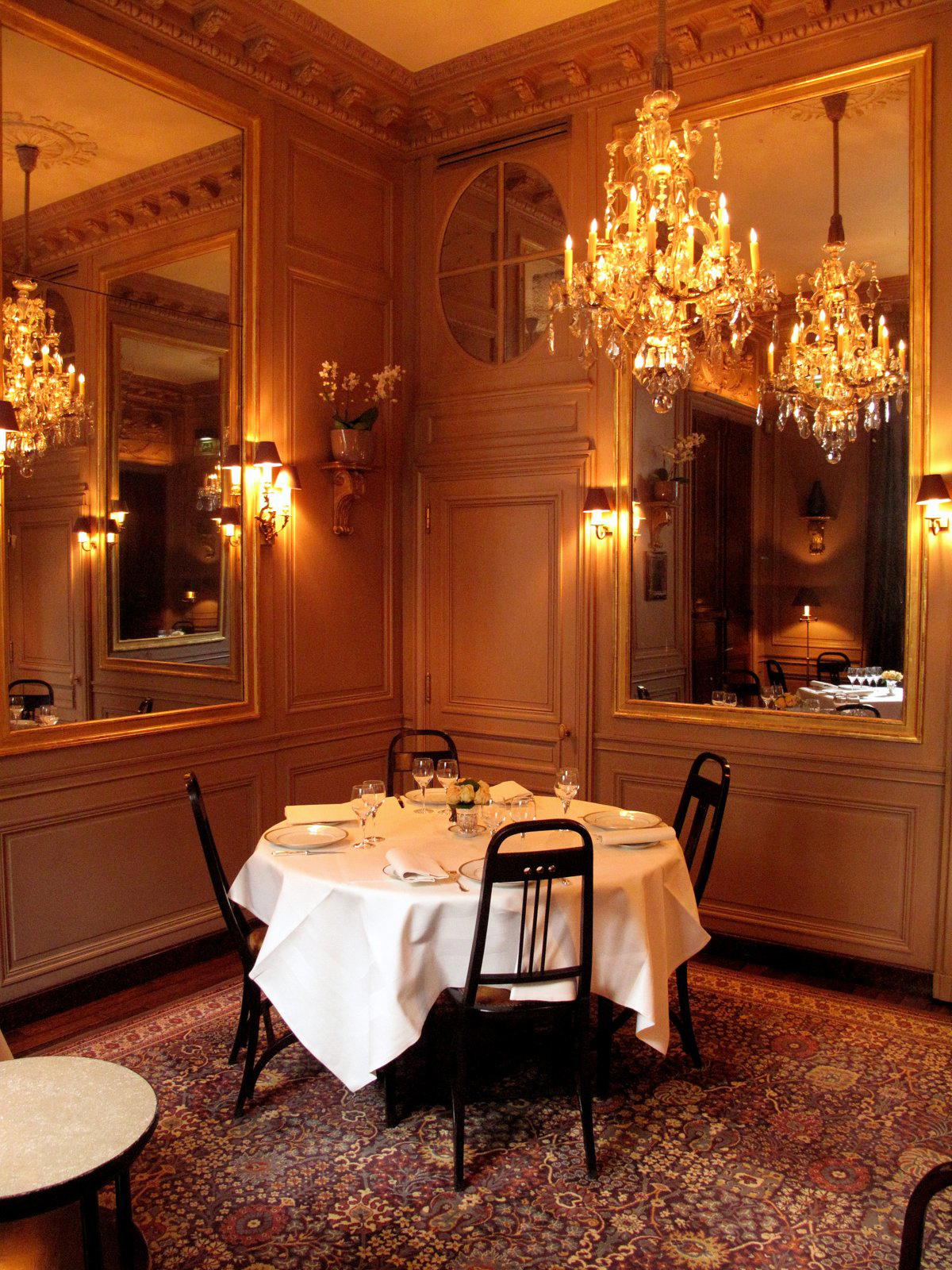
Bars in Paris
Browse all →
Hotels in Paris
Browse all →



At a Glance
- Cozy
- Intimate
- Classic
- Date Night
- Casual Hangout
- Terrace
- Natural Wine
- Organic
- Biodynamic
Current opening hours
- Monday
- 7:15–10 PM
- Tuesday
- 12:15–2 PM, 7:15–10 PM
- Wednesday
- 12:15–2 PM, 7:15–10 PM
- Thursday
- 12:15–2 PM, 7:15–10 PM
- Friday
- 12:15–2 PM, 7:15–10:30 PM
- Saturday
- Closed
- Sunday
- Closed
Hours can change for holidays and private events. Last verified .
Cozy and intimate with warm attentive service and a quiet charming atmosphere.