Mille Grazie sits on Boulevard Pasteur in Paris's 15th arrondissement, bringing Italian hospitality to a neighbourhood that prizes everyday quality over spectacle. The address places it squarely in working residential Paris, away from the tourist circuits of the right bank. For diners seeking something grounded in Italian tradition rather than French fine-dining formality, it offers a distinct alternative in a city where that contrast still carries weight.
Pearl is the En Primeur Club membership app — saves, bookings, and concierge access live there. Same editors, same standards.
- Address
- 36 Bd Pasteur, 75015 Paris, France
- Phone
- +33143489270
- Website
- hotel-madrigal.com
- Directions
- Get directions
 Saves & bookings on Pearl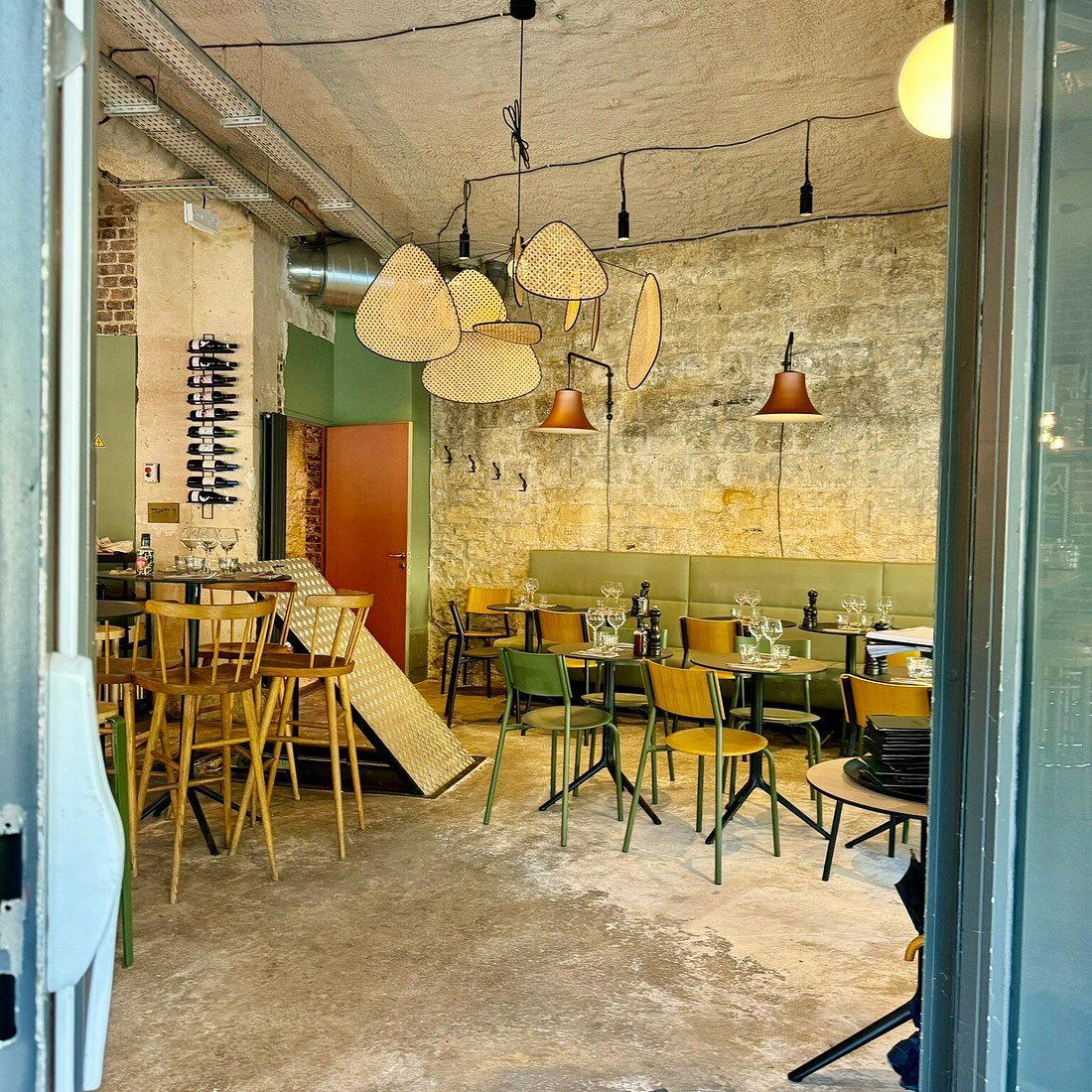
Italian Roots on the Left Bank
Boulevard Pasteur runs through the 15th arrondissement at a pace that has little interest in impressing anyone. The neighbourhood is residential in the truest Parisian sense: pharmacies, boulangeries, the odd brasserie with a hand-written plat du jour. It is precisely this context that gives Italian trattorias and osterie on this stretch their character. They are not performing Italianness for tourists; they are feeding a neighbourhood that expects honest cooking and recognises when it is absent.
Italian restaurants in Paris occupy a complicated position. The city's culinary identity is so dominant that foreign cuisines must either compromise toward French expectations or hold their ground. The ones that hold their ground, maintaining pasta textures, acidity levels, and portioning logic that would read correctly in Bologna or Naples rather than in a Parisian bistro, tend to develop the kind of repeat clientele that sustains a neighbourhood address across years. Mille Grazie, at 36 Boulevard Pasteur, sits in that context.
What Italian Cooking Means in This Neighbourhood
Italian cuisine is frequently misread in northern European cities as a monolith. In practice, it is a collection of deeply regional traditions: the butter and rice culture of Lombardy, the cured meats and fresh pasta of Emilia-Romagna, the olive oil and tomato logic of Campania, the fish-forward simplicity of Liguria. A restaurant that treats these distinctions seriously signals something about its kitchen's relationship to the source material.
Paris has seen a genuine shift over the past decade in how seriously Italian cooking is taken at the neighbourhood level. Where the early 2000s produced a wave of red-and-white-tablecloth establishments serving undifferentiated pizza-pasta menus, the current generation of Italian addresses in the city tends toward more specific regional positioning. The 15th has benefited from this shift, with addresses that draw on particular Italian traditions rather than a generalised Mediterranean shorthand. Mille Grazie sits within this newer cohort.
For a sense of how French fine dining in Paris has evolved alongside these neighbourhood shifts, the contrast with houses like Arpège or L'Ambroisie is instructive. Those addresses represent the pinnacle of French classical and contemporary technique, operating at price points and formality levels that occupy an entirely different register. The neighbourhood Italian table exists in deliberate counterpoint: less ceremony, more frequency, a relationship to the cooking that is daily rather than occasional.
The 15th Arrondissement as a Dining Context
The 15th is particularly populated arrondissement in Paris, and that density creates a dining culture shaped by residents rather than visitors. Restaurants here earn loyalty through consistency over seasons, not through novelty or positioning. A table that survives several years on Boulevard Pasteur has done so because the neighbourhood keeps returning, which is a different kind of validation than critical acclaim.
This matters for how Mille Grazie functions. The address at 36 Boulevard Pasteur is close to the Pasteur metro station on lines 6 and 12, making it accessible from a wide radius of the left bank without requiring a deliberate pilgrimage. That accessibility reinforces the everyday-dining logic: this is a place you come back to rather than save for a special occasion.
Paris's broader dining hierarchy is anchored at the leading by addresses like Alléno Paris au Pavillon Ledoyen, Le Cinq at the Four Seasons George V, and Kei, all operating in the €€€€ bracket with formal service structures and multi-course formats. The neighbourhood trattoria model operates at a fundamentally different frequency: more accessible price points, shorter menus, and an implicit understanding that the cooking should be sound rather than spectacular. Both tiers have legitimate claims on a diner's calendar; they are answering different questions.
For those whose interest extends beyond Paris to the broader French fine dining circuit, the range is considerable. Mirazur in Menton, Flocons de Sel in Megève, Bras in Laguiole, and Troisgros in Ouches represent the regional depth of French gastronomy outside the capital. Closer to Paris, Assiette Champenoise in Reims and Auberge de l'Ill in Illhaeusern anchor the Alsace and Champagne corridors. These are different journeys entirely from a Tuesday dinner in the 15th, but they share the same city as a starting point.
Planning a Visit
Mille Grazie's address at 36 Boulevard Pasteur, Paris 75015, is direct to reach by metro via Pasteur station. For a neighbourhood address of this type in Paris, walk-in availability on weekdays tends to be more reliable than on Friday and Saturday evenings, when local regulars fill the room. If the address draws the kind of consistent clientele that the 15th rewards, a reservation for weekend dining is a sensible precaution.
For a wider view of Paris dining at all price points and styles, our full Paris restaurants guide maps the city's table across cuisines and neighbourhoods. Those extending their European dining itinerary beyond France might also consider the comparison points offered by Le Bernardin in New York or Atomix, both of which represent the ambition of French-influenced fine dining transplanted to a different city. Elsewhere in France, Paul Bocuse's Auberge du Pont de Collonges, AM par Alexandre Mazzia in Marseille, Au Crocodile in Strasbourg, and Auberge du Vieux Puits in Fontjoncouse round out the national picture for serious dining travellers.
How Mille Grazie Paris compares with similar nearby venues.
| Venue | Cuisine | Price |
|---|---|---|
| Pilgrim | Contemporary French, Modern Cuisine | €€€ |
| À Table | Modern Cuisine | €€ |
Continue exploring
More in Paris
Restaurants in Paris
Browse all →
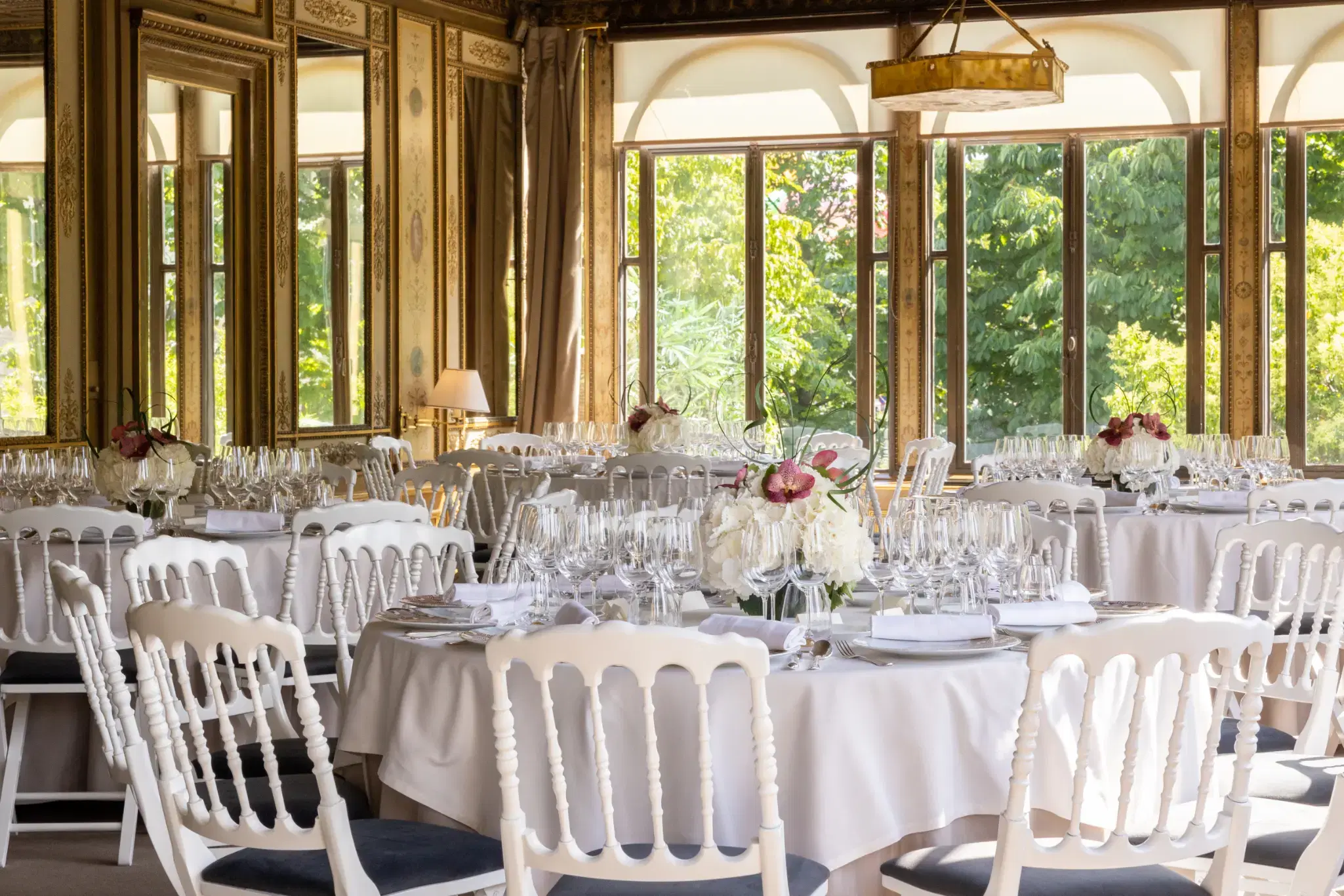
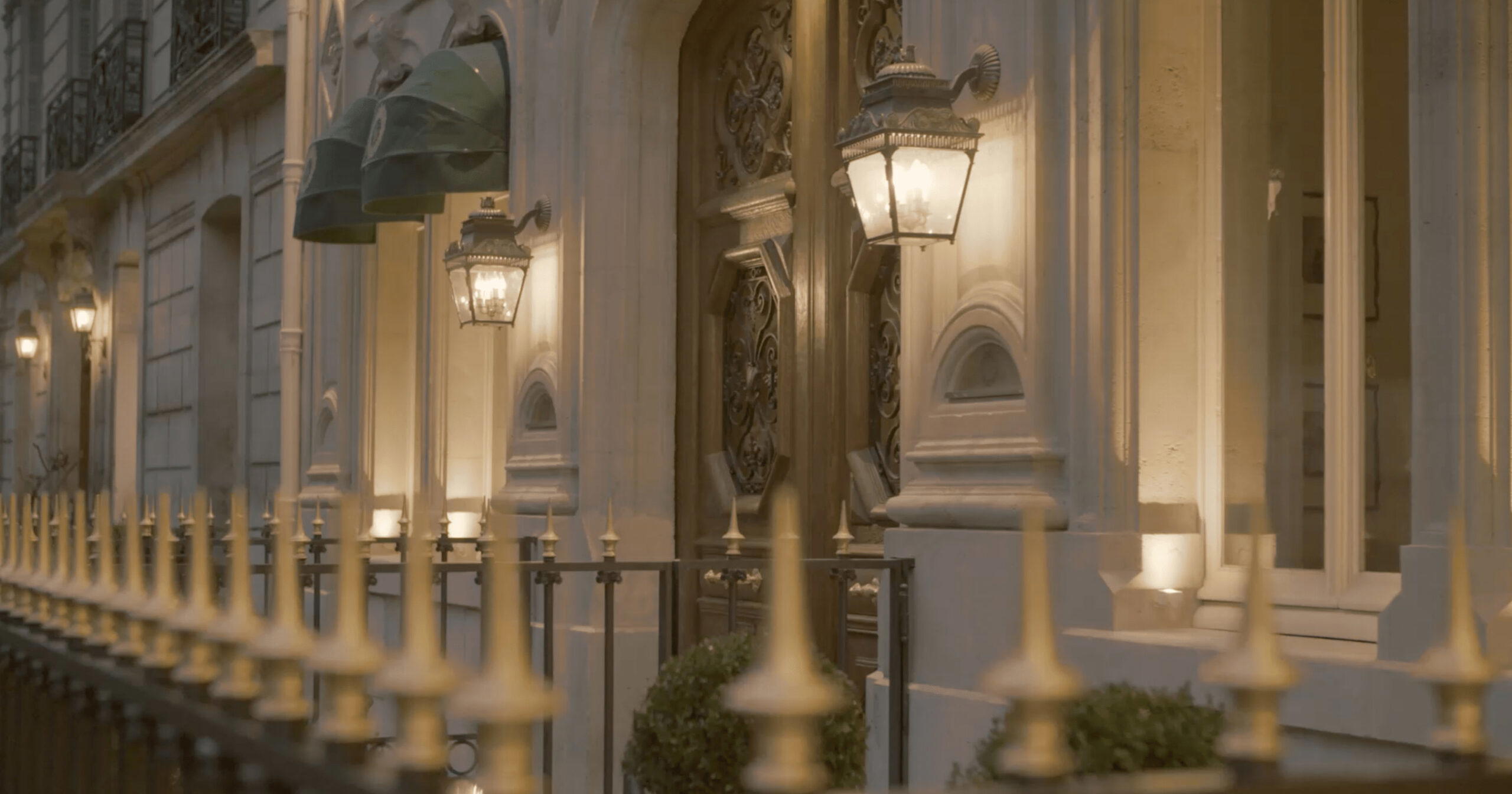
Bars in Paris
Browse all →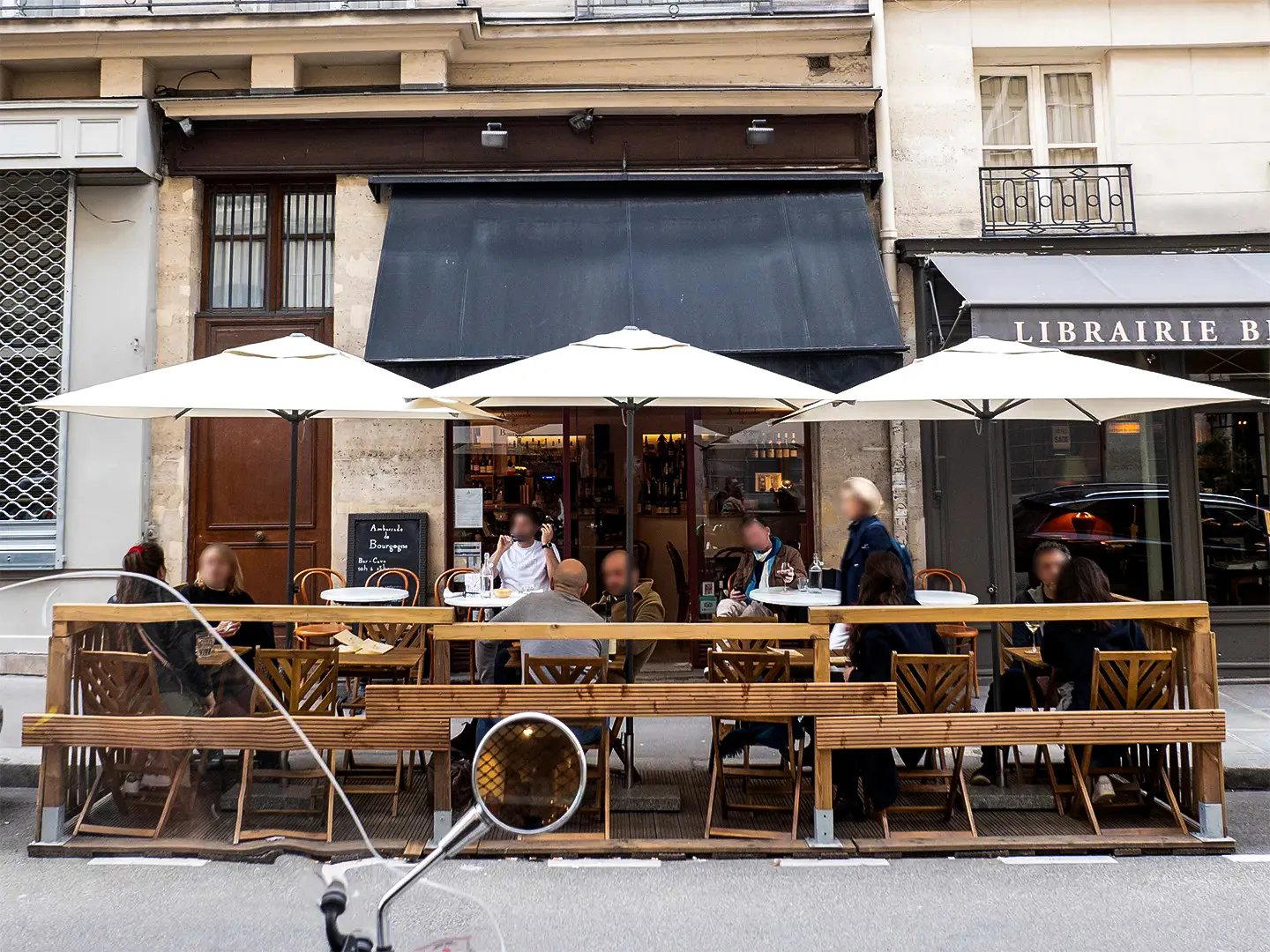
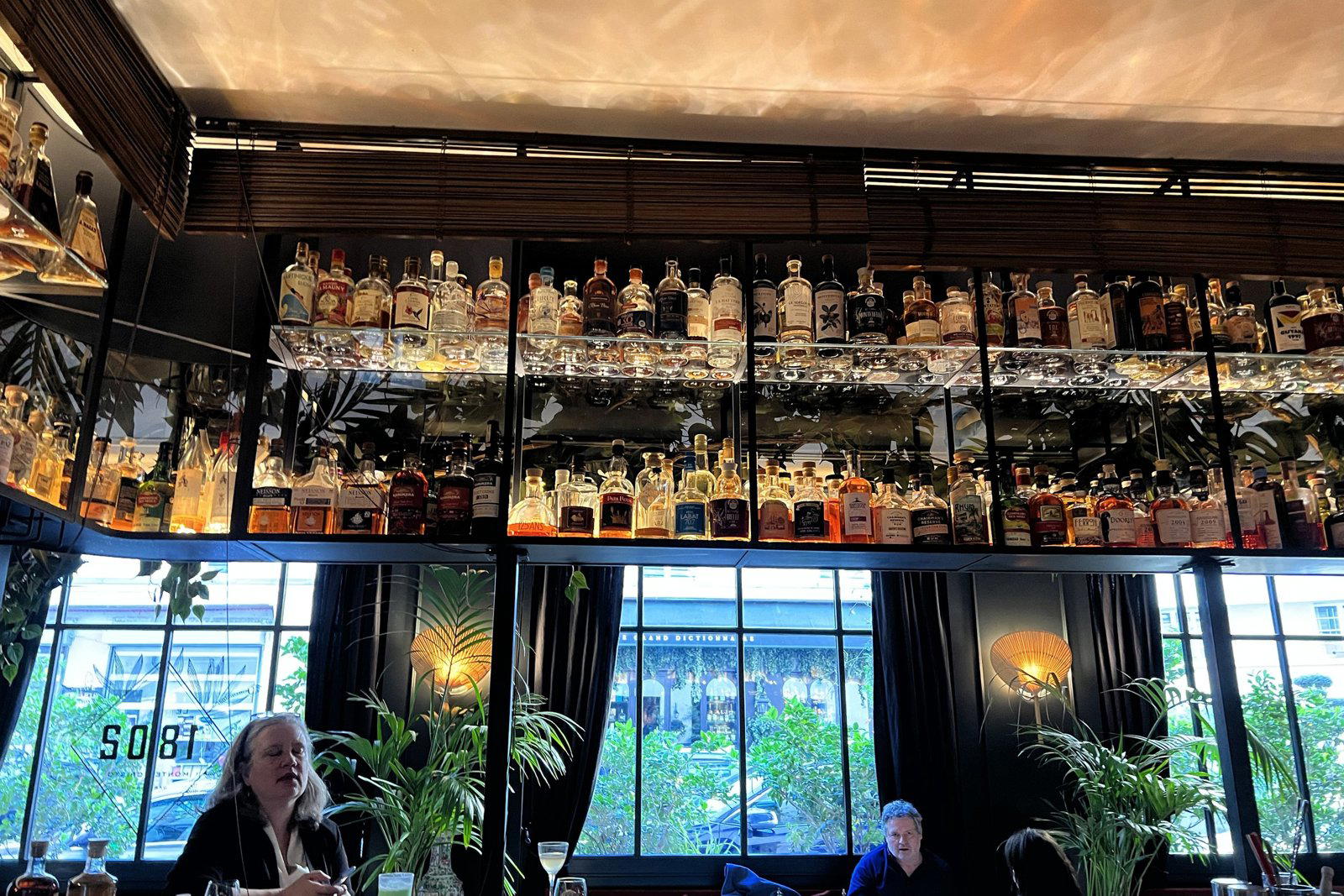
Hotels in Paris
Browse all →




At a Glance
- Trendy
- Modern
- Lively
- Industrial
- Casual Hangout
- Group Dining
- After Work
- Open Kitchen
- Standalone
- Craft Cocktails
- Extensive Wine List
- Local Sourcing
Current opening hours
- Monday
- Closed
- Tuesday
- 12–3 PM, 6:30–10:30 PM
- Wednesday
- 12–3 PM, 6:30–10:30 PM
- Thursday
- 12–3 PM, 6:30–10:30 PM
- Friday
- 12–3 PM, 6:30–10:30 PM
- Saturday
- 12–3 PM, 6:30–10:30 PM
- Sunday
- Closed
Hours can change for holidays and private events. Last verified .
High ceilings with industrial loft aesthetic, dark distressed wood furnishings, brown leather club chairs, and a prominent bar creating a buzzy, contemporary atmosphere.