On Rue des Canettes in Saint-Germain-des-Prés, Chez Bartolo occupies a particular register of Paris dining: the kind of address that rewards those who know where to look. The wine program anchors the experience, and the room carries the low-key authority of a Left Bank institution that has never needed to announce itself. An essential stop for anyone reading the sixth arrondissement seriously.
Pearl is the En Primeur Club membership app — saves, bookings, and concierge access live there. Same editors, same standards.
- Address
- 7 Rue des Canettes, 75006 Paris, France
- Phone
- +33143262708
- Website
- bartolorestaurant.fr
- Directions
- Get directions
 Saves & bookings on Pearl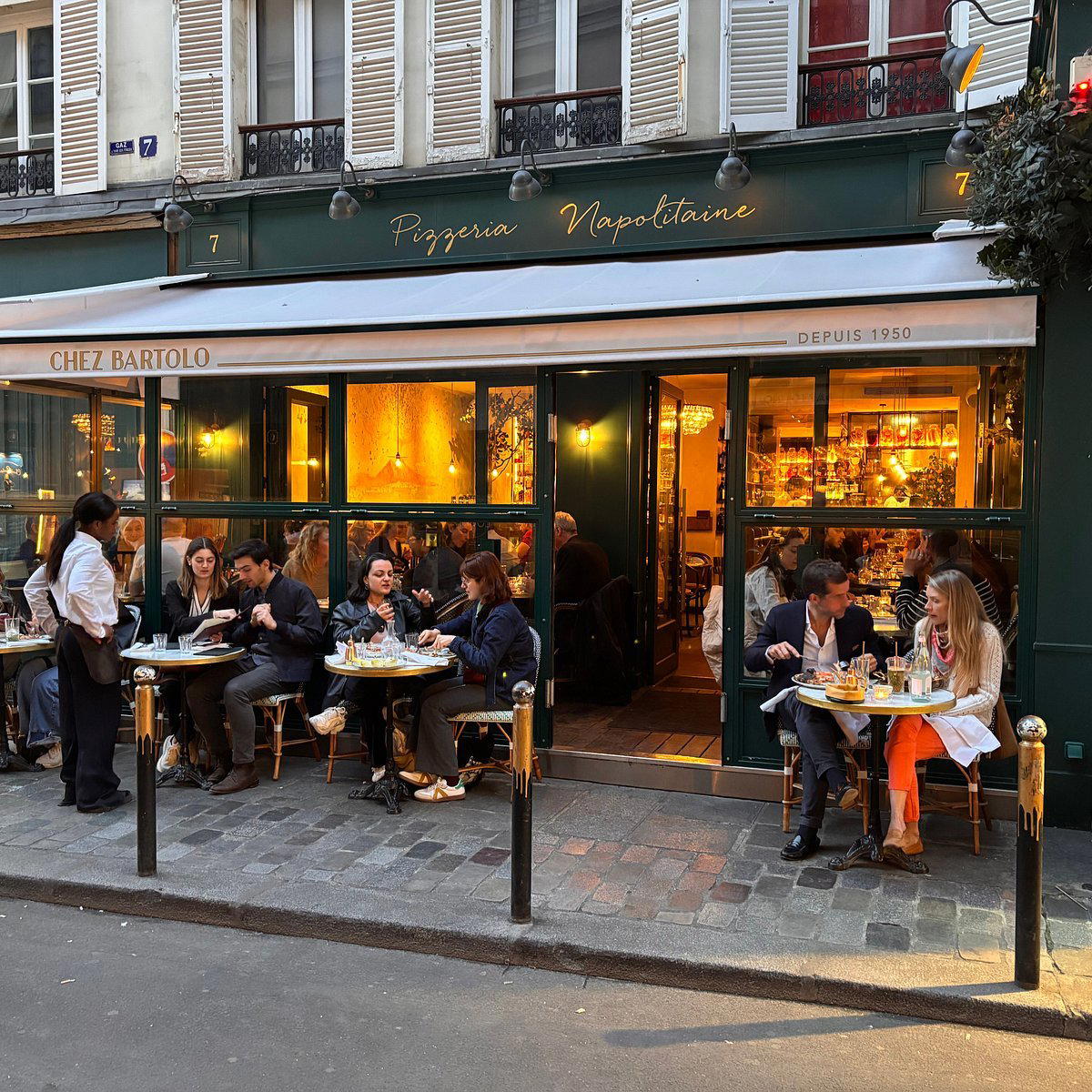
Saint-Germain-des-Prés and the Art of the Understated Address
Rue des Canettes runs off the Place Saint-Sulpice in the sixth arrondissement, a narrow street whose storefronts have absorbed decades of Left Bank life with minimal fuss. The addresses here do not compete for attention with the grands boulevards; they rely instead on the kind of word-of-mouth durability that tourist-facing restaurants cannot manufacture. Chez Bartolo, at number 7, sits squarely in that tradition. The building's facade offers no dramatic statement, and that restraint is precisely the point. In a neighbourhood where the dining room at L'Ambroisie on the Place des Vosges and the technical ambition of Alléno Paris au Pavillon Ledoyen represent one pole of the city's appetite, Chez Bartolo occupies the other: the resolutely neighbourhood-scaled room that earns loyalty through consistency rather than spectacle.
Paris in autumn and winter is when addresses like this earn their reputation most clearly. The city's dining culture contracts inward as the season cools, and the bistro-weight room, with its low light and close tables, becomes the format that Parisians return to on instinct. Spring and summer bring terrasse culture and longer evenings, but the core of what Chez Bartolo represents is most legible when the streets outside are quieter and the room is doing the work of holding the evening together.
The Wine Program as Primary Lens
In the sixth arrondissement, wine lists tend to fall into two camps: the formal, deep-cellar approach of the grandes maisons, and the more curated, producer-focused selections that smaller rooms use to signal their seriousness. The latter approach has defined particularly interesting Left Bank addresses for the better part of two decades, as the city's wine culture has shifted from appellation-first prestige toward a greater interest in grower provenance and cellar-door relationships. Chez Bartolo operates within this tradition, and the wine program functions as the central editorial statement of the experience rather than a supplement to the food.
Across France, the restaurants that have sustained this kind of wine-forward identity often anchor themselves to specific regions or philosophies. Flocons de Sel in Megève builds its cellar around Alpine producers and Savoie expressions that most Paris lists would not touch. Auberge du Vieux Puits in Fontjoncouse draws from the Languedoc with a depth that reflects the surrounding terroir. Bras in Laguiole aligns its selections with the high-plateau character of the Aveyron. In each case, the wine list is not decorative: it is a statement of positioning. The same logic applies at the level of a Paris neighbourhood address, where the sommelier's choices reveal whether a room is genuinely engaged with France's wine production or simply marking the expected appellations.
For a room on Rue des Canettes, the competitive set is not Le Cinq at the Four Seasons George V, whose cellar runs to hundreds of references and requires a dedicated sommelier team to maintain. The relevant comparison is with the smaller rooms across the sixth and seventh arrondissements that have built their identities around thoughtful, often Loire- or Rhône-weighted lists, or around natural wine selections that reflect the palate of their owners rather than the expectations of a corporate wine buyer. This is a more demanding standard in its own way: at scale, a thin list is obscured by everything else; at the neighbourhood level, the wine list has nowhere to hide.
Left Bank Context: What the Neighbourhood Expects
The sixth arrondissement has never been a single dining category. The streets around Saint-Germain support Michelin-chasing rooms, long-standing brasseries, and the kind of address that exists primarily for the people who live within walking distance. Kei, a few minutes north toward the first arrondissement, represents the Franco-Japanese precision end of the Paris spectrum. Arpège in the seventh operates on its own terms entirely, with a vegetable-first philosophy that has reshaped how Paris thinks about what a three-star room can prioritize. Chez Bartolo does not compete in either of those registers, and that is not a limitation. The Left Bank has always needed rooms that function as punctuation between the ambitious destination addresses, places where the evening's pleasure comes from the glass and the company rather than from a tasting menu's architecture.
France's most durable restaurant addresses often work this way. Georges Blanc in Vonnas and Auberge de l'Ill in Illhaeusern have both survived generational transitions by holding to a legible identity rather than chasing format shifts. Les Prés d'Eugénie in Eugénie-les-Bains occupies a destination format, but its longevity comes from the same principle: knowing exactly what it is and delivering that consistently. At the neighbourhood scale, the same durability logic applies, even if the stakes are quieter.
Paris's broader restaurant conversation now extends well beyond the city limits and across the Atlantic. Le Bernardin in New York and Lazy Bear in San Francisco both represent how French culinary DNA has been interpreted and rebuilt in North American contexts. Mirazur in Menton and Troisgros in Ouches push the regional fine-dining category from within France itself. Against all of that movement and ambition, the neighbourhood room in the sixth retains its own logic: it is the format that the city's residents actually use, season after season, and the wine-focused address earns its place in that rotation by offering something the destination rooms cannot, which is ease, frequency, and a list you can drink through over time rather than on a single occasion. See our full Paris restaurants guide for further context across the city's dining categories.
The address at Paul Bocuse's L'Auberge du Pont de Collonges near Lyon and La Table du Castellet in Provence both demonstrate how a room can hold a specific identity across decades without ossifying. The parallel for a Paris neighbourhood address is different in scale but identical in principle: the room that endures is the one with a clear point of view, particularly in the glass.
Planning Your Visit
The restaurant is at 7 Rue des Canettes in the sixth arrondissement, a few minutes' walk from the Saint-Sulpice metro station. The street is pedestrian-friendly and the location sits in the heart of the residential Left Bank, away from the heavier tourist circulation around Odéon and Boulevard Saint-Germain. Autumn and winter evenings are the season when this kind of room operates at its leading: the demand is local, the pace is unhurried, and the wine program has space to breathe. Contact and booking details should be confirmed directly, as hours and reservation policies were not available at time of publication.
Quick reference: 7 Rue des Canettes, 75006 Paris. Nearest metro: Saint-Sulpice (line 4). Leading visited autumn through early spring for the full neighbourhood-room experience.
How Chez Bartolo Paris compares with similar nearby venues.
| Venue | Cuisine | Price |
|---|---|---|
| La Table de Mee | Korean | €€ |
| Armani Ristorante | Italian | €€€€ |
Continue exploring
More in Paris
Restaurants in Paris
Browse all →
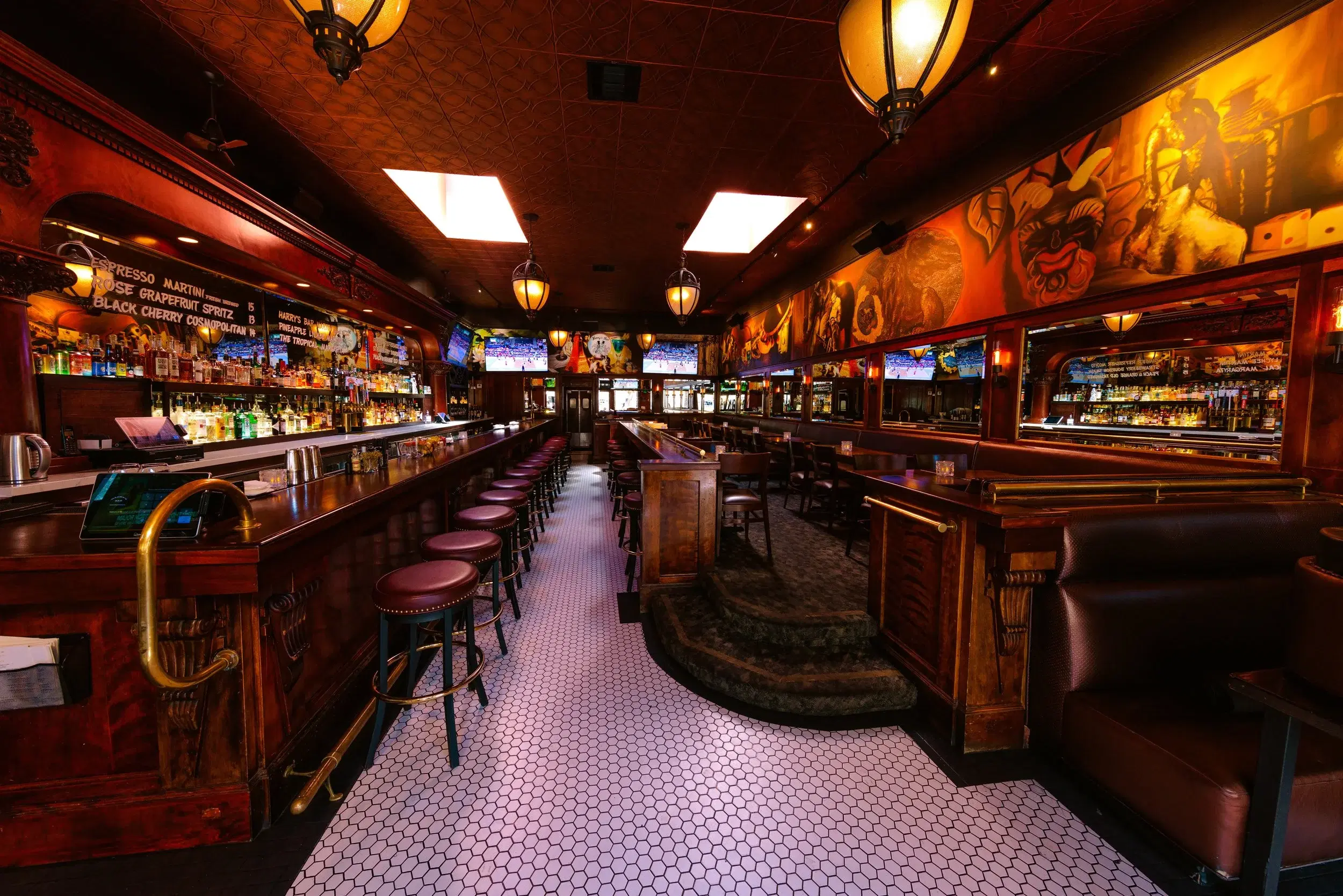
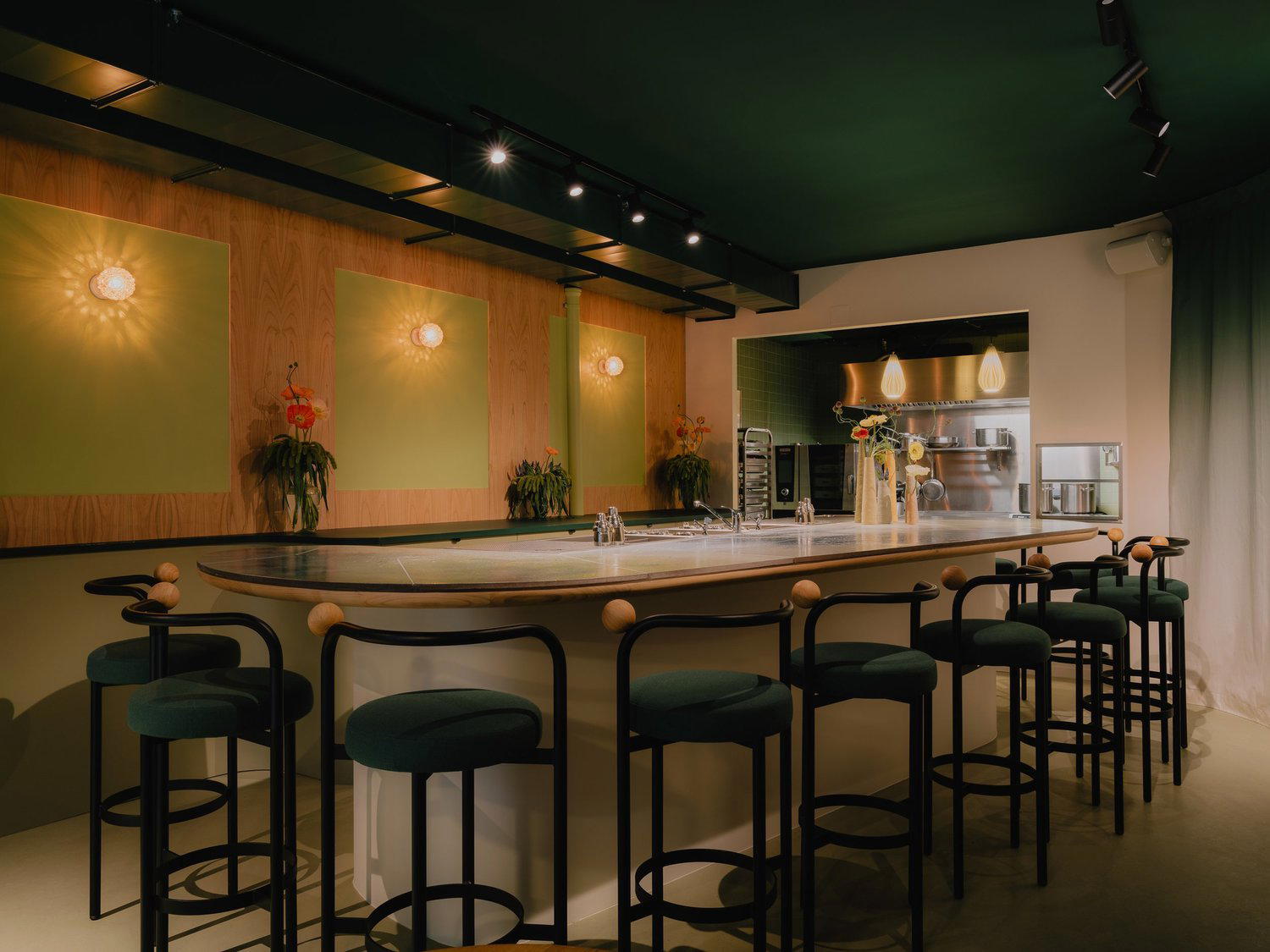
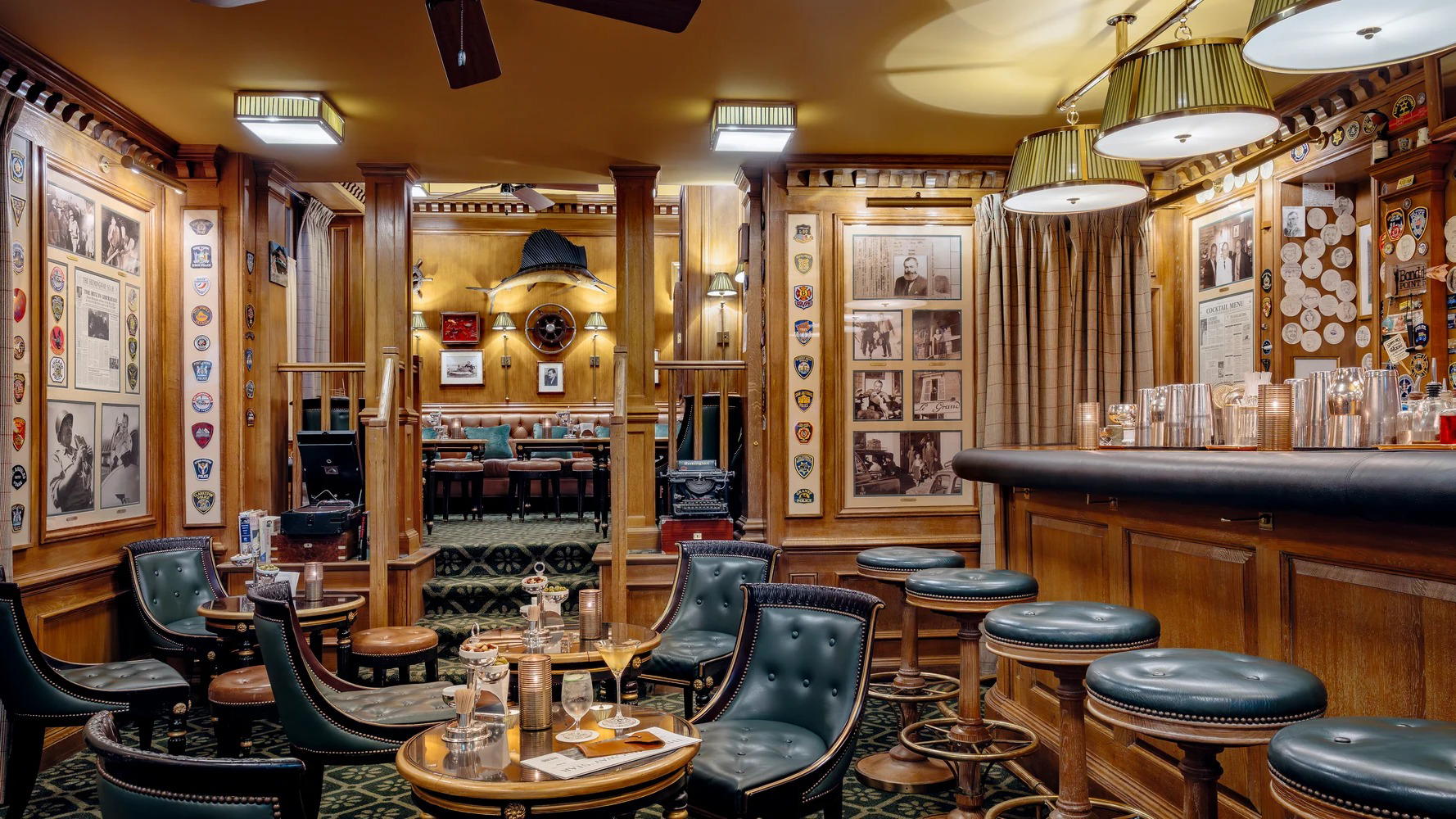
Bars in Paris
Browse all →
Hotels in Paris
Browse all →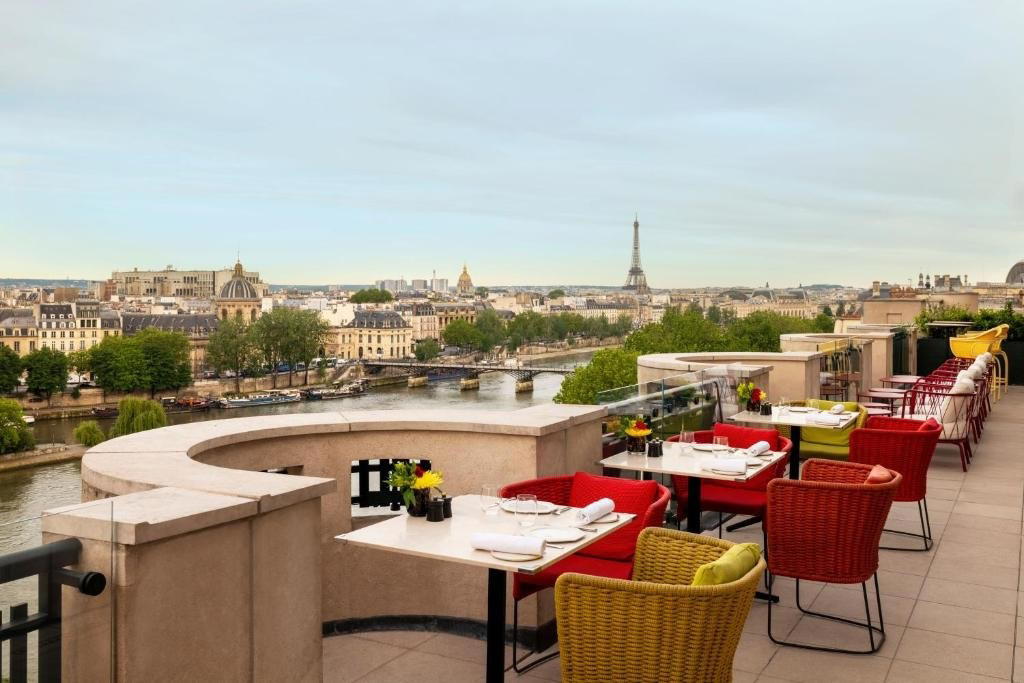
At a Glance
- Lively
- Cozy
- Classic
- Casual Hangout
- Family
- Date Night
- Terrace
- Historic Building
- Extensive Wine List
- Street Scene
Current opening hours
- Monday
- 12 PM–12 AM
- Tuesday
- 12 PM–12 AM
- Wednesday
- 12 PM–12 AM
- Thursday
- 12 PM–12 AM
- Friday
- 12 PM–12 AM
- Saturday
- 12 PM–12 AM
- Sunday
- 12 PM–12 AM
Hours can change for holidays and private events. Last verified .
Charming and lively atmosphere with lemon trees, cozy terrace on picturesque rue des Canettes, reflecting traditional Italian warmth.