COAST
COAST sits in Taipei's Zhongshan District, positioning itself within a neighbourhood that has become a reference point for ingredient-conscious dining in northern Taiwan. The name signals a directional commitment to coastal sourcing, an approach that places it alongside a growing cohort of Taipei restaurants rethinking what local provenance actually means on the plate. Practical details are limited, so booking via direct inquiry is advisable.
Pearl is the En Primeur Club membership app — saves, bookings, and concierge access live there. Same editors, same standards.
- Address
- Zhongshan District, 臺北市 10491
 Saves & bookings on Pearl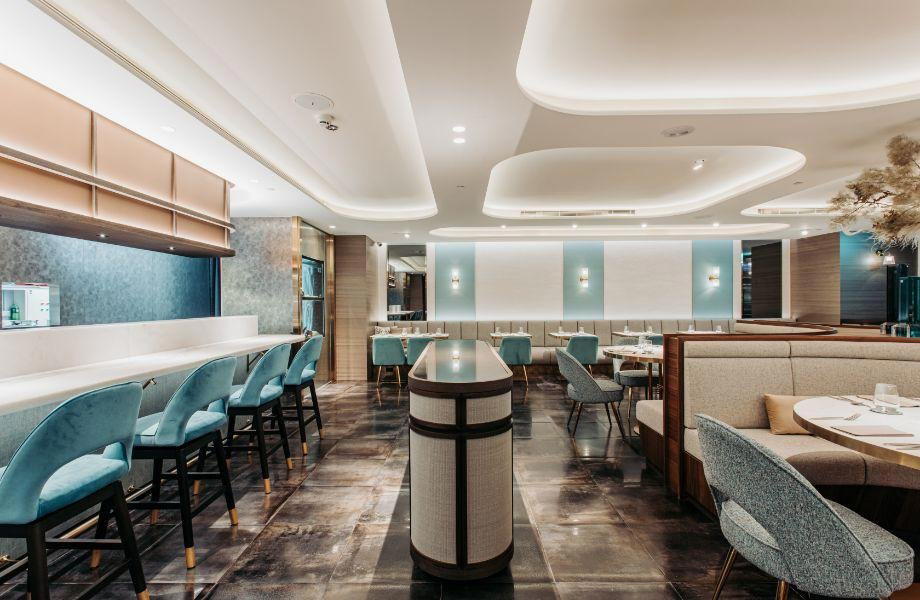
Where Zhongshan's Dining Scene Has Arrived
Zhongshan District has spent the better part of a decade shedding its reputation as a transit corridor between Taipei Main Station and the nightlife clusters of Xinyi. The restaurants that have taken root here now span a meaningful range: traditional Taiwanese set-meal houses on quieter side streets, a handful of chef-driven counters with serious sourcing credentials, and a growing number of venues that treat the Taiwan Strait and its surrounding waters not as a backdrop but as a primary ingredient list. COAST belongs to this last category. The name is declarative rather than decorative, it tells you where the kitchen is looking before you sit down.
The Sourcing Logic Behind Coastal Dining in Taiwan
Taiwan's geography makes a coastal sourcing argument almost self-evident: the island sits between the Pacific Ocean and the Taiwan Strait, with access to warm Kuroshio Current waters that produce a different catch profile from the colder seas more commonly associated with Japanese or Nordic seafood traditions. What has changed in recent years is not the availability of those ingredients but the seriousness with which Taipei's better kitchens are treating them as a primary creative framework rather than a supporting element in broader menus.
This shift mirrors patterns visible at the higher end of Taiwan's restaurant scene. logy in Taipei has built a menu architecture around seasonal Taiwanese produce and seafood positioned within a Modern European framework, and has collected Michelin recognition doing so. JL Studio in Taichung applies a Singaporean lens to similar locally sourced materials. The pattern across both is that provenance has become the editorial argument of the menu, not just an origin label on the wine list. COAST's positioning in Zhongshan places it within that conversation at the Taipei level.
Further down the island, venues like GEN in Kaohsiung and A Xia in Tainan demonstrate how seriously southern Taiwan has pursued ingredient identity as a differentiator. Tainan in particular has a long-standing tradition of treating local seafood and produce as the non-negotiable core of its food culture rather than a premium add-on. The northward migration of that discipline into Taipei's dining scene is one of the more interesting structural shifts in Taiwanese gastronomy over the last several years.
What the Coastal Frame Actually Demands of a Kitchen
Cooking around coastal ingredients at a serious level is a more constrained discipline than it might appear from the outside. Supply consistency is harder to guarantee than with terrestrial farming, seasonal windows are narrower, and the margin for error in handling delicate seafood is smaller than with proteins that can be aged or held. The kitchens that do it well tend to share a few common attributes: direct supplier relationships rather than wholesale sourcing, a menu that flexes with availability rather than holding a fixed dish list year-round, and a technical approach that foregrounds the ingredient's own qualities rather than masking them with heavy sauce work.
That model appears in international reference points as well as regional ones. Le Bernardin in New York City has spent decades making the case that seafood-focused cooking requires a specific kind of restraint that separates it from more generalist fine dining. Atomix in New York City demonstrates how Korean culinary sensibility, with its own tradition of nuanced coastal sourcing, can inform a tasting format that commands sustained critical attention. The discipline required in both cases is comparable: the ingredient must be allowed to be the point.
Zhongshan's Broader Dining Context
Venues like Golden Formosa Taiwanese Cuisine in Shilin represent the traditional Taiwanese fine dining register that has anchored the northern Taipei scene for decades, while newer formats such as Good Good Hainan Chicken Rice in Xinyi illustrate how Southeast Asian culinary references continue to circulate through Taipei's more casual registers. Across northern Taiwan, Volcanic Rock in Zhubei City and GARDENh in Yonghe District point to the geographic spread of serious ingredient-led cooking beyond the capital's core districts.
For visitors tracing Taiwan's traditional food culture outside Taipei, Ah Zhen Rou Bao in Lukang and Chenggong Douhua in Chenggong each represent how deeply local production informs even everyday eating habits in coastal and rural communities. The thread connecting those traditional formats to a venue like COAST is precisely the question of provenance: where the ingredients come from, and what obligation that places on the kitchen.
Across the island's middle tier, restaurants including this Taichung City address, a Hsinchu City standout, a Sanchong District favourite, and Hómee in Dayuan collectively demonstrate how diverse Taiwan's mid-range dining culture has become, and how far ingredient consciousness has spread from the high-end counters that pioneered it. This Hengshan venue extends that picture into the mountainous interior, where sourcing logic runs in the opposite direction from coastal kitchens but reflects the same underlying discipline.
Planning a Visit
COAST is located in Zhongshan District, Taipei 10491. Given the restaurant's smart-casual dress code and essential reservation policy, plan ahead for a smoother visit.
Quick Comparison
Comparable venues nearby, for context on price, style, and recognition.
| Venue | Cuisine | Price | Notes |
|---|---|---|---|
| COASTThis venue — the venue you are viewing | Modern Coastal Cuisine | $$$$ | Not listed |
| COAST | Modern Coastal Cuisine | $$$$ | Zhongshan |
| Reale Cucina Italiana | Italian Trattoria | $$$$ | Ren'ai |
| 千味海鮮 | Taiwanese Seafood | Not listed | Fengle |
| 鮨 香 | Authentic Hong Kong Chinese | $$$$ | Juye |
| 慶平海產店 | Taiwanese Live Seafood | $$$ | 安平區 |
Continue exploring
More in Zhongshan District
Hotels in Zhongshan District
Browse all →
At a Glance
- Elegant
- Modern
- Ornate
- Sophisticated
- Special Occasion
- Date Night
- Business Dinner
- Hotel Restaurant
- Local Sourcing
Modern but ornate interior with a fine dining atmosphere.