On a quiet lane off Linsen North Road in Zhongshan District, 魨 馦 occupies a register that Taipei's tasting-menu scene has made its own: intimate, course-driven, and rooted in the neighbourhood's layered dining culture. The address sits within walking distance of several of the city's most serious restaurants, placing it inside a competitive comparable set that rewards careful sequencing of one's evening.
Pearl is the En Primeur Club membership app — saves, bookings, and concierge access live there. Same editors, same standards.
- Address
- 104, Taiwan, Taipei City, Zhongshan District, Lane 485, Linsen N Rd, 10號1樓
- Phone
- +886225319568
- Website
- instagram.com
- Directions
- Get directions
 Saves & bookings on Pearl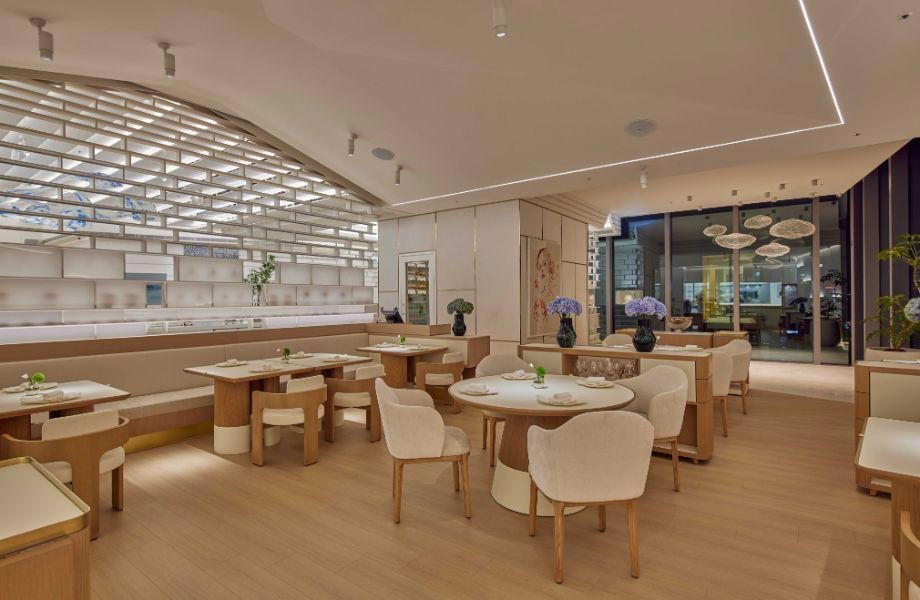
Linsen North Road and the Architecture of a Taipei Tasting Evening
Zhongshan District has, over the past decade, become the part of Taipei where serious tasting-format restaurants choose to open. The neighbourhood's character is not defined by a single cuisine or a famous street, it is defined by a density of small, considered rooms where the meal itself is the event. Lane 485 off Linsen North Road fits this pattern precisely: a residential-scale address that conceals something intended for a smaller, more attentive audience. 魨 馦 is a restaurant in Taipei's Zhongshan District serving Authentic Hong Kong Chinese cuisine at a price tier of 4, and understanding the district first is one useful frame for understanding what the venue is doing.
Taipei's tasting-menu tier has expanded considerably since the early 2010s, when the format was largely confined to a handful of Western-trained kitchens. Today the city runs a full range of course-driven formats: Taiwanese-French hybrids at places like Taïrroir, Modern European precision at logy, Cantonese formality at Le Palais, and Spanish contemporary expression at Molino de Urdániz. Within that spread, venues on quieter lanes in Zhongshan tend to position themselves closer to the intimate end of the format spectrum, where the physical scale of the room and the sequencing of courses carry more weight than spectacle.
The Progression as Structure
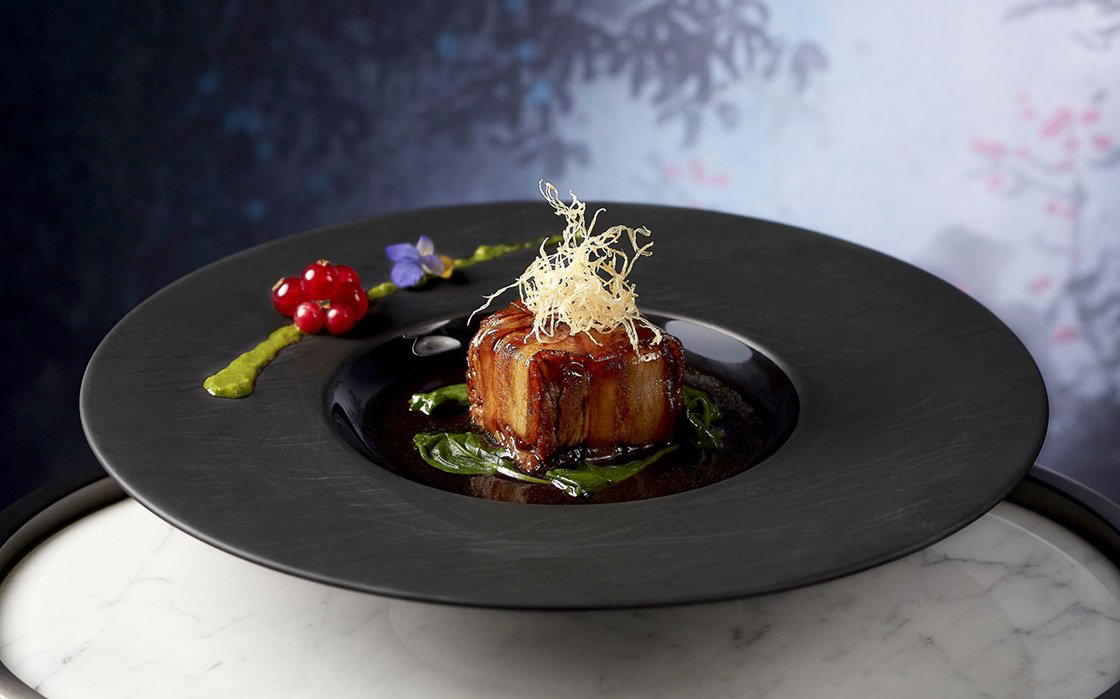
In multi-course formats that operate at this address type, a lane entrance, a contained dining room, a limited number of covers, the meal's architecture tends to follow a specific logic. The early courses establish register: lighter, often acidic or herbal, oriented toward waking the palate rather than satisfying it. Middle courses carry the weight of the kitchen's main argument, whether that is a particular protein, a fermentation technique, or a regional reference point. The close is rarely about sweetness alone; the better rooms in Taipei use the final two or three courses to resolve something the middle courses introduced, rather than simply appending a dessert.
That progression structure is why the address matters. A venue at Lane 485 in Linsen North Road is not competing for foot traffic. The decision to eat there is deliberate, made in advance, booked with intention, and the meal is designed to hold the attention of a guest who has already committed the evening. That is a different contract than a restaurant that depends on walk-ins or a short menu. Across Taiwan's broader dining geography, similar formats appear at JL Studio in Taichung and GEN in Kaohsiung, each operating a course-driven program that requires the guest to surrender the evening to the kitchen's sequencing logic.
Zhongshan as Dining Context
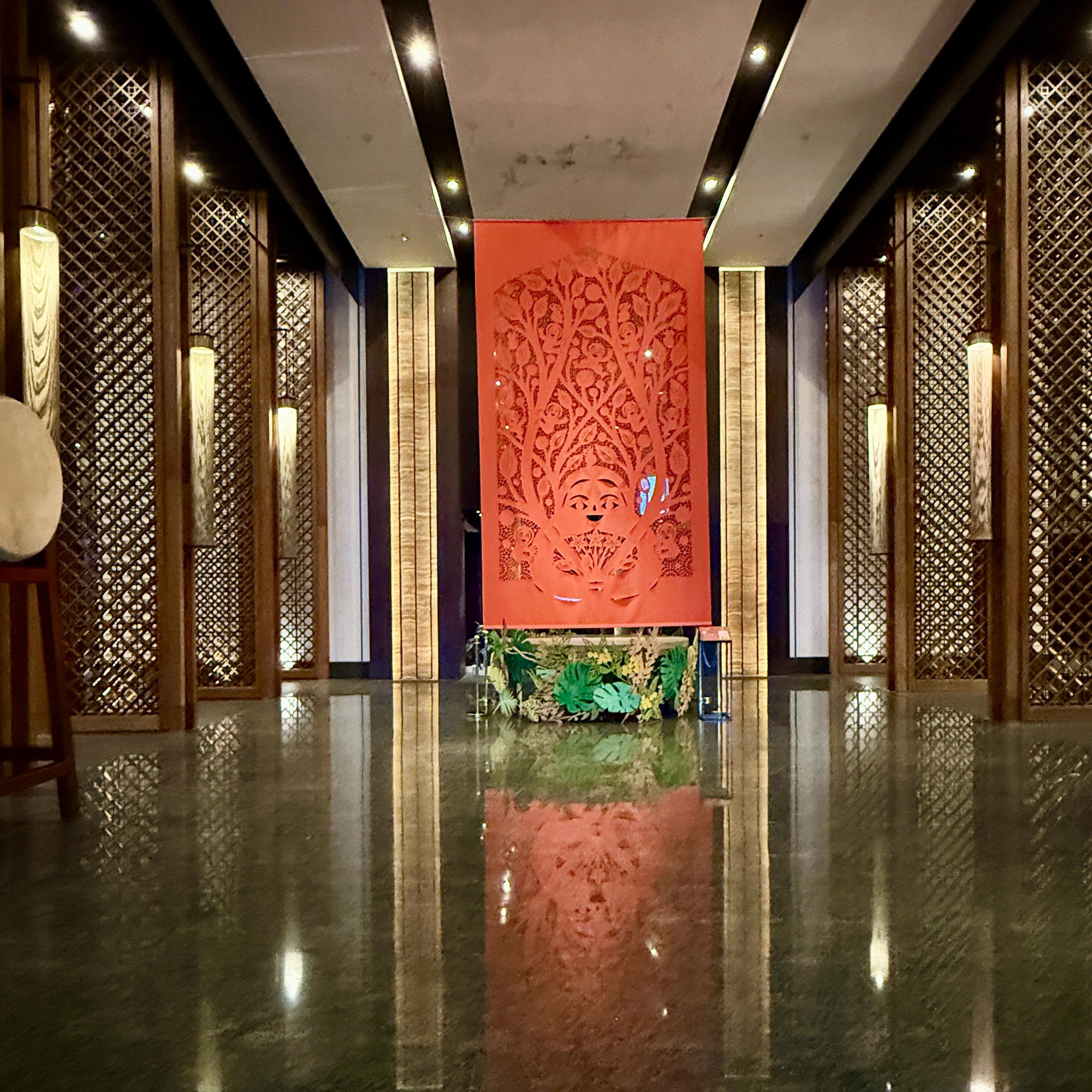
The neighbourhood's dining character is worth mapping carefully before arriving. Linsen North Road itself has a long history as one of Taipei's more socially layered corridors, bars, late-night kitchens, and formal restaurants have coexisted here for generations. The lane addresses that branch off it function differently from the main road: quieter, less visible, and often more deliberately curated. A guest approaching Lane 485 on foot will pass through a transition from the ambient noise of the main road to something considerably more contained, which is itself a form of preparation for what follows inside.
For visitors building a broader itinerary, the Zhongshan and Zhongzheng districts hold a concentration of serious cooking that rewards planning. L'Atelier de Joël Robuchon Taipei operates at the formal French end of the city's spectrum. Further afield, A Xia in Tainan represents what happens when the tasting format is applied to southern Taiwanese culinary reference points, a useful comparison for understanding what Taipei's version of the same ambition looks like.
What the Course Format Asks of the Guest
Tasting menus at lane-address venues in Taipei tend to run longer than their counterparts in cities where the format is more casually adopted. Two and a half to three hours is a standard window for serious multi-course programs in this tier. That pacing is not incidental, it reflects a kitchen philosophy about how flavour builds across a sitting, and it sets expectations for the guest about what kind of attention the meal requires. The parallel in international terms would be counters like Atomix in New York City, where the course count and pacing are calibrated to sustain engagement rather than accelerate turnover, or Le Bernardin, where the sequencing of a seafood-focused tasting carries its own internal narrative discipline.
Practically, this means arriving at the scheduled time matters more than it does at a la carte restaurants. Course-driven kitchens time their preparation against a seating, not against when a table is ready. Guests arriving late compress not only their own experience but the kitchen's ability to pace the room. For venues at this address type, where the room is small, the disruption of a late arrival is more visible than it would be in a larger dining room.
Planning a Visit
Lane 485 off Linsen North Road in Zhongshan District is accessible from the MRT, with Zhongshan Station and Xingtian Temple Station both within reasonable walking range depending on which entrance of the lane system you approach from. Zhongshan District's lane restaurants rarely maintain large digital presences, the booking process reflects the low-visibility format typical of intimate course-driven rooms in Taipei. Reservations are recommended.
For those building a multi-day dining itinerary across Taiwan, the country's smaller-city scene is worth factoring in alongside Taipei. GARDENh in Yonghe District and Volcanic Rock in Zhubei City represent how the serious-dining format has spread beyond the capital, while Chenggong Douhua in Chenggong shows how local tradition can anchor a different kind of food experience at the opposite end of the formality spectrum. The breadth of what Taiwan offers across those registers is part of why Taipei's tasting-menu venues occupy a more specific and self-aware niche than they might in a city with a less varied food culture surrounding them.
Standing Among Peers
Comparable venues nearby, for context on price, style, and recognition.
| Venue | Cuisine | Price | Notes |
|---|---|---|---|
| 鮨 香This venue — the venue you are viewing | Authentic Hong Kong Chinese | $$$$ | Not listed |
| 鮨 嘉仁 | Hong Kong Chinese | $$$ | Zhongji |
| Beef Father (牛爸爸牛肉麵) | Premium Taiwanese Beef Noodle Soup | $$$ | Neihu District |
| Masa | Seasonal Japanese Kappo | $$$$ | Songshan District |
| Shoun Ryugin | Contemporary Japanese Kaiseki | $$$$ | Zhongshan District |
| Shengred Hotpot | Shantou Seafood Hotpot | $$$ | Minfu |
Continue exploring
More in Taipei
Restaurants in Taipei
Browse all →
Bars in Taipei
Browse all →
Hotels in Taipei
Browse all →
Wineries in Taipei
Browse all →
At a Glance
- Elegant
- Sophisticated
- Special Occasion
- Business Dinner
- Hotel Restaurant
- Skyline
Sophisticated atmosphere with city skyline views from the 31st floor.