Club Marot occupies a considered address at 16 Rue de Pas in central Lille, placing it among the city's more intimate dining rooms rather than its larger gastronomic institutions. Lille's dining scene has grown in critical confidence over the past decade, and smaller, room-focused venues like Club Marot represent a quieter strand of that momentum, where space and atmosphere do as much work as the kitchen.
Pearl is the En Primeur Club membership app — saves, bookings, and concierge access live there. Same editors, same standards.
- Address
- 16 Rue de Pas, 59800 Lille, France
- Phone
- +33320570110
- Website
- clubmarot.fr
- Directions
- Get directions
 Saves & bookings on Pearl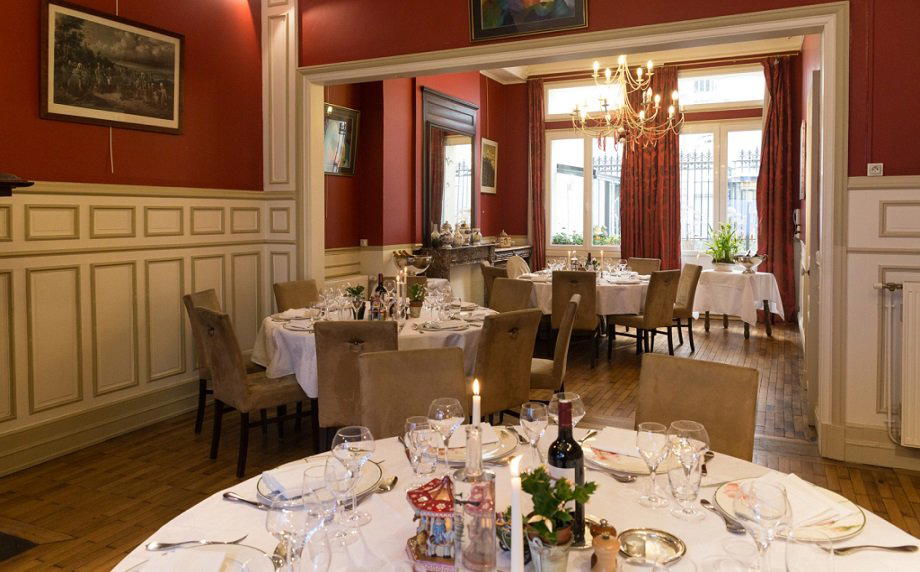
The Room as Argument
In Lille, where the architectural vernacular swings between Flemish brick grandeur and the more compressed geometry of the old city's back streets, a restaurant's physical container carries real weight. The address at 16 Rue de Pas places Club Marot inside a part of the city where buildings tell their age visibly, where facades lean into each other across narrow pavement, and where arriving on foot produces a different register of expectation than pulling up to one of the broader places near the Grand'Place. That spatial compression, common to much of Vieux-Lille, frames the interior before a guest steps inside.
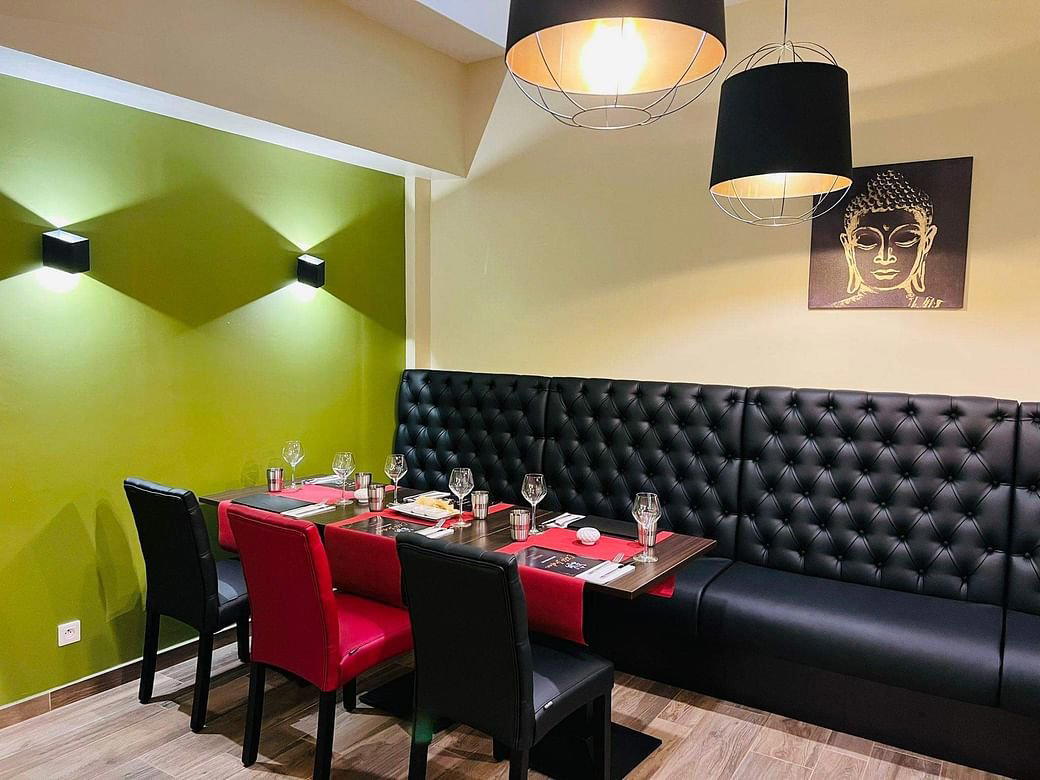
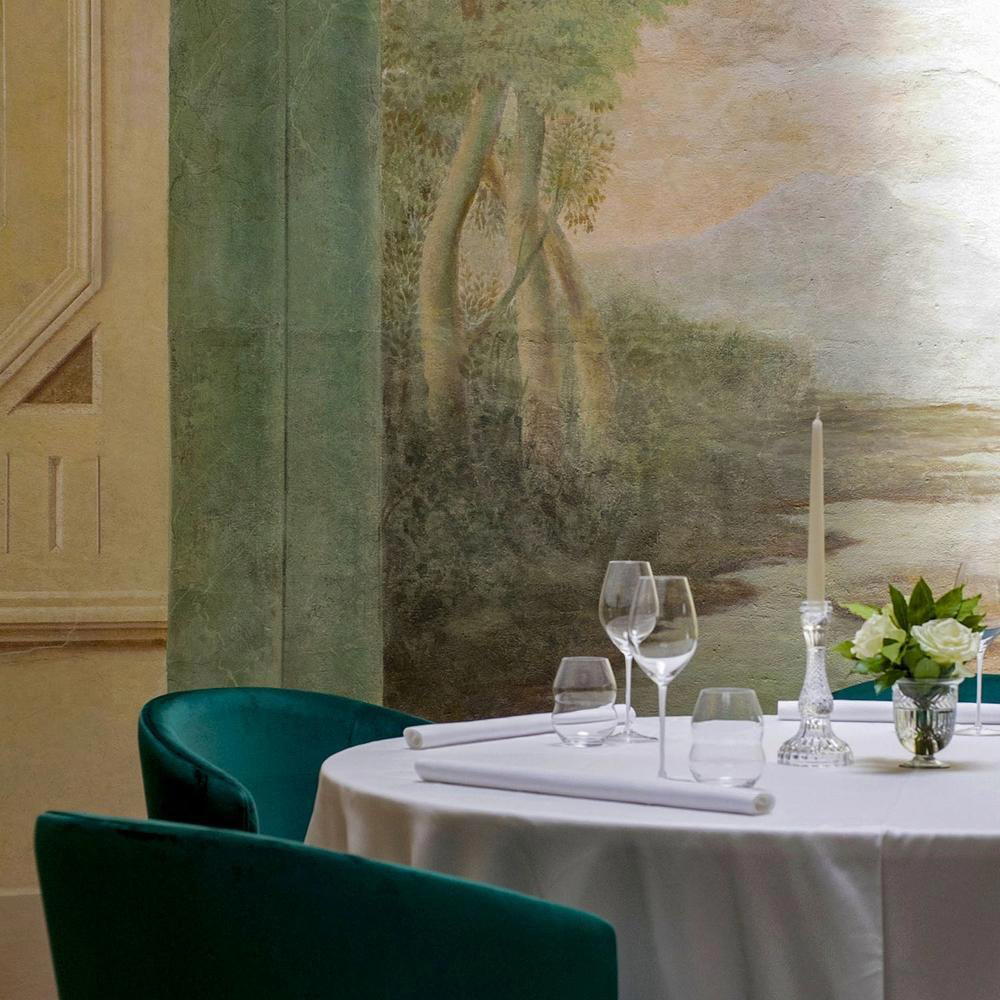
Smaller dining rooms in French cities have been pressing a particular argument over the past decade: that intimacy is not a concession to limited square footage but a deliberate design position. Where Lille's larger gastronomic tables, including La Table at Hôtel Clarance, work across grander, more formally proportioned spaces, a venue of Club Marot's apparent scale draws the guest inward. The architecture does not announce itself; it encloses. That is a different kind of hospitality logic, and one that sits within a broader European shift toward rooms that feel curated rather than capacious.
Lille's Dining Geography
Lille has developed a more layered dining scene than its size alone would predict, partly because of its position as a Eurostar hub between Paris, London, and Brussels, and partly because the city's food culture has deep northern French and Flemish roots that newer kitchens are learning to treat as source material rather than background noise. The result is a city where several distinct dining registers coexist: the heritage-driven brasserie tradition of Au Vieux de la Vieille, the modern cuisine format of Ginko and Pureté, and quieter neighbourhood addresses like Au Soyeux that operate outside the critical spotlight without operating below it.
Club Marot at Rue de Pas sits within this map as an address that rewards local knowledge. It does not occupy the high-visibility tier of Lille's critically documented restaurants, which means it functions within a dining category that travellers often underweight: the room that locals return to, that earns its following through consistency and physical environment rather than award cycles. For a fuller picture of where it fits, our full Lille restaurants guide maps the city's dining by neighbourhood and register.
Interior Architecture and the Logic of Scale
The design-led dining room has become a meaningful competitive variable in French provincial cities. In the past, that conversation was largely Parisian, or it tracked south to the Riviera, where kitchens like Mirazur in Menton or La Table du Castellet operate within architecturally ambitious settings. Northern France has traditionally produced its dining atmosphere through different means: the warmth of exposed stone, the density of Flemish-patterned tile, the amber of old wood under low light. These are materials that age into their environment rather than declaring a design concept.
A venue occupying a pre-existing building in Vieux-Lille inherits that material grammar. The question for any interior in this part of the city is how much of that inheritance to keep visible and how much to layer over with contemporary gesture. Rooms that get this balance wrong tend toward either cold renovation or museological preservation. Rooms that manage it produce something more interesting: a space that feels simultaneously specific to its city and alive in the present tense. Club Marot's Rue de Pas address places it within a streetscape where that question is unavoidable.
Seating arrangement in small rooms like this also does compositional work. At fewer than, say, forty covers, a dining room can choreograph sightlines, manage acoustics, and create what hospitality designers sometimes call social density without crowding. The guest feels part of a room rather than placed inside a system. That experience is increasingly what distinguishes intimate French addresses from their larger peers, including the grand institutional tables like Paul Bocuse's Auberge du Pont de Collonges, Auberge de l'Ill in Illhaeusern, or Georges Blanc in Vonnas, where the dining room's scale is part of the statement.
Context Within French Dining at Large
France's most decorated addresses, from Flocons de Sel in Megève to Alléno Paris au Pavillon Ledoyen and Bras in Laguiole, set a national benchmark that smaller regional venues are never really competing against directly. They occupy different rungs of the same cultural framework: French gastronomy's long tradition of treating the meal as a structured occasion, where room, service, and kitchen operate as integrated parts of a single proposition. Troisgros and Les Prés d'Eugénie represent that tradition at its most complete expression.
That specificity, rather than scale or certification, is its primary credential. Internationally, venues like Le Bernardin in New York and Lazy Bear in San Francisco have shown that room design and format discipline matter as much as kitchen pedigree in how a dining address is remembered.
Planning a Visit
Rue de Pas is reachable on foot from Lille-Flandres station within approximately fifteen minutes, passing through the old city rather than around it, which is the more useful approach for understanding the neighbourhood. For Lille visitors building an itinerary, pairing an evening at a Vieux-Lille address like this with daytime exploration of the Palais des Beaux-Arts and the Wazemmes market on a Sunday morning produces a coherent picture of what the city does well at different registers.
How Club Marot Lille compares with similar nearby venues.
| Venue | Cuisine | Price |
|---|---|---|
| Bloempot | Modern Cuisine | €€ |
Continue exploring
More in Lille
Restaurants in Lille
Browse all →
Bars in Lille
Browse all →
Hotels in Lille
Browse all →
Wineries in Lille
Browse all →
At a Glance
- Elegant
- Intimate
- Sophisticated
- Date Night
- Special Occasion
- Business Dinner
- Open Kitchen
- Private Dining
- Terrace
- Extensive Wine List
- Local Sourcing
Current opening hours
- Monday
- 12–1:30 PM, 7–9 PM
- Tuesday
- 12–1:30 PM, 7–9 PM
- Wednesday
- 12–1:30 PM, 7–9 PM
- Thursday
- 12–1:30 PM, 7–9:30 PM
- Friday
- 12–1:30 PM, 7–9:30 PM
- Saturday
- 12–1:30 PM, 7–10 PM
- Sunday
- Closed
Hours can change for holidays and private events. Last verified .
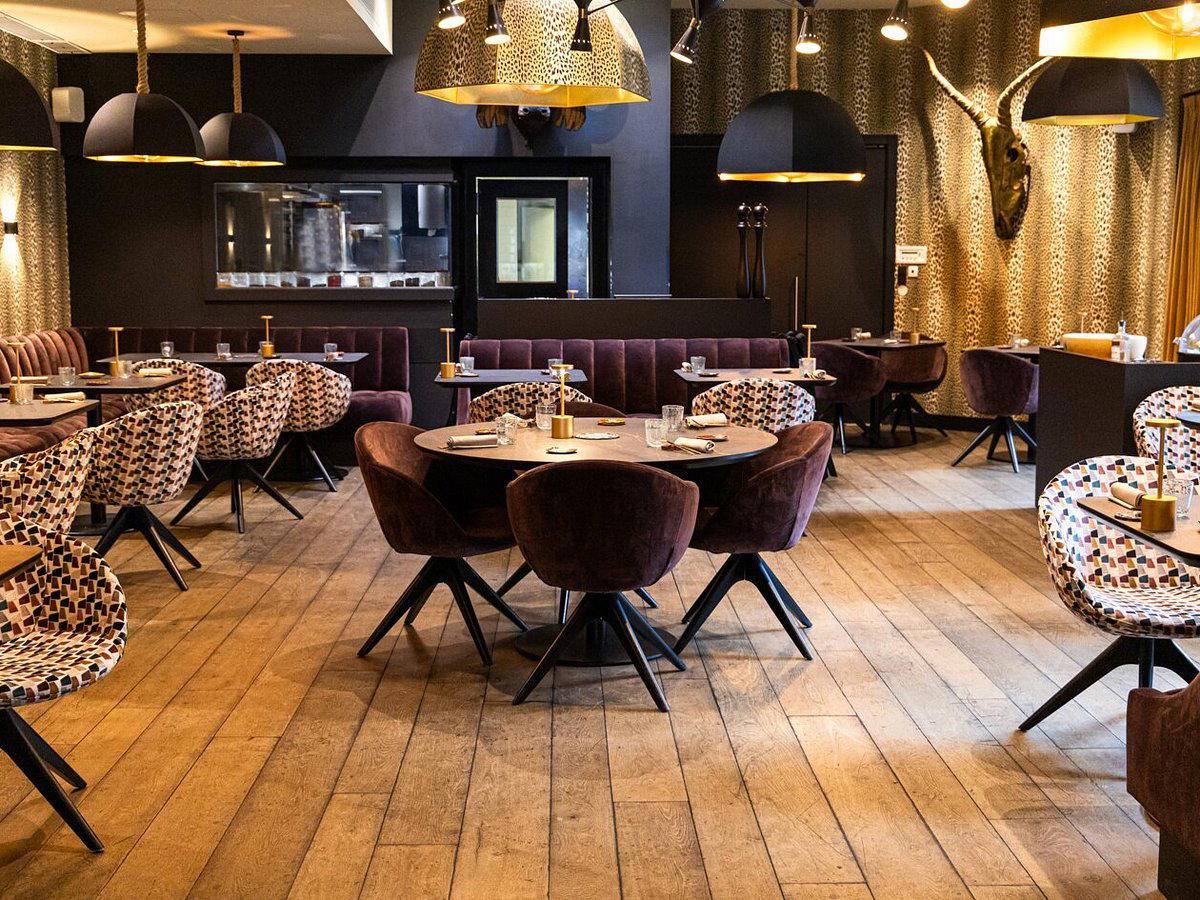
Chic and intimate atmosphere with elegant 19th-century decor, open kitchen, and sophisticated lighting.
Know Before You Go
- Getting there
- 16 Rue de Pas, 59800 Lille, France