Our verdict
On Rue Royale, one of Lille's most storied commercial streets, Bierbuik occupies a position where Belgian beer culture and northern French tavern tradition meet. The address places it within walking distance of the Vieux-Lille neighbourhood, where the city's most concentrated dining is found. For visitors orienting around place rather than prestige, it sits in a different tier from nearby modern cuisine addresses like Ginko or La Table Hôtel Clarance.

Pearl is the En Primeur Club membership app — saves, bookings, and concierge access live there. Same editors, same standards.
- Address
- 19 Rue Royale, 59000 Lille, France
- Hours
- Mon–Wed 12–3:30 PM, 5–11 PMThu–Fri 12–3:30 PM, 5 PM–1 AMSat 12 PM–1 AMSun 12–11 PM
- Website
- bierbuik.fr
- Directions
- Get directions
- Booking
- Book on the venue's website
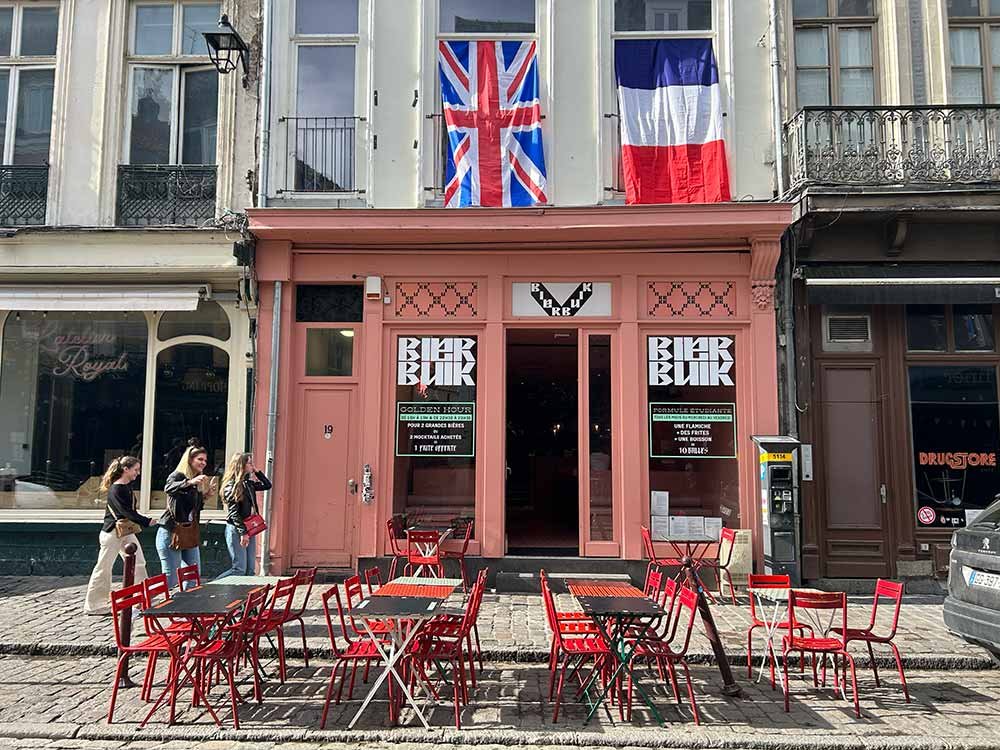
Rue Royale and What It Tells You About Lille's Dining Geography
Lille's restaurant scene divides more cleanly by neighbourhood than by cuisine category. The Vieux-Lille quarter, centred on Rue de la Monnaie and spilling down toward Place du Lion d'Or, holds the city's most formal addresses: the kind of rooms where the kitchen sends amuse-bouches and the wine list requires a conversation. Rue Royale, the long commercial artery that connects the old town to the newer southern districts, occupies a different register. The street is built for daily life — pharmacies, bakeries, the occasional wine bar — and the dining addresses along it tend to reflect that rhythm. Bierbuik, at number 19, sits inside that context. Its address alone signals something about pitch and purpose before you've looked at a menu or a price point.
That geographical positioning matters because Lille's dining in 2024 has become genuinely tiered. At the leading end, La Table at Hôtel Clarance and Ginko operate modern cuisine formats with tasting menus and the kind of sourcing narrative that reads well in a press release. A step below, Pureté bridges creative cooking and accessible pricing. Further down the register, neighbourhood addresses on streets like Rue Royale function as the city's daily-use layer: the places where locals eat on a Tuesday rather than a Saturday reservation. Understanding where Bierbuik sits in that structure is the first useful thing to know about it.
The Beer-and-Food Tradition This Address Draws From
Northern France and Belgium share a culinary overlap that doesn't get discussed as often as the Franco-Belgian border might suggest. The brasserie tradition in Lille has always leaned toward that border: carbonnade, waterzooi, mussels in season, and a beer list that treats Belgian abbey ales and saisons as seriously as a wine-led room would treat its Burgundy section. The name Bierbuik is itself a Dutch-language borrowing, roughly translating as "beer belly" in Flemish, and signals an intention to take that cross-border tradition as its operating premise rather than a decorative detail.
That beer-forward identity positions the address in a specific niche within Lille's broader drinking and eating culture. The city has a cluster of estaminets, the traditional Flemish tavern format, in Vieux-Lille: Au Vieux de la Vieille being among the more established, and Au Soyeux operating in a similar tradition. Bierbuik's approach on Rue Royale represents a slightly different reading of that format: less folkloric, more orientated toward a beer selection as the editorial spine of the experience. In French dining terms, that puts it closer to the Belgian model than the Parisian brasserie model, which historically treated beer as an afterthought beside the wine list.
For a sense of the distance between this register and the country's most decorated rooms, it's worth noting that France's highest-profile addresses, Alléno Paris au Pavillon Ledoyen, Mirazur in Menton, or Troisgros in Ouches, operate in a framework where wine pairing and formal service define the room. So do regional institutions like Auberge de l'Ill in Illhaeusern, Bras in Laguiole, Les Prés d'Eugénie, Georges Blanc in Vonnas, Flocons de Sel in Megève, La Table du Castellet, and Paul Bocuse's Auberge du Pont de Collonges. Addresses like Bierbuik exist in a separate category entirely: the register where the beer list is the curatorial statement, and the food is built to support it rather than the other way around. Internationally, a comparable framing appears in places like Lazy Bear in San Francisco and Le Bernardin in New York, where a single category, fire-cooked communal dining and seafood, respectively, organises everything else in the room. The principle is the same even if the execution and price tier differ considerably.
How to Use This Address
Approaching Bierbuik practically means understanding what Rue Royale offers as a location. The street runs north from Place de la République and has good access from both the République-Beaux-Arts metro station and the Rihour stop, making it an easy walk from the main tourist axis around Grand Place. That accessibility matters: Vieux-Lille's most atmospheric addresses sometimes involve navigating cobbled lanes in ways that make spontaneous visits less direct. Number 19 Rue Royale is more approachable in that sense.
The address fits naturally into a Lille itinerary structured around the city's beer culture rather than its fine dining calendar. Visitors building a day around Lille's full restaurant range might use a room like this as an afternoon or early-evening anchor before moving toward a more formal dinner, or as the main event for a lunch that doesn't require a reservation horizon measured in weeks. Given the venue data available, specific booking requirements and hours should be confirmed directly before visiting.
Frequently asked questions
What's the address for Bierbuik?
Bierbuik is located at 19 Rue Royale, 59000 Lille, France, Lille.
Is Bierbuik in Lille a good option for exploring northern France's beer-and-food pairing tradition?
Lille sits at the intersection of French brasserie culture and Belgian brewing influence, and Bierbuik's address at 19 Rue Royale places it within the city's main dining corridor for exactly that style of eating. The Franco-Belgian overlap is a genuine culinary tradition in this region, not a marketing angle, and venues on Rue Royale tend to reflect it with a focus on beer-forward menus rather than conventional wine-led pairings. For anyone approaching Lille's food scene from that angle, this address is a logical starting point.
What do regulars order at Bierbuik?
The menu draws from the Franco-Belgian brasserie tradition that defines northern France's food culture around the Lille area. Expect dishes built around beer pairings rather than wine, consistent with what Rue Royale's neighbourhood crowd gravitates toward.
Do I need a reservation for Bierbuik?
Rue Royale is one of Lille's busier dining corridors, running north from Place de la République through a stretch that draws both locals and visitors. Booking ahead is sensible for evening visits, particularly on weekends when footfall in this part of central Lille increases.
Compact Comparison
Comparable venues nearby, for context on price, style, and recognition.
| Venue | Cuisine | Price | Notes |
|---|---|---|---|
| BierbuikThis venue — the venue you are viewing | Modern Flemish Brewpub | $20–30 | Not listed |
| Estaminet LA COUR de la ch'tite brigitte | Northern French Estaminet | $20–30 | Vieux Lille 3, Northern French Estaminet |
| Bistrot Brigand | Modern French Bistro | $30–50 | Lille Centre 8, Modern French Bistro |
| Quai 38 | Modern French Seafood | $20–30 | Vieux Lille 1, Modern French Seafood |
| La Fleur de Lille | Creative French Bistro | $30–50 | Vieux Lille 2, Creative French Bistro |
| Le Barbier qui Fume | French Smoked Meats Bistro | $30–50 | Vieux Lille 3, French Smoked Meats Bistro |
Continue exploring
More in Lille
Restaurants in Lille
Browse all →
Hotels in Lille
Browse all →
Wineries in Lille
Browse all →
Details
- Lively
- Trendy
- Rustic
- Cozy
- Casual Hangout
- Group Dining
- Late Night
- Open Kitchen
- Beer Program
- Local Sourcing
- A La Carte
- Small Plates
- Beer Program
- Vegetarian Friendly
Current opening hours
- Monday
- 12–3:30 PM, 5–11 PM
- Tuesday
- 12–3:30 PM, 5–11 PM
- Wednesday
- 12–3:30 PM, 5–11 PM
- Thursday
- 12–3:30 PM, 5 PM–1 AM
- Friday
- 12–3:30 PM, 5 PM–1 AM
- Saturday
- 12 PM–1 AM
- Sunday
- 12–11 PM
Hours can change for holidays and private events. Last verified .
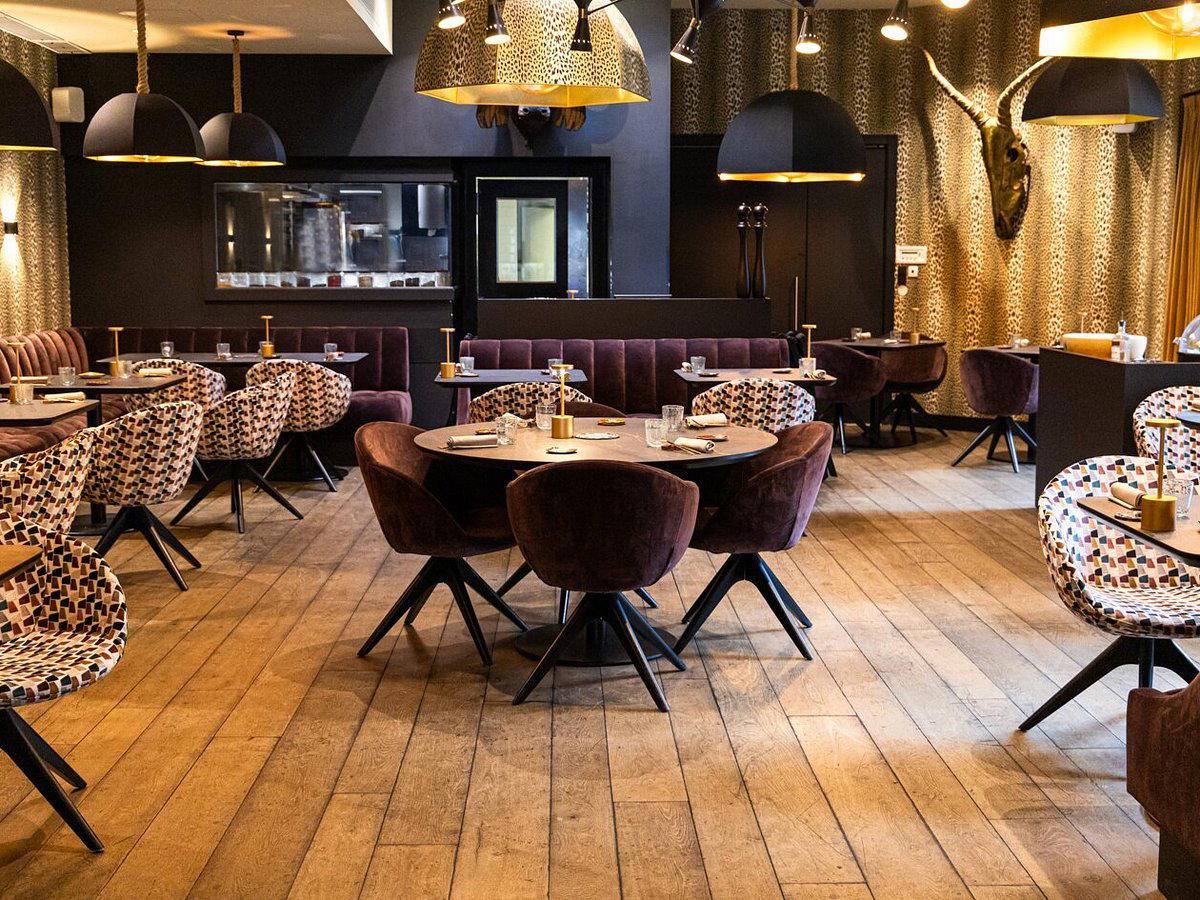
Bright pink, hip minimalist interior with warm upstairs bistro atmosphere.