On Rue du Cure Saint-Etienne in central Lille, Laksøn sits within a city whose dining scene has shifted decisively toward ingredient-led cooking and regional sourcing. The address places it in easy reach of the Vieux-Lille quarter, where a younger generation of restaurants is renegotiating what northern French cuisine can look like. Lille's proximity to both the Channel coast and the Flemish border gives kitchens here an unusually broad larder to draw from.
Pearl is the En Primeur Club membership app — saves, bookings, and concierge access live there. Same editors, same standards.
- Address
- 21 Rue du Cure Saint-Etienne, 59800 Lille, France
- Phone
- +33320311996
- Website
- lakson.fr
- Directions
- Get directions
 Saves & bookings on Pearl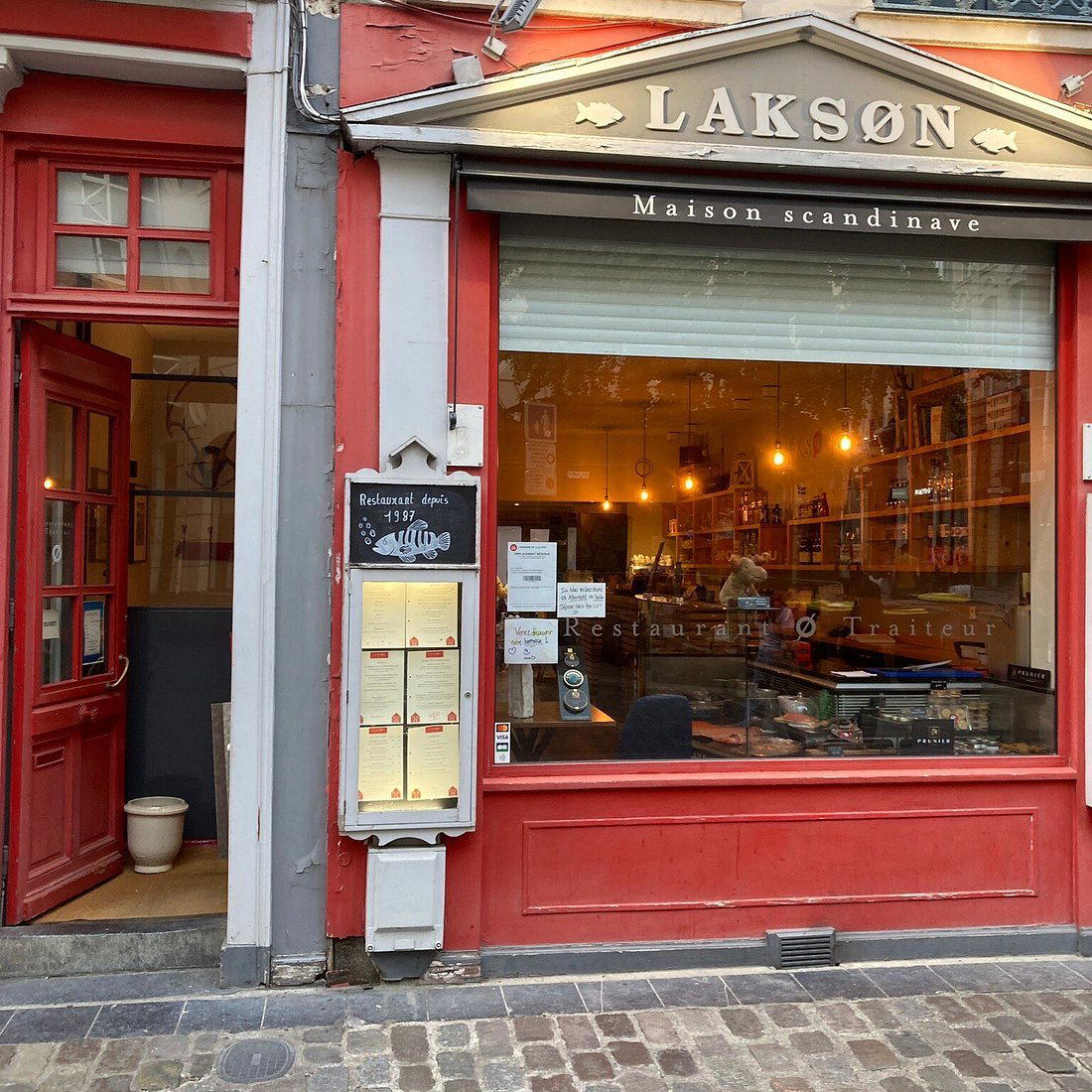
A Street, a City, and the Produce That Defines Both
Rue du Cure Saint-Etienne is a quiet address in central Lille, the kind of street that sits a few minutes' walk from the grand facades of Place du Général de Gaulle but carries none of that civic pomp. Restaurants that choose this kind of location in Lille tend to be making a deliberate choice: proximity to the city's core without the tourist-facing pressure that comes with a more visible position. Laksøn occupies number 21, and the address alone signals something about its orientation. This is a place for the city's own residents and visitors alike.
Lille's dining scene has undergone a sustained shift over the past decade. What was once dominated by estaminet tradition, those long-established Flemish-influenced brasseries serving carbonnade and potjevleesch, has been joined by a generation of kitchens that look outward while remaining rooted in northern French and Franco-Belgian produce. That tension between regional identity and contemporary technique defines much of what makes eating in Lille interesting right now. The city sits at a geographic crossroads: the Channel coast lies roughly 80 kilometres to the northwest, providing direct access to some of France's most active fishing ports; the Belgian border is closer still, bringing Flemish dairy, chicory, and witloof into range; and the agricultural plains of the Hauts-de-France stretch south, supplying root vegetables, cereals, and livestock that rarely appear on menus in Paris. Kitchens that understand this larder can build menus with a specificity that restaurants in more celebrated French cities cannot easily replicate.
Ingredient Sourcing and the Northern French Larder
The ingredient logic of northern France is worth understanding before you sit down anywhere serious in Lille. This is not Provence, where the sourcing story writes itself in olive oil and tomatoes. The northern larder is more demanding: it requires a cook who knows how to handle endive bitterness, how to use aged Maroilles cheese without letting it flatten everything around it, how to work with the leaner, more saline fish coming off the Boulogne-sur-Mer boats rather than the fatty Mediterranean species that photograph better. Restaurants that do this well earn a kind of credibility that transcends any single dish. Those that rely on imported luxury ingredients, truffle from Périgord, langoustine from Brittany, simply because they travel well and signal expense, tend to feel generic against the backdrop of what the region actually offers.
This is the framework within which Laksøn at 21 Rue du Cure Saint-Etienne should be understood. The name itself, with its Scandinavian-adjacent spelling, suggests a sensibility attuned to Nordic culinary principles: restraint, fermentation, proximity sourcing, and a respect for ingredients that might otherwise be overlooked. Northern France and Scandinavia share more than geography might suggest. Both traditions prize cold-water fish, preserved vegetables, and dairy-forward sauces. Both have found renewed international attention as the sourcing-led cooking movement has expanded beyond its early Scandinavian strongholds to reshape how serious kitchens in northern Europe approach the plate.
Within Lille's current restaurant cohort, this positioning matters. Ginko and La Table at Hôtel Clarance represent the city's most formally recognised modern cuisine addresses, both operating in a higher price bracket with the kind of tasting-menu architecture that signals Michelin ambition. Pureté occupies a similar register. Laksøn, based on its street-level address and neighbourhood positioning, sits in a more accessible tier, closer in spirit to Au Soyeux, where the cooking is ingredient-serious without the formal ceremony that surrounds a four-course tasting menu with wine pairing. That distinction matters to how you plan an evening.
Where Laksøn Sits in the Broader French Sourcing Conversation
The sourcing-led movement in French fine dining is most visibly associated with restaurants outside Paris. Mirazur in Menton built its three-Michelin-star reputation on garden-to-table produce from the Côte d'Azur hillside. Bras in Laguiole has been arguing for the Aubrac plateau's wild herbs and local livestock for decades. Flocons de Sel in Megève applies a similar logic to Alpine ingredients. In each case, the sourcing argument is inseparable from the geographic argument: place and plate are the same story. Lille has the raw materials to make that same case, and a restaurant with Laksøn's apparent sensibility is positioned to make it at a more accessible price point than its three-star French peers.
Nationally, the restaurants that have most durably defined French gastronomy, from Paul Bocuse's Auberge du Pont de Collonges to Auberge de l'Ill in Illhaeusern and Troisgros in Ouches, have each built their identity around a specific regional larder rather than a portable luxury vocabulary. The more contemporary end of that tradition is represented by kitchens like AM par Alexandre Mazzia in Marseille, Assiette Champenoise in Reims, and Au Crocodile in Strasbourg, all of which demonstrate that France's most interesting cooking is currently distributed across its regions rather than concentrated in the capital. Lille belongs to that story. For international reference points, the discipline of sourcing-led tasting menus has its own ambitious practitioners in cities like New York, where Le Bernardin and Atomix each make sourcing a structural argument rather than a menu footnote. The standard of ambition is comparable even if the ingredients, the price tier, and the cultural register differ entirely.
Planning Your Visit
Laksøn's address at 21 Rue du Cure Saint-Etienne places it within walking distance of Lille's central metro stations, making it reachable without a taxi from most of the city's main hotels. Lille-Flandres and Lille-Europe are both served by high-speed rail from Paris (roughly one hour on the TGV), Brussels (around 35 minutes on the Thalys), and London via Eurostar, which makes the city a realistic day-trip or overnight destination from all three capitals. For visitors combining Laksøn with broader Lille dining, the estaminet tradition is well represented nearby at Au Vieux de la Vieille, which anchors the Vieux-Lille end of the dining spectrum. A full overview of the city's restaurants, organised by cuisine type and price tier, is available in our full Lille restaurants guide. Reservations are recommended.
Comparable Options
Comparable venues nearby, for context on price, style, and recognition.
| Venue | Cuisine | Price | Notes |
|---|---|---|---|
| LaksønThis venue — the venue you are viewing | Scandinavian Seafood | $$$ | Not listed |
| Brother & Sister | French Bistronomie | $$$ | Vieux Lille 3 |
| Le Passe Porc | Traditional French Meat & Offal Bistro | $$$ | Lille Centre 19 |
| Los 3 compadres | Authentic Mexican | $$ | Lille Centre 18 |
| In Bocca Al Lupo | Authentic Italian Trattoria | $$ | Vieux Lille 3 |
| Le Bon Jeune | Gourmet Burgers & Hot Dogs | $$ | Flandre |
Continue exploring
More in Lille
Restaurants in Lille
Browse all →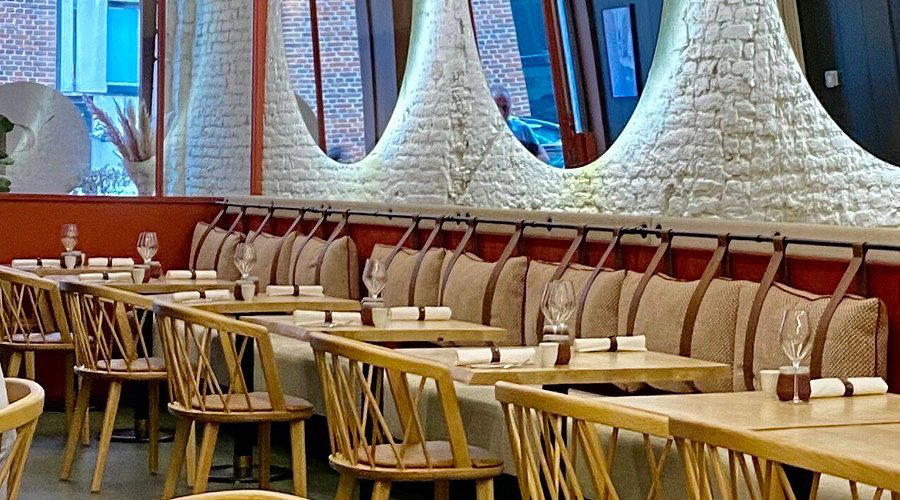

At a Glance
- Cozy
- Casual
- Casual Hangout
- Standalone
Current opening hours
- Monday
- Closed
- Tuesday
- 12–2 PM
- Wednesday
- 12–2 PM, 7–10 PM
- Thursday
- 12–2 PM, 7–10 PM
- Friday
- 12–2 PM, 7–10 PM
- Saturday
- 12–2 PM, 7–10 PM
- Sunday
- Closed
Hours can change for holidays and private events. Last verified .
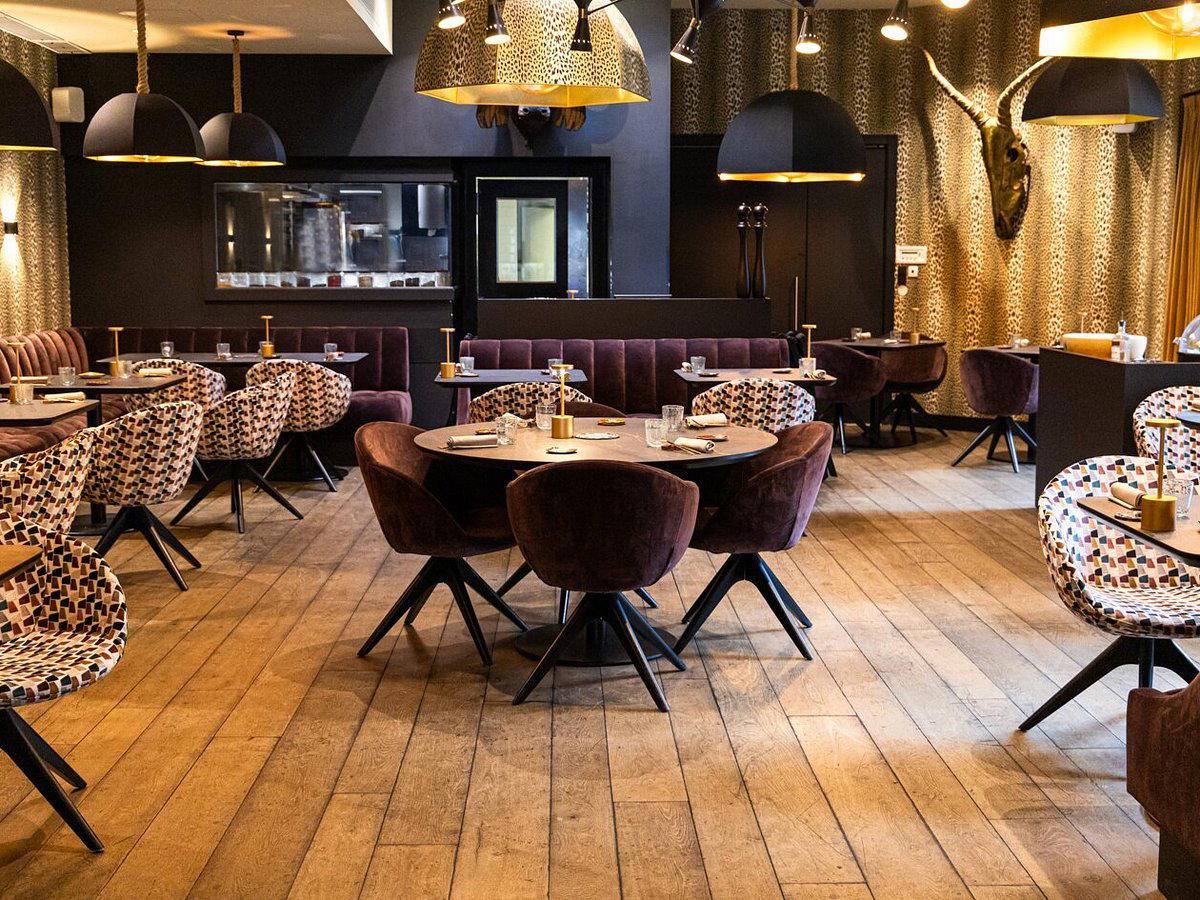
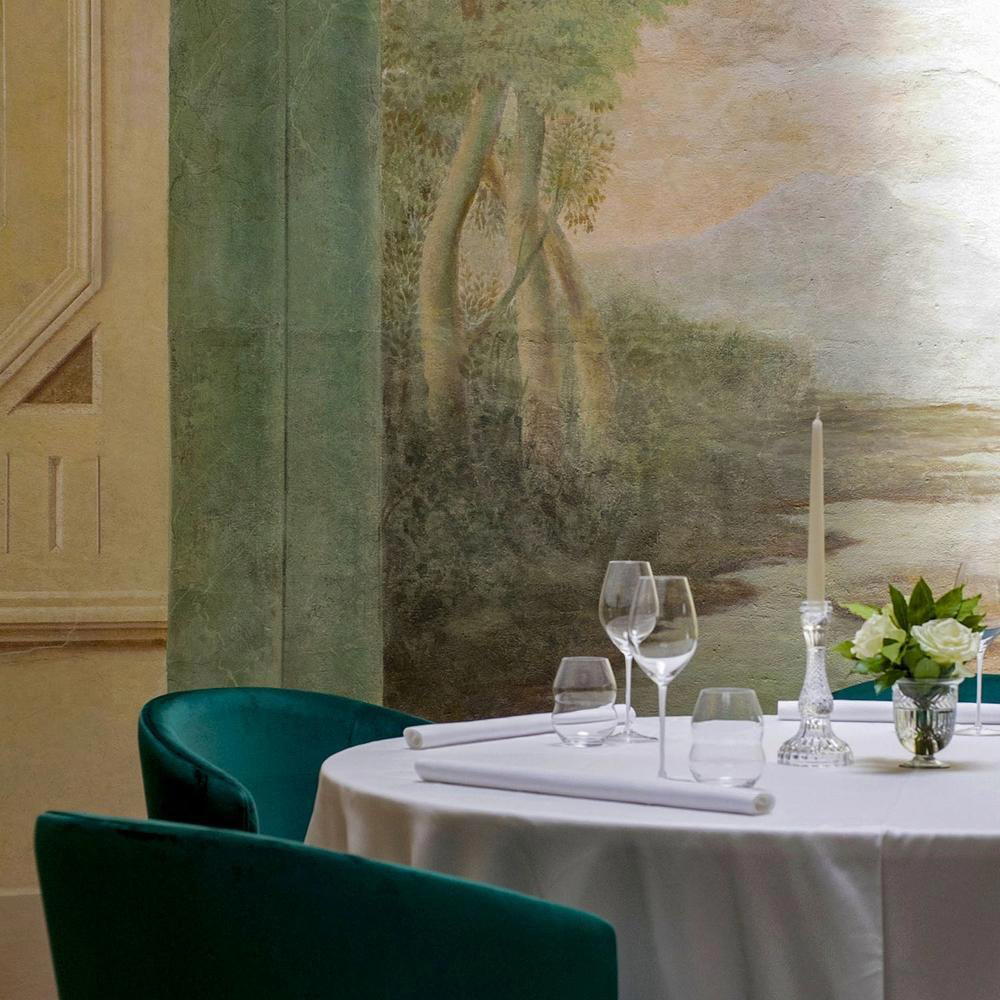
Cozy atmosphere blending tradition with modern culinary artistry in a typically Scandinavian wooden decor.