A fixture on Rue Léon Gambetta in Lille, Friterie Mestré represents the city's deep-rooted friterie culture, where the frite is not a side dish but the main event. For locals marking an ordinary Tuesday or an impromptu gathering, this is the kind of address that requires no occasion to justify a visit, yet consistently becomes part of one.
Pearl is the En Primeur Club membership app — saves, bookings, and concierge access live there. Same editors, same standards.
- Address
- 305 Rue Léon Gambetta, 59260 Lille, France
- Phone
- +33950839593
- Website
- facebook.com
- Directions
- Get directions
 Saves & bookings on Pearl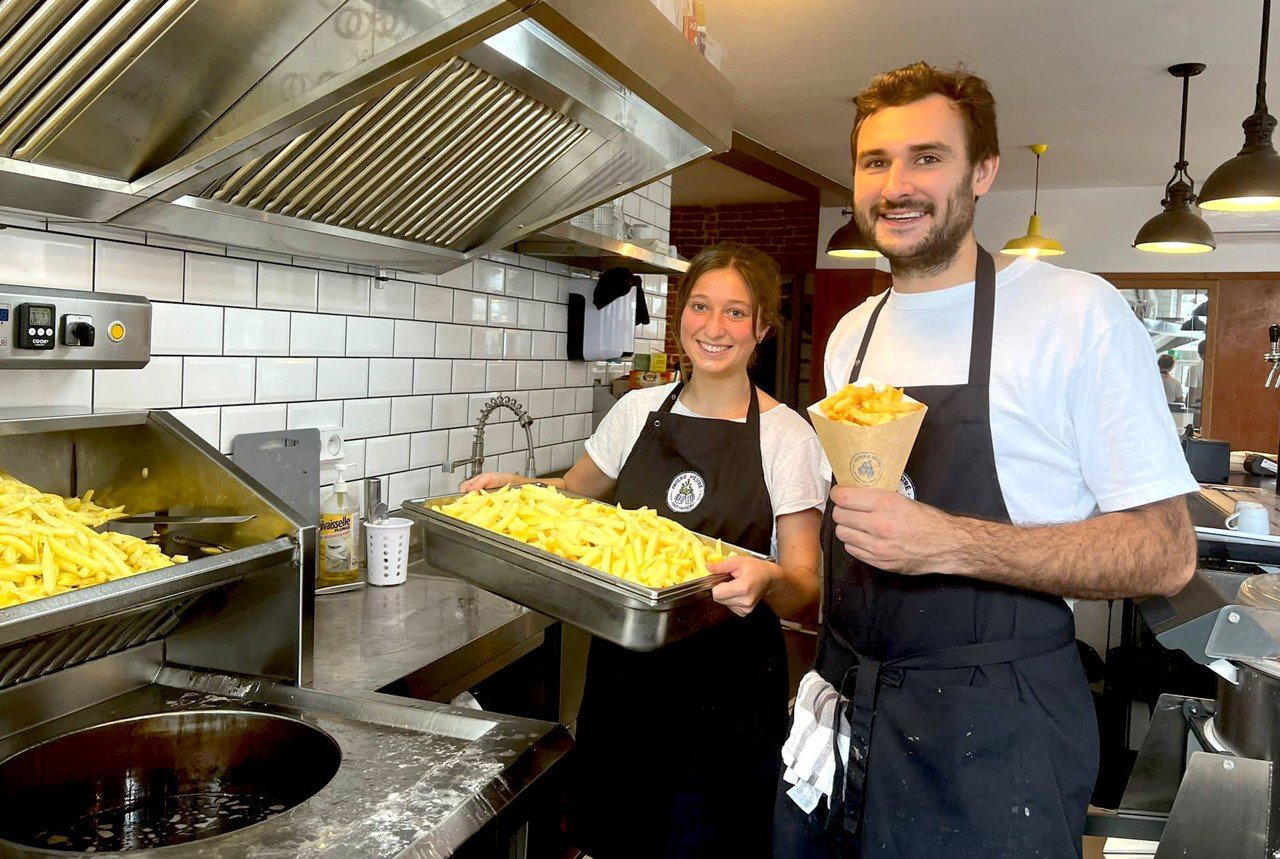
Where Lille's Friterie Tradition Actually Lives
In northern France, the friterie occupies a cultural position that has no precise equivalent elsewhere. It is not fast food in the dismissive sense, nor is it a novelty concept borrowing from Belgian border proximity. The friterie is a civic institution, the place where the post-match crowd lands, where families stop after a Saturday market, where a birthday dinner for twelve suddenly feels less urgent than a cone of properly fried potatoes shared on a pavement. Friterie Mestré, on Rue Léon Gambetta in Lille, is a French friterie with a casual dress code and walk-in friendly service.
Lille's relationship with the frite runs deeper than most French cities. The Nord department shares not just a border but a culinary vocabulary with Belgium, and that cross-pollination shows in how seriously the city takes its frying. Double-frying technique, fat choice, potato variety, these are subjects of genuine local debate, not culinary trivia. Within that context, a friterie earns its reputation not through award cycles or tasting menus but through daily consistency and the accumulated loyalty of a neighbourhood. Mestré's address on Gambetta places it in a residential stretch of the city where that kind of loyalty is built over years, not marketing campaigns.
The Occasion That Doesn't Need a Name
There is a category of meal that milestone dining guides often overlook: the spontaneous celebration. The end of an exam. A friend visiting from Brussels. A promotion announced over a phone call at three in the afternoon that demands immediate, tangible acknowledgment. In Lille, that acknowledgment often involves a friterie, and the city has enough of them that regulars tend to have a specific address they default to. The informal architecture of the friterie, the counter, the paper cone, the sauce selection, the standing or casual seating, removes the performative pressure of a restaurant booking while still delivering something specific and place-rooted enough to feel intentional.
This matters when you compare Lille's dining register to other French cities of similar size. For higher-register celebrations, Lille's modern cuisine scene has expanded considerably: Ginko and Pureté operate at the €€€ tier, while La Table at Hôtel Clarance anchors the city's €€€€ end. But not every occasion calls for a tasting menu and a wine list. The friterie serves a different and no less legitimate function in the city's celebration economy, accessible to everyone, requiring no advance planning, and capable of producing the kind of uncomplicated satisfaction that a four-course meal sometimes cannot.
Gambetta and the Neighbourhood Character
Rue Léon Gambetta runs through a part of Lille that mixes residential density with working commerce, the kind of street where a friterie makes obvious sense. It is not the tourist corridor of Vieux-Lille, where addresses like Au Vieux de la Vieille draw visitors alongside locals, nor is it the more polished dining strip near Au Soyeux. Gambetta has the grain of a neighbourhood street that sustains itself on repeat custom rather than foot-traffic discovery. For a friterie, that is exactly the right context. The regulars who know what they want, order without consulting anything, and leave with food in hand in under three minutes are the actual engine of an address like this.
That neighbourhood specificity is also what separates Lille's friterie culture from the more aestheticised street food formats that have emerged in French cities over the past decade. There is no artisanal rebranding here, no provenance storytelling on a chalkboard. The credibility comes from longevity and local use, not from positioning. In that sense, a friterie on Gambetta operates on entirely different logic from, say, a destination restaurant like Flocons de Sel in Megève or Mirazur in Menton, both of which demand planning, travel, and considerable budget. The friterie demands only proximity and appetite.
France's Broader Frying Tradition in Northern Context
To understand what makes a friterie like Mestré coherent within French food culture, it helps to map where it sits relative to the country's broader dining architecture. France's celebrated restaurant tier, from Alléno Paris au Pavillon Ledoyen to Paul Bocuse's Auberge du Pont de Collonges to Bras in Laguiole, exists in a different universe of expectation and occasion. Restaurants like Auberge de l'Ill, Les Prés d'Eugénie, Troisgros, La Table du Castellet, or Georges Blanc in Vonnas serve celebration dining of a specific, high-investment kind. The friterie serves celebration dining of a different kind, immediate, communal, and entirely without ceremony.
The Nord's version of this format is notably more serious about its product than equivalent street-food categories in other French regions. The Belgian influence is structural: potato variety matters, beef fat or a specific blend is often the frying medium of choice, and the sauce selection is treated as a meaningful accompaniment rather than an afterthought. This is regional food culture operating with genuine conviction, and it produces results that are measurably different from what a generic friterie might offer. For visitors to Lille, engaging with this format is less about finding a cheap alternative to restaurant dining and more about engaging with the food the city actually runs on.
Planning a Visit
Friterie Mestré operates on the model common to Lille's established friteries: walk in, order at the counter, and receive food quickly. There is no booking infrastructure, no dress consideration, and no meaningful planning required beyond knowing the address. The location on Rue Léon Gambetta is accessible from central Lille, and the format suits arrivals at any hour of the day or evening when the friterie is open. Mestré requires neither, which is precisely the point.
Cost and Credentials
Comparable venues nearby, for context on price, style, and recognition.
| Venue | Cuisine | Price | Notes |
|---|---|---|---|
| Friterie MestréThis venue — the venue you are viewing | Franklin, French Friterie | $$ | Not listed |
| Estaminet LA COUR de la ch'tite brigitte | Not listed | $$ | Vieux Lille 3, Northern French Estaminet |
| Bierbuik | Not listed | $$ | Vieux Lille 6, Modern Flemish Brewpub |
| Au Vieux de la Vieille | Not listed | $$ | Vieux Lille 3, Traditional Northern French Estaminet |
| Le Barbier qui Fume | Not listed | $$$ | Vieux Lille 3, French Smoked Meats Bistro |
| L'Annexe | Buisson, Modern French Bistronomique | $$ | Not listed |
Continue exploring
More in Lille
Restaurants in Lille
Browse all →
At a Glance
- Lively
- Cozy
- Casual Hangout
Current opening hours
- Monday
- Closed
- Tuesday
- 12–1:55 PM, 7–10 PM
- Wednesday
- 12–1:55 PM, 7–10 PM
- Thursday
- 12–1:55 PM, 7–10 PM
- Friday
- 12–1:55 PM, 7–10 PM
- Saturday
- 12–1:45 PM, 7–10 PM
- Sunday
- 12–3 PM
Hours can change for holidays and private events. Last verified .
Ravishing casual atmosphere with warm welcome and fast service.