Ciré occupies a quiet address on Cumbayá's central park, positioning it closer to Quito's suburban dining evolution than to the historic centre's fine-dining corridor. The restaurant sits within a neighbourhood that has drawn serious kitchen talent away from the city's traditional restaurant axis, making it a useful marker for understanding where contemporary Quito dining is heading.
Pearl is the En Primeur Club membership app — saves, bookings, and concierge access live there. Same editors, same standards.
- Address
- Parque Central de Cumbayá, García Moreno 425 y, Quito 170901, Ecuador
- Phone
- +59322892790
- Website
- cirefood.com
- Directions
- Get directions
 Saves & bookings on Pearl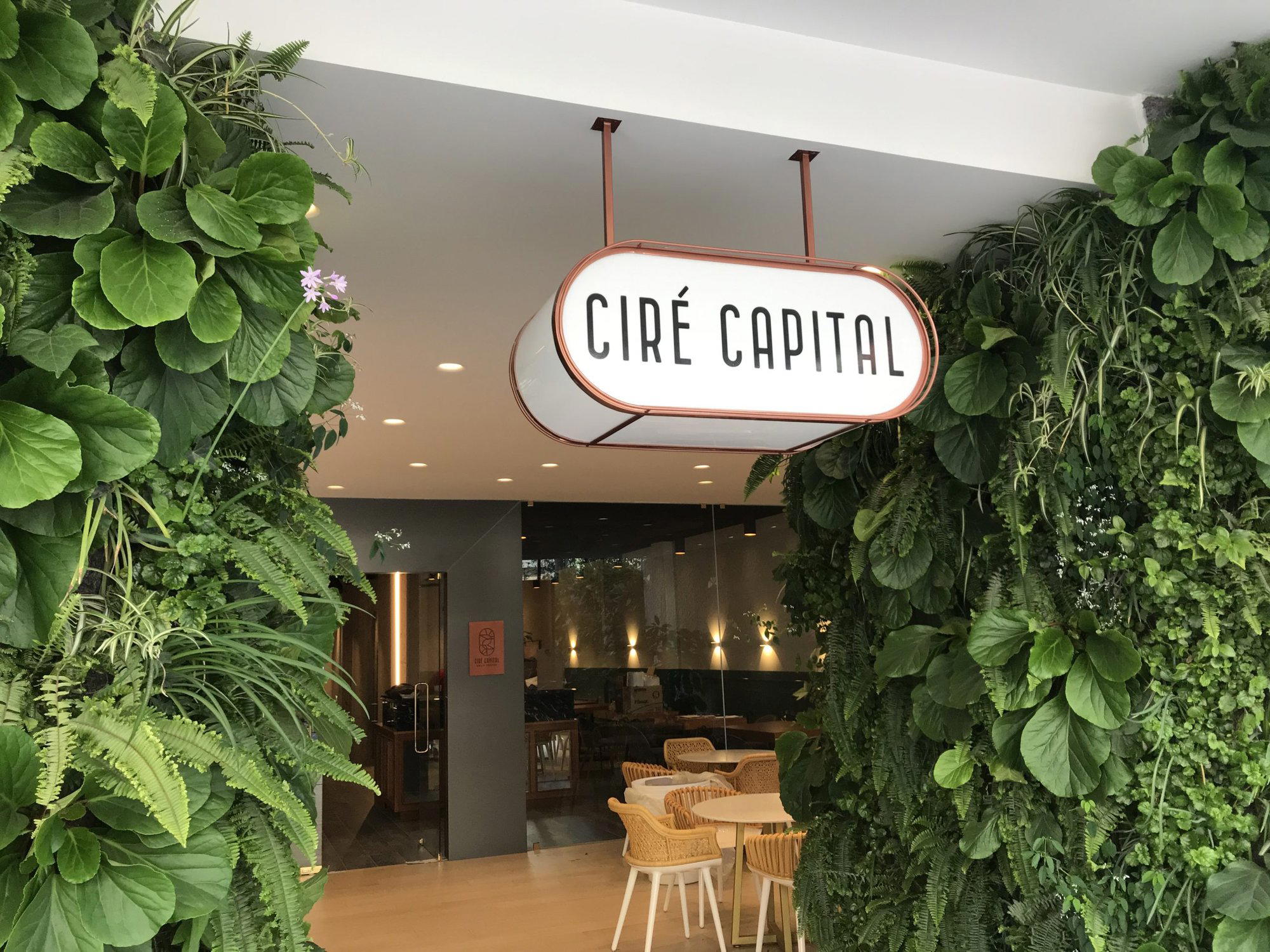
Cumbayá and the Shift in Quito's Dining Geography
For most of its modern restaurant history, Quito's serious dining was concentrated in the Mariscal Foch grid and the colonial centre, where addresses like Casa Gangotena (Ecuadorian Fine Dining) anchored a particular idea of what upscale Ecuadorian hospitality should look like. That geography has been loosening. Cumbayá, a valley suburb roughly 20 minutes east of the historic centre, has accumulated enough restaurant openings over the past decade to function as a secondary dining district in its own right, drawing residents who prefer its lower altitude, calmer pace, and the kind of mid-sized commercial strip that supports a neighbourhood restaurant culture rather than a monument-tourism one.
Ciré sits on Parque Central de Cumbayá, the suburb's organizing public square, at García Moreno 425. The address matters because a park-facing position in Cumbayá signals something specific: these are restaurants built for repeat local custom, not for destination dining circuits that depend on hotel concierge recommendations. The square itself functions as a social anchor for the area, and a restaurant on its perimeter competes primarily for the loyalty of Cumbayá's resident population rather than for tourist footfall from the old city. That competitive logic shapes both the tone and the ambition of what you find here.
The Cumbayá Restaurant Tier
Within Quito's broader dining map, Cumbayá restaurants occupy a recognizable middle tier. They tend toward approachable formats, reasonable pricing relative to the Mariscal corridor, and menus that prioritize consistency over theatrical tasting-menu architecture. This is not a criticism. The Nuema and Zazu generation of Quito restaurants built their reputations on the latter model, and that work has been important for Ecuadorian cuisine's international visibility. But it addresses a different need than what a neighbourhood square like Parque Central de Cumbayá typically calls for.
The comparison set for Ciré is therefore less Nuema (South American) or Tributo and more the cluster of Cumbayá addresses that have built consistent local followings. That positioning is neither evasion nor limitation. Across the wider region, from Casa Julián in Guayaquil to Capitan&Co. in Cuenca Canton, Ecuador's most durable restaurants have often been those that understood their local audience first and built outward from that base rather than backward from aspirational peer comparisons.
What the Location Implies About the Experience
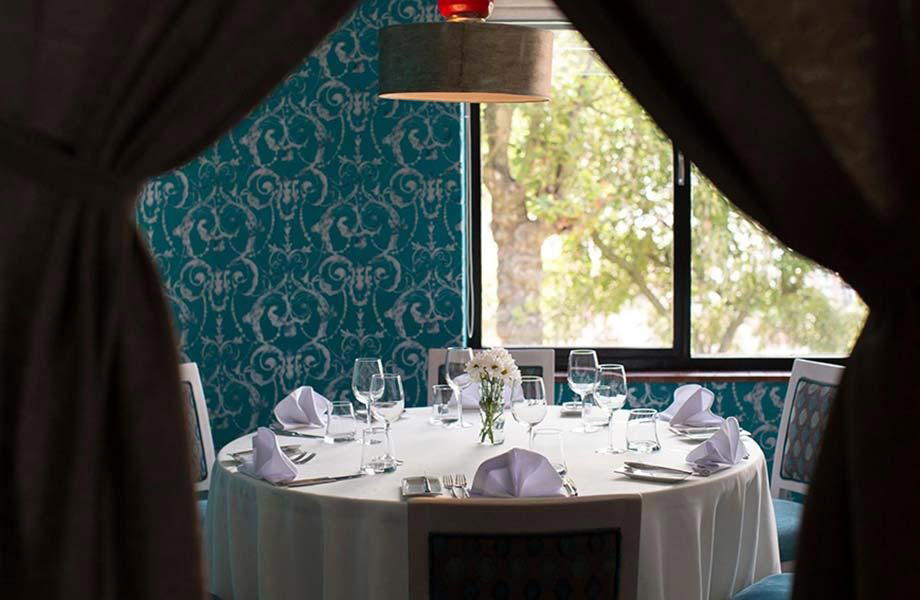
A park-facing restaurant in a suburban Ecuadorian neighbourhood carries particular atmospheric expectations. Outdoor seating or street-visible interiors are common, and the visual rhythm of the square sets the mood more reliably than interior design choices. The approach to Parque Central de Cumbayá is unhurried, tree-lined, and oriented around pedestrian activity rather than traffic. For a first visit, that approach calibrates expectations in a useful direction: this is a place to settle into rather than to move through quickly.
The Cumbayá valley also sits at a slightly lower elevation than central Quito, which produces a marginally warmer, more temperate microclimate. For visitors arriving from the historic centre, that physical difference is noticeable, and it contributes to the area's association with open-air dining and relaxed weekend meals. Restaurants in this zone often hold their busiest service on Saturday and Sunday afternoons, when Cumbayá residents treat the park circuit as a social extension of the lunch table.
The Valle de Cumbayá corridor also connects to other valley destinations, making it a logical anchor point for a half-day that might include Hornados Dieguito in Los Chillos or a circuit through the eastern suburbs before returning to the city.
Ciré in the Context of Ecuador's Wider Scene
Ecuador's restaurant culture beyond Quito and Guayaquil is still consolidating its identity, with the Galapagos properties like Pikaia Lodge in Galapagos Islands and Ecoventura - Galapagos in San Cristóbal operating in a different register entirely, oriented toward international eco-tourism rather than local dining culture. Within Quito specifically, the gap between the fine-dining tier and the neighbourhood tier has been narrowing as more trained kitchen talent opts for smaller, more accessible formats.
That narrowing is visible across the city's eastern suburbs. The Cumbayá strip, alongside pockets in Tumbaco and the Los Chillos valley, has absorbed chefs and restaurateurs who might previously have aimed directly at the Mariscal corridor. The result is a suburban dining culture with more technical ambition than its format would suggest from the outside. Banh Mi and Cardó represent different points on that same curve, with distinct cuisine orientations but a shared logic of accessible neighbourhood positioning combined with kitchen seriousness.
Internationally, the pattern has clear precedents. The movement of serious cooking into neighbourhood formats away from formal dining districts has shaped cities from San Francisco, where Lazy Bear built its reputation on a deliberate departure from white-tablecloth conventions, to New York, where Atomix and Le Bernardin occupy opposite ends of a spectrum that Quito is only beginning to fill in meaningfully. Ciré's position on Parque Central de Cumbayá places it within that broader pattern, even if its immediate reference points are thoroughly local.
The Cumbayá cluster, of which Ciré is a part, represents one of the more interesting areas to track as Quito's dining geography continues to decentralize. See also MoneyGram in Ruminahui and Carlo & Carla in Samborondon Canton for further reference points in Ecuador's suburban dining circuit.
Planning a Visit
Ciré is located at García Moreno 425, on the Parque Central de Cumbayá, Quito 170901. The address is easily reached by rideshare from the historic centre or the Mariscal district, and the park itself is a useful landmark for navigation. The park-facing position means the restaurant is direct to locate on foot once you are in Cumbayá.
A Tight Comparison
Comparable venues nearby, for context on price, style, and recognition.
| Venue | Cuisine | Price | Notes |
|---|---|---|---|
| CiréThis venue — the venue you are viewing | Cumbayá, Avant-Garde Ecuadorian | $$$ | Not listed |
| La Briciola | Cumbaya, La Floresta, Authentic Italian | $$ | Not listed |
| Cardó | Not listed | $$$ | Iñaquito, Modern Mediterranean with Ecuadorian ingredients |
| URKO | Not listed | $$$ | La Floresta, Modern Ecuadorian Tasting Menu |
| Zazu | Not listed | $$$$ | La Mariscal, Modern Peruvian-Ecuadorian Fine Dining |
| Shibumi | Not listed | $$$ | Las Casas, Japanese-Ecuadorian Fusion Sushi |
At a Glance
- Elegant
- Sophisticated
- Trendy
- Date Night
- Group Dining
- Special Occasion
- Terrace
- Panoramic View
- Open Kitchen
- Craft Cocktails
- Local Sourcing
- Mountain
- Skyline
Current opening hours
- Monday
- Closed
- Tuesday
- 12:30–10 PM
- Wednesday
- 12:30–10 PM
- Thursday
- 12:30–10 PM
- Friday
- 12:30–10 PM
- Saturday
- 12:30–10 PM
- Sunday
- Closed
Hours can change for holidays and private events. Last verified .
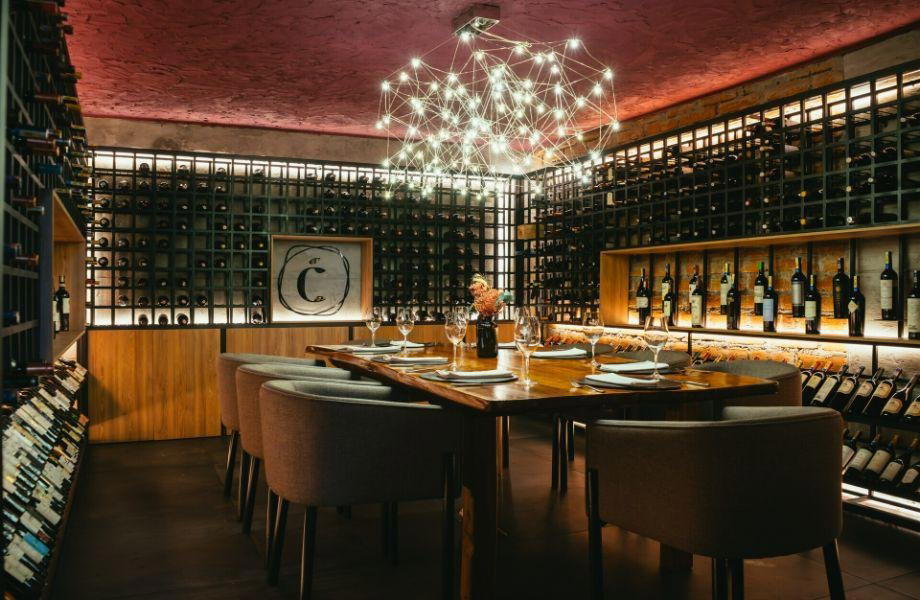
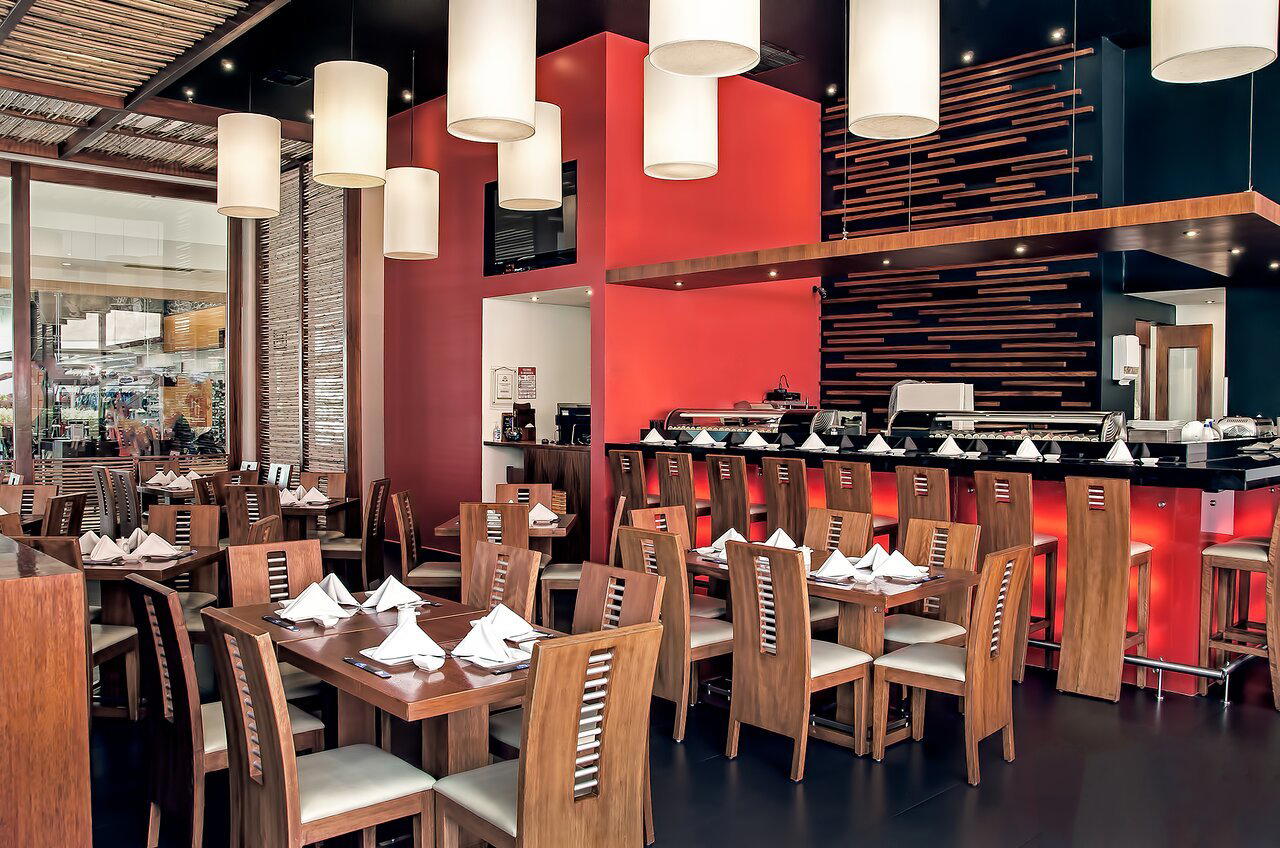
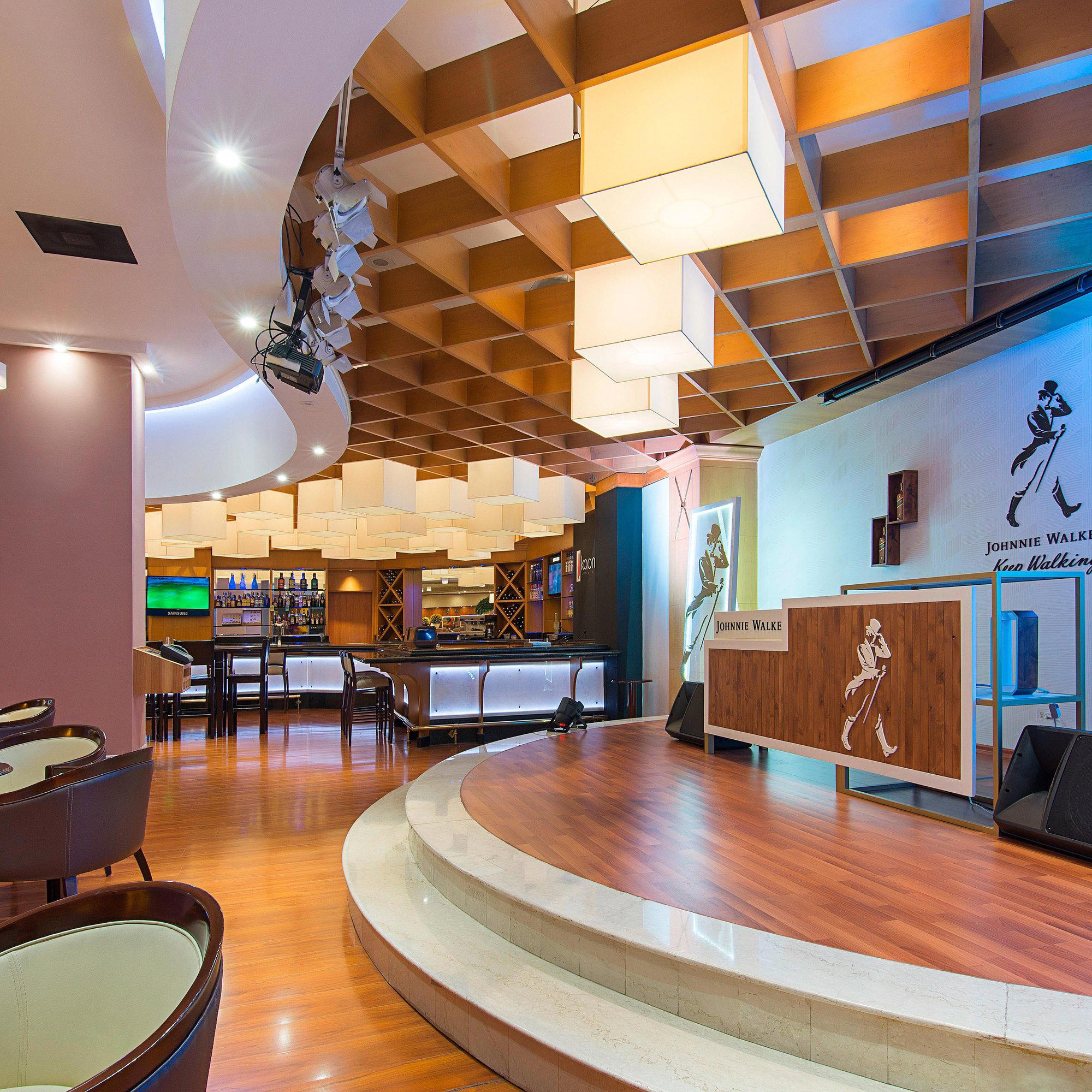
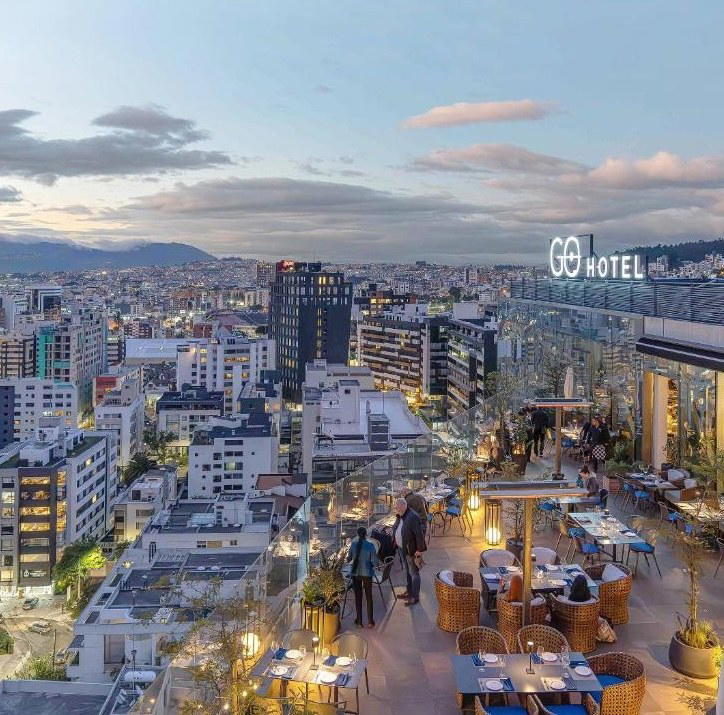
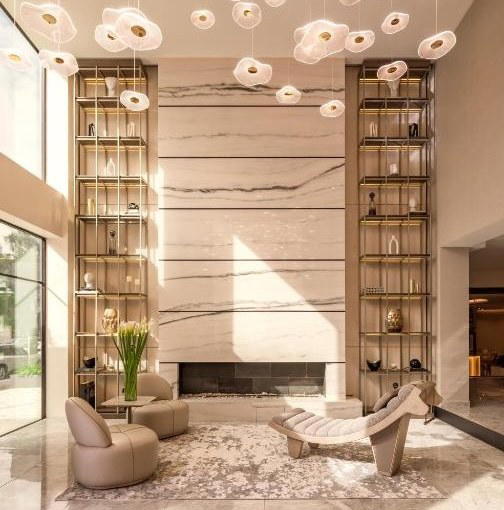
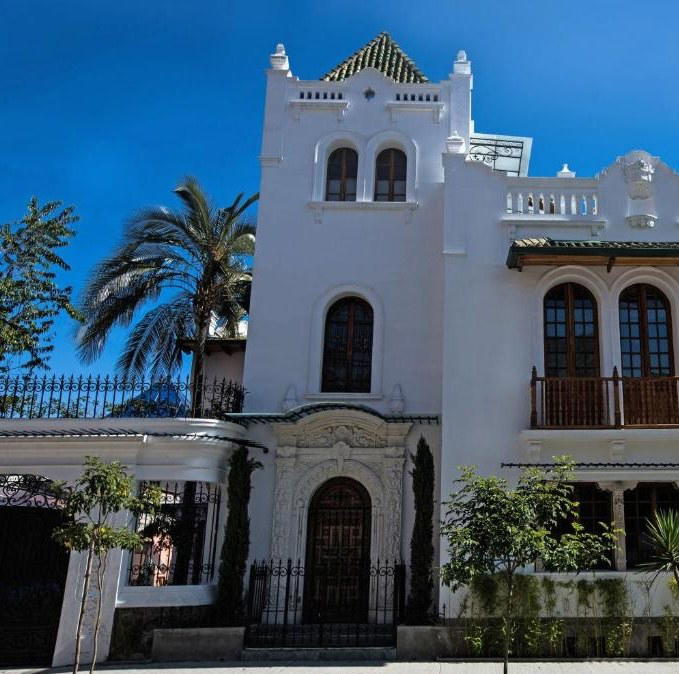
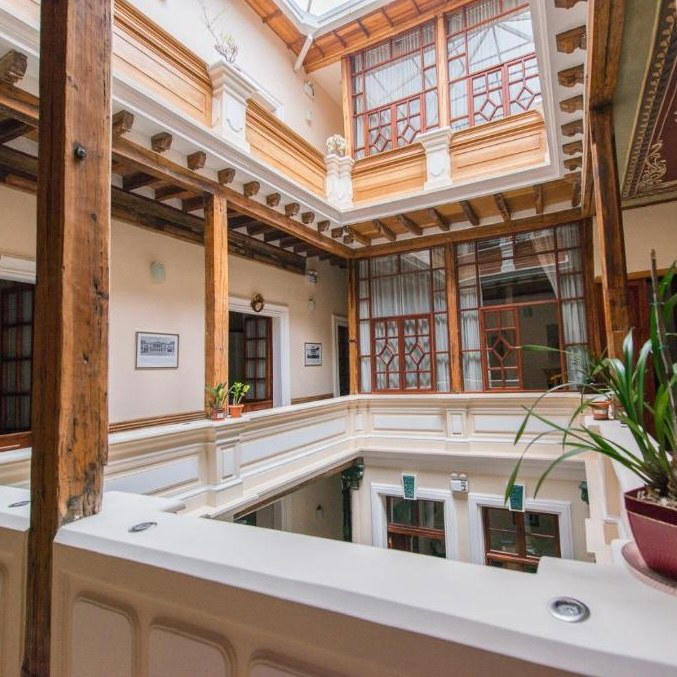
Quirky and charming with colorful contemporary art, chandeliers, lavish prints, flashy mosaics, and lively lighting across three floors including a top-floor terrace.