
Tabelog 100 #37
Our verdict
cimai makes Satte a serious stop for bread rather than a suburban footnote. The small take-out-led bakery-cafe sits in Japan’s craft-bread current, with Tabelog Bread EAST 100 selection in 2022, a modest JPY 1,000–1,999 spend, and a format that rewards planning around limited seating, cash payment, and operating days.

Pearl is the En Primeur Club membership app, where members save venues, book tables and use the concierge.
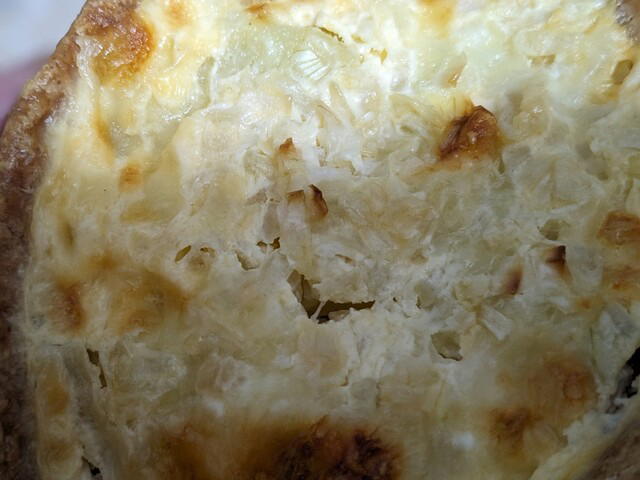
The menu
What to order
- House sourdough loaves
- Sweet red bean bread
- Seasonal fruit breads
Approaching Satte’s quieter streets, the rhythm shifts from station-front convenience to destination bakery logic: slower, deliberate, and shaped by the day’s bake rather than long restaurant service. cimai belongs to Japan’s bread culture, where loaves, sweets, and cafe service are a focused craft category, not a coffee accessory. In a city better known as a local Saitama stop than a dining capital, that matters. Recognition on the Tabelog Bread EAST 100 list in 2022 places it in a regional field where bread specialists are judged against peers across eastern Japan, not only nearby cafes.
The appeal is partly scale. Japan’s serious bakeries often work in small rooms, where production discipline and sell-through matter more than menu breadth. Here, the format is compact: take-out is central, the cafe corner is limited, and spend sits in an everyday rather than luxury bracket. That combination is increasingly rare in Japan’s food travel circuit, where awards can push venues into reservation theatre. cimai remains a bread-led stop, with the practical friction of a small operation and the credibility of repeated attention from a national restaurant platform.
A Saitama bakery in Japan's craft-bread conversation
Japan’s modern bakery culture has never been only about French technique. It absorbs European methods, local expectations for softness and precision, and a convenience-store country’s obsession with reliable daily bread. The better independents separate themselves through sourcing, fermentation control, and the discipline of making a smaller range well. cimai fits through category rather than spectacle: bread, cafe, and Western-style sweets form the frame, while award history positions it beyond neighbourhood utility.
The 2022 Tabelog Bread EAST 100 selection is the main trust signal. For travellers, that helps because bread rarely gets the international shorthand of sushi counters or kaiseki rooms. A bread-focused list creates the right comparison set. In that context, cimai reads as a specialist bakery-cafe, not a general cafe with a pastry case. It also shares a spending tier with several out-of-metro Saitama peers, including Menya Mitsuba Kurobā honten, Oak wood, and Hosoi, all around JPY 1,000–1,999. BurgerPOLICE Kasukabe sits higher, underlining the point: cimai’s category signal is not price escalation, but craft recognition inside an accessible bracket.
Ingredient sourcing matters because bread exposes shortcuts quickly. Flour choice, butter or oil quality, dairy, fruit, sugar, and fermentation show in texture and shelf life, even without a formal tasting menu. Serious Japanese bakeries often make procurement visible through restraint: fewer items, repeatable production, and a rhythm where the day’s bake determines the visit. cimai’s take-out format fits that tradition. The point is not a long sit-down meal; it is buying bread from a place measured against a broader eastern Japan field.
Small-room bakery logic, not cafe sprawl
Scale shapes the experience. Six seats, arranged as three two-person cafe spots, make this a bakery with a small in-house pause rather than an all-afternoon cafe. That sets expectations. Families can use it, children are welcome, and the price range keeps the outing casual, but the room is not for large groups. Treat the visit as a focused bread run with the option to sit if timing and space cooperate.
Payment adds old-school texture: credit cards, electronic money, and QR payments are not accepted. In urban Japan, cashless options are common enough that a cash-only bakery signals a certain independent rhythm. It is not retro theatre; it is operational simplicity. Parking is available in the vacant lot to the left of the store, with space for about seven cars parked diagonally, important in Satte because this is not a central Tokyo bakery where train access alone solves the visit.
Access is workable but not frictionless. Satte Station on the Tobu Nikko Line is nearest, and the walk from the east exit is about 25 minutes. That distance changes the calculus. This is not a casual detour between Tokyo appointments; it suits travellers already exploring Saitama’s smaller food addresses, or anyone building a day around out-of-metro dining rather than city-centre convenience. For broader planning, pair the listing with Our full Satte restaurants guide, then widen the itinerary through Our full Satte hotels guide, Our full Satte bars guide, Our full Satte wineries guide, and Our full Satte experiences guide.
How to place it on a Japan food itinerary
For travellers using Japan’s award lists as a map, cimai is a corrective to trophy dining. It shows how much of the country’s food culture sits outside tasting-menu formats: bakeries, ramen shops, sweets counters, family-run specialists, and compact cafes that may require more logistical patience than money. Its Tabelog score of 3.64 and Bread EAST 100 selection support the detour, but the decision should be category-led. Go because bread is part of the itinerary, not because Satte happens to be nearby.
That approach keeps comparisons honest. A bakery in Satte should not be judged like a beef specialist in Kamakura or a sake bar in Los Angeles. Readers building a wider Japan or Japanese-food map may cross-reference formats across the EP Club archive, from -Grilled beef Sukiyaki- KAMAKURA TANUKIAN 鎌倉 たぬき庵 in Kamakura and . 鮪と炭火焼き うお炭 秋葉原店 in Tokyo to .cafe in Osaka, .know in Kumamoto, (Shoku) Vietnam in Kawasaki, [Curry Senmon Ten] Maruyama Kyoju. in Sapporo, [ki:] in Kyoto, #肉といえば松田 奈良本店 in Kashihara, 1/3 HAMBURGER FACTORY in Kanazawa, 1000 in Yokohama, and 1000mヒュッテ 1000m Hut in Kutchan. For Japanese food culture abroad, Jōdo Saké Bar in Los Angeles and Onigiri Time in Pasadena show how focused formats translate outside Japan.
The editorial call is clear: cimai is for travellers who value specialist food addresses with modest spend and real logistical texture. It is not built around ceremony, a named chef narrative, or a long service arc. Its strength is narrower and more useful: a small Saitama bakery-cafe with award recognition in the bread category, limited seats, take-out practicality, and enough friction to keep the visit intentional.
Frequently asked questions
Does cimai work for a family meal?
Yes. the public record marks cimai as children welcome and family friendly, with a price range of JPY 1,000–1,999. The six-seat setup suits a small stop rather than a long sit-down meal. Check the venue's official channels for the latest details.
How would you describe the vibe at cimai?
It reads as a compact bakery with a stylish space and a cafe corner for six guests, arranged as three two-person seats. Service is take-out focused, so the mood is more efficient and informal than a full-service cafe.
How much does it cost to eat at cimai?
Pricing at cimai is listed as JPY 1,000 - JPY 1,999 View spending breakdown.
When is cimai open?
Hours at cimai: Mon: Closed; Tue: 11:30 AM–6 PM; Wed: Closed; Thu: 11:30 AM–6 PM; Fri: 11:30 AM–6 PM; Sat: Closed; Sun: Closed.
What part of town is cimai in?
cimai is located in Satte.
What's the signature at cimai?
Those details are not published. Its clearest credential is selection for Tabelog Bread EAST "Tabelog 100" 2022, which places the focus on its bread program rather than a named dish. Check the venue's official channels for the latest details.
How It Stacks Up
Comparable venues by cuisine and price in the same metro.
| Venue | Cuisine | Price | Awards | Notes |
|---|---|---|---|---|
| cimaiThis venue (the venue you are viewing) | Artisan Bakery & Café | $10–20 | Tabelog 100 #37 | Not listed |
| Espresso Factory | Coffee & espresso cafe | Not listed | Not listed | Bunkyō |
| Sansar Shinjuku ten | Nepalese & Indian Home-Style Curry | $10–20 | Tabelog 100 #15 | Shinjuku |
| Cattlea | Historic Japanese Bakery & Curry Bread Specialist | $1–10 | Tabelog 100 #4 | Kōtō |
| JOHANN Honten | Japanese Cheesecake Shop | $1–10 | Tabelog 100 #57 | Meguro |
| AOSAN Sengawa ten | Bakery | $1–10 | Tabelog 100 #53 | Sengawa |
Recognition history
Dated appearances from independent guides and award organizations, with the underlying list record or original source where available.
Tabelog 100 #37 · No. 37
Tabelog · Tabelog 100 - Bread - EAST - 2022
Continue exploring
More in Satte
Restaurants in Satte
All restaurants in Satte →
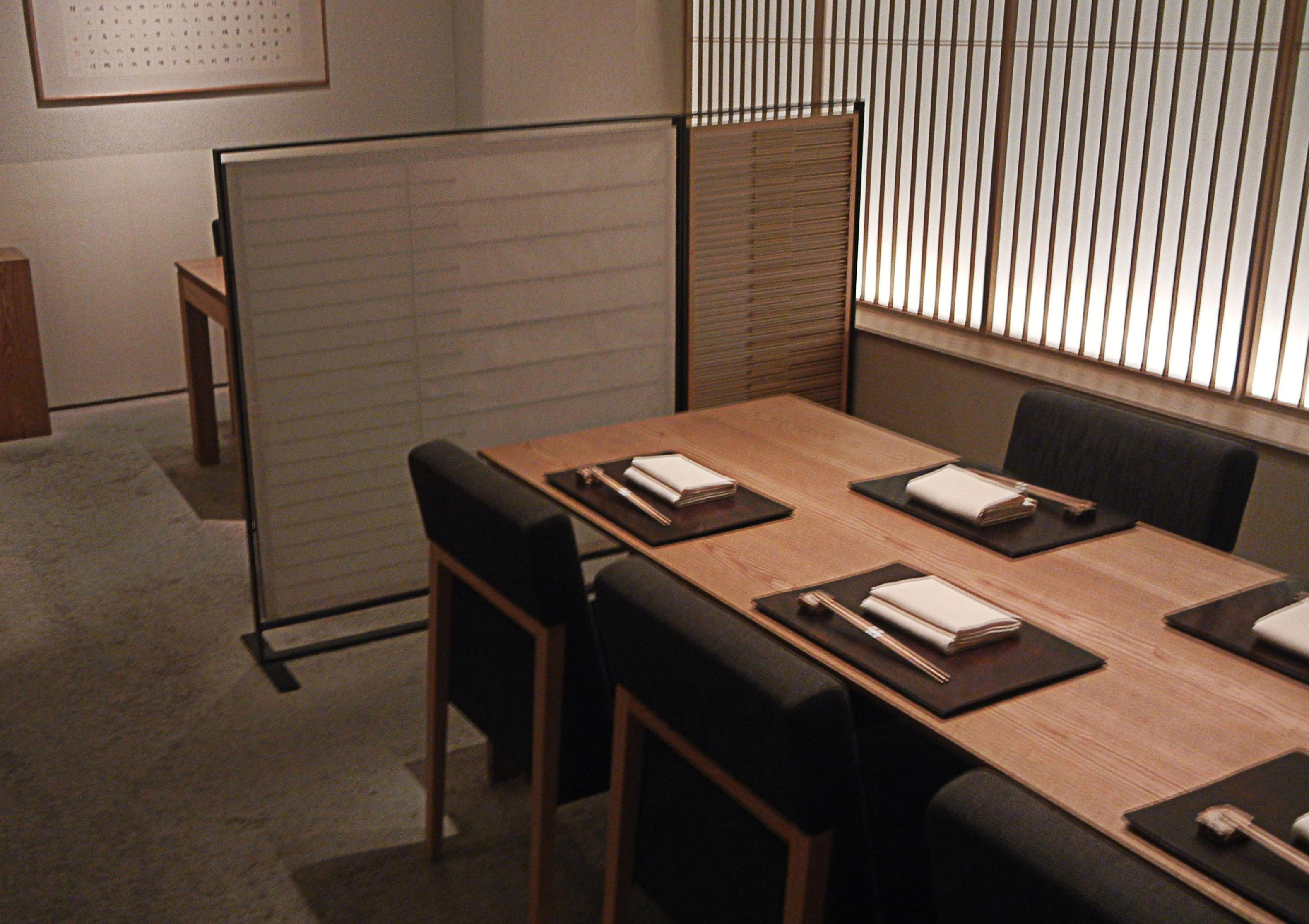
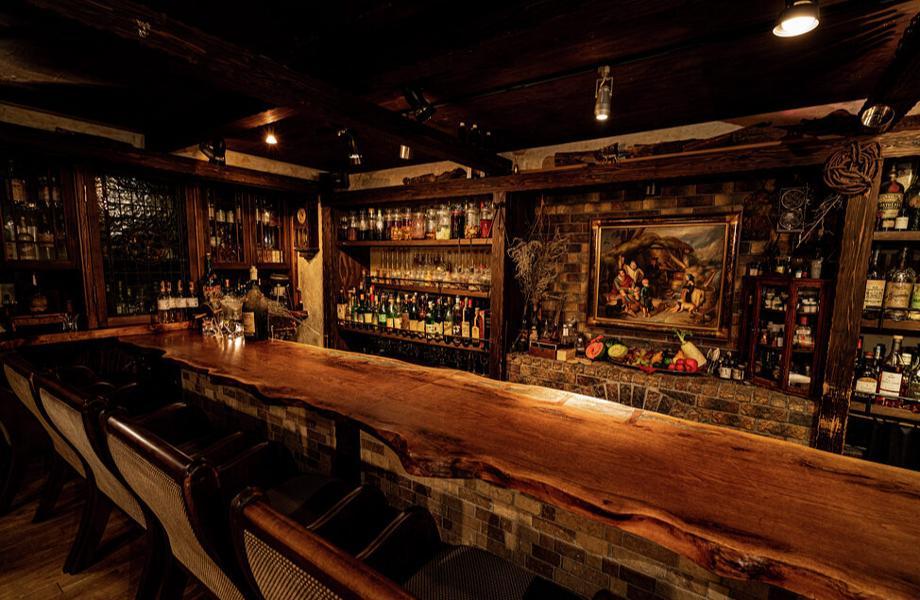
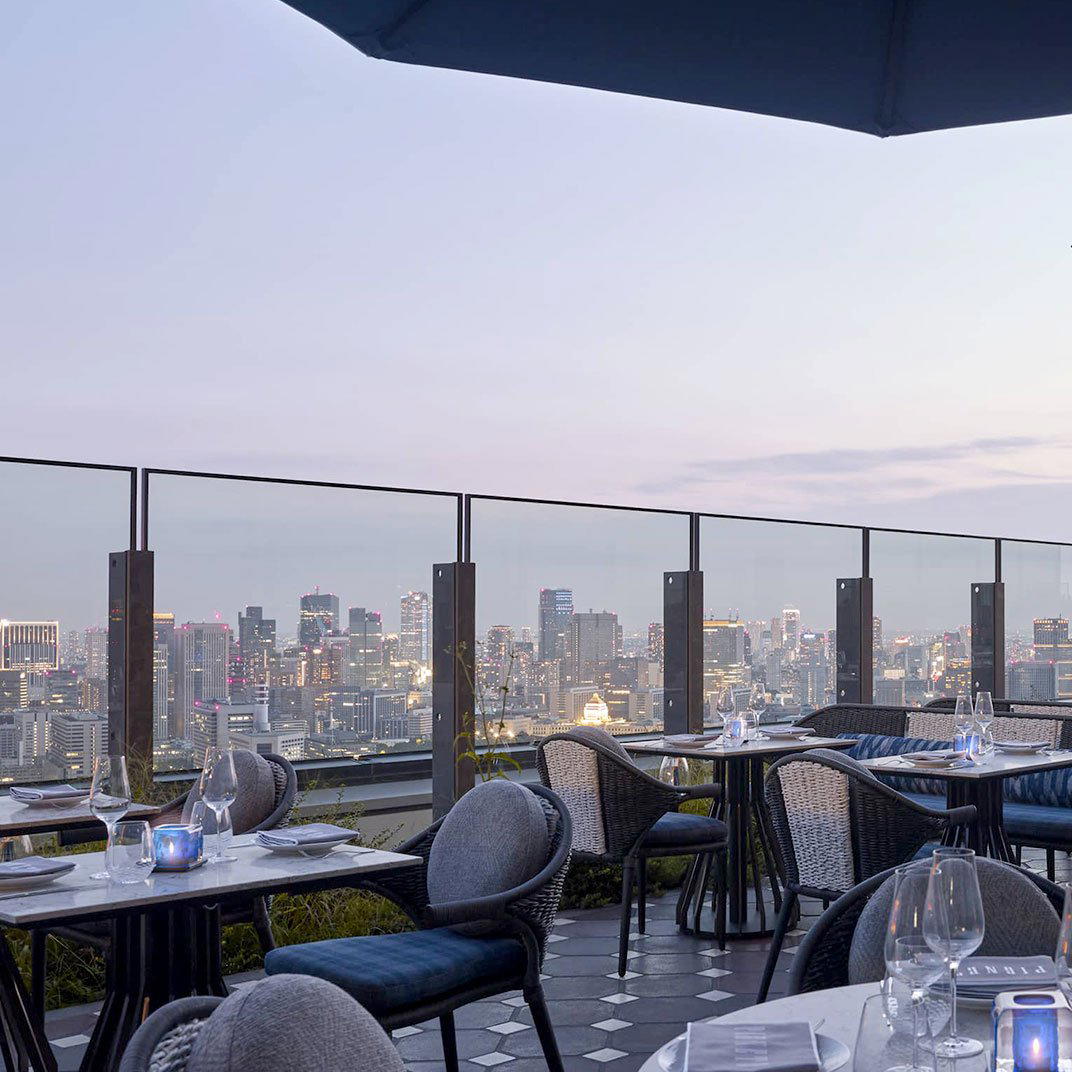
Bars in Satte
Browse all →

Details
- Cozy
- Rustic
- Quiet
- Intimate
- Solo
- Casual Hangout
- Family
- After Work
- Standalone
- Design Destination
- Local Sourcing
- Organic
- Street Scene
- A La Carte
- Counter Dining
- Coffee
- Tea
- Vegetarian Friendly
- Organic Focus
Current opening hours
- Monday
- Closed
- Tuesday
- 11:30 AM–6 PM
- Wednesday
- Closed
- Thursday
- 11:30 AM–6 PM
- Friday
- 11:30 AM–6 PM
- Saturday
- Closed
- Sunday
- Closed
Hours can change for holidays and private events. Hours as of .
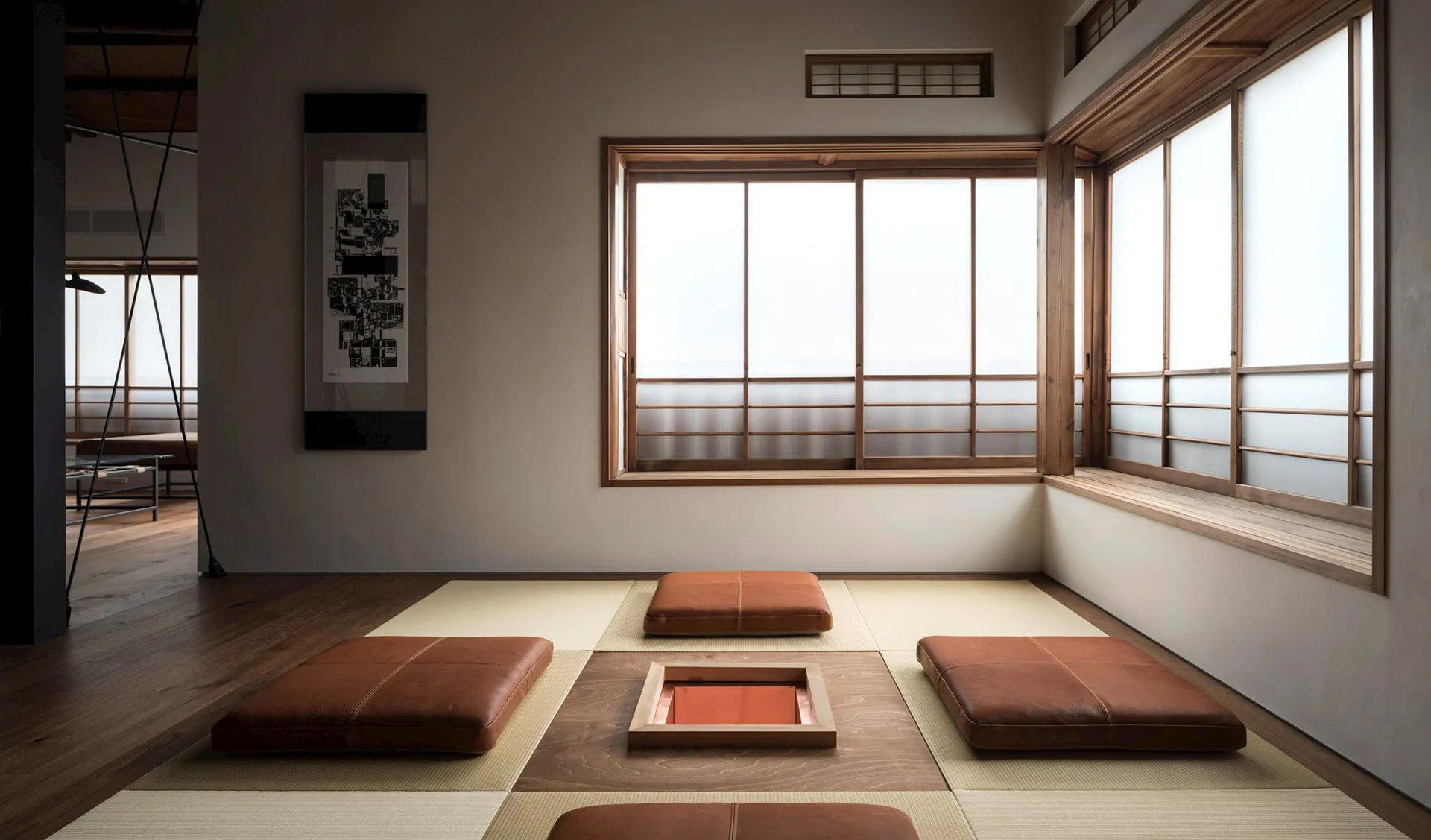
A small, quietly charming space with a simple rustic interior, soft natural light, and a calm, almost contemplative mood that invites guests to slow down over carefully made bread and coffee.