
Tabelog 100 #15
Our verdict
Sansar Shinjuku ten puts Nepalese and Indian cooking into Shinjuku’s everyday dining conversation rather than the city’s luxury tasting-menu circuit. Its Tabelog 100 selections for Asian and ethnic cuisine in Tokyo give it a credible signal in a crowded category, while the low spend range keeps the experience grounded in casual neighborhood eating.

Pearl is the En Primeur Club membership app, where members save venues, book tables and use the concierge.
The menu
What to order
- Momo (Nepalese dumplings)
- Tandoori chicken
- Curry set menus
- Nepalese lunch set
- Naan and curry
- Biryani
In Tokyo, the practical side of everyday dining is built from small restaurants, steady lunch trade, evening tables, take-out, and regulars judging consistency over theatrics. It suits Nepalese, Indian, and Indian curry cooking, a category driven less by ceremony than rhythm.
Sansar Shinjuku ten fits that rhythm. Its cooking spans Nepalese, Indian, and Indian curry, with a profile that sits between quick curry counters and more polished dining rooms. The appeal is direct: personal in scale, approachable in price, and recognized beyond a single local audience.
Tokyo curry culture with Nepalese weight
Tokyo’s curry scene is layered. Japanese curry has its own grammar, South Asian cooking has serious specialist followings, and Nepalese-Indian restaurants are part of the everyday urban fabric. The stronger addresses in this group need balance, spice and texture handled without flattening everything into sweetness, and a room that works for solo lunches and group dinners.
The signal here is not a celebrity chef or design-led room, but Tabelog Hyakumeiten recognition in 2024, with a listed score of 3.49. That matters because Tabelog’s category lists reward durability in competitive, local-use genres; this bracket is measured against everyday specialists, not hotel dining rooms or destination counters.
The team dynamic is practical rather than theatrical. The kitchen must carry the identity through curry and related dishes; the floor must keep the room moving without making it feel impersonal. That coordination separates a dependable neighborhood-style restaurant from a generic curry stop.
Price also frames the choice. Dinner is listed at JPY 1,000 to JPY 1,999, with lunch listed up to JPY 999, far from Tokyo’s premium-dining economy. In Tokyo, this is not a table to build an itinerary around like an expensive counter; it is a strong choice when the brief is flavor, ease, and a bill that leaves room for the rest of the evening.
A small room built for repeat use
The format matters. Sansar Shinjuku ten reads as casual and compact rather than grand or ceremonial. The experience is built for regular service: straightforward ordering, approachable pacing, and enough flexibility to suit quick meals as well as unhurried informal dinners.
Vegetable-led choices are especially relevant in Tokyo, where travelers who do not eat meat can struggle outside fully vegetarian restaurants or international hotel dining. Nepalese and Indian cooking often gives more room for vegetable-focused meals than many Japanese categories, and Sansar Shinjuku ten’s category makes it useful for mixed groups with different dietary needs.
Higashi Shinjuku Sanrasa is a useful comparison in the same JPY 1,000 to JPY 1,999 band. That price level is not sacrifice; in Tokyo, it often marks the small specialist restaurant where value lies in repetition, not spectacle. A peer such as Pizzeria LUMEN belongs to another night-out calculation. The category is clear: Sansar Shinjuku ten is curry-led casual dining with recognized local credibility, not a premium European-format dinner.
The broader Tokyo map helps. The city’s restaurant energy fragments across station dining, late-night streets, department-store floors, and small side-street rooms. Readers planning wider can cross-reference Our full Tokyo restaurants guide, then decide whether the night needs curry, yakitori, sushi, or a bar sequence. Nearby and citywide references can be treated generically: other Tokyo dining rooms, casual curry specialists, cafes, and grilled or charcoal-led restaurants all sit in the same wider planning field.
How to place it in a Tokyo itinerary
The strongest use case is a Tokyo day that does not need another high-commitment reservation. Sansar Shinjuku ten folds easily into a broader city plan when the meal should be flavorful, low-pressure, and not financially heavy. It works best as a practical anchor rather than a trophy booking.
Price and category are the practical filters. The listed budget keeps the restaurant in an accessible range, while the Nepalese, Indian, and Indian curry classification makes the choice clear before arrival. In Tokyo, that clarity still matters, especially for visitors comparing a large number of dining options across one trip.
For travelers extending the evening, Tokyo’s category spread is the point. Pair casual curry with a separate bar plan through Our full Tokyo bars guide, or frame the stay through Our full Tokyo hotels guide. Broader planning can pull from Our full Tokyo experiences guide and Our full Tokyo wineries guide. Japan-wide and international reference points on the same platform can be treated as broader context rather than direct comparisons: other casual restaurants, cafes, curry specialists, sake bars, and quick-service counters show how wide the planning field can become.
The editorial verdict is simple: a credible Tokyo pick for Nepalese-Indian cooking with 2024 Tabelog Hyakumeiten recognition, approachable pricing, and low financial risk. It rewards diners who understand Tokyo beyond trophy reservations.
Frequently asked questions
Where is Sansar Shinjuku ten located?
Tokyo.
Is Sansar Shinjuku ten more mid-range or high-end?
Pricing at Sansar Shinjuku ten is listed as dinner at JPY 1,000 - JPY 1,999 and lunch up to JPY 999.
Do they take walk-ins at Sansar Shinjuku ten?
The provided listing does not specify a walk-in policy for Sansar Shinjuku ten. Treat availability as dependent on the day and check directly when timing matters.
What is Sansar Shinjuku ten known for?
Sansar Shinjuku ten is known as a Tokyo restaurant in the Nepalese, Indian, and Indian curry categories, with 2024 Tabelog Hyakumeiten recognition.
Side-by-Side Snapshot
Nearby venues at a similar price tier for orientation.
| Venue | Cuisine | Price | Awards | Notes |
|---|---|---|---|---|
| Sansar Shinjuku tenThis venue (the venue you are viewing) | Nepalese & Indian Home-Style Curry | $10–20 | Tabelog 100 #15 | Not listed |
| kalala | Japanese-style curry & cafe | $10–20 | Tabelog 100 #98 | Shinjuku |
| Shiroichi Shibuya ten | Raw milk soft serve & ice cream shop | $1–10 | Tabelog 100 #34 | Shibuya |
| Petit A La Campagne | European-style curry | $10–20 | Tabelog 100 #73 | Chiyoda |
| FACTORY | Bakery & café | Not listed | Tabelog 100 #95 | Chiyoda |
| CACAO SAMPAKA Marunouchi honten | Artisanal Chocolate & Sweets | $1–10 | Tabelog 100 #15 | Chiyoda |
Recognition history
Dated appearances from independent guides and award organizations, with the underlying list record or original source where available.
Tabelog 100 #15 · No. 15
Tabelog · Tabelog 100 - Asian cuisine / Ethnic cuisine - TOKYO - 2024
Continue exploring
More in Tokyo
Restaurants in Tokyo
All restaurants in Tokyo →



Bars in Tokyo
All bars in Tokyo →





Details
- Cozy
- Lively
- Casual Hangout
- Group Dining
- Solo
- Family
- After Work
- Late Night
- Standalone
- Beer Program
- Local Sourcing
- A La Carte
- Set Menu
- Beer
- Vegetarian Friendly
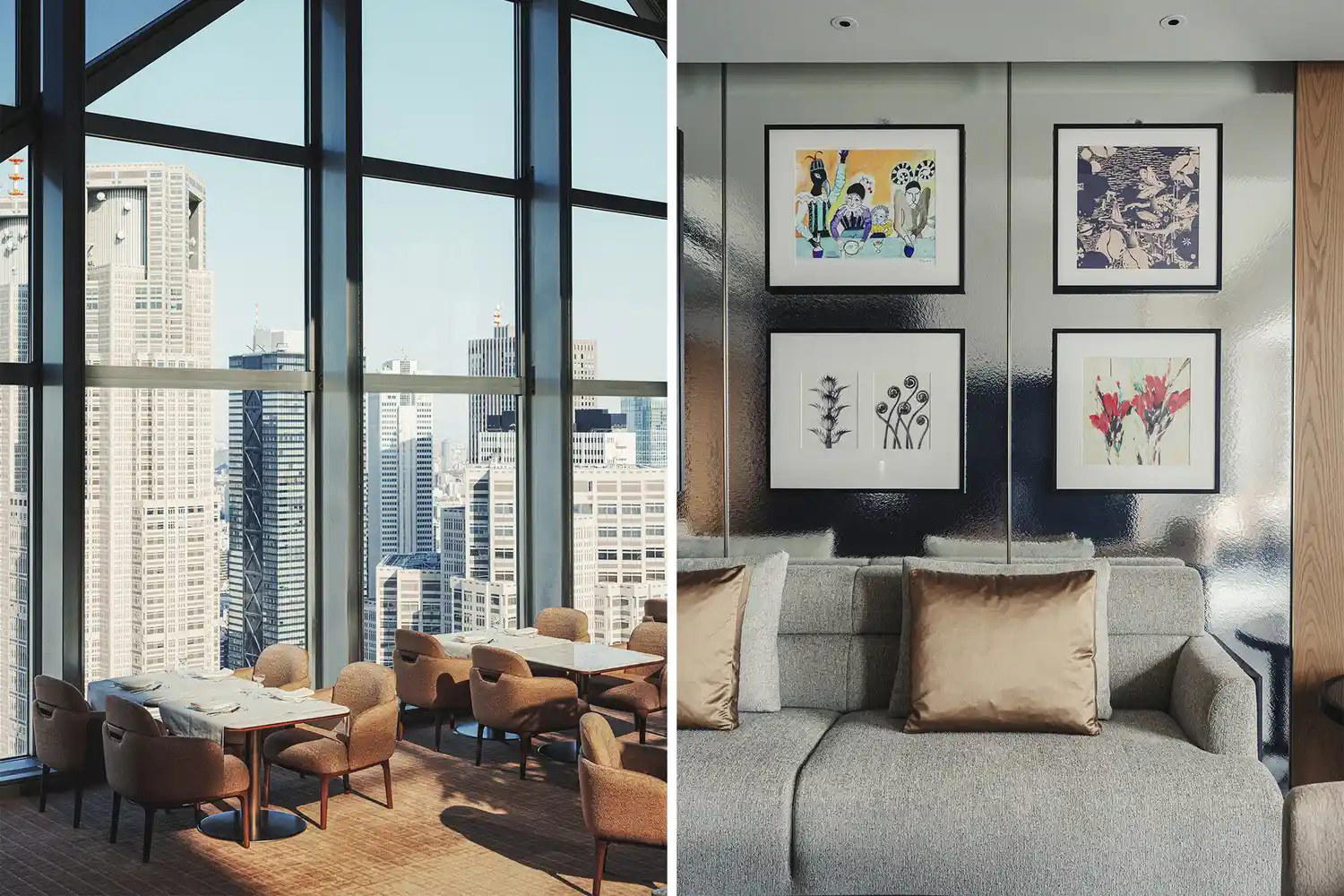
A small, cozy neighborhood spot with a relaxed, homely feel, friendly service, and a casual Lohas-style atmosphere suited to everyday meals rather than formal occasions.