Cicada


Michelin Plate · Black Pearl 1 Diamond
Our verdict
Cicada brings Hunanese cooking into Guangzhou's premium dining tier, holding a Michelin Plate and Black Pearl 1 Diamond for both 2024 and 2025. At the ¥¥¥¥ price point, it occupies a relatively rare position in a city where Cantonese cuisine dominates the upper restaurant brackets.

Pearl is the En Primeur Club membership app, where members save venues, book tables and use the concierge.
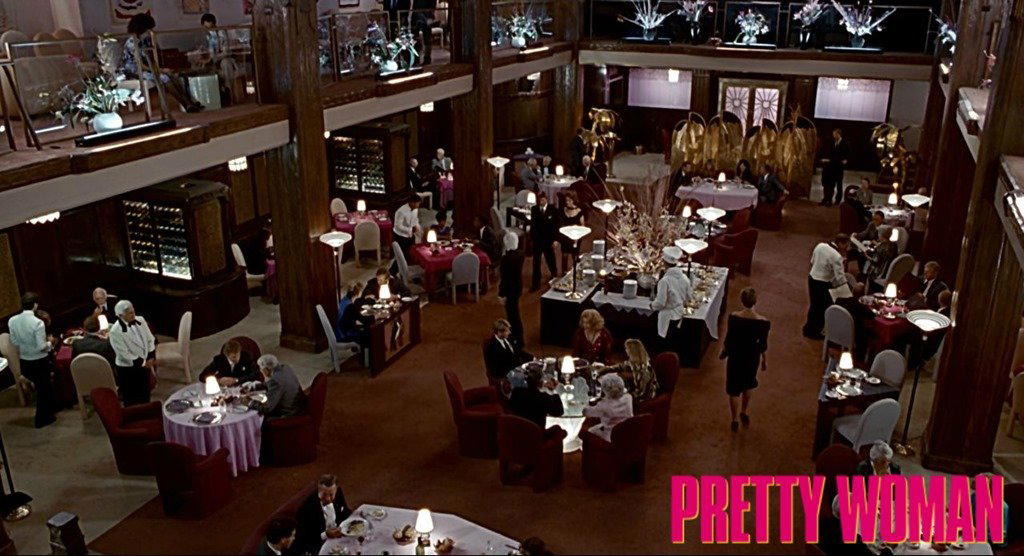
The menu
What to order
- Red oil thousand layer crispy ears
- Pepper and sesame smoked glazed pigeon
- Steamed male fish head with chopped pepper
Hunanese Fire in a Cantonese City
Guangzhou is, emphatically, a Cantonese city. Its restaurant culture is built on dim sum houses, roast goose counters, and white-tablecloth seafood rooms that have defined southern Chinese fine dining for generations. When a Hunanese restaurant reaches the ¥¥¥¥ price bracket here and holds dual recognition from both the Michelin Guide and Black Pearl, two of the most closely watched rating systems operating in mainland China, it is doing something structurally unusual. It is asking diners who came to Guangzhou for yum cha and fresh-catch clay pots to cross the culinary border into a cuisine defined by fermented black beans, dry-cured meats, and a chili heat profile with no equivalent in Cantonese cooking.
Cicada makes that argument and, on the evidence of its awards consistency and review depth, it makes it persuasively. That kind of sustained dual-system validation is worth noting in a city where competition for Guangzhou's premium dining positions is as dense as anywhere in China.
What Hunanese Cooking Means at This Price Point
To understand Cicada's position in Guangzhou, it helps to understand where Hunanese cuisine sits in the broader hierarchy of Chinese regional cooking. Hunan's culinary identity rests on a few structural pillars: dried and smoked ingredients that carry deep fermented flavour, a liberal use of fresh and pickled chilies distinct from the numbing Sichuan peppercorn heat further west, and a preference for techniques like steaming and braising that preserve the integrity of strong primary ingredients. At the street-food end, Hunan is accessible and assertive. At the fine-dining end, the territory Cicada occupies, those same flavour principles are applied with precision and restraint, where the heat is calibrated rather than blunt and the smoked notes arrive as accent rather than overwhelm.
At ¥¥¥¥, Cicada sits above comparable Hunanese options available elsewhere in Guangzhou and in the wider Pearl River Delta. For comparison, the Michelin-starred Cantonese operations in the city, including Imperial Treasure Fine Chinese Cuisine, tend to operate at ¥¥¥, making Cicada's pricing a meaningful signal about the format and ingredient register it operates in. The category is price-competitive with Guangzhou's other ¥¥¥¥ restaurants, a tier that includes venues like Rêver in the French contemporary space, each making a distinct case for the upper end of the city's dining market.
The Scene Inside the Room
The neighbourhood and address context for Cicada carries its own editorial weight. Positioning a premium Hunanese restaurant in Guangzhou rather than in Beijing or Shanghai, where Hunanese representation at the top of the market is more established, reflects a particular confidence in the concept. In Beijing, venues like Furong and In Love (Gongti East Road) have staked out the premium Hunanese ground in the capital's dining circuit. Cicada is making a parallel argument in the south, in a city that has historically shown less appetite for refined regional cooking outside its own Cantonese tradition.
That positioning creates an environment with a different energy than you would find at the equivalent price point in a Cantonese room. Diners choosing Cicada in Guangzhou are, almost by definition, making a deliberate detour from the city's default culinary register. The room tends to draw a mix of local professionals and visitors from elsewhere in the Pearl River Delta with a specific interest in Hunanese cooking at a formal level, alongside business diners looking for a setting that offers distinction from the Cantonese circuits their contacts will have already covered.
Cicada in the Guangzhou Restaurant Hierarchy
Guangzhou's fine dining map has grown considerably more complex over the past decade. Alongside the established Cantonese institutions, the city now hosts outposts of regional Chinese cooking from Chiu Chow to Hunanese, as well as European fine dining and innovative tasting-menu formats. Cicada's place in that field is specific: it occupies the intersection of regional Chinese identity and premium pricing, where the comparison set is not the Hunanese noodle house down the street but rather restaurants like Guo Fan Jia Yan, Hunan Cuisine, and Cheers (Kaichuang Avenue) in the Hunanese register, and against Jiang by Chef Fei in terms of the broader premium Chinese dining conversation.
The Black Pearl system, operated by Meituan and calibrated specifically for the Chinese market, often surfaces restaurants that the Michelin Guide's methodology places in a slightly different tier. Holding both a Michelin Plate and a Black Pearl Diamond simultaneously indicates recognition across two distinct evaluation frameworks, each with different inspector priorities and user bases. It is a combination that broadens Cicada's credibility signal beyond any single system's judgement.
For diners approaching Guangzhou from other major Chinese cities, the comparison is instructive. Hunanese cooking at the upper end of the market in Beijing, Shanghai, or Chengdu typically operates within a city that has broader familiarity with the cuisine's stronger flavour register. Cicada is making the case for that register in a city where the baseline culinary expectation runs toward subtlety, freshness, and restraint. That the numbers, awards and reviews, support it is the more interesting editorial fact.
Planning a Visit
At the ¥¥¥¥ price point, Cicada sits in a bracket where advance booking is the sensible approach; the combination of Michelin and Black Pearl recognition in a relatively underserved category in Guangzhou keeps demand at a level where walk-in availability at preferred times is not reliable. The restaurant's focus on Hunanese cuisine means that diners with a low tolerance for chili heat should account for that before committing to the full menu, though formal Hunanese dining at this tier typically offers calibrated spice levels rather than the more aggressive heat of casual formats. For a broader picture of where Cicada fits in the city's restaurant offer, our full Guangzhou restaurants guide maps the complete range. Those building a fuller itinerary around the visit can find context in our Guangzhou hotels guide, bars guide, wineries guide, and experiences guide. For comparison across the wider Chinese market, Chef Tam's Seasons in Macau, Ru Yuan in Hangzhou, and Dai Yuet Heen in Nanjing all represent the broader premium Chinese regional dining conversation worth tracking.
Frequently asked questions
What price level is Cicada?
Pricing at Cicada is listed as ¥¥¥¥.
What part of town is Cicada in?
Cicada is located at 617 S Olive St, Los Angeles, CA 90014, Guangzhou.
Budget Reality Check
A small set of peers for context, based on recorded venue fields.
| Venue | Cuisine | Price | Awards | Notes |
|---|---|---|---|---|
| CicadaThis venue (the venue you are viewing) | Modern Hunan Cuisine | $150–200 | Michelin Plate · Black Pearl 1 Diamond | Not listed |
| Imperial Treasure Fine Chinese Cuisine | Fine Cantonese Cuisine | Not listed | 2 Michelin Stars · La Liste Top Restaurants | Cantonese |
| Taian Table | Modern European with Asian Influences | $300–500 | 3 Michelin Stars · La Liste Top Restaurants | Modern European, European Contemporary |
| Chōwa | Franco-Japanese Fusion | $150–200 | 1 Michelin Star · The Best Chef Two Knives | Innovative |
| Imperial Treasure Fine Teochew Cuisine | Fine Teochew Cuisine | Not listed | 1 Michelin Star · La Liste Top Restaurants | Chao Zhou |
| Rêver | French Contemporary | Not listed | Michelin 1 Star | Not listed |
Recognition history
Dated appearances from independent guides and award organizations, with the underlying list record or original source where available.
Michelin Plate
Michelin
Black Pearl 1 Diamond
Black Pearl
Full recognition history (3 entries)
Michelin Plate
Michelin
Continue exploring
More in Los Angeles
Restaurants in Los Angeles
All restaurants in Los Angeles →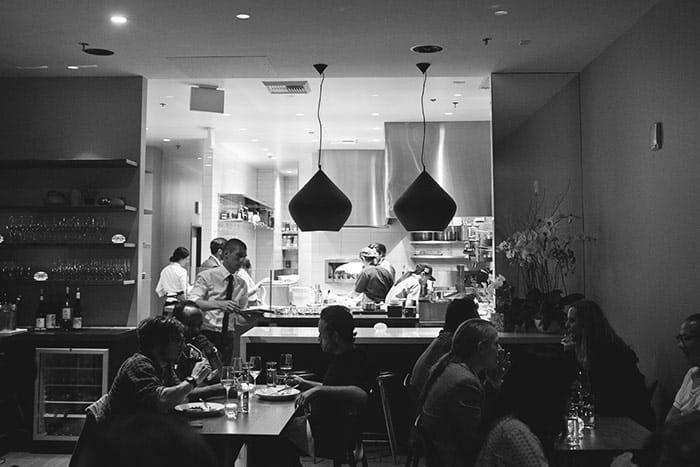
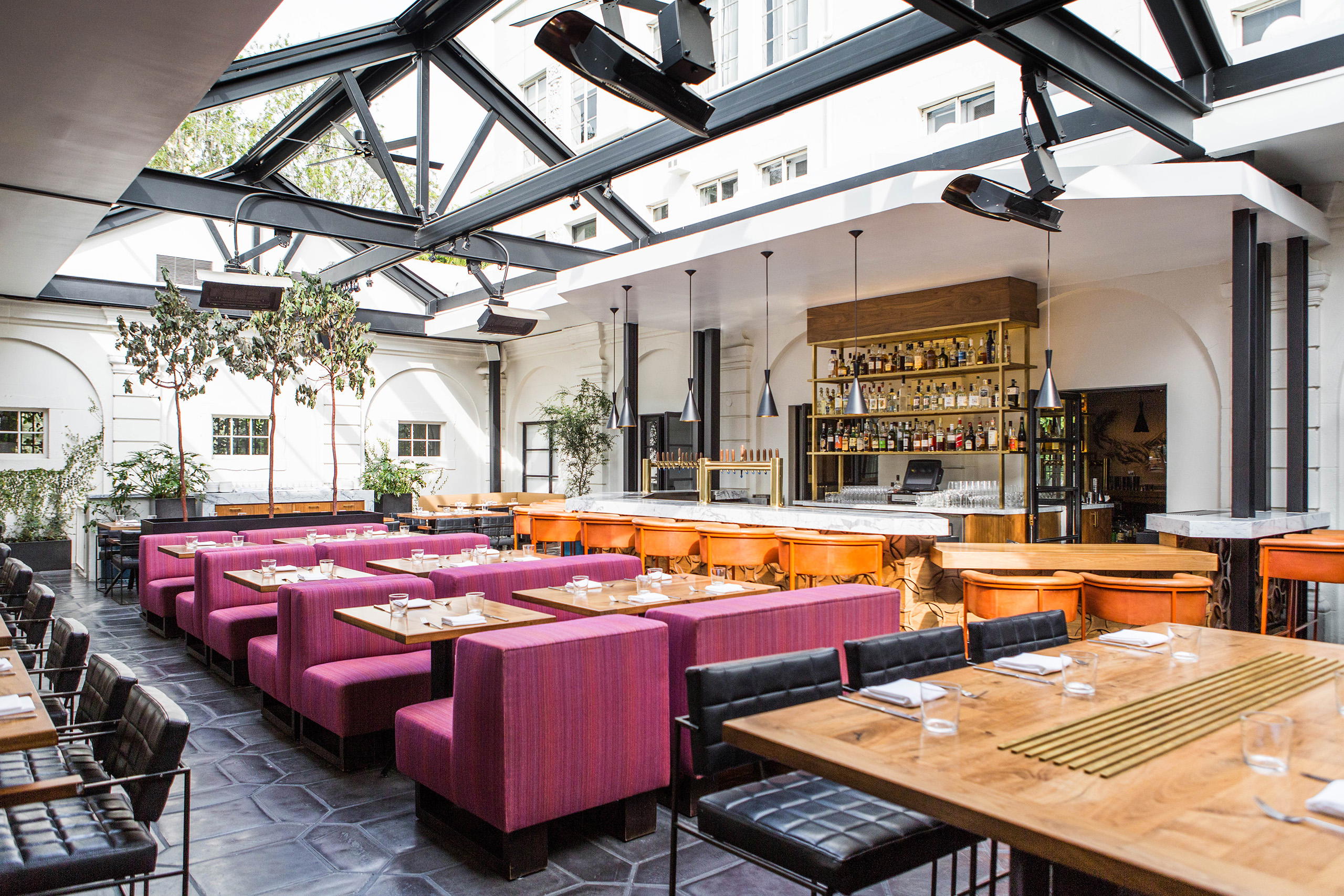
Bars in Los Angeles
All bars in Los Angeles →
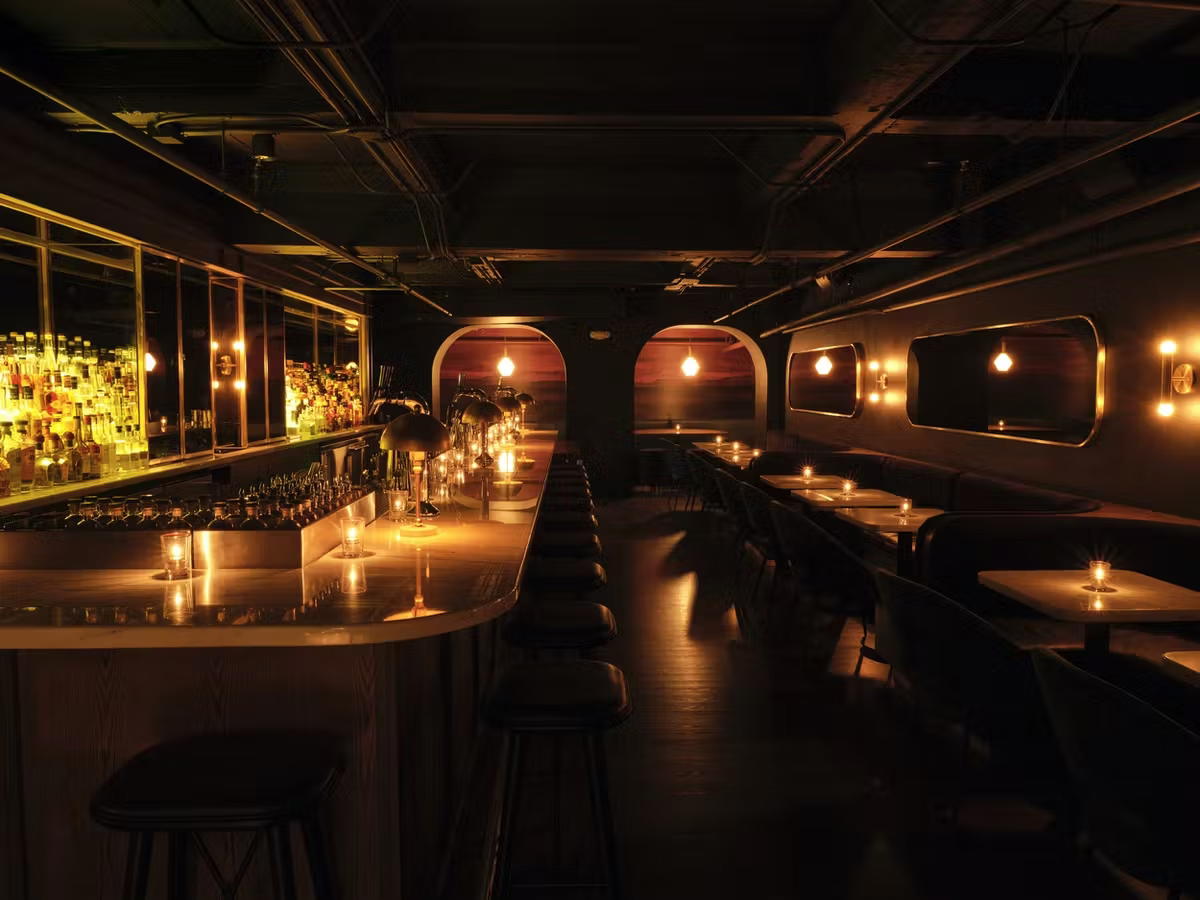
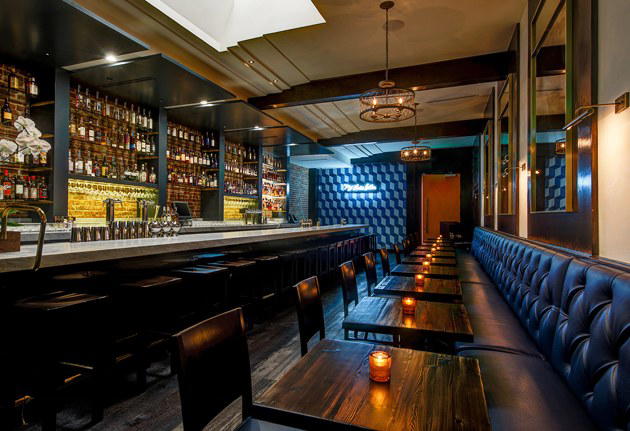
Hotels in Los Angeles
All hotels in Los Angeles →
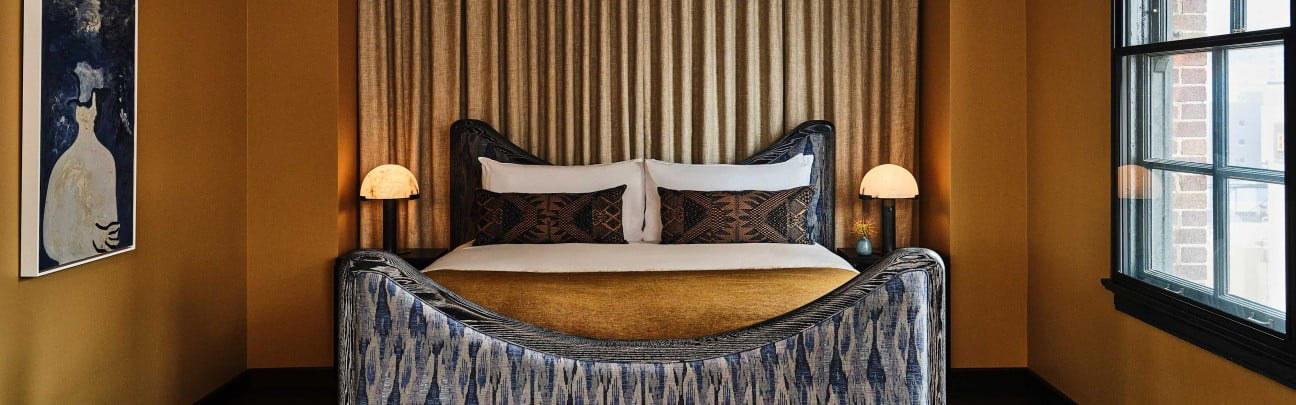

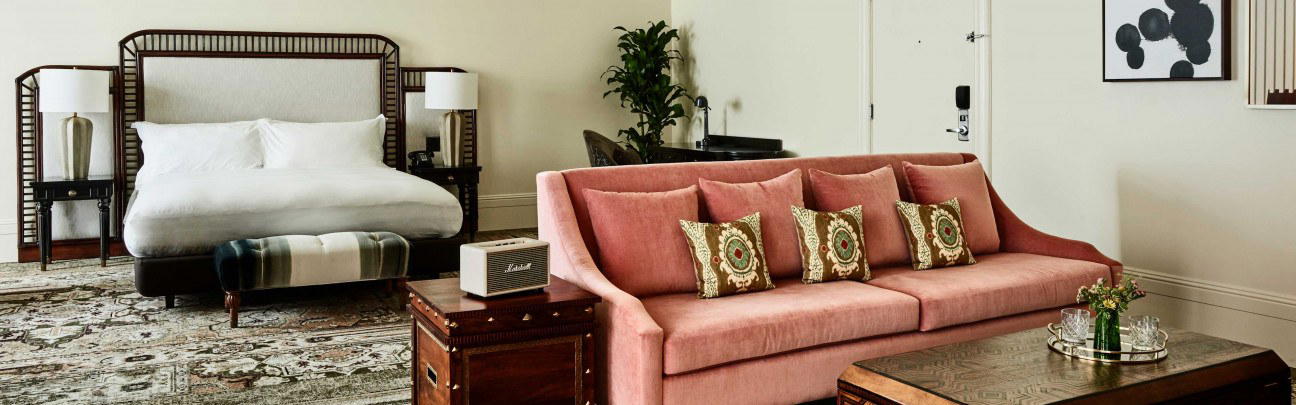

Wineries in Los Angeles
All wineries in Los Angeles →
Details
- Modern
- Elegant
- Sophisticated
- Business Dinner
- Special Occasion
- Group Dining
- Design Destination
- Sommelier Led
- Local Sourcing
- A La Carte
Current opening hours
- Monday
- Closed
- Tuesday
- Closed
- Wednesday
- Closed
- Thursday
- 6:30–10 PM
- Friday
- 6:30–10 PM
- Saturday
- 6:30–11 PM
- Sunday
- Closed
Hours can change for holidays and private events. Last verified .
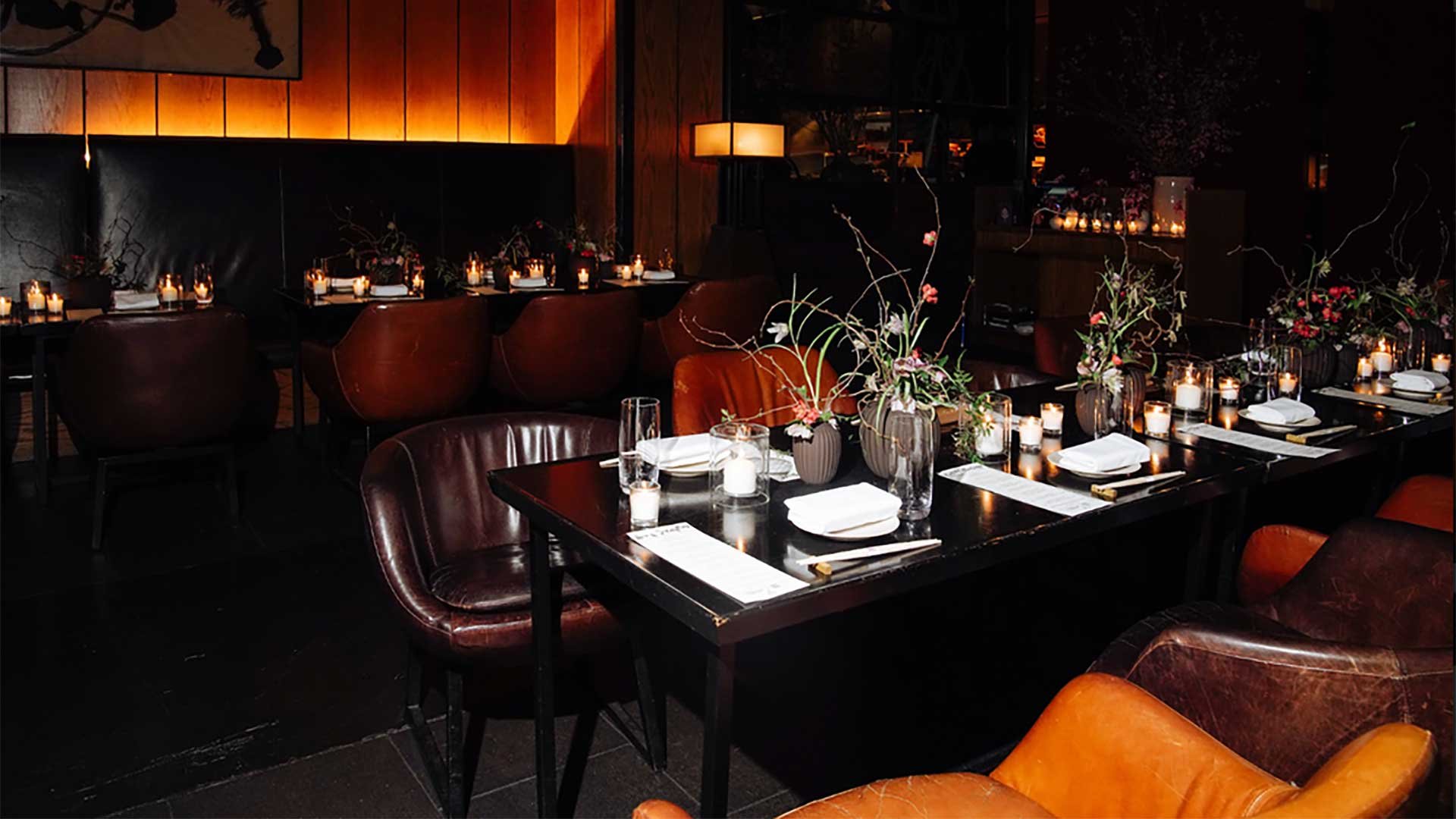
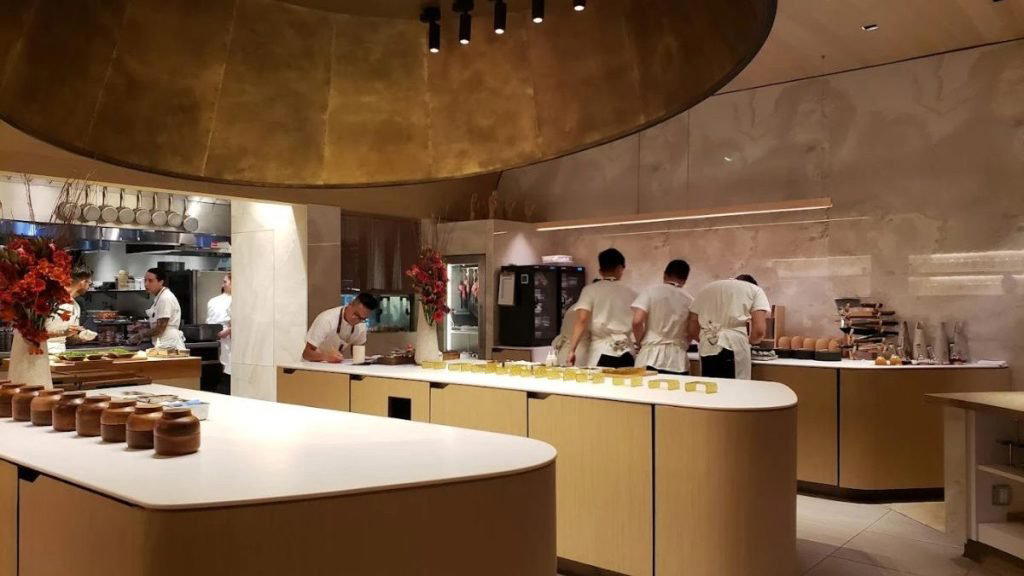
Theatrically lit interior with modern metallic decoration exuding understated luxury and high-end chill atmosphere.