Holbox






Holbox makes Los Angeles seafood feel inseparable from the city’s market culture: counter service, Mexican coastal technique, Southern California sourcing, and serious national recognition in a room shared with other vendors. Chef Gilberto Cetina Jr’s cooking has drawn James Beard attention and OAD ranking, but the draw is the way ceviches, tacos, tostadas, aguachiles, dry-aged fish, and a weekly tasting format make a market stall operate at restaurant-review gravity.
Pearl is the En Primeur Club membership app — saves, bookings, and concierge access live there. Same editors, same standards.
- Address
- 3655 S Grand Ave c9, Los Angeles, CA 90007
- Phone
- (213) 986-9972
- Website
- holboxla.com
- Directions
- Get directions
 Saves & bookings on Pearl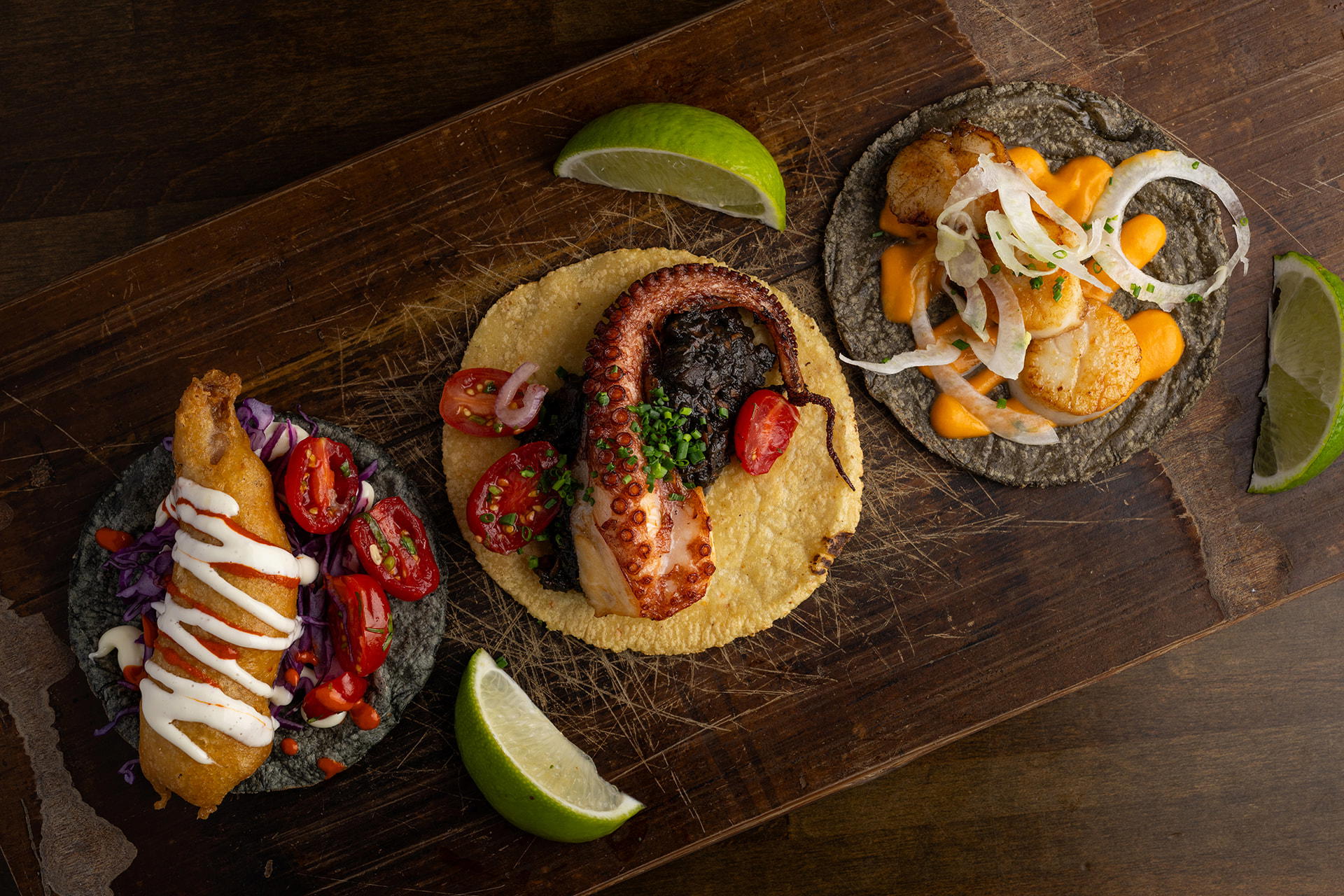
Inside Los Angeles, the first impression is a working market-style rhythm: families at shared tables, orders called across counters, neighboring vendors in a lunch rush, and seafood moving through a casual format with serious intent. Los Angeles rewards restaurants that ignore categories, and Holbox fits that tradition: market-fresh Mexican seafood shaped by community buzz, Southern California produce, regional memory, and the democratic architecture of a public room.
The city’s seafood conversation often splits between coastal dining rooms, counters, and high-volume casual spots. Holbox occupies a sharper lane, using counter-service accessibility while earning recognition usually attached to formal rooms: James Beard Foundation 2026 Restaurant and Chef Award semifinalist and nominee attention in the Outstanding Chef category, plus strong word-of-mouth around its market-fresh Mexican seafood. The signals matter because the format rejects luxury shorthand; the argument is sourcing, freshness, and fish handling, not ceremony.
Mexican seafood with a Los Angeles supply chain
Read the menu through the seafood, not a generic “Mexican restaurant” frame. The point is market-fresh Mexican seafood meeting Southern California access. The cooking centers seafood and a counter-service setting, placing it closer to a serious seafood counter than a casual stop, even with informal ordering.
The restaurant’s background explains the technical spine without turning the room into a personality exhibit. Holbox reads as market-fresh Mexican seafood translated for Los Angeles: not nostalgia copied intact, but a Pacific-facing version using local ingredients, regional references, and the city’s appetite for hybrid forms.
Public attention often returns to the seafood handling, the brightness of the preparations, and the way fresh catch is allowed to anchor the frame. The lineup can shift, but the lesson stays stable: in a city full of expensive seafood, Holbox refuses to separate craft from access.
Within Mexican seafood, Coni'Seafood offers another reference outside the formal dining circuit. The contrast is format, not a simple better-or-worse: an established Mexican seafood grammar on one side, a market-counter expression in Los Angeles on the other.
The market format is part of the critique
The Los Angeles setting changes the meal before the first plate arrives. Shared seating, a public pace, and a community-market feeling keep the room from becoming precious. In Los Angeles, serious restaurants often signal ambition by removing friction: formal service cues, polished atmosphere, and demand-filtering reservations. Here, the room absorbs the energy. The counter can feel busy, public, and practical, making national praise more interesting, not less.
The experience is not built around fine-dining ceremony. For some diners, that removes a familiar luxury cue; for others, it sharpens focus on seafood itself. Holbox’s appeal is that the same seafood logic can feel direct, communal, and highly considered without needing the trappings of a formal dining room.
That duality explains the attention beyond the neighborhood circuit. A meal here reads as an advanced seafood counter and as a controlled expression of a focused pantry. Los Angeles excels at this compression, where a market-style room or counter-service operation can compete culturally with dining rooms spending far more on atmosphere.
Readers mapping the city can place this stop beside other Los Angeles dining formats generically: seafood counters, polished dining rooms, precision-driven kitchens, casual American registers, and neighborhood favorites. The contrast shows Los Angeles has no single prestige dining language, and this market counter proves how wide the serious-food bandwidth has become.
How to think about ordering
Order by freshness, temperature, acidity, and richness rather than appetizer-to-main sequence. Lighter seafood preparations can set the register; more substantial ones can add structure; the strongest orders keep the seafood at the center. When available, more elaborate seafood preparations show the kitchen’s technical side without requiring a formal dining room.
The strongest way to read Holbox is category-first rather than chasing a fixed checklist. Seafood is not treated as neutral protein; it can carry brightness, depth, texture, and freshness. Critics and diners tend to highlight the precision of the seafood vocabulary, though the safer stance is to trust the handling of the day’s seafood rather than one trophy plate.
Planning should be simple but not careless. The restaurant operates in Los Angeles with a counter-service baseline and a serious seafood focus; it best fits diners who want high-impact cooking without a luxury-room script. For families, the public setting can make it easier than many award-recognized restaurants, though seafood preferences and a busy communal room matter. For a wider city plan, use Our full Los Angeles restaurants guide, then build the trip through Our full Los Angeles hotels guide, Our full Los Angeles bars guide, Our full Los Angeles wineries guide, and Our full Los Angeles experiences guide.
It also belongs to a broader West Coast and Pacific conversation about casual formats doing serious work. Across Los Angeles and other cities, tightly focused counters, seafood rooms, and community-driven dining spaces can carry more editorial weight than broad menus. Holbox earns its place because the market-style setting is not a compromise. It is the mechanism where Los Angeles seafood, market-fresh Mexican seafood, and public-room energy meet without smoothing their edges.
Quick Comparison
Comparable venues by cuisine and price in the same metro.
| Venue | Cuisine | Price | Awards | Notes |
|---|---|---|---|---|
| HolboxThis venue — the venue you are viewing | Modern Mexican Seafood | $$ | Michelin 1 Star | Not listed |
| Somni | Modern Spanish Fine Dining | $$$$ | Michelin 3 Star | Norma Triangle |
| Mélisse | California-French Fine Dining | $$$$ | Michelin 2 Star | Santa Monica |
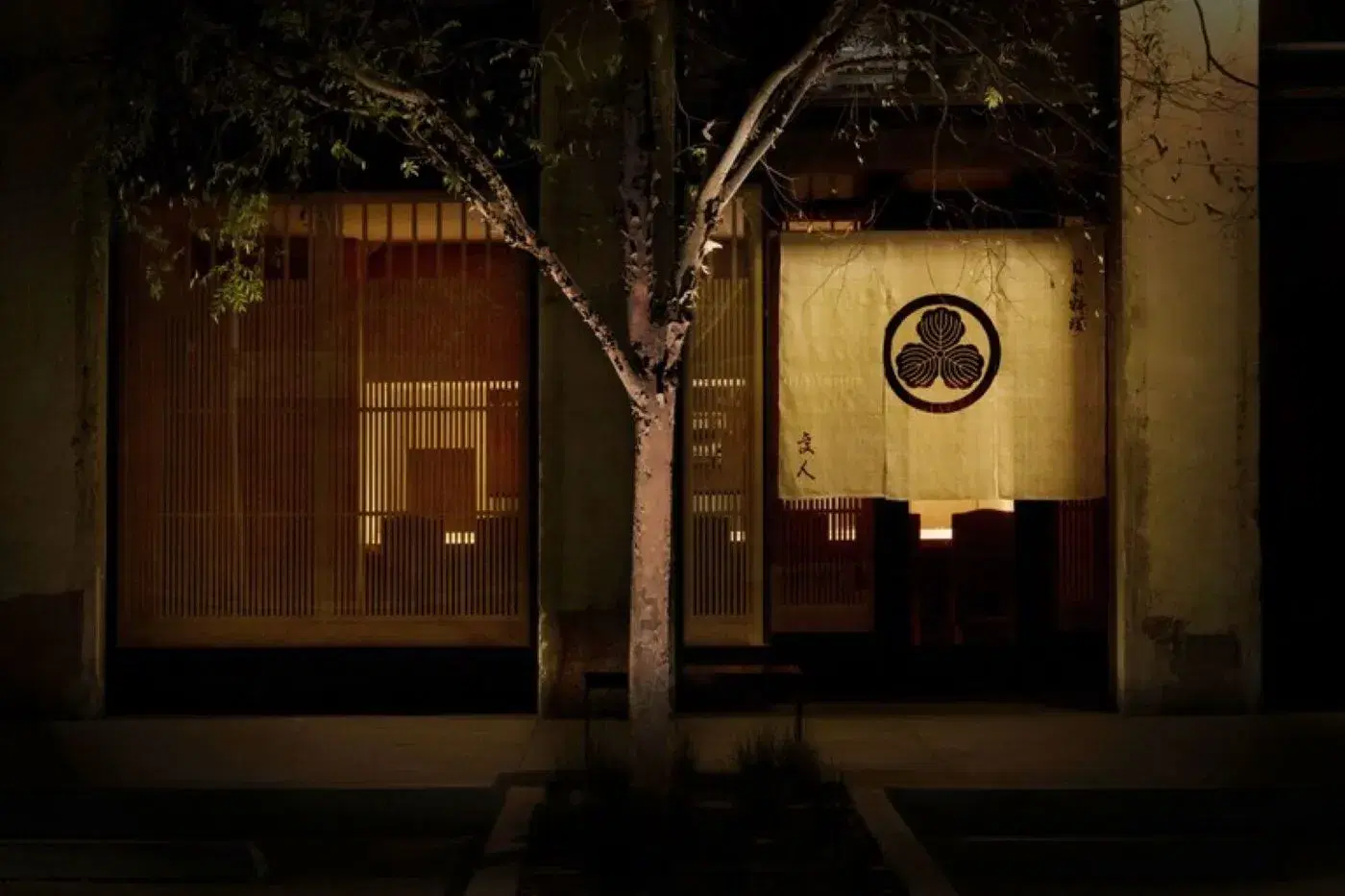
| Hayato | Traditional Japanese Kaiseki | $$$$ | Michelin 2 Star | Downtown |
| Vespertine | Avant-Garde Tasting Menu | $$$$ | Michelin 2 Star | Hayden Tract |
| Kato | Modern Taiwanese Fine Dining | $$$$ | Michelin 1 Star | Downtown |
Recognition history
Dated appearances from independent guides and award organizations, with the underlying list record or original source where available.
James Beard Award Nominee
James Beard Award
James Beard Award Semi Finalist
James Beard Award
Michelin 1 Star
Michelin
Opinionated About Dining Top Restaurants in North America Ranked #53
Opinionated About Dining
World's 50 Best North America's Best Restaurants #26
World's 50 Best
James Beard Award Semi Finalist
James Beard Award
LA Taco Best Tacos in LA #2
LA Taco
Michelin 1 Star
Michelin
Opinionated About Dining Top Restaurants in North America Ranked #43
Opinionated About Dining
World's 50 Best North America's Best Restaurants #42
World's 50 Best
LA Times 101 Best Restaurants #5
LA Times
Michelin 1 Star
Michelin
Opinionated About Dining Top Restaurants in North America Ranked #49
Opinionated About Dining
Opinionated About Dining Top Restaurants in North America Ranked #107
Opinionated About Dining
Continue exploring
More in Los Angeles
Restaurants in Los Angeles
Browse all →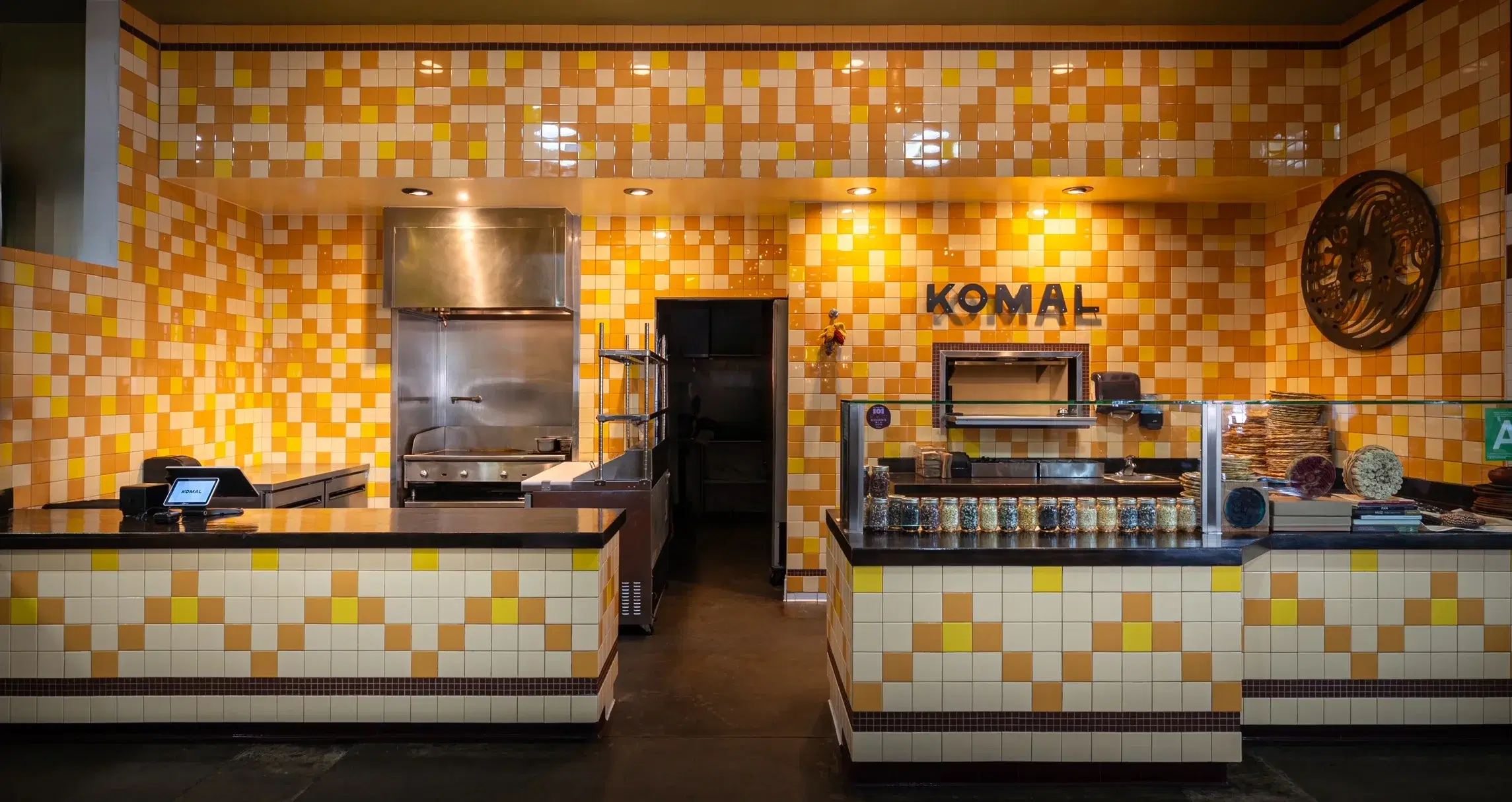
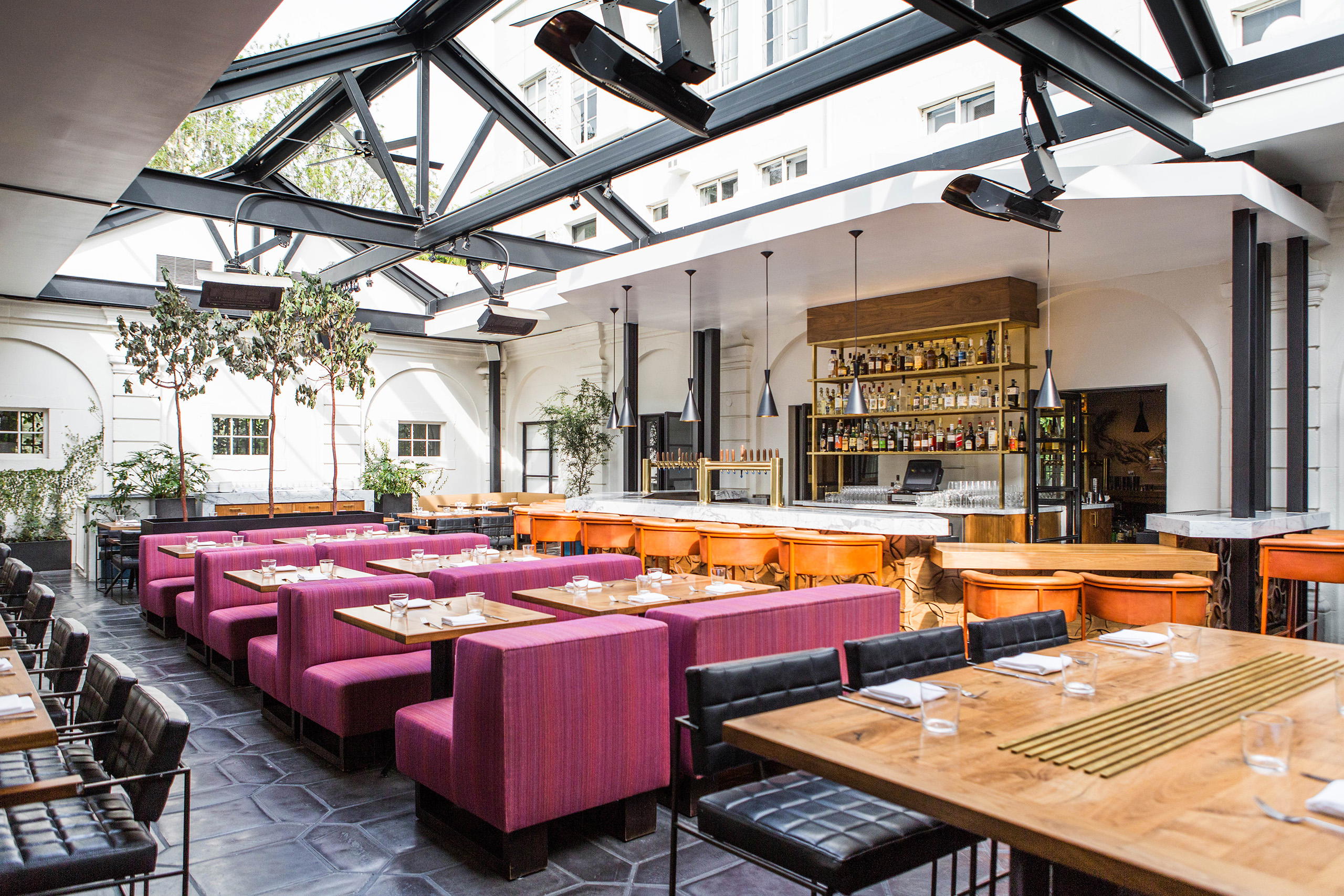
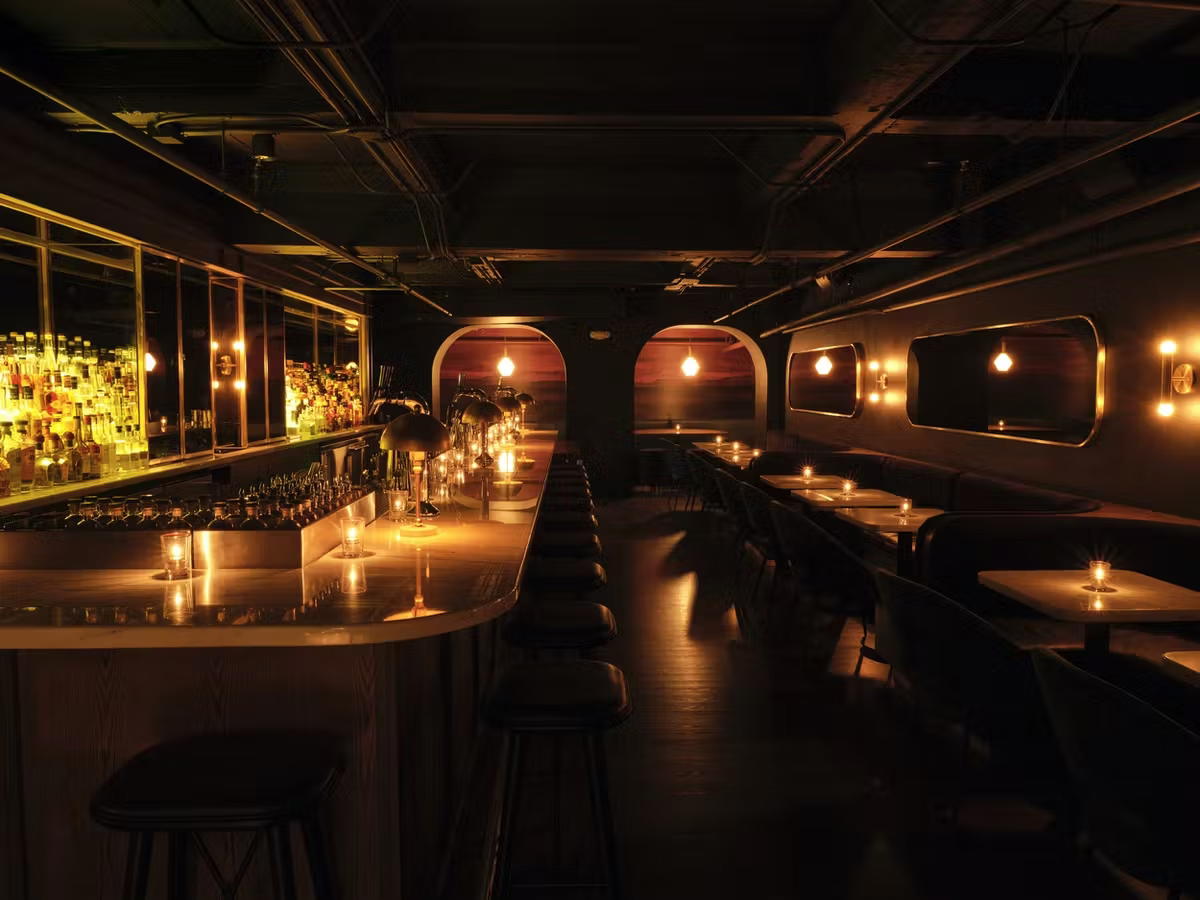
Bars in Los Angeles
Browse all →
Hotels in Los Angeles
Browse all →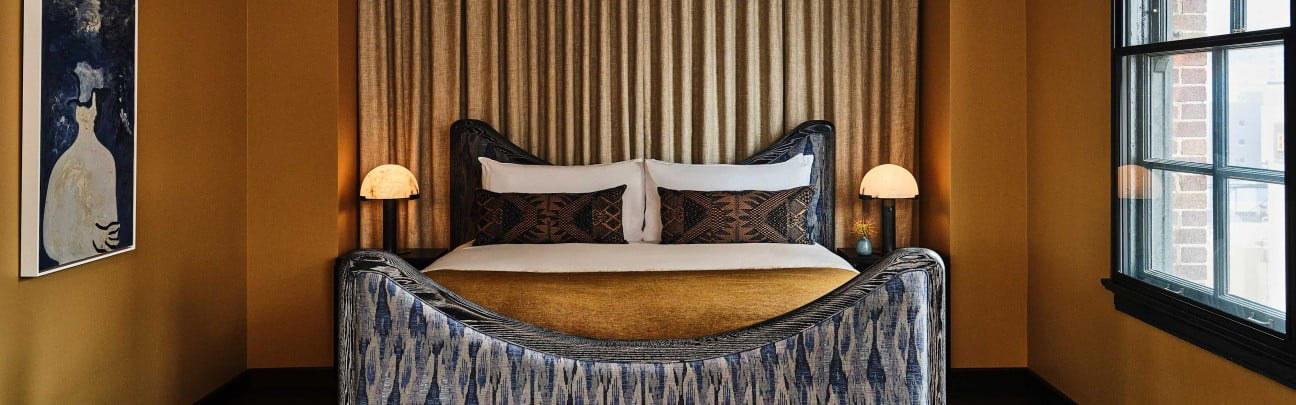

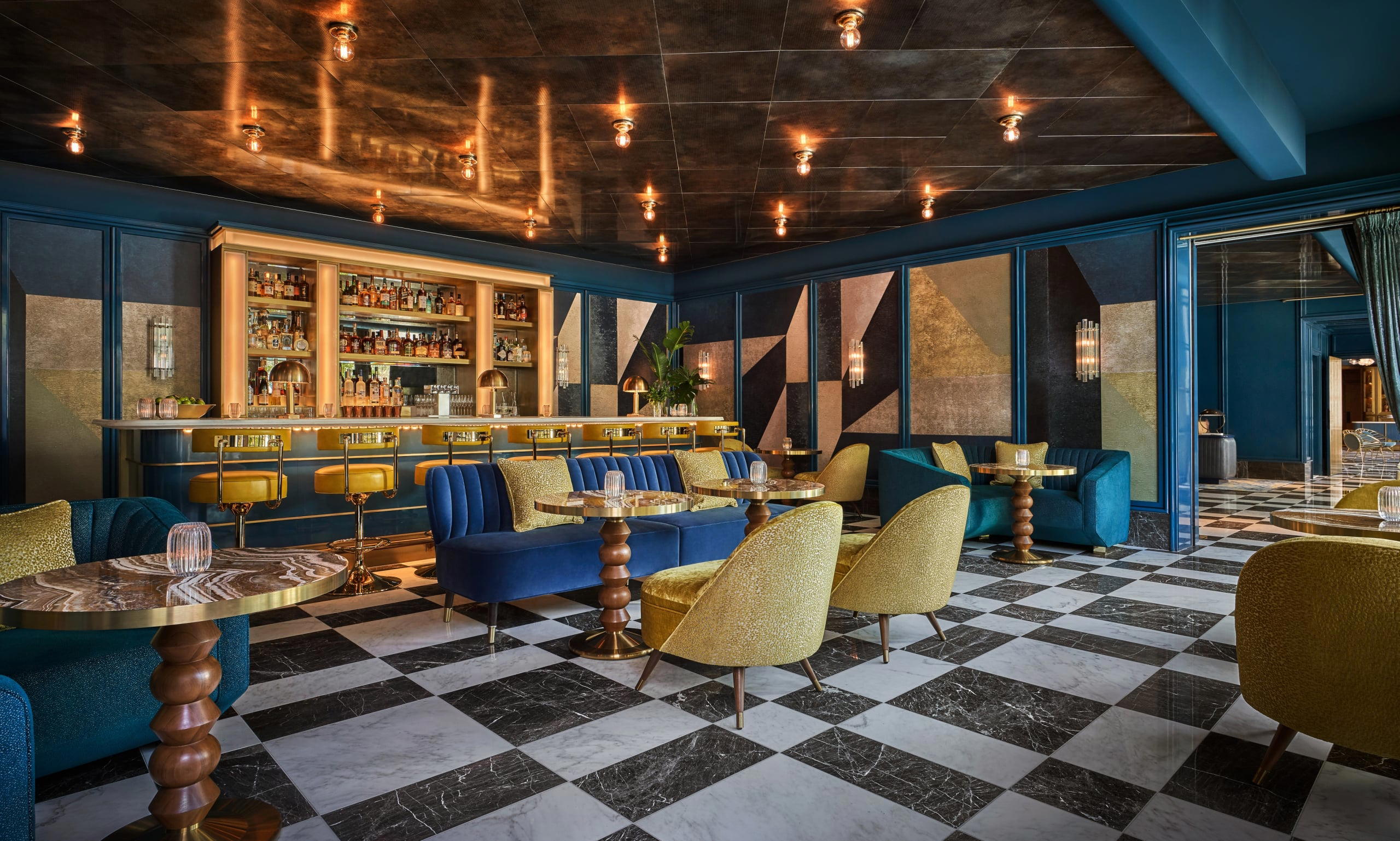
Wineries in Los Angeles
Browse all →
At a Glance
- Trendy
- Lively
- Cozy
- Casual Hangout
- Date Night
- Open Kitchen
- Local Sourcing
- Sustainable Seafood
Current opening hours
- Monday
- Closed
- Tuesday
- 11:30 AM–9 PM
- Wednesday
- 11:30 AM–9 PM
- Thursday
- 11:30 AM–9 PM
- Friday
- 11:30 AM–10 PM
- Saturday
- 11:30 AM–10 PM
- Sunday
- 11:30 AM–9 PM
Hours can change for holidays and private events. Last verified .
Casual food hall counter seating with lively, unpretentious atmosphere and outstanding service amid fresh seafood aromas.