
Tabelog 100 #67
Our verdict
Chuka Soba Senmon Tonchibo places Hidaka inside the serious Saitama ramen conversation: a 16-seat ramen and tsukemen shop with repeated Tabelog Ramen EAST 100 selections from 2022 through 2025. The draw is not luxury dining but ingredient-led noodle culture, where broth, noodles, sake, and rural access shape the experience as much as the bowl.

Pearl is the En Primeur Club membership app, where members save venues, book tables and use the concierge.
The menu
What to order
- Chuka soba (niboshi shoyu)
- Tokusei tsukesoba
- Pork belly cartilage rice (butabara nankotsu gohan)
The approach to ramen in Hidaka feels different from the station-dense circuits of central Tokyo. The setting gives the meal more air: a low-rise Saitama rhythm, drivers arriving as readily as rail passengers, and a dining room built around a compact counter-and-table format rather than a long urban queueing corridor. In that context, Chuka Soba Senmon Tonchibo reads less like a quick refuelling stop and more like a regional ramen address with a defined point of view.
Saitama’s ramen culture has long benefited from proximity to Tokyo without being absorbed by it. The eastern Japan ramen map rewards shops that can justify a detour, and the Tabelog Ramen EAST 100 selections are a useful signal because they gather serious ramen rooms across a broad competitive field rather than a single neighbourhood. Selection in 2022, 2023, 2024, and 2025 places this Hidaka counter in a sustained recognition bracket, not a passing online spike.
Ingredient-led ramen culture outside the Tokyo rush
The useful way to read this shop is through sourcing and category discipline. The listed categories are ramen and tsukemen, a pairing that asks different things from the kitchen: soup balance for one, noodle texture and dipping concentration for the other. That split matters because many regional ramen rooms build identity around either a single soup style or a broader menu meant to capture casual traffic. Here, the tighter ramen-tsukemen frame suggests a specialist format rather than a general noodle canteen.
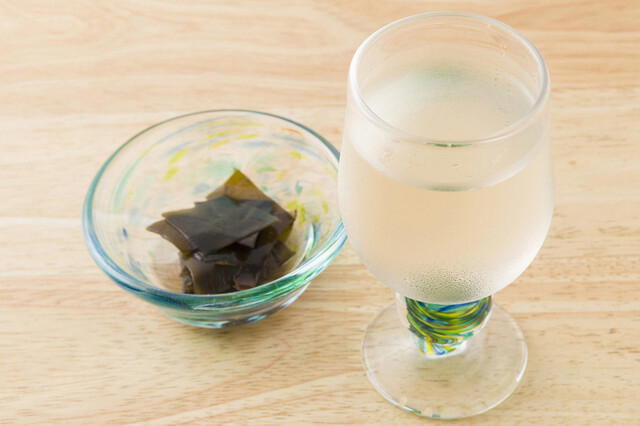
The drink listing also matters. Sake, with a noted emphasis on nihonshu, is not decoration in a ramen setting; it points to a dining culture where the bowl can sit alongside Japanese brewing rather than only soft drinks and beer. That does not turn the meal into formal dining. It does, however, place the room closer to Japan’s modern ramen specialists, where ingredient origin, broth structure, noodle handling, and drink compatibility are treated as part of the same conversation.
Compared with out-of-metro peers such as Gamushara, Kagacha, amrit, Sanchome no Teuchi Udon, and Jikasei Temomi Men Suzunoki, the pricing band sits in the accessible everyday range rather than a premium tasting-counter bracket. That is one reason ramen remains one of Japan’s sharpest value propositions: technique, repetition, and sourcing can be judged in a short meal without the ceremony or cost structure of kaiseki, sushi, or French-influenced dining.
A small room with a regional rhythm
The room is compact, with 16 seats divided between counter and tables. That mix changes the atmosphere. Counter seating suits solo diners and ramen purists who want a direct view of the pace of service, while tables make the format workable for families in a way many narrower city ramen shops do not. The listing notes children are welcome, including babies, preschoolers, and school-age children, and strollers are accommodated. Accessibility is also part of the practical picture, with wheelchair access noted and staff assistance available at the entrance step.
This is not a luxury-room experience, and expecting one would miss the point. The atmosphere belongs to serious casual Japan: concise service, short dwell time, and a customer base that treats ramen as a focused meal rather than a drawn-out occasion. The non-smoking policy reinforces that contemporary ramen-shop baseline. Take-out is listed too, which widens the shop’s role beyond the seated bowl and into the local food routine.
For travellers using Hidaka as more than a pass-through, the restaurant also helps explain the area’s appeal. The city sits outside the compression of Tokyo dining, where rail access, parking, and neighbourhood pace create a different kind of meal planning.
Where it fits in a Japan food itinerary
Ramen trips often expose a useful truth about Japanese dining: the strongest meals are not always tied to city prestige or high spend. A shop with repeated Tabelog Ramen EAST 100 recognition, a defined ramen-tsukemen focus, and a small room can carry more editorial weight than a broader restaurant with a longer menu and weaker identity. Chuka Soba Senmon Tonchibo is for travellers who value category precision over dining-room theatre.
It also sits well inside a broader Japan itinerary that treats regional eating seriously. For contrast across styles and cities, EP Club’s restaurant archive ranges from -Grilled beef Sukiyaki- KAMAKURA TANUKIAN 鎌倉 たぬき庵 in Kamakura and . 鮪と炭火焼き うお炭 秋葉原店 in Tokyo to .cafe in Osaka, .know in Kumamoto, and (Shoku) Vietnam in Kawasaki. The spread is instructive: Japan’s dining strength is not a single genre, but the precision with which each format defines its own rules.
Other comparisons sharpen the point. [Curry Senmon Ten] Maruyama Kyoju. in Sapporo, [ki:] in Kyoto, #肉といえば松田 奈良本店 in Kashihara, 1/3 HAMBURGER FACTORY in Kanazawa, 1000 in Yokohama, and 1000mヒュッテ 1000m Hut in Kutchan all point toward the same editorial lesson: format clarity is often more valuable than breadth. Even outside Japan, places such as Jōdo Saké Bar in Los Angeles and Onigiri Time in Pasadena show how Japanese food culture travels through specialisation rather than menu sprawl.
The decision case is simple. Travellers chasing formal service, long seating times, or elaborate tasting-menu pacing should look elsewhere. Travellers interested in how regional ramen earns repeat recognition, how a small shop balances solo and family use, and how ingredient focus can justify a detour from central Tokyo will understand why this Hidaka address has held attention across multiple award cycles.
Frequently asked questions
Is Chuka Soba Senmon Tonchibo okay with children?
Yes. The venue lists children welcome, including babies, preschoolers, and school-age children, plus strollers welcome. It also has 16 seats at counter and tables in Hidaka, which makes it workable for mixed-age groups.
What should I expect atmosphere-wise at Chuka Soba Senmon Tonchibo?
Expect a compact, daytime ramen shop rather than a long meal spot: 16 seats, counter seating, and lunch service Monday to Saturday from 11:30 AM to 2:30 PM. The setting is non-smoking, take-out is available, and the shop sits in Kuritsubo, Hidaka, with parking on site.
What does dinner at Chuka Soba Senmon Tonchibo typically cost?
Pricing at Chuka Soba Senmon Tonchibo is listed as JPY 1,000 - JPY 1,999.
What time does Chuka Soba Senmon Tonchibo open and close?
Hours at Chuka Soba Senmon Tonchibo: Mon: 11:30 AM–2:30 PM; Tue: 11:30 AM–2:30 PM; Wed: 11:30 AM–2:30 PM; Thu: 11:30 AM–2:30 PM; Fri: 11:30 AM–2:30 PM; Sat: 11:30 AM–2:30 PM; Sun: Closed.
A Quick Peer Check
Comparable venues by cuisine and price in the same metro.
| Venue | Cuisine | Price | Awards | Notes |
|---|---|---|---|---|
| Chuka Soba Senmon TonchiboThis venue (the venue you are viewing) | Ramen / Chuka soba specialist | $10–20 | Tabelog 100 #67 | Not listed |
| Umemura | Japanese Soul Food | Not listed | Tabelog 100 #44 | Koto |
| Teuchi Udon Kogera | Handmade Udon & Tempura | Not listed | Tabelog 100 #94 | Tokyo |
| Takasago Horumon | Horumon & Yakiniku (Offal BBQ) Izakaya | $20–30 | Tabelog 100 #92 | Chichibu |
| Yoshisumi | Japanese Udon | $1–10 | Tabelog 100 #90 | Gyoda |
| Tsurukamedo Zenzai | Okinawan Shaved Ice (Zenzai) | $1–10 | Not listed | Yomitan Village |
Recognition history
Dated appearances from independent guides and award organizations, with the underlying list record or original source where available.
Tabelog 100 #67 · No. 67
Tabelog · Tabelog 100 - Ramen - EAST - 2025
Continue exploring
More in Hidaka
Restaurants in Hidaka
All restaurants in Hidaka →




Bars in Hidaka
Browse all →



Hotels in Hidaka
Browse all →




Wineries in Hidaka
Browse all →
Details
- Lively
- Cozy
- Solo
- Casual Hangout
- Family
- Group Dining
- Standalone
- Local Sourcing
- A La Carte
- Counter Dining
Current opening hours
- Monday
- 11:30 AM–2:30 PM
- Tuesday
- 11:30 AM–2:30 PM
- Wednesday
- 11:30 AM–2:30 PM
- Thursday
- 11:30 AM–2:30 PM
- Friday
- 11:30 AM–2:30 PM
- Saturday
- 11:30 AM–2:30 PM
- Sunday
- Closed
Hours can change for holidays and private events. Hours as of .
Casual, bustling ramen shop atmosphere with counter-focused seating, quick turnover, and a cozy feel that fits its status as a local destination near the Kinchakuda area rather than a design‑driven space.