Our verdict
Located at a Marunouchi address in Chiyoda, Tokyo, åç°å sits within one of the city's most formally composed commercial districts, where high-end dining operates at a different register than the neighbourhood counters of Shinjuku or Shibuya. With limited publicly available data, the venue occupies an intriguing position in Tokyo's premium scene, drawing interest precisely because of what remains unannounced.

Pearl is the En Primeur Club membership app, where members save venues, book tables and use the concierge.
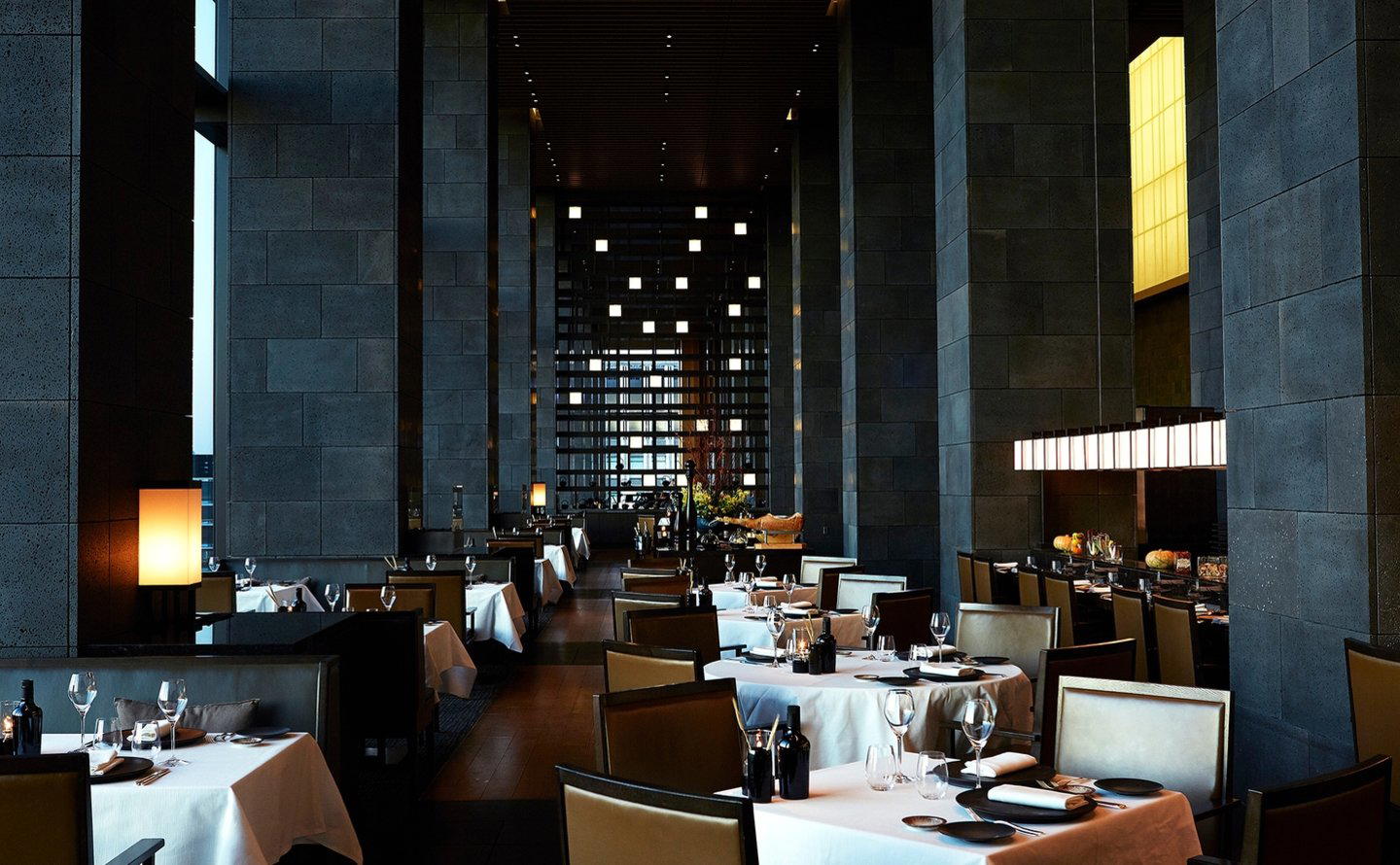
Marunouchi and the Architecture of Restraint
Tokyo's dining geography is unusually legible to those who know how to read it. Shibuya and Shinjuku carry energy and volume. Ginza prices against international trophy collectors. But Marunouchi, the business district that fans out from Tokyo Station's western exits, operates on a different set of codes. The buildings here were designed for seriousness: wide stone corridors, atria that absorb noise rather than amplify it, retail that skews toward tailored suits rather than fashion drops. When a restaurant occupies space in Chiyoda's Marunouchi belt, it is already making a statement about register before a single dish is served.
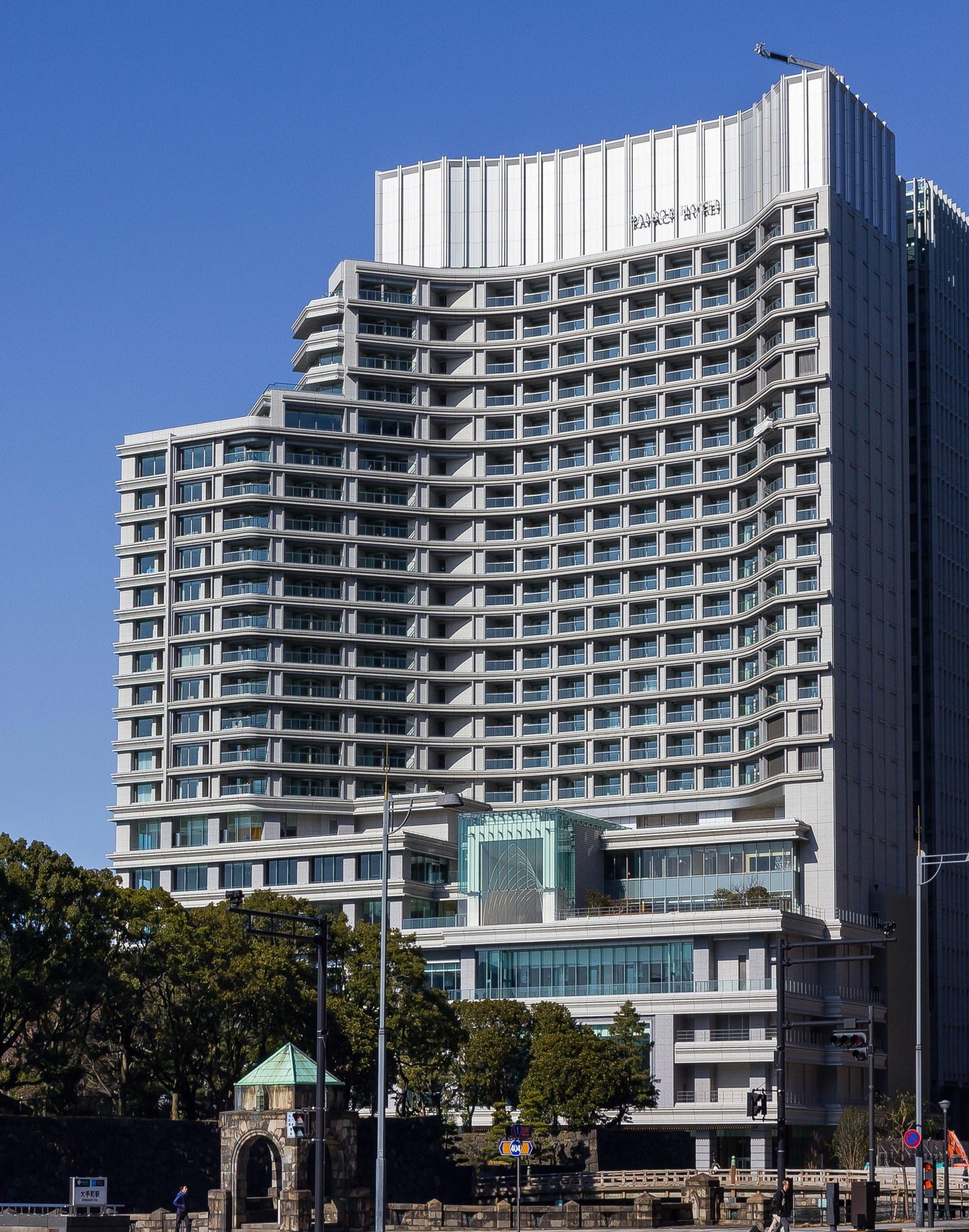
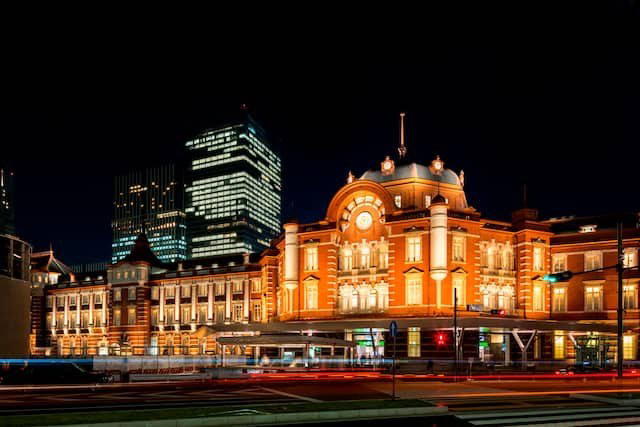
åç°å sits at a Marunouchi address, specifically within the 1 Chome-1-1 Marunouchi block, which places it inside one of the district's most formally composed corridors, steps from the red-brick facade of Tokyo Station's Marunouchi Central Exit. The physical container matters in Tokyo more than in most cities. Here, the room is not background scenery; it is the first argument the restaurant makes about itself.
What the Room Argues
In Tokyo's premium dining tier, interior design functions as a credentialing system. The counter omakase rooms of Ginza reduce everything to a strip of檜 (hinoki cypress) between chef and diner. The kaiseki houses of Akasaka deploy shoji screens and raked garden views to frame the seasonal logic of their menus. Marunouchi venues operate within a different visual vocabulary: the district's architecture tends toward mid-century modernism and post-bubble refinement, with materials chosen for longevity rather than warmth.
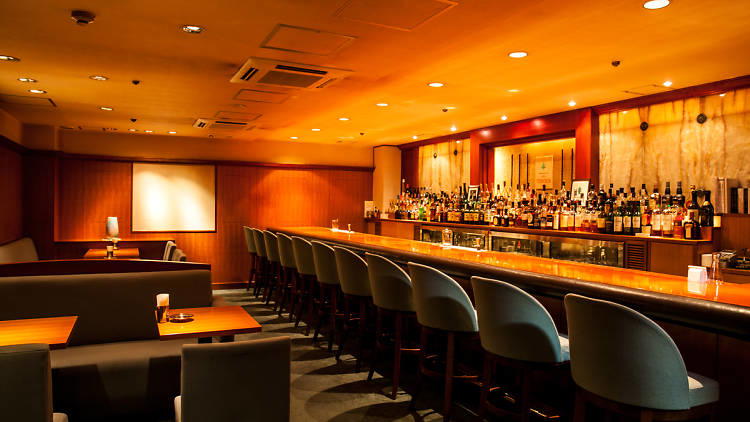
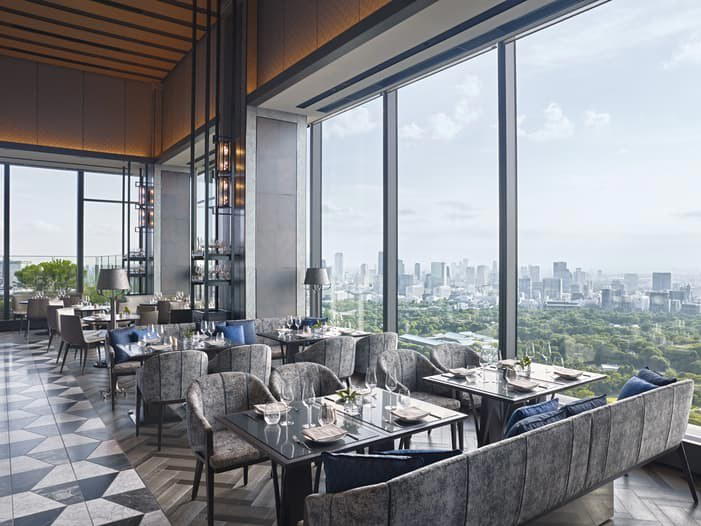
Without confirmed interior specifications for åç°å, what can be mapped is the neighborhood's design expectation. Restaurants at this address compete against a backdrop of polished stone lobbies and corporate hospitality suites, which means that the dining room must work harder on intimacy. The most successful venues in this district achieve that by contrasting scale: tight seating arrangements inside generous floor plans, low lighting against high ceilings, natural materials used sparingly enough to register as deliberate. The effect, when it works, is a room that feels chosen rather than inherited.
That tension between architectural formality and culinary intimacy is a recurring condition in Tokyo's business-district dining, and it shapes the experience before the menu arrives. Compare this to the kaiseki rooms at RyuGin, where the interior's spare geometry is explicitly calibrated to the seasonal precision of the food, or the considered space at L'Effervescence, where the room's softness sets a counterpoint to the technical French cooking. In each case, the design position is inseparable from the dining proposition.
Chiyoda as a Dining District
Chiyoda's dining identity has shifted considerably since the mid-2010s, when the completion of several large-scale Marunouchi redevelopment projects brought international hotel brands and their attached restaurants into a district that had previously been dominated by corporate canteens and expense-account steak houses. The arrival of serious independent restaurants in this zone reflects a broader Tokyo pattern: as land costs in Ginza and Minami-Aoyama have compressed margins, operators have looked to adjacent districts where foot traffic is dense, spending power is high, and competition from destination dining is still relatively thin.
Tokyo's premier restaurant tier is extensively represented across the city. Harutaka holds its position among Ginza's serious sushi counters. Sézanne operates at the French end of the premium tier from its Four Seasons address. Crony represents the innovative French strand at a lower price point. Venues anchored to Marunouchi and Chiyoda have historically sat slightly outside this competitive conversation, seen as business-district reliable rather than destination-driven. The interesting question, for any new entry in this district, is whether it is positioning against the neighbourhood's existing hospitality register or trying to reframe what Marunouchi dining can be.
Tokyo in Wider Context
Understanding any Tokyo restaurant requires locating it within Japan's broader fine-dining geography, which has become far more distributed over the past decade. The Michelin reach that once concentrated prestige in Tokyo has extended to Osaka, Kyoto, and beyond. HAJIME in Osaka and Gion Sasaki in Kyoto are both relevant competitive references for what serious Japanese cooking looks like outside the capital. Smaller cities have developed their own serious tables: Goh in Fukuoka, akordu in Nara, Abon in Ashiya, affetto akita in Akita, Aji Arai in Oita, Ajidocoro in Yubari District, Akakichi in Imabari, and aki nagao in Sapporo each represent the regionalization of Japanese fine dining that Tokyo once monopolized.
For international travelers calibrating Japan against global fine-dining benchmarks, the relevant comparison points extend further. Le Bernardin in New York City and Lazy Bear in San Francisco both occupy the kind of committed-tasting-menu tier that Tokyo's leading tables compete within on a global scale. What distinguishes the Tokyo end of that conversation is the density of options at equivalent quality levels and the specificity of the traditions those kitchens are working within or against.
See our full Tokyo restaurants guide for broader coverage of where the city's dining scene is moving.
Know Before You Go
Address: 1 Chome-1-1 Marunouchi, Chiyoda City, Tokyo 100-0005, Japan
District: Marunouchi, Chiyoda, central Tokyo, immediate vicinity of Tokyo Station (Marunouchi exits)
Phone / Website: Not publicly listed at time of publication
Price Range: Not confirmed; Marunouchi district positioning suggests mid-to-upper tier
Hours: Not confirmed, verify directly before visiting
Reservations: Not confirmed, see walk-in note in FAQ below
Getting There: Tokyo Station (JR lines, Marunouchi subway line) is the primary access point; the Marunouchi Central Exit places you within the immediate block radius
Frequently asked questions
Where is åç°å in Tokyo?
åç°å is located at 1 Chome-1-1 Marunouchi, Chiyoda City, Tokyo 100-0005, Japan, Tokyo.
What do regulars order at 丸田?
At addresses of this tier in Marunouchi, the expectation is typically a set course rather than à la carte selection. Regulars at Tokyo counter rooms generally defer to the kitchen's judgment rather than arriving with a specific dish in mind.
Can I walk in to åç°å?
Reservations are recommended for åç°å in Tokyo. Confirm current policy via the venue's official channels.
What's the standout thing about åç°å?
åç°å is best approached by focusing on the core concept and signature offerings.
A Quick Peer Check
| Venue | Cuisine | Price | Awards | Notes |
|---|---|---|---|---|
| åç°åThis venue (the venue you are viewing) | Chinese | Not listed | Not listed | Not listed |
| Harutaka | Edo-Style Omakase Sushi | $200–300 | 3 Michelin Stars · World's 50 Best #76 | Sushi |
| L'Effervescence | Modern French with Japanese Influences | $200–300 | 3 Michelin Stars · World's 50 Best #69 | French |
| RyuGin | Modern Kaiseki | $500+ | 3 Michelin Stars · World's 50 Best #41 | Kaiseki, Japanese |
| Crony | Modern French with Japanese Influences | $150–200 | 2 Michelin Stars · World's 50 Best #34 | Innovative, French |
| Den | Modern Japanese Kaiseki | $150–200 | 2 Michelin Stars · World's 50 Best #51 | Innovative, Japanese |
Continue exploring
More in Tokyo
Restaurants in Tokyo
All restaurants in Tokyo →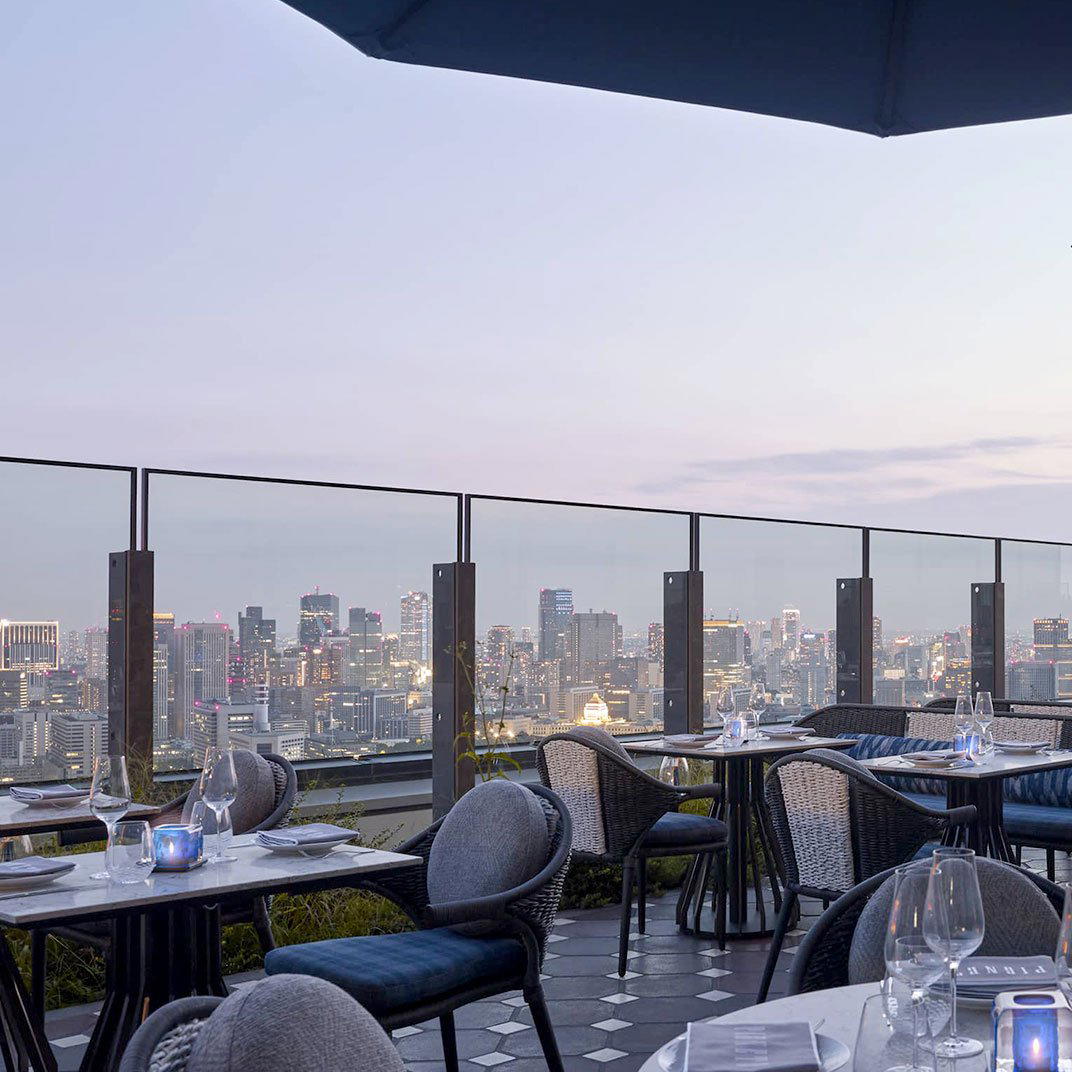

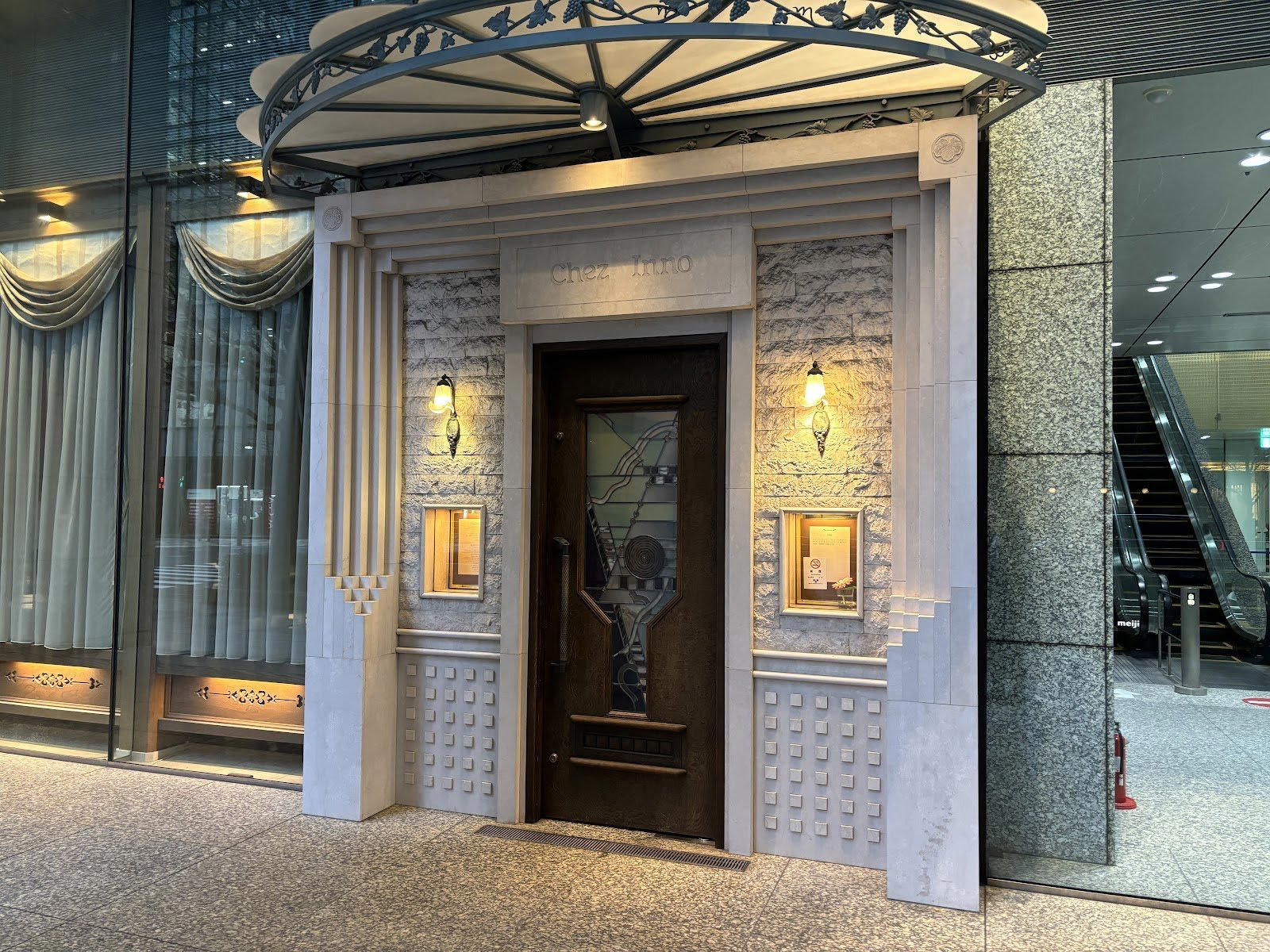
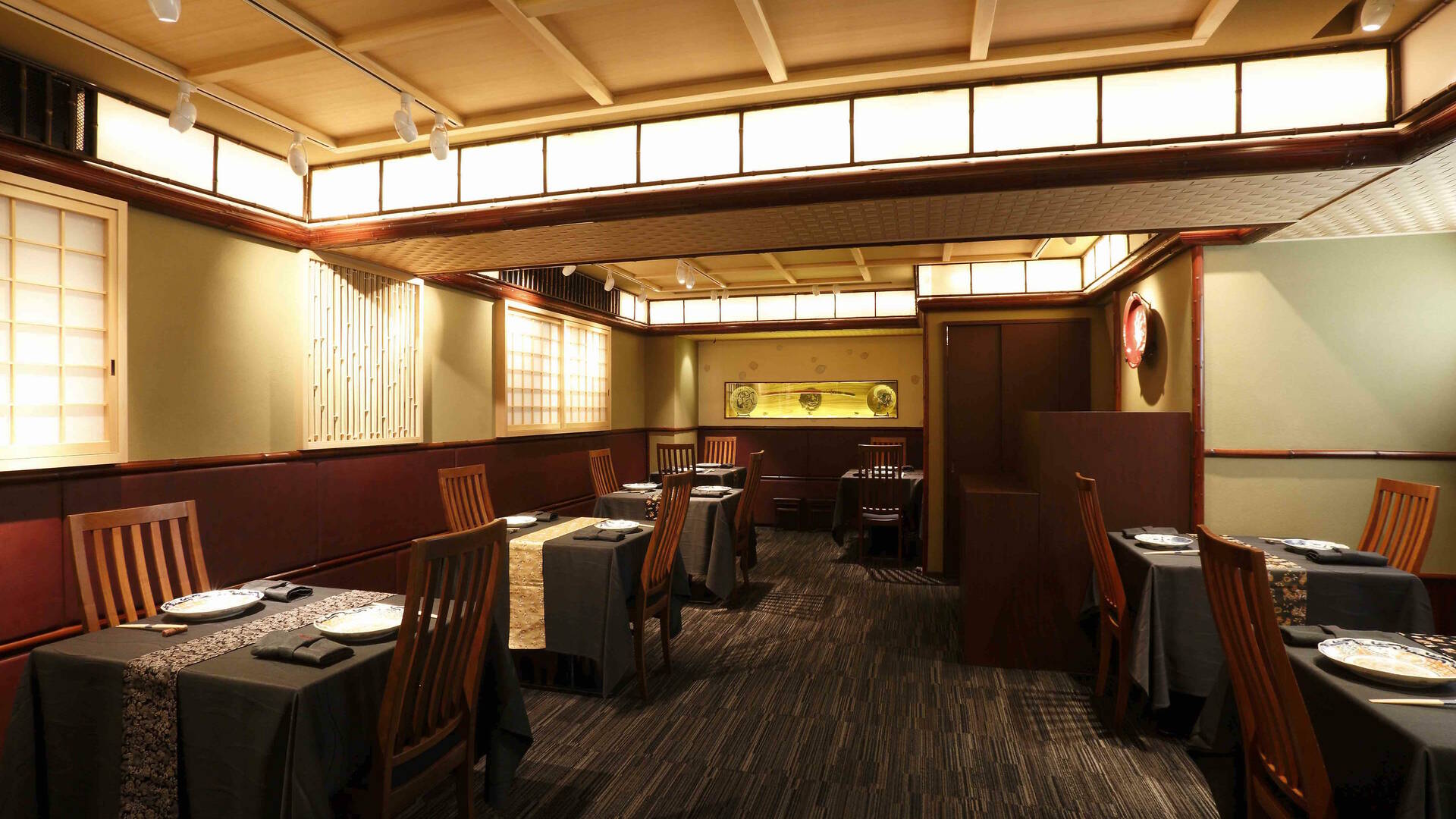
Bars in Tokyo
All bars in Tokyo →

Details
- Group Dining
- Family
- Standalone
- Small Plates
- A La Carte
Welcoming environment suitable for groups and families with table service.