

Chuen Kee Seafood on Sai Kung's Hoi Pong Street has held a Michelin Plate in both 2024 and 2025 while climbing steadily through Opinionated About Dining's Casual Asia rankings, reaching #72 in 2025. At a mid-range price point, it represents the working argument for why Sai Kung remains Hong Kong's most credible address for direct, high-quality Cantonese seafood outside the city centre.
Pearl is the En Primeur Club membership app — saves, bookings, and concierge access live there. Same editors, same standards.
- Address
- 53 Sai Kung Hoi Pong St, Sai Kung, Hong Kong
- Phone
- +852 2791 1195
- Website
- facebook.com
- Directions
- Get directions
 Saves & bookings on Pearl
Sai Kung's Seafood Row and Where Chuen Kee Fits
Hoi Pong Street in Sai Kung operates on a logic that most of Hong Kong's urban restaurant scene does not. The strip runs along the waterfront, tanks of live fish and crustaceans stacked outside each house, fishing vessels visible at anchor. The selection ritual happens before you sit down: point at what you want from the tank, agree a weight and cooking method, and the kitchen handles the rest. It is a format that has sustained Cantonese coastal towns for generations, and Sai Kung is the version of it that remains most accessible from the urban core of Hong Kong. In that context, Chuen Kee Seafood at 53 Hoi Pong Street occupies a specific and well-documented position. It is one of the operations on the street, and across 2023, 2024, and 2025 it drew consecutive recognition from two casual dining guides.
The Award Record and What It Actually Signals
Chuen Kee received Michelin Plate recognition in both 2024 and 2025. In the context of Sai Kung, which operates outside the city's fine-dining coordinates and outside the price brackets where Michelin attention tends to concentrate, a sustained Plate across multiple cycles carries more signal than it might elsewhere.
The Opinionated About Dining data is, if anything, more instructive about trajectory. OAD's Casual Asia list ranked Chuen Kee at #65 in 2023, #68 in 2024, and #72 in 2025. The directional movement across three consecutive years reflects a kitchen performing at a level that keeps generating votes from the travel-heavy, critic-adjacent readership that OAD draws. For a Sai Kung casual seafood house at a $$ price point, sustained presence in that bracket represents competitive standing. By comparison, the other Sai Kung addresses that appear in equivalent Hong Kong dining conversation, including Loaf On and Dragon Inn, occupy adjacent but distinct parts of the Sai Kung dining map, with different formats and price positions.
For a wider sense of how Hong Kong's seafood options compare across formats and price tiers, from Sai Kung casual to Central fine dining, the full Hong Kong restaurants guide maps the full range. At the fine-dining end, Lobster Bar & Grill at operates at a structurally different price and format level, which clarifies what Chuen Kee actually delivers at $$: market-priced Cantonese technique on ingredients sourced the same day, without the overhead of a hotel property.
The Cantonese Seafood Format
The cooking tradition at work here predates the restaurant category. Cantonese seafood cuisine in its coastal form prizes the ingredient above the preparation. Live fish, garoupa, sea bass, flounder, steamed with ginger, scallion, and soy are the reference point. The argument is that you do not need much technique when the fish came out of the water that morning, and the counter-argument is that you need excellent technique to not ruin it. Sai Kung's restaurants operate inside that discipline. Clams with black bean sauce, steamed crab, typhoon shelter preparations with garlic and chilli breadcrumb, braised abalone, salt-baked shrimp: these are the coordinates of the menu category, and they are the coordinates of what Chuen Kee works within.
At the $$ price tier, the live seafood calculation is market-driven. Customers select from the tank, prices are posted by weight, and the final bill reflects the day's catch pricing rather than a fixed menu. For diners accustomed to set tasting formats, the operating model at high-end Hong Kong addresses like Hing Kee or Hyde Park Garden, this is a materially different dining structure. There is no fixed progression, no chef-driven narrative. The structure is: choose the leading thing in the tank, and trust the kitchen to respect it.
Arriving in Sai Kung
Sai Kung sits in the New Territories, east of Kowloon. From central Hong Kong, the standard approach is the MTR to Choi Hung station followed by a minibus or taxi to the town. Sai Kung town itself is walkable once you arrive, and Hoi Pong Street is the waterfront strip where the seafood houses are concentrated. The restaurant operates seven days a week from 11am to 10pm. Given the format, live selection from the tank, the practical advice in Cantonese seafood circles is to arrive early enough to have a full range of choices before the better specimens move.
Sai Kung as a day-trip destination rewards the combination of the seafood lunch and the surrounding country park and coastal walking territory. The Hong Kong experiences guide covers that wider context.
Chuen Kee in the Broader Seafood Conversation
Cantonese tank-to-table seafood is a specific tradition within the wider global conversation about coastal seafood cooking. The format shares a philosophical commitment to ingredient primacy with operations as different as Cañabota in Seville, where the market-fish argument drives menu decisions, or Conchas de Piedra in Valle de Guadalupe, where ocean catch and coastal sourcing define the offer. In Europe, addresses like Gambero Rosso in Marina di Gioiosa Ionica, Alici on the Amalfi Coast, Aux Pesked in Saint-Brieuc, and Bistrot in Forte dei Marmi each work within their own coastal traditions with the same underlying premise. In London, Angler takes a more formal approach to similar source-first principles. In Hamburg, Jellyfish occupies the northern European end of the same conversation. What distinguishes the Sai Kung model is the complete transparency of the selection process: you choose the animal, you see the tank, the price is per weight. There is no editorial layer between the catch and the diner. Chuen Kee's position in consecutive OAD rankings confirms that this transparency is being executed at a level that travel-focused diners return to document.
What Regulars Order
What do regulars order at Chuen Kee Seafood (Hoi Pong Street)?
The ordering logic at Chuen Kee follows Cantonese tank-selection convention: you choose from the live display before sitting. Within that format, the preparations most associated with Sai Kung's seafood houses are steamed whole fish with ginger and scallion, typhoon shelter crab or shrimp (wok-fried with garlic, dried chilli, and breadcrumb), and steamed clams with black bean. These are the canonical preparations of the genre, executed at a price point that keeps the focus on the ingredient. The OAD and Michelin Plate recognition across three consecutive years suggests that the execution across this range is consistent. Specific menu composition and seasonal availability are subject to daily catch and market supply, so the practical approach is to take a full look at what is live in the tanks on arrival and ask the staff what came in that morning.
Quick Comparison
Comparable venues nearby, for context on price, style, and recognition.
| Venue | Cuisine | Price | Awards | Notes |
|---|---|---|---|---|
| Chuen Kee Seafood (Hoi Pong Street)This venue — the venue you are viewing | Traditional Cantonese Seafood | $$ | Michelin Plate | Not listed |
| Hyde Park Garden | Traditional Cantonese Seafood | $$ | Michelin Plate | Kwun Tong Southeast |
| Dragon Inn | Traditional Cantonese Seafood | $$ | Bib Gourmand | Sha Tin East |
| Tak Kee | Authentic Teochew (Chiu Chow) | $$ | Bib Gourmand | Western |
| Tai Wing Wah | Traditional Cantonese Walled Village Cuisine | $$ | Bib Gourmand | Yuen Long Town Centre |
| Fung Shing (North Point) | Traditional Shunde Cantonese Dim Sum | $$ | Bib Gourmand | Tai Pak |
Recognition history
Dated appearances from independent guides and award organizations, with the underlying list record or original source where available.
Michelin Plate
Michelin
Opinionated About Dining Casual in Asia Ranked #92
Opinionated About Dining
Michelin Plate
Michelin
Opinionated About Dining Casual in Asia Ranked #72
Opinionated About Dining
Michelin Plate
Michelin
Opinionated About Dining Casual in Asia Ranked #68
Opinionated About Dining
Opinionated About Dining Casual in Asia Ranked #65
Opinionated About Dining
Continue exploring
More in Hong Kong
More from Chef Various
Browse all →
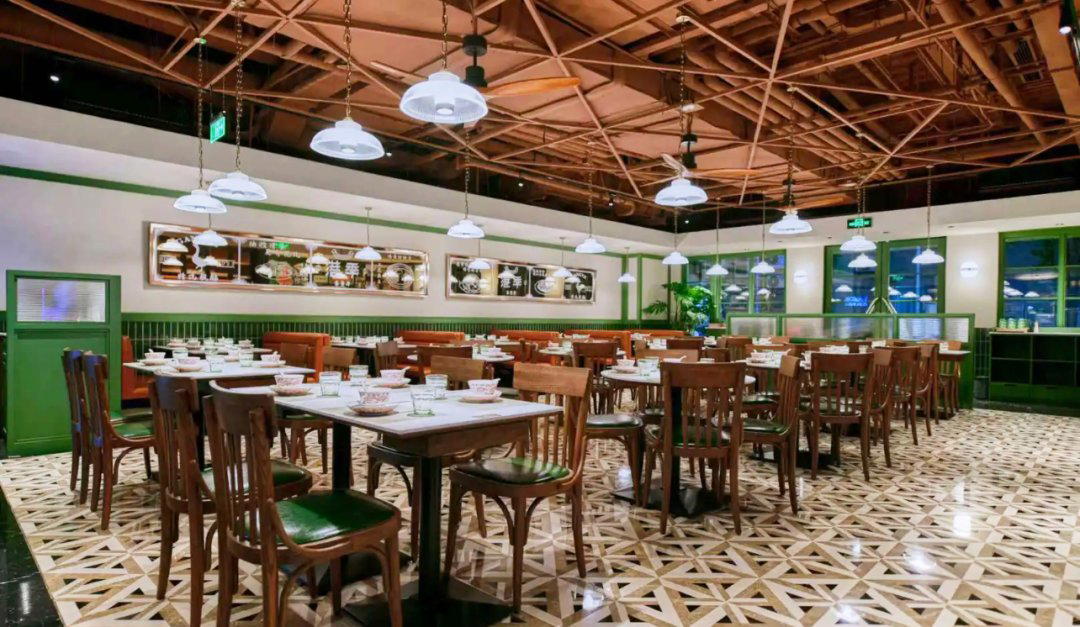
Restaurants in Hong Kong
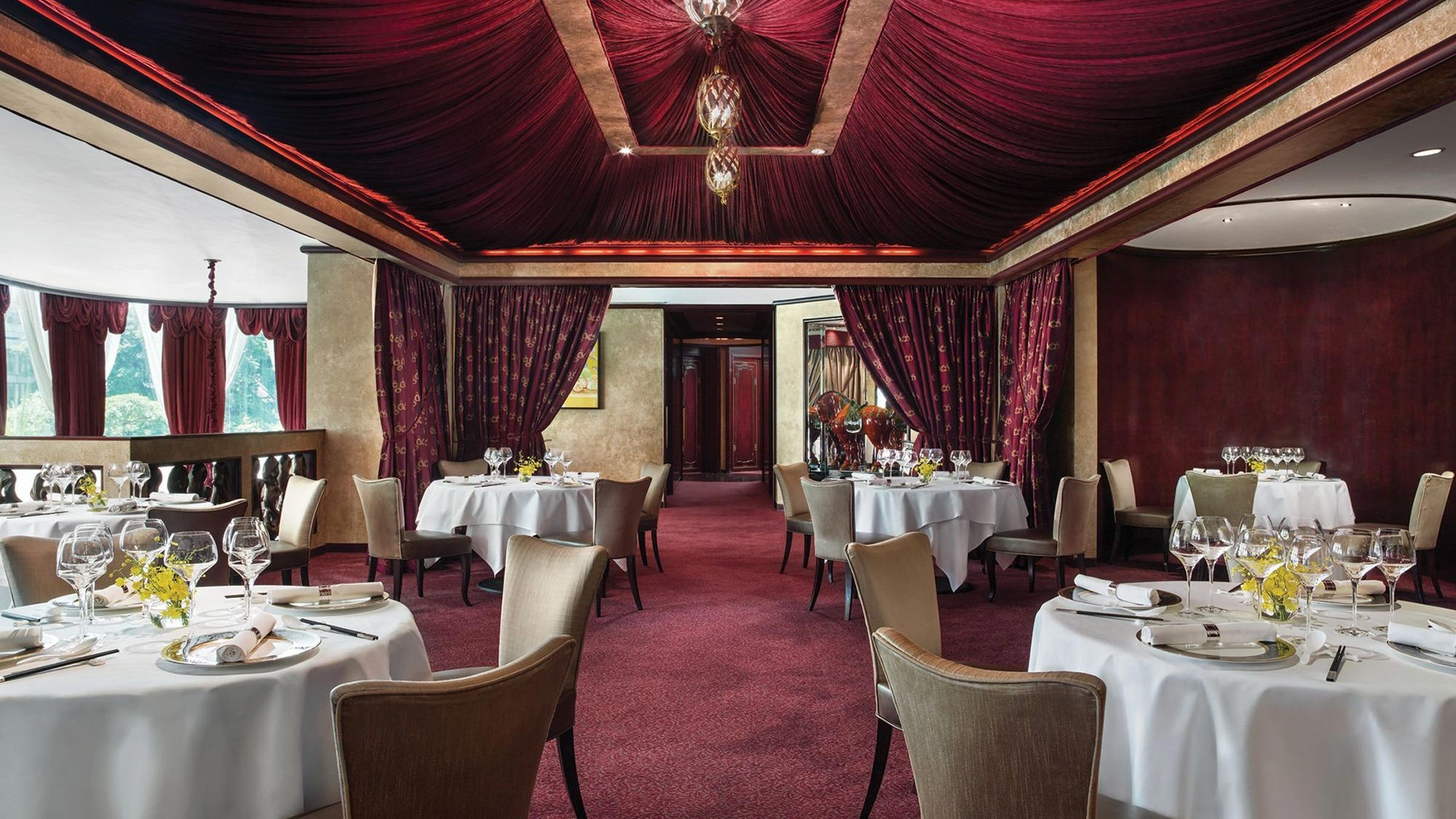
Browse all →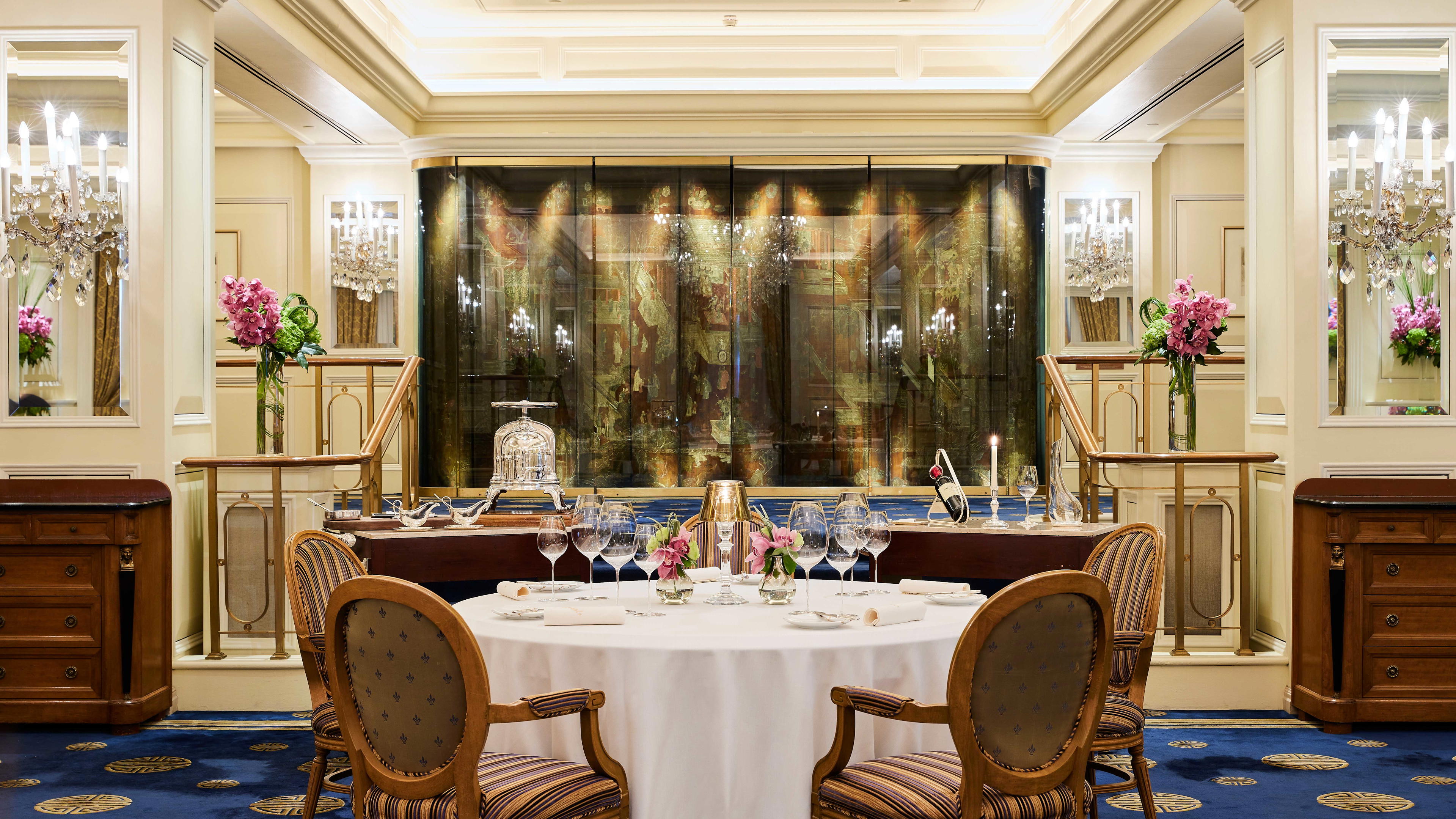
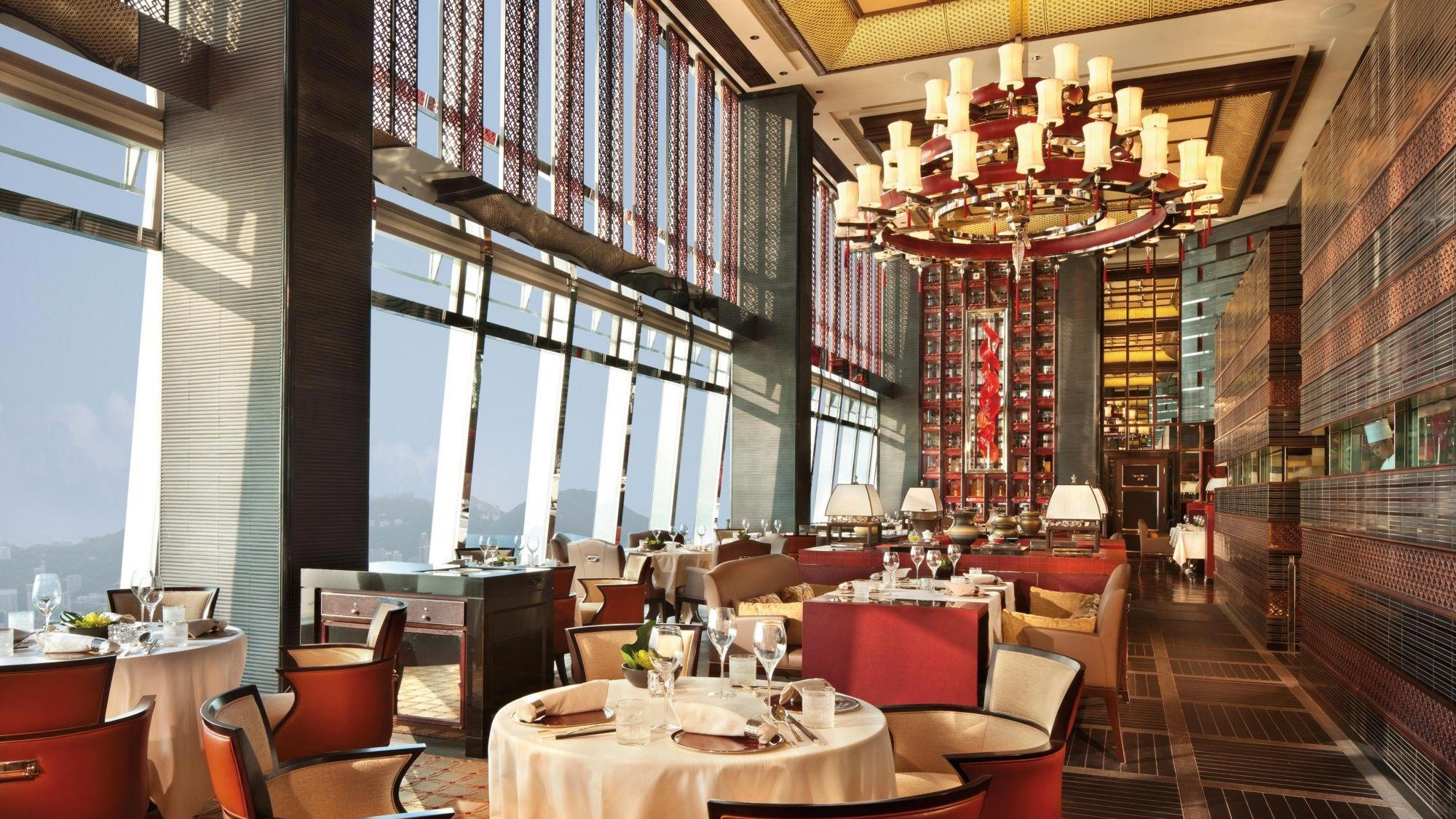
Bars in Hong Kong
Browse all →
At a Glance
- Lively
- Classic
- Group Dining
- Family
- Casual Hangout
- Waterfront
- Rooftop
- Open Kitchen
- Sustainable Seafood
- Waterfront
Current opening hours
- Monday
- 11 AM–10 PM
- Tuesday
- 11 AM–10 PM
- Wednesday
- 11 AM–10 PM
- Thursday
- 11 AM–10 PM
- Friday
- 11 AM–10 PM
- Saturday
- 11 AM–10 PM
- Sunday
- 11 AM–10 PM
Hours can change for holidays and private events. Last verified .
Noisy, crowded, and casual waterfront atmosphere with bright neon lights and a bustling, messy vibe focused on food over decor.