Ho Tay sits on Fritz-Meyer-Weg in Munich's eastern reaches, representing the quieter, neighbourhood-rooted side of the city's dining scene rather than its Michelin-chasing centre. With sparse public data available, it draws visitors through local word-of-mouth rather than awards machinery, a position that itself signals something about how Munich eats beyond the fine-dining corridor.
Pearl is the En Primeur Club membership app — saves, bookings, and concierge access live there. Same editors, same standards.
- Address
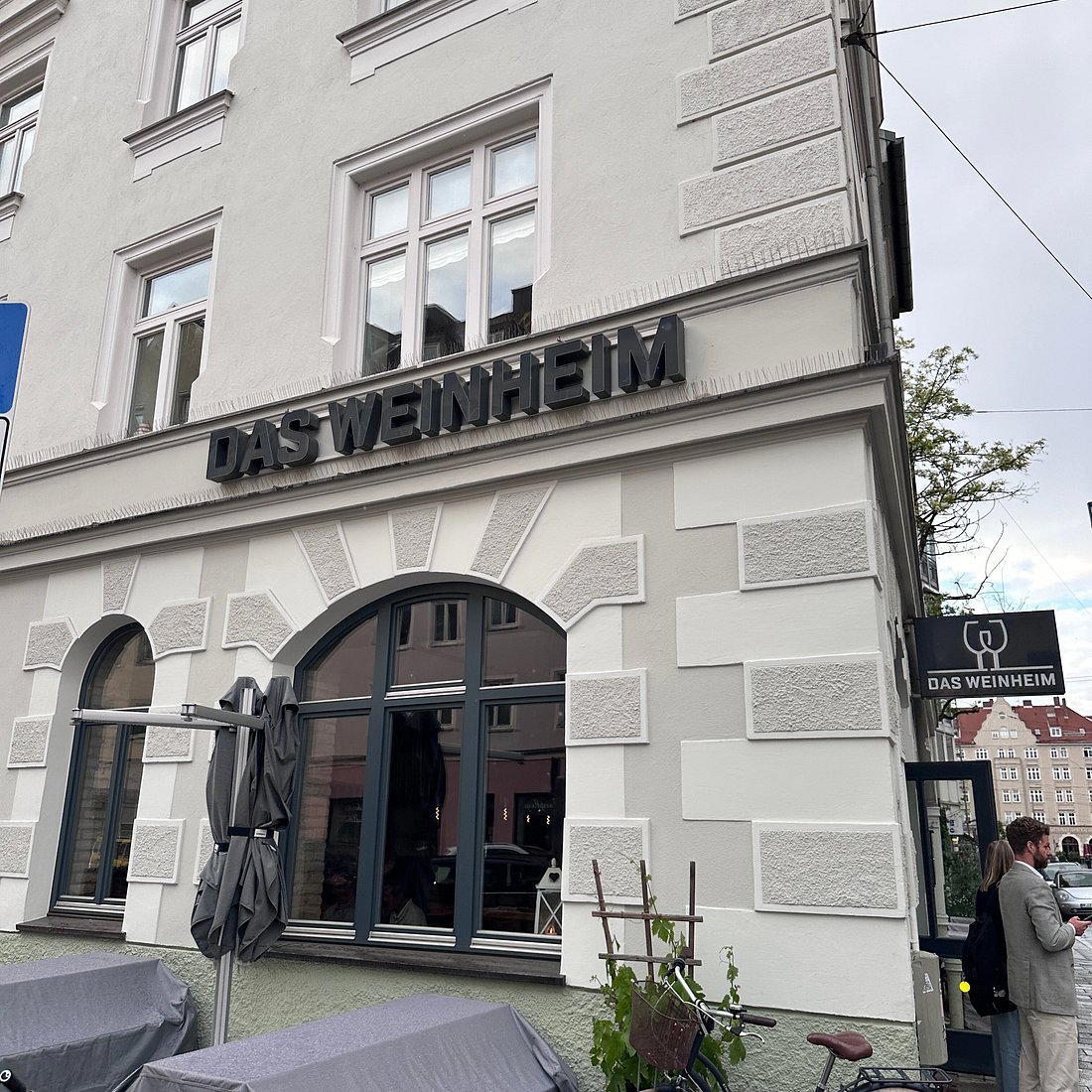
- Fritz-Meyer-Weg 55, 81925 München, Germany
- Phone
- +498990899278
- Website
- hotay.de
- Directions
- Get directions
 Saves & bookings on Pearl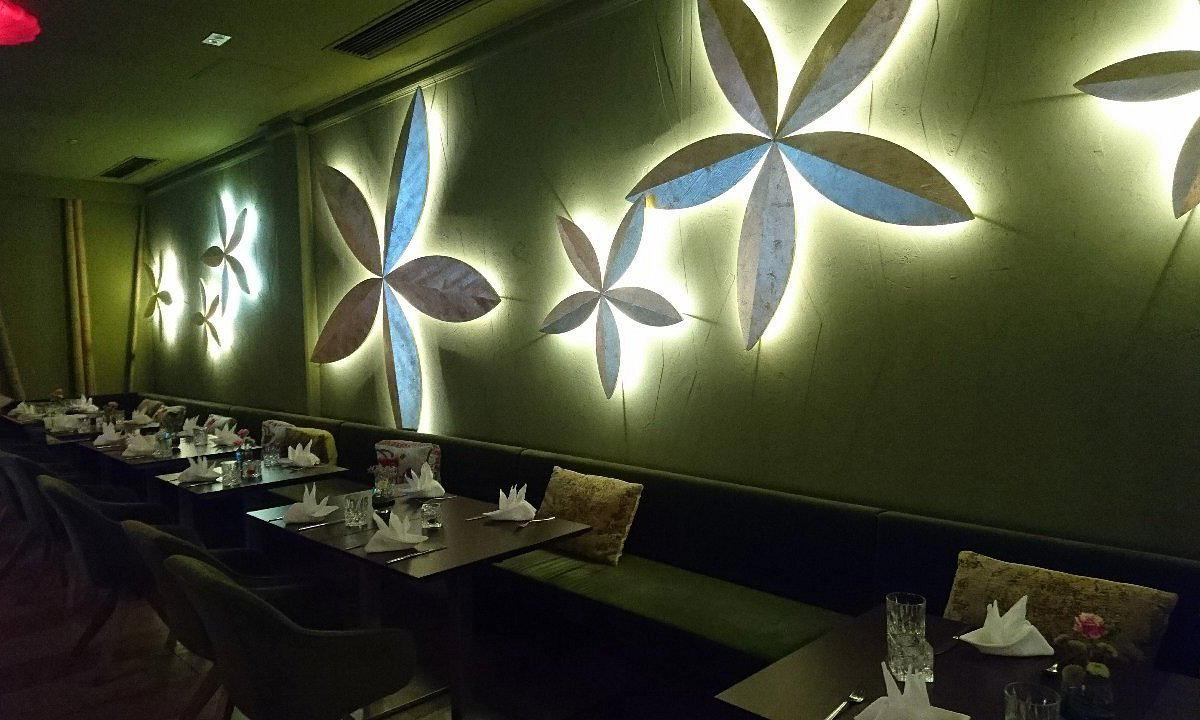
Where Munich Eats Without the Spotlight
Munich's dining conversation tends to compress around a handful of addresses: the grand institutions like Tantris, the creative tasting-menu rooms like Atelier and JAN, and the cross-cultural precision of Tohru in der Schreiberei. These are the rooms that generate column inches and reservation queues. But the city's residential neighbourhoods sustain a parallel eating culture that rarely surfaces in those conversations, neighbourhood venues operating on local trust rather than critical infrastructure. Ho Tay, addressed at Fritz-Meyer-Weg 55 in Munich's 81925 postcode, belongs to that quieter register.
That postcode places Ho Tay in Munich's eastern residential belt running along the Isar. This is not a dining district in the conventional sense. There are no clusters of wine bars or chef-driven concepts competing for pedestrian traffic. What exists instead are venues sustained by local repeat custom, the kind of trust that doesn't require a PR strategy to maintain. In cities where the fine-dining economy increasingly concentrates in central postcodes, the survival of neighbourhood-anchored restaurants in quieter residential zones is itself an editorial point worth examining.
The Name and Its Context
Ho Tay is a Vietnamese name, referring to West Lake in Hanoi, one of the Vietnamese capital's most significant geographic and cultural landmarks. That naming choice carries weight in the context of Munich's Vietnamese restaurant scene, which has grown considerably over the past two decades and now spans everything from quick-service pho counters in the city centre to more considered dining formats in residential areas. Germany broadly has developed one of the larger Vietnamese diaspora communities in Europe, and Munich's Vietnamese restaurants reflect the depth and range of that community, not a monolithic cuisine but a spectrum running from street-food registers to more formal cooking that draws on northern, central, and southern Vietnamese traditions.
A venue named after West Lake signals an orientation toward Vietnamese culinary identity rather than a pan-Asian fusion positioning. Hanoi's cooking tradition is distinct from the sweeter, richer profiles associated with southern Vietnamese cuisine, leaner broths, more restrained use of sugar, an emphasis on fresh herbs as structural elements rather than garnish. Across Germany, venues like CODA Dessert Dining in Berlin demonstrate how specific culinary identity, rooted in a precise tradition rather than broad category, tends to define the more durable restaurant concepts.
Munich Beyond the Fine-Dining Tier
To understand where Ho Tay sits, it helps to map the broader Munich restaurant structure. The city's highest-profile tier is well-documented: Alois - Dallmayr Fine Dining operates within Munich's historic Dallmayr delicatessen building, while the German fine-dining circuit more broadly connects Munich to rooms like Aqua in Wolfsburg, Schwarzwaldstube in Baiersbronn, and Vendôme in Bergisch Gladbach. These are the rooms drawing destination diners from outside Munich, operating at price points and booking lead times that most local residents encounter only occasionally.
The everyday eating economy operates at a different register entirely. In Munich's residential districts, the relevant comparison set is not the tasting-menu circuit but rather the neighbourhood restaurants, Vietnamese, Italian, Bavarian, that provide the rhythm of weekly dining for local households. These venues compete on consistency, price-to-value positioning, and community recognition rather than on awards or chef credentials. Venues like Victor's Fine Dining by Christian Bau in Perl and Waldhotel Sonnora in Dreis occupy one end of Germany's restaurant spectrum; Ho Tay operates closer to the other end, where value and neighbourhood presence matter more than Michelin positioning.
The Sensory Register of a Neighbourhood Vietnamese Room
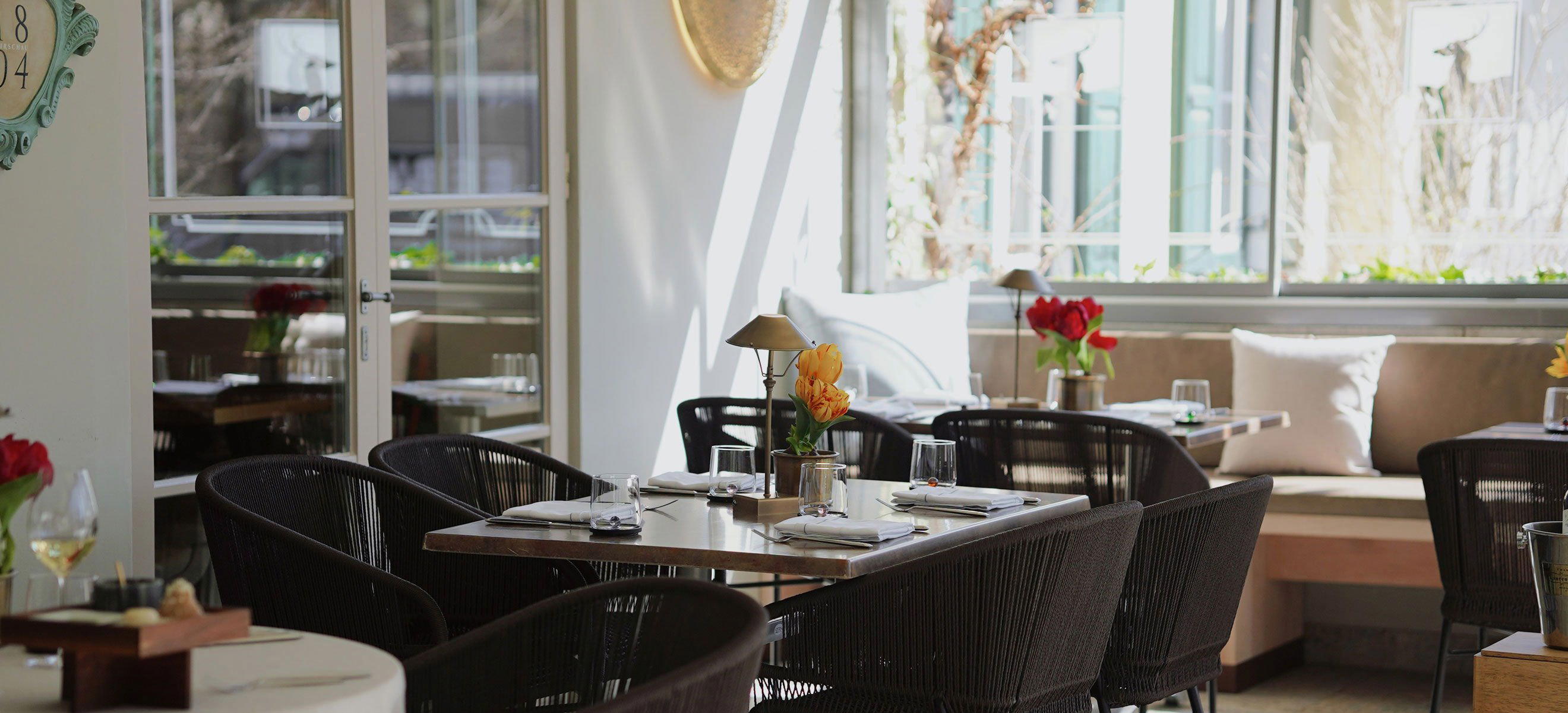
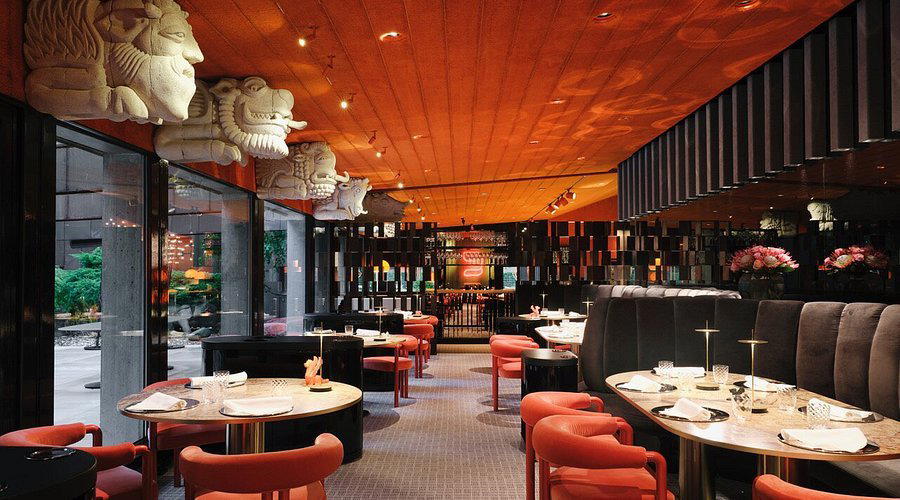
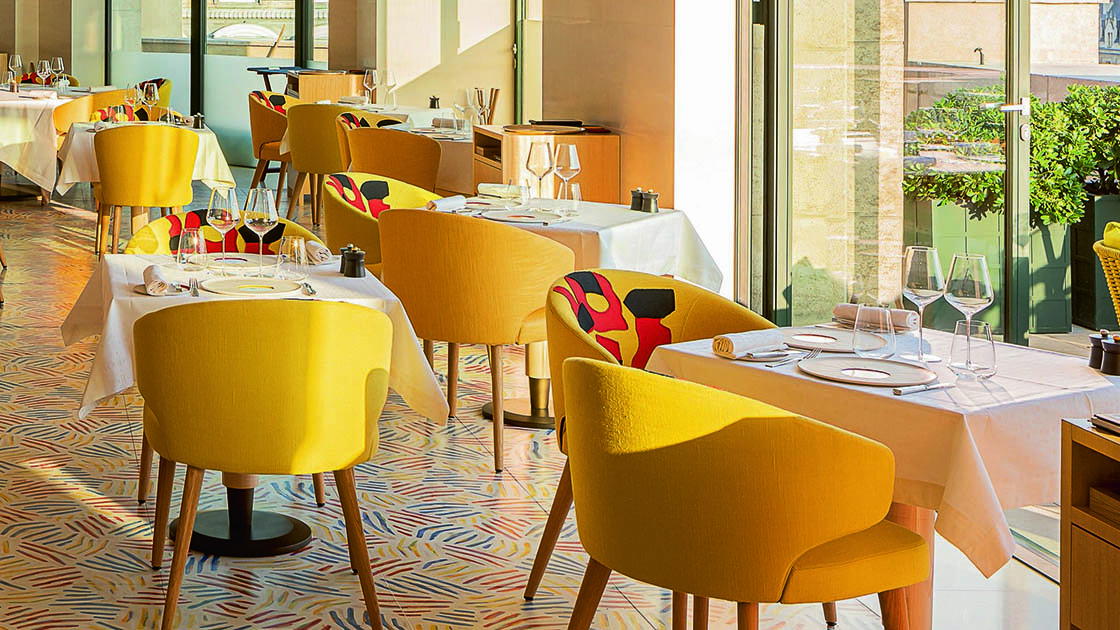
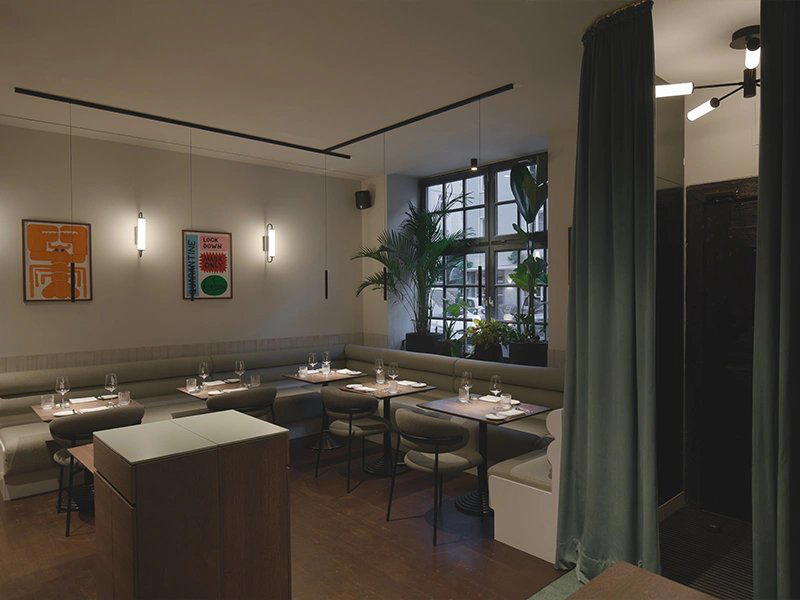
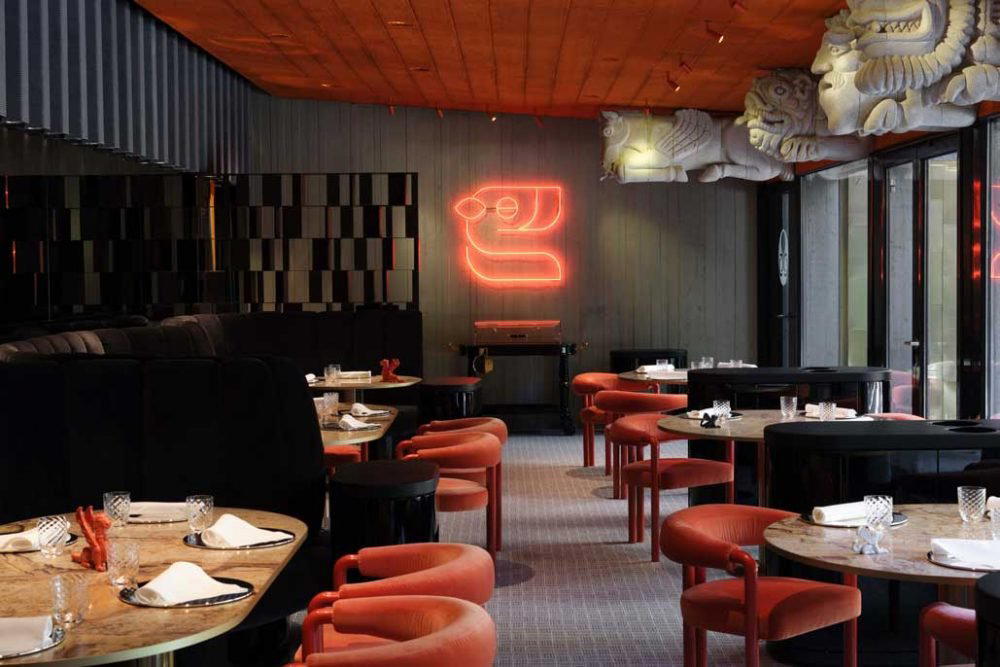
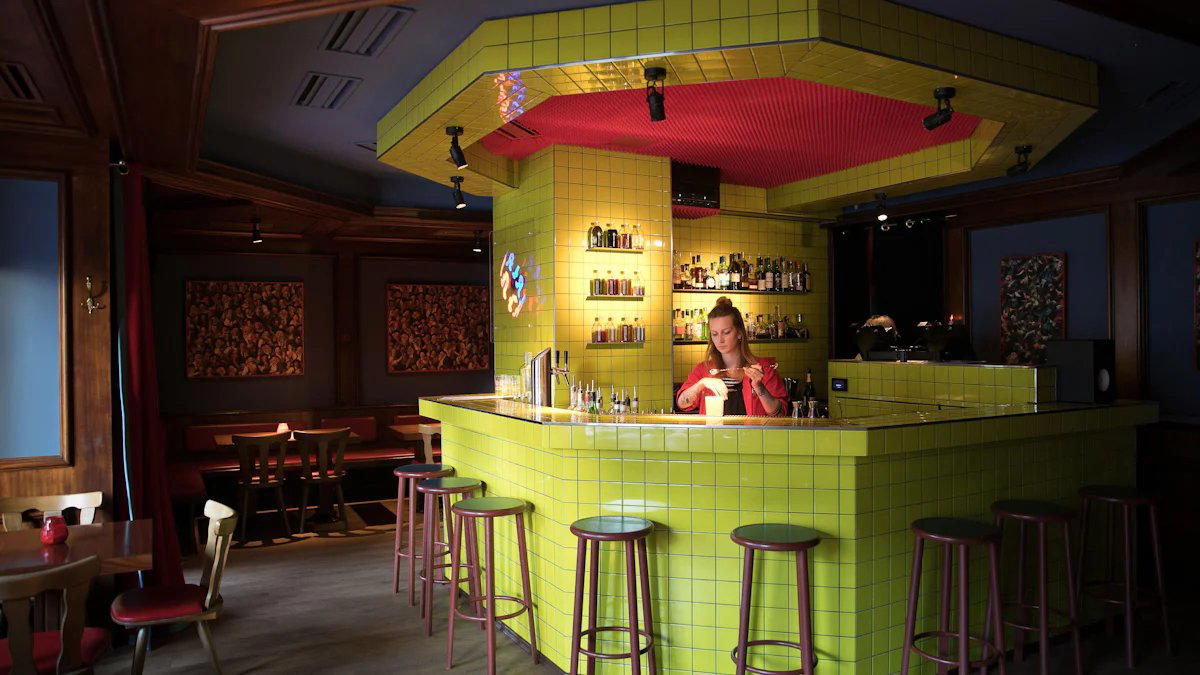
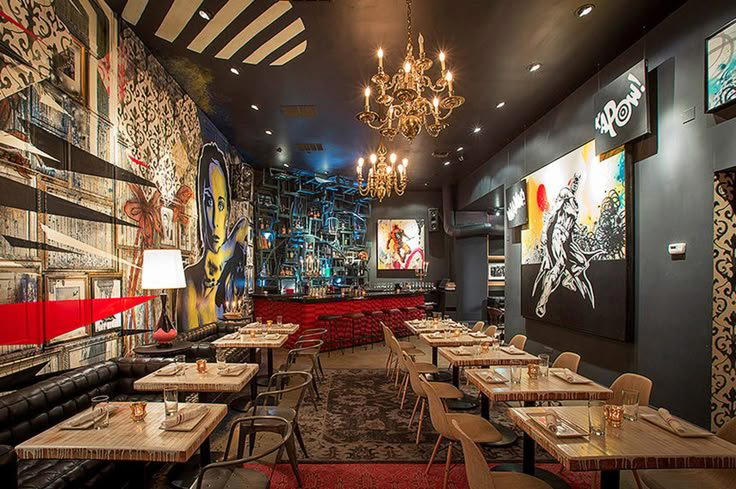
Vietnamese restaurants operating in residential Munich tend to share a sensory vocabulary that differs markedly from the city's fine-dining rooms. Where tasting-menu kitchens use silence and minimalism as aesthetic tools, the neighbourhood Vietnamese room typically trades in warmth and immediacy: the smell of a pho broth that has been running since early morning, the sound of woks working at pace in an open or semi-open kitchen, the visual shorthand of laminated menus or handwritten specials boards, and the particular quality of natural light that comes through large street-facing windows in a converted ground-floor space. These are the functional aesthetics of a different kind of hospitality, one built around accessibility rather than occasion.
Fritz-Meyer-Weg is a residential address, which typically means parking is possible and public transport requires some planning. In a neighbourhood context like Bogenhausen, dining tends to be a local act rather than a cross-city journey, a fact that shapes the atmosphere as much as any design decision. The room is built for regular return rather than one-time destination visits.
Practical Orientation
Ho Tay is located at Fritz-Meyer-Weg 55, 81925 München, Germany. Given the residential character of the surrounding streets, public transport connections are less direct than for central Munich venues. For those exploring the broader Munich dining scene, the city's options span price tiers and neighbourhoods, from fine dining rooms to district-level venues that sustain daily local eating. The restaurant is open Tuesday through Sunday, with Monday closed and lunch and dinner service on the other days. Across Germany's more considered neighbourhood restaurant tier, venues like Restaurant Haerlin in Hamburg, Schanz in Piesport, Bagatelle in Trier, and ES:SENZ in Grassau show how regional German dining sustains a wide range of formats outside the major-city spotlight. For international comparison, the gap between a neighbourhood Vietnamese room and destination tasting-menu dining is as pronounced in Munich as it is in New York, where Le Bernardin and Atomix occupy a completely different category from the city's residential neighbourhood restaurants.
Where the Accolades Land
Comparable venues nearby, for context on price, style, and recognition.
| Venue | Cuisine | Price | Notes |
|---|---|---|---|
| Ho TayThis venue — the venue you are viewing | Traditional North Vietnamese | $$$ | Not listed |
| Jaadin | Modern Vietnamese Grillhouse | $$$ | Freimann |
| PhoYou | Vietnamese Pho Specialist | $$ | Schwabing |
| MIVU | Vietnamese, Thai & Lao Fusion | $$ | Schwabing |
| LìXì Restaurant | Modern Vietnamese Fusion | $$$ | Theresienwiese |
| Anh-Thu Restaurant | Authentic Vietnamese | $$ | Schwabing |

At a Glance
- Cozy
- Intimate
- Family
- Group Dining
- Casual Hangout
Current opening hours
- Monday
- Closed
- Tuesday
- 11:30 AM–2:30 PM, 5:30–11 PM
- Wednesday
- 11:30 AM–2:30 PM, 5:30–11 PM
- Thursday
- 11:30 AM–2:30 PM, 5:30–11 PM
- Friday
- 11:30 AM–2:30 PM, 5:30–11 PM
- Saturday
- 11:30 AM–2:30 PM, 5:30–11 PM
- Sunday
- 11:30 AM–2:30 PM, 5:30–11 PM
Hours can change for holidays and private events. Last verified .
Schickes, ruhiges Ambiente under colorful lanterns evoking Hanoi's lakeside street food scene, with nicely decorated premises and feel-good atmosphere.