Saigon Deli on Breisacher Strasse sits in Munich's Au-Haidhausen district, where the city's appetite for Southeast Asian cooking has quietly deepened over the past decade. The address places it away from the tourist-facing centre, in a neighbourhood where regulars set the rhythm. For Munich's Vietnamese food scene, it represents the kind of direct, unfussy proposition that the district does well.
Pearl is the En Primeur Club membership app — saves, bookings, and concierge access live there. Same editors, same standards.
- Address
- Breisacher Str. 18, 81667 München, Germany
- Phone
- +498994002944
- Website
- saigondeli.net
- Directions
- Get directions
 Saves & bookings on Pearl
Southeast Asian Eating in Munich's Left Bank
Munich's relationship with Vietnamese cuisine has followed a pattern common to many German cities: an initial wave of family-run restaurants arriving in the 1980s and 1990s, followed by a slower consolidation around the addresses that held quality over time. The Au-Haidhausen district, east of the Isar, developed a particular density of these restaurants partly because of its working-class and later student character, which kept rents low enough for independent operators to survive. Saigon Deli at Breisacher Strasse 18 sits inside that history, in a neighbourhood that has gentrified without fully losing its everyday-eating culture.
The broader Munich dining scene is heavily weighted toward Central European and high-end contemporary formats. Establishments like Tantris, Atelier, and Alois - Dallmayr Fine Dining anchor the city's reputation for technically serious, European-rooted cooking. JAN and Tohru in der Schreiberei represent the newer wave of cross-cultural fine dining that has reshaped the upper tier. Vietnamese and Southeast Asian addresses operate in a different register entirely, appealing to a city whose appetite for those flavours has grown steadily but whose premium dining conversation rarely reaches them. That gap is worth understanding before arriving.
The Sustainability Argument for Neighbourhood Vietnamese
The environmental case for eating at places like Saigon Deli is more coherent than it might first appear. Vietnamese cooking, at its traditional core, is structurally low-waste: broth-based dishes use whole animals or bones over extended cooking times, herb and vegetable components are rotated through multiple preparations, and portion discipline tends to be high. The pho tradition, for instance, emerged partly from necessity, stretching every usable part of the animal into something that fed large numbers of people efficiently. That philosophy of using everything is now a selling point in contemporary sustainability discourse, but in Vietnamese kitchens it was never a trend.
Germany's broader food system has been under pressure to reduce meat consumption and food waste, with federal targets pushing hospitality toward more plant-forward and waste-conscious models. Independent Vietnamese restaurants, many of which have operated lean supply chains out of economic necessity rather than ideology, are often better positioned against those targets than larger, more resource-intensive dining operations. The herb-heavy, broth-and-rice architecture of Saigon cooking tends to carry a lower land and water footprint than comparable portions of Central European meat-centred dishes. None of this should be overstated, but it is a genuine structural difference worth naming.
Germany's high-end dining circuit has taken sustainability seriously at its more celebrated addresses. Aqua in Wolfsburg and Schwarzwaldstube in Baiersbronn operate within systems where provenance is tracked and waste is managed at the sourcing level. CODA Dessert Dining in Berlin has built an entire format around reducing sugar waste and rethinking ingredient hierarchies. These are deliberate, documented programs. The sustainability credentials of a neighbourhood deli are different in character, rooted in tradition and economic logic rather than explicit policy, but they are not less real.
Au-Haidhausen as a Dining District
Breisacher Strasse runs through the southern part of Haidhausen, close enough to the Ostbahnhof to be accessible by S-Bahn but far enough from the tourist-heavy Marienplatz axis to feel like a genuinely local address. The neighbourhood has a mixed character: residential blocks, small independent shops, and a scatter of restaurants that serve the people who actually live nearby rather than visitors working from a guide. This is where Munich eats when it is not performing for an audience.
The density of Southeast Asian restaurants in this part of the city reflects migration patterns from the late Soviet period, when Vietnamese nationals came to both East and West Germany under labour and student agreements and many stayed. That community built the first generation of Vietnamese restaurants across German cities, and Haidhausen developed its own cluster. The cuisine has evolved across generations, with some operators staying close to traditional Vietnamese formats and others adapting to German tastes. Understanding which category any given restaurant falls into matters for setting expectations correctly.
Placing Saigon Deli in the German Dining Context
Germany's restaurant geography is worth understanding for anyone approaching this address. The country's decorated dining circuit is spread across cities and smaller towns in ways that differ sharply from France or the UK. Addresses like Vendôme in Bergisch Gladbach, Victor's Fine Dining in Perl, Waldhotel Sonnora in Dreis, Schanz in Piesport, Bagatelle in Trier, and ES:SENZ in Grassau demonstrate that Germany's most technically serious cooking is often found outside major urban centres entirely. Restaurant Haerlin in Hamburg remains one of the few city-centre addresses that competes at the summit tier nationally.
Within Munich specifically, the formal dining bracket is genuinely competitive, which means the middle and lower tiers operate with less scrutiny and more variation in quality. A neighbourhood Vietnamese address in Haidhausen is essentially self-regulating: it survives on repeat local custom, which is a more demanding filter than a single critical visit. Internationally, the standard reference points for high-precision Korean and Japanese cooking at the premium level include addresses like Atomix in New York City and Le Bernardin, which operate in a different competitive universe entirely, but they illustrate how Asian culinary traditions can anchor serious critical conversation when the format and execution are pitched at that level.
Planning Your Visit
The restaurant is a casual Vietnamese restaurant at Breisacher Str. 18, 81667 München, Germany, serving Authentic Vietnamese Street Food at about $25 per person. The nearest S-Bahn connection is Ostbahnhof, from which the address is a short walk south. Reservations: recommended. Dress: casual. Budget: about $25 per person. Hours: Mon-Sun 11:30 AM-3 PM and 5:30-11 PM.
- Pho
- Goi Cuon
- Rice noodle bowls
- Curry dishes
- Dim Sum
- Roll it yourself
Comparison Snapshot
Comparable venues nearby, for context on price, style, and recognition.
| Venue | Cuisine | Price | Notes |
|---|---|---|---|
| Saigon DeliThis venue — the venue you are viewing | Authentic Vietnamese Street Food | $$ | Not listed |
| Jack Glockenbach | Authentic Vietnamese | $$ | Isarvorstadt |
| Ngocha1078 | Modern Vietnamese | $$ | Haidhausen |
| Nam Giao 31 | Authentic Vietnamese | $$ | Ludwigsvorstadt |
| Vietsoup | Vietnamese Street Food | $ | Altstadt |
| Restaurant Thu | Vietnamese Street Food | $$ | Schwabing |
At a Glance
- Elegant
- Cozy
- Classic
- Casual Hangout
- Group Dining
- Open Kitchen
- Standalone
- Beer Program
- Local Sourcing
Current opening hours
- Monday
- 11:30 AM–3 PM, 5:30–11 PM
- Tuesday
- 11:30 AM–3 PM, 5:30–11 PM
- Wednesday
- 11:30 AM–3 PM, 5:30–11 PM
- Thursday
- 11:30 AM–3 PM, 5:30–11 PM
- Friday
- 11:30 AM–3 PM, 5:30–11 PM
- Saturday
- 11:30 AM–3 PM, 5:30–11 PM
- Sunday
- 11:30 AM–3 PM, 5:30–11 PM
Hours can change for holidays and private events. Last verified .
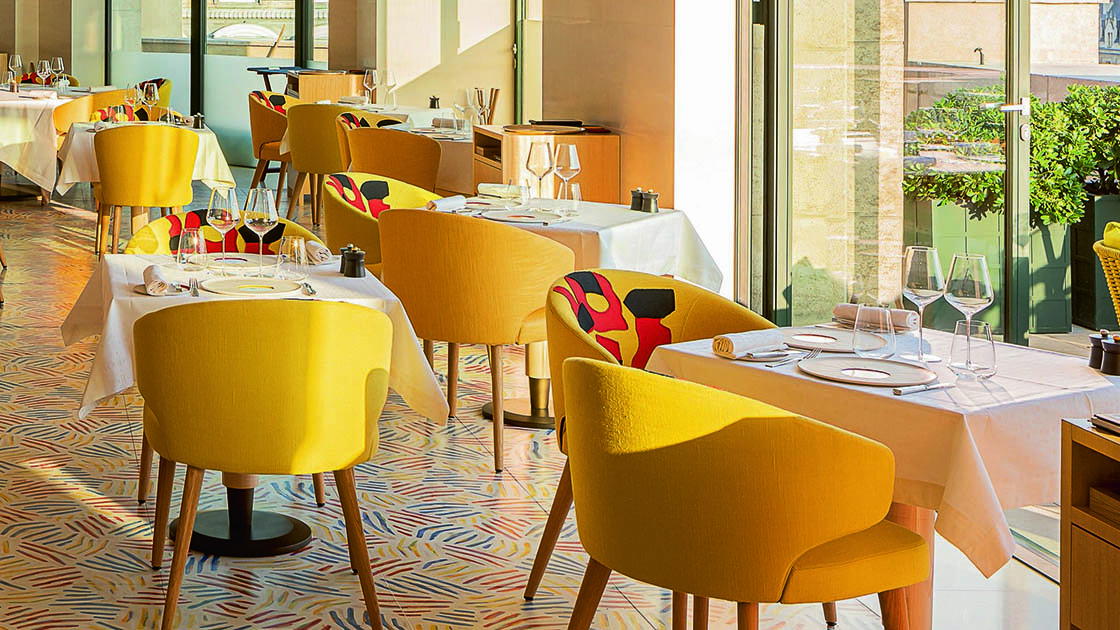
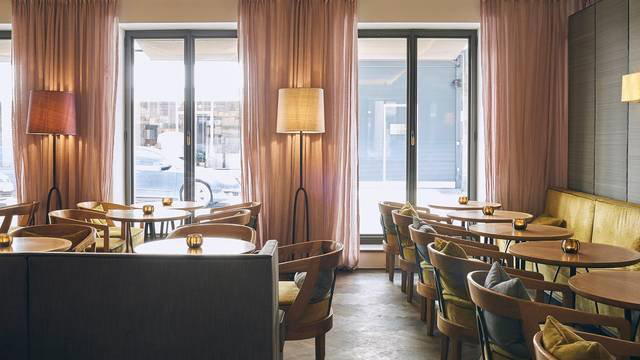
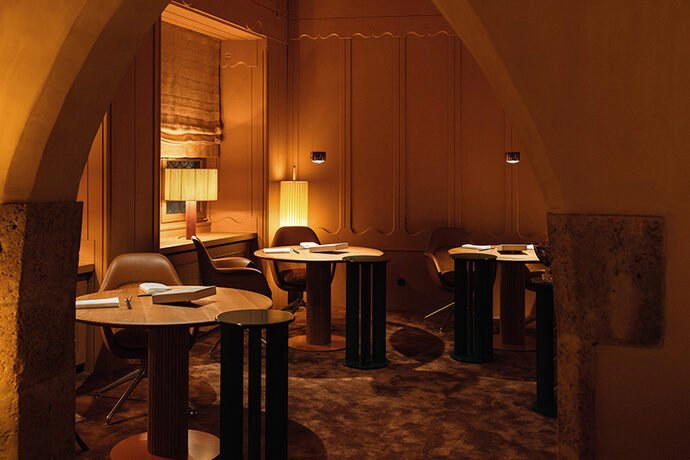
Warm and inviting with two distinct areas: one styled as a hidden Saigon courtyard with pergola-covered kitchen and bar, the other resembling a comfortable living room with wicker chairs. Abundant plants evoke the Mekong Delta, while linen lanterns provide soft lighting against exposed brick walls.