
On the second floor of the AVIC Building in Chaoyang, Xiang Lin Tian Xia delivers Hunanese cooking with the conviction of a regional specialist rather than the polish of a hotel dining room. The farmhouse-style interior and open kitchen frame dishes anchored in Hunan province, from Xiangtan steamed fish head to Ningxiang pork, drawing a loyal crowd that returns for flavour intensity, not décor points.
Pearl is the En Primeur Club membership app — saves, bookings, and concierge access live there. Same editors, same standards.
- Address
- 2F, Podium, AVIC Building, 128 Jianguo Road, Chaoyang
- Phone
- +86 10 6512 0999
- Directions
- Get directions
 Saves & bookings on Pearl
Hunan in the Capital: What Draws Regulars Back
Xin Rong Ji (Xinyuan South Road) to the Chaoshan restraint of Chao Shang Chao. Hunanese cooking occupies a different position in that ecosystem: less refined in presentation, more uncompromising in heat and fermentation, and deeply tied to the kind of communal, table-filling eating that the capital's office lunch crowd and evening regulars seek on different terms than they would a tasting menu.
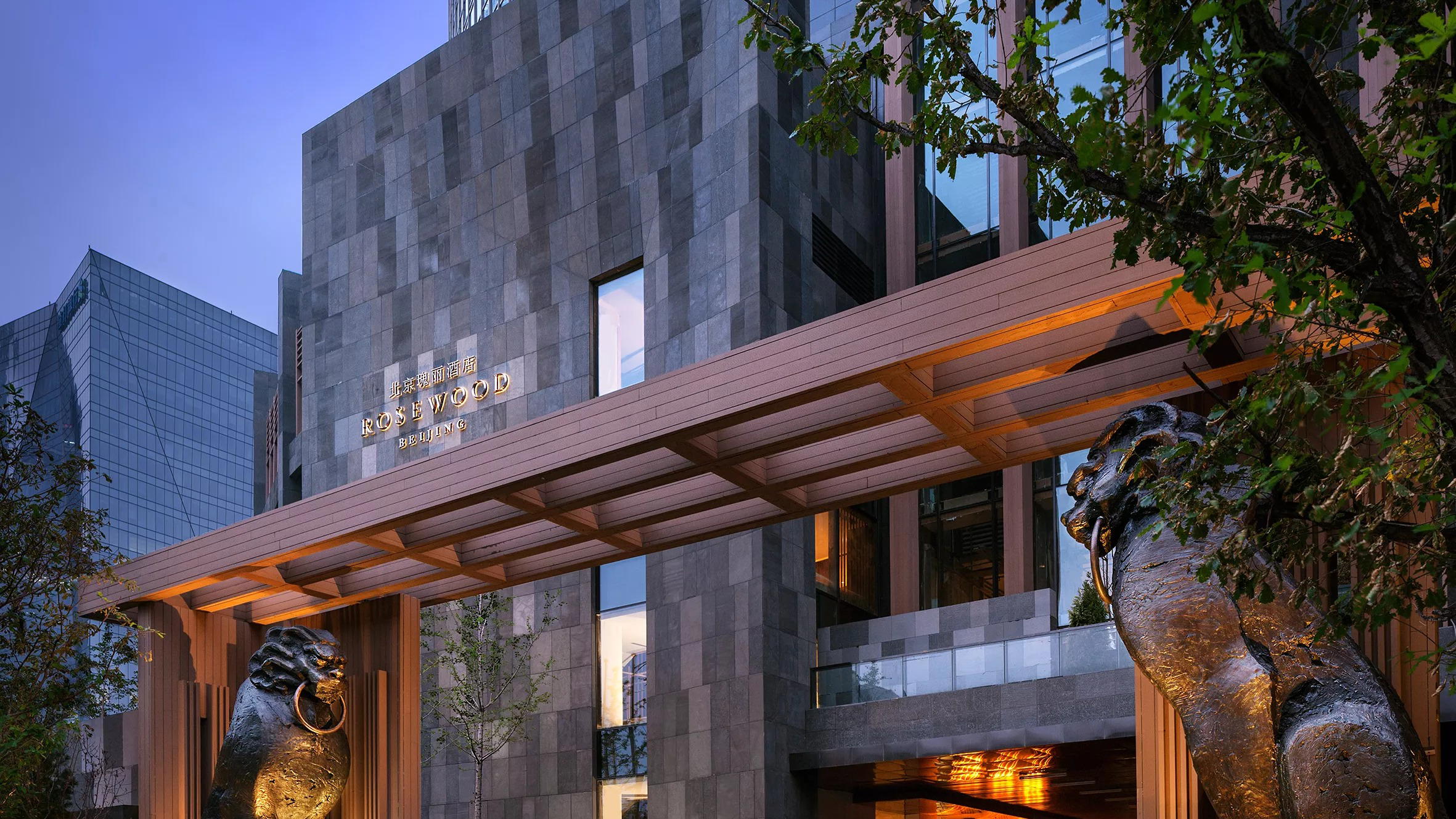
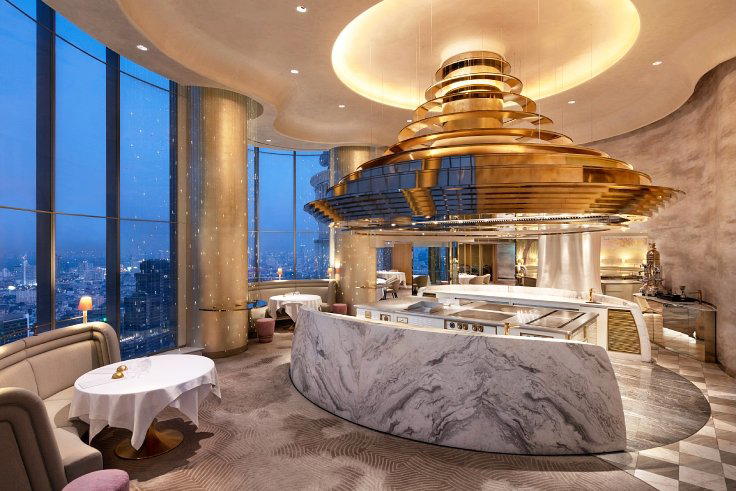
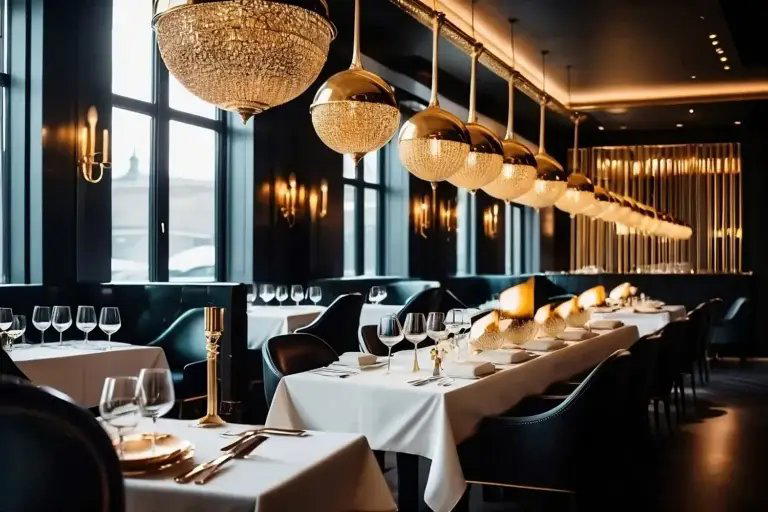
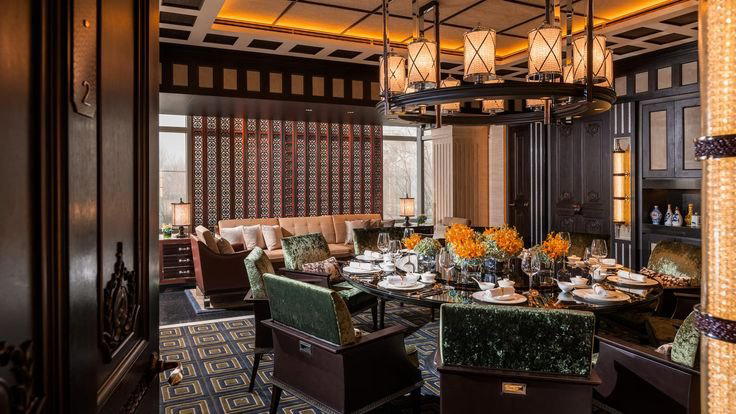
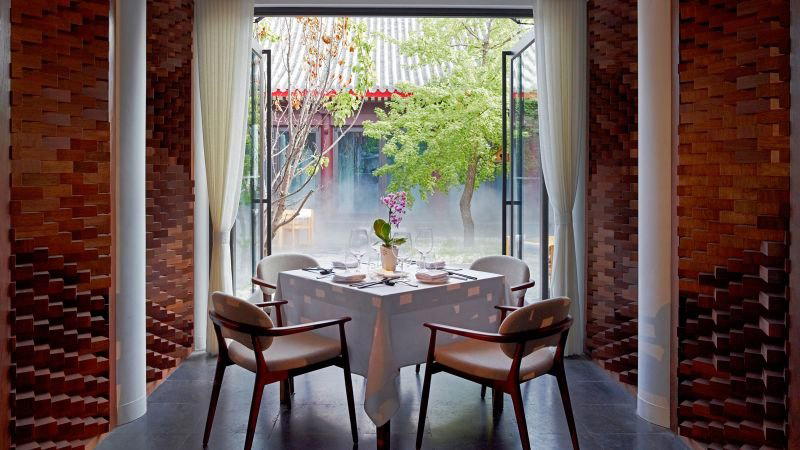
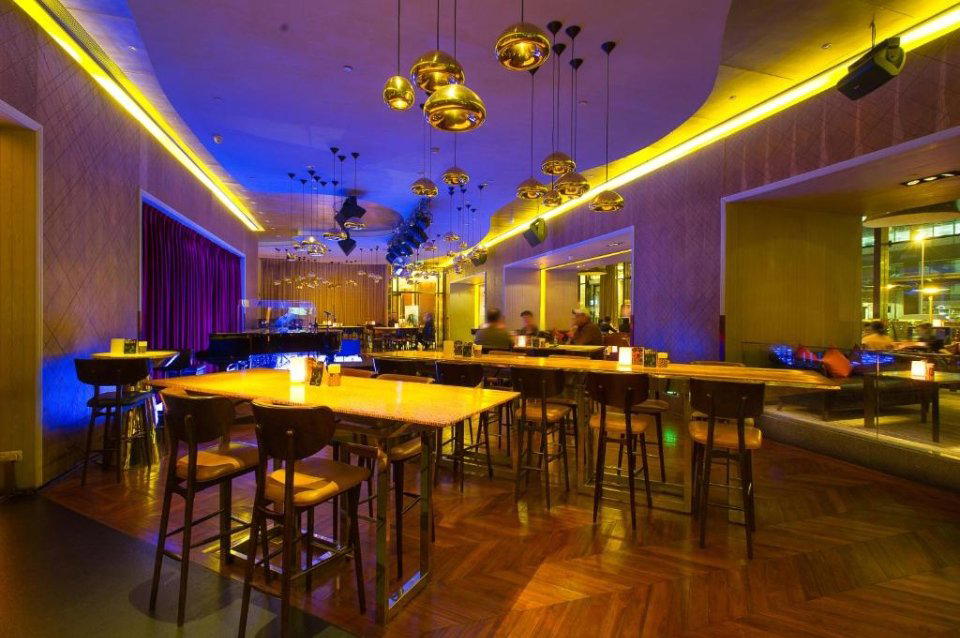
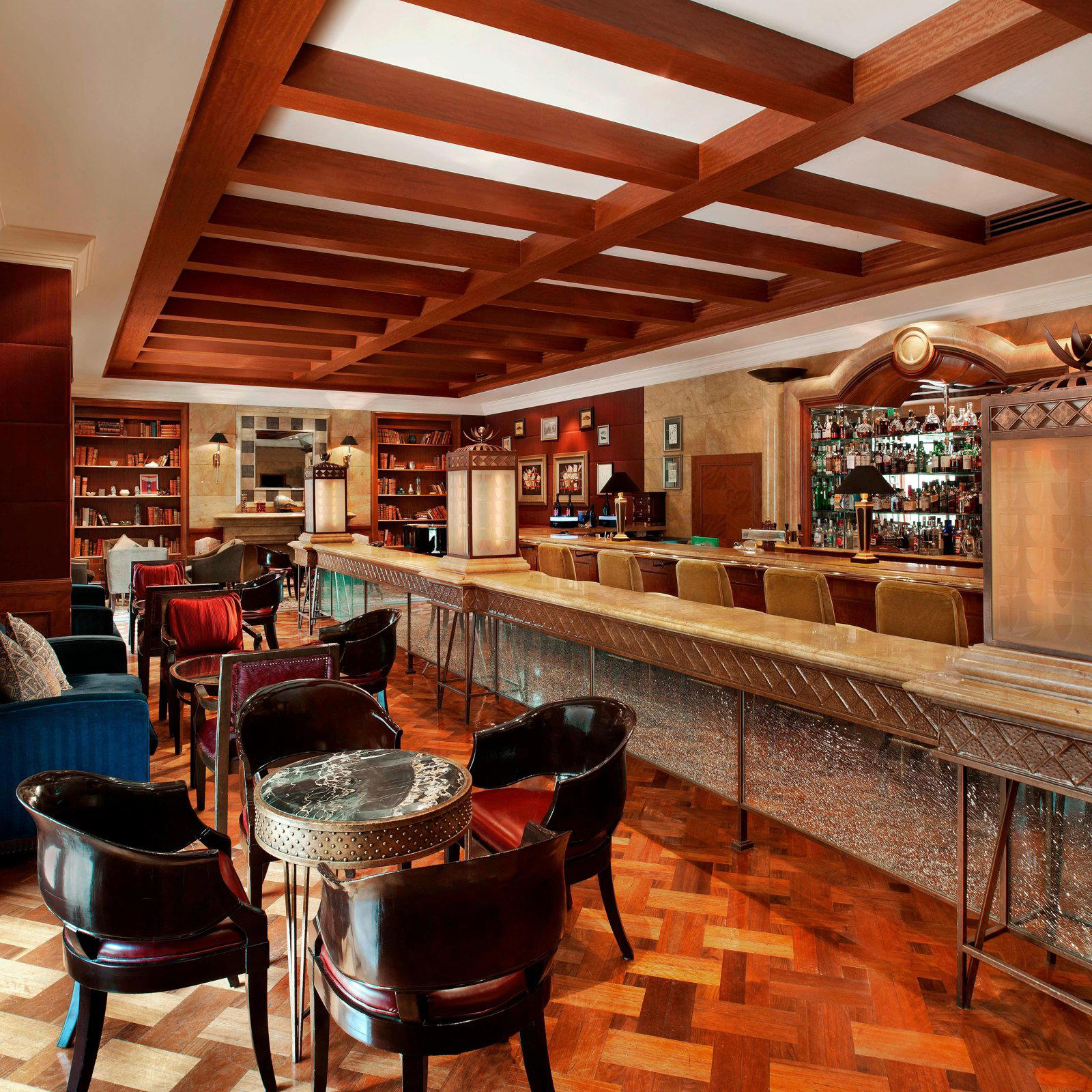
Xiang Lin Tian Xia, on the second floor of the AVIC Building at 128 Jianguo Road, sits squarely in that category. The room is fitted in a Chinese farmhouse idiom, timber accents, a visible open kitchen, and the kind of layout that makes clear this is a restaurant built for groups sharing dishes rather than couples at two-tops. The address is commercial Chaoyang rather than a destination dining quarter, which partly explains how the restaurant maintains a loyal clientele: it is embedded in the rhythm of the neighbourhood rather than sitting apart from it as a special-occasion venue.
The Flavour Logic of Hunan Province
What defines Hunanese cooking, and why regulars here understand it differently from casual visitors, is the distinction between the cuisine's heat and Sichuan's. Sichuan numbs with the compound effect of chilli and huajiao; Hunan burns directly and cleanly, using fresh and preserved chillies without the anaesthetic quality of the peppercorn. Fermentation plays a structural role: pickled vegetables, fermented bean pastes, and preserved proteins appear throughout a menu not as garnishes but as primary flavour agents.
The steamed fish head covered in chopped chilli sauce from Xiangtan is one of the clearest expressions of this logic. The briny depth in the sauce comes from fermentation; the heat is unmediated. It is a dish that rewards regular visitors more than first-timers because its character lies in the interplay of those elements rather than in surface drama. The same applies to the sautéed Ningxiang pork with dried chilli, scallion, and garlic sprouts, a dish that references a specific sub-regional tradition, Ningxiang being a county in Hunan with its own documented pork-raising heritage. The tender texture and depth of aroma in the dish reflect a sourcing specificity that regulars notice and that occasional diners often attribute simply to good cooking.
Stinky tofu occupies a similarly committed position on the menu. Deep-fried snow water stinky tofu served with house-made sour chilli sauce is the kind of dish that sorts a dining room quickly: those who order it and return for it are, in effect, declaring a level of engagement with the cuisine that goes beyond curiosity. Beijing's broader dining scene now has a range of venues where Hunanese cooking is softened for a wider audience; this is not that kind of operation.
Where This Fits in Beijing's Regional Dining Picture
Placing Xiang Lin Tian Xia against its comparable set in the city requires some care. It is not competing with the formal Chinese dining rooms that occupy upper price tiers, venues like Jingji, which operates in the Beijing cuisine tradition with a more composed register, or King's Joy, which approaches Chinese vegetarian cooking as a high-design proposition. Nor does it map onto the vegetarian-specialist tier represented by Lamdre.
Its competitive frame is closer to the category of honest, ingredient-specific regional houses that Beijing has long supported for everyday serious eating. The farmhouse interior and open kitchen are signals in that direction: the kitchen is visible because the cooking is the point, not the theatre around it.
Ru Yuan in Hangzhou and Xin Rong Ji in Chengdu demonstrate what focused regional sourcing produces at higher price points, while 102 House in Shanghai shows how traditional Chinese formats translate to contemporary dining contexts.
Planning Your Visit
The restaurant is located on the second floor of the AVIC Building at 128 Jianguo Road, Chaoyang, a direct address in a working commercial district rather than a tourist quarter. Jianguo Road is well-served by the city's subway and taxi infrastructure, making the location practical for visitors staying in central or eastern Beijing. Given the restaurant's following among Chaoyang regulars and office-district lunch and dinner crowds, booking ahead for evening service is advisable, particularly on weekdays when the commercial neighbourhood generates consistent demand.
A Lean Comparison
Comparable venues nearby, for context on price, style, and recognition.
| Venue | Cuisine | Price | Notes |
|---|---|---|---|
| Xiang Lin Tian XiaThis venue — the venue you are viewing | Chaoyang, Authentic Hunan Cuisine | $$$$ | Not listed |
| Jing Hua Lou | Not listed | $$$ | Sanlitun, Refined Qing Dynasty Beijing Cuisine |
| Top Feast (East Chang'an Street) | Zhengyilu, Imperial Beijing Fine Dining | $$$$ | Not listed |
| Qu Lang Yuan | Dongsi, Modern Chinese Fine Dining | $$$$ | Not listed |
| Tong He Ju (Yuetan South Street) | Not listed | $$$ | Yuetan, Traditional Shandong Fushan Cuisine |
| La Roba | Dongshenglu, Yunnanese | $$$ | Not listed |
Recognition history
Dated appearances from independent guides and award organizations, with the underlying list record or original source where available.
Michelin Bib Gourmand
Michelin


At a Glance
- Rustic
- Cozy
- Special Occasion
- Open Kitchen
- Local Sourcing
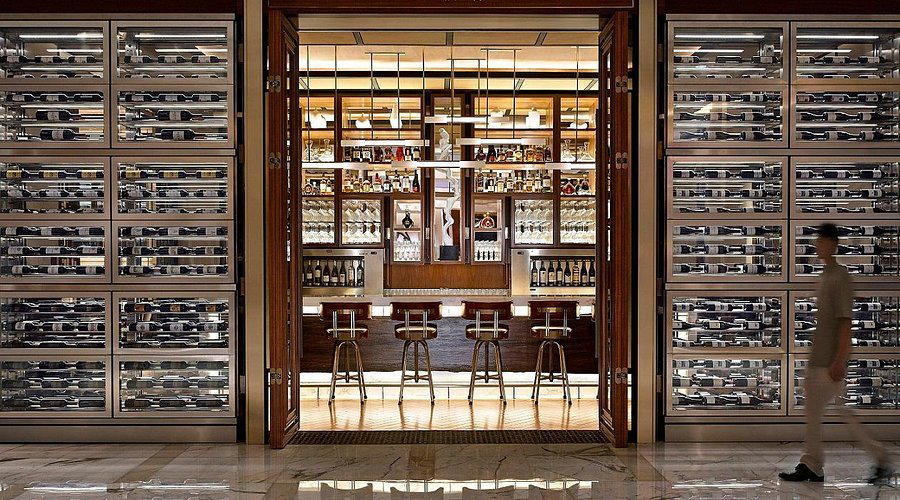
Chinese farmhouse style interior with open kitchen.