Akiko’s Restaurant & Sushi Bar
Akiko's Restaurant & Sushi Bar at 542 Mason Street sits within San Francisco's Tenderloin-adjacent corridor, where the city's Japanese dining tradition runs deeper than most visitors realise. The format here follows the sushi-bar-plus-dining-room model that gave Bay Area Japanese cuisine its distinctive character: counter precision alongside a broader menu designed for groups and individual diners alike.
Pearl is the En Primeur Club membership app — saves, bookings, and concierge access live there. Same editors, same standards.
- Address
- 542 Mason St unit A, San Francisco, CA 94102
- Phone
- (415) 989-8218
- Website
- akikossushibar.com
- Directions
- Get directions
 Saves & bookings on Pearl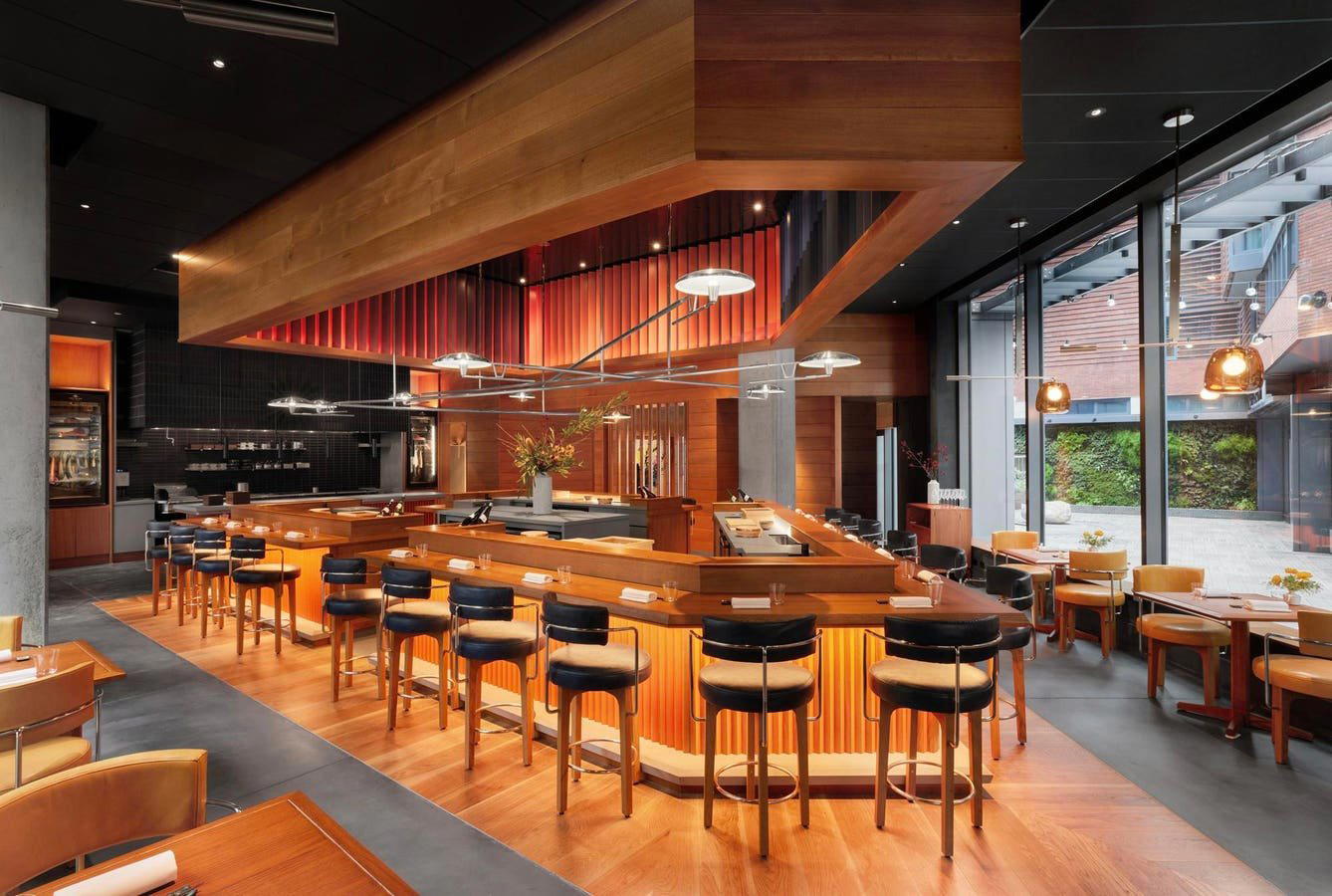
The Room Before the First Course
San Francisco's sushi scene has always occupied an interesting position in the American canon. Geographically and historically closer to Japan's Pacific influence than any other major American city, it developed its Japanese dining culture earlier and with greater depth than New York or Los Angeles, cities that now tend to attract more critical attention. Akiko's Restaurant & Sushi Bar, at 542 Mason Street, sits within that longer arc. The address places it in the lower Nob Hill corridor, a neighbourhood that reads as transitional by day but consolidates into a reliable dining district by evening, with the kind of foot traffic that sustains a mid-format Japanese restaurant without the tourist-capture economics of closer-in Fisherman's Wharf.
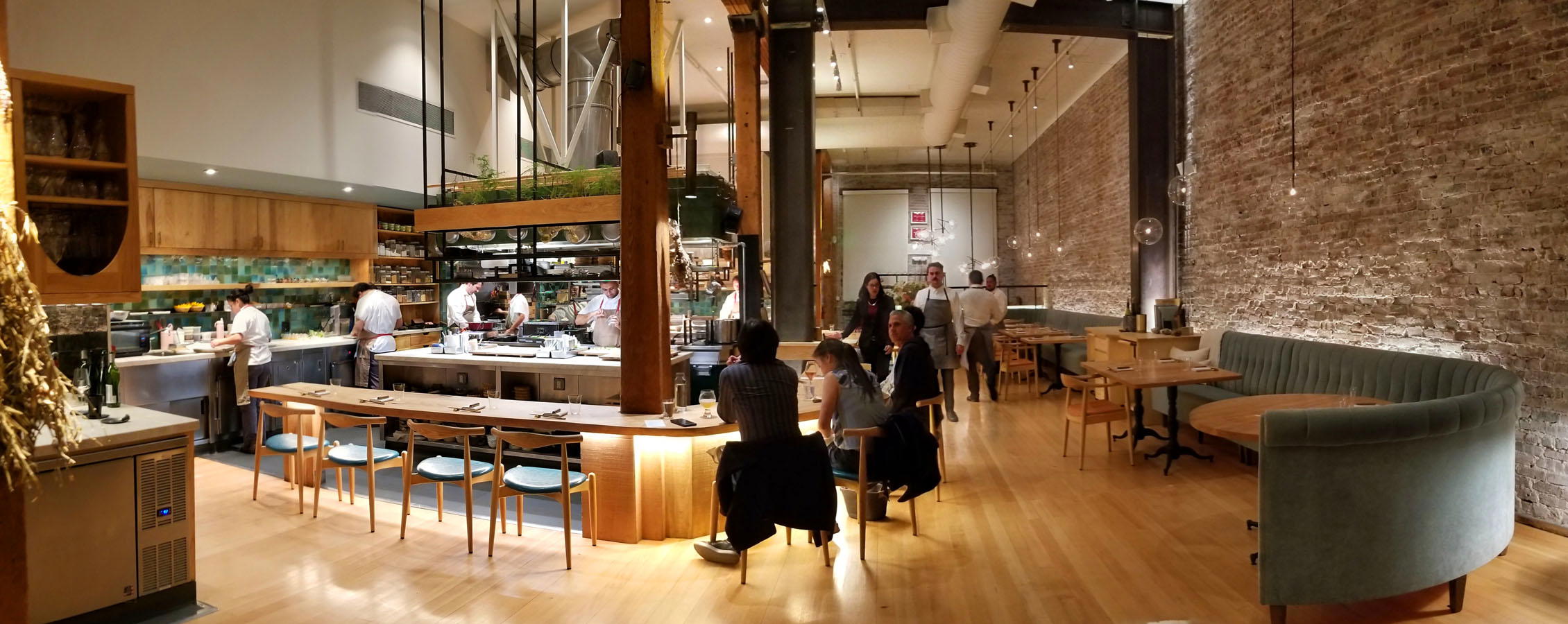
Walking into a sushi bar of this type, the structural grammar is immediately legible: a counter where the fish work happens in full view, a dining room section for table service, and a menu architecture that serves both registers. That dual-format layout, common across the Bay Area's Japanese mid-tier, allows a kitchen to run an omakase-adjacent counter experience alongside à la carte and combination formats for larger groups. It is a pragmatic San Francisco model, one that distinguishes the city's Japanese dining from the more rigidly counter-only structures found in Tokyo or increasingly at the summit end of New York's scene.
How the Meal Moves
The editorial angle worth applying to a restaurant like Akiko's is the tasting progression: how a meal is sequenced, what logic drives the movement from opening bites through to heavier courses, and whether the kitchen demonstrates command over pace and contrast. In Japanese sushi-bar dining, this progression is structural rather than improvised. A well-run counter or sushi-bar operation will move from lighter, cleaner fish through to richer, fattier cuts, with cooked preparations interspersed not as an afterthought but as deliberate palate management.
That sequencing discipline is what separates a confident sushi operation from a menu that simply lists available cuts. San Francisco's upper tier, which includes destination counters at the level of a Michelin-recognised omakase room, sets a reference point against which all mid-format operations are implicitly measured. The comparison venues in the city's fine-dining bracket, among them Benu, Atelier Crenn, Quince, Lazy Bear, and Saison, all occupy the $$$$ tier with tasting menus that run well above the range accessible on a casual evening. Akiko's format positions it outside that bracket, which is not a limitation so much as a different contract with the diner: more flexibility, broader menu access, and the option to self-curate the progression rather than surrender it to a kitchen's fixed sequence.
Nationally, the restaurants that demonstrate what a fully surrendered tasting arc can achieve range from The French Laundry in Napa and Le Bernardin in New York City at the haute-classic end, through to more contemporary progression models at Smyth in Chicago, Atomix in New York City, and Blue Hill at Stone Barns in Tarrytown. These are useful comparison points not because Akiko's competes in the same tier, but because the-in-class in any category sets the terms by which the reader calibrates what progression and intentionality look like in practice.
San Francisco's Japanese Dining Context
The city's Japanese restaurant density is meaningful. Japantown, roughly fifteen blocks northwest of Mason Street, has anchored Japanese culinary life in San Francisco since the early twentieth century. That proximity gives the broader city a base of regular Japanese diners, reliable ingredient sourcing through established import networks, and a public that can distinguish between approximated and rigorous technique. For a sushi-bar operation, that baseline matters. A restaurant feeding a market that includes knowledgeable regulars tends to hold its standards differently from one operating purely for occasion-dining tourists.
The Pacific Rim sourcing logic also applies. Northern California's access to premium seafood, both from local coastal fisheries and through established Japanese import channels via Los Angeles and San Francisco's own wholesale infrastructure, gives well-connected Bay Area sushi operations a supply advantage over counterparts in landlocked cities. How a kitchen uses that access, in the selection of fish, the handling of temperature, and the timing between slice and service, is the practical expression of that advantage.
For reference points in California's broader premium restaurant set, Providence in Los Angeles and Addison in San Diego demonstrate what rigorous sourcing discipline looks like at the awarded end. Single Thread Farm in Healdsburg applies a similar logic through an agricultural lens. These are the regional anchors against which a serious San Francisco dining visit should be mapped, with Akiko's serving a different but legitimate function in that geography.
Further afield, international tasting-progression benchmarks like Atelier Moessmer Norbert Niederkofler in Brunico and domestic counterparts like Frasca Food & Wine in Boulder or Emeril's in New Orleans and The Inn at Little Washington anchor the broader conversation about what structured, progression-conscious dining looks like across formats and geographies. That wider frame is useful when deciding how to allocate a San Francisco dining budget across multiple meals rather than concentrating it in a single high-spend evening.
Our full San Francisco restaurants guide maps the city's dining options across tiers, neighbourhoods, and formats, which is the practical starting point for building a visit itinerary that uses Akiko's alongside rather than instead of the city's upper-tier destinations.
Know Before You Go
| Address | 542 Mason St Unit A, San Francisco, CA 94102 |
|---|---|
| Neighbourhood | Lower Nob Hill / Tenderloin-adjacent corridor |
| Format | Sushi bar counter and dining room |
| Booking | |
| Price Tier | Mid-range relative to San Francisco's $$$$ tasting-menu bracket |
| Seasonal Note | Winter months bring peak Dungeness crab season across Bay Area Japanese menus; spring transitions toward lighter white fish |
Peers You’d Cross-Shop
Comparable venues nearby, for context on price, style, and recognition.
| Venue | Cuisine | Price | Notes |
|---|---|---|---|
| Akiko’s Restaurant & Sushi BarThis venue — the venue you are viewing | Modern Japanese Omakase | $$$ | Not listed |
| ICHI Sushi | Sustainable Japanese Sushi + Ni Bar | $$$ | Bernal Heights |
| Mokuku | Modern Japanese Shabu-Shabu | $$$ | Inner Richmond |
| Miyabi Sushi 2 Go | Japanese Sushi | $$ | North Beach |
| Sanraku | Authentic Japanese Sushi | $$ | Nob Hill |
| SaSa Japanese Restaurant | Modern Japanese Sushi | $$ | Japantown |
Continue exploring
More in San Francisco
Restaurants in San Francisco
Browse all →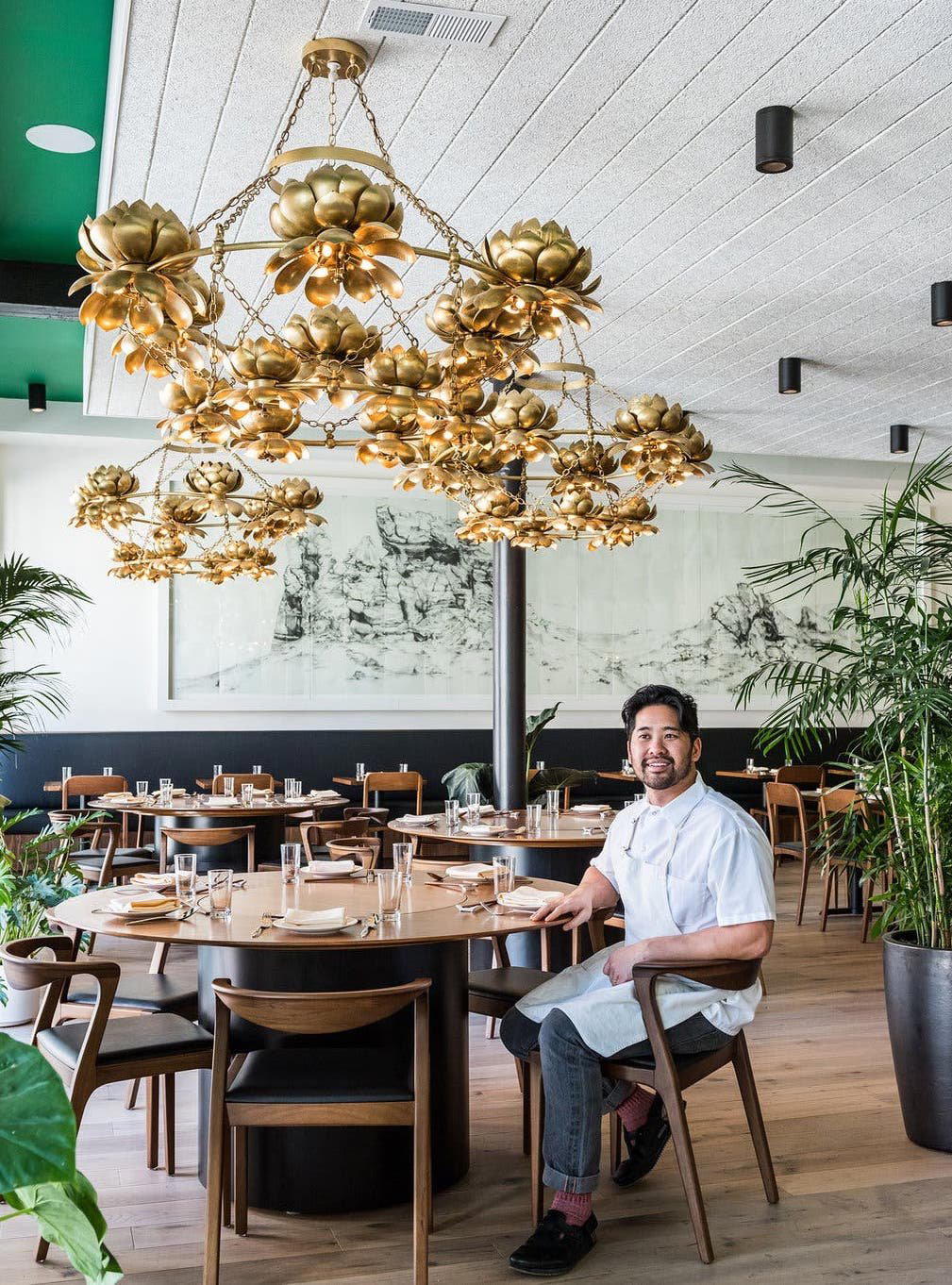
Bars in San Francisco
Browse all →
Hotels in San Francisco
Browse all →
At a Glance
- Elegant
- Modern
- Sophisticated
- Date Night
- Special Occasion
- Business Dinner
- Chefs Counter
- Open Kitchen
- Sustainable Seafood
- Local Sourcing
Current opening hours
- Monday
- 11 AM–2:45 PM, 4:15–10 PM
- Tuesday
- 11 AM–2:45 PM, 4:15–10 PM
- Wednesday
- 11 AM–2:45 PM, 4:15–10 PM
- Thursday
- 11 AM–2:45 PM, 4:15–10 PM
- Friday
- 11 AM–2:45 PM, 4:15–10 PM
- Saturday
- 11 AM–2:45 PM, 4:15–10 PM
- Sunday
- 11 AM–2:45 PM, 4:15–10 PM
Hours can change for holidays and private events. Last verified .
Sleek and modern Japanese dining space with casual elegant atmosphere; simple, understated design focused on the culinary experience rather than trendy aesthetics.