
Asakusa’s sukiyaki tradition is older, more formal, and less trend-driven than Tokyo’s counter-dining culture. Chinya belongs to that lineage, with Tabelog 100 Hot Pot 2024 recognition, a 74-seat dining room, private-room options, and a format that puts beef, pacing, and table service at the centre of the meal.
Pearl is the En Primeur Club membership app — saves, bookings, and concierge access live there. Same editors, same standards.
- Address
- 2 Chome-16-1 Hanakawado, Taito City, Tokyo 111-0033, Japan
- Phone
- +81 3-3841-0010
- Website
- chinya.co.jp
 Saves & bookings on Pearl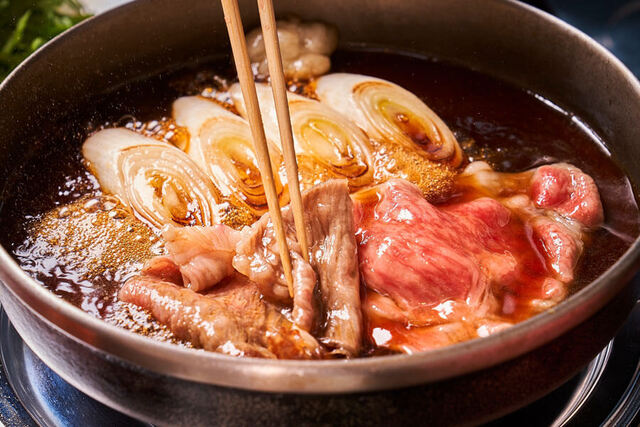
Approaching the sukiyaki houses of Asakusa, Tokyo feels less like a city chasing the new than one preserving older forms of hospitality in plain sight. The neighbourhood’s rhythm is different from Ginza’s omakase counters or Shibuya’s design-led dining rooms: meals here often move around shared pots, private rooms, and service teams trained to manage timing rather than spectacle. Chinya sits inside that tradition, a Hanakawado address tied to sukiyaki, shabu shabu, and Japanese cuisine, with recognition in Tabelog’s 2024 Hot Pot 100 confirming its place among Japan’s serious nabe specialists.
Asakusa sukiyaki works through service, not theatre
Sukiyaki is often misunderstood by visitors as a single dish rather than a dining structure. Its strength lies in coordination: beef, heat, seasoning, vegetables, rice, and pacing have to move together, and the room matters as much as the pot. A sushi counter makes the chef visible; a sukiyaki room distributes authority across kitchen and floor. The kitchen controls sourcing and preparation, while the front-of-house team governs tempo, table comfort, and the point at which the meal shifts from appetite to ease.
That team dynamic is the reason old-line hot pot restaurants occupy a different category from fashionable beef restaurants. A grill counter can be judged by sear and smoke in a few bites. Sukiyaki asks for patience and repetition, and the better rooms understand how to keep that repetition from becoming heavy. Chinya’s format, with 74 seats and private rooms in both Japanese and Western styles, points to a restaurant built for hosted meals as much as individual dining. The private rooms are not ornamental; in this genre, they shape the social contract of the meal.
Tokyo has plenty of leaner, faster restaurant formats. In Asakusa, the appeal is that the meal has edges: a clear cuisine category, a room designed for groups, and a service model where the handoff between kitchen and floor carries weight. Tabelog’s Hot Pot 100 selection in 2024 is useful here because it places the restaurant in a national conversation about sukiyaki and shabu shabu rather than in a generic Tokyo dining list. It signals category strength, not trend heat.
Where it sits in Tokyo's dining hierarchy
Tokyo’s restaurant culture often rewards smallness: eight-seat counters, chef-led menus, and reservations that behave like currency. Sukiyaki has a different value system. Capacity does not automatically dilute the experience; it can indicate a room built for ceremonies, family meals, business dinners, and returning local custom. Chinya’s scale places it apart from compact tasting-menu rooms and closer to the city’s formal shared-table traditions.
The comparison is useful. Sichuan Hashoku operates in a similar dinner budget band, but the cuisine logic is different: spice, regional Chinese structure, and a more contemporary Tokyo lens. Asakusa ASA Tora is priced lower and reads as a more casual neighbourhood option. nacol moves into a higher bracket with a tighter, dinner-focused format. Chinya’s position is neither minimalist nor experimental. It is a hot pot specialist in an older Tokyo district, priced and recognized in a way that suits diners looking for a composed Japanese meal without the choreography of an omakase counter.
That distinction matters for travellers planning Tokyo around meals. A city itinerary built only on sushi, ramen, and yakitori misses a major part of Japanese restaurant culture: dishes designed around shared heat and table management. Sukiyaki and shabu shabu are not secondary to counter dining; they belong to another branch of luxury, one where comfort, timing, and group rhythm are part of the craft.
How to read the room before choosing the meal
The practical decision is less about whether hot pot belongs on a Tokyo itinerary and more about what kind of evening is needed. This is a better fit for a seated, slower meal than for a quick stop between bars. It also makes sense for travellers who want Asakusa to be more than temple-adjacent sightseeing. The neighbourhood rewards staying for dinner: after the daytime crowds thin, its older restaurant culture becomes easier to read.
Private rooms add another layer. Room charges and seat counts make them a planning tool for small groups rather than a vague luxury signal. Non-smoking policy, card acceptance, and the absence of parking also define the experience in practical terms, but the broader point is simpler: this is a restaurant category where comfort is engineered through layout and staff rhythm, not through novelty.
For a wider Tokyo plan, pair this kind of meal with sharper contrasts elsewhere in the city. EP Club’s restaurant coverage includes casual and specialist addresses such as . 鮪と炭火焼き うお炭 秋葉原店, 12/10 Shinjuku ten, 124. KAGURAZAKA (Yakitori), 2D Cafe, and 3 Chome no Curry Ya San. The broader city edit sits in Our full Tokyo restaurants guide, with adjacent planning in Our full Tokyo hotels guide, Our full Tokyo bars guide, Our full Tokyo wineries guide, and Our full Tokyo experiences guide.
Travellers comparing Japanese dining across regions can also read against -Grilled beef Sukiyaki- KAMAKURA TANUKIAN 鎌倉 たぬき庵 in Kamakura.cafe in Osaka.know in Kumamoto, (Shoku) Vietnam in Kawasaki, [Curry Senmon Ten] Maruyama Kyoju. in Sapporo, and [ki:] in Kyoto. For overseas Japanese-adjacent references, Jōdo Saké Bar in Los Angeles and Onigiri Time in Pasadena show how differently Japanese formats translate outside Japan.
The editorial case for Chinya is not that it chases rarity. It is that sukiyaki, when handled by a serious room, reveals a side of Tokyo dining that resists the city’s obsession with counter seats and chef worship. The value is in the collective execution: kitchen, floor, table, and guest moving at the same pace.
The Quick Read
Comparable venues at the same tier for side-by-side context.
| Venue | Cuisine | Price | Notes |
|---|---|---|---|
| ChinyaThis venue — the venue you are viewing | Not listed | $$$ | Not listed |
| Unazen | Not listed | $$$ | Sumida, Kanto-style Unagi (Eel) |
| Nodoguro Senmon Ginza Nakamata | Not listed | $$$ | Chūō, Nodoguro-focused Japanese set-course dining |
| Yakitori Sekine | Toshima, Modern Yakitori Counter | $$$ | Not listed |
| Nose to Tail | Not listed | $$$ | Shinjuku, High-end Yakiniku & Offal (Nose-to-Tail Beef) |
| Toranomon Yakitori Kuniyoshi | Minato, Yakitori & Chicken Dishes | $$$ | Not listed |
Recognition history
Dated appearances from independent guides and award organizations, with the underlying list record or original source where available.
Tabelog 100 #41 · No. 41
Tabelog · Tabelog 100 - Hot Pot - 2024









At a Glance
- Classic
- Cozy
- Elegant
- Well Known
- Special Occasion
- Business Dinner
- Group Dining
- Family
- Date Night
- Private Event
- Private Dining
- Historic Building
- Standalone
- Sake Program
- Local Sourcing
Current opening hours
- Monday
- 11 AM–2 PM, 4:30–8 PM
- Tuesday
- 11 AM–2 PM, 4:30–8 PM
- Wednesday
- 11 AM–2 PM, 4:30–8 PM
- Thursday
- 11 AM–2 PM, 4:30–8 PM
- Friday
- 11 AM–2 PM, 4:30–8 PM
- Saturday
- 11 AM–9:30 PM
- Sunday
- 11 AM–9:30 PM
Hours can change for holidays and private events. Last verified .
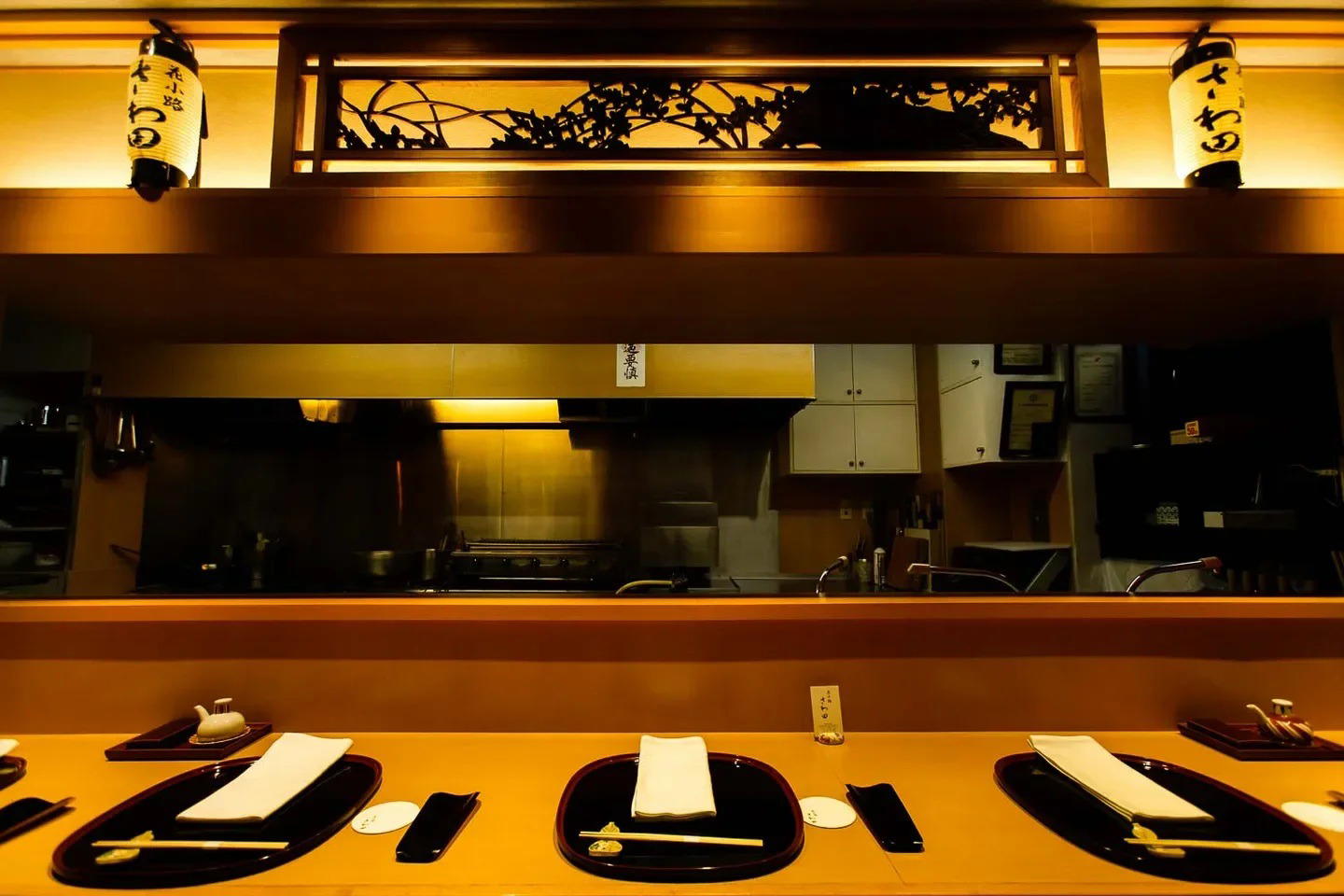
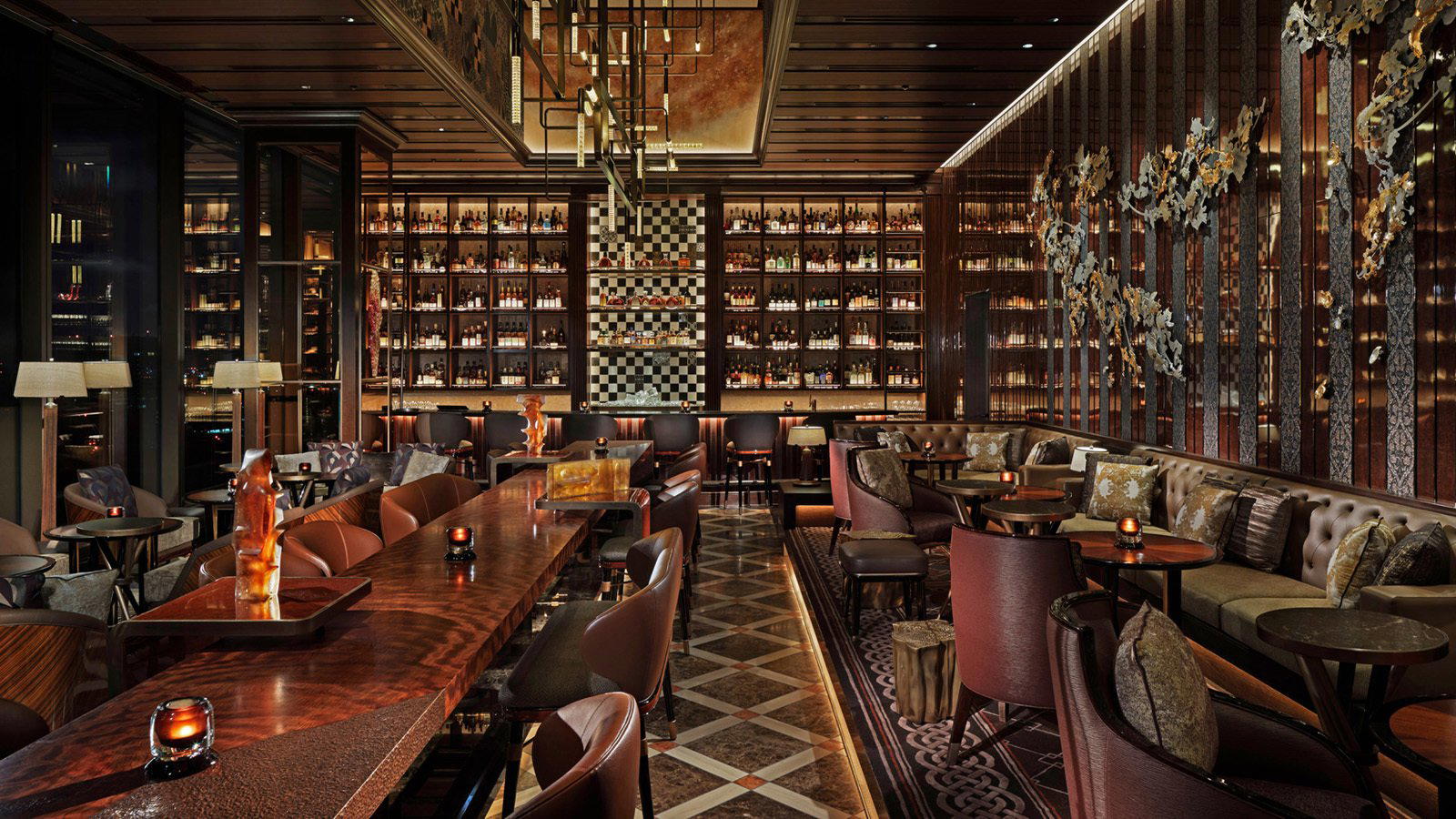
A renovated space that blends traditional Japanese sukiyaki-house elements with contemporary touches, featuring private rooms and a large tatami-style hall that create a warm, intimate yet polished atmosphere suited to special occasions.