
Komagome gives Tokyo yakitori a quieter frame than Ginza or Ebisu: a counter-first room, close to the station, with the grill as the evening’s center of gravity. Yakitori Sekine belongs to the city’s serious skewer tier, backed by Tabelog 100 Yakitori EAST selections in 2024 and 2025, and shaped for adults who return for rhythm, pacing, and drink pairing as much as chicken.
Pearl is the En Primeur Club membership app — saves, bookings, and concierge access live there. Same editors, same standards.
- Address
- 東京都豊島区駒込1-29-2
- Phone
- +81363041820
- Website
- tabelog.com
 Saves & bookings on Pearl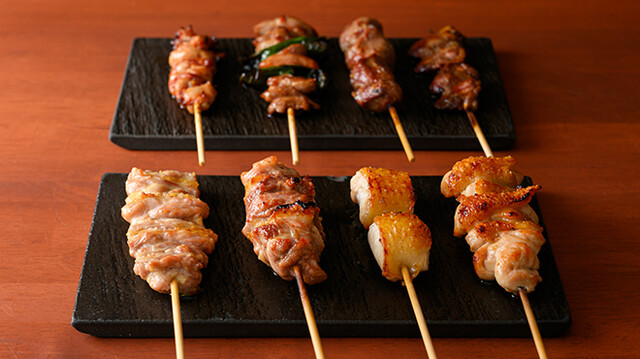
Komagome is not where Tokyo performs dining confidence for visitors. Station exits are practical, streets tighten quickly, and the restaurant rhythm feels local before ceremonial. That matters for yakitori, a form that rewards repetition: the regular who understands the sequence, the quiet counter seat, the pause between skewers, and the drink chosen to keep pace with smoke and salt rather than overwhelm it.
Yakitori Sekine fits that side of Tokyo. The room is counter-led, the grill central, and the audience adult by design. In a city where yakitori ranges from after-work beer food to controlled tasting formats, this address sits in the disciplined middle-to-upper bracket: serious enough to earn Tabelog 100 Yakitori EAST recognition in 2024 and 2025, yet grounded in neighborhood-counter pleasure rather than theatrical fine dining.
Komagome yakitori works on trust, pacing, and repeat visits
Tokyo’s mature yakitori culture is built less on novelty than control: butchery, seasoning, heat management, smoke, the order of richer and leaner cuts, and the way drinks reset the palate. A good counter need not declare seriousness with elaborate service language. It proves the point through tempo.
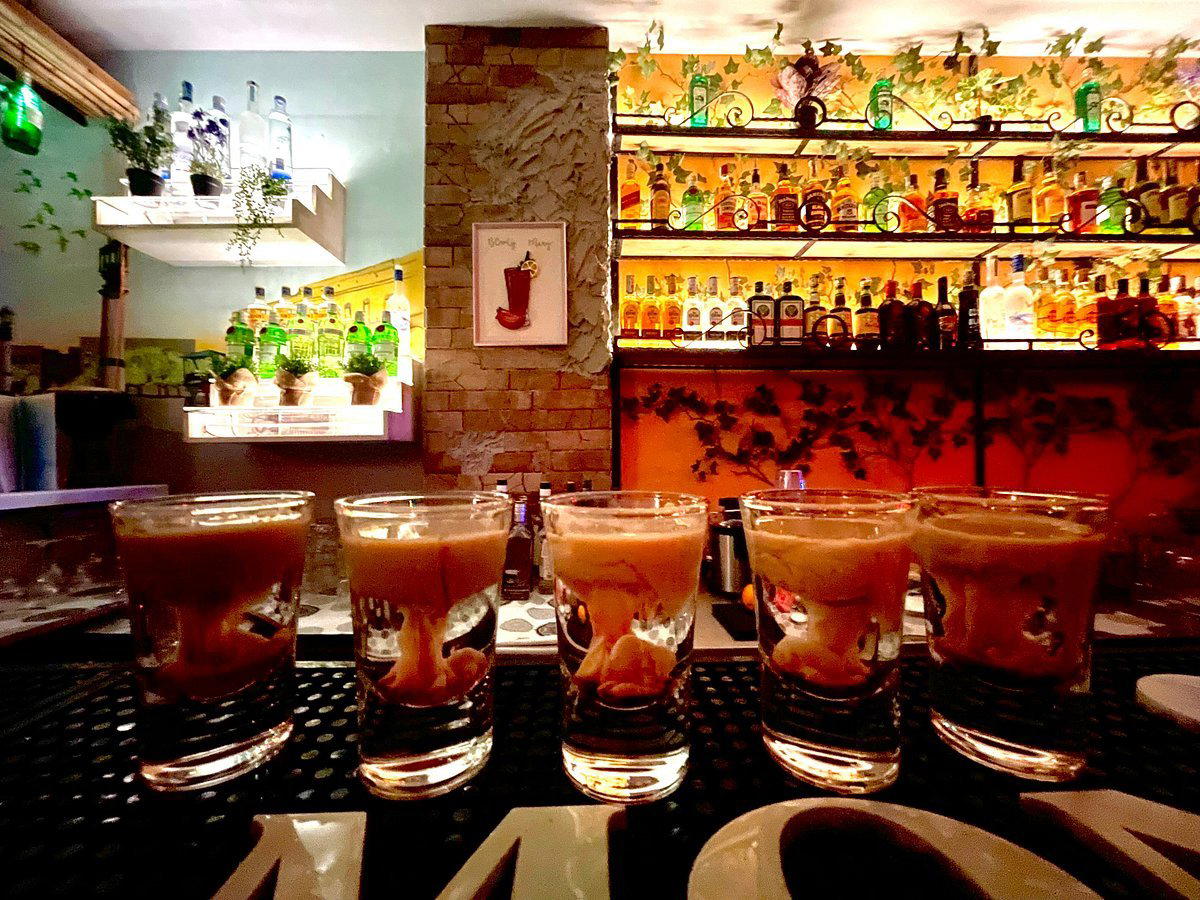
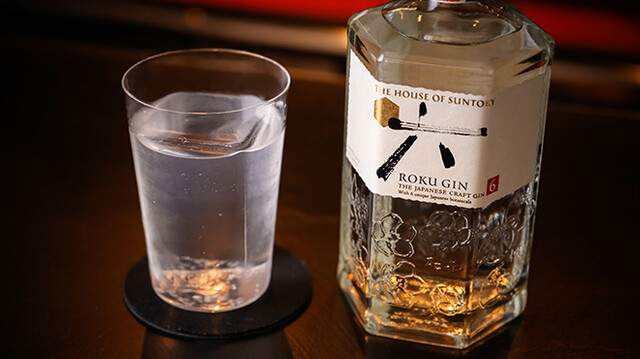
Regulars’ perspective matters. A first booking often focuses on access and recognition; a second visit notices the meal’s unwritten logic. Counter-only formats reward diners who accept the restaurant’s rhythm, especially in yakitori, where small timing changes alter the evening’s arc. A sommelier and drinks list spanning sake, shochu, and wine signal that pairing is part of the meal, not an afterthought.
The city context matters too. Central Tokyo has many high-spend counters competing on scarcity, chef reputation, or luxury ingredients. Komagome has different pressure: residential, connected, and less performative. For diners mapping Tokyo beyond hotel-district convenience, Yakitori Sekine offers intimacy without preciousness, and recognition through specialist Japanese platforms rather than international trophy circuits.
Within the immediate Tokyo comparison set, the distinction is clear. Ikewanagi no Mise Tsugumi An occupies a higher listed spend band and combines eel with yakitori, while Grill K Komagome honten belongs to a more casual grill category. OSTERIA SELVAGGINA sits in an Italian lane altogether. Choose Yakitori Sekine when the evening should center on chicken skewers, counter pacing, and drinks, not a broader neighborhood dinner crawl.
The counter format favors adults who know how to read a room
Yakitori has unwritten rules, and Tokyo’s serious counters make them visible without spelling them out. Strong fragrance is discouraged because smoke, fat, tare, salt, and warmed sake belong to the shared air. Intoxication is disruption, not harmless prelude. The age policy reinforces the point: this is not a family stop between sightseeing plans, but an adult dinner format built around concentration and pace.
The course-based approach also changes value. This is not a pick-and-mix skewer bar where the table builds a casual order around beer. It belongs to set-menu yakitori, where the kitchen controls progression and the guest commits to the sequence. That can suit visitors who want structure, especially if Japanese menu negotiation is a barrier; it is less suitable for diners seeking flexible à la carte.
Recognition from Tabelog’s Hyakumeiten program carries weight in Japan because it reflects category-specific depth. A yakitori selection is not a general dining accolade; it places the restaurant inside a defined field of skewer specialists across eastern Japan. For travelers used to Michelin as shorthand, that distinction helps. Tokyo’s yakitori hierarchy is not fully legible through international guides, and domestic lists often capture counters Japanese diners are actively discussing and booking.
The price tier reinforces the positioning. Dinner sits in a restrained premium band for Tokyo yakitori, not the city’s luxury omakase bracket. That matters for repeat clientele: a restaurant enters someone’s monthly rhythm only when spend, access, and format align. The minimum-drink policy introduced from July adds another signal. The meal is conceived with beverages in the structure, and diners who do not want to drink should factor that into the choice.
How to place it in a Tokyo dining itinerary
For a Tokyo trip, this is a specialist dinner rather than a catch-all recommendation. It makes sense after a day in the north or west of the city, or as a deliberate counterpoint to more international dining zones. Komagome’s appeal is its lack of spectacle: the neighborhood gives the meal a lived-in frame, and station access prevents the evening becoming a logistical project.
Travelers building a food-led route can use it beside other category anchors, not as a replacement. For broader planning, Our full Tokyo restaurants guide is the better starting point, with parallel city context in Our full Tokyo hotels guide, Our full Tokyo bars guide, Our full Tokyo wineries guide, and Our full Tokyo experiences guide. Nearby or same-city contrasts include 124. KAGURAZAKA (Yakitori), 12/10 Shinjuku ten. 鮪と炭火焼き うお炭 秋葉原店, 2D Cafe, and 3 Chome no Curry Ya San.
For readers extending the lens beyond Tokyo, EP Club’s wider Japan and sake-adjacent map includes -Grilled beef Sukiyaki- KAMAKURA TANUKIAN 鎌倉 たぬき庵 in Kamakura.cafe in Osaka.know in Kumamoto, (Shoku) Vietnam in Kawasaki, [Curry Senmon Ten] Maruyama Kyoju. in Sapporo, [ki:] in Kyoto, Jōdo Saké Bar in Los Angeles, and Onigiri Time in Pasadena.
The editorial case for the restaurant is not that every Tokyo visitor needs another hard-won counter booking. It is that yakitori at this level reveals a different grammar of the city: compact rooms, adult rules, controlled heat, drink-aware pacing, and a clientele returning because the format keeps producing small calibrations rather than grand statements.
Standing Among Peers
Comparable venues by cuisine and price in the same metro.
| Venue | Cuisine | Price | Notes |
|---|---|---|---|
| Yakitori SekineThis venue — the venue you are viewing | Modern Yakitori Counter | $$$ | Not listed |
| Matsugen (松玄 恵比寿) | Handmade Soba Noodles | $$$ | Ebisu |
| Niou | Yoshoku (Japanese-style Western Cuisine) | $$$ | Chiyoda |
| 焼鳥 髙はし | Michelin-Starred Yakitori | $$$ | Chūō |
| Isehiro Kyobashi honten | Historic Yakitori Specialist | $$$ | Chūō |
| Soba Kiri Sake Daigu | Traditional Soba & Sake Counter | $$$ | Minato |
Recognition history
Dated appearances from independent guides and award organizations, with the underlying list record or original source where available.
Tabelog 100 #86 · No. 86
Tabelog · Tabelog 100 - Yakitori - EAST - 2025









At a Glance
- Cozy
- Intimate
- Modern
- Date Night
- Special Occasion
- After Work
- Solo
- Chefs Counter
- Open Kitchen
- Standalone
- Extensive Wine List
- Sake Program
- Sommelier Led
- Local Sourcing
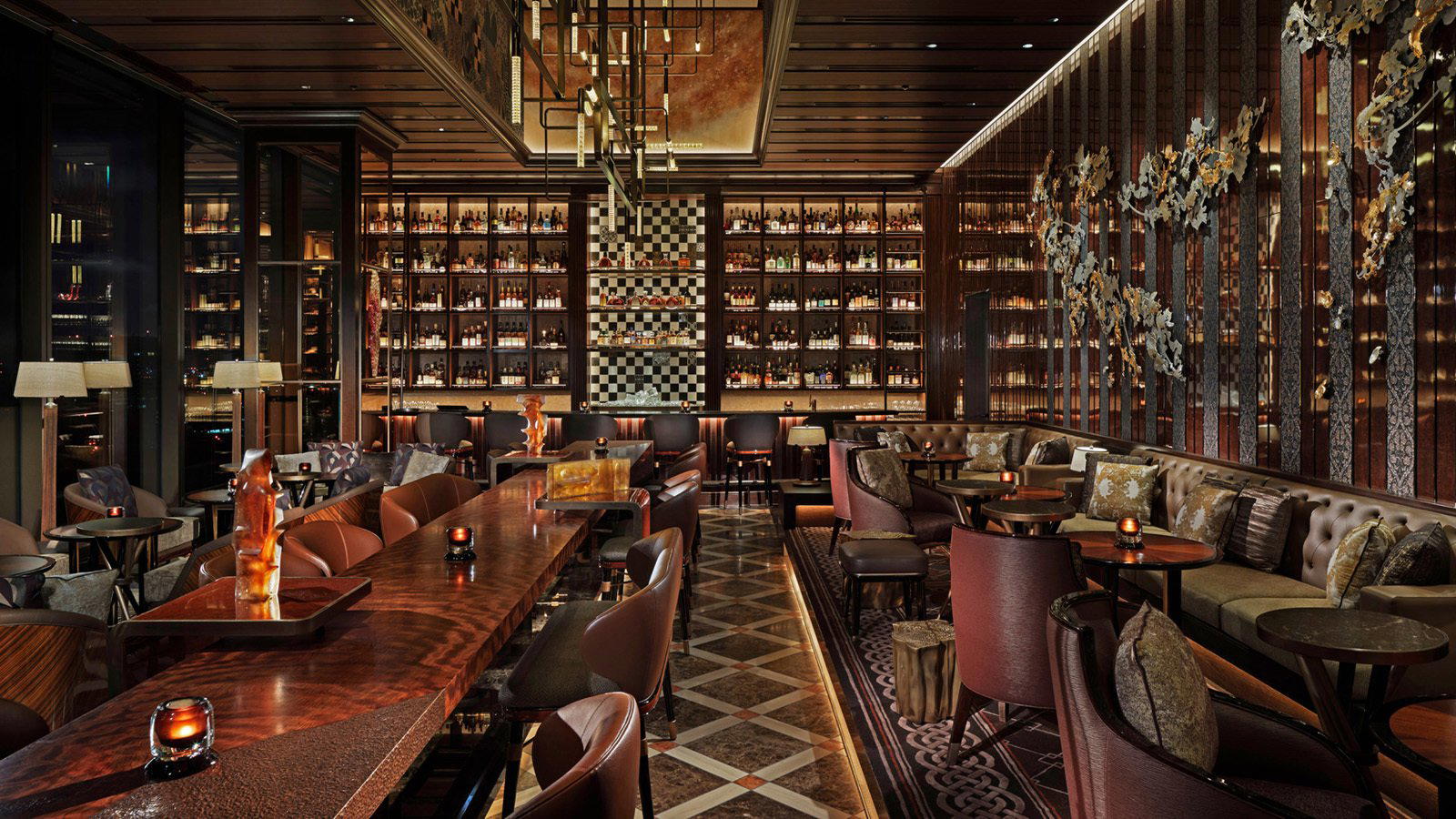
An intimate 11-seat counter-only space with a calming, relaxed atmosphere and a focus on the open grill, designed for adults to enjoy meticulous yakitori and drinks in a quiet, refined setting.