
Chinese Toukaryou Toukari places hotel Chinese dining inside Tokyo’s reputation economy: formal room, broad drinks program, private-room capacity, and a 2026 Tabelog 100 selection for Chinese cuisine in Tokyo. In Toranomon’s business-and-hotel corridor, it reads less like a trend-driven counter and more like an established address for polished Cantonese-leaning restaurant culture.
Pearl is the En Primeur Club membership app — saves, bookings, and concierge access live there. Same editors, same standards.
- Address
- Japan, 〒105-0001 Tokyo, Minato City, Toranomon, 2 Chome−10−4 オークラプレステージ 6階
- Phone
- +81 3-3505-6068
- Website
- theokuratokyo.jp
 Saves & bookings on Pearl
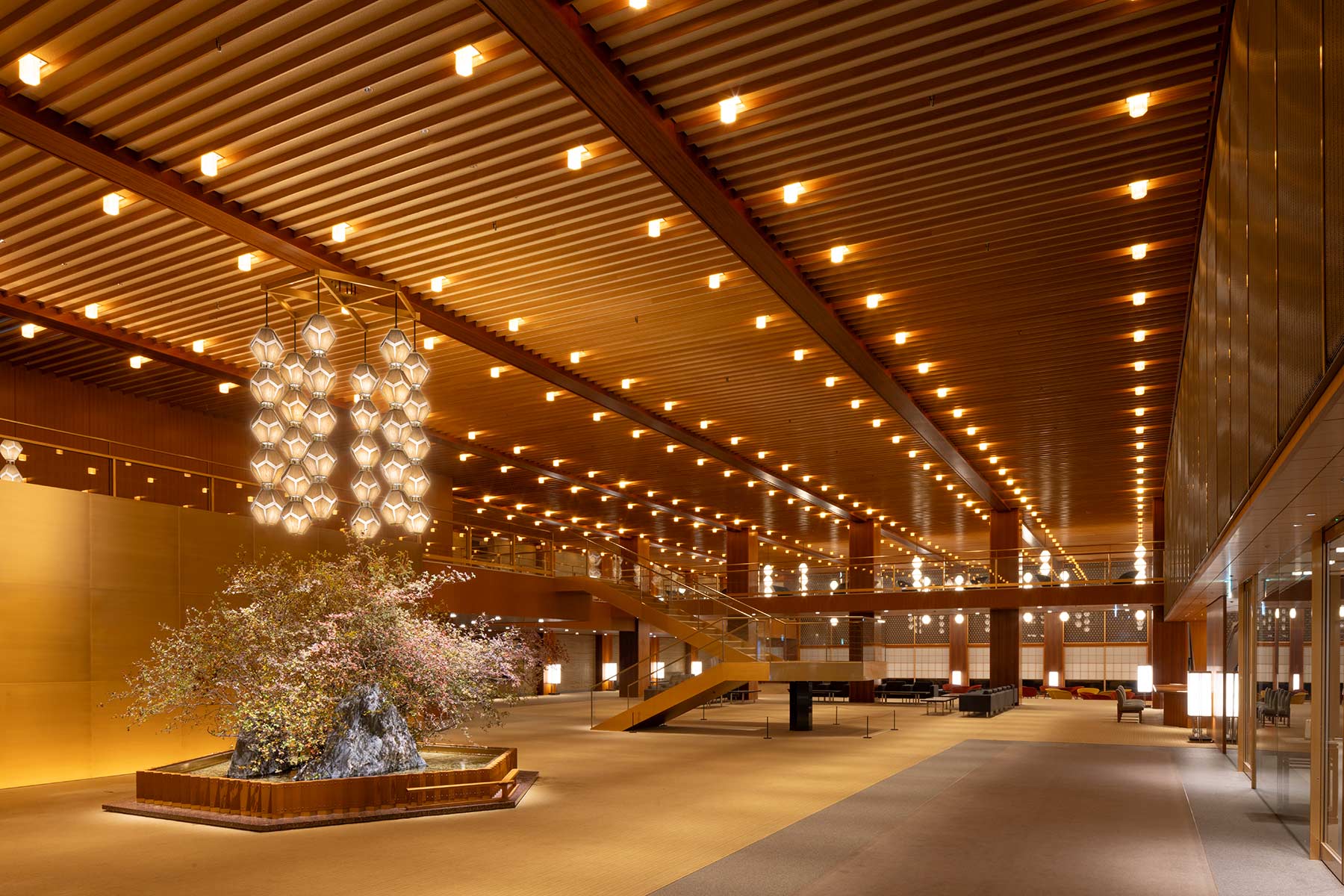
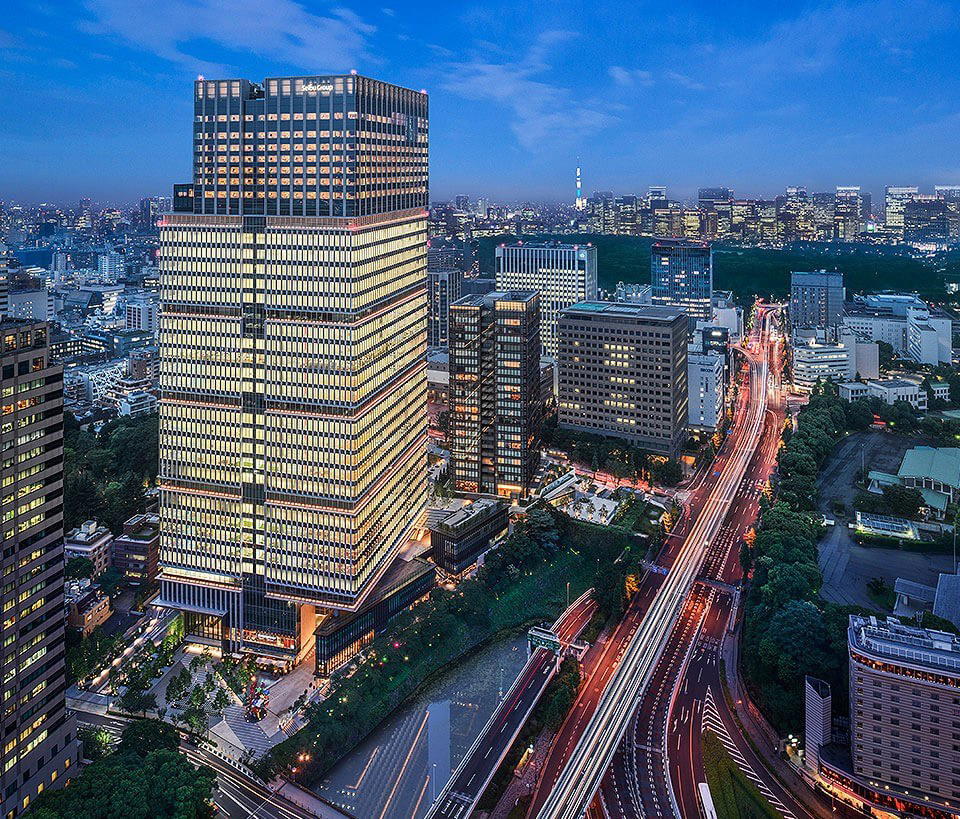
Arriving at The Okura Tokyo changes the register before the meal begins. Toranomon’s office towers give way to hotel choreography: quiet lifts, measured lighting, and room discipline rooted in Tokyo’s older luxury dining grammar rather than its current wave of small counters. Chinese Toukaryou Toukari sits in that world, where Chinese cuisine is framed through service, wine, private rooms, and ceremony as much as through the kitchen.
Tokyo’s Chinese dining scene is unusually layered. At one end are compact, technically intense, counter-led modern Chinese rooms; at the other are hotel restaurants built for families, business dinners, anniversaries, and wine-led entertaining. The latter can be underestimated because it is not driven by scarcity theatre. Yet Tabelog’s 2026 Chinese cuisine Tokyo 100 selection gives this address a clear reputation signal in a crowded field, especially where Chinese restaurants compete across Ginza, Akasaka, Roppongi, Nihonbashi, and the hotel districts around Toranomon.
Hotel Chinese dining in Toranomon, judged by reputation rather than novelty
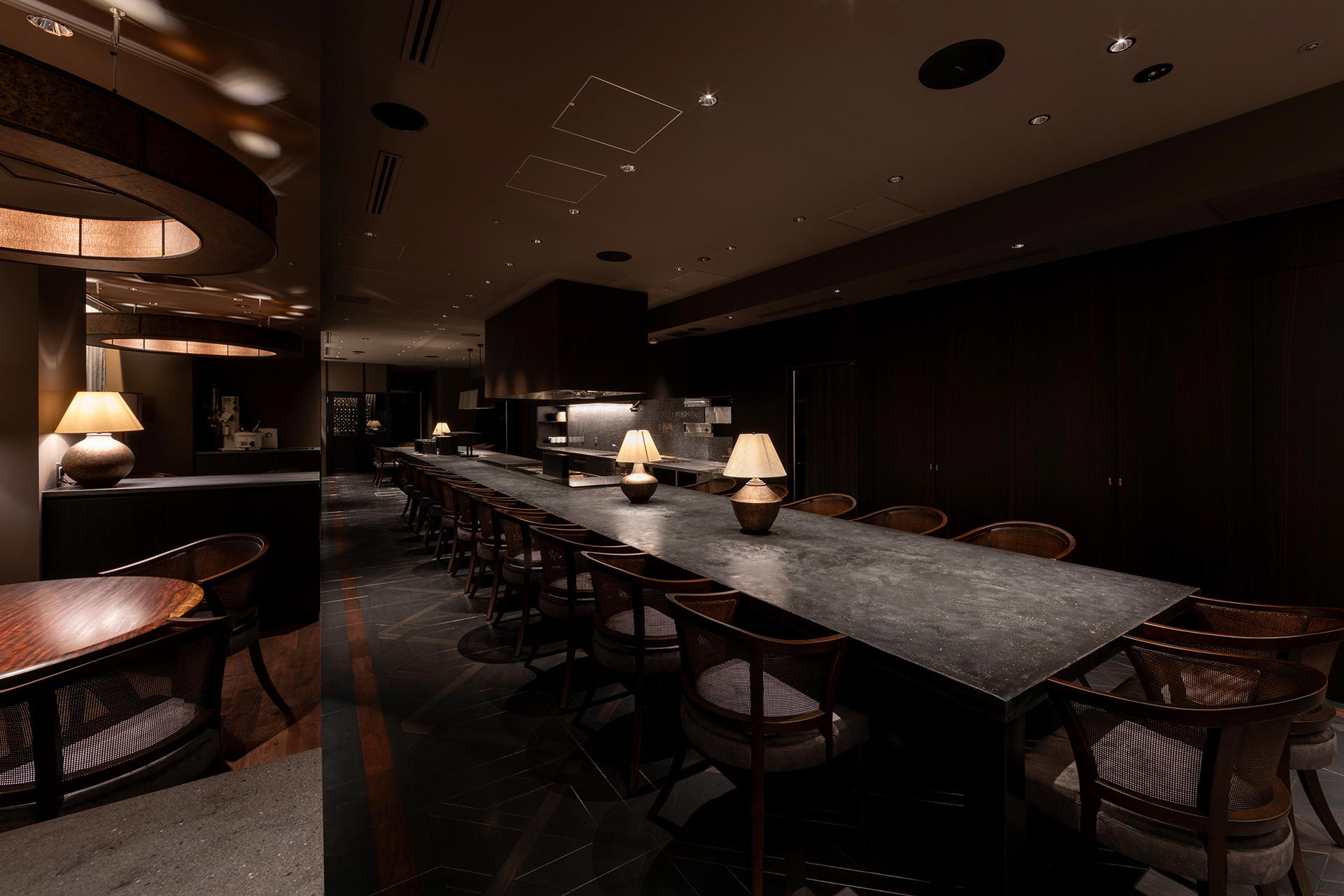
The reputation rests on format as much as food category. A 144-seat hotel restaurant with private rooms up to 14 people belongs to a different competitive set from an eight-seat tasting counter. It needs breadth, consistency, and a room that can carry formal occasions without turning stiff. That matters in Tokyo, where Chinese cuisine often functions as celebration dining: shared courses, wine or sake, and enough spatial comfort for multi-generation tables.
The 2026 Tabelog 100 listing places Chinese Toukaryou Toukari among Tokyo’s recognised Chinese restaurants for the year, with a Tabelog score of 3.69 attached to the listing. It is not a Michelin-style star system and should not be read like one. Its value is different: visibility within a Japanese user-review culture useful for mapping local reputation. For visitors, the signal is practical. This is not an anonymous hotel dining room filling a convenience slot; it has enough local traction to appear in a specialist Chinese category list for Tokyo.
Drinks positioning also shows the room’s place in the city. Sake, shochu, and wine are listed, with a sommelier available and particular attention to wine. That combination is common in Japanese fine dining but less automatic in Chinese restaurants outside the hotel tier. It suggests a service model for guests who want Chinese cuisine without surrendering the habits of a wine-led dinner. In Tokyo, restaurant choice is often less about cuisine alone than the rhythm of the evening.
Where it fits among The Okura's dining rooms
Okura context matters because the hotel operates as a dining ecosystem. Comparison within the property is sharper than comparing the restaurant to a fashionable neighbourhood counter. Toh-Ka-Lin, Orchid, Sazanka, Yamazato Tokyo, and Nouvelle Epoque each speak to a different mode of hotel dining: Chinese, all-day international service, teppanyaki, Japanese tradition, and Japanese Modern cooking. Chinese Toukaryou Toukari sits in the formal Chinese lane, where private rooms, table spacing, and occasion use carry real weight.
That setting also explains why the restaurant is not trying to imitate Tokyo’s newer Chinese tasting-menu wave. The city has seen smaller, chef-driven Chinese rooms borrowing from Japanese seasonality and French pacing. This address answers a different brief: diners wanting the security of a large-format room, a non-smoking environment, wheelchair accessibility, and a service structure that can handle family meals as readily as business entertainment. In a city with many brilliant but compact restaurants, that breadth is not incidental.
The useful comparison is not “old versus new” but “ceremonial versus experimental.” Experimental Chinese dining in Tokyo often prizes surprise, counter intimacy, and a narrow booking funnel. Ceremonial hotel Chinese dining prizes composure, privacy, and the ability to accommodate a wider range of guests. The Tabelog recognition matters because it shows the latter category can carry critical weight too, not merely convenience.
How to read the room before choosing it
Choose this restaurant when the table matters as much as the menu: family occasions, cross-generational meals, business hosting, and evenings when a hotel address helps logistics. The listed dinner budget of JPY 20,000 to JPY 29,999 and lunch budget of JPY 6,000 to JPY 7,999 put it in a premium but not ultra-scarce Tokyo bracket. Lunch is the cleaner entry point for travellers comparing several high-end meals in one trip; dinner better suits a formal occasion where the room, wine service, and private-space options justify the spend.
Smart casual dress is part of the contract, with restrictions on shorts, sandals, sleeveless clothing for men, and hats. In Tokyo hotel dining, that code preserves a shared atmosphere where families, corporate hosts, and international guests can occupy the same room without friction. Reservations are available, and the cancellation policy is firm enough to treat the booking as a commitment rather than a placeholder.
For planning, place this meal within Tokyo by mood rather than cuisine alone. A Toranomon hotel dinner pairs naturally with other polished central-city choices, while Akihabara, Shinjuku, Kagurazaka, and suburban Tokyo produce a different tempo. EP Club’s restaurant map can help set those contrasts: see Our full Tokyo restaurants guide, alongside city planning rails for Our full Tokyo hotels guide, Our full Tokyo bars guide, Our full Tokyo wineries guide, and Our full Tokyo experiences guide.
Travellers building a wider Japan dining itinerary can also compare the contrast between central Tokyo and other formats:. 鮪と炭火焼き うお炭 秋葉原店, 12/10 Shinjuku ten, 124. KAGURAZAKA (Yakitori), 2D Cafe, 3 Chome no Curry Ya San, -Grilled beef Sukiyaki- KAMAKURA TANUKIAN 鎌倉 たぬき庵 in Kamakura,.cafe in Osaka,.know in Kumamoto, (Shoku) Vietnam in Kawasaki, [Curry Senmon Ten] Maruyama Kyoju. in Sapporo, [ki:] in Kyoto, Jōdo Saké Bar in Los Angeles, and Onigiri Time in Pasadena.
The editorial case is clear: choose Chinese Toukaryou Toukari for recognised hotel Chinese dining in Tokyo, not counter-culture novelty. Its 2026 Tabelog 100 selection, large formal room, private-room option, sommelier service, and family-friendly structure make it a strong fit when polish and reliability matter more than culinary theatre.
Cost Snapshot
Comparable venues in the metro at similar price points.
| Venue | Cuisine | Price | Awards | Notes |
|---|---|---|---|---|
| Chinese Toukaryou ToukariThis venue — the venue you are viewing | $$$ | , | ||
| Sichuan Ryori Kae | $$$ | , | Toshima, Sichuan Hot Pot and Chinese Cuisine | |
| Reikasai Ginza The Chinese Imperial Court dishes | $$$ | , | Chūō, Imperial Chinese court cuisine in Ginza | |
| Cantonese en | $$$ | , | Chiyoda, Modern Cantonese for Beauty and Health | |
| Chinese Sai Chirin | $$$ | , | Shinjuku, Modern Chinese with Shaoxing wine and Yunnan qiguo specialties | |
| Masa's Kitchen 47 | Shibuya, Modern Creative Chinese | $$$ |






At a Glance
- Elegant
- Sophisticated
- Classic
- Romantic
- Iconic
- Business Dinner
- Special Occasion
- Celebration
- Group Dining
- Date Night
- Family
- Private Dining
- Design Destination
- Hotel Restaurant
- Extensive Wine List
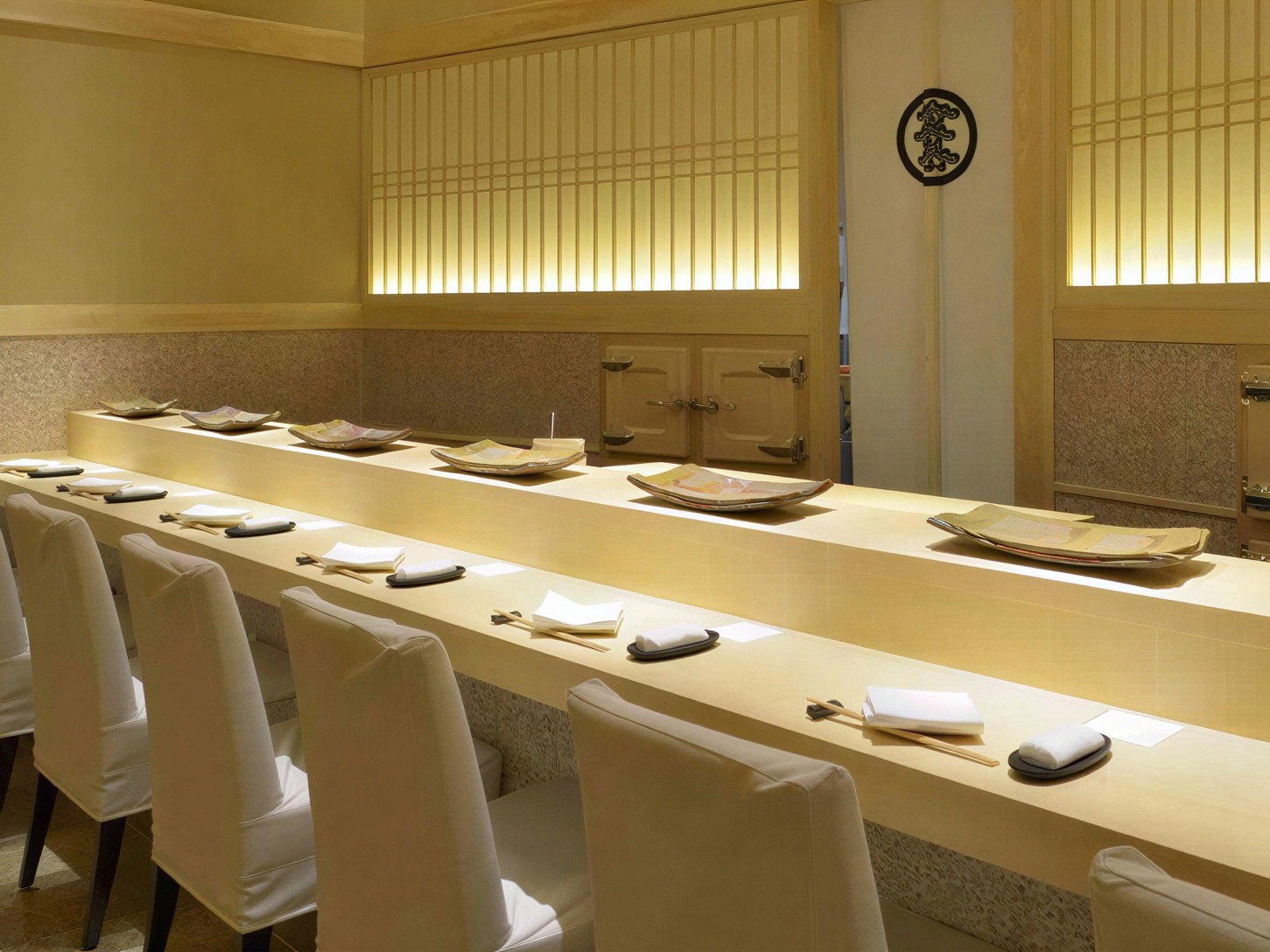
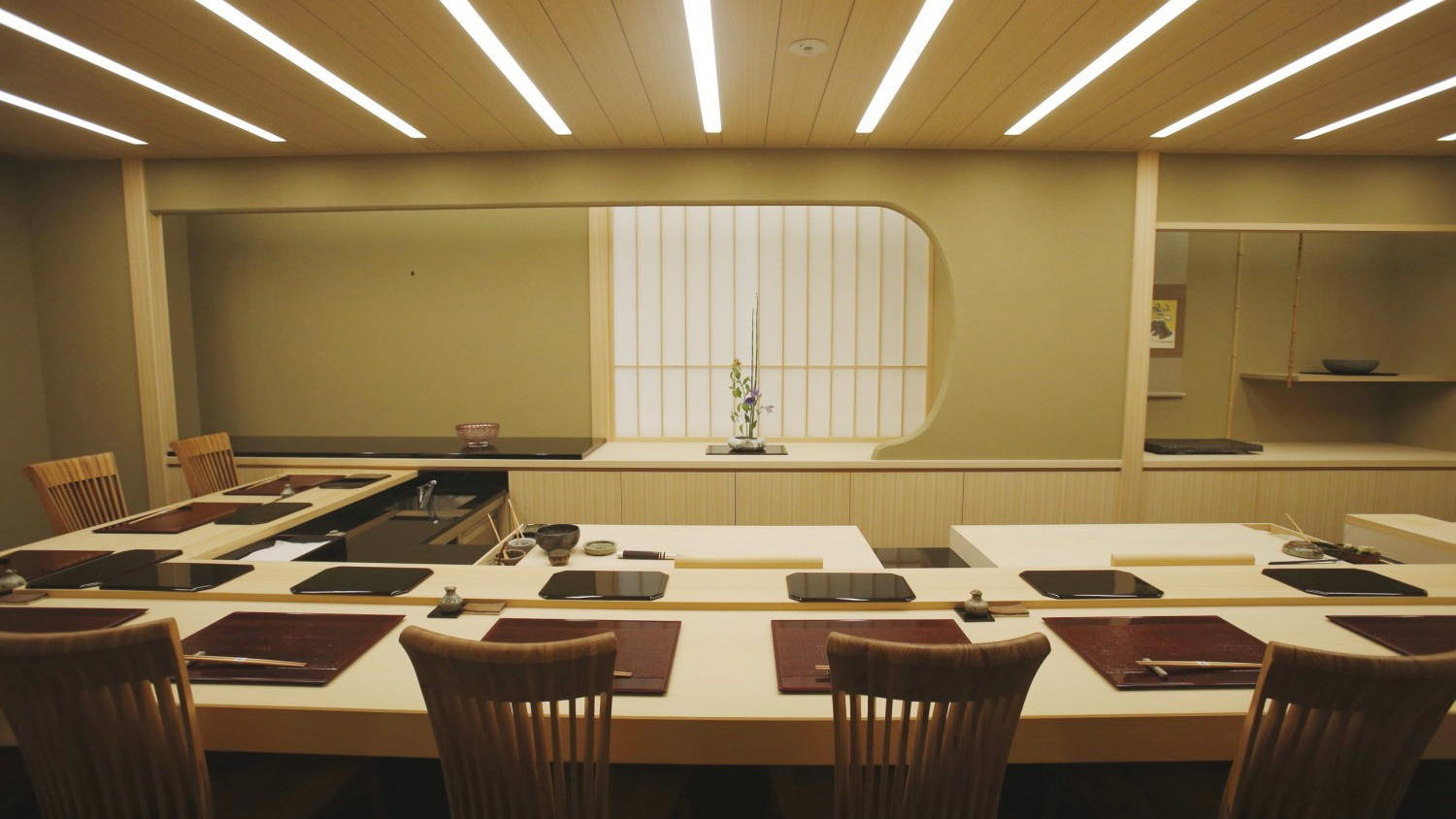
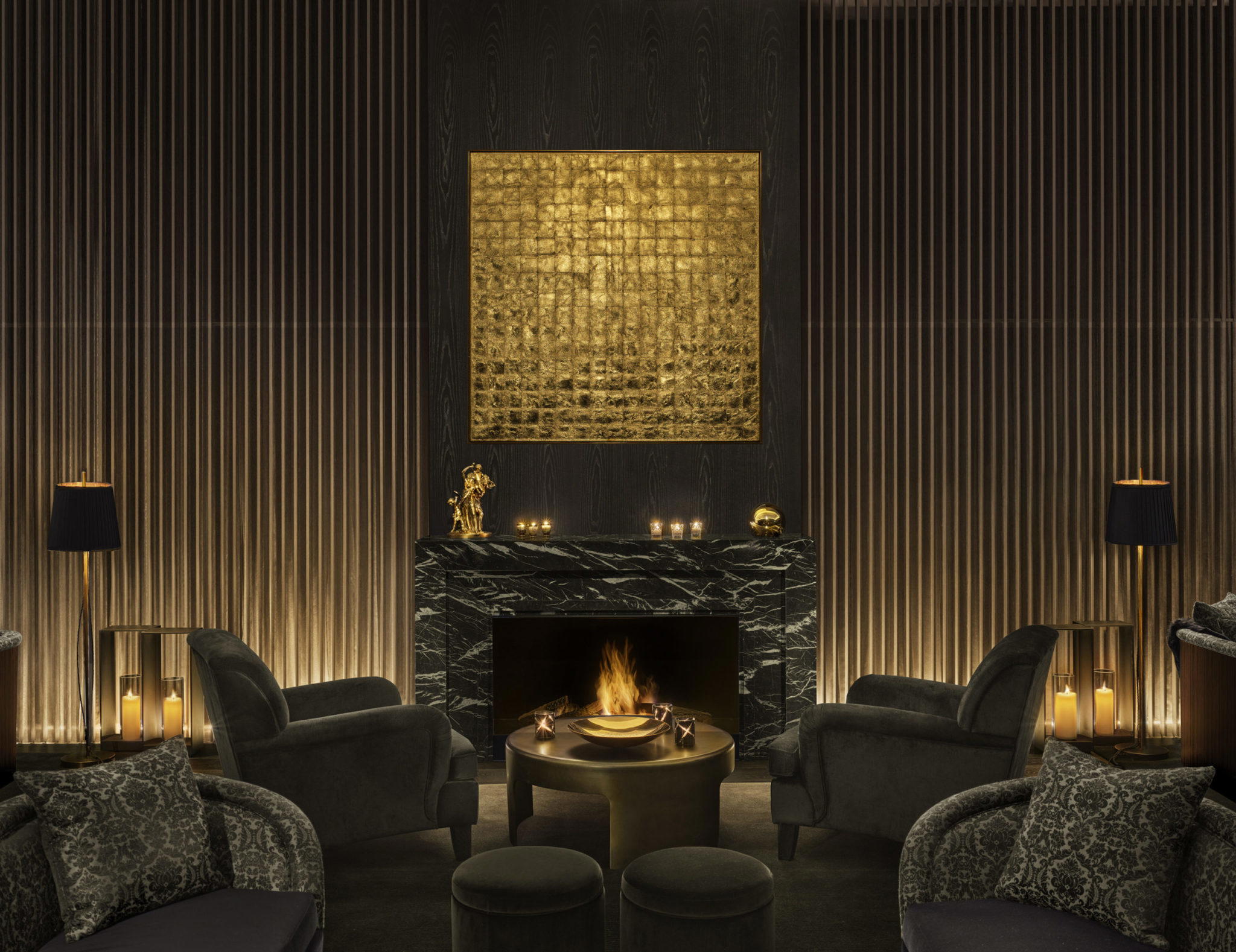
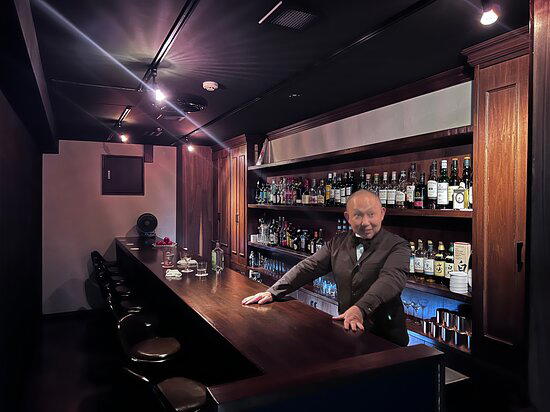
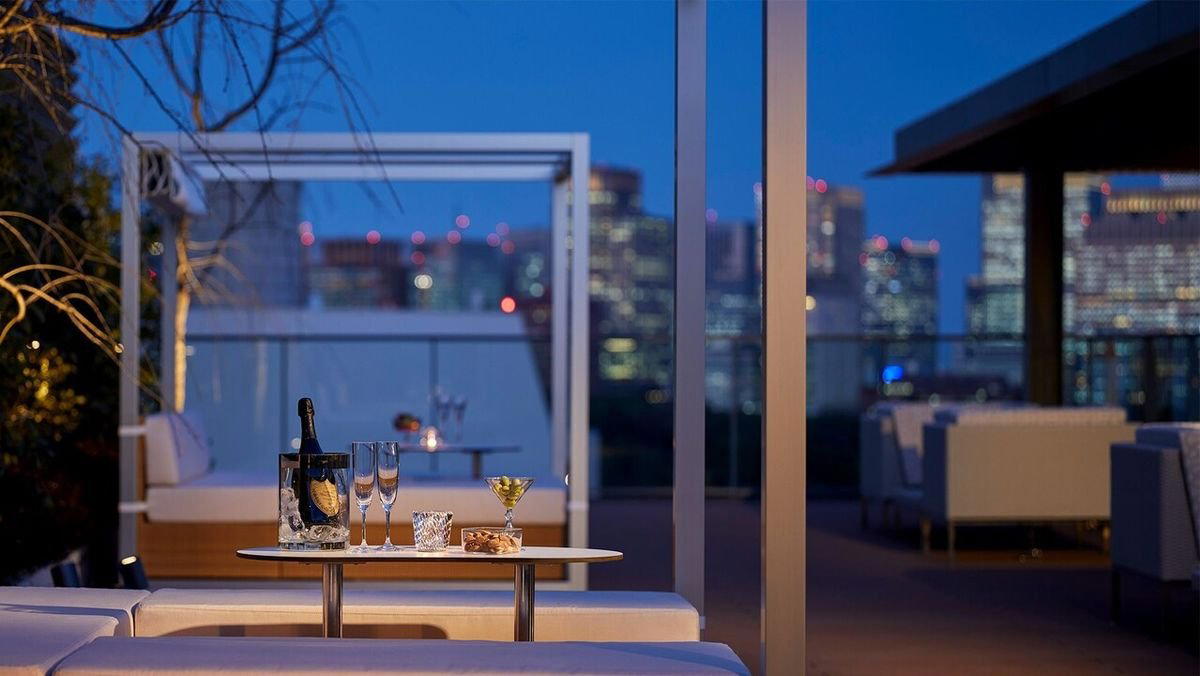
Refined hotel dining room with polished service, private rooms themed around the idyllic "peach blossom land," and a calm, upscale atmosphere suited to celebrations and business dining rather than casual, noisy meals.