Chinappi Seafood Restaurant on Via Augusto Valenziani has built a loyal following in Rome's competitive dining scene by keeping the focus squarely on the sea. The address puts it within reach of the city's historic centre, and the kitchen's reputation rests on sourcing and preparation rather than theatrical embellishment. For seafood in Rome, it occupies a particular niche that rewards repeat visits.
Pearl is the En Primeur Club membership app — saves, bookings, and concierge access live there. Same editors, same standards.
- Address
- Via Augusto Valenziani, 19, 00187 Roma RM, Italy
- Phone
- +393964819005
- Website
- chinappi.it
- Directions
- Get directions
 Saves & bookings on Pearl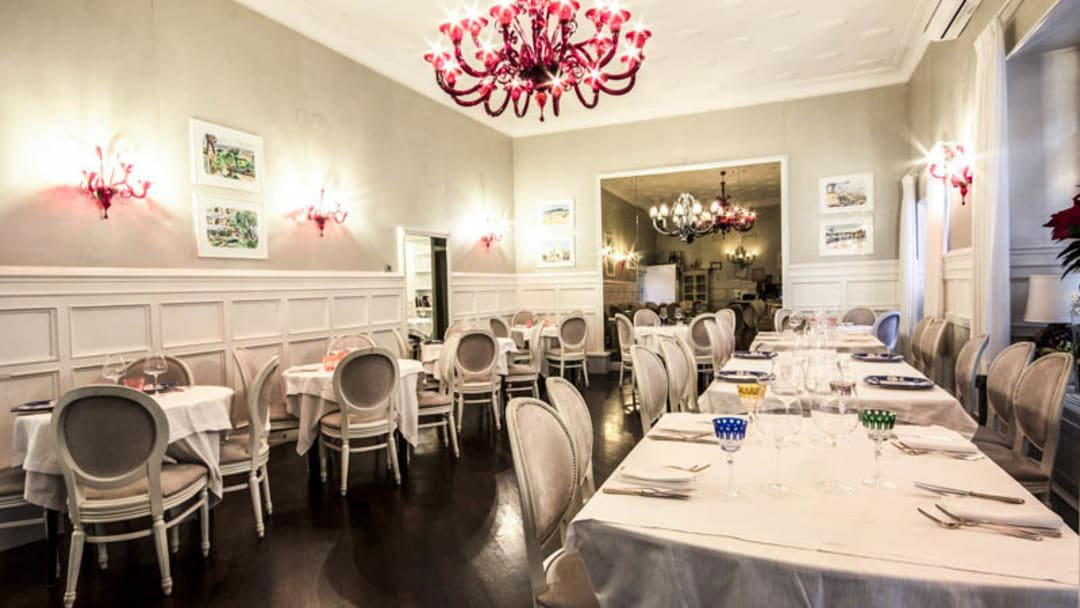
Seafood Dining in Rome: A Category That Has Had to Fight for Its Identity
Rome is not a coastal city in the way that Naples or Senigallia are, yet it has always had a seafood tradition fed by the Tyrrhenian ports and the ancient supply chains that once provisioned the empire. The modern challenge for any seafood-focused restaurant in the capital is positioning: the city's fine dining attention tends to cluster around creative Italian tasting menus, with addresses like Il Pagliaccio, Acquolina, and Enoteca La Torre absorbing the premium end of the market. A restaurant that commits to seafood as its editorial identity, rather than treating fish as one component in a wider creative program, is staking out a different kind of claim. Chinappi Seafood Restaurant is an Italian seafood restaurant at Via Augusto Valenziani 19 in Rome.
The Address and What It Signals
Via Augusto Valenziani sits in a residential-commercial stretch between the Villa Borghese gardens and the Via Veneto corridor, a neighbourhood whose restaurant clientele skews toward business lunches, hotel guests from the surrounding four- and five-star properties, and a local professional crowd that returns habitually rather than on occasion. This is not a destination neighbourhood in the way that Trastevere or the Jewish Quarter attract tourists navigating by guidebook. The postcode signals a certain kind of Rome dining: quieter, less performative, built on repetition and trust rather than spectacle. Chinappi has built its reputation on consistency rather than spectacle.
How Seafood Restaurants in Italy Have Evolved
The trajectory of serious Italian seafood cooking over the past two decades maps onto a broader national shift. A generation ago, the benchmark for excellence in this category was classical preparation with premium sourcing: crudo presented simply, pasta with clams or ricci di mare, whole fish roasted with restraint. The evolution since then has moved in two directions simultaneously. At one pole, chefs like Mauro Uliassi at Uliassi in Senigallia have taken seafood into fully authored creative territory, earning three Michelin stars and international recognition in the process. At the other pole, a subset of restaurants has held the classical line, arguing that technique and sourcing speak more clearly without conceptual layering. Quattro Passi in Marina del Cantone and Dal Pescatore in Runate represent different points on that spectrum. Chinappi has historically positioned itself in the classical-with-refinement tier: the kind of address where the fish is the argument, not the technique applied to it.
This positioning has required periodic recalibration. As Roman diners have grown more sophisticated and as competition from tasting-menu formats has intensified, seafood-specialist restaurants have had to decide how much to evolve their format without alienating the loyal clientele that made them viable in the first place. The tension between reinvention and consistency is one that every long-running restaurant in this category navigates. Chinappi's longevity on Via Augusto Valenziani suggests it has found a working answer to that question, even if the specific form of that answer changes with the market.
Rome's Competitive Set and Where Seafood Fits
The broader Roman fine dining scene offers useful context. At the summit, La Pergola operates as the city's only three-Michelin-star address, with a menu that extends well beyond Italian cuisine into a pan-European grand-hotel register. Creative Italian programs at addresses like Achilli al Parlamento occupy the serious mid-to-upper tier. What this competitive map reveals is that there is no single dominant seafood specialist at the Michelin level in Rome the way there is in coastal cities, which creates both an opportunity and a vulnerability for restaurants that choose to specialize. The opportunity is differentiation.
Italian seafood cooking at the serious end draws comparisons nationally and internationally. Enoteca Pinchiorri in Florence and Enrico Bartolini in Milan both handle fish at the luxury end within broader menus. Internationally, Le Bernardin in New York City has defined what it means to build an entire fine dining identity around seafood at stronger examples from the market. Chinappi operates in a different register, one that is more accessible and more embedded in the rhythms of Roman daily life, but the comparison is instructive for understanding what a specialist commitment to seafood requires: consistency of sourcing, a kitchen that knows when to intervene and when to step back, and a room that earns repeat visits rather than chasing the one-off occasion.
Planning a Visit
Via Augusto Valenziani 19 is accessible from the Via Veneto area and sits within walking distance of several of central Rome's major hotels. For a restaurant with Chinappi's profile and standing, reservations in advance are advisable, particularly for dinner service and weekend lunch. Reservations are recommended, and the restaurant's dress code is smart casual. Dress expectations in this neighbourhood and at this tier tend toward smart-casual at minimum, with the evening clientele typically presenting more formally.
For a different register of seafood ambition, Lazy Bear in San Francisco illustrates how far the format can be pushed in a different cultural context.
Cuisine and Awards Snapshot
Comparable venues nearby, for context on price, style, and recognition.
| Venue | Cuisine | Price | Notes |
|---|---|---|---|
| Chinappi Seafood RestaurantThis venue — the venue you are viewing | Italian Seafood | $$$ | Not listed |
| Il Pescatorio | Modern Italian Seafood Bistro | $$$ | Gianicolese |
| Romeo Chef & Baker | Modern Italian Bakery & Bistro | $$$ | Ripa |
| Salotto42 | Italian Cocktail Bar & Aperitivo | $$$ | Colonna |
| Micalusi-Real Fish Restaurants | Authentic Italian Seafood | $$$$ | Prati |
| Lonely Avenue | Premium Spirits Cocktail Bar | $$$ | Testaccio |
Continue exploring
More in Rome
Restaurants in Rome
Browse all →
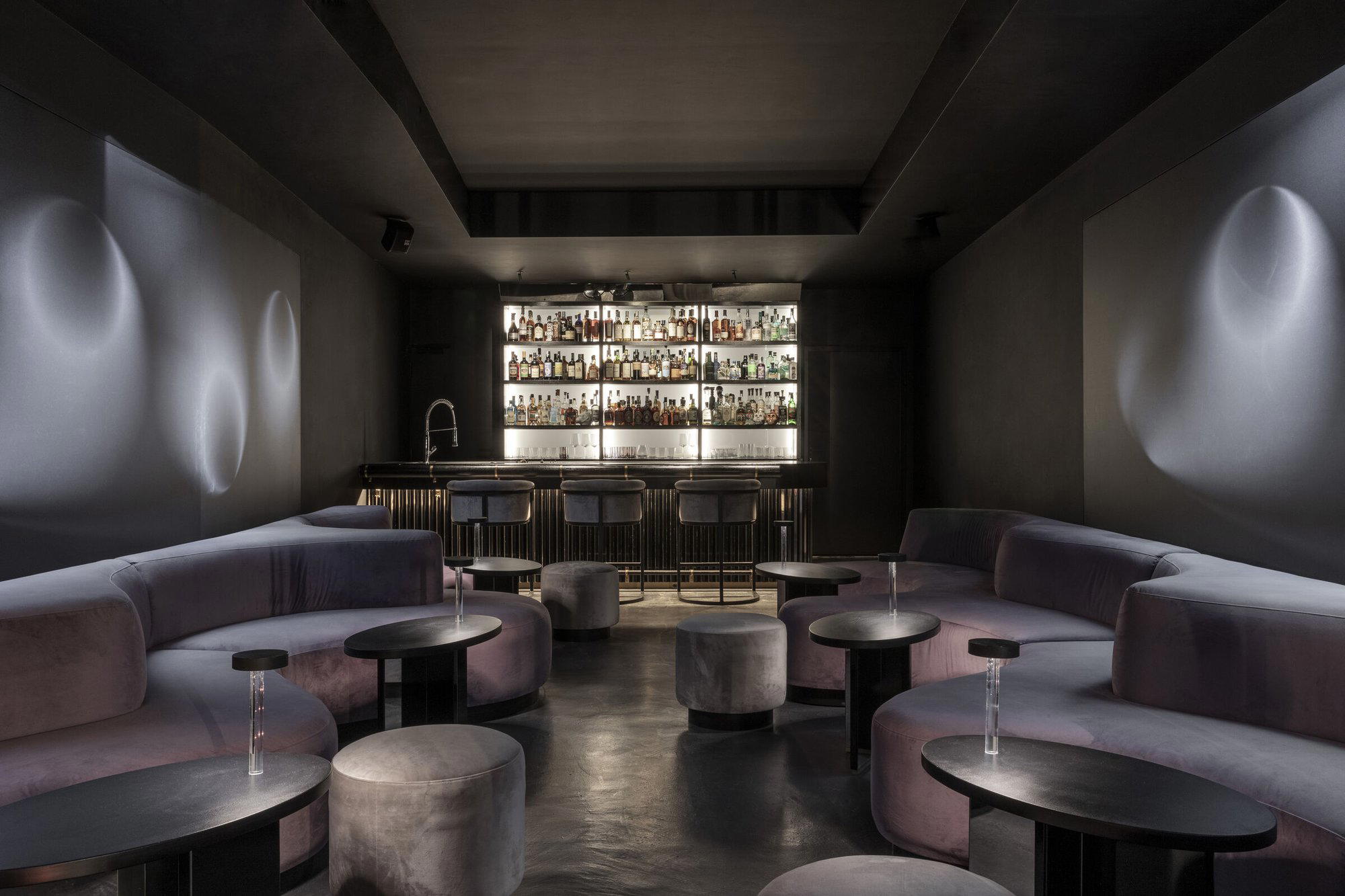
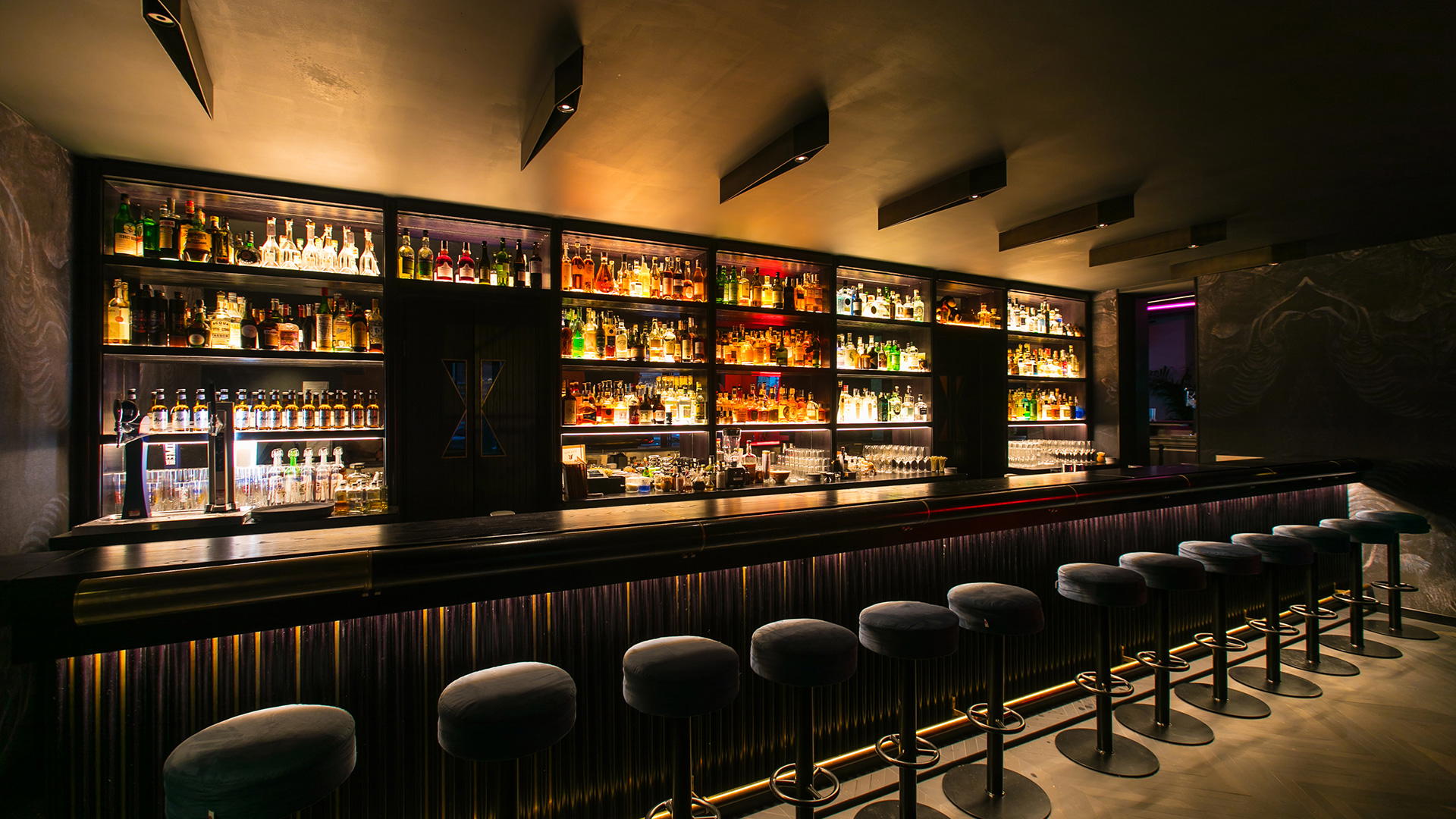
Bars in Rome
Browse all →
Hotels in Rome
Browse all →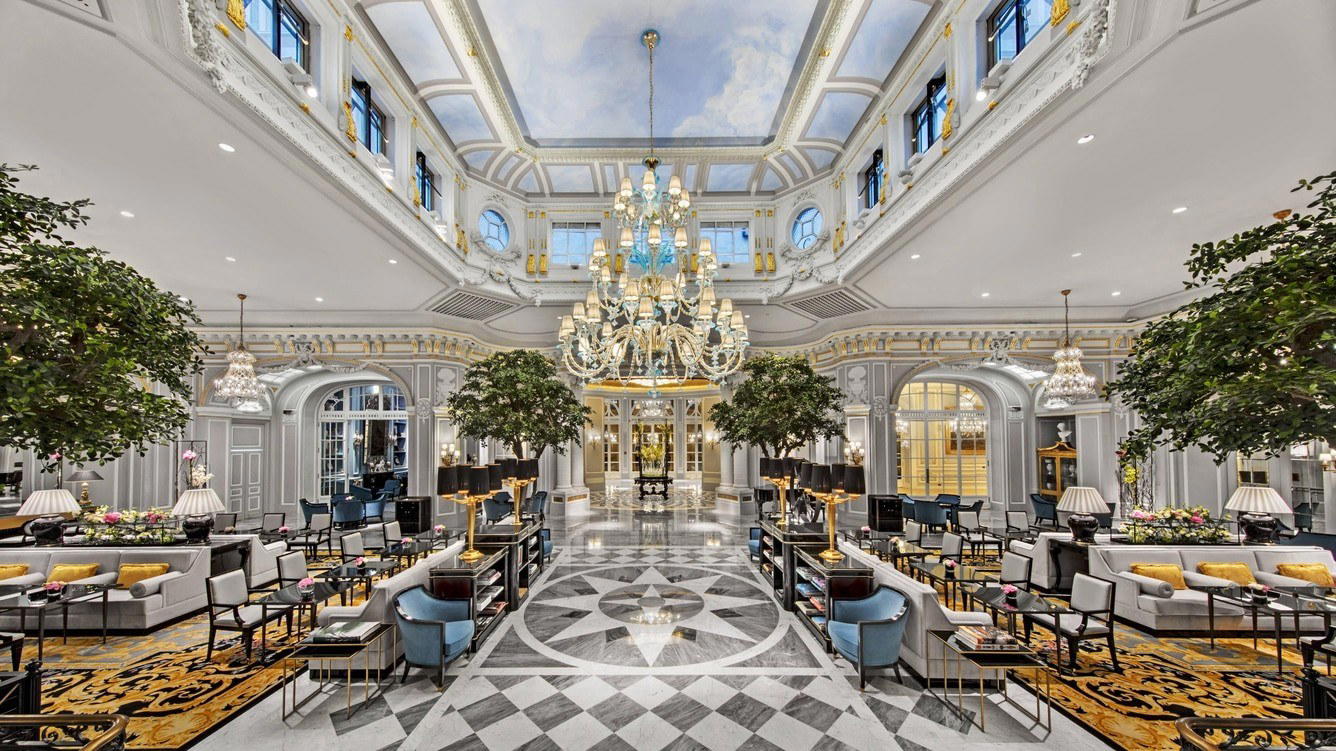
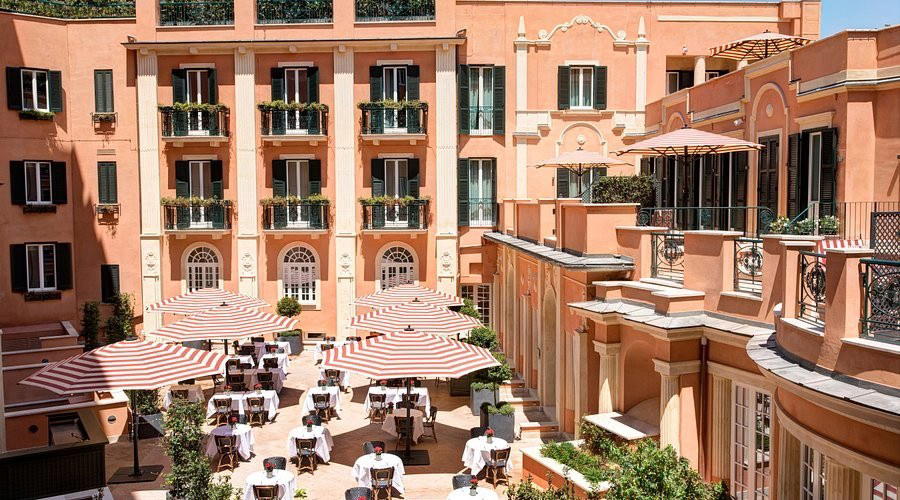
Wineries in Rome
Browse all →
At a Glance
- Elegant
- Classic
- Sophisticated
- Date Night
- Special Occasion
- Extensive Wine List
- Sustainable Seafood
Current opening hours
- Monday
- 12:30–2:30 PM, 7–11 PM
- Tuesday
- 12:30–2:30 PM, 7–10:30 PM
- Wednesday
- 12:30–2:30 PM, 7–10:30 PM
- Thursday
- 12:30–2:30 PM, 7–10:30 PM
- Friday
- 12:30–2:30 PM, 7–10:30 PM
- Saturday
- 12:30–2:30 PM, 7:30–10:30 PM
- Sunday
- 12:30–3 PM, 7–10:30 PM
Hours can change for holidays and private events. Last verified .
Elegant ambience with central Murano chandelier, white tablecloths, polished service, and a refined atmosphere well-suited for seafood feasting.