
A compact Meieki Chinese counterpoint to Nagoya’s heavier dining habits, Chuka Kappo Warajin works in the space between Chinese cooking, tantan-men, and izakaya ease. Its Tabelog Chinese EAST 100 selection in 2026 gives it a clear quality signal, while the spend sits below many formal tasting-menu rooms in the city.
Pearl is the En Primeur Club membership app — saves, bookings, and concierge access live there. Same editors, same standards.
- Address
- 4 Chome-18-13 Meieki, Nakamura Ward, Nagoya, Aichi 450-0002, Japan
- Phone
- +81 52-551-2180
- Website
- hamasho-soba.com
 Saves & bookings on Pearl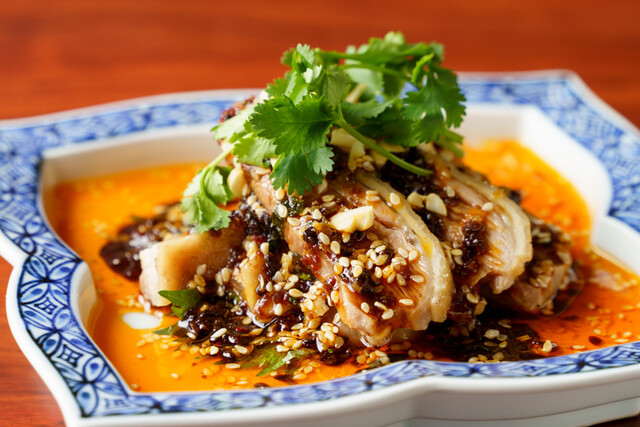
After office hours, Meieki dining changes fast: station traffic thins, side streets take over, and the stronger rooms are small enough that the evening can feel decided before the first order. Chuka Kappo Warajin sits in the Nagoya category where Chinese cooking is not banquet theatre but a sharper, compact dinner format: polished enough for a planned night out, flexible enough to avoid set-piece stiffness.
The value proposition is the point. Nagoya has inexpensive noodle counters, beef rooms, and station-adjacent drinking spots, but the middle tier is where judgement matters. A room spanning Chinese, tantan-men, and izakaya asks a different question from a full-course Chinese restaurant: how much range can a kitchen show without ceremonial pricing? Warajin’s recognition on the Tabelog Chinese EAST 100 list in 2026 is the clearest external signal that it sits above casual convenience while staying below the city’s heavier luxury bracket.
Chinese cooking scaled for a Nagoya night out
Japanese-Chinese dining is often misunderstood by visitors expecting either ramen-shop speed or hotel-restaurant formality. In Nagoya, the more interesting version often sits between those poles: a drinking table with better technique, a noodle category treated as part of dinner rather than an afterthought, and a menu that supports both small-group ordering and a more deliberate evening. Warajin fits that middle lane, with Chinese, tantan-men, and izakaya listed as its core categories rather than one rigid genre.
That hybrid identity matters near the station, where dining choices can split between quick refuelling before a train and destination dinners requiring more time and budget. Compared with Chuka Soba Taiga, where the format signals a low-cost noodle stop, Warajin belongs to a more deliberate evening tier. Compared with Yanagibashi Yakiniku Waniku, where beef drives spend and occasion, this room offers a broader Chinese-led structure. The point is not which meal is preferable, but what kind of Nagoya night is being bought.
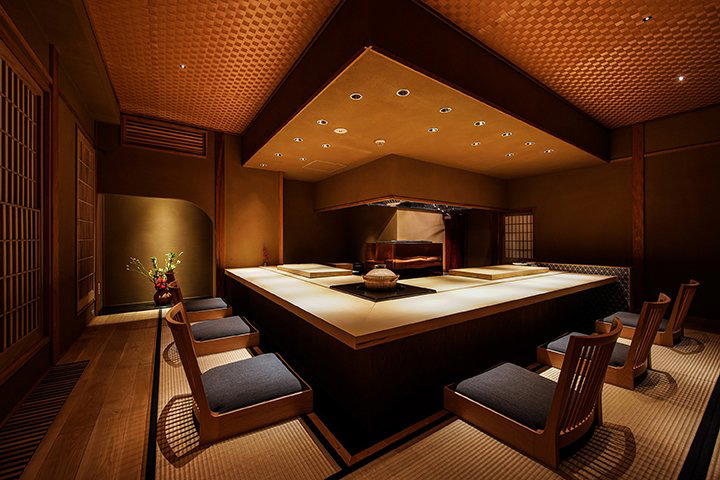
The kappo wording also matters. In Japan, kappo usually implies a closer kitchen-guest relationship than a large dining room allows, even when the cuisine is not Japanese. Applied to Chinese food, it suggests portion rhythm, counter-or-small-room energy, and dishes chosen in sequence rather than one banquet arc. The format rewards diners who want control: a table can lean noodle-heavy, drink-led, or more composed depending on appetite.
Recognition without luxury-restaurant drag
Tabelog’s Hyakumeiten lists are not Michelin-style star ratings, but in Japan they carry weight because they sort restaurants within a defined cuisine and region. A Chinese EAST 100 selection places Warajin among a curated field of Chinese restaurants across eastern Japan, a meaningful credential for a Nagoya room outside the international fine-dining spotlight. It also explains why the restaurant reads as a value play rather than a bargain hunt.
Price alone is blunt in Japan. A lower bill can mean speed, limited comfort, or a narrow menu; a higher one can mean imported ingredients and ceremony rather than better eating. The relevant measure here is compression: a recognized Chinese kitchen, compact seating, and a station-area location without the expense profile of formal hotel Chinese. That makes the restaurant useful for travellers who want one serious Nagoya dinner without making every meal sushi, beef, or kaiseki.
The drink positioning reinforces that reading. Sake, shochu, and wine are all part of the listed programme, with particular attention to sake and shochu. For Chinese food in Japan, that signals a local drinking grammar rather than strict mainland Chinese banquet habits. The meal sits naturally in Nagoya: Chinese seasoning and noodle culture on the plate, Japanese spirits and wine at the table, and a room scaled for conversation rather than spectacle.
The Meieki location also matters. Nagoya Station is a transit machine, but the area around Kokusai Center has become a practical dining zone for visitors avoiding a cross-town plan. Nearby choices cover a wide range: Tachigui Sushi Kiwami Meieki 4 chome ten occupies a sushi lane at a comparable dinner spend, Yakiniku & Teuchi Korean Cold Noodles Jiro Yanagibashi ten pulls toward grilled meat and noodles, and coffee house KAKO Hanaguruma honten belongs to the city’s café rhythm. Warajin’s role is Chinese dinner with enough structure to justify advance planning.
How to place it within a Nagoya itinerary
This is not the meal for maximal luxury or a chef biography. It is the meal for a sharper brief: a recognized Chinese address in Nagoya with more range than a noodle counter and less ceremony than a formal dining room. For travellers building a food-led stay, it pairs well with a separate day for Nagoya’s local staples, because it shows another side of the city’s appetite: Chinese technique filtered through Japanese dining scale.
Warajin is also useful for groups that dislike over-scripted tasting menus. The venue lists private use for larger parties and no private rooms, pointing to a social room rather than a hushed temple of dining. That matters for celebrations, work dinners, or visitors wanting polish without the silence and pacing of counter-only fine dining. The 2026 Tabelog recognition gives enough assurance for a planned booking, while the format keeps the experience closer to an evening at table than a performance.
Readers comparing Nagoya options can map it alongside other EP Club city coverage: Our full Nagoya restaurants guide for dining context, Our full Nagoya hotels guide for where to stay, Our full Nagoya bars guide for after dinner, Our full Nagoya wineries guide for wine-led planning, and Our full Nagoya experiences guide for the wider city. For nearby restaurant comparisons, see 1022, 451, Aaron, Alan., and All Day Dining Montmartre. Broader Japan and diaspora reference points include -Grilled beef Sukiyaki- KAMAKURA TANUKIAN 鎌倉 たぬき庵 in Kamakura. 鮪と炭火焼き うお炭 秋葉原店 in Tokyo.cafe in Osaka.know in Kumamoto, (Shoku) Vietnam in Kawasaki, [Curry Senmon Ten] Maruyama Kyoju. in Sapporo, Jōdo Saké Bar in Los Angeles, and Onigiri Time in Pasadena.
Credentials Lens
Comparable venues for orientation by cuisine and category.
| Venue | Cuisine | Price | Notes |
|---|---|---|---|
| Chuka Kappo Warajin | Chinese kappo with Japanese sensibility | $$$ | Nakamura |
| China Hanten Shunju | Modern Shanghai Chinese with Chubu regional ingredients | $$$ | Naka |
| Le Chinois SANO Nagoya | Nouvelle Chinese (Modern Cantonese) | $$$ | Naka |
| Kofukusai Kamekichi | Sichuan Chinese | $$$ | Higashi |
| THE CONDER HOUSE | Modern Chinese & Pan‑Asian in a historic bank building | $$$ | Naka |
| toraneko | Cantonese-inspired Creative Chinese | $$$ | Higashi |
Recognition history
Dated appearances from independent guides and award organizations, with the underlying list record or original source where available.
Tabelog 100 #61 · No. 61
Tabelog · Tabelog 100 - Chinese cuisine - EAST - 2026
Continue exploring
More in Nagoya
Restaurants in Nagoya
Browse all →
At a Glance
- Elegant
- Intimate
- Classic
- Cozy
- Business Dinner
- Date Night
- Group Dining
- After Work
- Private Dining
- Standalone
- Design Destination
- Sake Program
Current opening hours
- Monday
- Closed
- Tuesday
- 6–11 PM
- Wednesday
- 6–11 PM
- Thursday
- 6–11 PM
- Friday
- 6–11 PM
- Saturday
- 6–11 PM
- Sunday
- 6–11 PM
Hours can change for holidays and private events. Last verified .
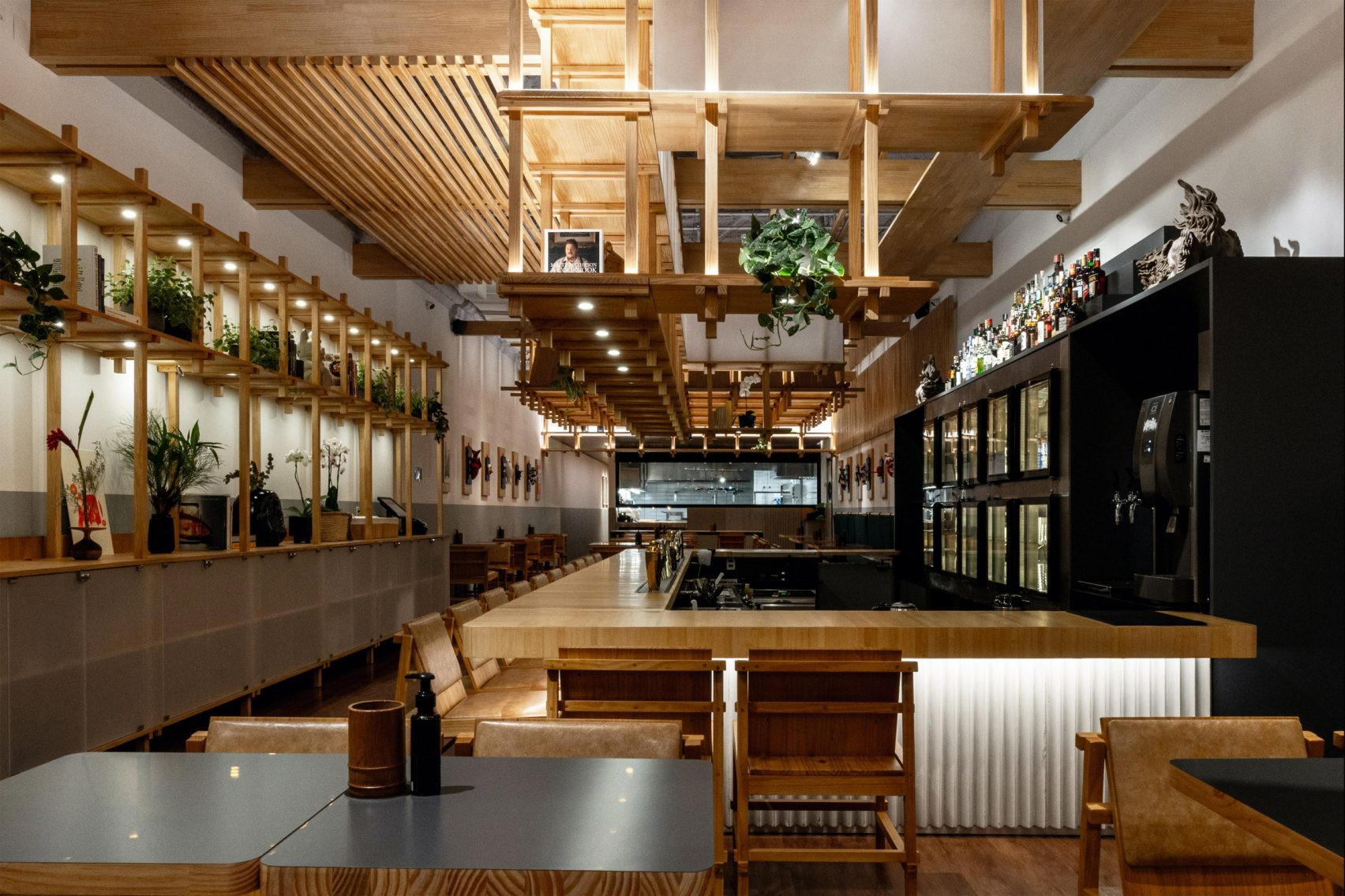
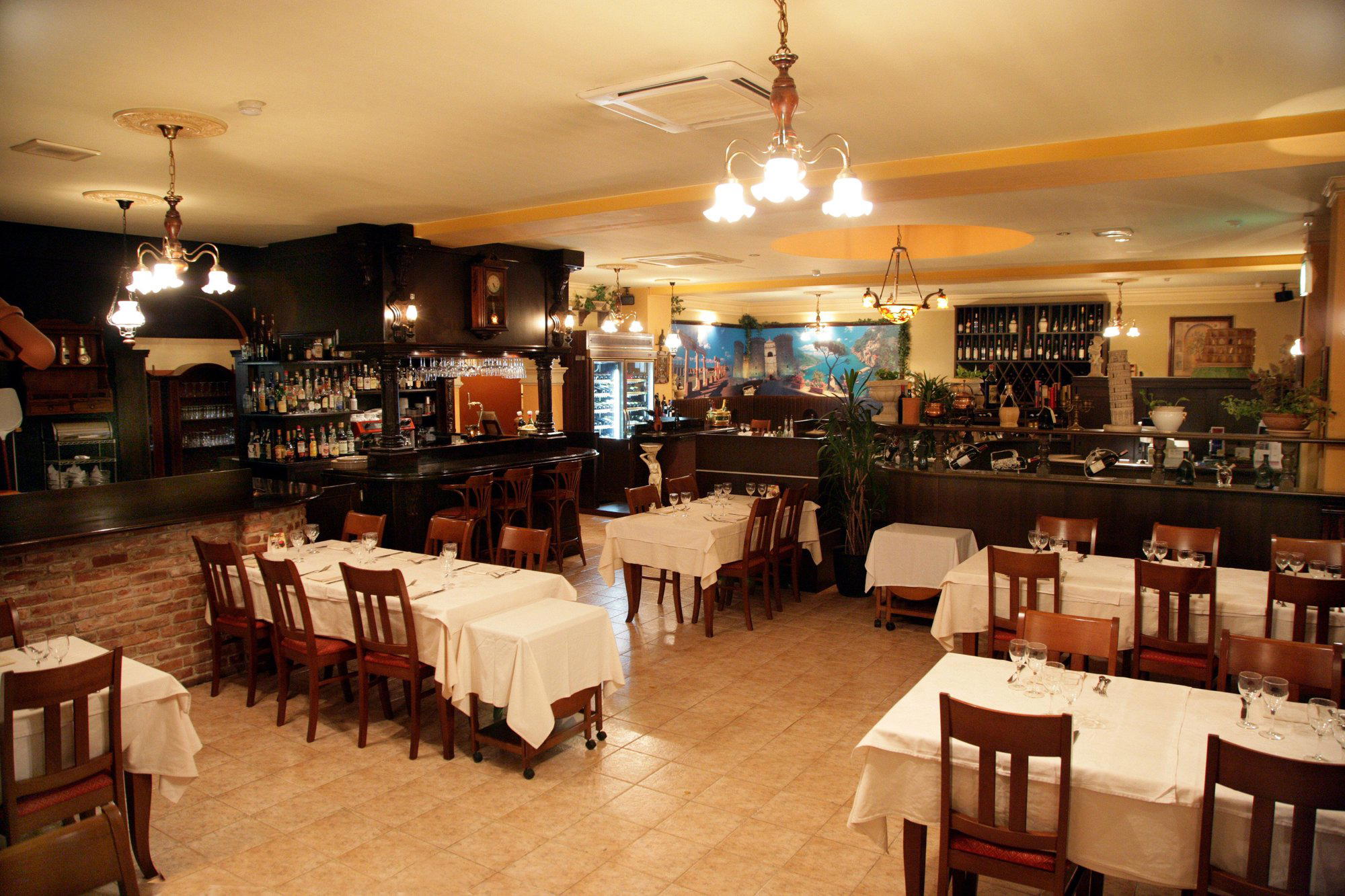
A tucked-away kappo-style Chinese restaurant with a calm, classic Japanese-influenced interior and counter-focused seating, suited to relaxed business dinners and small gatherings rather than a noisy izakaya atmosphere.