
Chimoto belongs to Tokyo’s old-school wagashi circuit rather than the city’s high-theatre dessert culture. The Yakumo address, 10-seat scale, take-out service and recurring Tabelog 100 selections place it in a category where regulars value timing, familiarity and a narrow sweets vocabulary more than novelty.
Pearl is the En Primeur Club membership app — saves, bookings, and concierge access live there. Same editors, same standards.
- Address
- 1 Chome-4-6 Yakumo, Meguro City, Tokyo 152-0023, Japan
- Phone
- +81 3-3718-4643
- Website
- chimoto-yagumomochi.com
 Saves & bookings on Pearl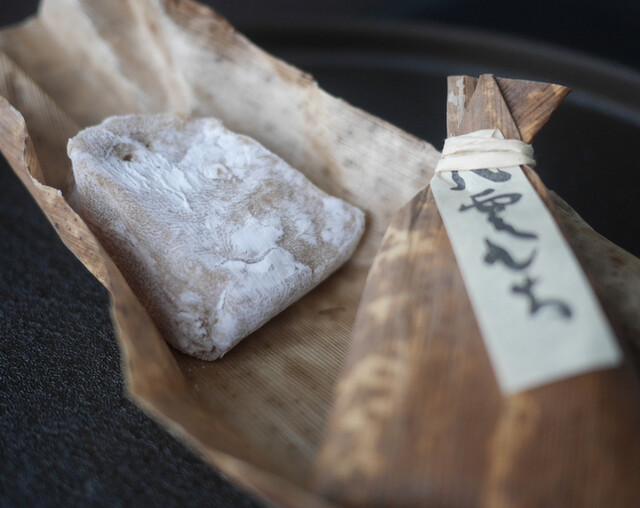
Yakumo moves at a different speed from central Tokyo’s department-store sweets floors. Around Toritsu Daigaku, the rhythm is residential: errands, regulars, compact counters, and shops where the day’s purchase is often decided before the door opens. Chimoto fits: no spectacle, plating theatre or long dessert course, but the quieter Tokyo habit of buying wagashi for the same people, on the same route, with the same expectations.
Tokyo’s sweets culture splits across registers. Ginza and Nihonbashi anchor gift-box prestige, Harajuku and Shinjuku push visual sugar, and neighbourhood wagashi shops handle seasonal refreshment, small hospitality and the daily logic of tea. Chimoto sits in that last group, with Japanese traditional sweets, a sweets-cafe format and kakigori among its categories. Its inclusion in Tabelog’s Japanese traditional sweets and sweets selections across multiple years gives it a measurable place in the city’s wagashi conversation without making it performance-driven.
Yakumo wagashi runs on regulars, not spectacle
The regulars’ view is the right lens. In a city where dessert can mean laminated pastry, fruit parfaits, shaved-ice queues or formal kaiseki endings, a small wagashi shop depends on repeat trust. The unwritten menu is familiarity: what the shop is known for, when to arrive, and how much to buy before a quiet afternoon at home or a visit. Chimoto’s public remarks point to Yagumo mochi as the name regulars associate with the shop, a useful anchor in a category where reputation often attaches to one sweet rather than a sprawling menu.
That single-product gravity is common in Tokyo’s older sweets scene. Many respected wagashi addresses are not built around endless choice; a few items carry the house identity, and the purchase stays quick, modest and socially precise. Compared with nearby and citywide sweet options such as Addict au Sucre or Patisserie Tadashi Yanagi Yakumo ten, the distinction is less dessert as occasion than wagashi as repeatable civic habit. The price tier keeps it everyday rather than special-occasion, so loyal customers can fold it into a weekly circuit rather than a planned splurge.
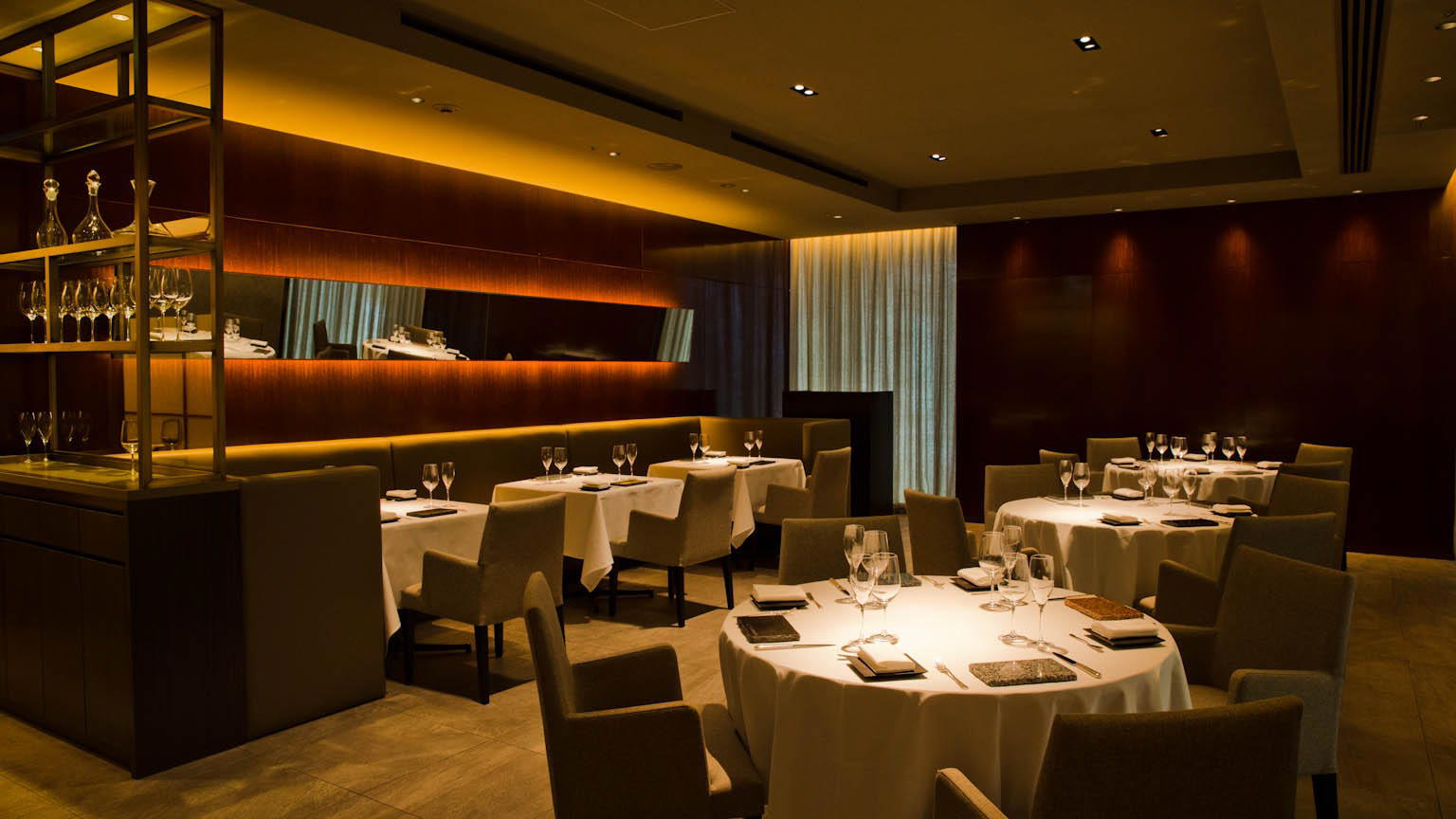
The 10-seat setup reinforces that scale. Tokyo’s small sweets cafes often blur retail counter and sit-down pause, and that ambiguity is part of their usefulness. A compact room keeps emphasis on the sweet and short stays rather than long café occupation. Take-out is part of the service model, marking Chimoto less as a restaurant for an afternoon than a local sweets stop with the option of a brief pause.
What the Tabelog selections say about Tokyo's sweets hierarchy
Tabelog’s 100 selections matter in sweets because the category is broad and fragmented. A Tokyo dessert list must account for wagashi specialists, kakigori counters, cafés, patisseries and shops driven largely by take-away demand. Chimoto’s repeated appearances, including the 2023 Japanese traditional sweets and Japanese sweets cafe Tokyo selection and earlier sweets selections from 2017, 2018, 2019, 2020 and 2022, place it in a sustained recognition group rather than a single-season spike.
Read that recognition carefully. It does not make the shop equivalent to a luxury restaurant, nor does it need to. In Tokyo, sweets authority often comes from consistency, repetition and local attachment. A Tabelog score of 3.78 signals strong public approval in a field where tiny differences matter and many shops operate with limited seating, short hours and local demand. The better comparison is not a tasting-menu counter, but specialist sweets rooms built by repeat customers and seasonal habits.
Kakigori also places Chimoto inside one of Tokyo’s seasonal dessert traditions. Japanese shaved ice has moved beyond summer refreshment, but its old seasonal pull remains. Wagashi shops that also serve kakigori occupy a particular lane, connecting classic Japanese sweetness with the lighter, weather-driven appetite of hot months. Chimoto’s category mix suggests that dual identity, letting regulars treat it differently by day: a sweet to carry out, a small café stop, or a shaved-ice visit when the season calls.
For travellers mapping Tokyo by food, Chimoto corrects the idea that every worthwhile meal must be a reservation chase. Some sharper pleasures sit in ordinary neighbourhoods and ask for less ceremony. Build the stop around the area rather than force a cross-city detour during peak dining hours. Toritsu Daigaku on the Tokyu Toyoko Line gives access to a residential side of Meguro distinct from the heavy restaurant corridors around Shibuya, Ebisu and Ginza.
How to place it in a Tokyo itinerary
Chimoto works as a daytime sweets stop within a Meguro or Toyoko Line route, especially for travellers who understand Tokyo through small specialist shops, not only fixed-course counters. The practical profile is compact: reservations are listed as available, payment includes cards, electronic money and QR code options, private rooms are not part of the setup, parking is unavailable, and the shop is non-smoking, matching the short-stay café rhythm.
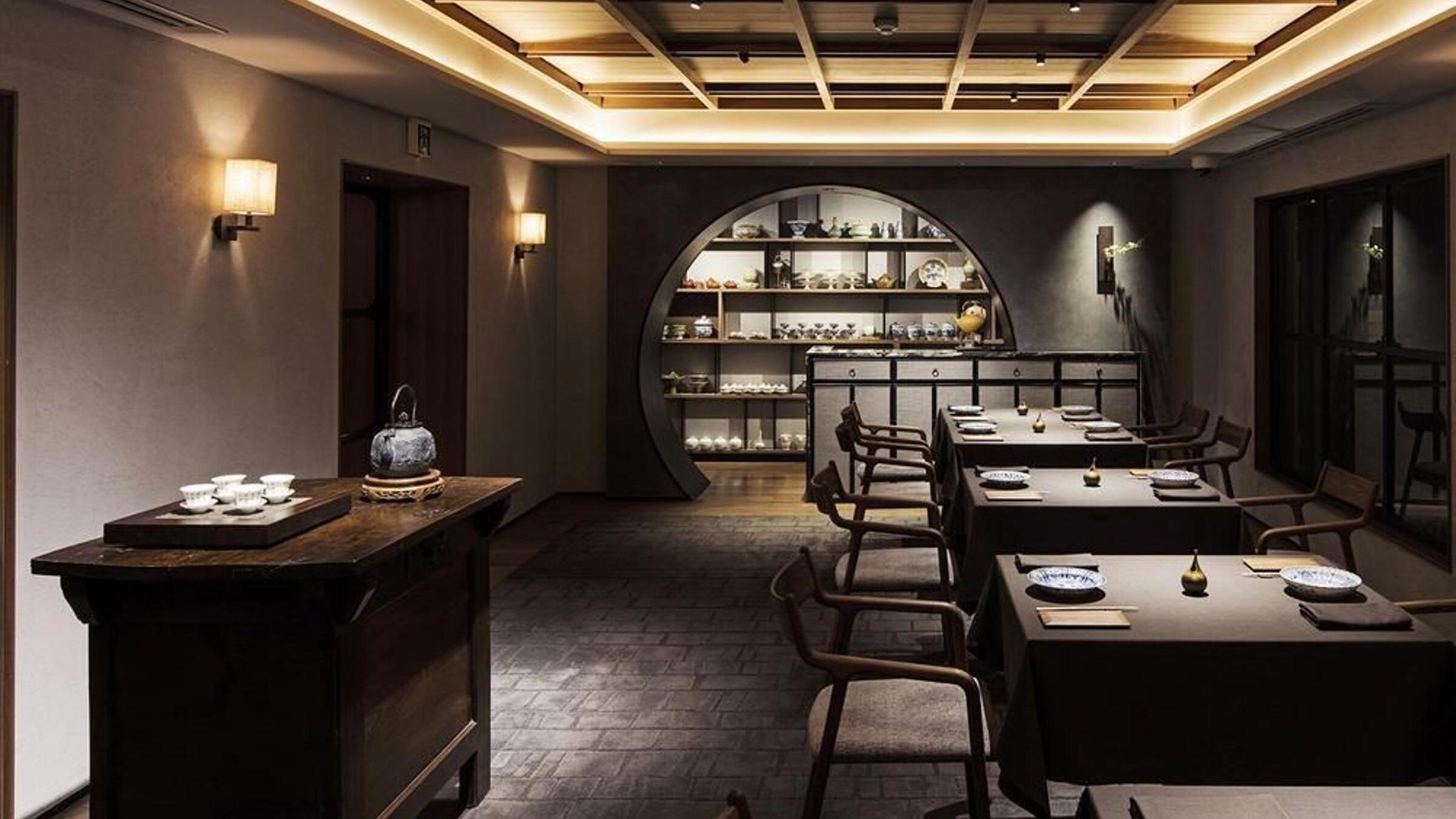
For a broader Tokyo food plan, pair this stop with restaurants and bars showing different parts of the city’s appetite. EP Club’s Tokyo restaurant coverage ranges from charcoal and fish at . 鮪と炭火焼き うお炭 秋葉原店 to Shinjuku dining at 12/10 Shinjuku ten, yakitori at 124. KAGURAZAKA (Yakitori), visual café culture at 2D Cafe and curry at 3 Chome no Curry Ya San. For the full city view, use Our full Tokyo restaurants guide, then cross-check where to stay, drink and explore through Our full Tokyo hotels guide, Our full Tokyo bars guide, Our full Tokyo wineries guide and Our full Tokyo experiences guide.
Travellers extending the sweets-and-snacks thread beyond Tokyo can compare Chimoto’s everyday logic with regional and international entries such as -Grilled beef Sukiyaki- KAMAKURA TANUKIAN 鎌倉 たぬき庵 in Kamakura.cafe in Osaka.know in Kumamoto, (Shoku) Vietnam in Kawasaki, [Curry Senmon Ten] Maruyama Kyoju. in Sapporo, [ki:] in Kyoto, Jōdo Saké Bar in Los Angeles and Onigiri Time in Pasadena. The through-line is not luxury; it is specificity. The better Tokyo itinerary leaves room for places whose value comes from repetition, local memory and a narrow craft done with discipline.
Cuisine and Credentials
Comparable venues for orientation by cuisine and category.
| Venue | Cuisine | Price | Notes |
|---|---|---|---|
| Chimoto | Traditional Japanese Wagashi & Cafe | $ | Meguro |
| Hot Spoon Gotanda ten | Japanese beef tendon curry house | $ | Shinagawa |
| Ten mame | Japanese Traditional Sweets | $ | Chūō |
| Kaeru Shokudo | Japanese Curry Counter | $ | Toshima |
| Stand Totonoi | Japanese stand-up horumon-yaki bar | $ | Kita |
| Murayama Mangetsu Udon | Traditional Murayama kate udon | $ | Musashimurayama |
Recognition history
Dated appearances from independent guides and award organizations, with the underlying list record or original source where available.
Tabelog 100 #28 · No. 28
Tabelog · Tabelog 100 - Japanese traditional sweets / Japanese sweets cafe - TOKYO - 2023












At a Glance
- Quiet
- Classic
- Cozy
- Solo
- Family
- Casual Hangout
- After Work
- Standalone
- Local Sourcing
Current opening hours
- Monday
- 10 AM–4 PM
- Tuesday
- 10 AM–4 PM
- Wednesday
- Closed
- Thursday
- Closed
- Friday
- 10 AM–4 PM
- Saturday
- 10 AM–4 PM
- Sunday
- 10 AM–4 PM
Hours can change for holidays and private events. Last verified .
A quiet, classic neighborhood wagashi shop with a modest café space, simple decor, and a calm, low-key atmosphere suitable for relaxing over traditional Japanese sweets.