Tabelog 100 #38
Our verdict
The venue's name gestures toward something deliberately hybrid, a contrast to the kaiseki orthodoxy that dominates this postcode. For diners already familiar with Gion's more established counters, Chimera reads as the less-mapped alternative worth seeking out.

Pearl is the En Primeur Club membership app, where members save venues, book tables and use the concierge.
That proximity is context, not competition. The restaurants concentrated in this block operate across a range of registers, from multi-generation kaiseki houses like HAJIME in Osaka and informs how akordu in Nara operates just outside the Kansai mainstream. Chimera's name, and its Gion address, suggest it is working within that same tension rather than resolving it.
The Front-of-House as Editorial Layer
In the kaiseki format, the division of labour between kitchen and floor is highly formalised: the chef frames each course through its seasonal rationale, the floor staff delivers that framing intact, and the sommelier or tea specialist adds the beverage dimension as a separate track.
Venues that do this well produce a different kind of meal. The pacing becomes a collaborative decision rather than a kitchen directive. The beverage pairing is responsive rather than pre-assigned. A guest asking a specific question about a course gets an answer that integrates the sourcing, the technique, and the drink rationale simultaneously.enprimeurclub.enprimeurclub. Atomix in New York City has made the integration of kitchen and floor into its defining format: printed cards, floor staff with full culinary context, and a beverage program that runs parallel to the food narrative rather than underneath it. Le Bernardin has maintained its three-star standing in part through the precision of its floor operation, where the service team functions as a second layer of communication rather than a delivery mechanism. At the Gion level, that same integration is what separates a merely expensive evening from one that operates as a coherent experience.
Comparison set extends regionally. Harutaka in Tokyo and
Frequently asked questions
Can I bring kids to Chimera?
Chimera sits in the ¥¥¥¥ tier on Gionmachi Minamigawa, a setting oriented toward formal kaiseki service where the pacing and structure are geared to adult diners. The kaiseki format, which formalises each course through seasonal rationale delivered by front-of-house, demands sustained attention that makes it a poor fit for young children. Families with older teenagers who have some familiarity with Japanese fine dining may find it manageable, but it is not a venue designed around flexibility for younger guests.
What kind of setting is Chimera?
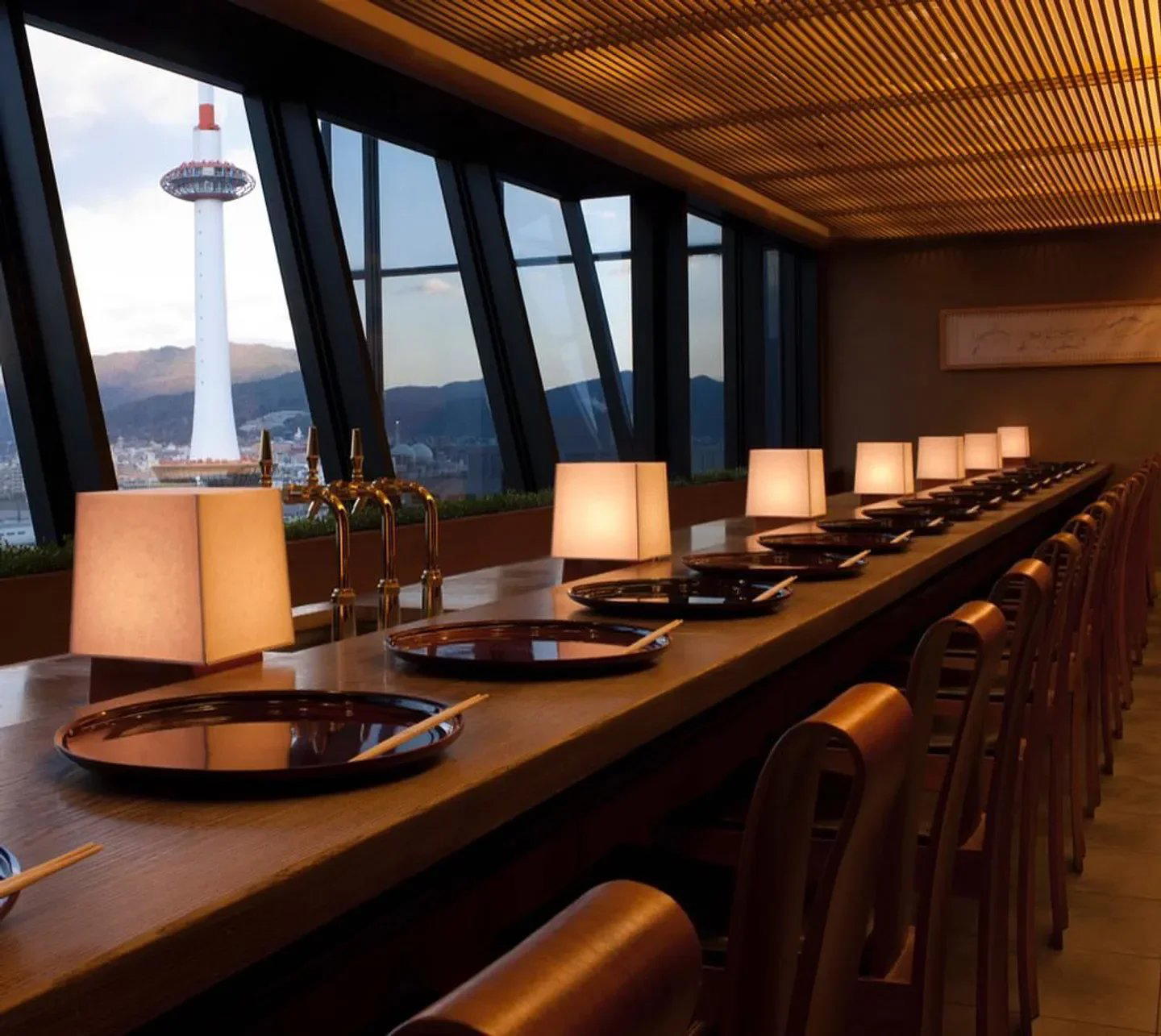
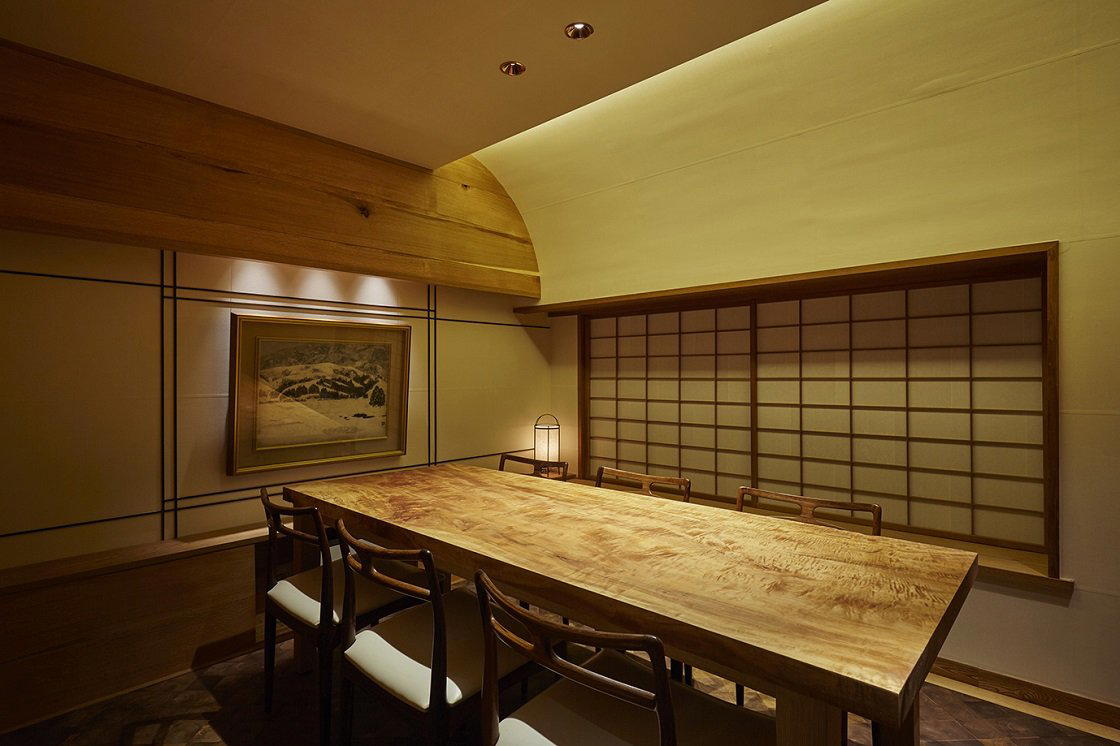
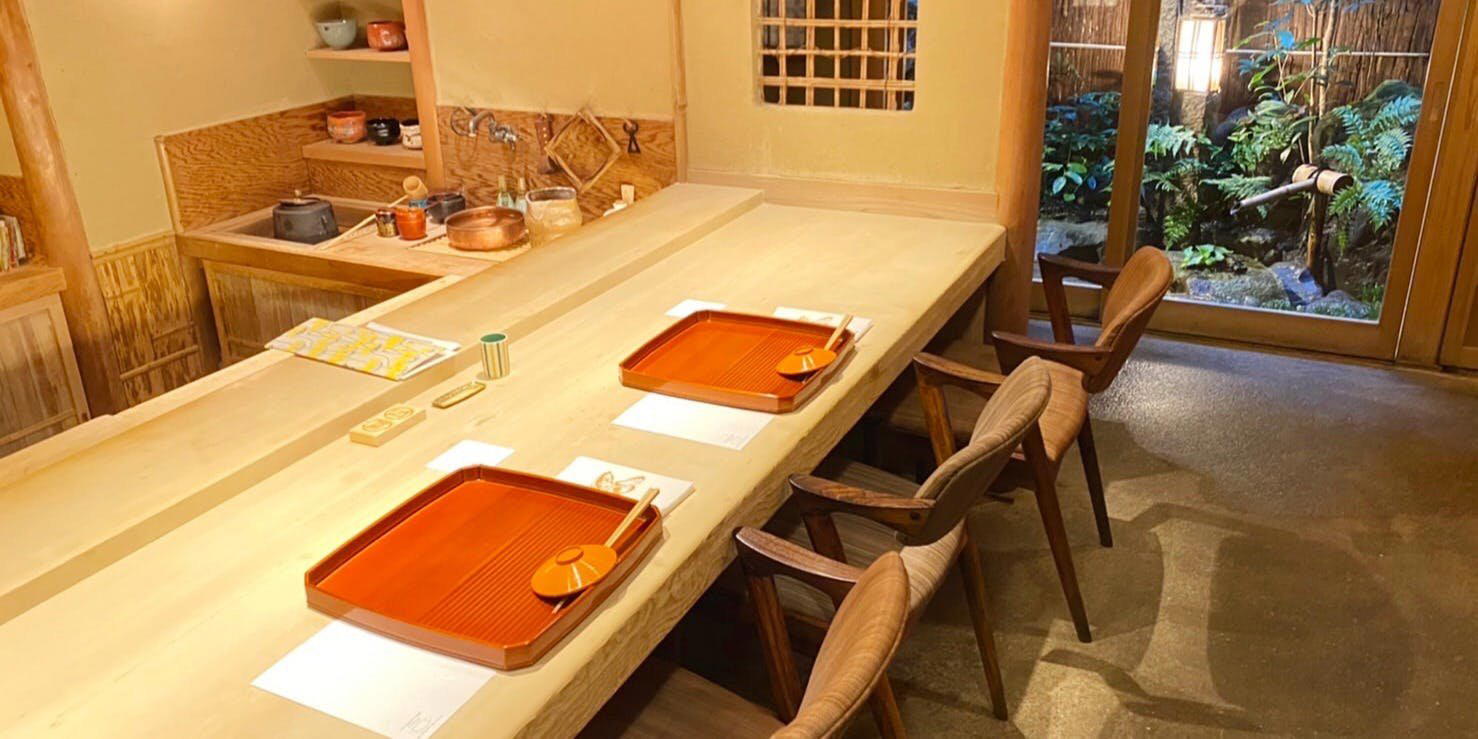
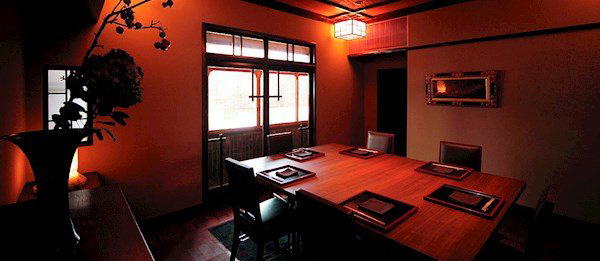
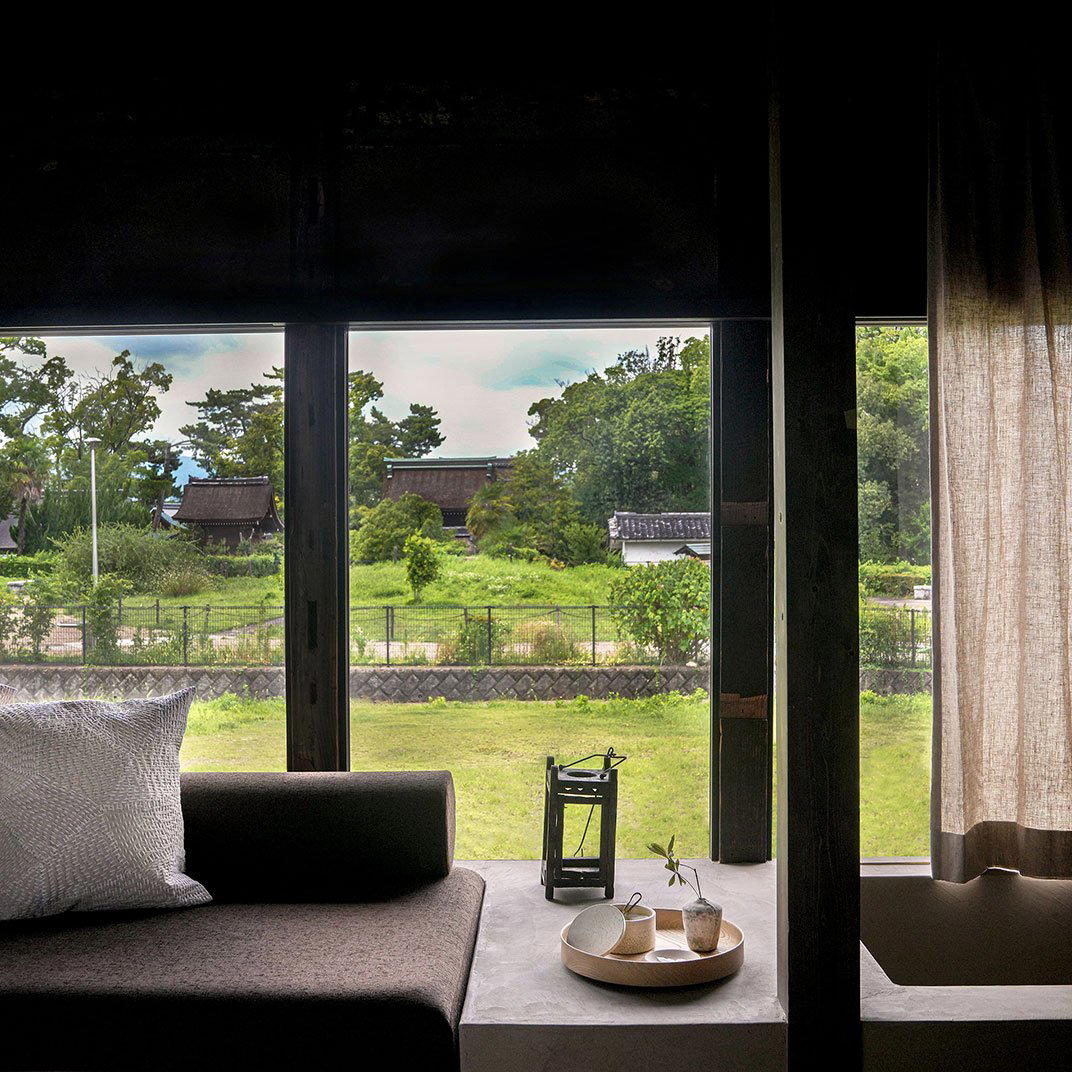
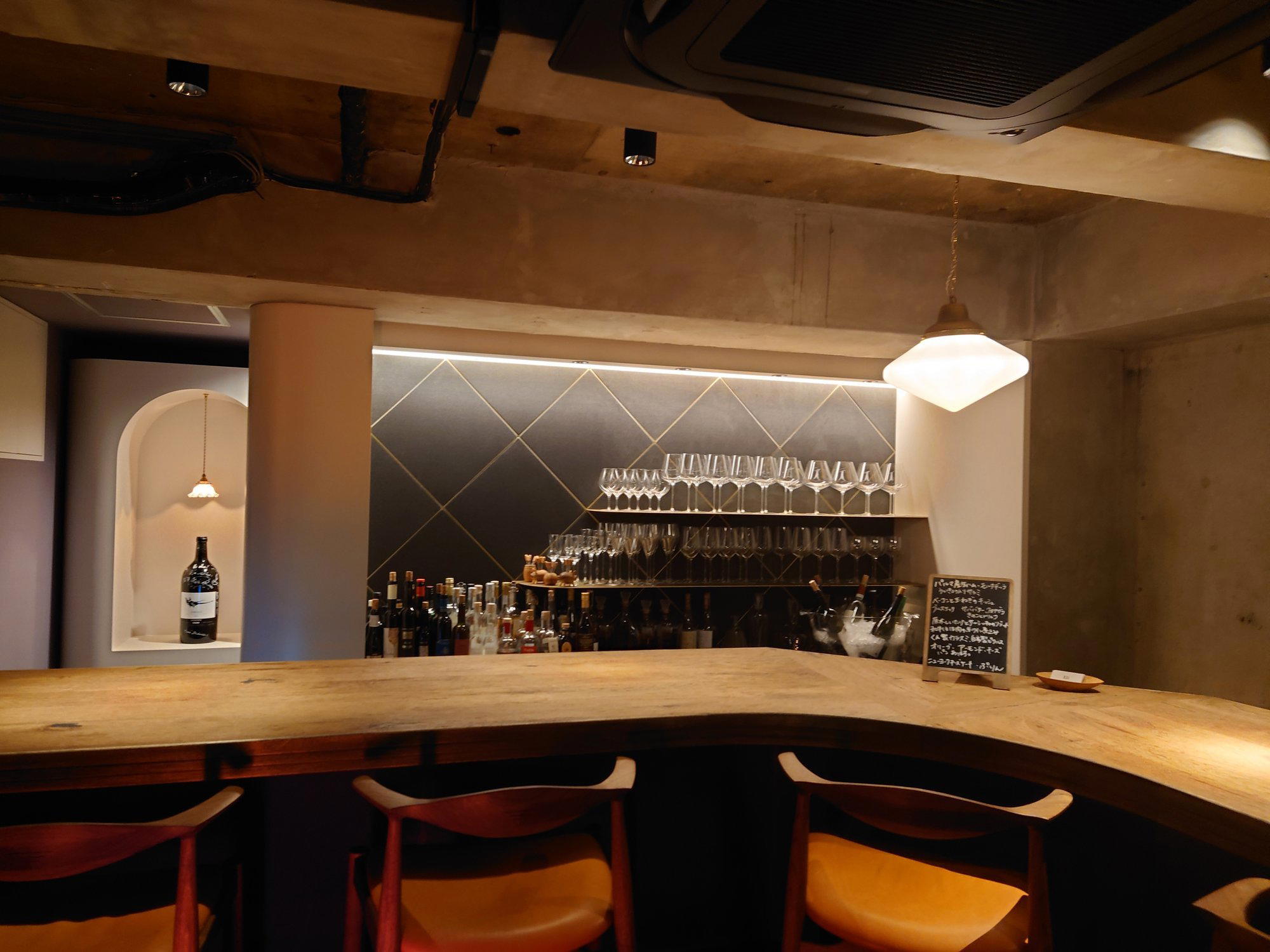
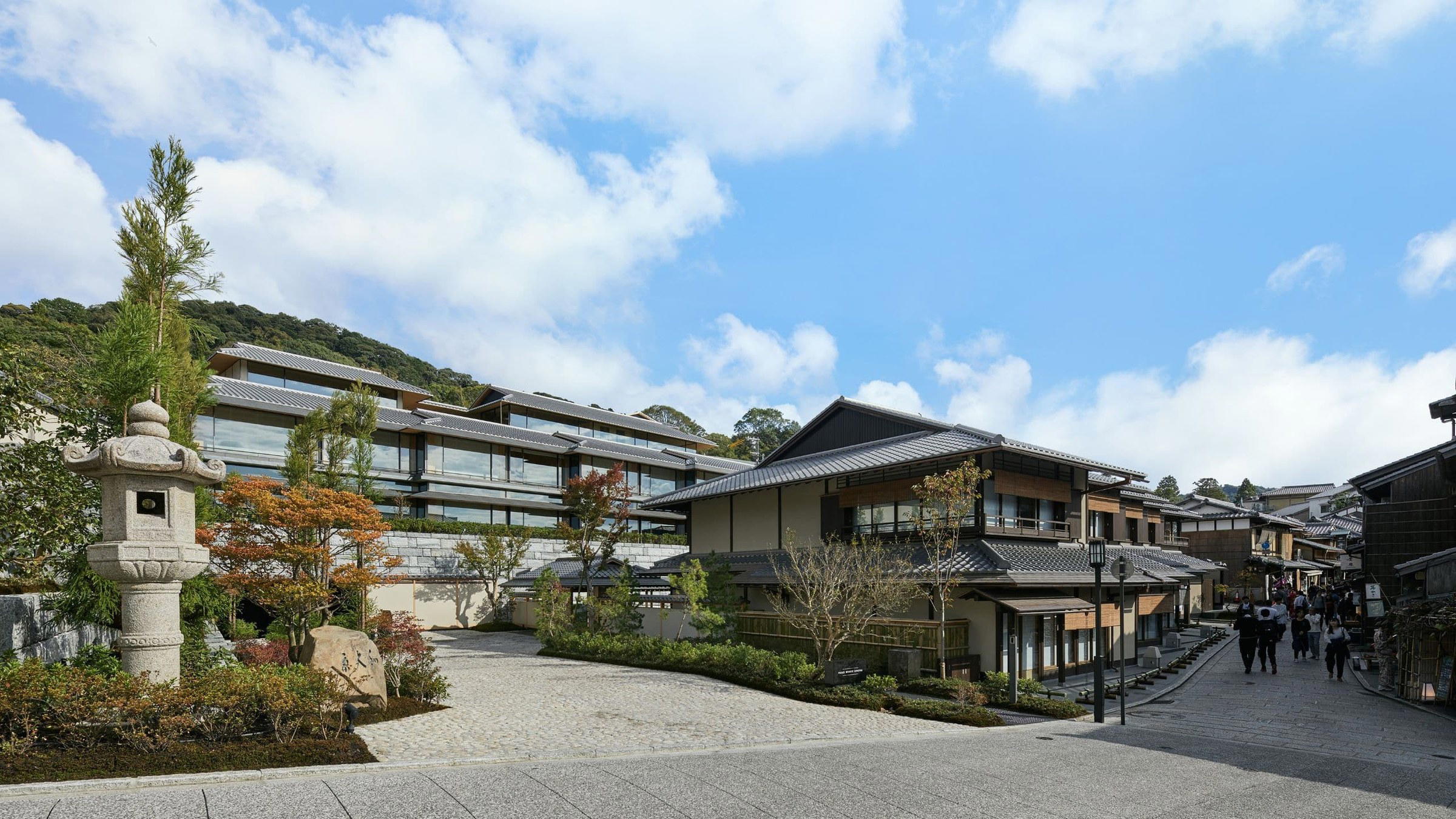
The restaurant occupies an address on Gionmachi Minamigawa in Higashiyama Ward, one of Kyoto's best-preserved machiya streetscapes where the townhouse architecture creates an atmosphere that precedes you before you reach the door. Inside, the format follows kaiseki convention: a highly structured division between kitchen and floor, with the service team acting as an editorial layer that contextualises each course. The overall register is formal and considered, placing Chimera within the same bracket as Gion Sasaki and Ifuki on the district's premium tier.
Is Chimera in Kyoto's Gion district walkable from public transport?
Yes. The address at 504 Gionmachi Minamigawa, Higashiyama Ward, is reachable on foot from Gion-Shijo Station on the Keihan line in under ten minutes, following the river east toward the preserved machiya streetscape. This makes Chimera one of the more accessible high-end venues in the district for guests arriving without a car. No taxi or transfer is required from the city centre.
What should I eat at Chimera?
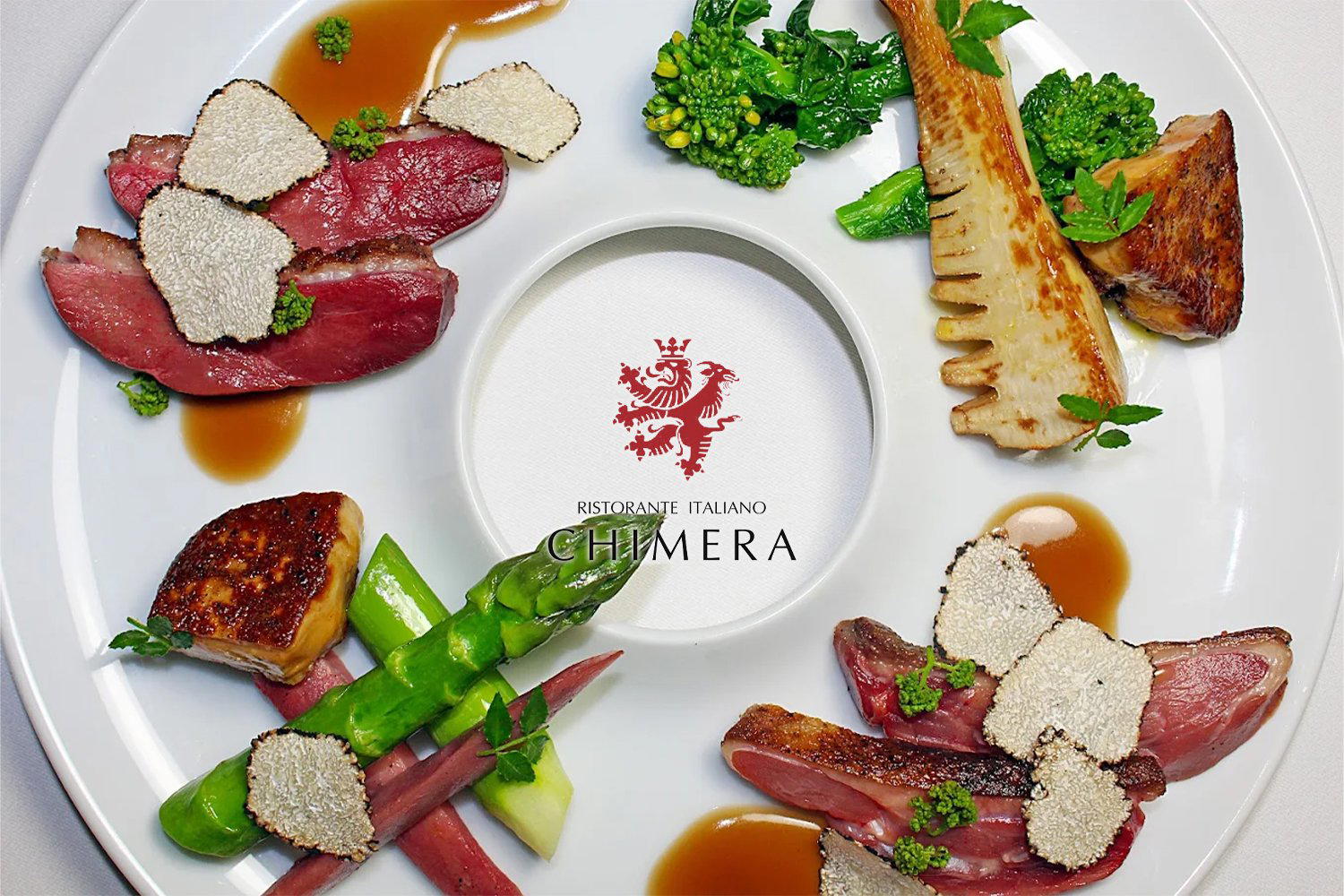
Chimera's kitchen operates within the kaiseki tradition, meaning the menu is structured, seasonal, and not à la carte in any conventional sense. Course selection is determined by the kitchen based on seasonal availability, so there is no single dish to single out in advance.
A Quick Peer Check
Comparable venues nearby, for context on price, style, and recognition.
| Venue | Cuisine | Price | Awards | Notes |
|---|---|---|---|---|
| ChimeraThis venue (the venue you are viewing) | Italian-Japanese Fusion Fine Dining | $100–150 | Tabelog 100 #38 | Not listed |
| Rigoletto | Smoke-Infused Spanish-Italian | $30–50 | Not listed | Higashiyama |
| ドーディチ | Modern Italian with Kyoto Influences | $200–300 | 1 Michelin Star · Tabelog 100 #73 | 京都市役所前 |
| RADICE | Modern Italian with Japanese Influences | $150–200 | Michelin Plate · Tabelog Bronze #351 | Nakagyō |
| Tominokoji Yamagishi (富小路やま岸) | Kyoto Kaiseki Omakase | $300–500 | Not listed | Nakagyo-ku |
| En Boca (エンボカ 京都) | Italian-Japanese wood-fired pizza & vegetables | $50–100 | Tabelog 100 #53 | Nakagyo-ku |
Recognition history
Dated appearances from independent guides and award organizations, with the underlying list record or original source where available.
Tabelog 100 #38 · No. 38
Tabelog · Tabelog 100 - Italian - WEST - 2025