
Nagoya’s teppanyaki scene rewards compact counters where sourcing, heat control, and pacing matter more than spectacle. Teppan Yaki Jiro belongs in that serious middle tier: steak and teppanyaki, Tabelog 100 Steak / Teppanyaki EAST selection in 2024 and 2025, and a small-room format in Sakae that suits diners who care about ingredients as much as performance.
Pearl is the En Primeur Club membership app — saves, bookings, and concierge access live there. Same editors, same standards.
- Address
- 愛知県名古屋市中区栄4-5-18 栄ソシアルビル B1F
- Phone
- +81522656956
- Website
- tabelog.com
 Saves & bookings on Pearl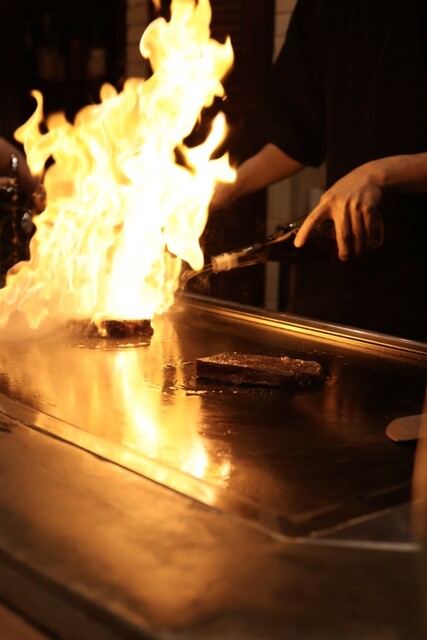
Basement teppanyaki in Sakae has a different rhythm from hotel grill rooms. The room is close, the counter is part theatre and part workstation, and the meal turns on what crosses the iron plate rather than on ceremony. Teppan Yaki Jiro sits in that Nagoya lane: compact, adult, and built around steak and teppanyaki rather than a broad Japanese dining script.
Nagoya often gets reduced to miso-katsu, hitsumabushi, and station-side eating, but its higher-spend dining scene is more varied than that shorthand suggests. Sakae, in particular, supports small restaurants that trade on precision and repeat local custom. In teppanyaki, the format exposes weak sourcing quickly. A luxury dining room can hide behind service choreography; a counter grill cannot. Beef quality, seafood selection, knife work, seasoning restraint, and timing are all visible from the seat.
Why sourcing matters more at a small teppanyaki counter
Japanese teppanyaki is often misunderstood abroad as a performance format. In Japan, especially at serious counters, the better reading is ingredient management under direct heat. The cook’s job is to make the sourcing legible: fat, fibre, moisture, and doneness have little room for correction once the ingredient meets the plate. That is why a small teppanyaki restaurant’s credibility comes less from menu sprawl and more from how tightly it controls categories such as steak, fish, sake, shochu, wine, and the pace of service.
The Tabelog 100 Steak / Teppanyaki EAST selection in 2024 and 2025 gives Teppan Yaki Jiro an external signal in a category where national guide coverage can be uneven outside Tokyo and Osaka. The 2025 listing places it within the eastern Japan steak and teppanyaki conversation, useful context for visitors trying to separate casual grill counters from more serious rooms. Its Tabelog score of 3.71 also puts it in the zone where Japanese diners tend to read consistency rather than novelty.
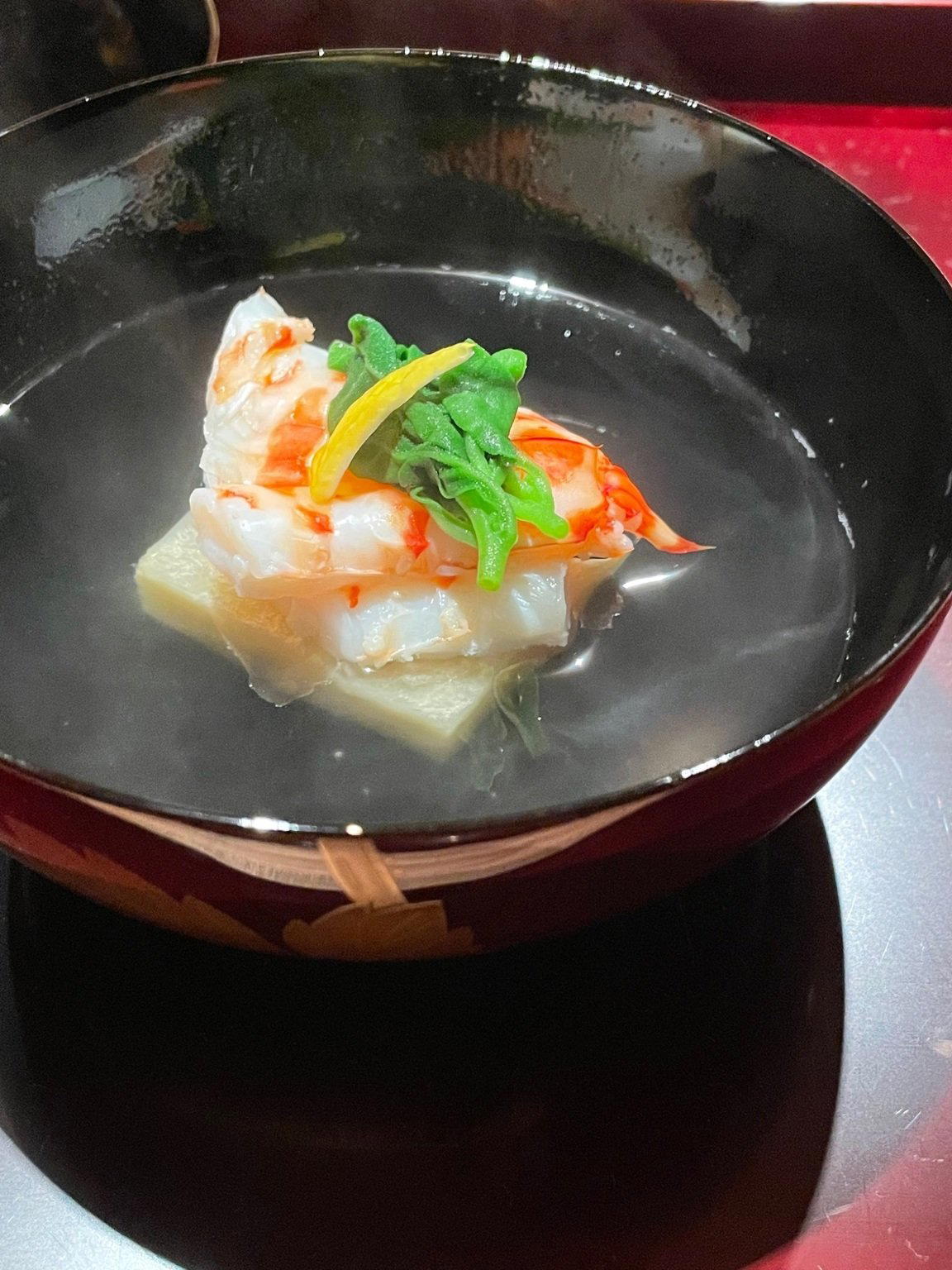
The ingredient angle is also visible in the category mix. Steak is the anchor, but the restaurant is not framed as beef-only; fish is part of the proposition, and the drinks list includes sake, shochu, wine, and cocktails. That matters in Nagoya, where a teppanyaki meal can either become a heavy red-meat evening or a more balanced sequence. The latter is usually the stronger format for travellers, because it shows how the kitchen handles contrast rather than simply spending power.
Sakae's adult counter culture, without hotel polish
Sakae is Nagoya’s commercial core, but its restaurant life is more fragmented than a visitor expects. Department-store dining, casual izakaya, late-night bars, and small specialty counters sit close together, which makes the neighbourhood good for diners who know the exact style they want. Teppanyaki here reads differently from the hotel dining rooms around Nagoya Station: less international polish, more local specificity, and fewer layers between guest and grill.
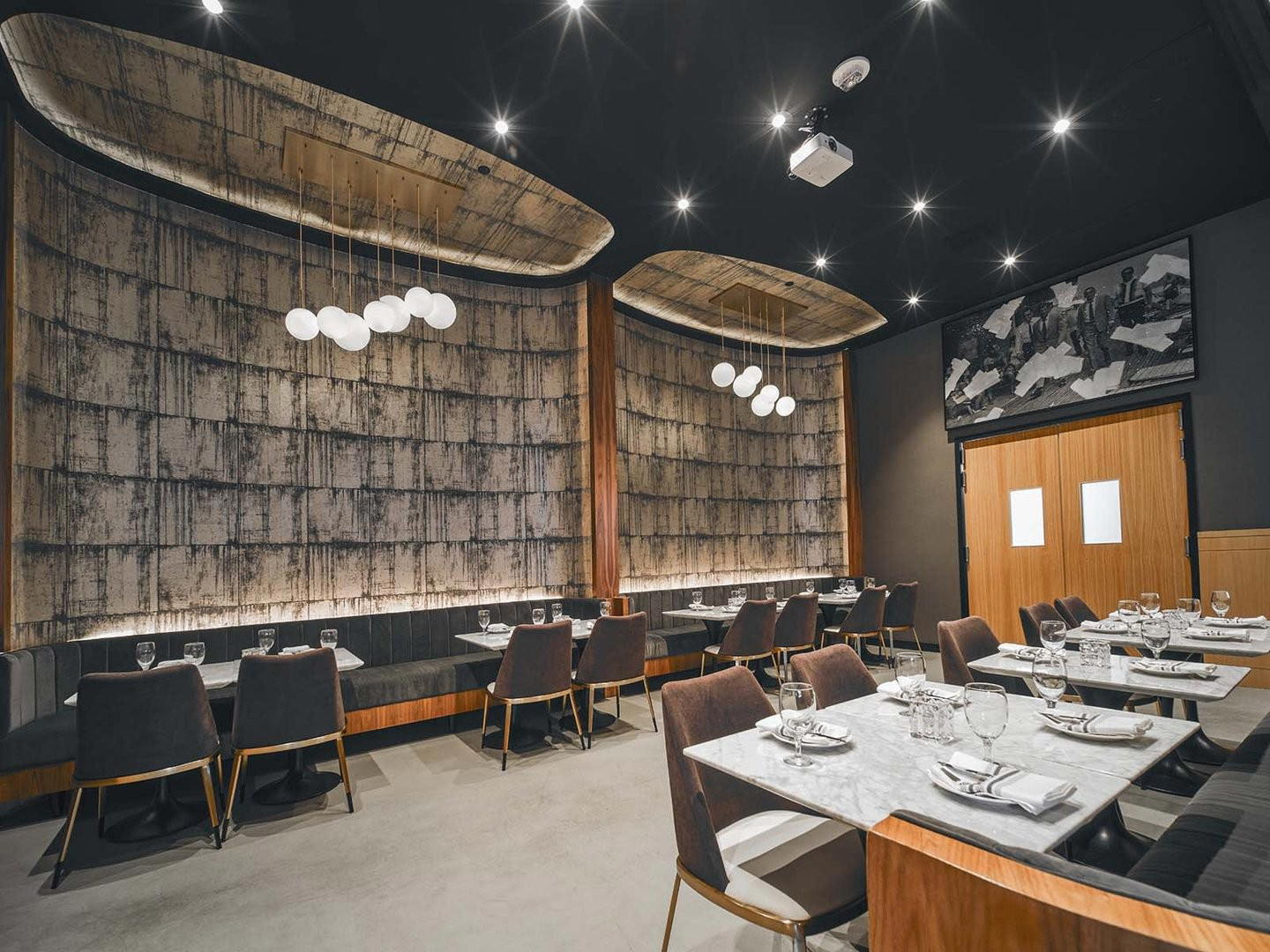
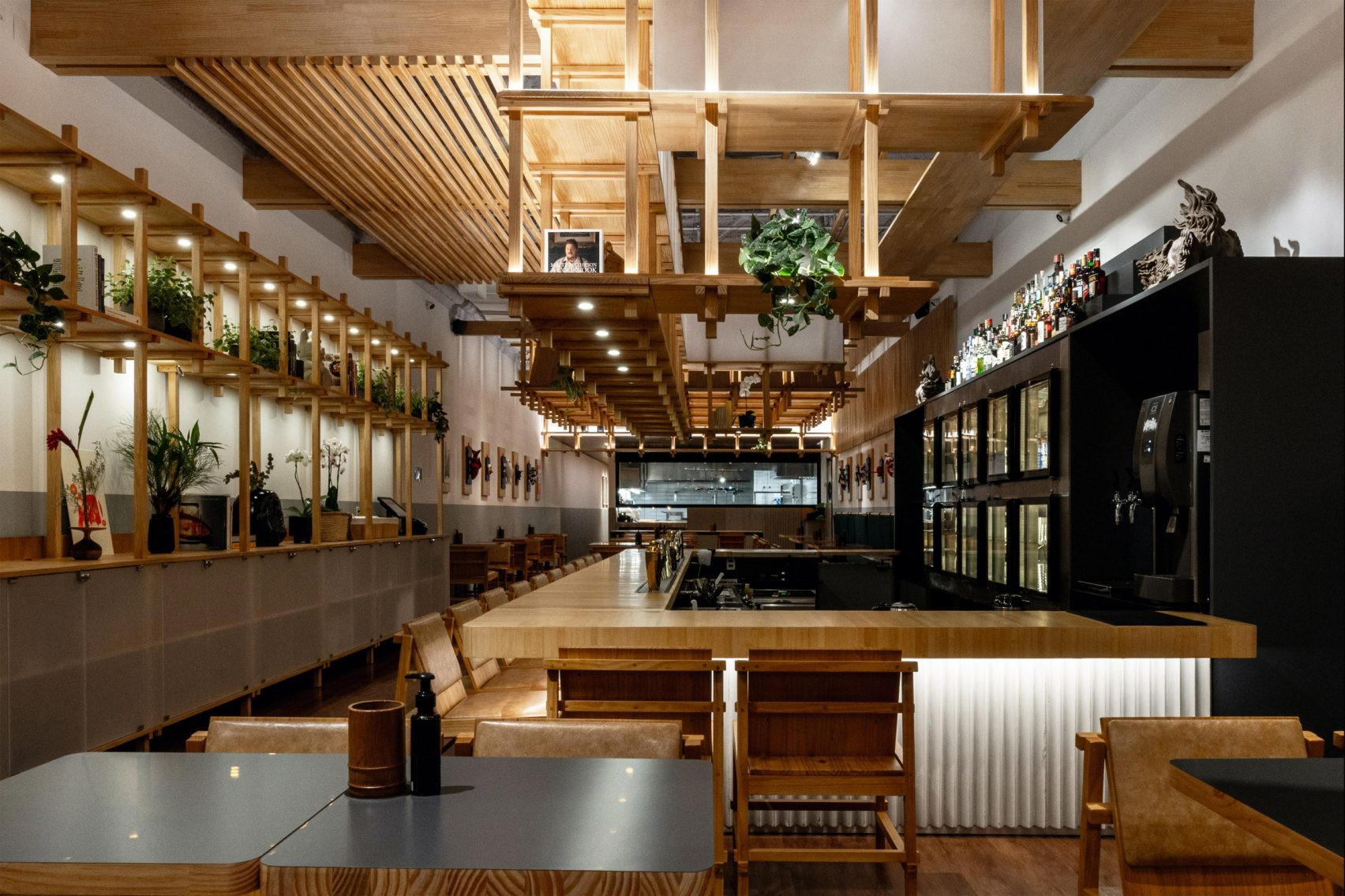
Teppan Yaki Jiro’s scale sharpens that point. Sixteen seats, split between counter and tables, puts the experience closer to a specialist room than a banquet-style steakhouse. The counter is the meaningful choice when the point of the meal is heat, timing, and ingredient handling; tables make more sense for a looser group dinner. Private rooms are not part of the format, so this is not the right address for diners seeking separation from the room.
Within Nagoya’s restaurant range, the comparison is instructive. Joie occupies a similar evening spend but with a different dining grammar, while Gyoza Sakaba Issei Ichidai Honten belongs to a lower-cost, casual drinking-and-dumpling register. Restaurant Loire French moves toward a higher French dining bracket, and Nadaman represents a more classical Japanese reference point. All Day Dining Montmartre is useful as a broader hotel-dining contrast, where convenience and range matter more than counter intimacy. Teppanyaki at this level is narrower by design; the appeal is concentration.
That concentration also determines who will enjoy the meal. Diners looking for a long tasting-menu narrative may find the format too direct. Diners who care about product, controlled cooking, and the social temperature of a small counter will understand the appeal quickly. The adult-only policy further clarifies the room: this is structured for grown-up pacing rather than family dining.
How to place it in a Nagoya itinerary
The stronger way to use the restaurant is not as a generic “nice dinner” but as the teppanyaki slot in a Nagoya food itinerary. Build the day around contrast: regional staples earlier, a counter-led grill dinner at night, and a bar or hotel lounge after if the evening needs a softer landing. For broader planning, Our full Nagoya restaurants guide maps the city’s dining spread, while Our full Nagoya hotels guide, Our full Nagoya bars guide, Our full Nagoya wineries guide, and Our full Nagoya experiences guide help place dinner inside the wider trip.
Readers comparing other Japanese and Japan-adjacent dining pages can cross-reference 1022, 451, Aaron, Alan., and All Day Dining Montmartre. For a wider lens beyond Nagoya, see -Grilled beef Sukiyaki- KAMAKURA TANUKIAN 鎌倉 たぬき庵 in Kamakura. 鮪と炭火焼き うお炭 秋葉原店 in Tokyo.cafe in Osaka.know in Kumamoto, (Shoku) Vietnam in Kawasaki, [Curry Senmon Ten] Maruyama Kyoju. in Sapporo, Jōdo Saké Bar in Los Angeles, and Onigiri Time in Pasadena.
The editorial case is clear: Nagoya has flashier ways to spend a night, but this address is more useful for diners who want the mechanics of Japanese teppanyaki in a compact Sakae setting. The value lies in watching a narrow format do its work: sourced ingredients, direct heat, controlled portions, and a room small enough that the grill remains the centre of attention.
Fast Comparison
Comparable venues at the same tier.
| Venue | Cuisine | Price | Notes |
|---|---|---|---|
| Teppan Yaki Jiro | Teppanyaki & Wagyu Steak | $$$ | Naka |
| 吉い | Seasonal Japanese Kaiseki | $$$ | Naka |
| Yagumo | Traditional Nagoya Shabu-shabu & Sukiyaki (Mingei Kappo) | $$$ | Higashi |
| Yadorigi | Casual Edomae Sushi Counter | $$$ | Kita |
| Yakiniku Hakushu Kassai | Japanese Yakiniku | $$$ | Chikusa |
| Sushi Shimizu | Edomae Sushi Omakase | $$$ | Nishi |
Recognition history
Dated appearances from independent guides and award organizations, with the underlying list record or original source where available.
Tabelog 100 #31 · No. 31
Tabelog · Tabelog 100 - Steak / Teppanyaki - EAST - 2025
Continue exploring
More in Nagoya
Restaurants in Nagoya
Browse all →
At a Glance
- Cozy
- Romantic
- Intimate
- Modern
- Date Night
- Business Dinner
- Celebration
- Special Occasion
- Group Dining
- After Work
- Chefs Counter
- Open Kitchen
- Standalone
- Extensive Wine List
- Local Sourcing
A casual yet calming underground space with a stylish, jazz-influenced atmosphere; most guests sit at the counter around the teppan, watching wagyu and seafood cooked in front of them, making it feel both intimate and a bit special-occasion oriented.