Our verdict
Chi-Q gives Shanghai a Korean address framed less by ceremony than by the flavours that travel from Seoul night markets to contemporary dining rooms: spice, char, rice, pickles and quick heat. With no public awards or chef billing shaping the story, the reason to look here is category clarity: Korean cooking in a city where premium dining is often measured through Cantonese, steakhouse and tasting-menu formats.

Pearl is the En Primeur Club membership app — saves, bookings, and concierge access live there. Same editors, same standards.
- Address
- Shanghai, China
The menu
What to order
- Korean BBQ sharing platters
- Korean fried chicken wings
- Seafood & scallion pancake
- Kimchi variations
Shanghai dining rooms often announce themselves through gloss: skyline views, hotel lobbies, polished service, imported steakhouse ritual. Chi-Q belongs to a different register. Korean food brings a more immediate grammar to the table, built around heat, chew, crunch, smoke and fermentation rather than long-form ceremony. The reference points are not only barbecue and banchan, but the snack culture of tteokbokki, hotteok and kimbap, foods designed for movement, late hours and appetite rather than hushed dining-room theatre.
Korean night-market logic, translated for Shanghai
Korean street food works because it is direct. Tteokbokki turns rice cake into texture first, sauce second: elastic, sweet-spiced, built to be eaten hot. Hotteok takes the opposite path, using a crisped exterior to contain molten sweetness. Kimbap is portable structure, rice and filling compressed into a clean cross-section. Those traditions matter because they explain what Korean restaurants can offer Shanghai beyond the familiar premium scripts of classic Chinese dining, steak and tasting menus.
Chi-Q’s relevance sits in that gap. Shanghai has serious restaurant range and a growing appetite for regional and international cooking, but Korean cuisine occupies a more specific lane: social, flavour-forward, anchored by condiments and designed for sharing. That makes it useful for diners who want a meal with momentum rather than a long progression of courses. The pleasure is in contrast: chilli against rice, grilled notes against pickled acidity, soft starch against sharp seasoning.
For a broader read on the city’s dining range, our full Shanghai restaurants guide maps the category spread across cuisines and formats. The contrast is instructive: Shanghai can move from high-rise Chinese dining rooms to polished international formats, then back into more intimate regional cooking. Korean cooking changes the rhythm rather than competing on the same terms.
Why Korean food reads differently in a Shanghai dining week
The city rewards range. A serious Shanghai itinerary is rarely built from one cuisine alone, and Korean food earns its place by solving a particular problem: it is generous without being formal, assertive without needing luxury cues, and communal without requiring a banquet structure. That matters in a city where business dining, hotel dining and destination restaurants can dominate the schedule. A Korean meal offers release from that choreography.
Chi-Q’s public profile is best read through the lens of Korean cuisine in Shanghai, with Jean-Georges Vongerichten attached to the venue and recognition in a Forbes Travel Guide story on new Shanghai restaurants. The stronger lens is still cuisine: Korean food’s movement from market snack to polished urban restaurant, and the way Shanghai absorbs regional Asian dining into its own high-pressure food culture. Diners seeking award-adjacent context can note that public recognition; diners interested in chilli warmth, rice-based comfort and group-table energy will understand the appeal faster.
Shanghai’s wider travel ecosystem reinforces the point. Hotels, bars, wineries and experiences shape how meals function across a trip, not just where dinner happens. Use our full Shanghai hotels guide, our full Shanghai bars guide, our full Shanghai wineries guide and our full Shanghai experiences guide to place a Korean dinner inside the larger city plan rather than treating it as an isolated booking.
Where this sits in a China-wide food itinerary
Across China, the stronger food itineraries are comparative without forcing false equivalence. Different cities carry different assumptions about spice, seafood, banqueting, snack culture and roast meats. Shanghai’s advantage is concentration: a traveller can use the city as a switching station between regional Chinese rooms, international formats and neighbouring Asian cuisines.
That is why cross-city reading helps. Other dining rooms across China show how regional identity changes the table, while Korean restaurants in major global cities underline the cuisine’s international range. Chi-Q’s place in Shanghai is narrower and practical: it gives the city’s dining circuit a Korean counterweight to formality, with street-food memory as the through-line.
Frequently asked questions
What's the cuisine at Chi-Q?
Chi-Q serves Korean cuisine.
Do I need a reservation for Chi-Q?
A reservation is a sensible move for Chi-Q in Shanghai, especially for dinner. As a Korean restaurant in a major dining city, it sits in a category where planning ahead helps secure the timing you want.
What makes Chi-Q worth seeking out?
Chi-Q gives Shanghai diners a focused Korean option rather than a broad pan-Asian menu. That clarity matters in a city where strong restaurants often succeed by doing one cuisine with discipline.
Is Chi-Q a family-friendly restaurant?
Chi-Q serves Korean cuisine in Shanghai, which generally makes it approachable for mixed-age groups. Families looking for a straightforward dining room and a cuisine many diners already know should find the format easy to use.
What kind of setting is Chi-Q?
Chi-Q is a Shanghai restaurant built around Korean cuisine, so the setting reads as dining-room first rather than destination theater. Expect a focused restaurant format rather than a large-format venue.
Reputation & Price
Comparable venues nearby, for context on price, style, and recognition.
| Venue | Cuisine | Price | Awards | Notes |
|---|---|---|---|---|
| Chi-QThis venue — the venue you are viewing | Upscale Modern Korean BBQ by Jean‑Georges | $50–100 | Not listed | Not listed |
| Lynn | Modern Shanghai Cuisine | $30–50 | Not listed | Jing'an, Modern Shanghai Cuisine |
| Zhoushe Haipai Cuisine | Haipai (Shanghainese) fine dining | $50–100 | Black Pearl 1 Diamond | Not listed |
| upper club | Modern Chinese Hot Pot | Not listed | Black Pearl 1 Diamond | Jing'an, Modern Chinese Hot Pot |
| Imperial Treasure (Shanghai) | Fine Cantonese Cuisine | $50–100 | La Liste Top Restaurants | Huangpu, Fine Cantonese Cuisine |
| Le Saleya | French Bistro | $30–50 | Star Wine List | Da Pu Qiao, French Bistro |
Details
- Modern
- Elegant
- Sophisticated
- Trendy
- Well Known
- Date Night
- Business Dinner
- Group Dining
- Celebration
- Special Occasion
- After Work
- Open Kitchen
- Private Dining
- Design Destination
- Historic Building
- Standalone
- Craft Cocktails
- Extensive Wine List
- Garden
- Street Scene
- A La Carte
- Family Style
- Small Plates
- Wine
- Cocktails
- Beer
- Vegetarian Friendly
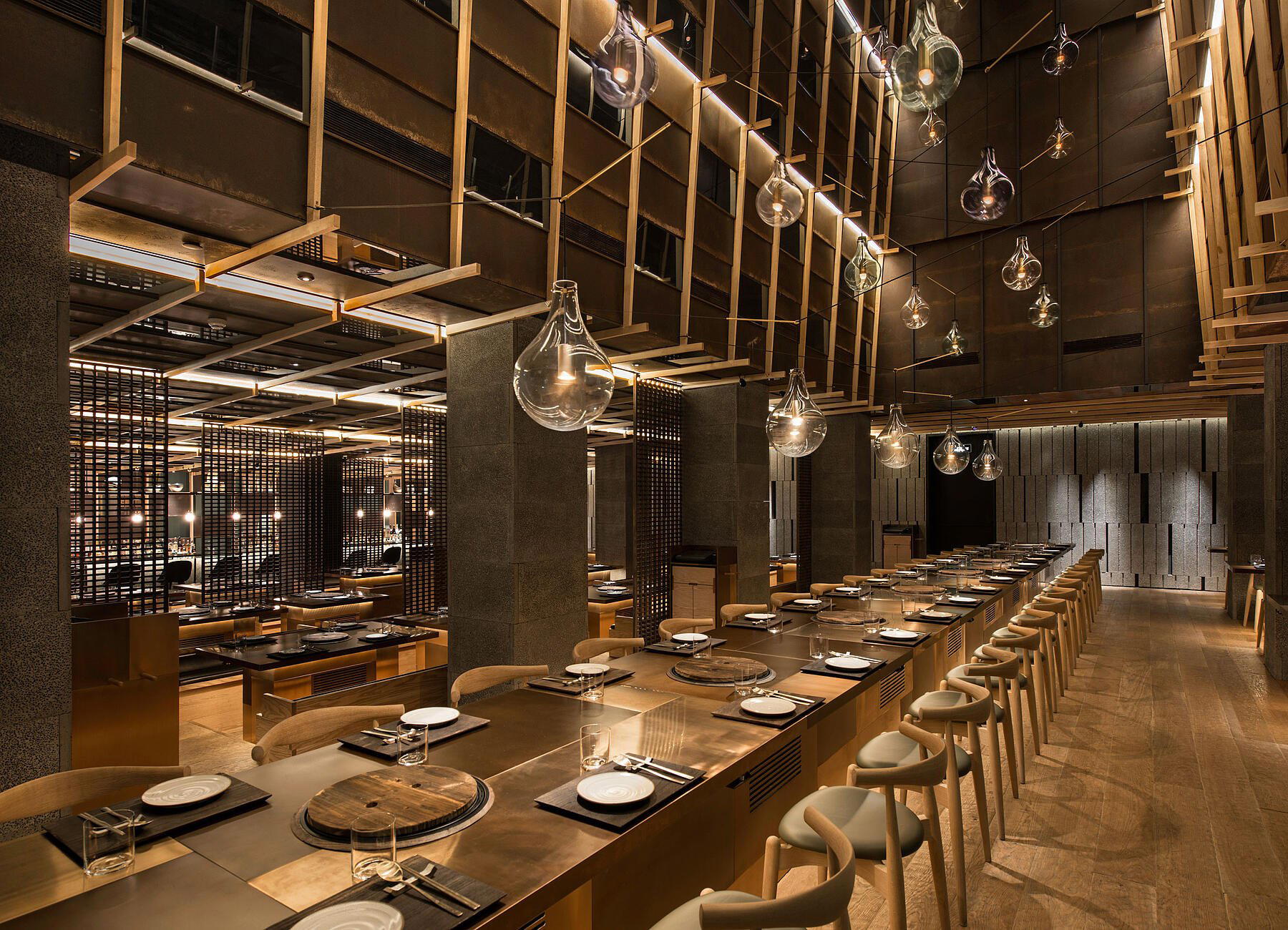
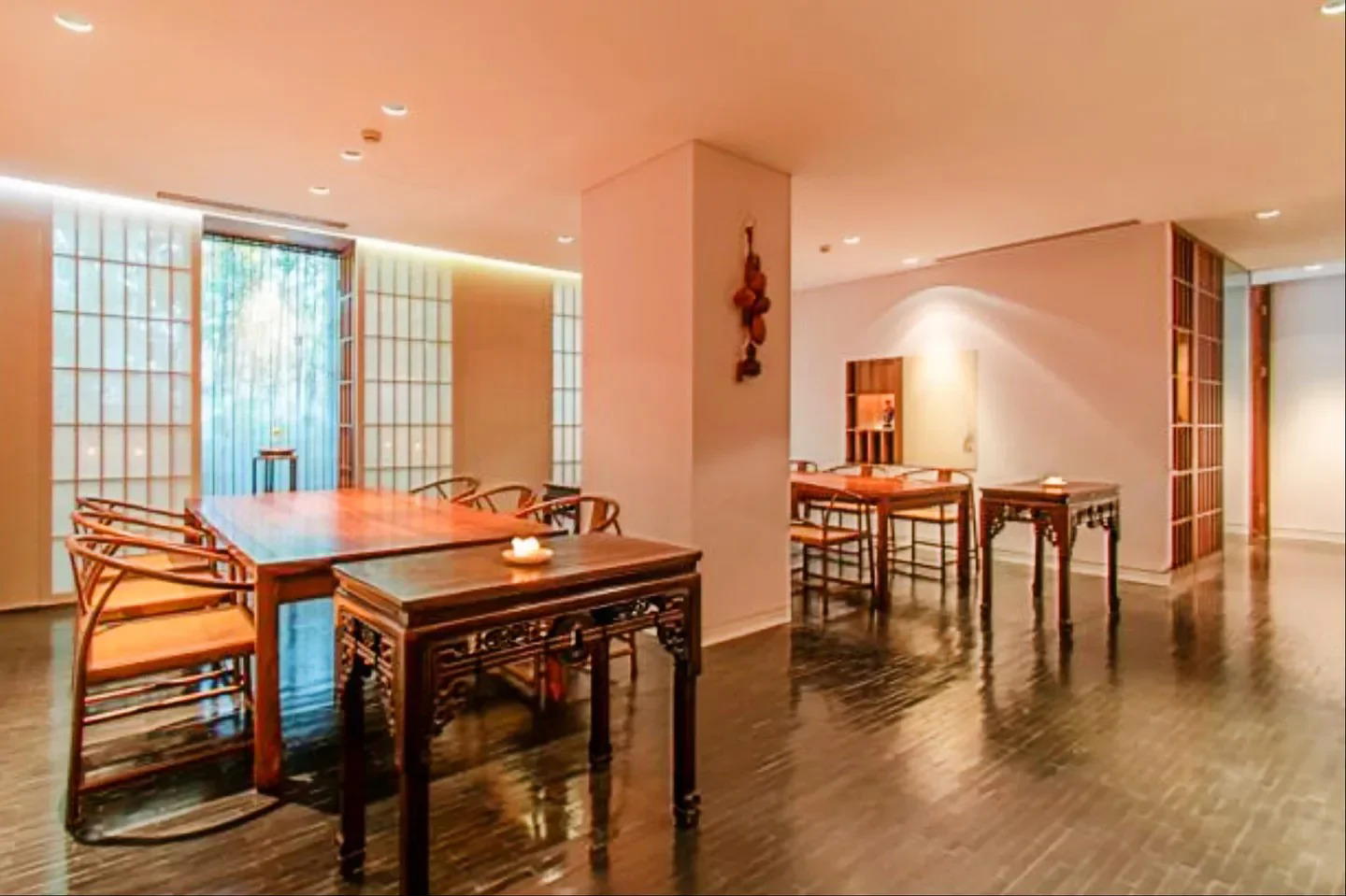
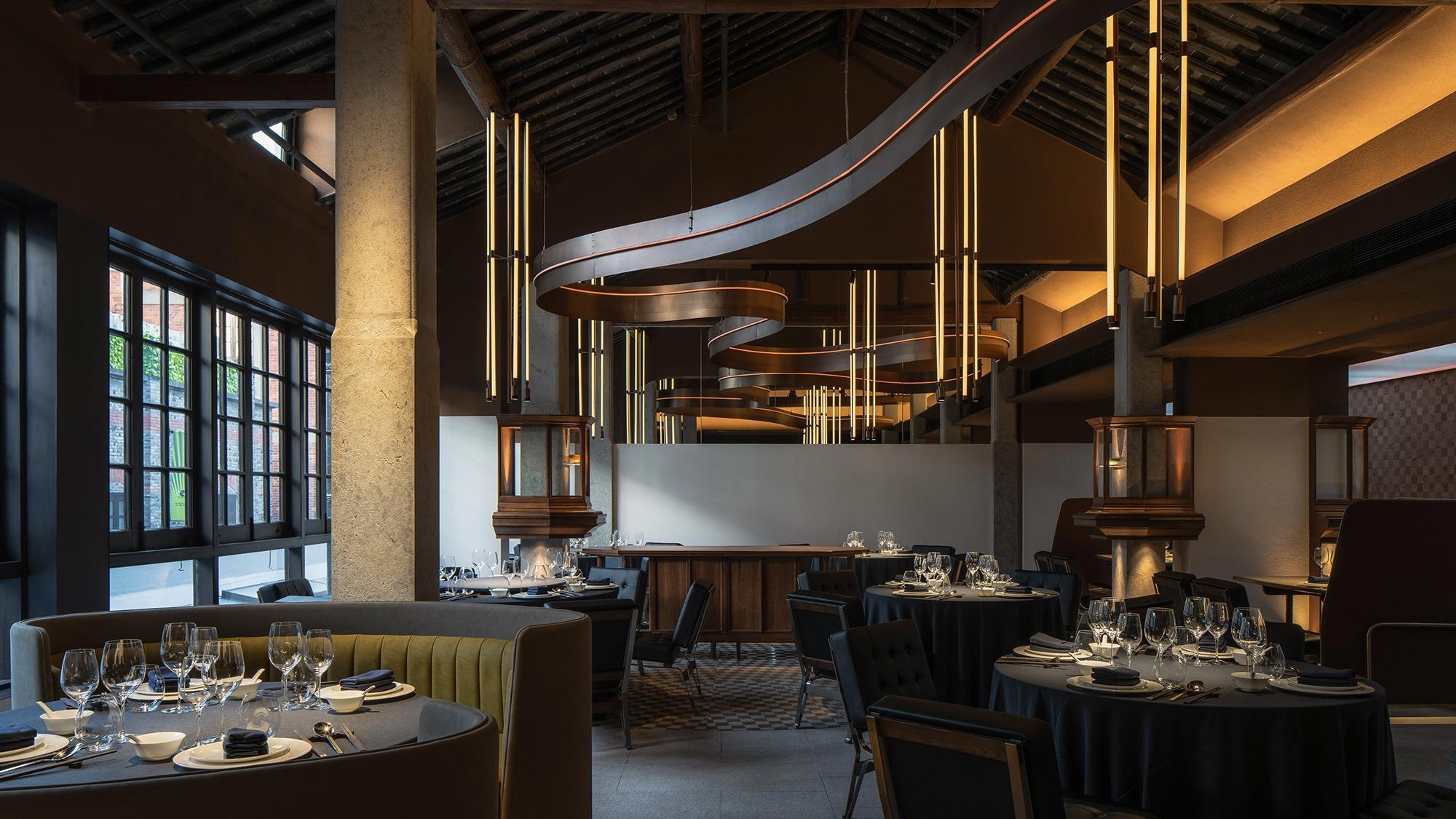
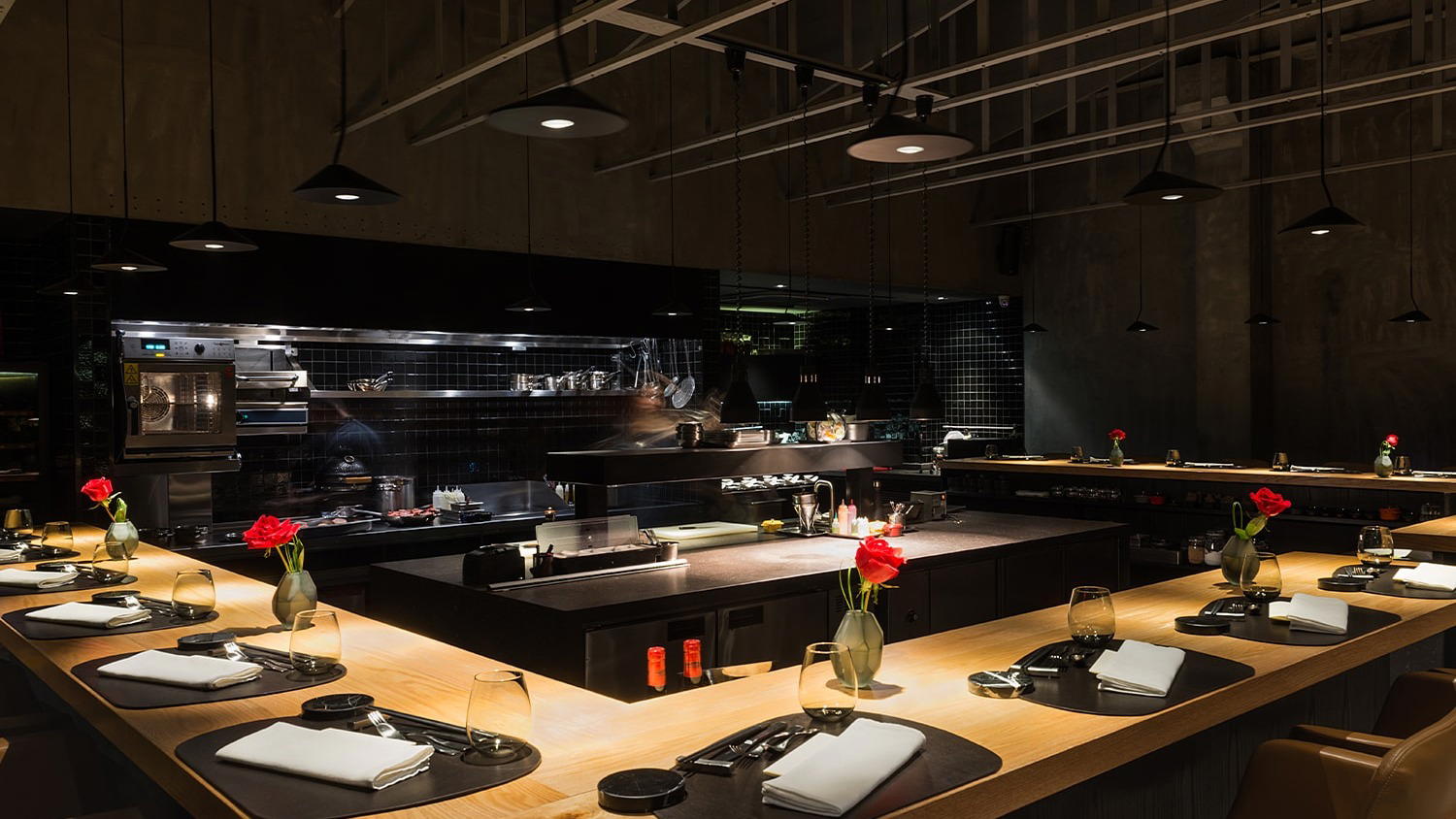
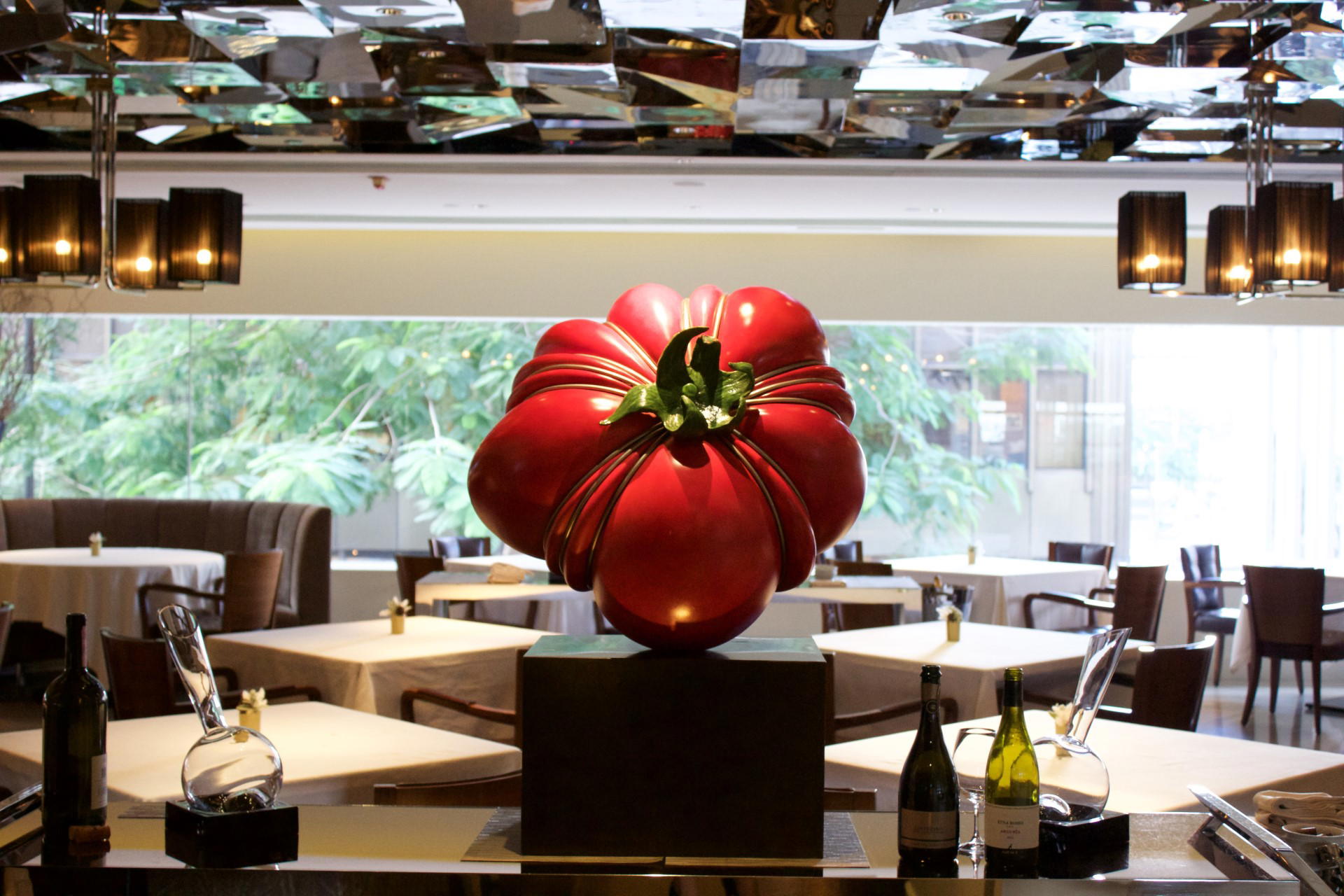
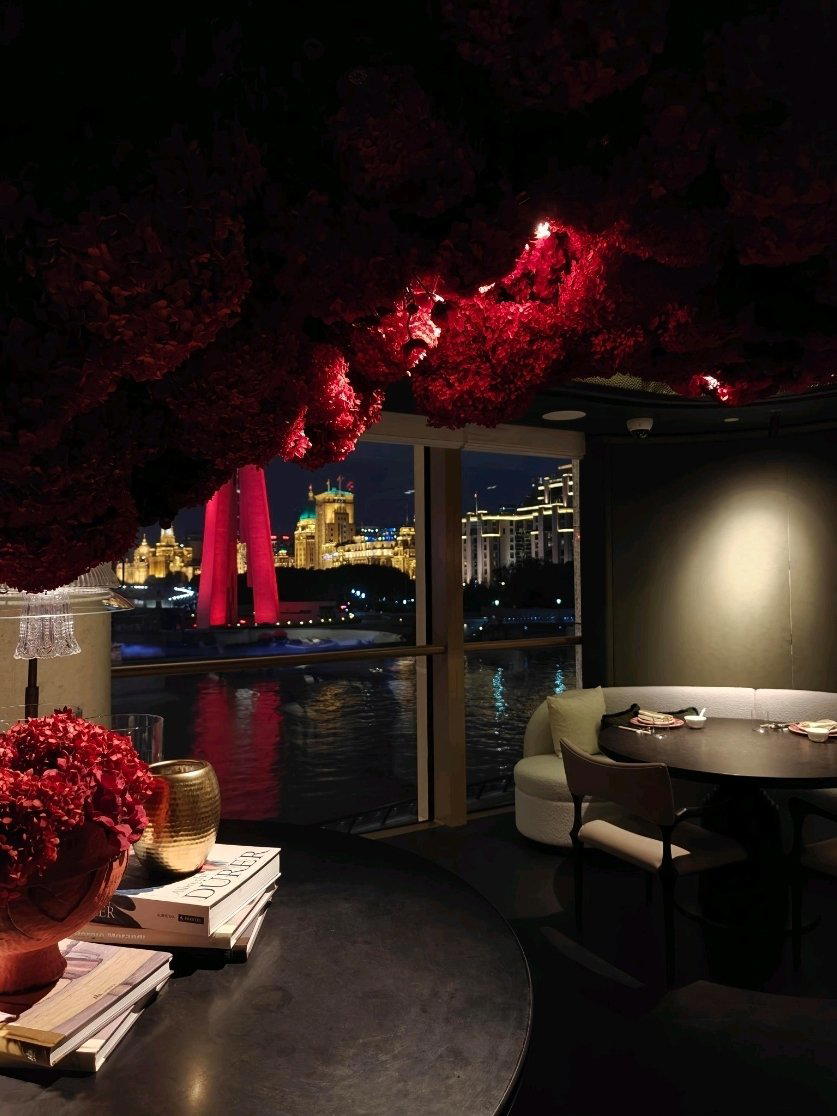
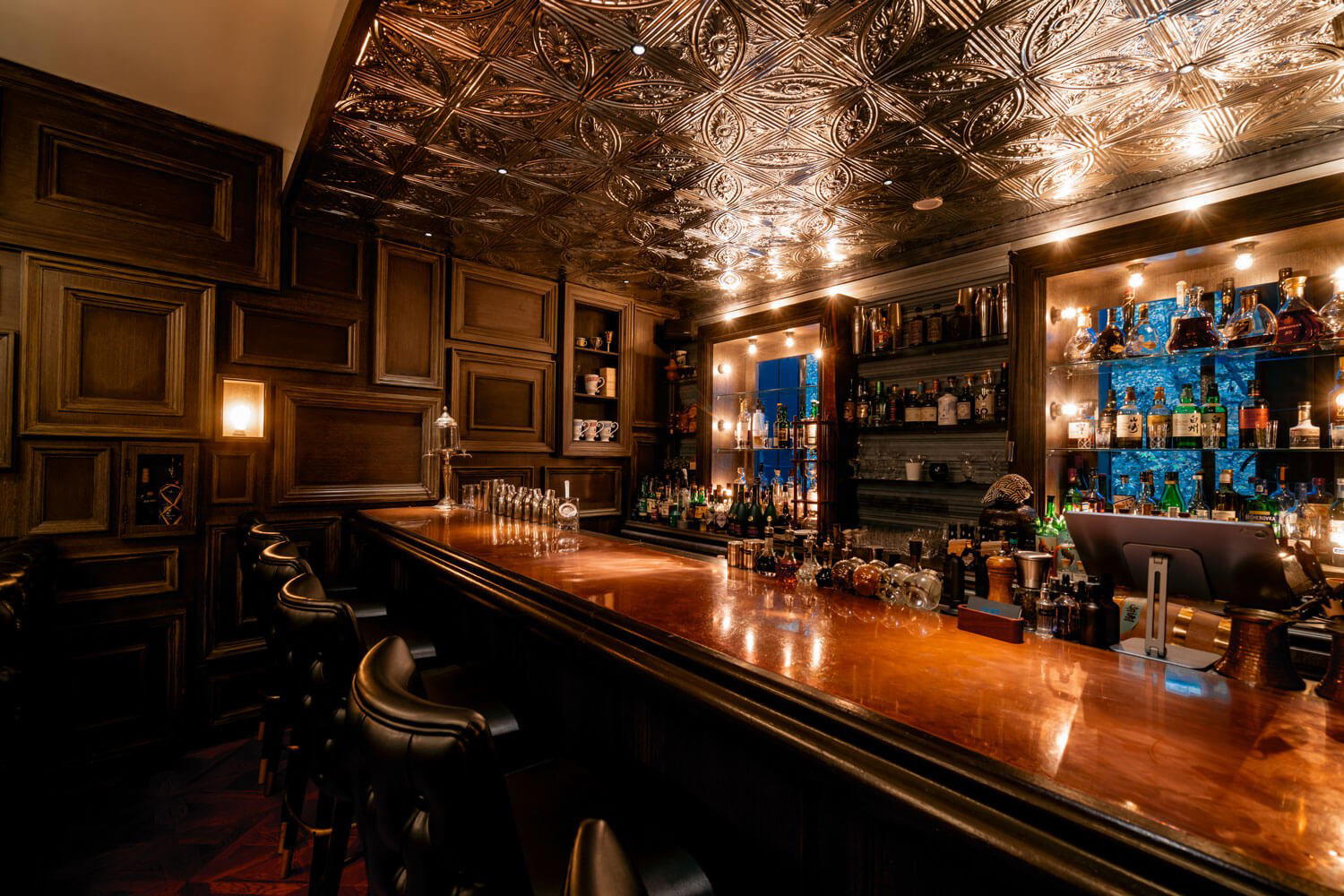
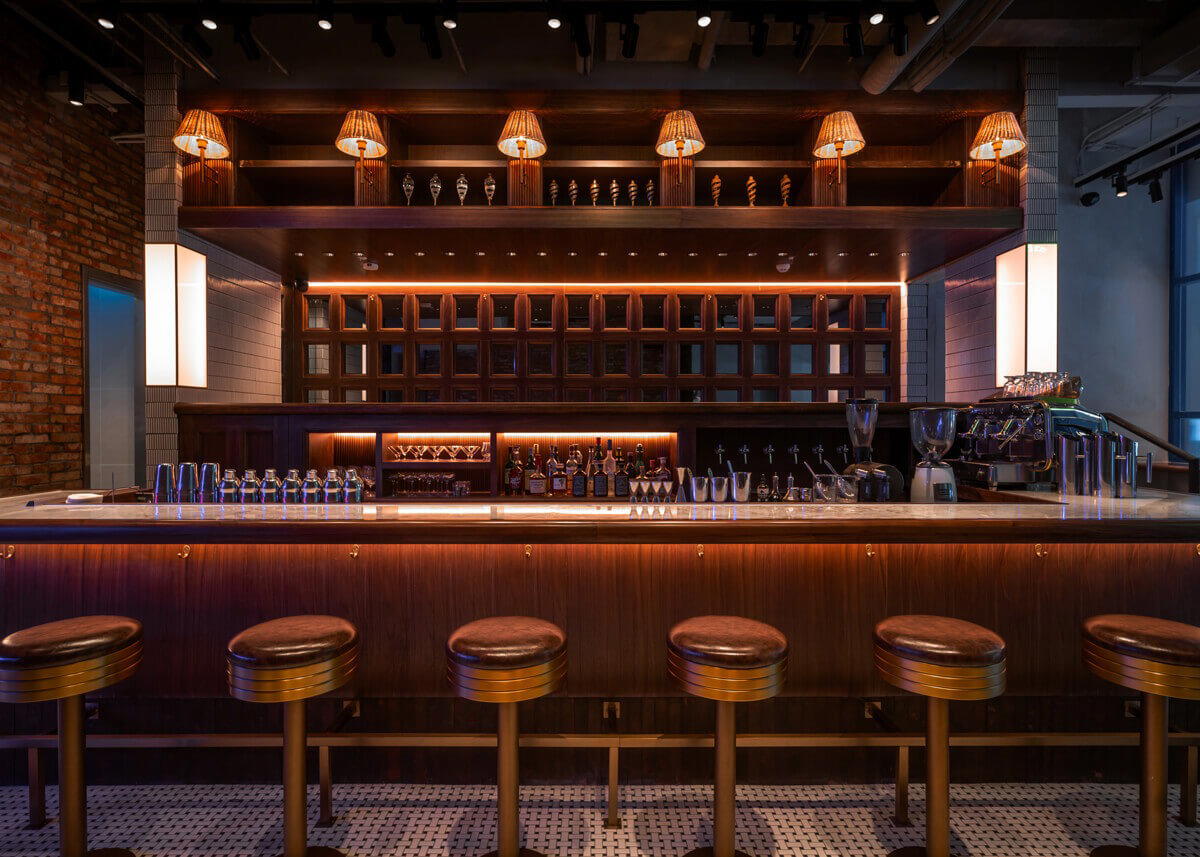
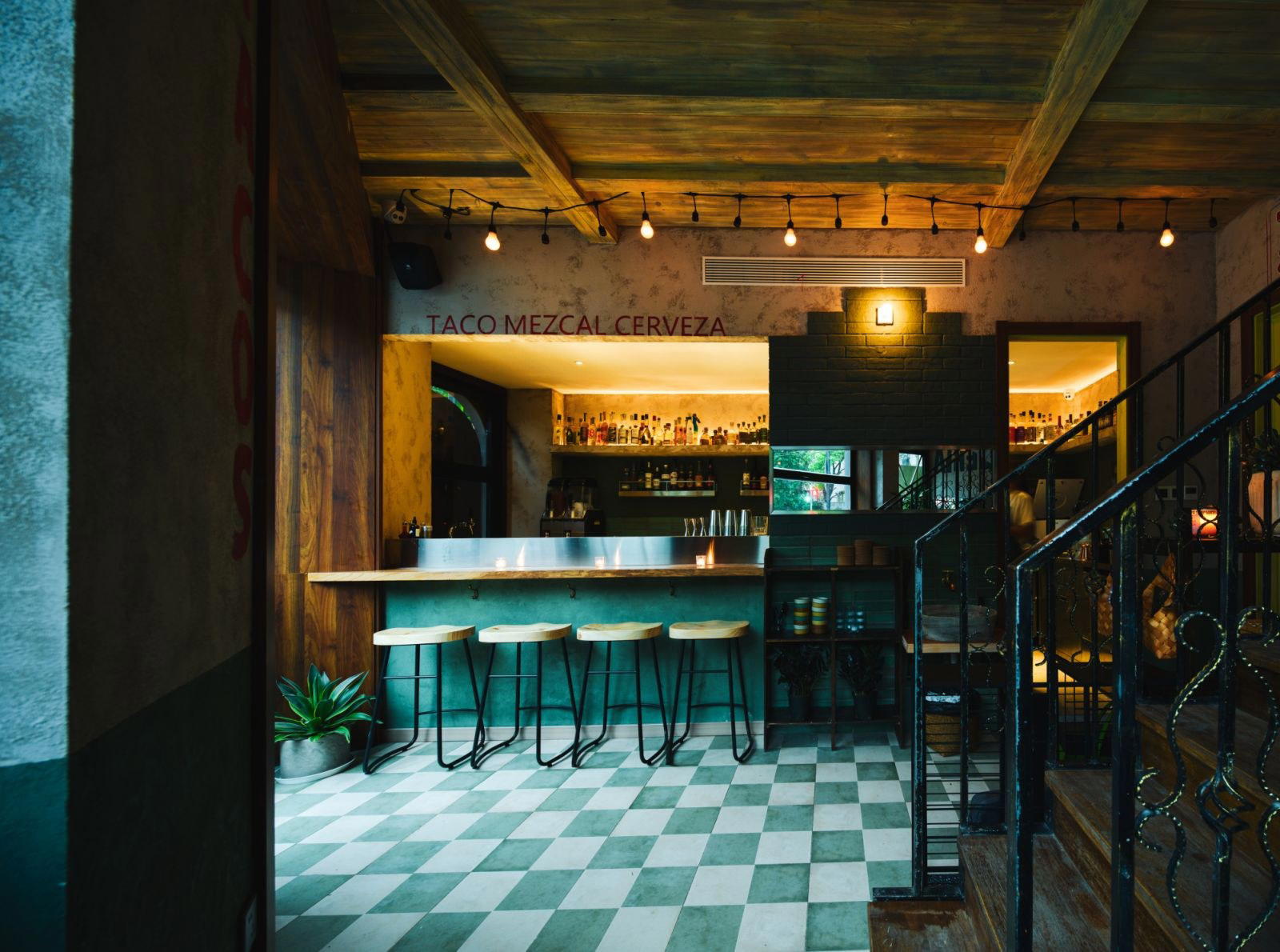
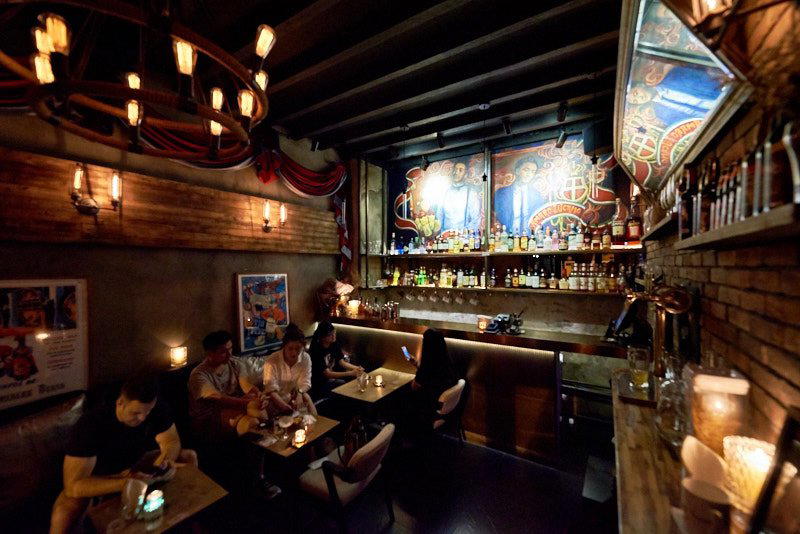
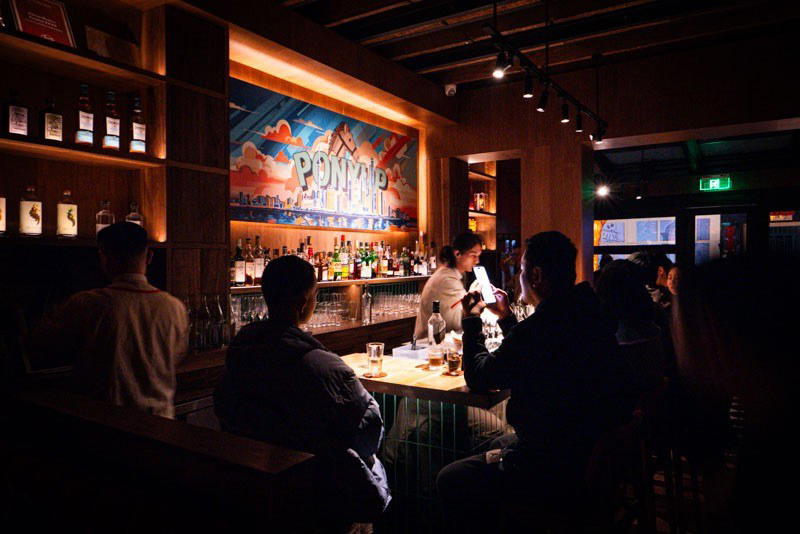
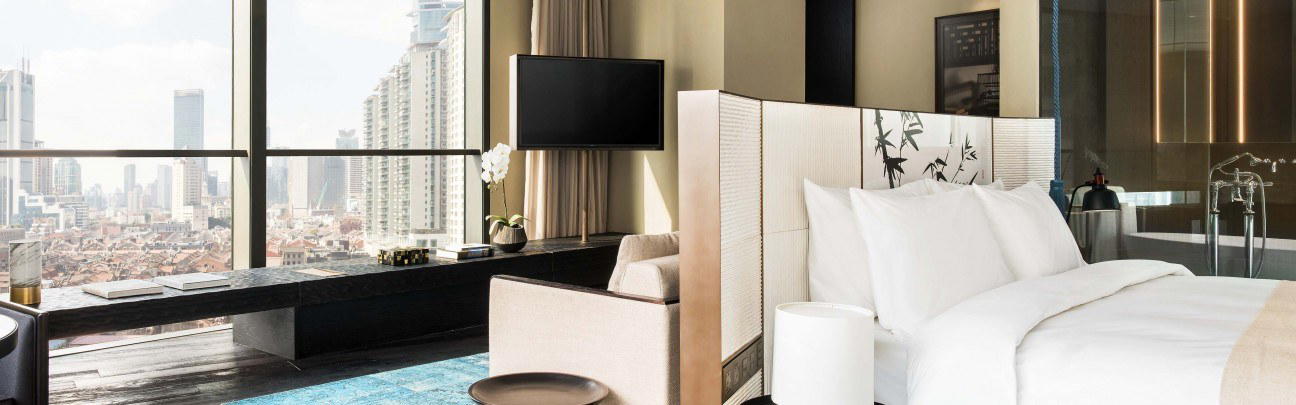
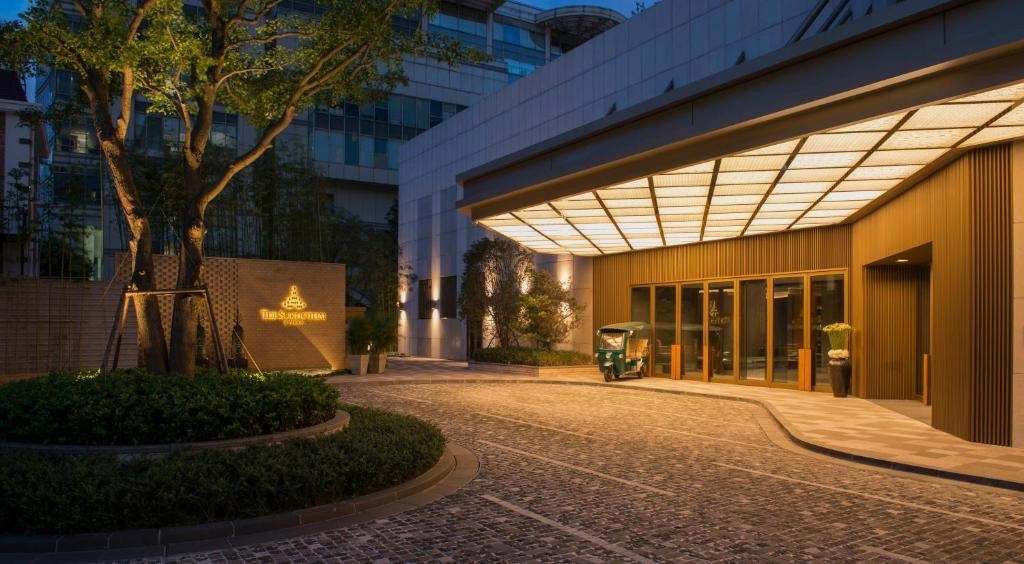
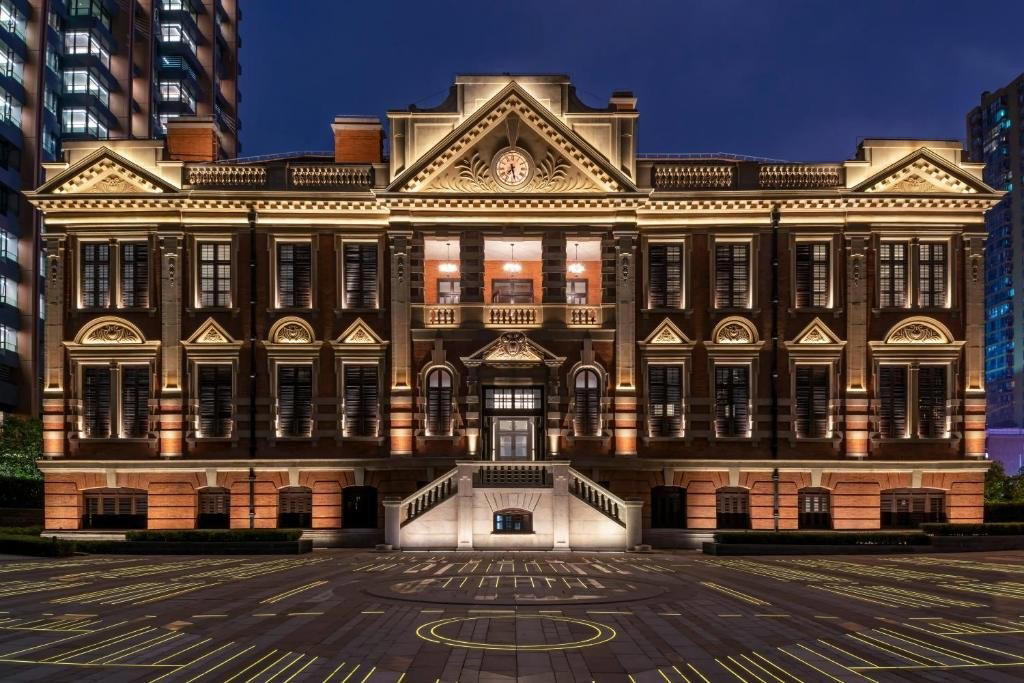
Atmosphere-driven, with charcoal wood, concrete floors, half-sunken banquettes and a warm-toned metal ceiling creating a moody yet refined space that balances light and shadow like a modern interpretation of a Korean courtyard, high on style and architectural drama.