
Zhoushe Haipai Cuisine belongs to Shanghai’s Haipai conversation, where local technique absorbs outside influence without losing the city’s preference for seasonality, river-and-sea produce, and polished restraint. Its Black Pearl Restaurant Guide 2026 one-diamond recognition places it in a serious dining tier, useful for travellers trying to separate local prestige from general luxury dining noise.

Pearl is the En Primeur Club membership app — saves, bookings, and concierge access live there. Same editors, same standards.
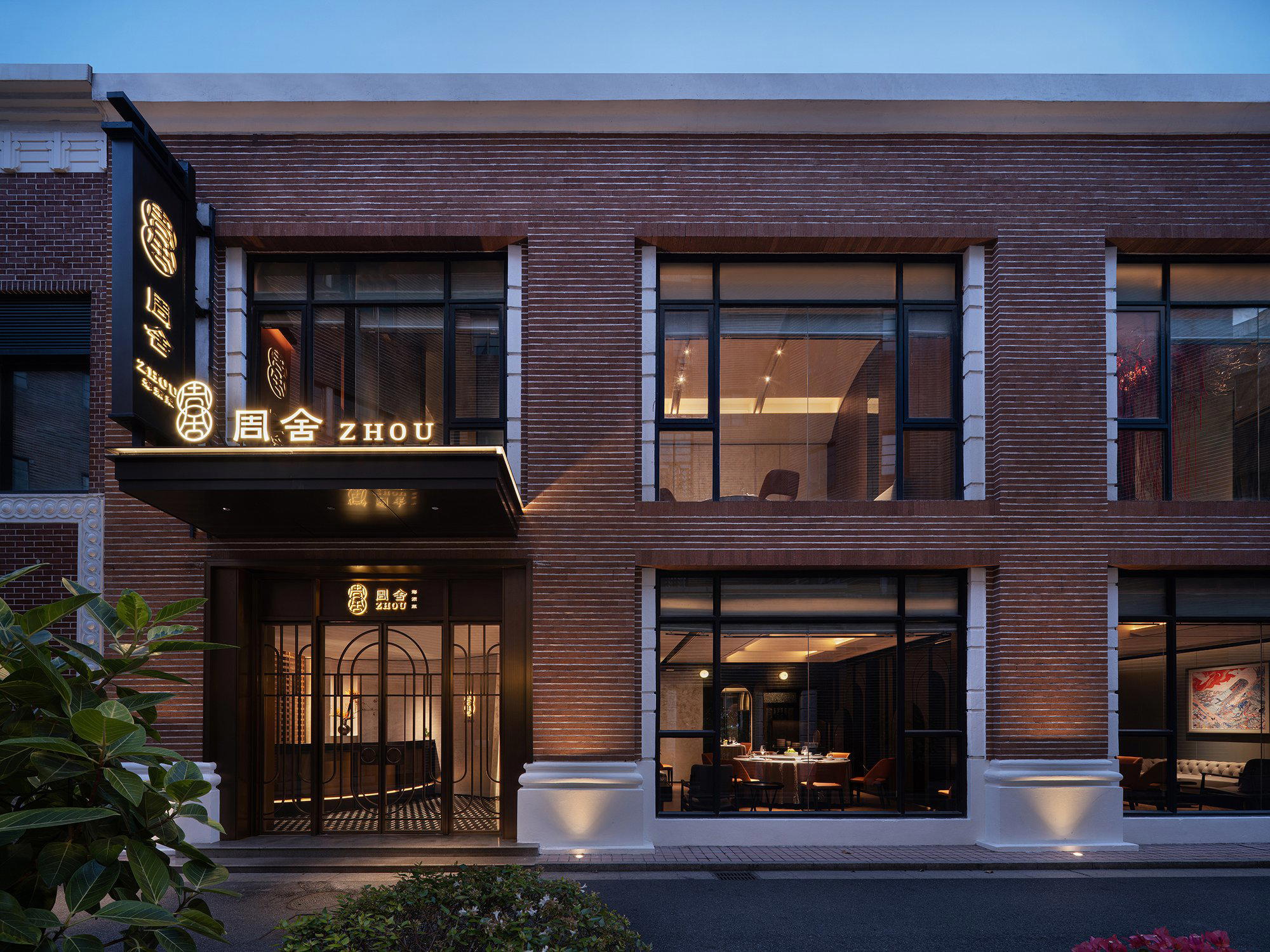
Shanghai dining often announces itself through texture before it does through spectacle: the sheen of lacquered sauces, the quiet weight of porcelain, the disciplined pace of a room that understands business lunches and family banquets in equal measure. Haipai cuisine sits in that register. It is urban Chinese cooking shaped by the port city, by Jiangnan produce, by Cantonese polish, by Western contact, and by a local appetite for sweetness, soy depth, river fish, crab, cured flavours, and carefully timed vegetables.
Zhoushe Haipai Cuisine enters that conversation with a Black Restaurant Guide 2026 one-diamond rating, a signal that matters in mainland China’s premium restaurant scene. Black has become one of the country’s more influential domestic guides, particularly for Chinese regional dining that may not fit neatly into international award categories. For Shanghai, a one-diamond rating points to a restaurant operating above casual neighbourhood status, but the more interesting question is what kind of Shanghai it chooses to express.
Haipai cooking is a sourcing argument, not just a style label
Haipai is often translated too simply as “Shanghai-style.” The better reading is more elastic: a city cuisine built from access. Shanghai’s cooking has long depended on waterways, markets, migration, and a merchant class willing to absorb technique from elsewhere. Ingredient sourcing therefore carries editorial weight. Freshwater fish, seasonal greens, soy-braised meats, shellfish, preserved vegetables, rice wine, and sugar are not decorative references; they form the grammar of the table.
That matters because premium Chinese dining in Shanghai can split in several directions. Some rooms lean toward Cantonese luxury codes, where live seafood, soup work, and banquet service define the meal. Others borrow the steakhouse or hotel-dining model, built around international product and familiar signals of expense. Haipai cuisine is more local and more demanding when done seriously: the cooking has to make modest-looking ingredients feel calibrated, not merely upgraded.
Zhoushe Haipai Cuisine is useful for travellers because it sits inside that local register rather than treating Shanghai as a backdrop. The Black recognition gives it a public credential, but the appeal of the category lies in how Shanghai ingredients are handled: sweetness kept in check, braises carrying depth rather than heaviness, seafood treated as seasonal material, and vegetables given enough attention to reflect Jiangnan’s produce culture. Those are the details that separate a credible Haipai meal from generic premium Chinese dining.
For broader city context, EP Club’s full Shanghai restaurants guide maps the spread of dining formats across the city, from regional Chinese rooms to international counters. Visitors pairing dinner with a wider itinerary can also use the Shanghai hotels guide, Shanghai bars guide, Shanghai wineries guide, and Shanghai experiences guide to read the city as a full hospitality ecosystem rather than a string of reservations.
The city's dining hierarchy now rewards regional confidence
Shanghai’s premium restaurant culture used to reward imported luxury with unusual speed. French dining rooms, Japanese counters, hotel Cantonese, and high-polish steakhouses gave international travellers a legible map. That map still exists, but regional Chinese dining has gained sharper status as domestic guides, local regulars, and business hosts place more value on cuisine with a clear geographic voice.
That shift explains why a Haipai address with Black recognition is relevant. It tells the reader that local dining prestige is not limited to grand Cantonese service or international tasting menus. The city’s own cuisine can occupy a serious tier when sourcing, seasoning, and room discipline align. For a visitor with only a few meals in Shanghai, that is a stronger reason to seek out Haipai cooking than nostalgia alone.
Cantonese formality appears in entries such as 100 Century Avenue Cantonese, 102 House (Cantonese), and 102 House Shanghai. Western dining codes show up through 100 Century Avenue Steakhouse and 1515 West Chophouse. Regional Chinese expression broadens outside Shanghai through #8 in Chengdu, 167 Shan Hai Li in Fuzhou, 1913 in Hangzhou, 1927 Dong Yuan Si Chu in Xiamen, 1949 - Duck de Chine in Beijing, and 1980烧肉粽 in 厦门市. Even overseas references such as Jōdo Saké Bar in Los Angeles and Onigiri Time in Pasadena underline the same point: serious food culture is increasingly judged by specificity, not by generic luxury cues.
Who should place it on a Shanghai dining itinerary
Zhoushe Haipai Cuisine makes the strongest case for travellers who want Shanghai’s own culinary identity rather than a meal that is transplanted to any major Asian capital. The one-diamond Black rating supplies a trust signal, but the category itself is the reason to care: Haipai cooking is where the city’s market culture, port history, banquet manners, and seasonal instincts meet.
This is not the slot for readers seeking a chef-driven biography, a named tasting-menu format, or a catalogue of signature dishes. Those details are not the point of the page. The smarter read is to treat the restaurant as an entry into Shanghai’s mature local dining language, especially for guests who already understand Cantonese luxury and want a meal with a more local centre of gravity. In a city crowded with polished rooms, that specificity is the advantage.
Reputation & Price
Comparable venues nearby, for context on price, style, and recognition.
| Venue | Cuisine | Price | Notes |
|---|---|---|---|
| Zhoushe Haipai CuisineThis venue — the venue you are viewing | Not listed | $$$ | Not listed |
| 3 Warehouse | Huangpu, Creative Modern Chinese | $$$ | Not listed |
| Royal China Group | Changning, Refined Cantonese Seafood | $$$ | Not listed |
| Nanlu house | Not listed | $$$ | Pudong, Michelin-Starred Hangzhou and Zhejiang Cuisine |
| The yidao restaurant | Not listed | $$$ | Lan Ni Du, Modern Huaiyang Chinese with Tea Pairings |
| Canton 8 | Huangpu, Cantonese | $$ | Not listed |
Recognition history
Dated appearances from independent guides and award organizations, with the underlying list record or original source where available.
Black Pearl 1 Diamond
Black Pearl
At a Glance
- Elegant
- Romantic
- Sophisticated
- Modern
- Date Night
- Business Dinner
- Group Dining
- Special Occasion
- Family
- Private Dining
- Standalone
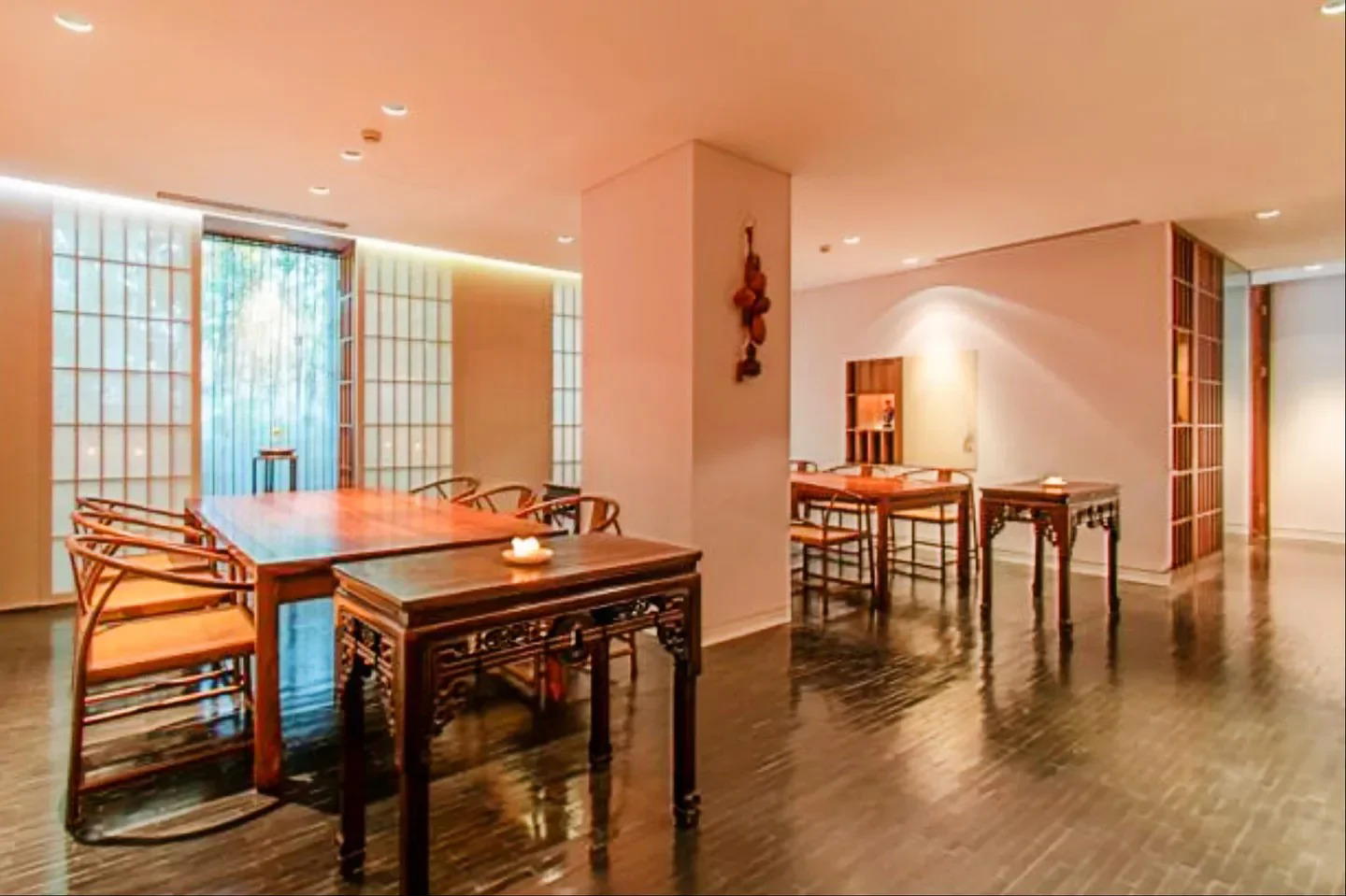
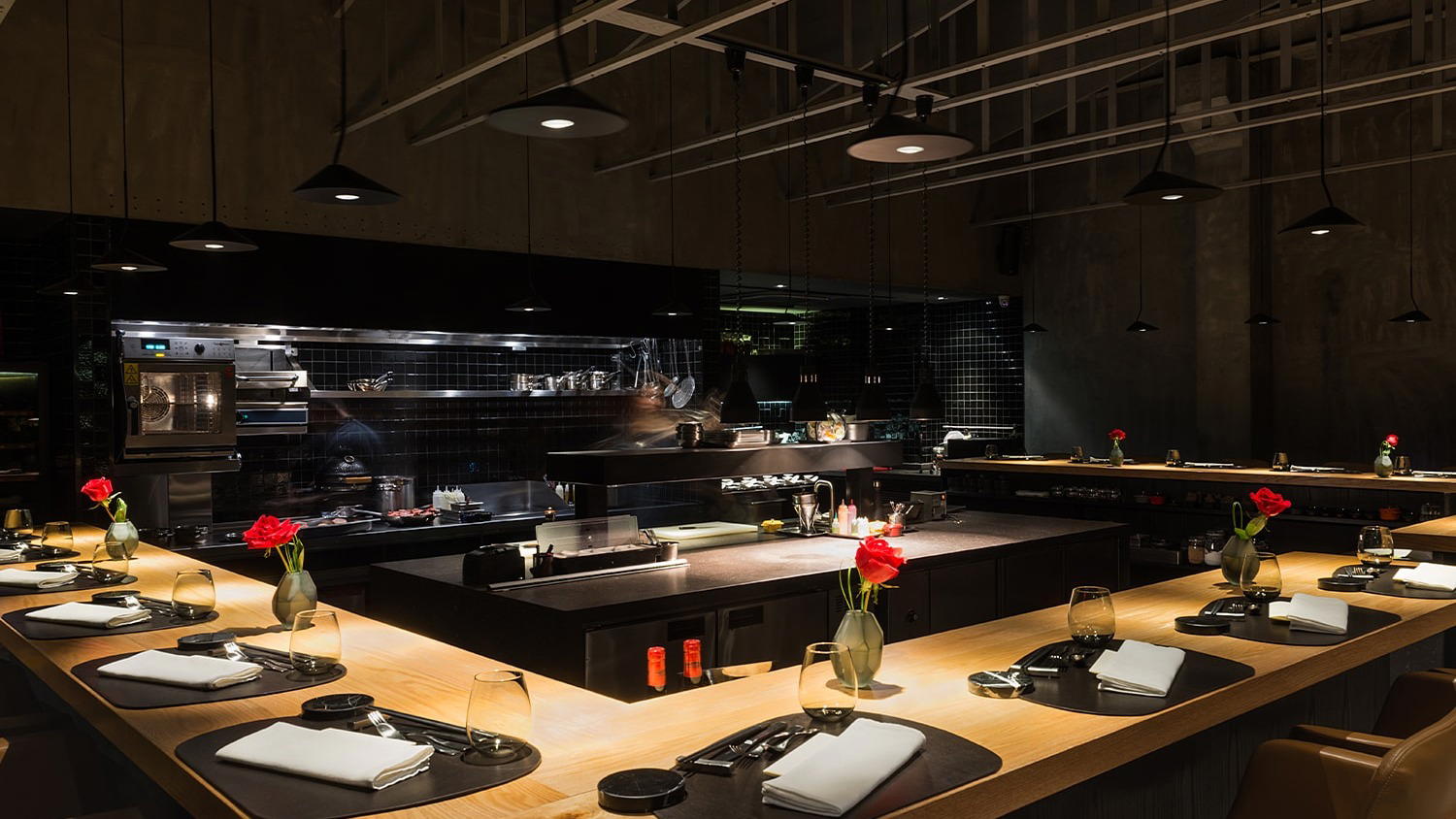
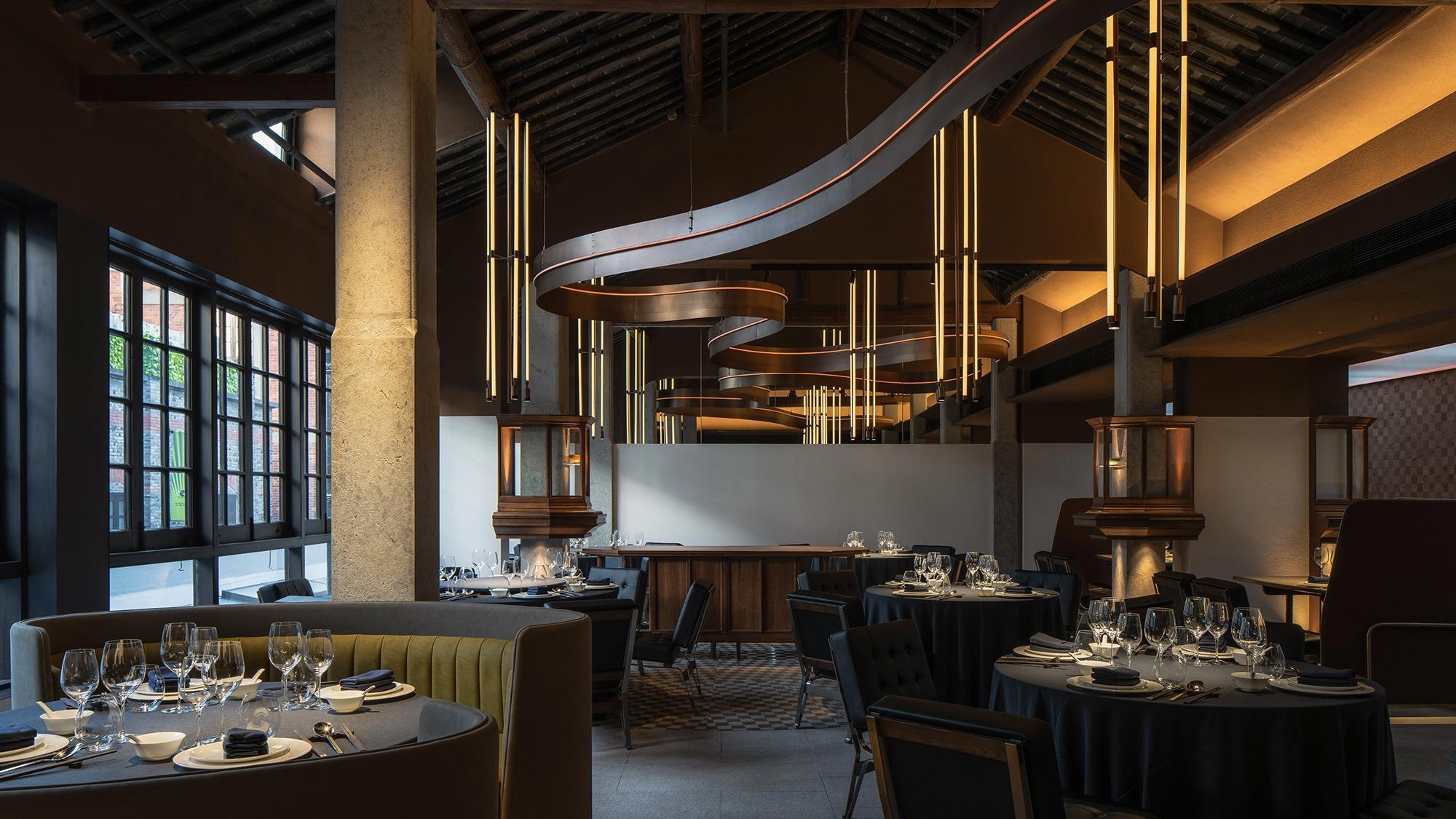
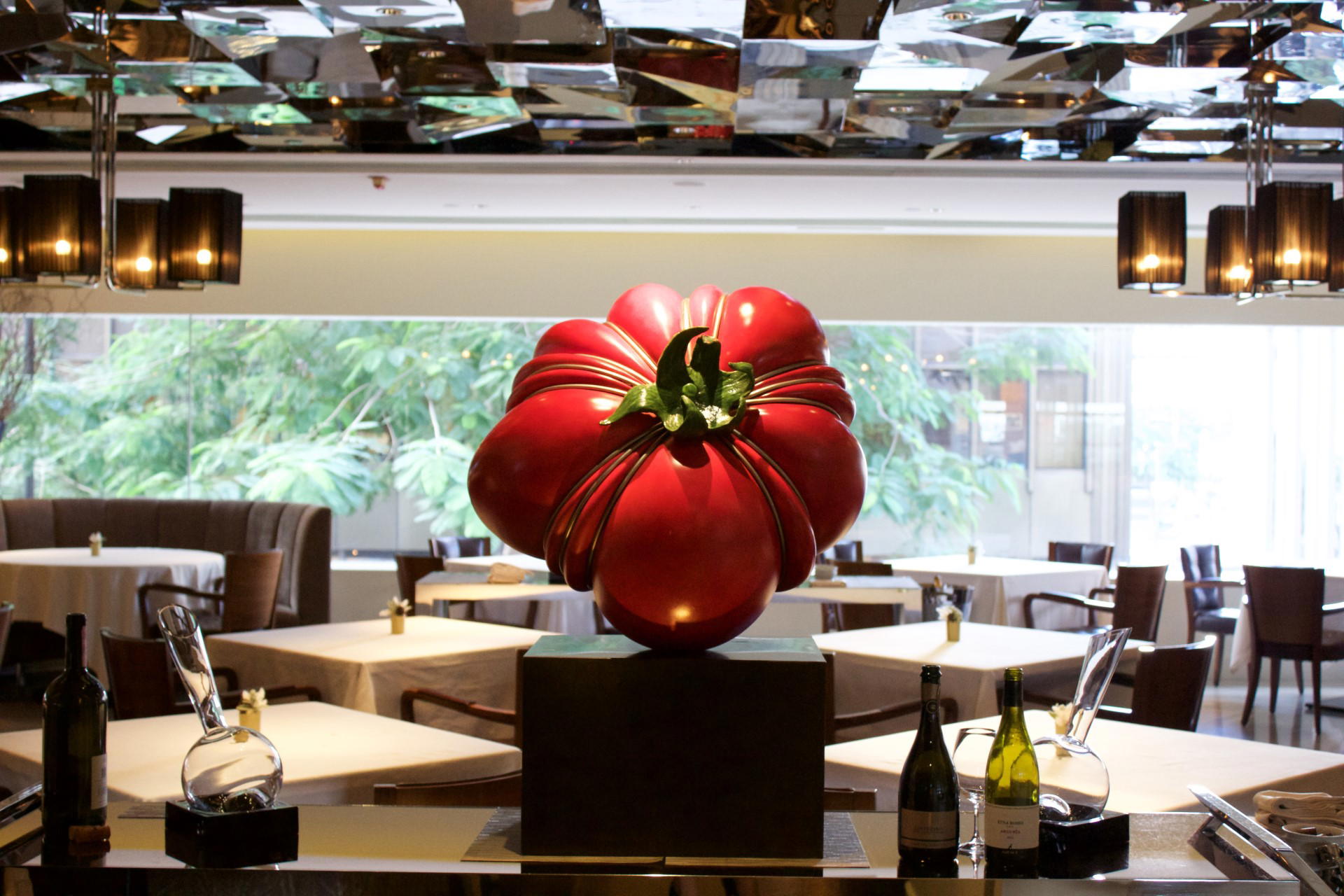
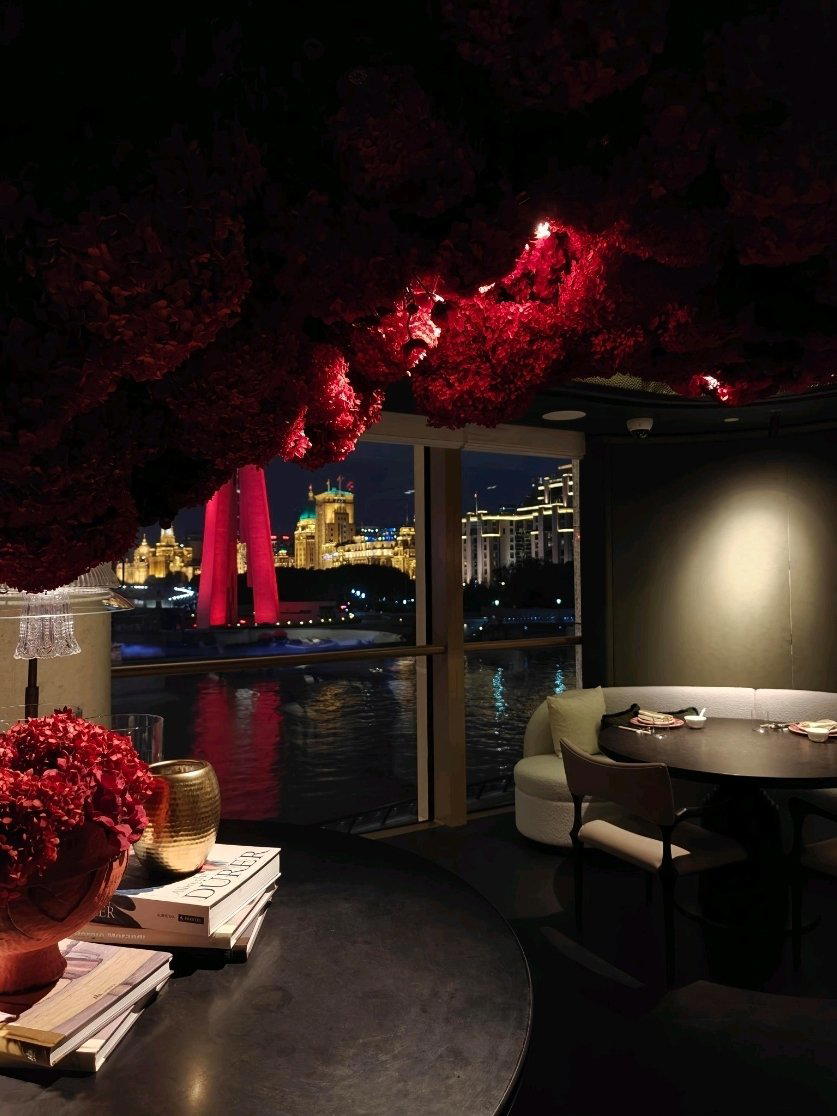
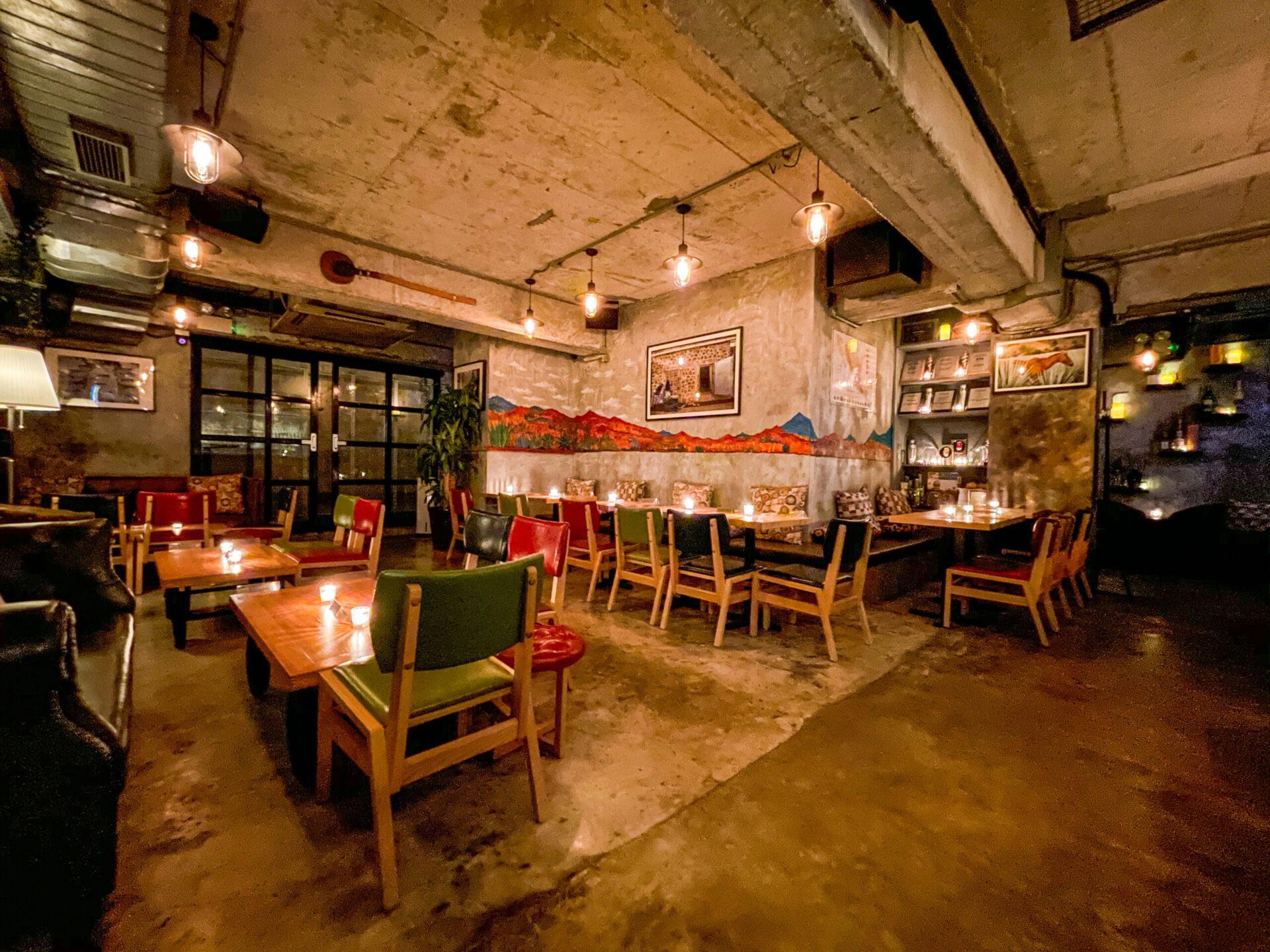
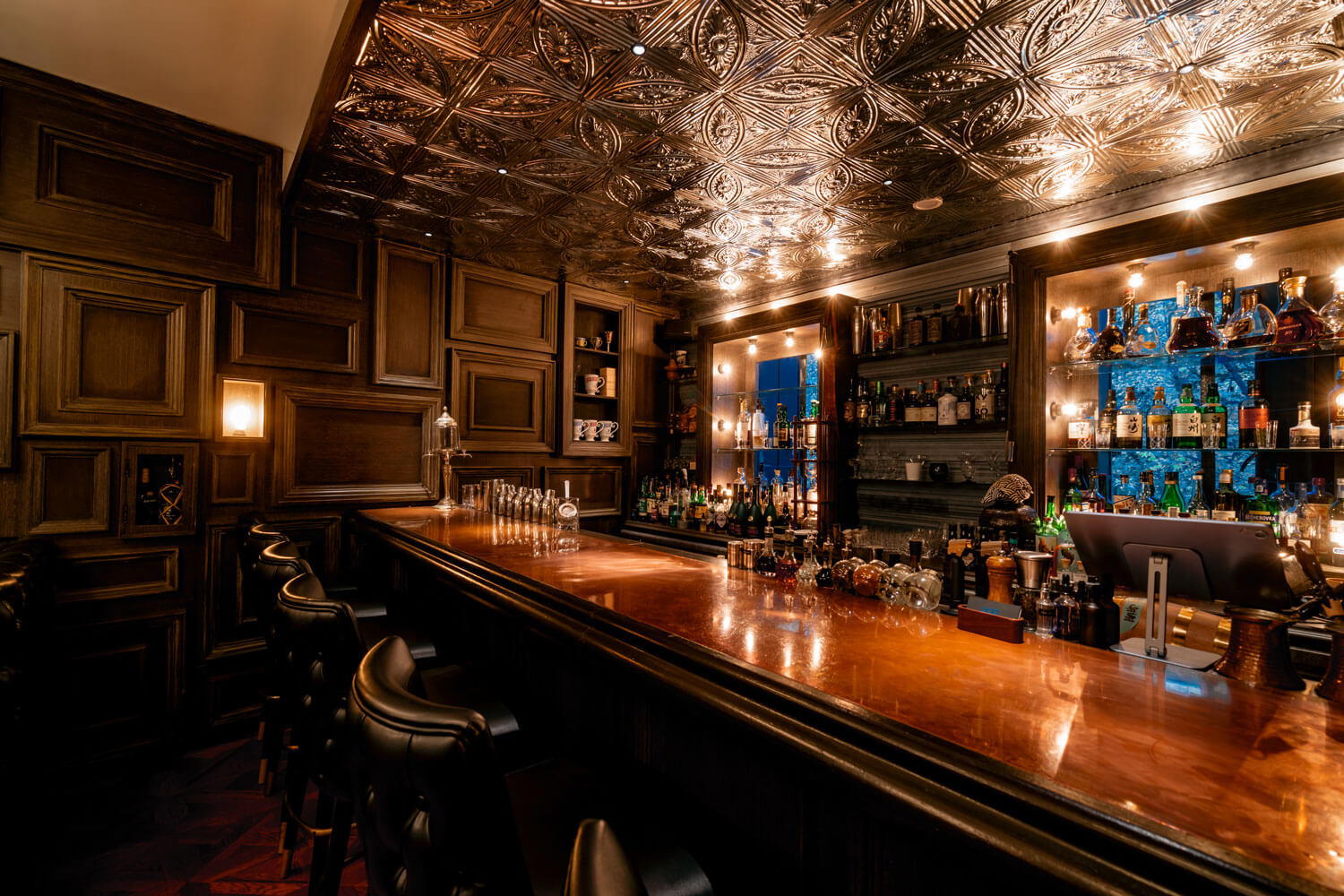
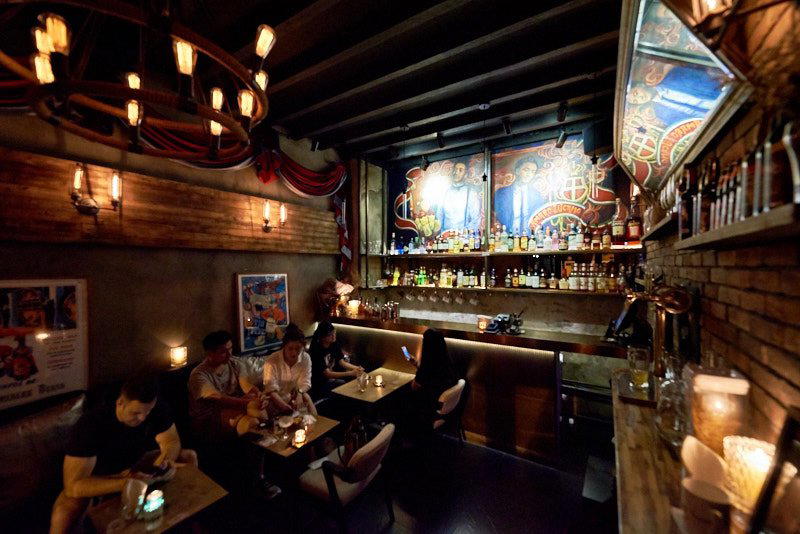
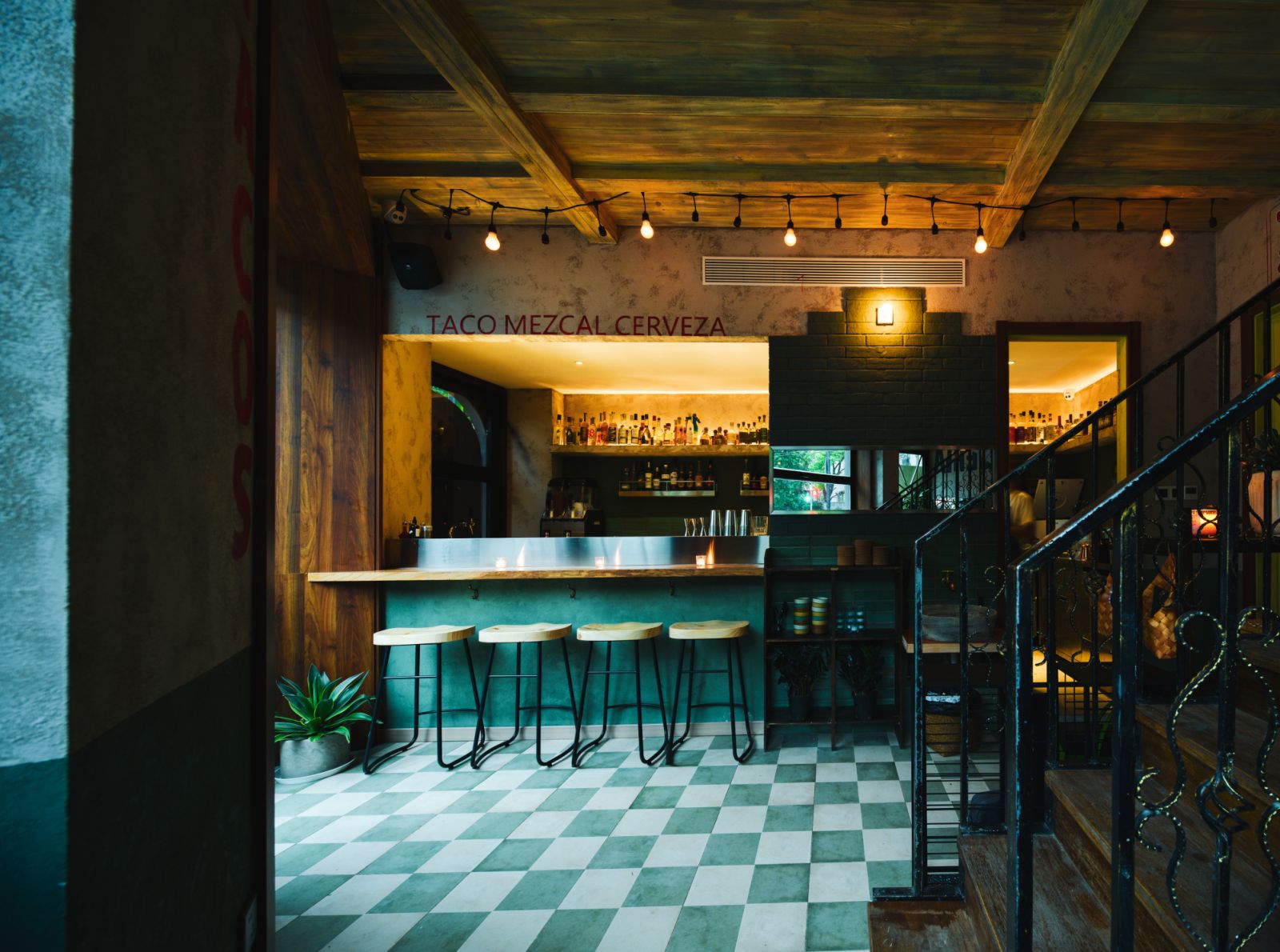
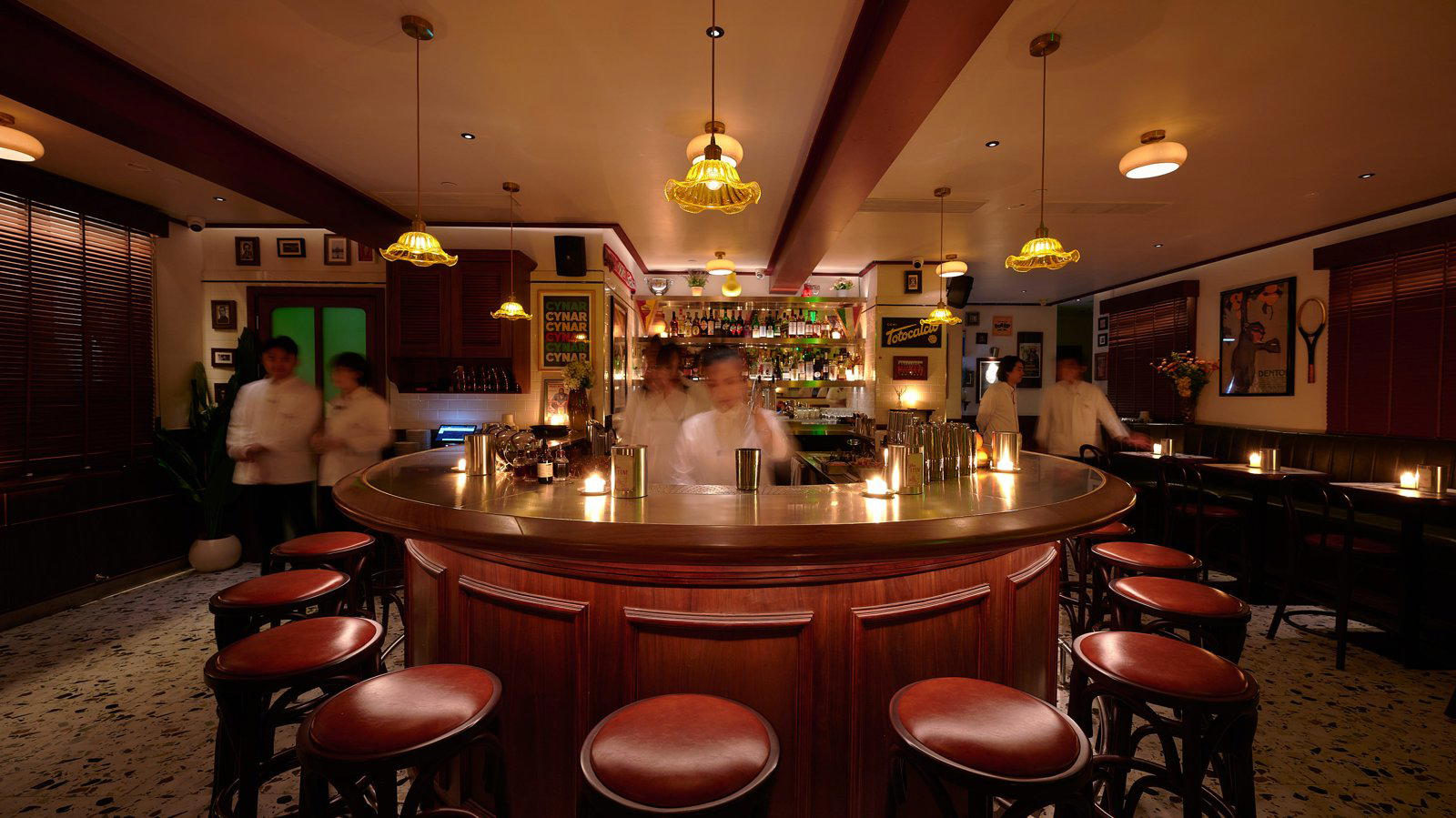
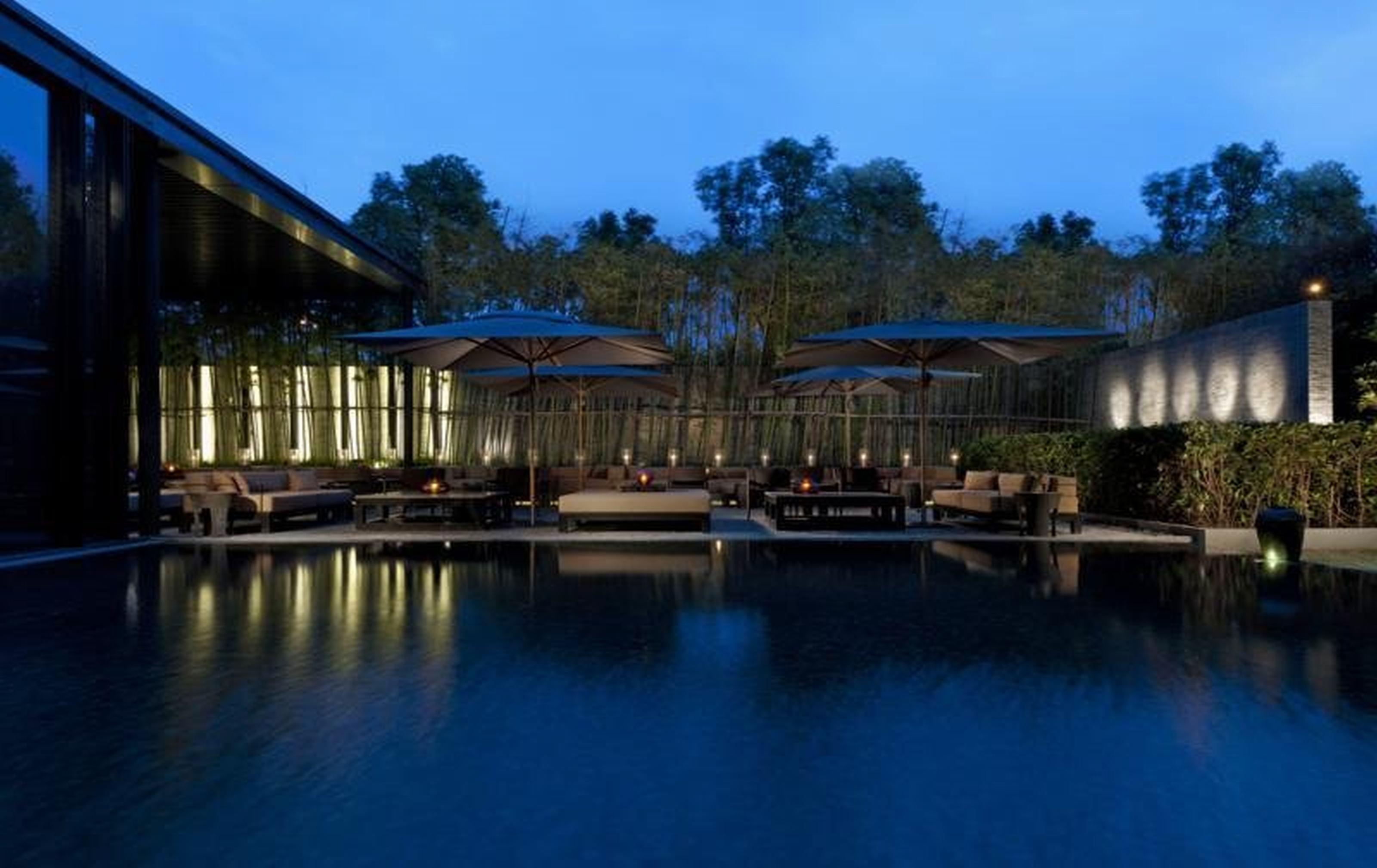
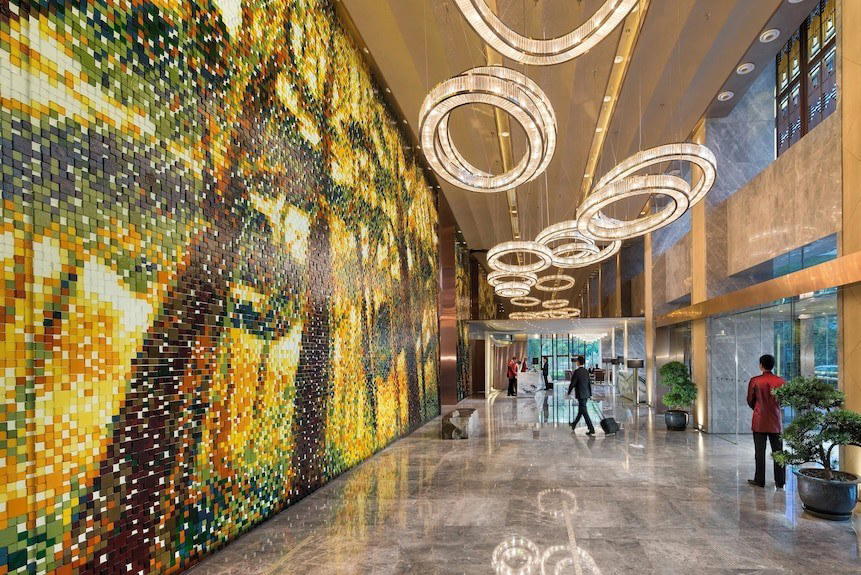
Refined, quietly upscale dining room with a focus on polished service and presentation, suitable for dates and business-style gatherings rather than casual, noisy meals.