
Star Wine List
Our verdict
One of Shanghai's earliest French bistros, Le Saleya has operated on Changle Road in Jing'an since 2004, accumulating the quiet authority that only longevity can provide. In 2020, sommelier Jeffrey Yao took over and deepened the restaurant's connection between food and wine, shifting it toward an increasingly intimate format. For French bistro dining with genuine Shanghai history behind it, Le Saleya occupies a tier few newcomers can replicate.

Pearl is the En Primeur Club membership app — saves, bookings, and concierge access live there. Same editors, same standards.
- Address
- China, 570弄1-1号CN 上海市 静安区 长乐路 570 邮政编码: 200041
- Phone
- +86 21 6426 1262
- Directions
- Get directions
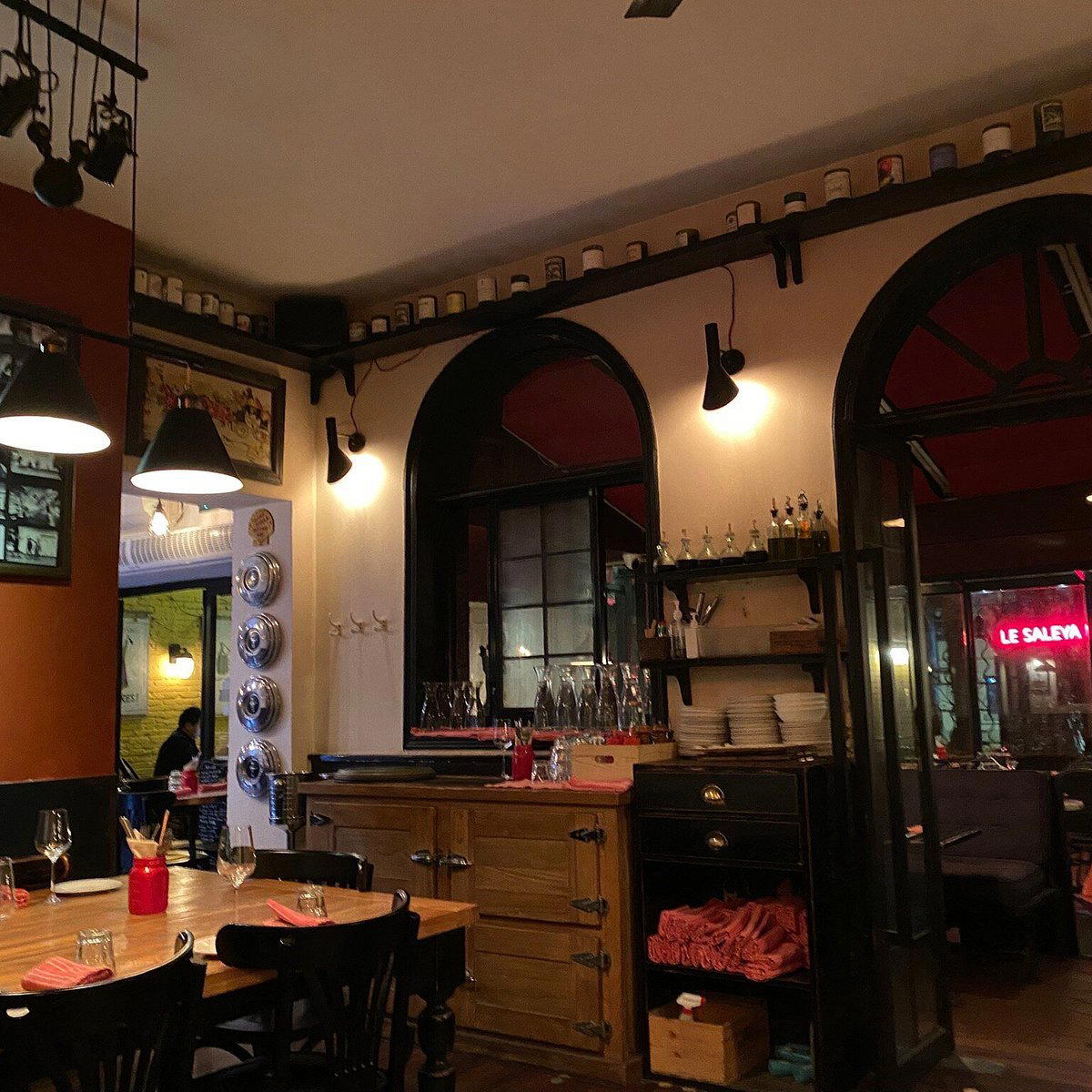
The menu
What to order
- French style Suckling Pig
- Pan-fried Goose Liver
- Croustillant de Joue de Boeuf
A Street That Remembers
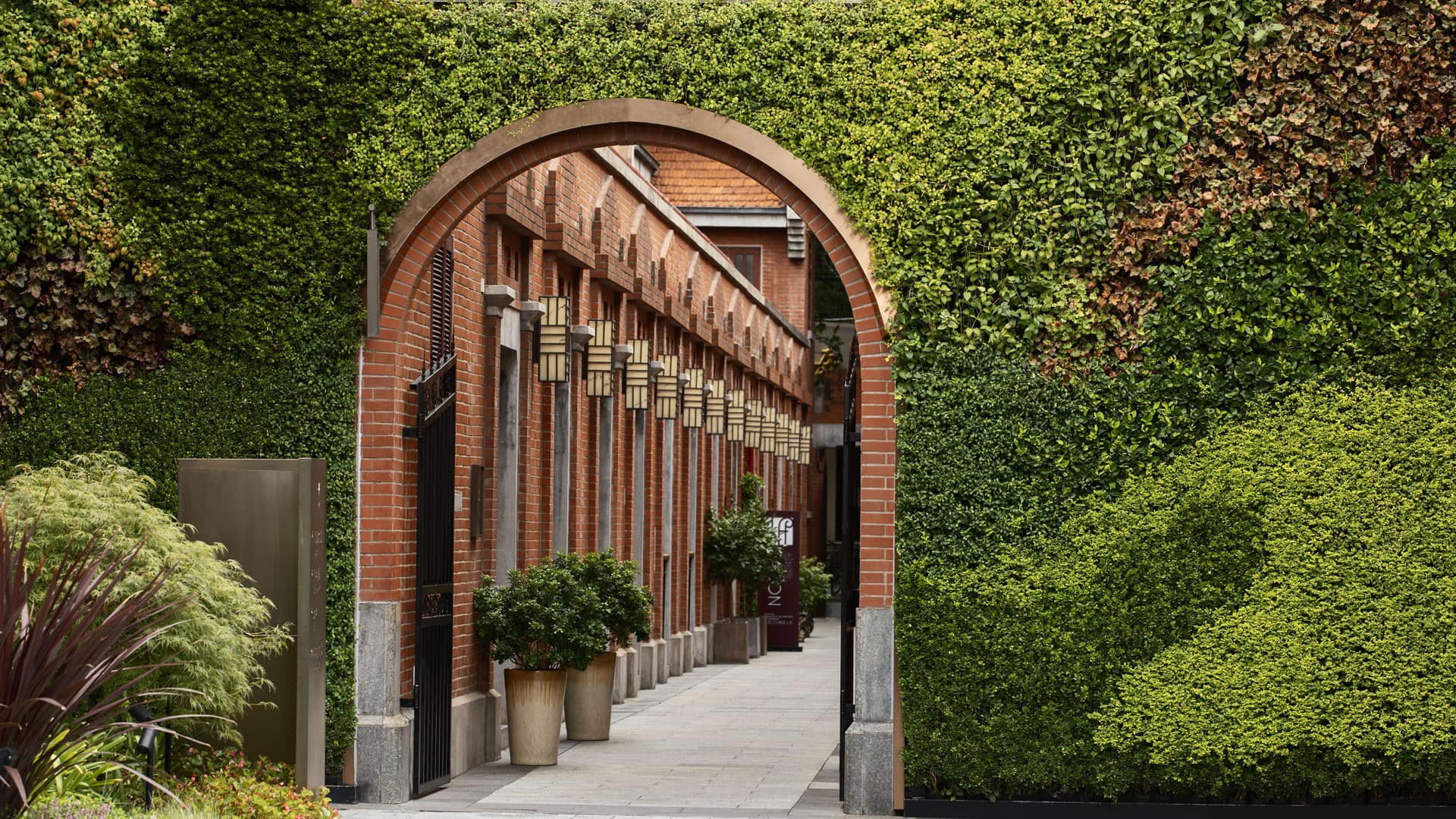
Changle Road in Jing'an carries a particular atmospheric register that newer dining corridors in Shanghai have never quite replicated. The plane trees are older, the storefronts narrower, the pace less performative. Approaching Le Saleya along this stretch, you are reading a layer of Shanghai's restaurant history that predates the Bund revival, the rooftop bar era, and the current wave of Michelin-chasing tasting menus. The building sits at the mouth of Lane 570, a detail that gives the entrance a slightly recessed, unhurried quality — the kind of arrival that signals intention rather than spectacle.
Le Saleya opened in 2004, a moment when French food in Shanghai meant either hotel dining rooms serving expat executives or the earliest handful of independent bistros testing whether the city had appetite for something more personal. It was among the first of that second group. Twenty years is a long time in any city's restaurant scene; in Shanghai, where the rate of opening and closure can feel accelerated beyond most global comparisons, it represents something closer to institutional status.
What Two Decades Builds
The French bistro form has a particular grammar — marble or zinc counters, a short menu that rotates with the market, wine lists that reward the regular, and Shanghai's French dining scene has cycled through multiple interpretations of that grammar since Le Saleya first established itself. Early iterations leaned heavily on the comfort of familiarity for an expat audience. Later entrants, including venues like 8½ Otto e Mezzo Bombana on the Italian side, demonstrated that formal European dining could find a genuinely local luxury audience. The middle tier, where honest bistro cooking sits, has remained more contested and more fragile.
Le Saleya's survival across two decades is not merely a function of habit. When Shanghainese sommelier Jeffrey Yao took ownership in 2020, the transition marked a deliberate reorientation. Yao's background as one of the city's original generation of serious sommeliers brought a different organising principle to the room: the relationship between what is poured and what is plated became the defining concern, rather than either element in isolation. This is a meaningful shift in a city where wine lists at French restaurants have historically served as status markers rather than dining tools.
The direction Yao began building in 2020 aligns Le Saleya with a broader movement visible across serious independent restaurants in East Asia, where sommeliers and beverage directors have increasingly taken curatorial control of the full dining experience rather than operating as a separate function. For comparison, venues such as Taian Table in Shanghai operate at the formal, high-investment end of that integration; Le Saleya's bistro scale allows a more intimate version of the same idea.
The Sensory Register of the Room
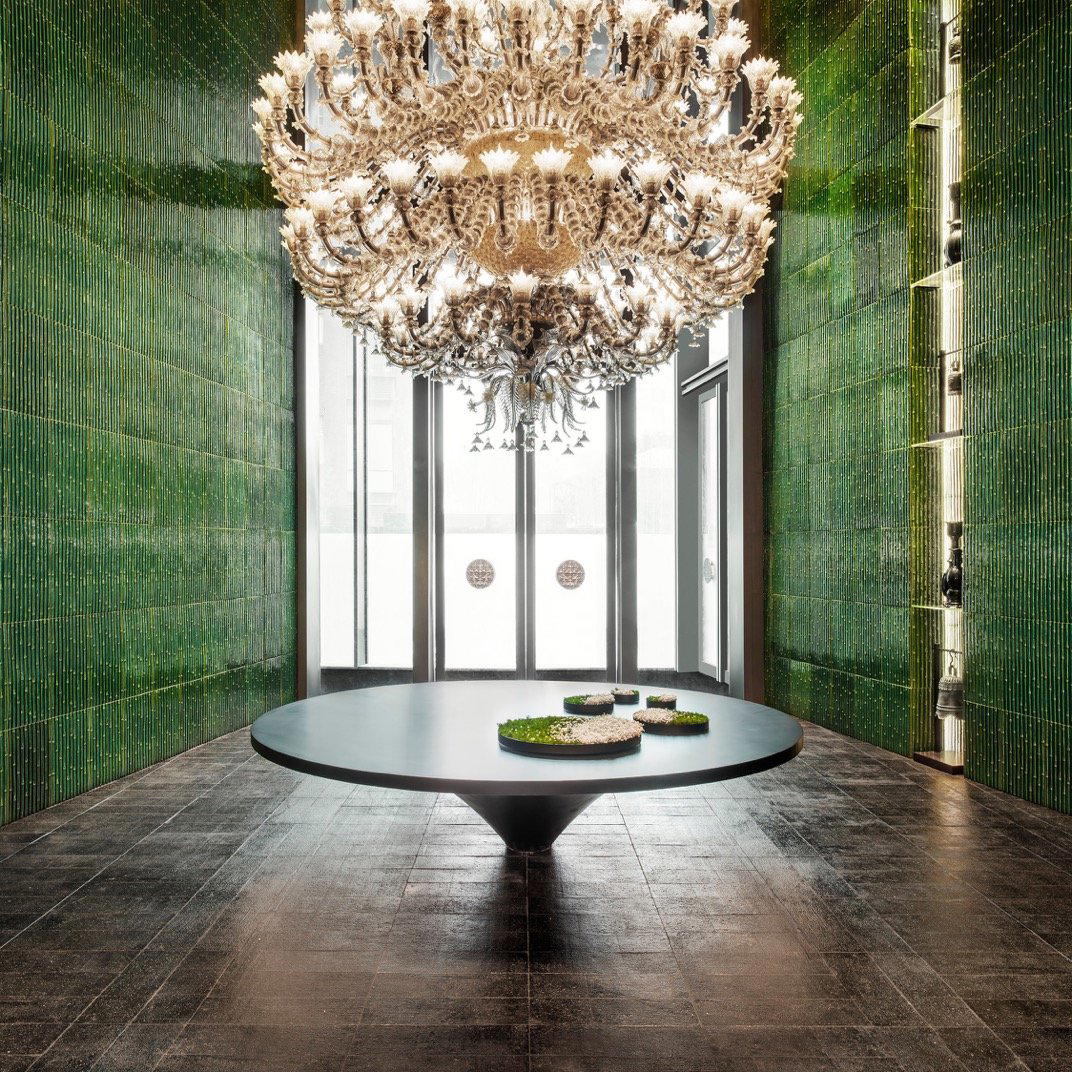
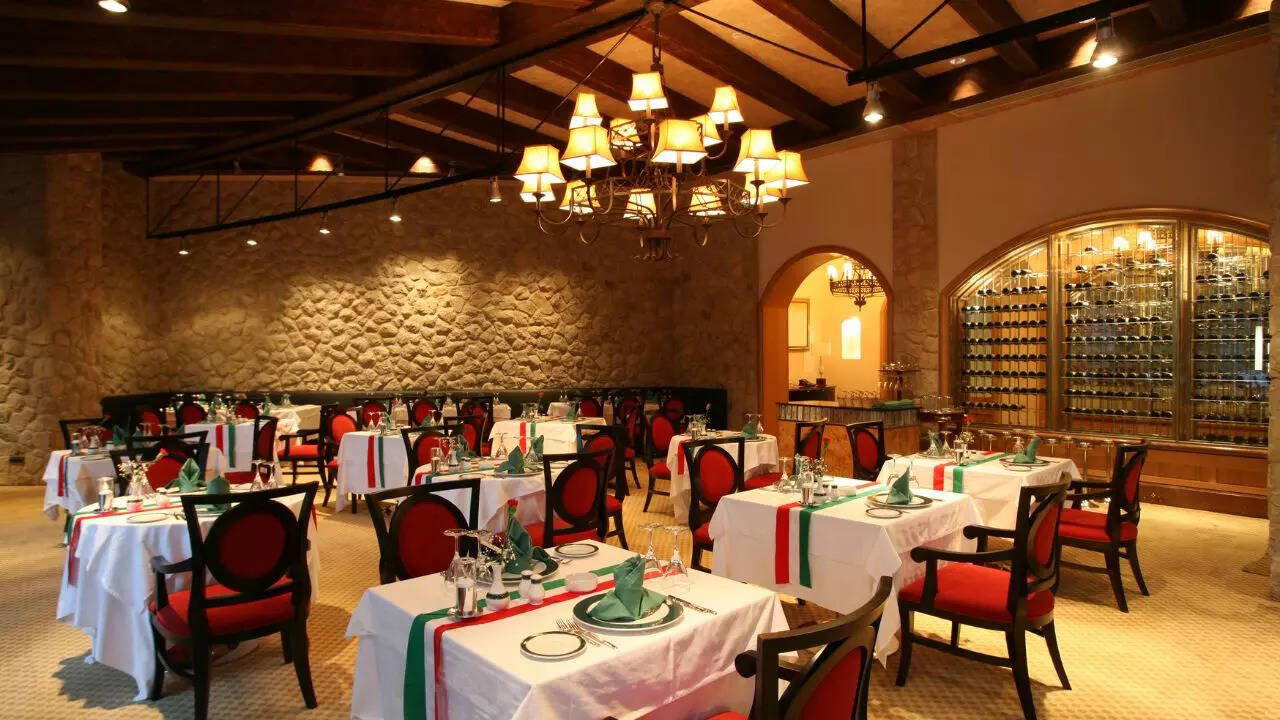
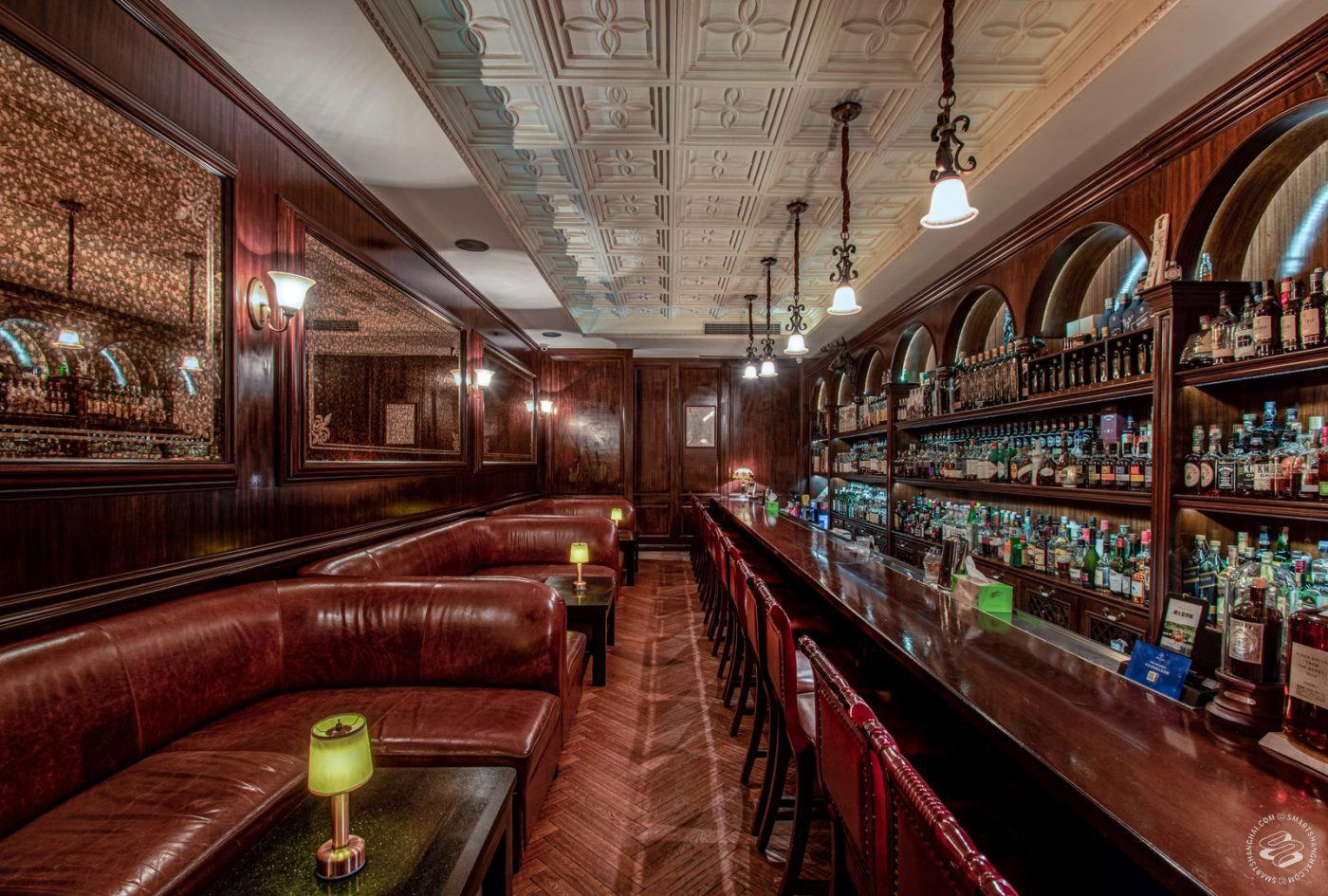
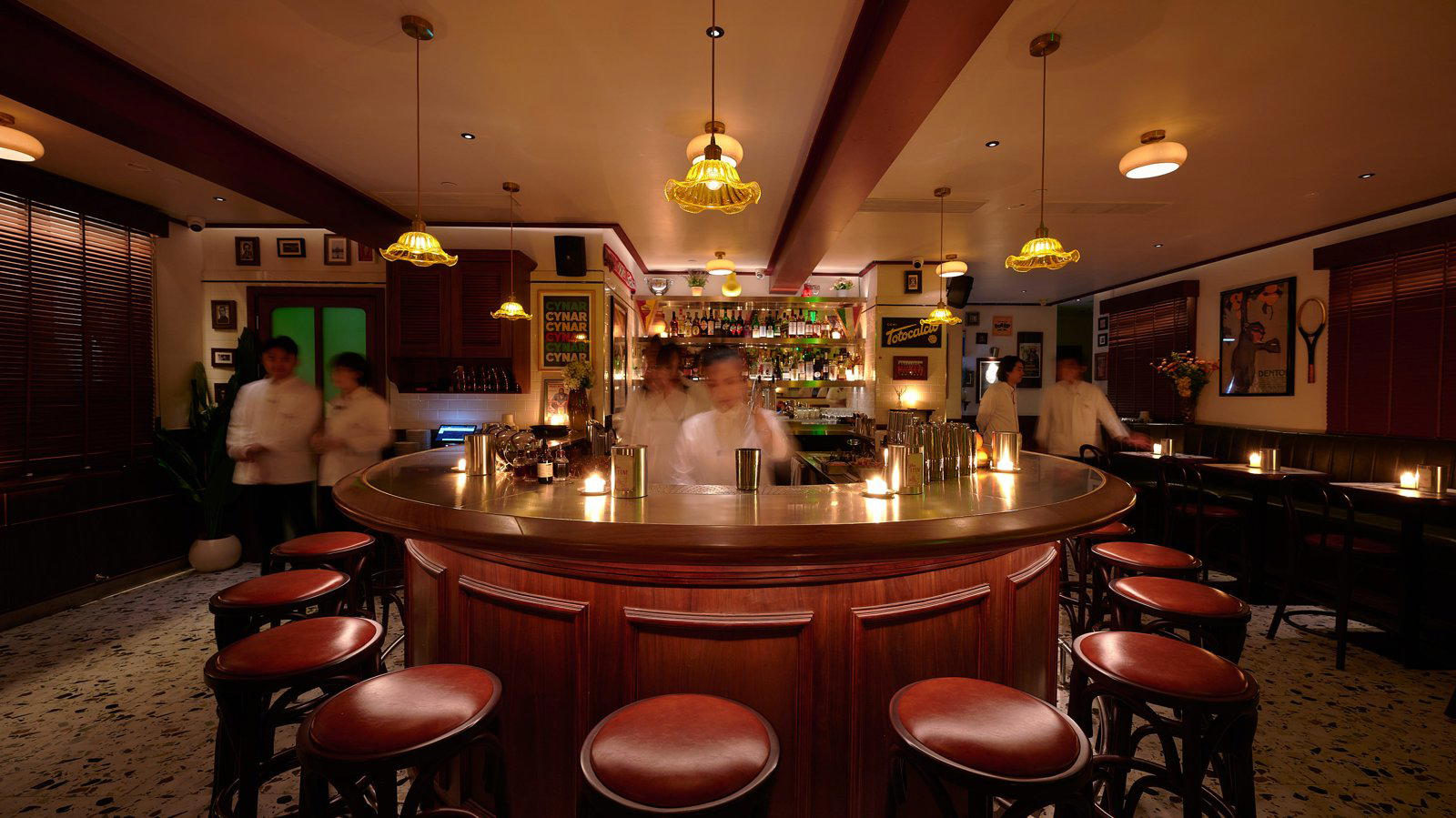
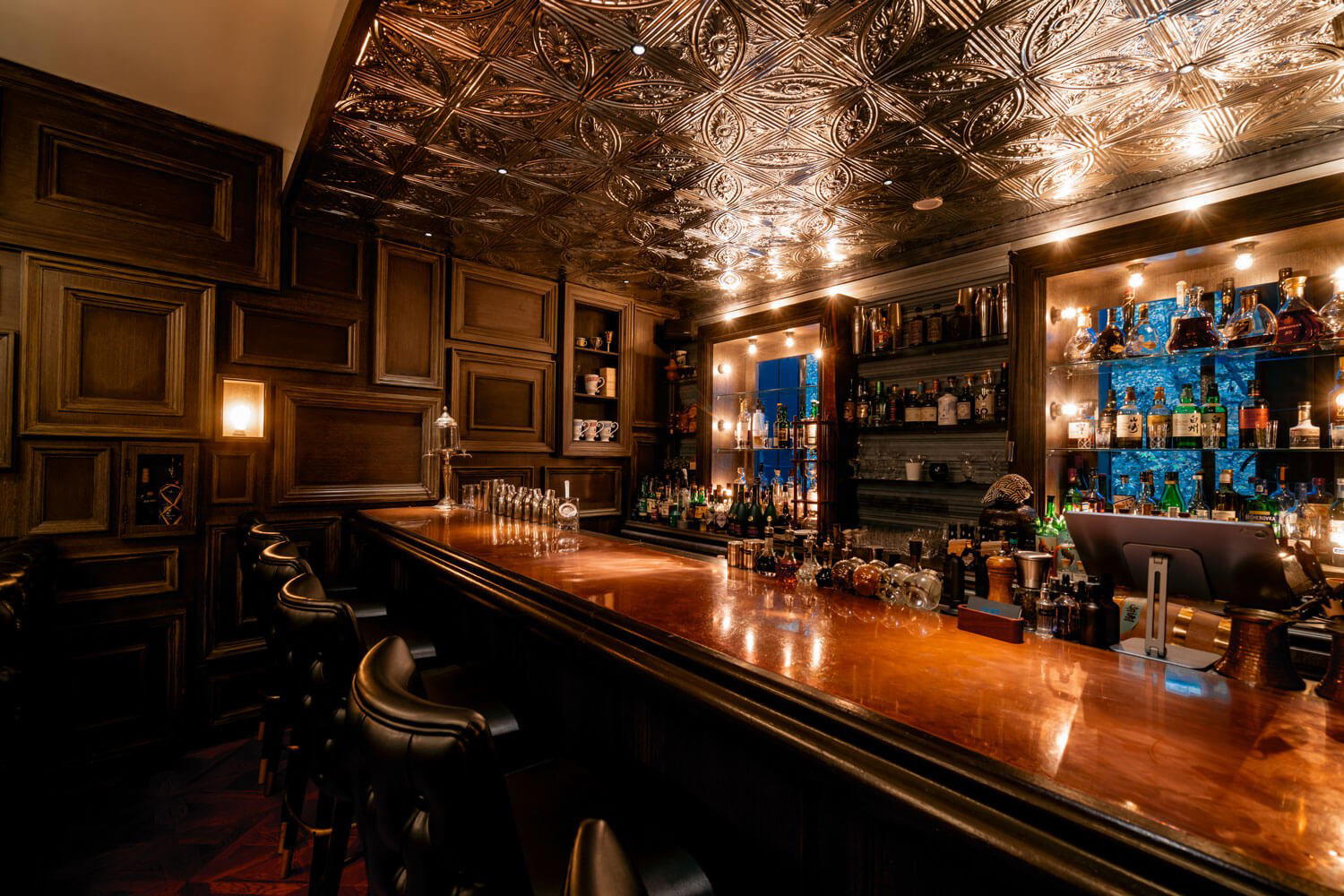
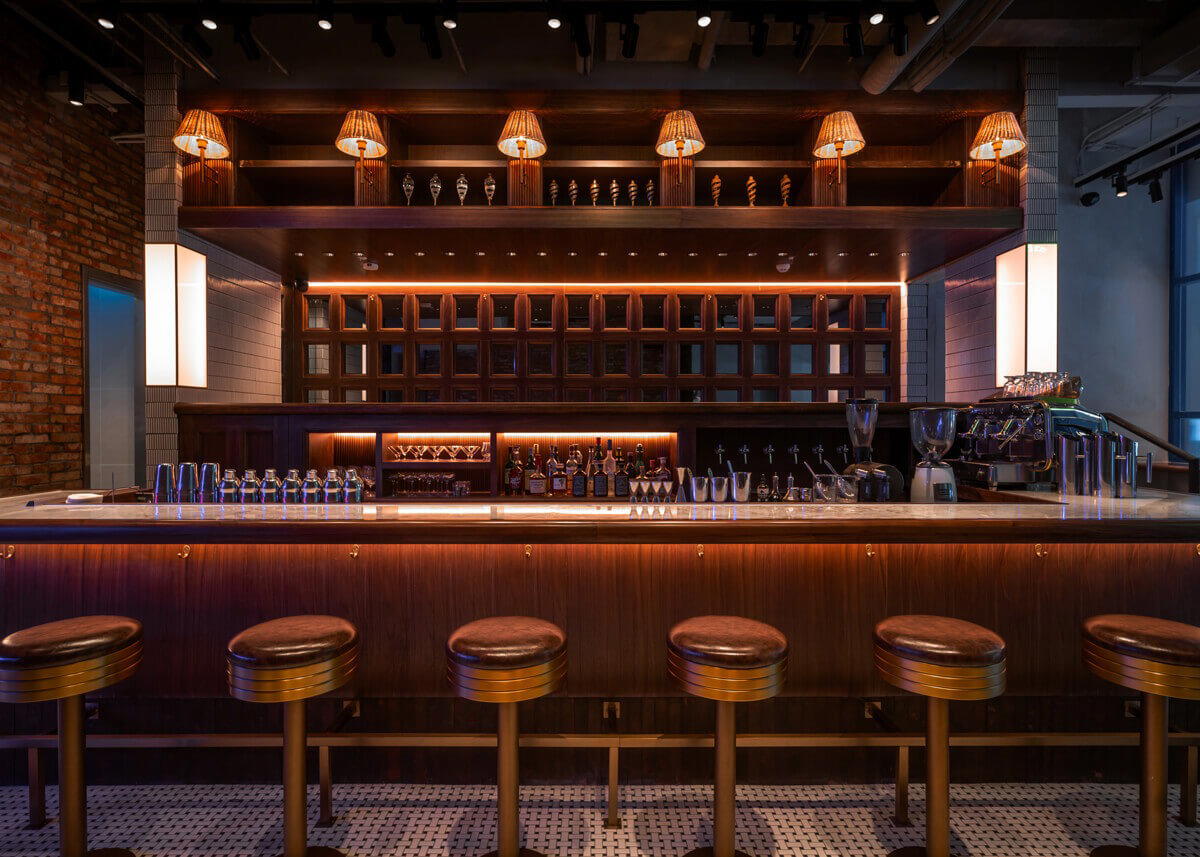
French bistro interiors tend to work through accumulation: the specific weight of a linen cloth, the geometry of banquette seating, the temperature of lighting that makes a room feel like evening regardless of what hour you arrive. These are not decorative choices but atmospheric ones, and they condition the pace at which a meal unfolds. In a dining environment as visually competitive as Shanghai's current restaurant scene, a room that does not announce itself carries its own argument.
The scale of Le Saleya, set within the lane-house context of Changle Road, means the room rewards the kind of unhurried attention that larger, more theatrical venues actively resist. Sound behaves differently at this size. Conversation carries. The clink of glass and the exchange between kitchen and floor have a proximity that formats the experience as communal rather than transactional. This is what the bistro form, when it functions correctly, is designed to produce.
Shanghai's broader dining scene offers several registers of French influence for those building an itinerary. At the lighter end of the price spectrum, venues like Polux operate a more casual French café format. At the opposite end, the kind of rigorous tasting-menu French cooking that attracts award attention sits in its own category. Le Saleya's position, an independent bistro with twenty years of address and a sommelier-led program, is a specific and less crowded one. For context on how this fits within the wider city, our full Shanghai restaurants guide maps the current landscape across cuisine types and price points. Those planning a longer stay should also consult our Shanghai hotels guide and our bars guide for coverage of Jing'an's broader options.
Wine as the Organising Principle
Yao's reputation as a sommelier predates his ownership of Le Saleya. He belongs to a cohort of Shanghainese wine professionals who built their knowledge during the city's rapid integration into the global fine wine market across the 2000s and early 2010s, a period when the demand for education and expertise accelerated faster than the institutional frameworks to support it. That formation tends to produce a particular style of wine thinking: empirical, comparative, suspicious of received wisdom about what Chinese diners supposedly want.
What this means at the table is that the wine program at Le Saleya is constructed as an argument about how wine and food relate rather than as a list of prestige labels. This is closer to what you find in serious independent wine bars in Paris's 10th or 11th arrondissements than in the French fine-dining establishments that tend to shape wine expectations in Asia. It is also a harder commercial position to maintain in a market that still largely uses bottle price as a proxy for quality.
Visitors who treat the wine selection as secondary to the food order are missing the point. The integration Yao has built since 2020 means the two are designed to be read together. Diners with specific wine interests may wish to compare approaches at Fu He Hui, which operates a beverage program alongside its vegetarian tasting menu, or at 102 House for a Cantonese framing. Further afield, Chef Tam's Seasons in Macau and Ru Yuan in Hangzhou represent different regional approaches to the food-and-wine integration question.
Planning a Visit
Le Saleya sits at Changle Road, Lane 570, No. 1-1, in Jing'an District, a neighbourhood well served by metro lines and walkable from several of the district's better hotels. The bistro format and intimate scale mean that advance booking is advisable, particularly on weekend evenings when the room will operate at capacity. Given the sommelier-led program, arriving with time to discuss the wine list rather than treating it as a transaction is the more productive approach. Those building a multi-day Shanghai itinerary can cross-reference Xin Rong Ji (West Nanjing Road) for Taizhou-style seafood and our Shanghai experiences guide for programming beyond the table. For broader regional comparison, Xin Rong Ji in Beijing, Xin Rong Ji in Chengdu, Imperial Treasure in Guangzhou, and Dai Yuet Heen in Nanjing offer useful points of reference across China's serious restaurant tier. Internationally, the food-and-wine integration model Le Saleya pursues has parallels at institutions like Le Bernardin in New York and, at a more relaxed register, Emeril's in New Orleans, both of which demonstrate how a clear point of view sustains a restaurant across decades. For wine programming beyond the restaurant, our Shanghai wineries guide covers the city's cellar and retail options.
Frequently asked questions
Does Le Saleya have a Michelin star or similar recognition?
Le Saleya has received recognition including: When Le Saleya opened in 2004, it was one of the first French bistros in Shanghai. Shanghainese OG sommelier Jeffrey Yao took over in 2020 and began the ever more intimate connection between food and....
What part of town is Le Saleya in?
Le Saleya is located at China, 570弄1-1号CN 上海市 静安区 长乐路 570 邮政编码: 200041, Shanghai.
What should I eat at Le Saleya?
Le Saleya operates within the French bistro tradition, which means the menu follows market availability and rotates seasonally rather than offering fixed signatures. The kitchen's output is best understood in relation to the wine list: with Jeffrey Yao directing both front-of-house and the cellar since 2020, food and wine are programmed in dialogue with each other. Order around what Yao recommends from the bottle list and the food selection follows logically.
What's the best way to book Le Saleya?
Arriving in person or asking a hotel concierge with local contacts is the most reliable route. The address is Lane 570, No. 1-1, Changle Road, Jing'an District, Shanghai.
What do critics highlight about Le Saleya?
The consistent thread is longevity and the credibility that comes with it. Opening as one of Shanghai's first independent French bistros in 2004 gives Le Saleya a reference point that newer openings cannot claim. Since Jeffrey Yao, one of Shanghai's most established sommeliers, took ownership in 2020, commentary has increasingly focused on the deepening relationship between the wine programme and the kitchen — a shift that distinguishes the current iteration from its earlier incarnation.
Comparable Options
Comparable venues nearby, for context on price, style, and recognition.
| Venue | Cuisine | Price | Awards | Notes |
|---|---|---|---|---|
| Le SaleyaThis venue — the venue you are viewing | French Bistro | $30–50 | Star Wine List | Not listed |
| Franck Bistrot | Classic French Bistro | $50–100 | Star Wine List | Xujiahui |
| 58° 扒房 | Modern French Steakhouse | $100–150 | Not listed | Ti Lan Qiao |
| Taian Men | Modern European with Asian Influences | $300–500 | 3 Michelin Stars · La Liste Top Restaurants | Jing An Si |
| NOBLE | Modern Huaiyang | Not listed | Black Pearl 1 Diamond | Lao Bai Du |
| Chi-Q | Upscale Modern Korean BBQ by Jean‑Georges | $50–100 | Not listed | Huangpu District |
Recognition history
Dated appearances from independent guides and award organizations, with the underlying list record or original source where available.
Star Wine List
Star Wine List
Details
- Cozy
- Elegant
- Classic
- Intimate
- Date Night
- Group Dining
- Brunch
- Terrace
- Natural Wine
- Extensive Wine List
- Local Sourcing
- Garden
- A La Carte
- Wine
Charming and convivial with a cozy courtyard terrace, open kitchen, and warm bistro atmosphere evoking the South of France.