Our verdict
On a quiet residential stretch of Tai'an Road in Changning, Chez Maurice occupies the second and third floors of a building that has become a reference point for French-leaning dining in western Shanghai. The address sits within walking distance of Xingguo Road, putting it in a neighbourhood better known for tree-lined lanes and former foreign concession architecture than for restaurant density — which shapes both its clientele and its register.

Pearl is the En Primeur Club membership app — saves, bookings, and concierge access live there. Same editors, same standards.
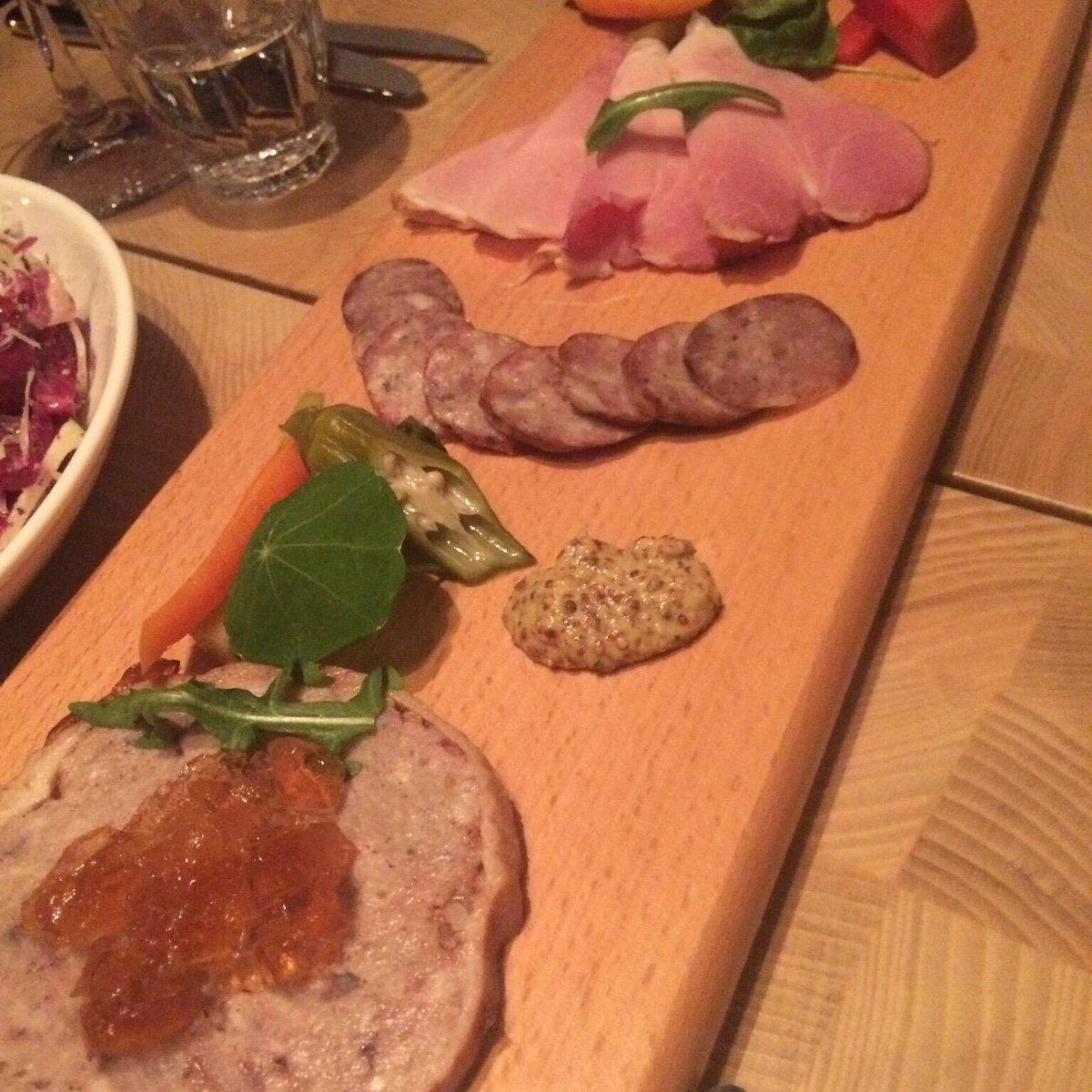
The menu
What to order
- Charcuterie platters
- Grain-fed Australian beef entrecote
- Crabcakes
- Home-cured salmon
- French fries
Tai'an Road and the French Dining Tradition in Changning
Western Shanghai's Changning district has long operated at a remove from the Bund's restaurant theatre. The neighbourhood around Xingguo Road is defined by plane trees, former consulate buildings, and a residential quietness that filters out the more performative end of the city's dining scene. On Tai'an Road, that calm produces a particular kind of restaurant: one that earns its audience through consistency and cooking rather than spectacle or address prestige. Chez Maurice, spread across the second and third floors of number 50, sits squarely in that tradition.
French cuisine in Shanghai has a longer and more complicated history than most other non-Chinese kitchen traditions in the city. The French Concession — which extended through parts of what are now Xuhui and Changning — left behind a spatial and cultural residue that shaped how European dining was received and adapted here across the twentieth century. The leading French addresses in the city today are not nostalgic re-enactments of that era; they engage with sourcing, technique, and the specific appetites of a market that has become far more internationally literate over the past two decades. Where a restaurant sits in that conversation matters more than its decor.
The Sourcing Question: Where French Cooking Meets a Chinese Market
The ingredient sourcing question is central to any serious assessment of French cooking in China. The gap between a kitchen that imports its dairy, proteins, and produce from Europe and one that works with domestic Chinese supply chains is not merely logistical, it produces fundamentally different results on the plate and a different cost structure in the dining room. Shanghai's more serious French restaurants have navigated this in varied ways: some rely on bonded warehouse imports and relationships with European suppliers established through years of operation; others have built hybrid sourcing models that use French technique on Chinese-grown ingredients, often with compelling results.
For a two-floor operation on a residential Changning street, the sourcing approach is likely to reflect both the kitchen's ambitions and its supply relationships built over time in this part of the city. French cooking at its most disciplined is ingredient-forward: the quality of a butter sauce, a braise, or a simply prepared fish tells you immediately whether the raw materials meet the standard the technique demands. Diners who have eaten across Shanghai's French tier will arrive at Chez Maurice with calibrated expectations for exactly this reason. Changning's restaurant clientele skews toward longer-term Shanghai residents and expatriate professionals who have settled in the western districts, an audience that tends to be specific in its preferences and less susceptible to novelty for its own sake.
For broader reference on the direction that ingredient-led cooking is taking in China right now, Fu He Hui in Shanghai offers a useful parallel in its commitment to sourcing discipline, even within a very different culinary register. Similarly, Ru Yuan in Hangzhou demonstrates how a kitchen can anchor a luxury experience around provenance without defaulting to imported prestige products.
Two Floors, One Register
The split across two floors at 50 Tai'an Road is a practical detail that carries some meaning. Multi-level restaurants in Shanghai frequently use the division to separate a more casual ground or street-level experience from a more formal upper room. In Chez Maurice's case, the second and third floors together suggest a deliberate step away from street-level visibility, an address you arrive at with intention rather than stumble into. This is consistent with the character of the surrounding streets, where restaurants do not compete for pavement attention in the way they do in Jing'an or on the Bund.
The Xingguo Road neighbourhood shares this quality with a handful of other western Shanghai addresses that have cultivated loyal, local followings without requiring the kind of ambient foot traffic that sustains higher-volume operations. For the reader considering where Chez Maurice sits relative to Shanghai's broader French dining tier, the structural comparison points are the city's established mid-to-upper French addresses rather than the hotel dining rooms that anchor the luxury end. Properties like [Ensue at the in Shenzhen]() illustrate how hotel-backed kitchens operate at a different scale and with different supply advantages; Chez Maurice operates outside that infrastructure, which shapes both its constraints and its character.
Across mainland China, the French restaurant tier has contracted and consolidated since the mid-2010s. Operations that could not maintain consistent sourcing standards, or that depended too heavily on corporate expense-account dining, have closed or repositioned. What remains tends to be either very well-resourced hotel dining or smaller independent addresses with an established neighbourhood identity. Chez Maurice, by geography and format, belongs to the latter category, and that category, in Shanghai's current dining environment, is the harder one to sustain.
Planning a Visit
Chez Maurice is located at 50 Tai'an Road, on the second and third floors, with Xingguo Road as the nearest cross-street landmark. The surrounding Changning neighbourhood is most easily reached by metro via Jiaotong University station on Line 10 or Hongqiao Road station, both within a manageable walk of the Tai'an Road address. The residential character of the area means parking is somewhat more accessible than in the denser central districts, which matters for the segment of the clientele who live further west in Changning or in Minhang. Booking is advisable rather than optional for weekend evenings, when the neighbourhood's regulars tend to cluster; weekday dinners typically allow for more flexibility. Given the building's upper-floor configuration, arriving with the address confirmed on a Chinese map application (Amap or Baidu Maps) is more reliable than relying on international navigation tools for precise entrance location.
For context on other serious dining addresses worth pairing with a visit to Changning, our full Changning restaurants guide covers the district's range in detail. Further afield, those building a Shanghai-anchored dining itinerary across the region might consider Xin Rong Ji in Chengdu for Taizhou-rooted cooking, Chef Tam's Seasons in Macau for Cantonese at a formal level, or Pingjiangsong in Suzhou for a regional Chinese contrast within an easy day-trip distance. Among French-influenced addresses in other cities, Le Bernardin in New York City and Lazy Bear in San Francisco each demonstrate what sustained commitment to a defined culinary register produces at a recognised level, and offer a useful frame for thinking about how French-rooted kitchens earn long-term credibility.
Additional regional comparisons worth holding in mind include Fleurs Et Festin in Xiamen, Blue Kylin in Changsha, Antstory in Quanzhou, Wenru No.9 in Fuzhou, Cai Feng Lou in Xi'an, Shang Palace in Yangzhou, Dai Yuet Heen in Nanjing, Imperial Treasure Fine Chinese Cuisine in Guangzhou, and Xin Rong Ji on Xinyuan South Road in Beijing, all of which offer points of comparison for understanding how serious dining addresses define and hold their position across different Chinese cities.
Frequently asked questions
Is Chez Maurice child-friendly?
Chez Maurice operates across the second and third floors of 50 Tai'an Road, a format that suits a composed, sit-down meal rather than a casual family outing. The surrounding Changning neighbourhood is residential and low-key, so the general environment is calmer than Bund-side venues. Families with older children who are comfortable at a dinner table should have no difficulty, though the setting is oriented toward adult dining.
What's the overall feel of Chez Maurice?
The address on Tai'an Road places Chez Maurice squarely in one of Shanghai's most architecturally coherent French Concession-adjacent streets, where the pace is slower than the Bund or Xintiandi. A two-floor layout at number 50 gives the restaurant a degree of spatial separation — the kind of structure that tends to define function by level in Shanghai multi-storey dining. The register is French, the neighbourhood is Changning, and the combination reads as deliberate rather than accidental.
How does Chez Maurice fit into Shanghai's broader French restaurant scene?
Chez Maurice is positioned in Changning rather than the more trafficked Jing'an or Huangpu corridors, which places it closer to the older residential character of the French Concession's western edge. Tai'an Road itself has a reputation built around quieter, address-conscious dining rather than high-footfall venues. For visitors already familiar with Shanghai's central French dining options, Chez Maurice on Xingguo Road represents a geographically distinct, neighbourhood-rooted alternative.
What should I order at Chez Maurice?
In Shanghai's French dining circuit, the standing question for any kitchen in this genre is how it handles the gap between imported European produce and what the local market provides. That context shapes what any dish at Chez Maurice is likely to represent.
Where is Chez Maurice in Changning?
Chez Maurice is located at 2-3/F, 50 Tai'an Rd | 泰安路50号2-3楼 (Xingguo Rd | 兴国路), Changning, 上海市, Changning.
Comparison Snapshot
| Venue | Cuisine | Price | Awards | Notes |
|---|---|---|---|---|
| Chez MauriceThis venue — the venue you are viewing | French Bistro Steakhouse | $50–100 | Not listed | Not listed |
| Fu He Hui | Modern Seasonal Vegetarian Fine Dining | $200–300 | 2 Michelin Stars · World's 50 Best #11 | Vegetarian |
| Lai Heen | Michelin-Starred Cantonese | $50–100 | 1 Michelin Star · Forbes 5-Star | Cantonese |
| Xin Rong Ji | Taizhou Cuisine | $50–100 | 1 Michelin Star · La Liste Top Restaurants | Taizhou |
| Five Foot Road | Modern Sichuan Fine Dining | Not listed | 1 Michelin Star · La Liste Top Restaurants | Sichuan |
| Aji | Asian Bistronomy (Nikkei Fusion) | $50–100 | 1 Michelin Star · Wine Spectator Best of Award of Excellence | Nikkei, Innovative |
Continue exploring
More in Changning
Restaurants in Changning
All restaurants in Changning →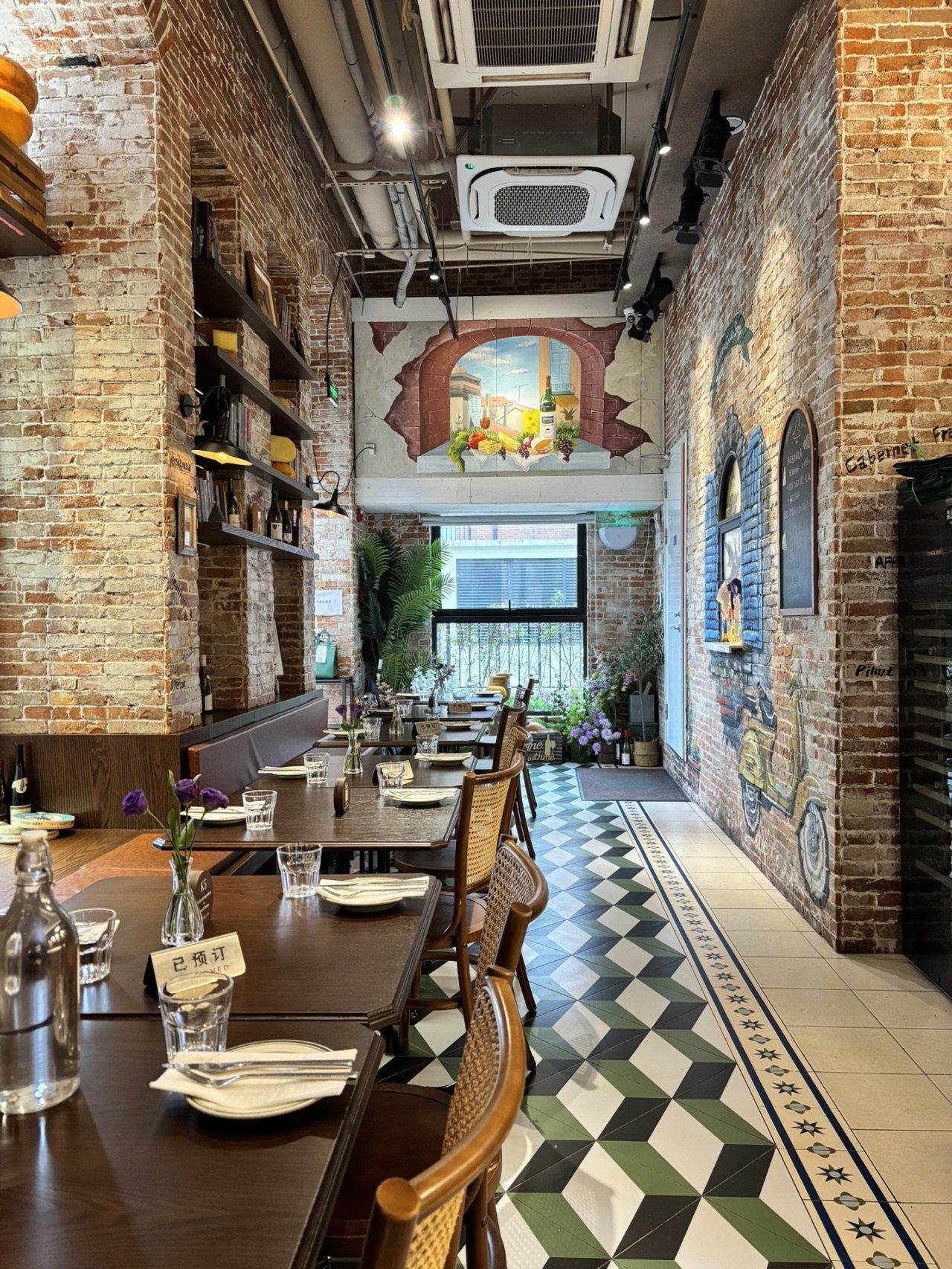
Bars in Changning
Browse all →
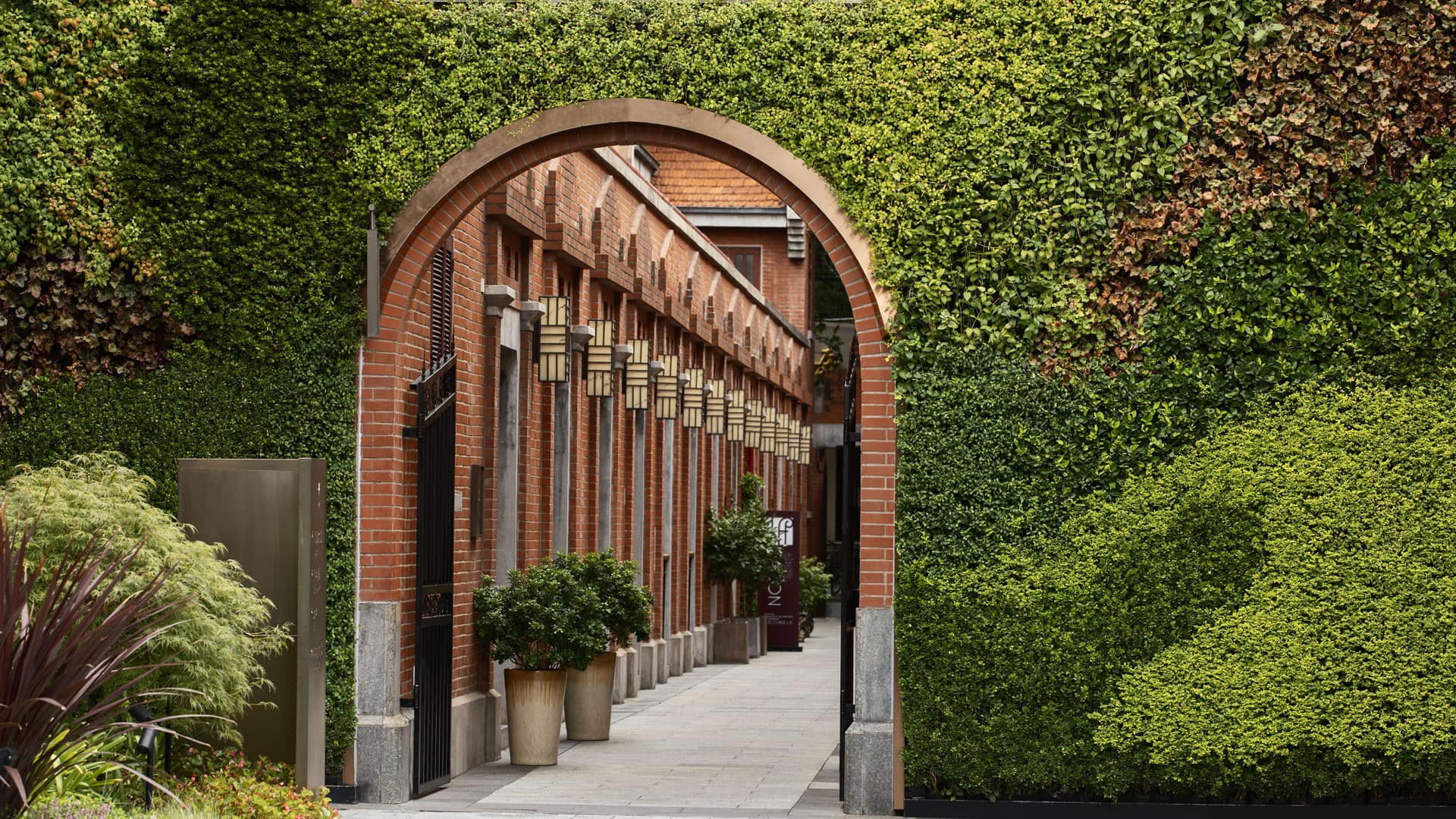
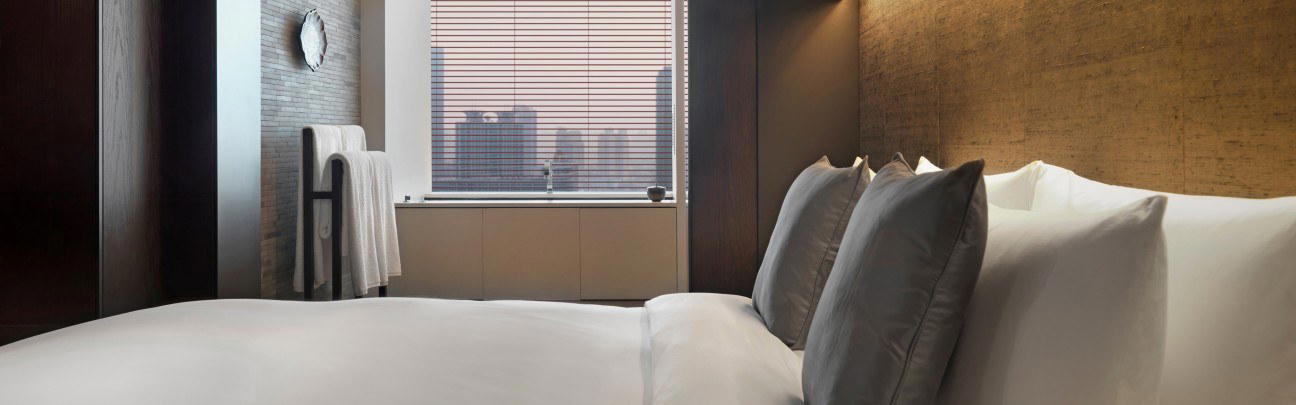
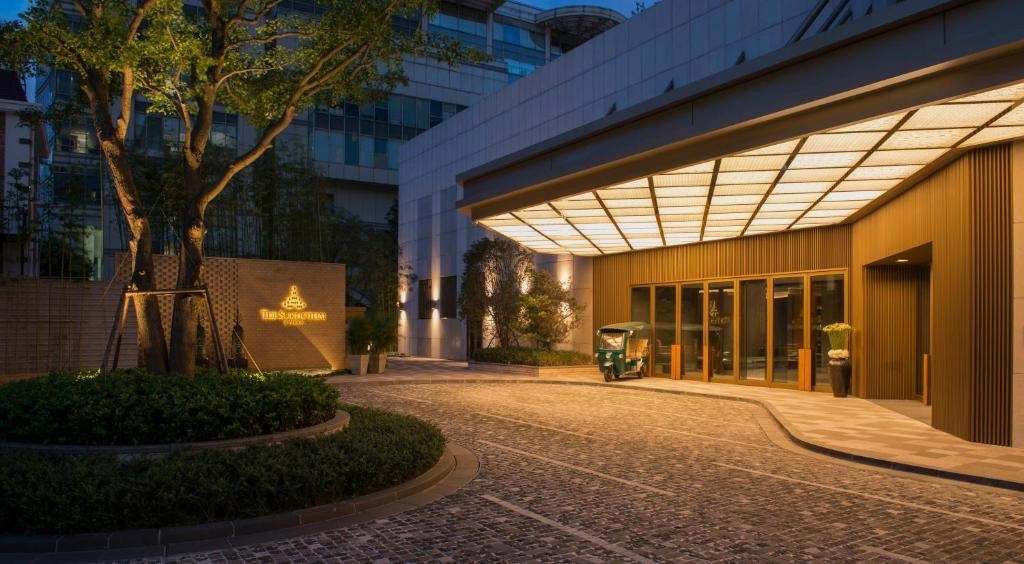
Chez Maurice
The wine
- Wine program
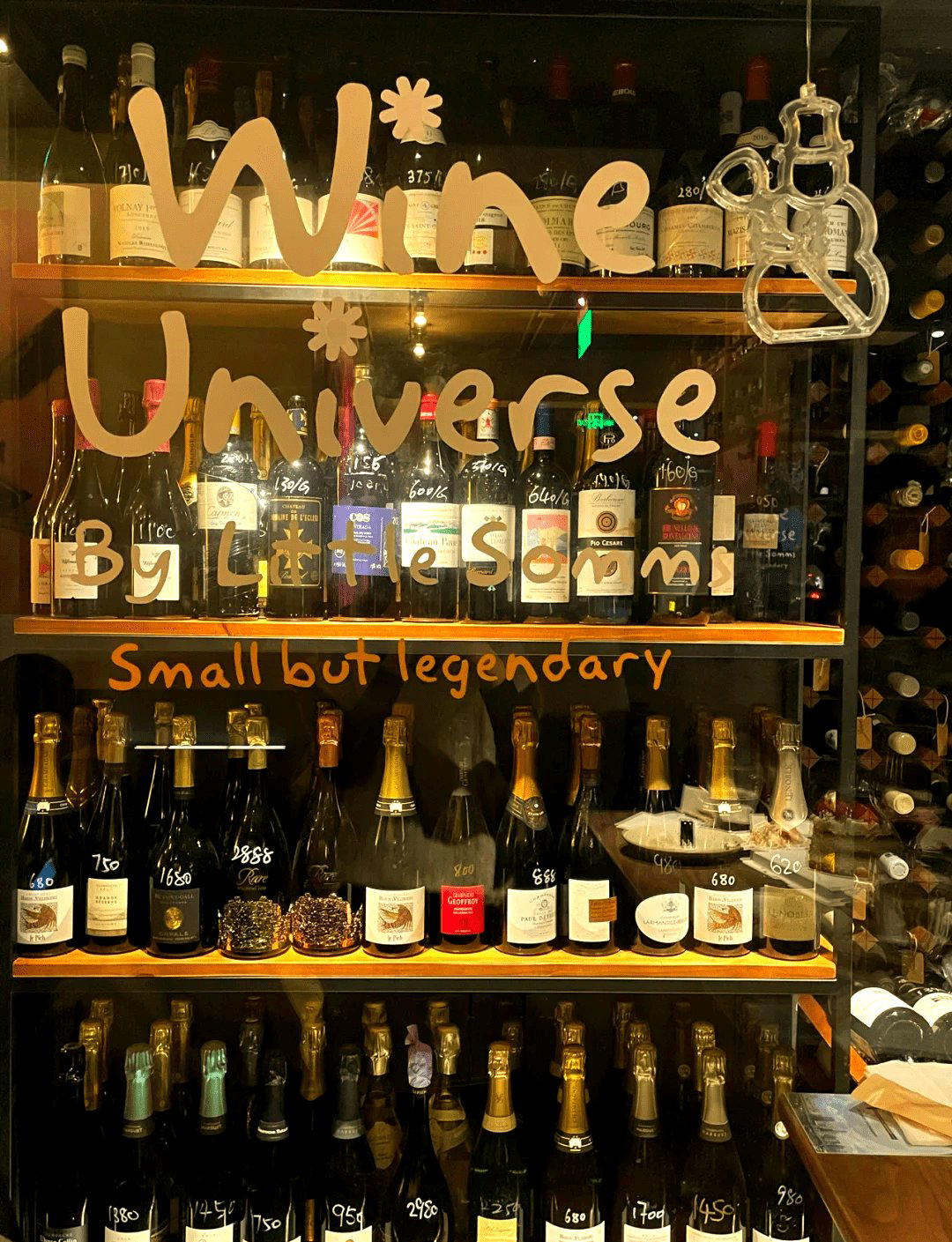
- Curated wine list
- Extensive wine list
- Sommelier-led
Details
- Elegant
- Cozy
- Classic
- Sophisticated
- Date Night
- Business Dinner
- Group Dining
- Special Occasion
- Standalone
- Extensive Wine List
- Sommelier Led
- Local Sourcing
- A La Carte
- Set Menu
- Wine
- Sake
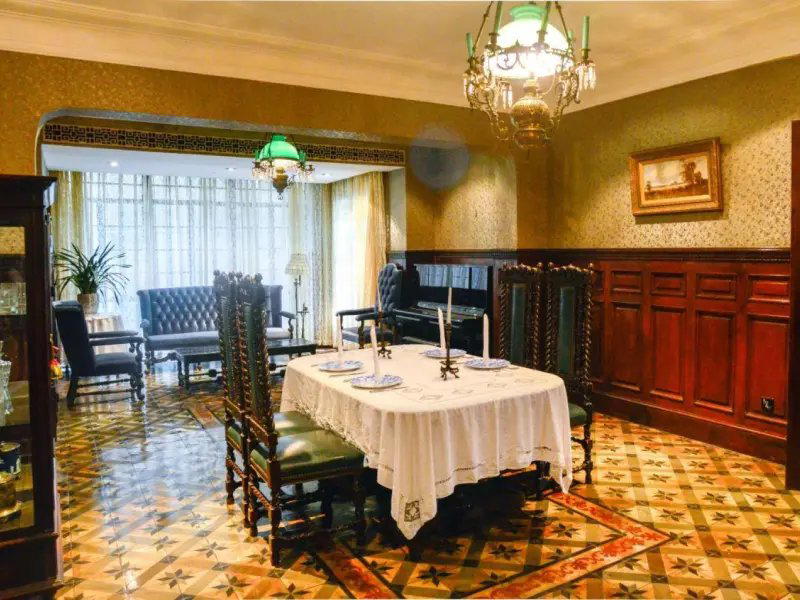
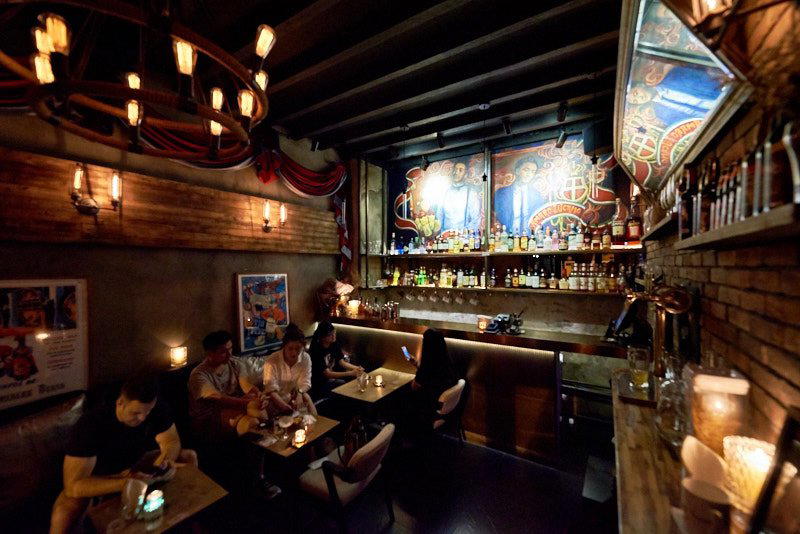
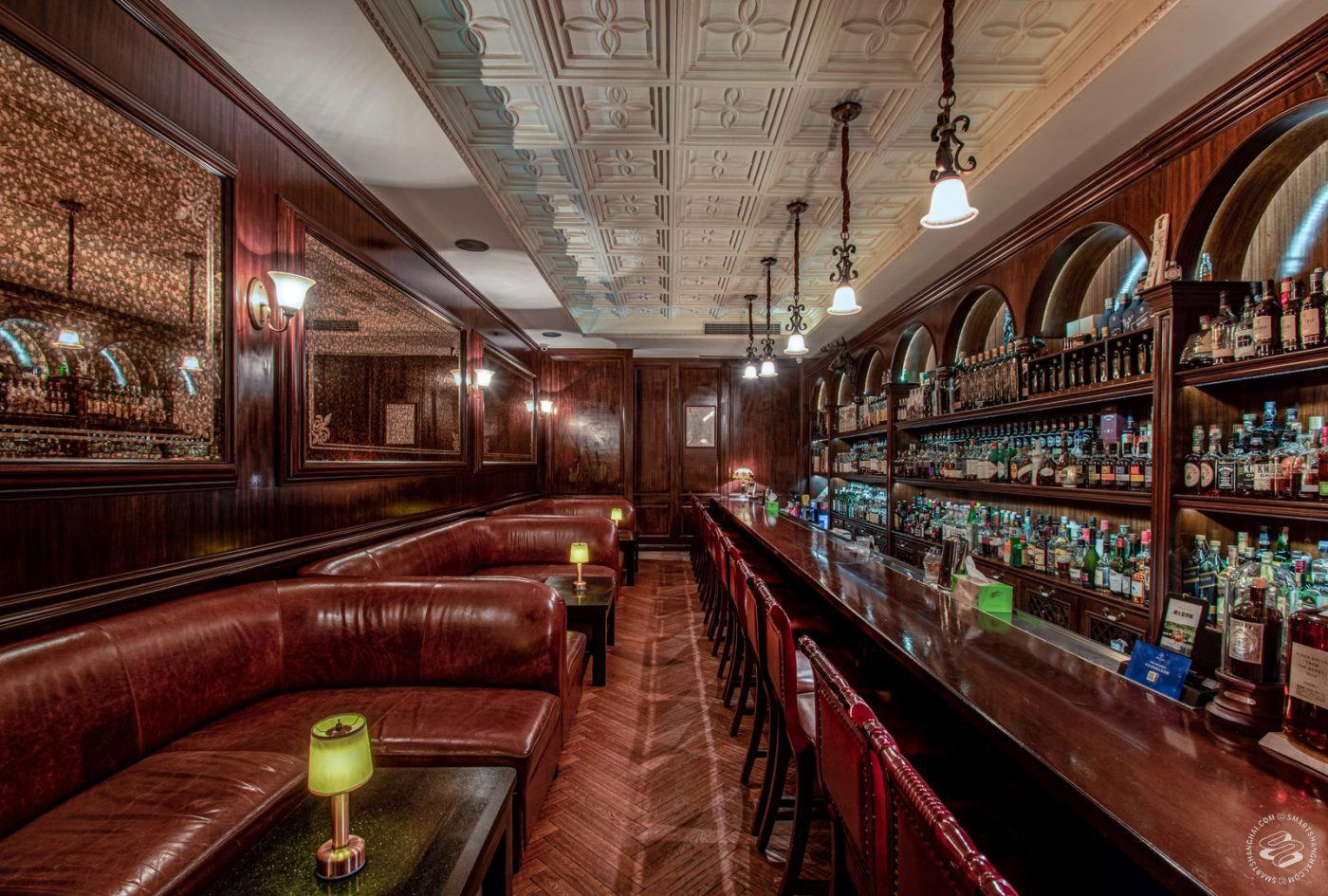
Compact, classy second-floor dining room with French décor and jazz music; feels like an upscale bistro in a five-star hotel with warm lighting and elegant table settings.