Chez Marcel
Our verdict
Chez Marcel sits on Rue Jeanne d'Arc in Saint-Mandé, a commune pressed tight against the eastern edge of Paris where the city's dining density thins but the appetite for serious neighbourhood cooking does not. The address places it squarely in a residential register, the kind of room that earns its reputation through consistency rather than spectacle. For travellers willing to cross the périphérique, it represents a different cadence from the capital's more theatrical dining rooms.

Pearl is the En Primeur Club membership app, where members save venues, book tables and use the concierge.
The menu
What to order
- Artichoke ravioli
- Steak tartare
- Lemon tart
Saint-Mandé and the Quiet Case for Eating Outside Paris
The communes that ring Paris carry a particular dining character: fewer tourists, tighter neighbourhood loyalties, and kitchens that answer to regulars rather than algorithms. Saint-Mandé, pressed against the 12th arrondissement just east of the Bois de Vincennes, belongs to this inner-ring category. It is not a destination in the way that the Marais or Saint-Germain attract visiting diners, which means the restaurants that survive here do so on merit with the people who live closest to them. Chez Marcel on Rue Jeanne d'Arc operates in exactly that context. For a fuller picture of what the area offers, see our full Saint-Mandé restaurants guide.
The Address and What It Signals
Arriving at 8 Rue Jeanne d'Arc, the immediate read is residential rather than destination. The street sits within walking distance of the Saint-Mandé metro stop on line 1, making it accessible from central Paris in under fifteen minutes, yet the surrounding architecture and pace are unmistakably suburban. That gap between accessibility and atmosphere is part of what defines the inner-ring French bistro tradition: you are close enough to the capital to draw a knowledgeable clientele, far enough away that the room fills with people who have chosen this address deliberately rather than stumbled in from a tourist trail.
French neighbourhood restaurants at this postcode level tend to operate in a register that the grandes tables of Paris have largely moved away from: unhurried service rhythms, a menu built around what is available and seasonal rather than what photographs well, and a price point that reflects the local economy rather than the premium that central arrondissements command. That model has outlasted many more celebrated formats. Comparable neighbourhood anchors across France, the kind of tables that have fed the same families across generations, share this combination of geographical modesty and culinary seriousness. It is a format worth understanding on its own terms before comparing it to the more heavily documented rooms at addresses like Alléno Paris au Pavillon Ledoyen or Mirazur in Menton.
Sourcing as the Story: What French Neighbourhood Kitchens Actually Cook
The editorial angle that matters most for a table like this one is not awards or theatrical tasting menus but ingredient sourcing, because that is where the French bistro tradition either justifies itself or collapses into mediocrity. The inner-ring communes around Paris have historically benefited from proximity to Rungis, the wholesale market south of Orly that replaced Les Halles in 1969 and remains the largest fresh-food market in the world by surface area. Professional kitchens across the greater Paris basin draw from Rungis daily, which means that even modest neighbourhood addresses have access to the same raw material supply chains as three-Michelin-star rooms in the 8th arrondissement.
The question is always what a kitchen does with that access. France's great regional restaurants have built their identities around sourcing specificity: Bras in Laguiole around the Aubrac plateau's wild plants and cattle, Auberge de l'Ill in Illhaeusern around Alsatian river fish and local farm produce, Flocons de Sel in Megève around alpine seasonality. A neighbourhood bistro in Saint-Mandé operates at a different register, but the underlying logic is the same: the integrity of the plate depends on what arrives at the kitchen door each morning and how directly the menu reflects it.
French bistro cooking at its most coherent works through a small number of daily specials layered over a short, stable carte. Chalkboard additions signal what the market delivered that day; the fixed menu provides structural reliability. That system demands discipline in purchasing because overbuying kills margins quickly, and discipline in cooking because each ingredient carries more weight when the list is short. It is a demanding format that gets less critical attention than it deserves, perhaps because it leaves less room for personal narrative and more exposure for the quality of the ingredient itself.
Context: How Saint-Mandé Fits the Wider French Table
France's gastronomic identity is documented most visibly through its prestige addresses: Paul Bocuse - L'Auberge du Pont de Collonges, Troisgros - Le Bois sans Feuilles, Georges Blanc in Vonnas, Maison Lameloise in Chagny. These are the rooms that anchor France's international dining reputation and that draw travellers from significant distances. But the neighbourhood bistro has always been the structural backbone of French food culture, the format that feeds the country on ordinary evenings rather than occasion nights.
Destinations like L'Oustau de Baumanière in Les Baux, Les Prés d'Eugénie - Michel Guérard, Auberge du Vieux Puits in Fontjoncouse, and La Table du Castellet have each built regional destination status through a combination of kitchen ambition, terroir specificity, and physical setting. Saint-Mandé offers none of that destination theatre. What it offers instead is the unglamorous continuity that keeps French food culture functional between the headline moments.
For comparison beyond France, the neighbourhood anchor model shows up in different registers at places like Lazy Bear in San Francisco, where a fixed-format communal dinner has built a distinct loyal following, and contrasts sharply with destination-first rooms like Le Bernardin in New York City or Le 1947 à Cheval Blanc in Courchevel, where the room itself is part of the proposition. Chez Marcel belongs to neither of those camps, which is precisely what makes it legible as a neighbourhood address.
Planning a Visit
Saint-Mandé sits on line 1 of the Paris metro, one stop east of Château de Vincennes, making it a direct add to any Paris itinerary for travellers prepared to exit the central arrondissements. Rue Jeanne d'Arc is a short walk from the station. As with most French neighbourhood bistros, lunch tends to offer better value than dinner, and arriving without a reservation on a weekday lunchtime is more viable than an unplanned weekend dinner. The address also pairs logically with a visit to the Bois de Vincennes, one of Paris's largest parks, which borders Saint-Mandé to the south and east. A restaurant like La Vague d'Or in Saint-Tropez it is not, but that is the point.
Frequently asked questions
What kind of setting is Chez Marcel?
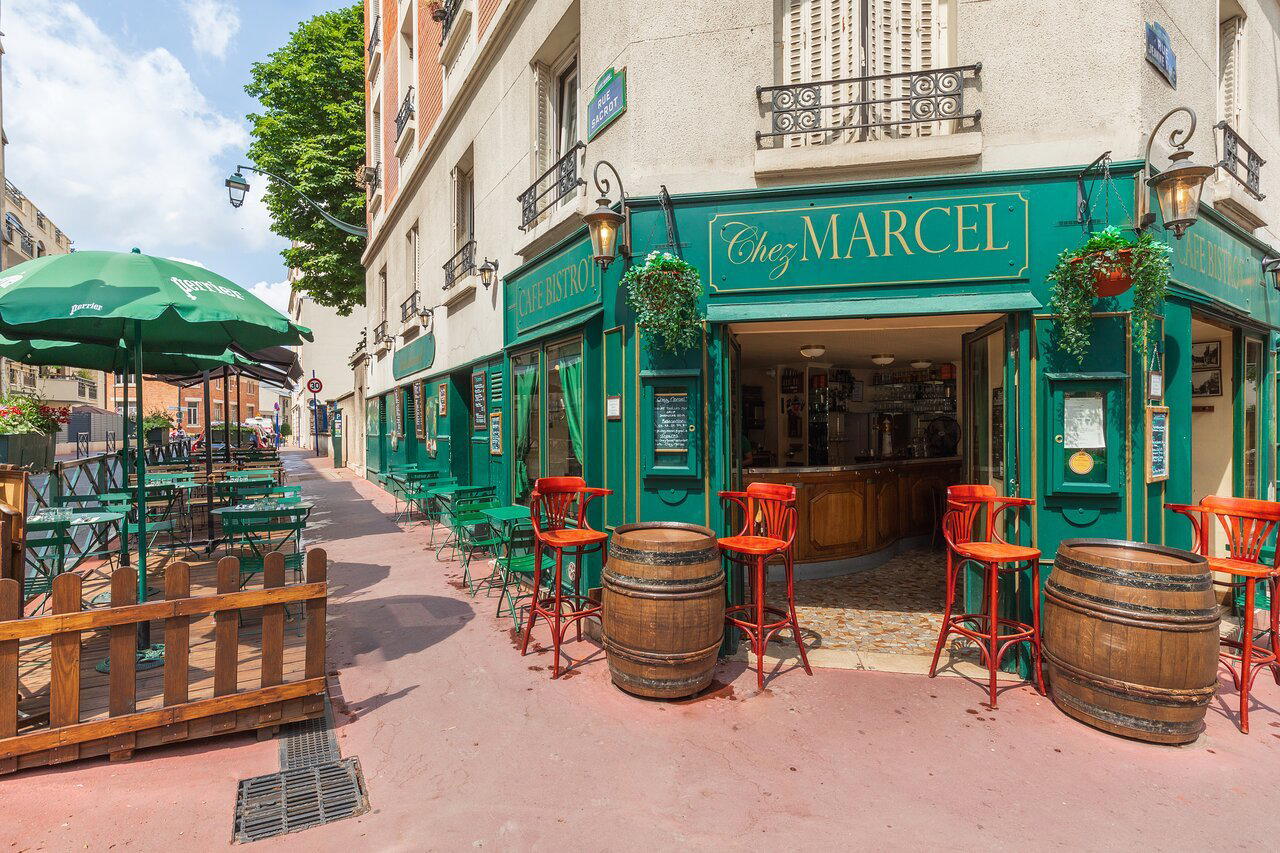
The address at 8 Rue Jeanne d'Arc reads residential rather than destination: no high-footfall dining strip, no hotel forecourt. Saint-Mandé runs on neighbourhood loyalty, which typically means a room populated by regulars rather than tourists passing through. Without confirmed awards or a documented chef profile, the setting signals a local anchor rather than a prestige showcase.
Is Chez Marcel easy to reach from central Paris?
Saint-Mandé sits on metro line 1, one stop east of Château de Vincennes, putting the Rue Jeanne d'Arc address within roughly fifteen minutes of central Paris without a taxi or car. That proximity makes Chez Marcel a practical lunch option for anyone already exploring the Vincennes end of the city, rather than a dedicated cross-city expedition.
Where do I go for Chez Marcel?
Chez Marcel is located at 8 Rue Jeanne d'Arc, 94160 Saint-Mandé, France, Saint Mande.
At-a-Glance Comparison
| Venue | Cuisine | Price | Awards | Notes |
|---|---|---|---|---|
| Chez MarcelThis venue (the venue you are viewing) | French Bistro | $30–50 | Not listed | Not listed |
| Mirazur | Modern French Fine Dining | $300–500 | 3 Michelin Stars · World's 50 Best #1 | Modern French, Creative |
| Alléno Paris au Pavillon Ledoyen | Modern French Fine Dining | $150–200 | 3 Michelin Stars · World's 50 Best #79 | Creative |
| Kei | Modern French with Japanese Influences | $300–500 | 3 Michelin Stars · World's 50 Best #93 | Contemporary French, Modern Cuisine |
| L'Ambroisie | Classic French Haute Cuisine | $300–500 | 2 Michelin Stars · World's 50 Best #23 | French, Classic Cuisine |
| Le Cinq - Four Seasons Hôtel George V | Modern French Fine Dining | $300–500 | 3 Michelin Stars · World's 50 Best #24 | French, Modern Cuisine |
Continue exploring
More in Saint Mande
Restaurants in Saint Mande
All restaurants in Saint Mande →
Bars in Saint Mande
Browse all →

Details
- Cozy
- Intimate
- Classic
- Date Night
- Casual Hangout
- Standalone
- Extensive Wine List
- A La Carte
- Vegetarian Friendly
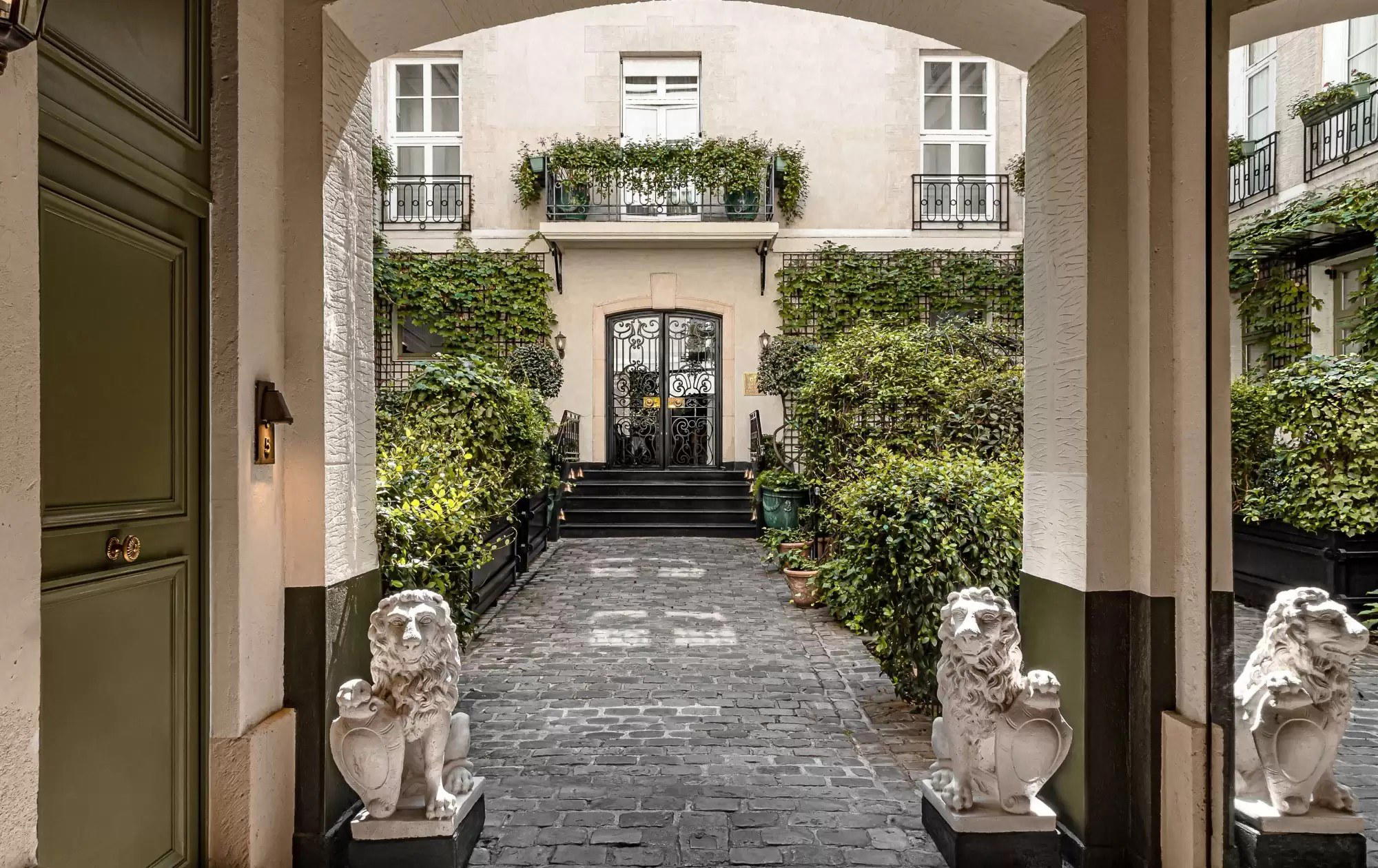
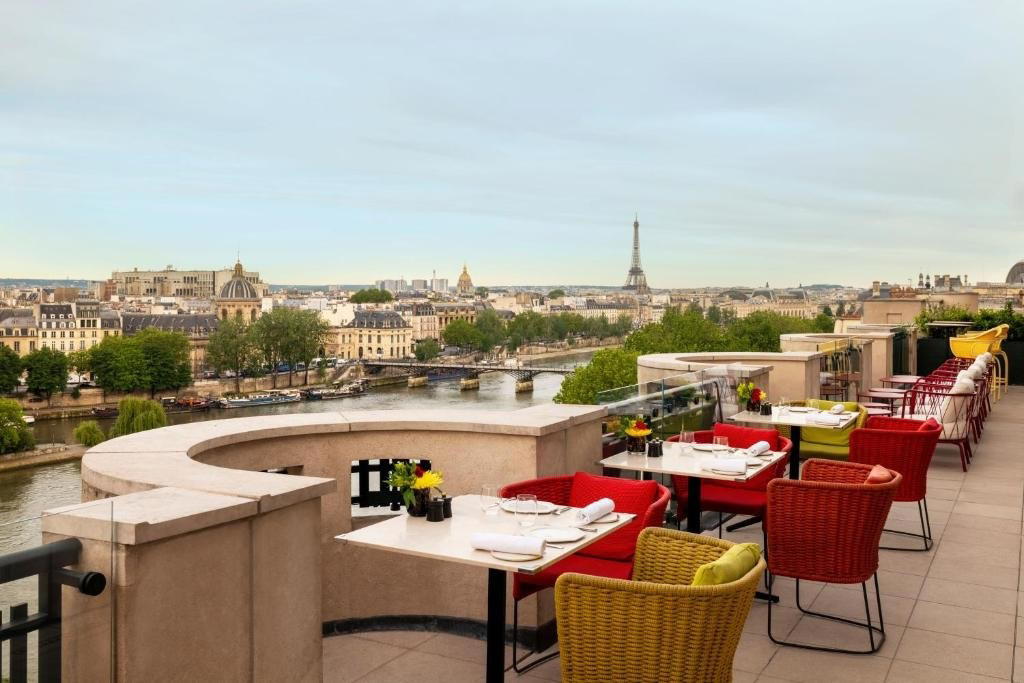
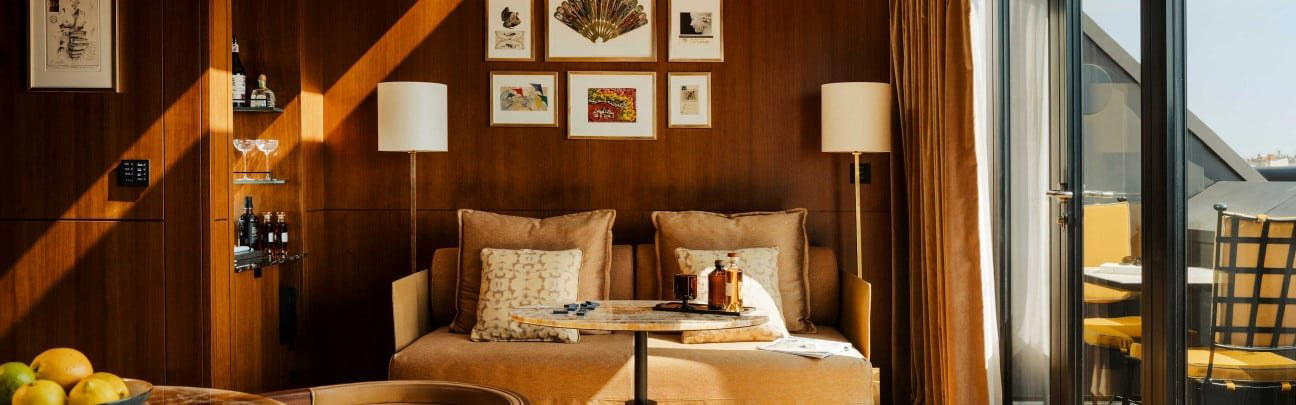
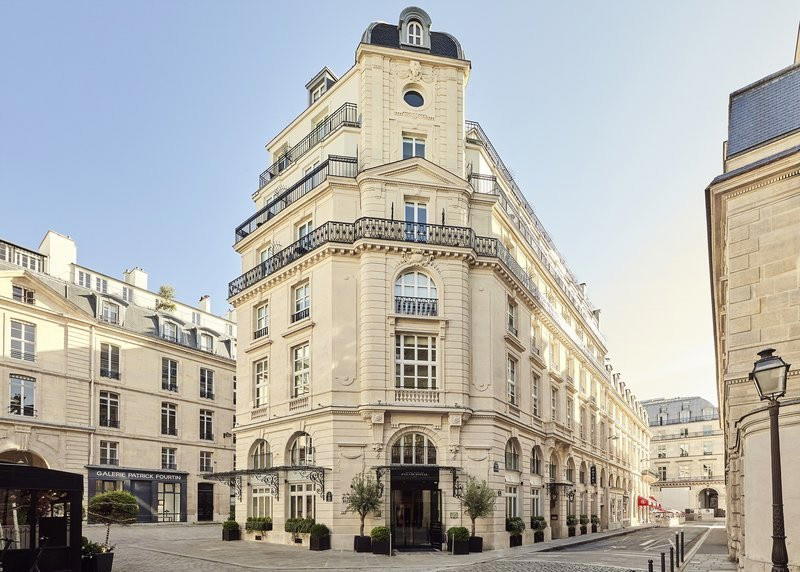
Cozy and intimate atmosphere with warm, friendly service in a beautiful building.