Le Dit Vin sits on Rue Blanche in Paris's 9th arrondissement, a neighbourhood where wine-bar culture has quietly matured into something more serious. The address places it between the grand boulevard restaurants of the Grands Boulevards and the increasingly food-focused streets climbing toward Pigalle — a position that shapes both its clientele and its ambition.
Pearl is the En Primeur Club membership app — saves, bookings, and concierge access live there. Same editors, same standards.
- Address
- 68 Rue Blanche, 75009 Paris, France
- Phone
- +33 1 45 26 27 37
- Directions
- Get directions
 Saves & bookings on Pearl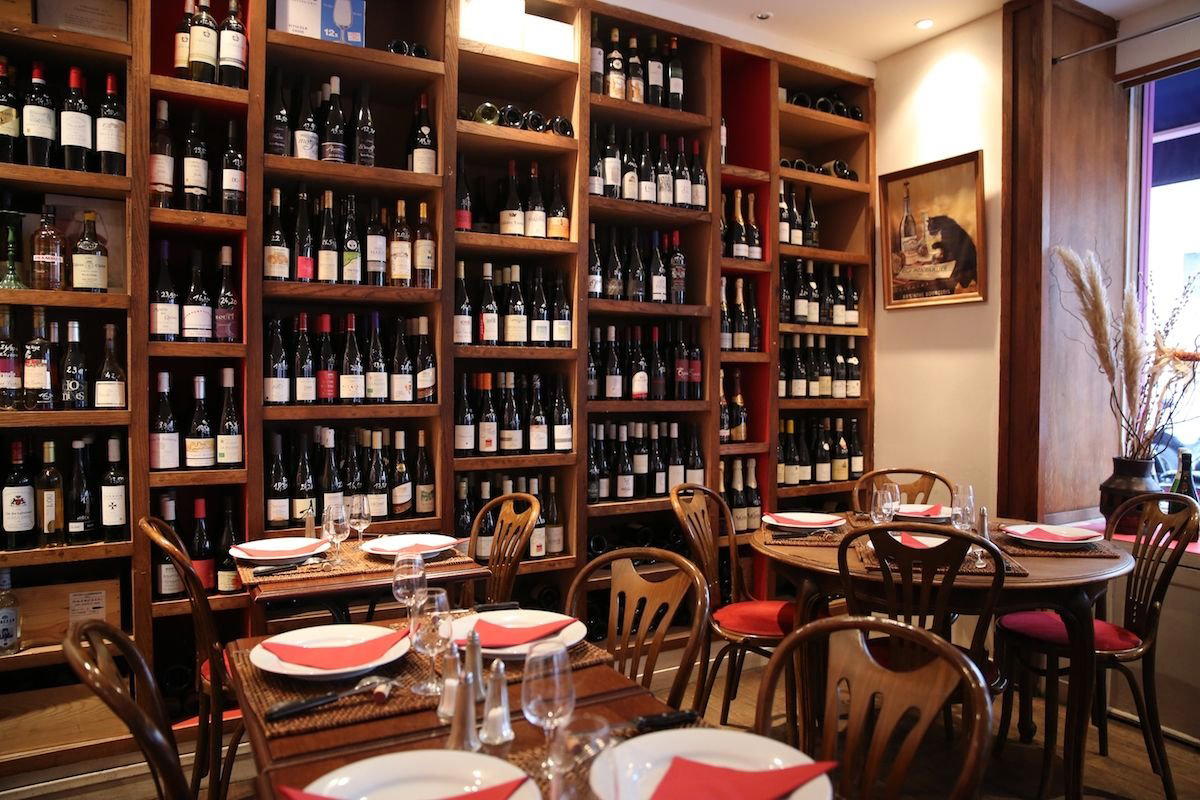
Rue Blanche and the 9th's Quiet Wine Revolution
Paris's 9th arrondissement has spent the better part of a decade shedding its identity as a theatre-district afterthought. The streets between Pigalle and the Opéra Garnier now carry a different kind of energy: smaller rooms, deeper wine lists, and kitchens that take their cue from the bottle rather than the brigade. Le Dit Vin, at 68 Rue Blanche, sits at the centre of that shift. The address is not accidental. Rue Blanche connects two distinct registers of Parisian dining — the formal grandeur of the boulevard tradition and the looser, producer-focused drinking culture that has migrated down from the Butte. Le Dit Vin occupies the space between them.
That positioning matters because it sets expectations. This is not the territory of the city's trophy-table circuit, where a Michelin three-star like Alléno Paris au Pavillon Ledoyen or L'Ambroisie commands the room with architectural precision. Nor is it the self-consciously casual bistronomie end of the market. The 9th has carved out a middle register — places where the wine selection drives the evening at least as much as the food, where a table at the counter is not a consolation prize, and where the neighbourhood itself functions as the draw.
How Wine-Bar Dining in Paris Has Changed
The evolution of the Paris wine bar over the last fifteen years tracks a broader shift in how serious drinkers and eaters approach a meal. The old cave à manger model, a few charcuterie plates, bread from a bag, and a rotating chalk list of natural wines, gave way to something more structured without losing its essential informality. Kitchens got more serious. Cheeseboards became composed plates. The line between wine bar and restaurant began to blur at exactly the point where both were becoming more interesting.
Le Dit Vin reflects that evolution rather than resisting it. Places in this category have learned from the broader French restaurant tradition, the technical rigour you find in kitchens attached to addresses like Arpège or Kei, while retaining the wine-first philosophy that defines the form. The result, in the better examples, is a room where the selection on the glass and the plate are in genuine conversation rather than polite parallel.
This is the editorial frame that matters for Le Dit Vin. France's most celebrated restaurant addresses, from Mirazur in Menton to Troisgros in Ouches and Bras in Laguiole, sit within a tradition that treats the table as a total experience. The wine-bar category has been absorbing that lesson in condensed form, running it through rooms that seat fewer guests and spend less time on ceremony.
The Room and What to Expect
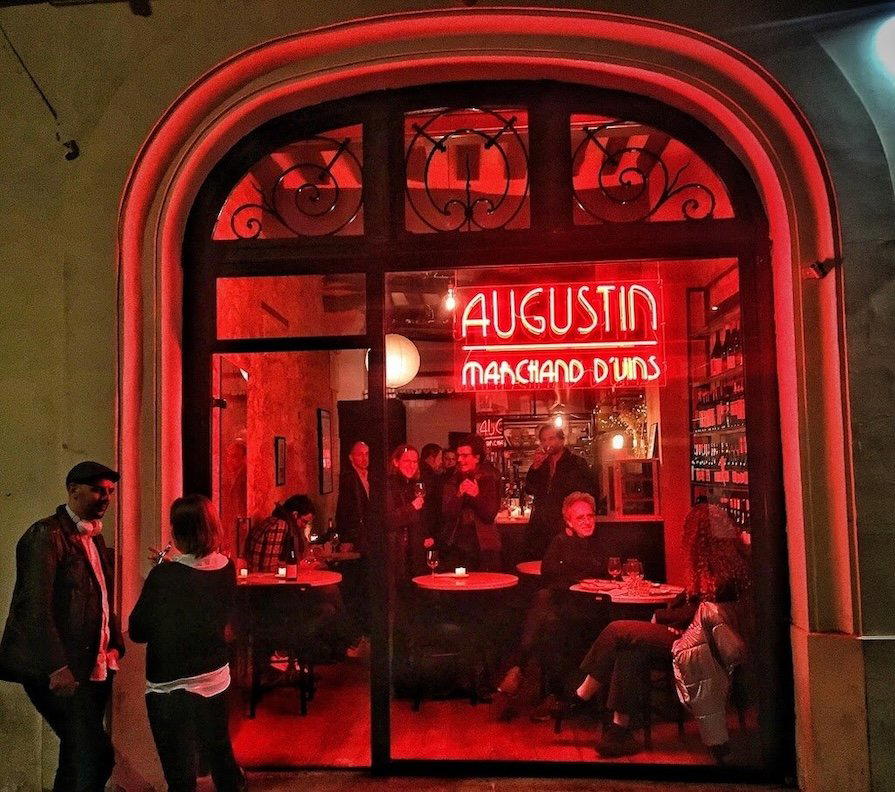
Rue Blanche is a street with enough foot traffic to sustain the kind of venue that rewards the curious walker but doesn't need to market itself to survive. The approach to Le Dit Vin is characteristically Parisian: a façade that communicates without announcing itself, a room visible from the street through glass that suggests warmth without theatrics. Inside, the configuration typical of this category prioritises counter seating and small tables over banquette formality. Sound levels lean toward ambient rather than hushed, and the atmosphere tracks the wine list, expansive, unfussy, and structured enough to signal that someone has thought carefully about what's on offer.
For planning purposes, this kind of address in the 9th generally rewards a booking rather than a walk-in attempt, particularly Thursday through Saturday evenings when the neighbourhood fills with both locals and visitors who have done their research. The address, 68 Rue Blanche, is direct to reach from the Blanche or Trinité métro stops, placing it within easy distance of the Grands Boulevards and a short walk from the base of Montmartre.
Situating Le Dit Vin in a Wider French Context
It helps to understand what Le Dit Vin is not. It does not belong to the white-tablecloth tier that France exports most visibly, the Le Cinq at the Four Seasons George V model, or the destination addresses that draw international visitors specifically for the cooking. Nor does it track with the regional French institutions, the multi-generational houses like Auberge de l'Ill, Georges Blanc in Vonnas, or Les Prés d'Eugénie, whose identities are inseparable from their geography.
Le Dit Vin belongs instead to the city's working restaurant culture: the tier that feeds Paris on a Tuesday evening, that absorbs a spontaneous decision to eat well without requiring a month's advance planning, and that functions as the connective tissue between the destination tables at the leading and the unremarkable brasseries below. That tier has been getting sharper. The Auberge du Vieux Puits model, a serious kitchen operating outside the major urban spotlight, has influenced how urban wine-bar operators think about depth and consistency. The comparison isn't direct, but the appetite for cooking that punches above its category tier is real across France, and Paris's 9th arrondissement has absorbed it.
For a broader orientation to eating in the city, the EP Club Paris restaurants guide maps the full range of options across arrondissements and price tiers. Internationally, the wine-and-food bar format has found strong expression in cities like New York, where kitchens such as Le Bernardin have demonstrated how a wine-led identity can coexist with serious culinary ambition, and San Francisco, where Lazy Bear operates at the format's experimental edge. Paris remains the reference city for the form, and addresses like Le Dit Vin are part of why.
Planning Your Visit
Le Dit Vin is located at 68 Rue Blanche in the 9th arrondissement, a five-minute walk from the Trinité-d'Estienne d'Orves métro station and reachable from Blanche on line 2. Given the neighbourhood's rising profile, weekday lunch often offers the most accessible entry point for first visits, while weekend evenings run at a pace that rewards patience and a longer stay.
How Le Dit Vin Paris compares with similar nearby venues.
| Venue | Cuisine | Price |
|---|---|---|
| Perception | Modern Cuisine | €€€ |
Continue exploring
More in Paris
Restaurants in Paris
Browse all →
Bars in Paris
Browse all →
Hotels in Paris
Browse all →
At a Glance
- Cozy
- Intimate
- Date Night
- Casual Hangout
- Wine Cellar
- Extensive Wine List
Current opening hours
- Monday
- 12 PM–1:30 AM
- Tuesday
- 12 PM–1:30 AM
- Wednesday
- 12 PM–1:30 AM
- Thursday
- 12 PM–1:30 AM
- Friday
- 12 PM–1:30 AM
- Saturday
- Closed
- Sunday
- Closed
Hours can change for holidays and private events. Last verified .
Cozy and warm with a neighborhood feel, featuring a welcoming atmosphere, friendly service, and an intimate dining space.
Know Before You Go
- Getting there
- 68 Rue Blanche, 75009 Paris, France