Strobi occupies a quiet address on Rue Biot in Paris's 17th arrondissement, a neighbourhood where the dining scene has shifted steadily toward chef-driven formats over the past decade. Without the volume of press that trails the grands établissements, it represents the kind of considered, place-specific eating that defines contemporary Paris at its least performative. Readers seeking editorial context will find Strobi situated within a city where the tasting menu has become a serious point of distinction.
Pearl is the En Primeur Club membership app — saves, bookings, and concierge access live there. Same editors, same standards.
- Address
- 12 Rue Biot, 75017 Paris, France
- Phone
- +33 1 72 38 59 86
- Website
- le-strobi.fr
- Directions
- Get directions
 Saves & bookings on Pearl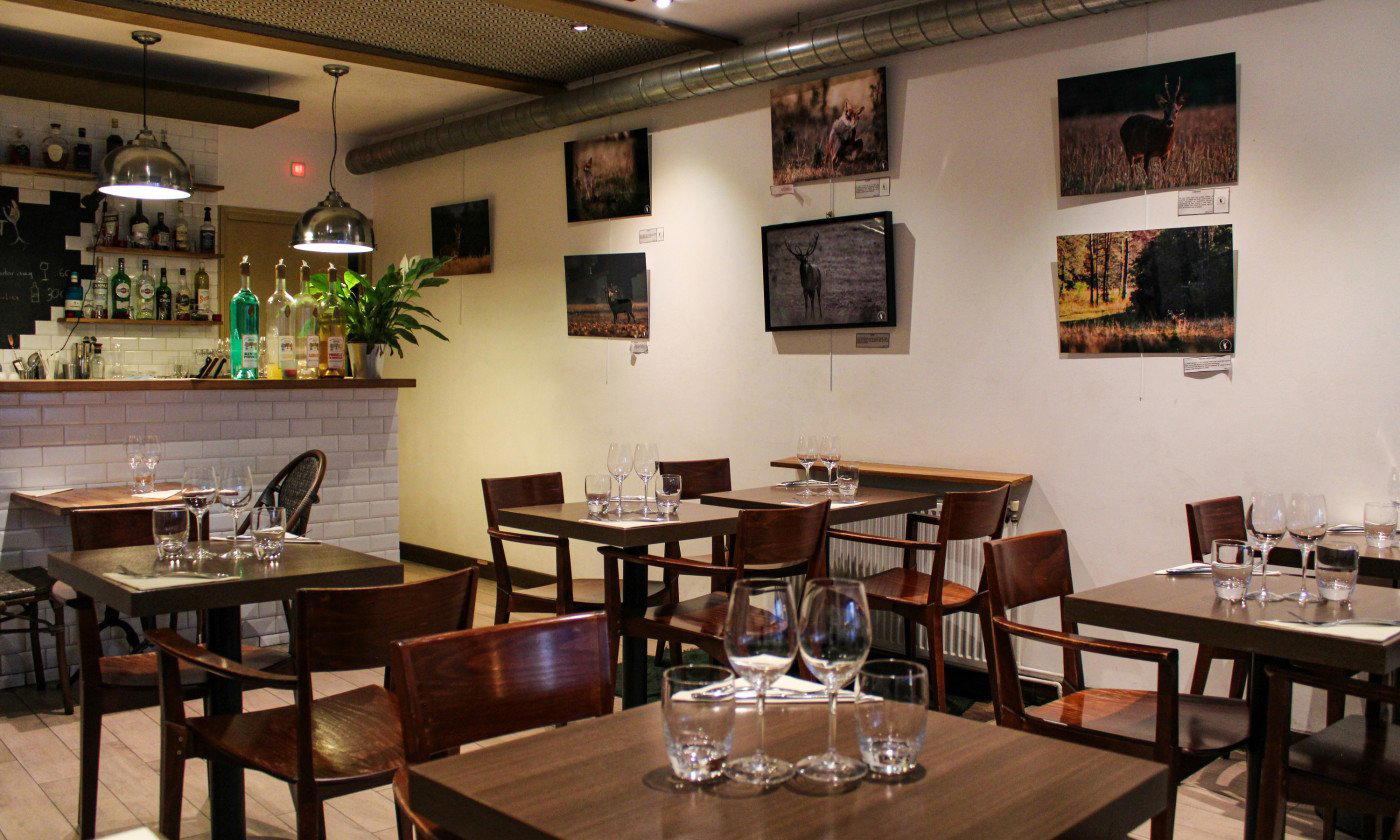
A Street in the 17th, and What It Signals
Rue Biot runs through the Batignolles quarter of Paris's 17th arrondissement, a part of the city that rarely appears in the same sentence as the grand dining rooms of the 8th or the high-wattage addresses clustered around the Left Bank. That positioning is, in itself, a fact worth sitting with. Paris has long maintained two parallel dining cultures: the heavily decorated establishments that function as references, places like Alléno Paris au Pavillon Ledoyen or Le Cinq at the Four Seasons George V, and the quieter, neighbourhood-anchored rooms that serve a more local logic. Strobi, at 12 Rue Biot, sits on the second track.
The 17th is a predominantly residential arrondissement, which means that restaurants here are more likely to be chosen on repeat visits than on a single occasion driven by tourism. A room that survives and builds a following in Batignolles earns it through consistency and value to the neighbourhood rather than through guidebook traffic. That context matters when reading any experience on this address.
The Arc of a Meal: Progression as the Point
In contemporary Paris, the tasting menu format has split into distinct approaches. One school runs long and theatrical, with ten or more courses designed to demonstrate range. Another keeps the arc shorter and the individual courses more considered, placing weight on the transition between plates rather than on volume. The broader shift toward the latter approach reflects a city-wide reassessment of what the multi-course meal is actually for: the sequence should build an argument, not just accumulate dishes.
At an address like Strobi's, within a quarter where the dining room scale tends toward the intimate rather than the ceremonial, the reasonable expectation is a meal structured around that second logic. Paris's mid-market and independent dining rooms in the outer arrondissements have largely moved away from the long, formal progression in favour of formats where three to five courses carry the full weight of the evening. The comparison point is not Arpège or L'Ambroisie, where the tasting sequence is a multi-hour ritual, but rather the generation of independent rooms that have absorbed those influences and applied them at a different scale.
The question of how a meal sequences, whether it opens with something technically neutral to clear the palate, builds toward a richer centrepiece, and resolves with something acidic or light rather than merely sweet, is the measure of culinary intelligence. France's regional grands maisons demonstrate this most clearly: Troisgros in Ouches and Bras in Laguiole have each built reputations on sequences where the arc is as considered as any individual dish. Mirazur in Menton organises its progression around biodynamic cycles. These are reference points for understanding what tasting progression, taken seriously, actually means.
Paris in the 17th: Reading the Neighbourhood
The Batignolles quarter underwent substantial change in the decade following the creation of the Clichy-Batignolles park and urban development zone to the north. The area attracted a younger professional demographic, and the restaurant scene followed: more natural wine lists, shorter menus, less formality in service. This is the context in which a room on Rue Biot operates. The 17th now has enough density of serious independent restaurants to constitute its own internal reference system, distinct from the more tourist-oriented corridors of the city.
For international visitors, the arrondissement sits northwest of the city centre, accessible by metro and a reasonable walk from the Batignolles-Monceaux axis. It is not a destination in the way that the Marais or Saint-Germain-des-Prés direct foot traffic, which means that arriving here implies a deliberate choice. That deliberateness tends to self-select for a more knowledgeable and committed dining public, which in turn shapes the room's character.
For those exploring French fine dining further afield, the country's decorated regional addresses provide useful comparison: Flocons de Sel in Megève, Auberge de l'Ill in Illhaeusern, Les Prés d'Eugénie in Eugénie-les-Bains, Georges Blanc in Vonnas, Auberge du Vieux Puits in Fontjoncouse, La Table du Castellet, and the historic Paul Bocuse at Collonges-au-Mont-d'Or.
For international reference on what a rigorously sequenced dinner looks like outside France, Le Bernardin in New York and Lazy Bear in San Francisco both offer useful comparative frameworks: the former built on classical French discipline applied to seafood progression, the latter on a collaborative, counter-format that treats the evening as a single sustained arc.
On the contemporary French side, Kei in Paris illustrates how the city's multi-course format has absorbed external influences while retaining a French structural logic.
What the Absence of Data Tells You
In Paris's independent dining sector, that can mean several things: a room in its opening phase, an address that operates largely by word of mouth, or a venue that sits below the threshold at which the major guides expend resource. None of these readings is pejorative. Some of the city's most sustained neighbourhood restaurants have maintained long careers without Michelin attention, operating instead on the logic of repeat custom and local trust.
Side-by-Side Snapshot
Comparable venues nearby, for context on price, style, and recognition.
| Venue | Cuisine | Price | Notes |
|---|---|---|---|
| StrobiThis venue — the venue you are viewing | Modern French Bistro | $$ | Not listed |
| Fichon | Modern French Seafood | $$ | 18th Arrondissement |
| Brasserie Barbès | Modern French Brasserie | $$ | Barbès |
| La Piscine | French Bistro | $$ | 18th Arrondissement - Butte-Montmartre |
| 14 paradis | Modern French Bistro | $$ | 10th Arr. - Entrepôt |
| Oscar | Traditional French Bistro | $$ | 75016 |
Continue exploring
More in Paris
Restaurants in Paris
Browse all →

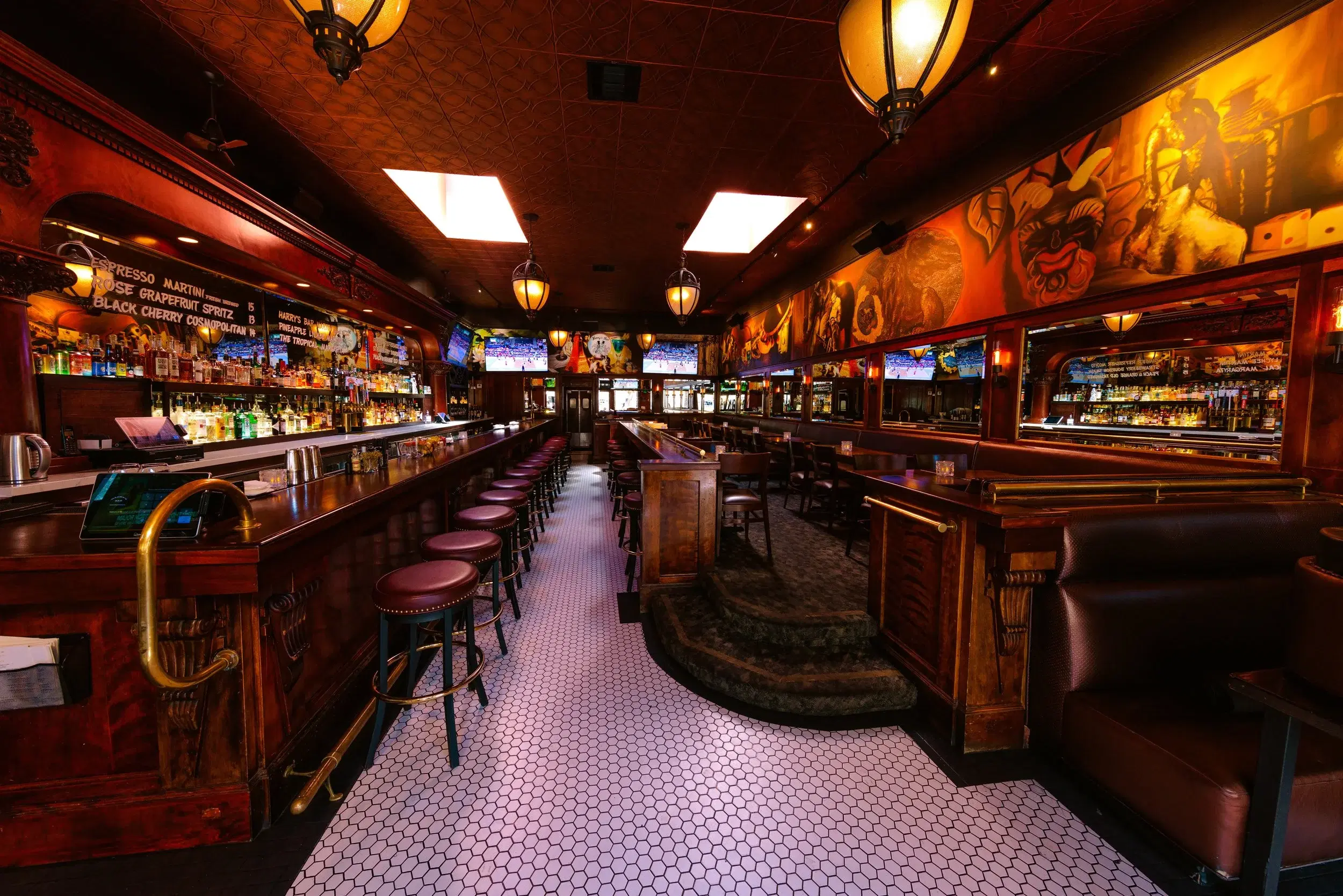
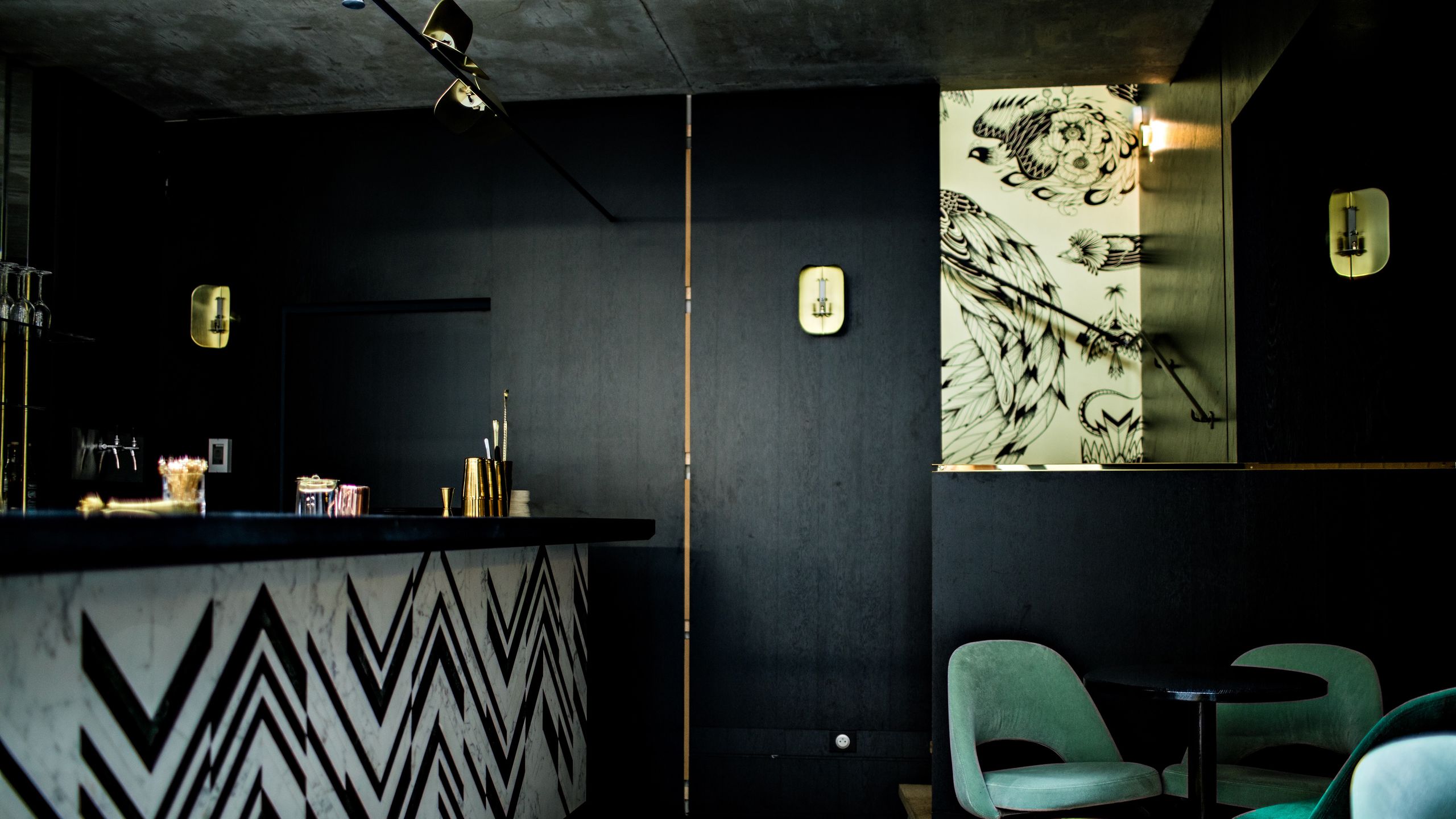
Bars in Paris
Browse all →
Hotels in Paris
Browse all →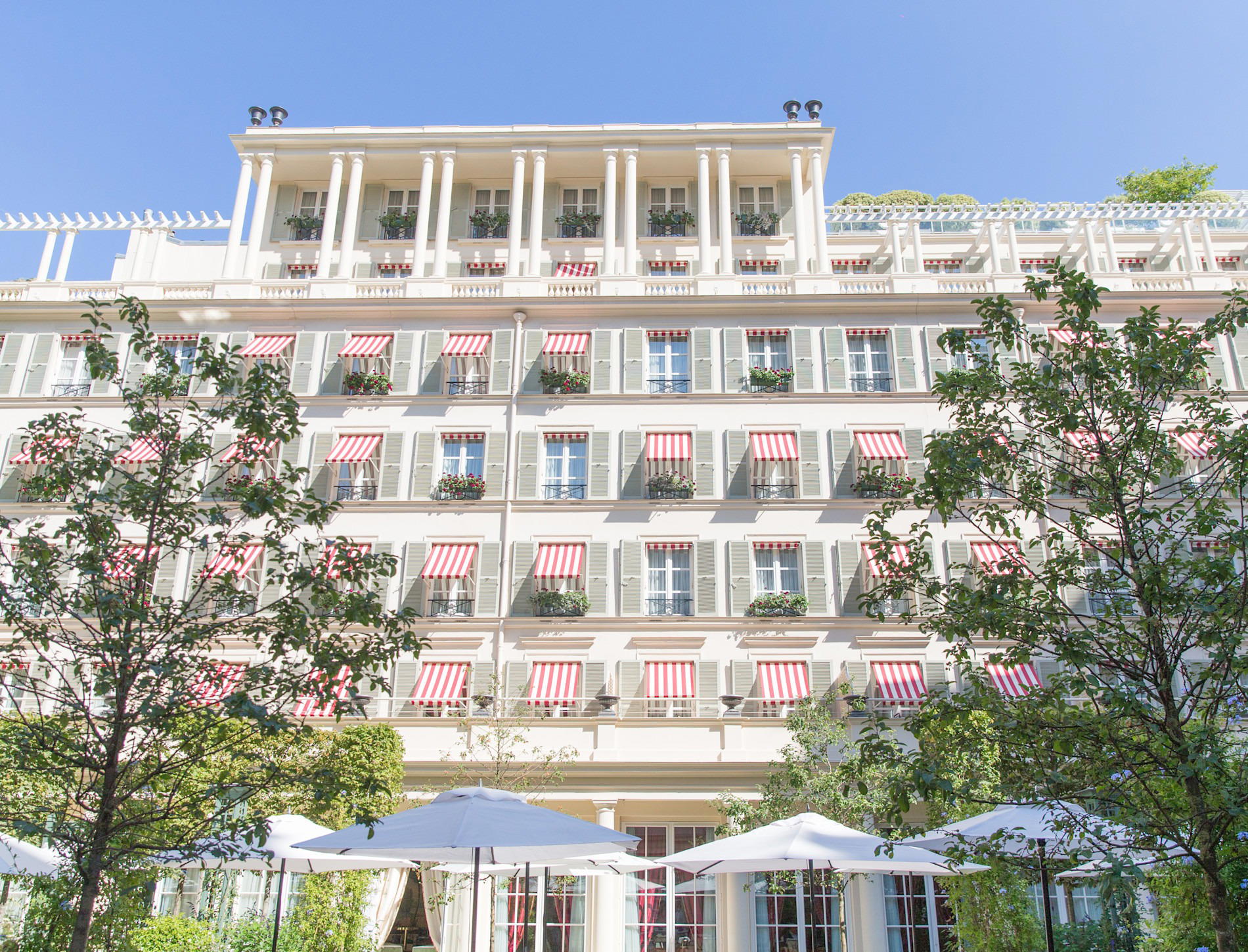
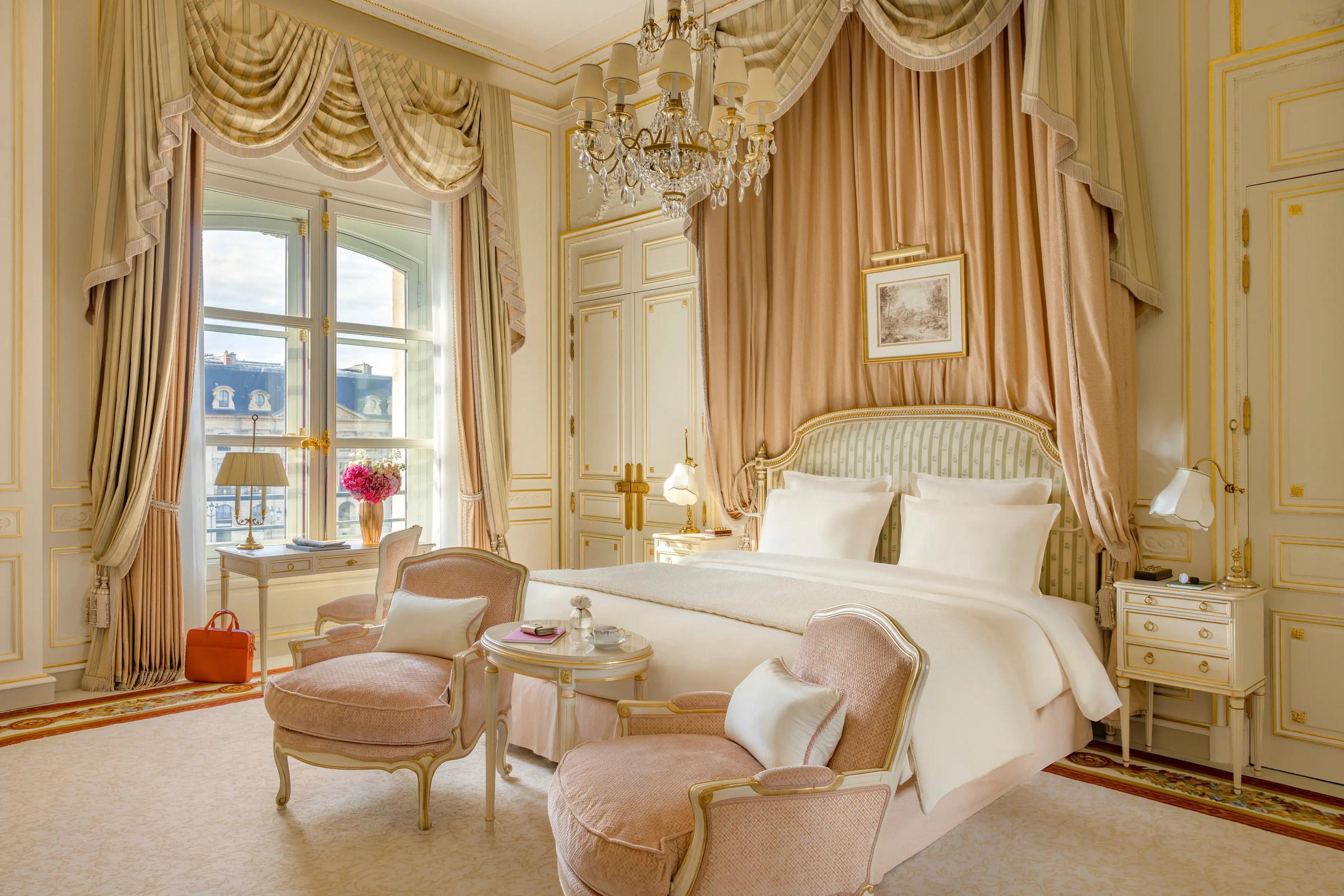
Wineries in Paris
Browse all →
At a Glance
- Cozy
- Elegant
- Trendy
- Date Night
- Casual Hangout
- Open Kitchen
- Extensive Wine List
Current opening hours
- Monday
- 12–2:30 PM, 7–10:30 PM
- Tuesday
- 12–2:30 PM, 7–10:30 PM
- Wednesday
- 12–2:30 PM, 7–10:30 PM
- Thursday
- 12–2:30 PM, 7–10:30 PM
- Friday
- 12–2:30 PM, 7–11 PM
- Saturday
- 12–2:30 PM, 7–11 PM
- Sunday
- 12–2:30 PM, 7–10:30 PM
Hours can change for holidays and private events. Last verified .
Simple elegant decor with open kitchen, sofa seating, and large bay windows that open on sunny days, creating a relaxed neighborhood atmosphere