Chez Kelly
Chez Kelly occupies a quiet corner of Ottmarsheim, a small Alsatian commune near the Rhine where the French and German culinary traditions have long traded influences. The address on Rue du Renard places it at one of the village's modest crossroads, situating it within a regional dining culture shaped by proximity to Mulhouse, Basel, and the agricultural flatlands of the Upper Rhine plain.
Pearl is the En Primeur Club membership app — saves, bookings, and concierge access live there. Same editors, same standards.
- Address
- Carrefour de la vierge, 2 Rue du Renard, 68490 Ottmarsheim, France
- Phone
- +33389260505
- Website
- instagram.com
- Directions
- Get directions
 Saves & bookings on Pearl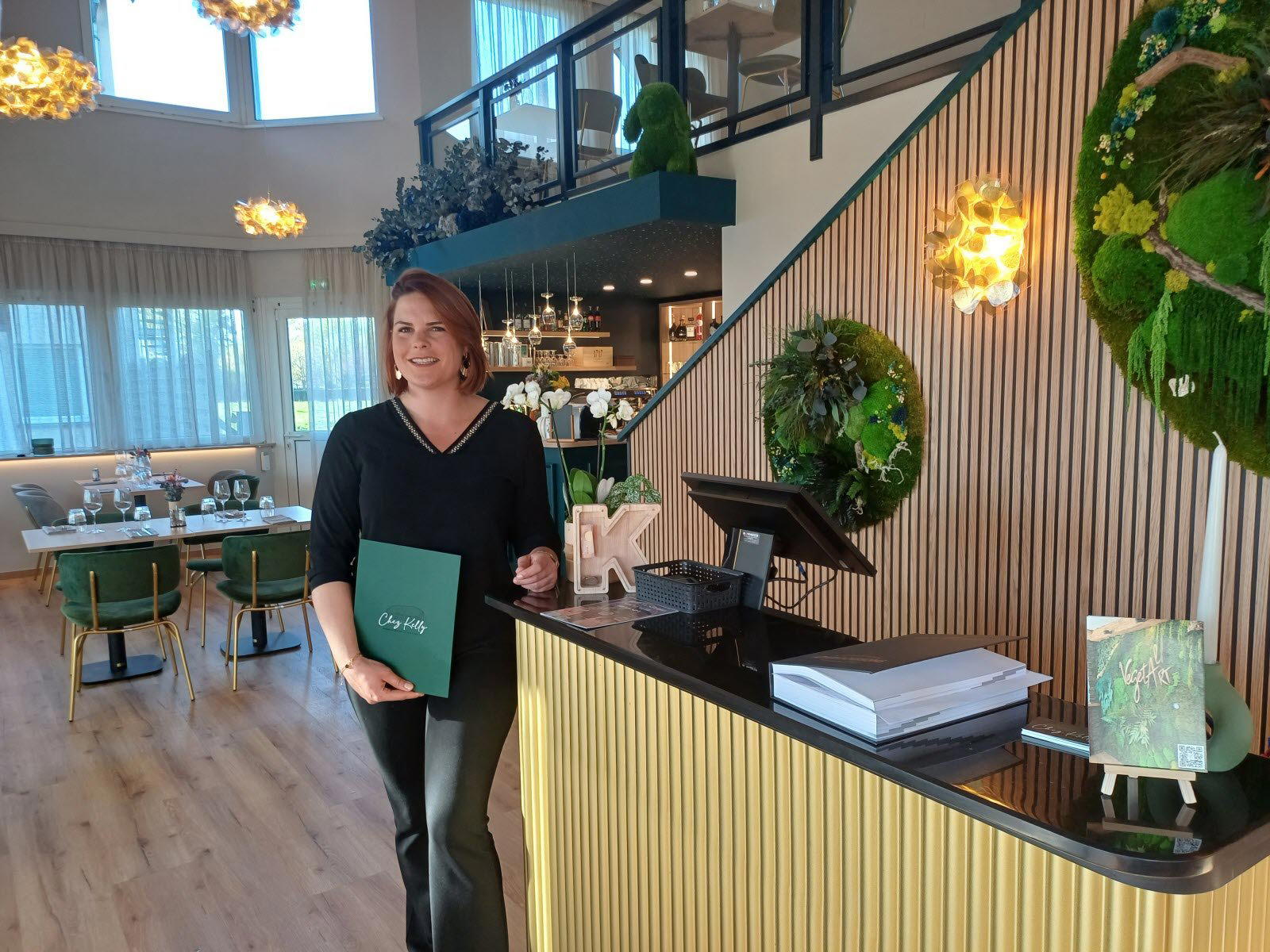
Where the Rhine Plain Sets the Table
Alsace has always operated as a culinary border zone, and that tension is nowhere more quietly felt than in its smaller communes. Ottmarsheim sits on the southern stretch of the Alsatian plain, close enough to Basel and the German bank of the Rhine to absorb both French classical rigour and the Germanic appetite for hearty, land-rooted cooking. Restaurants here do not compete with the grand maisons of Strasbourg or Colmar; they serve a different function, acting as anchors for village life and seasonal eating in a region where the agricultural calendar still shapes what appears on the plate. Chez Kelly, on the Carrefour de la Vierge at 2 Rue du Renard, occupies that local-anchor role in Ottmarsheim's modest dining scene.
The Setting: A Village Crossroads
Approach Chez Kelly from the main road through Ottmarsheim and the sense of scale is immediately clear: this is a neighbourhood address, not a destination-dining room designed for the gastronomic circuit. The Carrefour de la Vierge intersection is the kind of quiet junction common to Alsatian villages, marked by the geometry of flat agricultural land stretching toward the Rhine and the church tower that anchors the village silhouette. Dining in this kind of setting carries its own logic. The atmosphere is shaped by the rhythms of the community around it rather than by any deliberate scene-making. Tables fill with local regulars, market-day visitors from surrounding hamlets, and the occasional traveller crossing between Mulhouse and the German border at Chalampé. That mix, common to the smaller auberge tradition across this part of Alsace, is itself a kind of trust signal: a room that survives on repeat local business rather than tourist traffic tends to stay honest about what it puts on the plate.
Ingredient Sourcing in the Upper Rhine Plain
The agricultural context around Ottmarsheim matters more than its modest profile might suggest. The Upper Rhine plain, running south from Strasbourg toward Basel, is one of France's more productive and varied growing regions: asparagus from the sandy soils near Hoerdt, choucroute cabbage cultivated across the Kochersberg and Bas-Rhin, river fish from the Rhine's tributary streams, and game from the forested Vosges foothills a short drive west. For a village restaurant in this corridor, the proximity to primary producers is structural rather than aspirational. Sourcing locally here is not a marketing position; it is the practical consequence of geography and a regional cooking culture that pre-dates the contemporary farm-to-table framing by several generations.
Alsatian cuisine at this level has always been ingredient-forward in a specific way: the technique does not obscure the raw material. A good baeckeoffe depends on the quality of the marinated meats and root vegetables; a tarte flambée lives or dies on the fromage blanc and the crispness of the base. That discipline, which runs through the region's domestic and restaurant cooking alike, means that sourcing is not a differentiator so much as a baseline expectation. The question for any Alsatian village address is whether it meets that baseline consistently. The contrast with France's more celebrated regional tables is instructive: houses like Auberge de l'Ill in Illhaeusern, less than forty kilometres north along the Rhine plain, or Bras in Laguiole in the Aubrac, have made ingredient provenance a central part of their public identity and critical recognition. At the village level, the same principles operate without the editorial apparatus.
Alsace's Village Dining Tradition and Where It Sits Now
The winstub and auberge traditions of Alsace represent one of France's more coherent expressions of regional dining culture. These are not casual formats in the dismissive sense; they encode a serious relationship between local produce, seasonal rhythm, and community hospitality that stretches back centuries. The pressure on that tradition is real: demographic shifts in rural communes, competition from larger urban dining scenes in Mulhouse and Strasbourg, and the consolidation of food supply chains that reduces access to small-farm producers. Village restaurants that sustain themselves in this environment are, in aggregate, doing something worth taking seriously as a category, even where individual recognition is absent.
For context on how France's most decorated regional restaurants have built on similar foundations, it is useful to look at the broader field. Troisgros in Ouches, Maison Lameloise in Chagny, and Georges Blanc in Vonnas all grew from deep roots in their local food cultures before accumulating the credentials that placed them in the national conversation. The village address is not a limitation; it is often the starting condition. Further south, Les Prés d'Eugénie in Eugénie-les-Bains and Auberge du Vieux Puits in Fontjoncouse demonstrate the same pattern: serious cooking does not require a metropolitan address. Internationally, the same logic connects to places as different as Le Bernardin in New York City and Flocons de Sel in Megève, where a specific location becomes the frame for a distinct culinary argument. Even Lazy Bear in San Francisco built its identity on the logic of communal, place-specific eating long before it achieved broader recognition.
Planning a Visit
Ottmarsheim is accessible from Mulhouse, approximately fifteen kilometres to the northwest, making it a practical detour from the city rather than a dedicated journey for most visitors. The village is also within direct driving distance of Basel, placing it in the orbit of diners crossing between France and Switzerland. Chez Kelly's address at the Carrefour de la Vierge is navigable by car; street parking in Ottmarsheim is generally available in the village centre. Chez Kelly is recommended for reservations, and its opening hours are Monday and Sunday closed; Tuesday through Saturday 12 to 2:30 PM and 7 to 10 PM. Village restaurants in this part of Alsace often follow tighter seasonal or weekly schedules than their urban counterparts, and lunch service is frequently the primary sitting. Arriving without a confirmed booking on a busy market day or local holiday period carries real risk of finding the room full.
For those building a longer itinerary through this stretch of Alsace and the Upper Rhine, the region rewards slow movement. The wine route north toward Colmar, the proximity of the Vosges for walking, and the cross-border access to Basel's museum culture and restaurant scene give Ottmarsheim a geographic logic that makes a stop here sit naturally within a multi-day programme rather than as a standalone destination. Other reference points for serious eating in comparable French regional formats include L'Oustau de Baumanière in Les Baux, La Table du Castellet in Le Castellet, Mirazur in Menton, Alléno Paris au Pavillon Ledoyen, Paul Bocuse - L'Auberge du Pont de Collonges, Le 1947 à Cheval Blanc in Courchevel, and La Vague d'Or in Saint-Tropez, all of which illustrate how French regional identity translates across different price points and formats.
In Context: Similar Options
Comparable venues nearby, for context on price, style, and recognition.
| Venue | Cuisine | Price | Notes |
|---|---|---|---|
| Chez KellyThis venue — the venue you are viewing | Classic French Bistro | $$$ | Not listed |
| Le Gaulois | Modern French Fine Dining | $$$ | Bartenheim |
| Le Clos des Sens | Traditional and Bistronomic French | $$$ | Schlierbach |
| Comptoir De Vie | Modern French Tasting Counter-Bar | $$$ | 2nd Arrondissement |
| L'Hors Du Temps | Contemporary French Seasonal Cuisine | $$$ | Centre-ville (Downtown Gérardmer) |
| L'Ami Schutz | Traditional Alsatian | $$$ | Centre |
Continue exploring
More in Ottmarsheim
Restaurants in Ottmarsheim
Browse all →
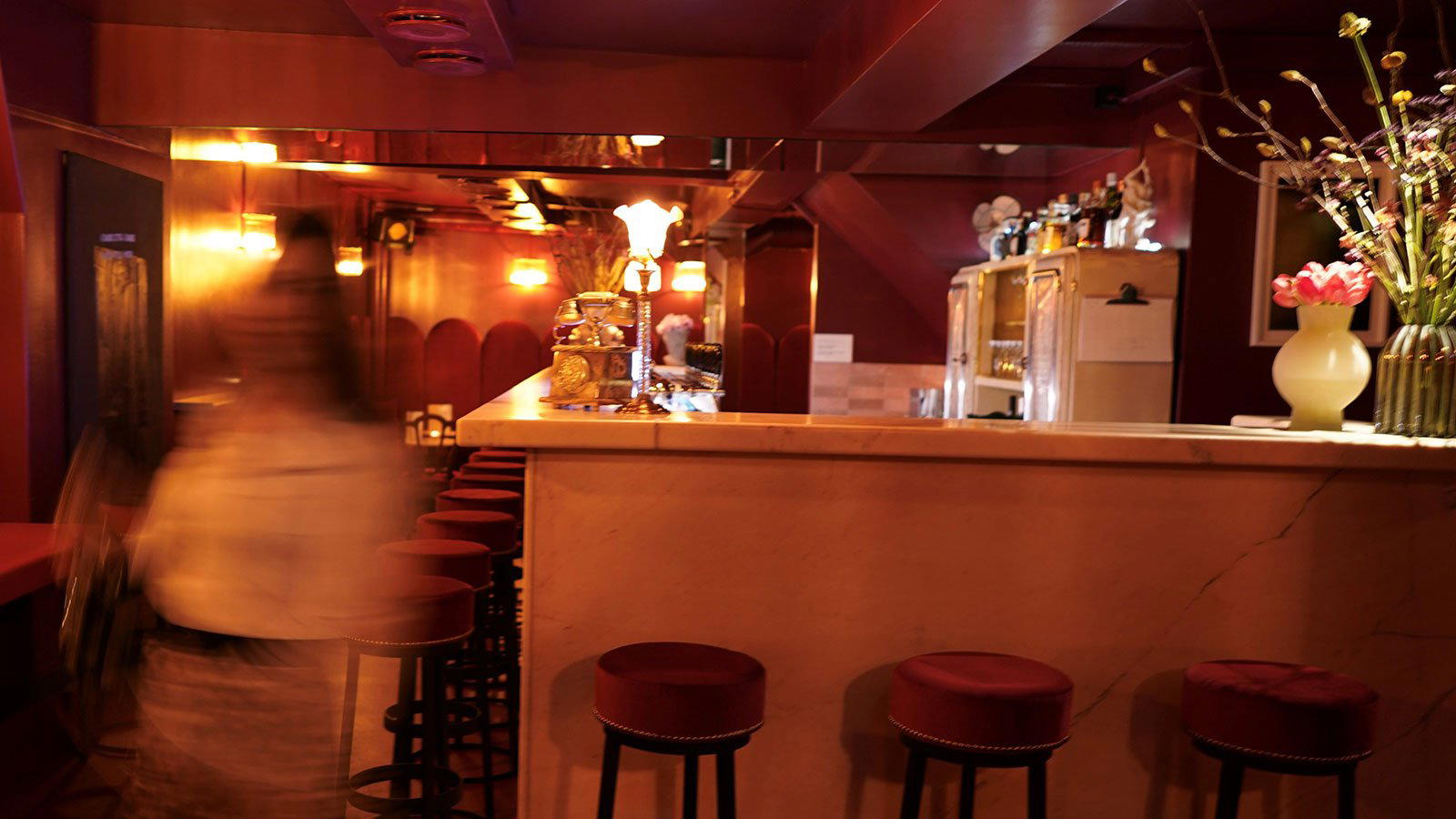
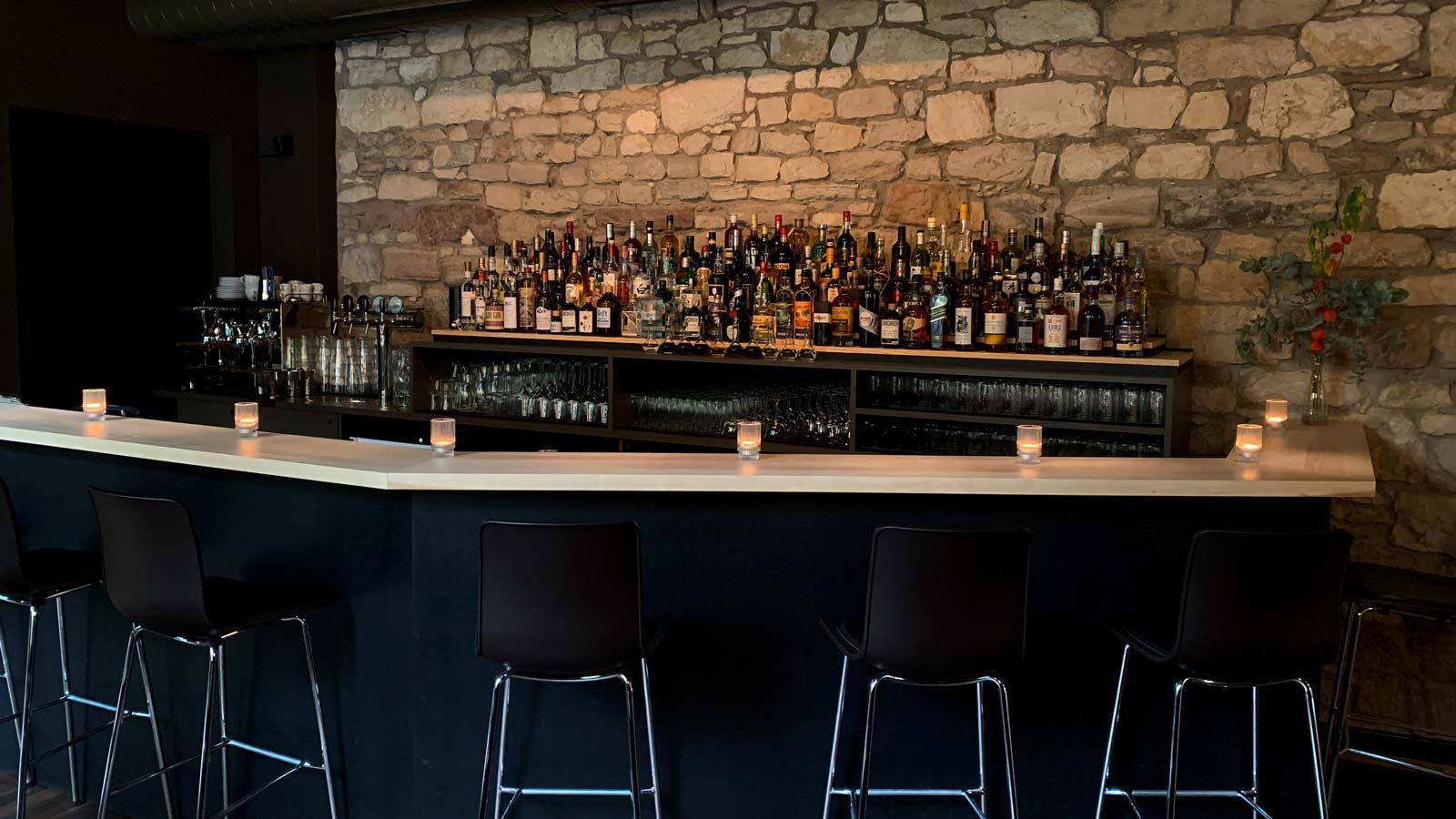
Bars in Ottmarsheim
Browse all →
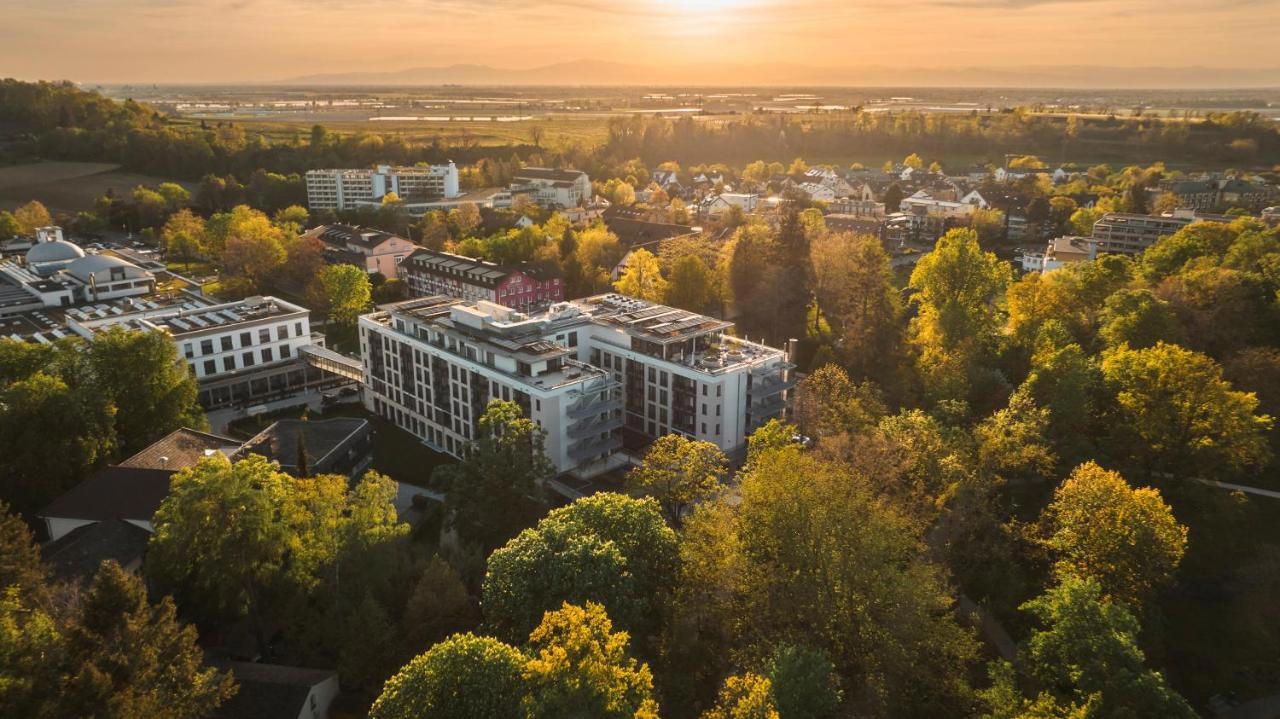
Hotels in Ottmarsheim
Browse all →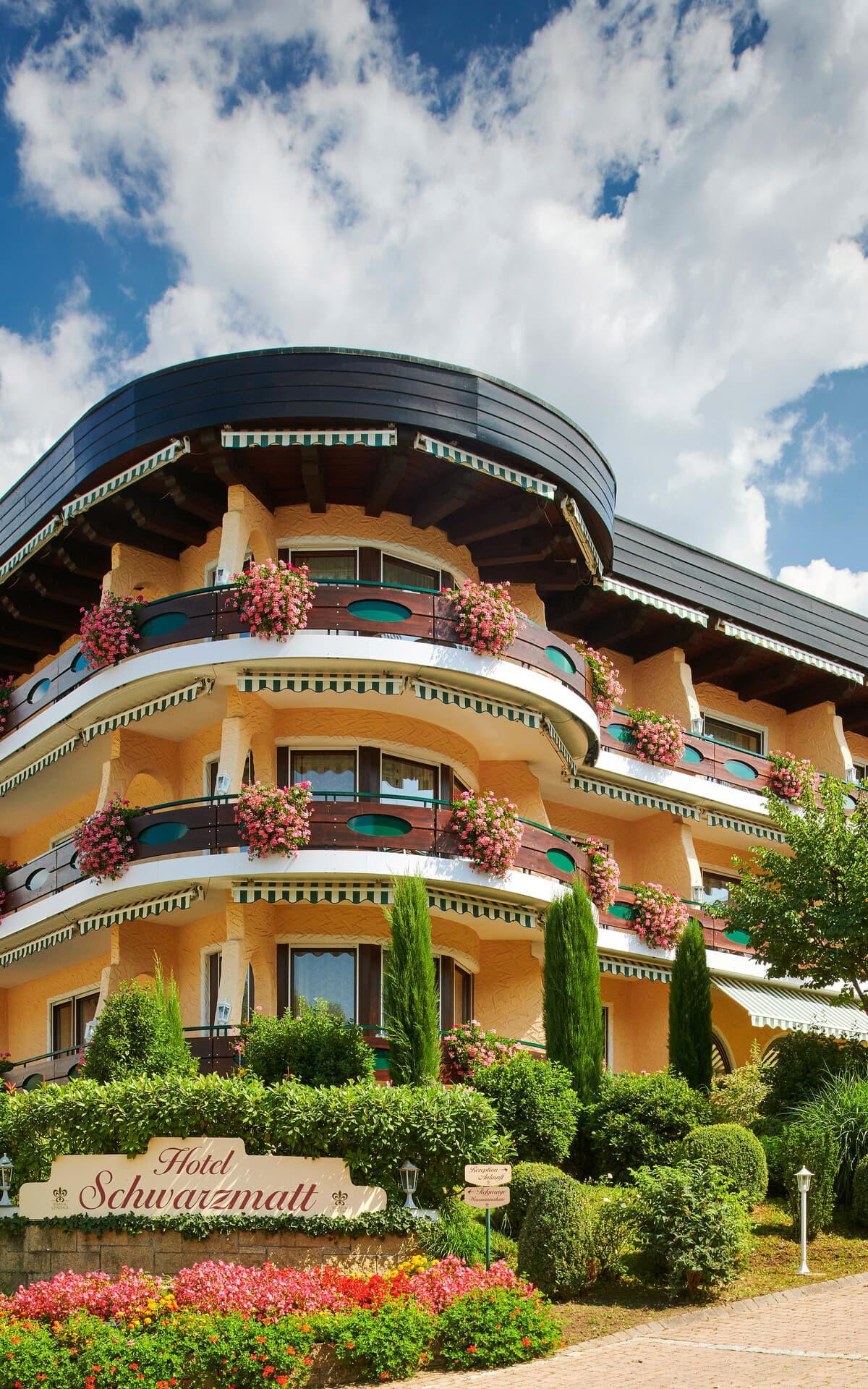
At a Glance
- Classic
- Elegant
- Date Night
- Special Occasion
Current opening hours
- Monday
- Closed
- Tuesday
- 12–2:30 PM, 7–10 PM
- Wednesday
- 12–2:30 PM, 7–10 PM
- Thursday
- 12–2:30 PM, 7–10 PM
- Friday
- 12–2:30 PM, 7–10 PM
- Saturday
- 12–2:30 PM, 7–10 PM
- Sunday
- Closed
Hours can change for holidays and private events. Last verified .
Welcoming and friendly atmosphere with gourmet accompaniments.