Chez Geneviève
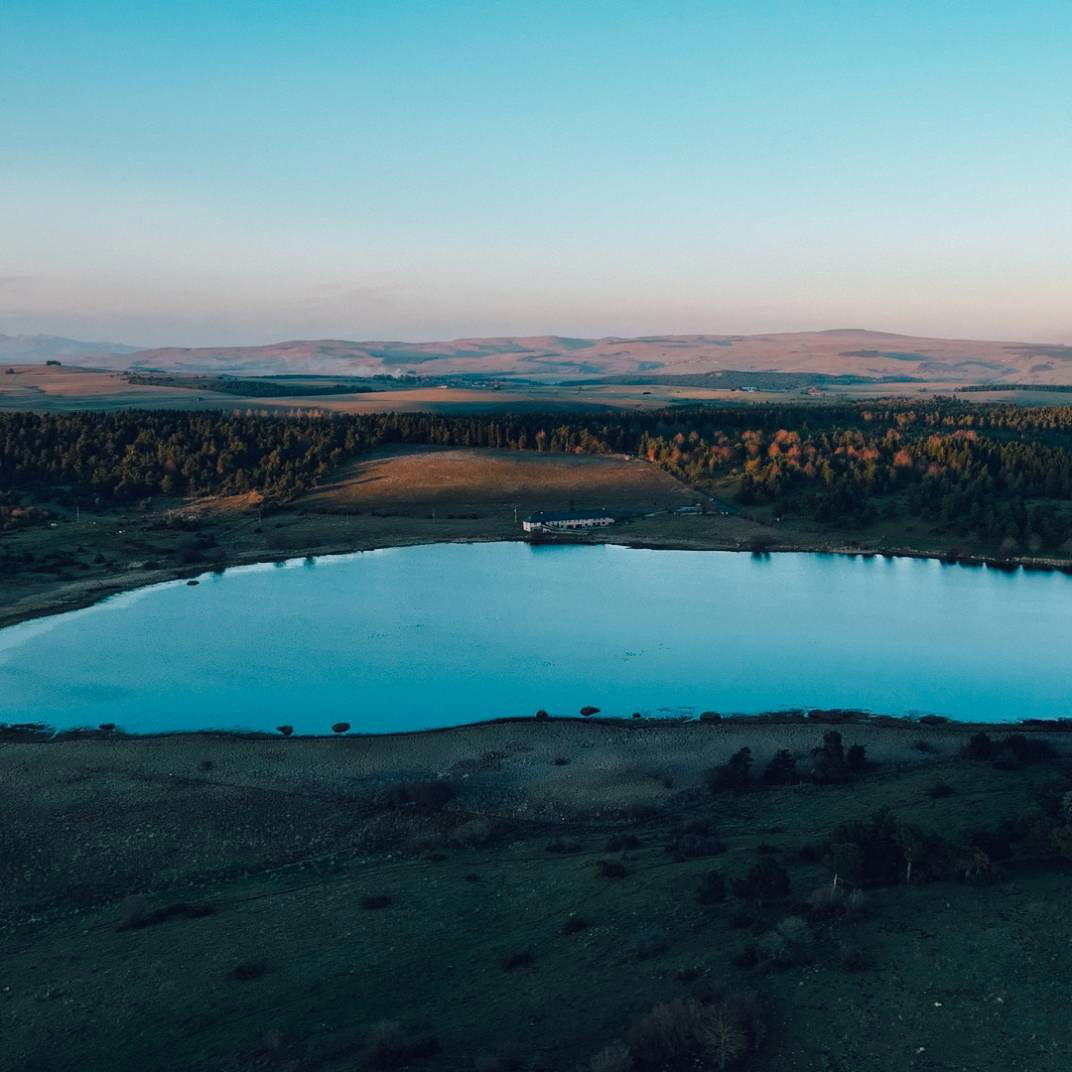
Saint-Flour sits at over 880 metres on the Planèze plateau, and the restaurants that endure here tend to reflect that altitude honestly: produce drawn from the surrounding Cantal farmland, cooking rooted in the Auvergne tradition rather than imported fashion. Chez Geneviève, at 25 Rue des Lacs, occupies that register, a local address with clear regional conviction in one of the Massif Central's most atmospheric medieval towns.
Pearl is the En Primeur Club membership app — saves, bookings, and concierge access live there. Same editors, same standards.
- Address
- 25 Rue des Lacs, 15100 Saint-Flour, France
- Phone
- +33471601797
- Website
- chezgenevieve.com
 Saves & bookings on Pearl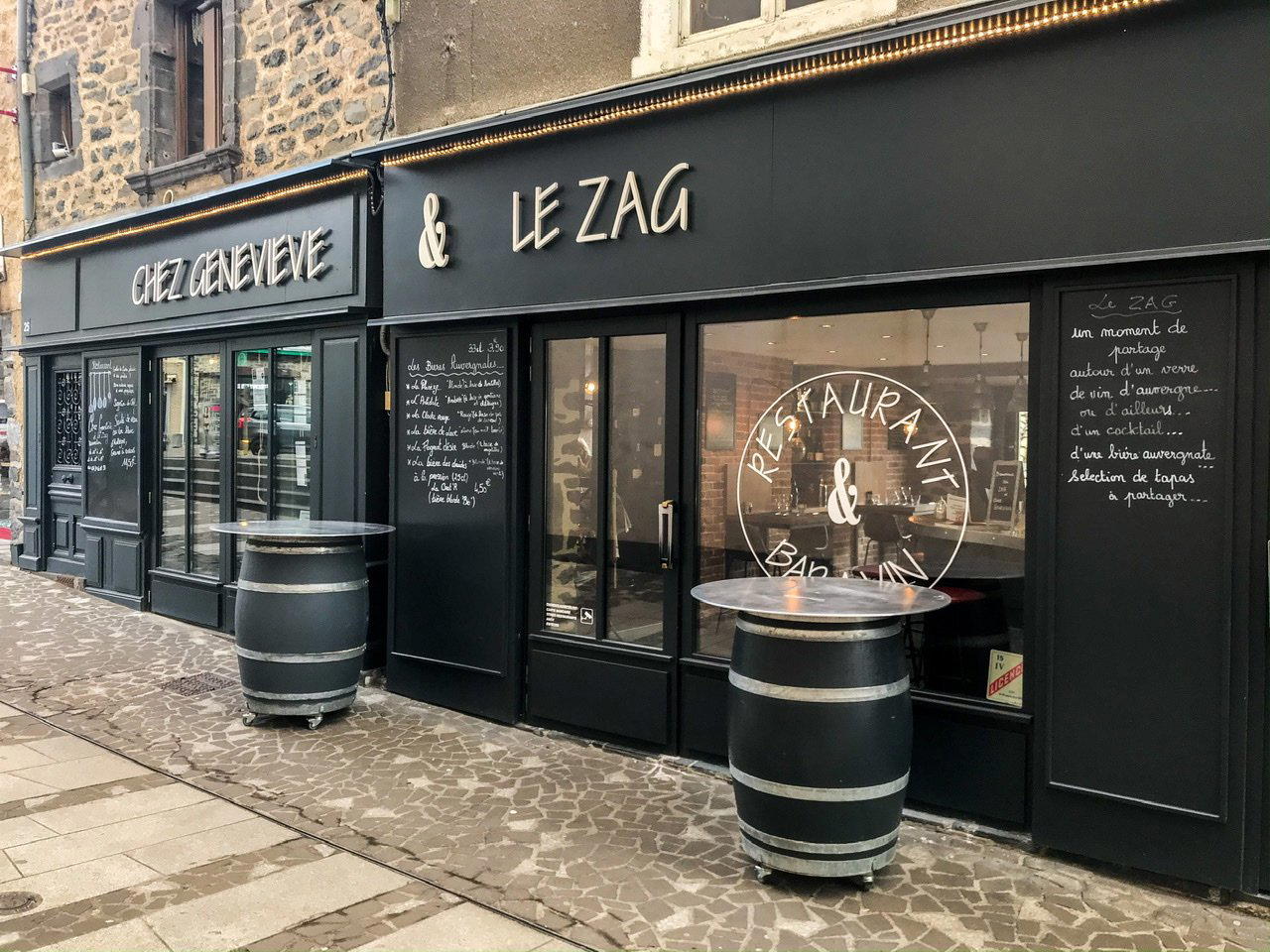
Stone, Altitude, and the Logic of Auvergne Cooking
Saint-Flour is not a city that eases you in gently. The upper town rises on a basalt promontory above the Truyère valley, its volcanic stone buildings darkened by altitude and weather, its streets quiet enough that the sound of the wind off the Planèze carries into the squares. Chez Geneviève is a traditional Auvergne French bistro in Saint-Flour, priced around $32 per person, on Rue des Lacs. At over 880 metres, it is one of the highest cities in France, and that geography has always shaped what ends up on the table. The Cantal plateau surrounding it produces some of the country's most serious raw materials: AOC-protected Salers and Cantal cheeses, Salers beef raised on summer pasture, lentils from Le Puy a short drive south, and mushrooms, herbs, and river fish drawn from the surrounding volcanic uplands.
Chez Geneviève, at 25 Rue des Lacs in the upper town, operates within that tradition. Auvergne has never been a region that chases culinary trends out of ambition, it does so out of necessity, because the produce is too good to complicate and the winters are too demanding for anything insubstantial. The cooking that has defined this area for generations is defined by patience: slow-braised meats, gratins built from Cantal or Fourme d'Ambert, dishes where the sourcing does most of the argumentative work before the heat is even applied.
Where the Ingredients Come From, and Why That Matters
The broader conversation about provenance-led cooking in France has largely been conducted in the headline restaurants: at Bras in Laguiole, Michel and Sébastien Bras built an internationally recognised kitchen around the specific flora of the Aubrac, just south of the Cantal; at Les Prés d'Eugénie in Eugénie-les-Bains, Michel Guérard reshaped French cuisine by looking first at what the land around him could provide. The principle filters down through every tier of French regional cooking, including the auberge and family-restaurant level where places like Chez Geneviève operate.
At this level, provenance is not a marketing position, it is a practical one. A kitchen in Saint-Flour that sources its beef from Salers herds and its cheese from local affineurs is not making a philosophical statement; it is cooking the way the town always has. The Salers breed, one of France's oldest cattle breeds, spends its summers on the Cantal grasslands and produces beef with a flavour profile that is markedly different from intensively reared alternatives. That difference registers on the plate without any additional elaboration, which is precisely why Auvergne cooking at its finest tends toward simplicity over technique-display.
This stands in productive contrast to the approach at the high-end of French regional dining. Flocons de Sel in Megève and Le 1947 à Cheval Blanc in Courchevel both operate at altitude with strong regional ingredient commitments, but within a luxury resort context that reframes those ingredients entirely. Saint-Flour's restaurant culture does not have that resort infrastructure. What it has instead is a direct and unmediated relationship with its agricultural surroundings, and Chez Geneviève sits within that relationship rather than above it.
The Setting and What to Expect
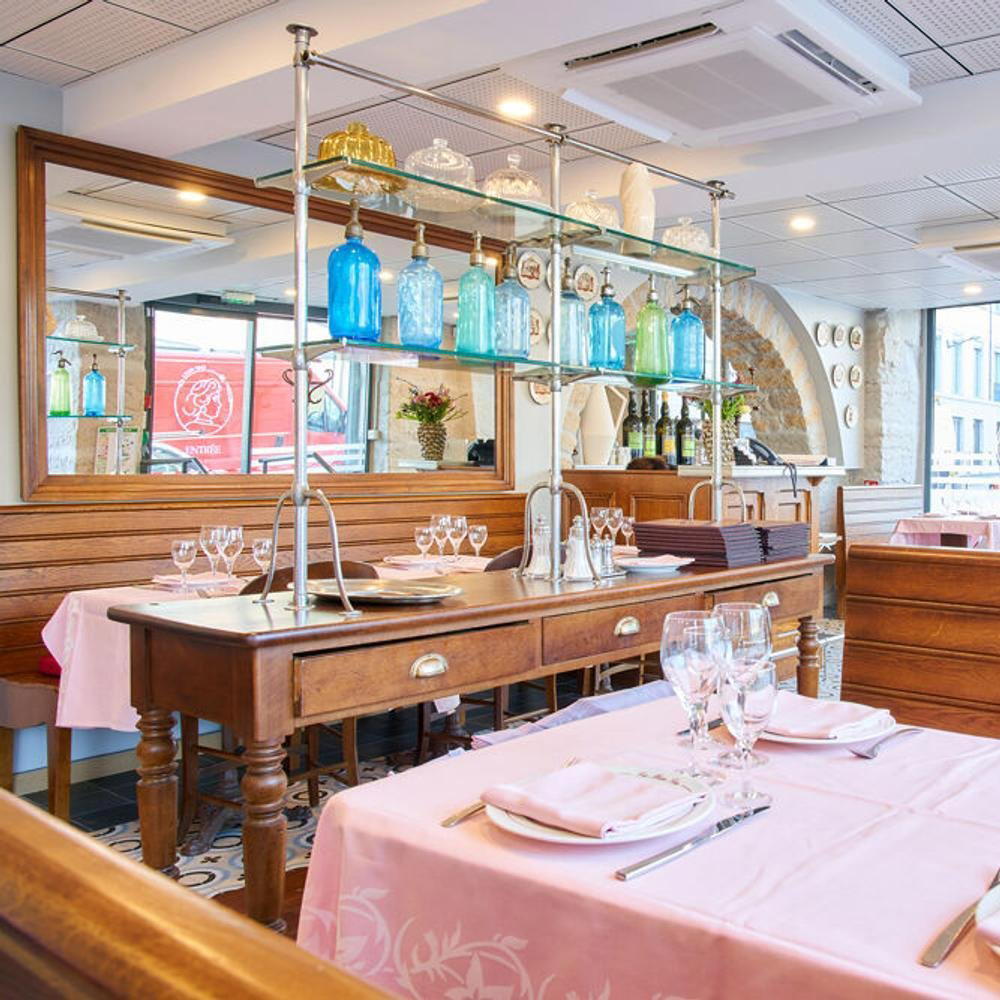
The address on Rue des Lacs places Chez Geneviève within the upper town's network of stone-paved streets, where the cathedral of Saint-Flour anchors the skyline and the views over the Truyère valley extend in most directions. Restaurants in this part of the city tend to be compact, the dining rooms formed from the same basalt interiors that define the town's residential architecture. There is an atmosphere of enclosure and warmth that is particular to high-altitude stone towns in France, not theatrical, simply structural.
Visitors arriving from outside the region should factor in that Saint-Flour's upper town is most easily reached via the A75 motorway, which passes through some of the most dramatic viaduct engineering in France: the Millau Viaduct lies roughly 90 kilometres to the south on the same route. The town is accessible by rail via the Aurillac line, though the road approach from the surrounding plateau gives a more complete sense of the geographical context in which the cooking here makes sense.
For context on how French regional fine dining has evolved elsewhere in the country, the contrast with addresses like Alléno Paris au Pavillon Ledoyen, Mirazur in Menton, or Maison Lameloise in Chagny is instructive. Those kitchens translate regional specificity into an international fine-dining vocabulary. Chez Geneviève operates at a different register, one where the regional vocabulary is the point, not the material for transformation. Other provincial benchmarks such as Auberge de l'Ill in Illhaeusern, Georges Blanc in Vonnas, and Auberge du Vieux Puits in Fontjoncouse each show how deep rural France can anchor serious cooking without metropolitan framing. The comparison holds for Saint-Flour, even if the scale and recognition differ.
For those planning a broader itinerary in the Auvergne and Massif Central, covers the upper town's dining options with neighbourhood-level detail. Further afield, the culinary traditions of the Aveyron and Languedoc are represented at Troisgros in Ouches and Paul Bocuse's Auberge du Pont de Collonges, both of which illustrate how different the French provincial fine-dining tradition looks when filtered through decades of institutional recognition. For reference points outside France entirely, Le Bernardin in New York and Lazy Bear in San Francisco demonstrate how the province-to-table philosophy travels across formats and continents. Closer to home, L'Oustau de Baumanière in Les Baux and La Table du Castellet show how Provençal kitchens work the same provenance logic in a warmer, more tourist-facing context. La Vague d'Or in Saint-Tropez takes that further still into the luxury resort register.
Planning a Visit
Saint-Flour's tourism calendar peaks in summer, when the upper town is accessible on foot and the surrounding Planèze is at its most productive. Autumn is the season when Cantal cheeses and mushrooms are at their most present in local kitchens, and the town is considerably quieter, which matters in a restaurant of this scale. Given that Saint-Flour's upper town dining options are limited in number, advance contact is sensible during peak summer months even for addresses without formal reservation systems.
At-a-Glance Comparison
Comparable venues nearby, for context on price, style, and recognition.
| Venue | Cuisine | Price | Awards | Notes |
|---|---|---|---|---|
| Chez GenevièveThis venue — the venue you are viewing | Traditional Auvergne French Bistro | $$ | , | |
| Folie des Sens | Modern French Bistronomic | $$ | Michelin Plate | Saint-Flour old town center |
| Le Regimbal | Traditional French Aubrac Regional Cuisine | $$ | , | Peyre En Aubrac |
| Retour aux Sources | Traditional French Bistro with Local Ardèche Products | $$ | , | Meyras |
| Le Signal 2108 | Bistronomic French with Regional Specialties | $$ | , | Signal Mountain |
| Atelier de Candale | Seasonal French wine‑country restaurant in the vineyards | $$$ | , | Saint-Laurent-des-Combes / Saint-Émilion vineyards |
Continue exploring
More in Saint-Flour
Restaurants in Saint-Flour
Browse all →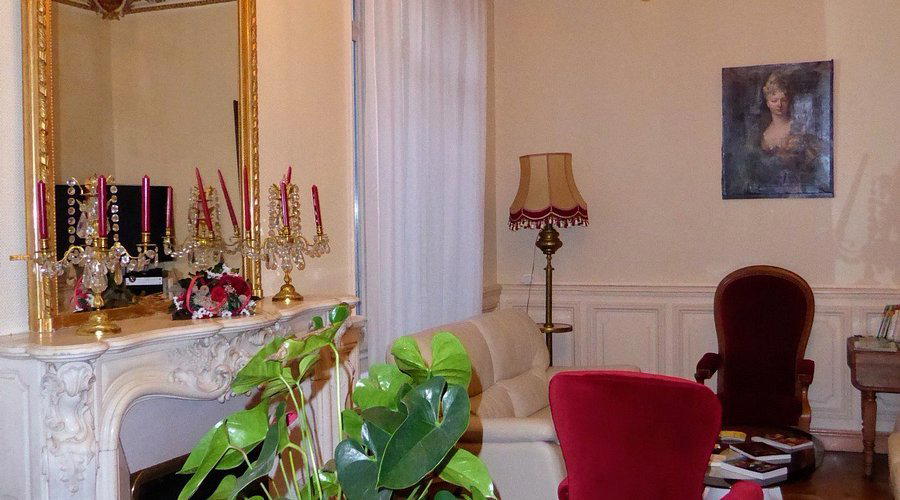
At a Glance
- Cozy
- Rustic
- Lively
- Casual Hangout
- Family
- Historic Building
- Extensive Wine List
- Local Sourcing
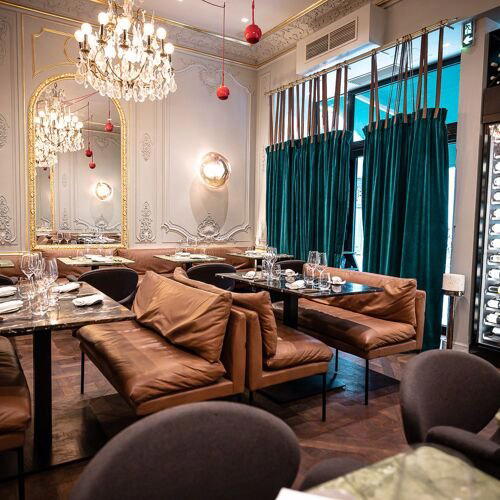
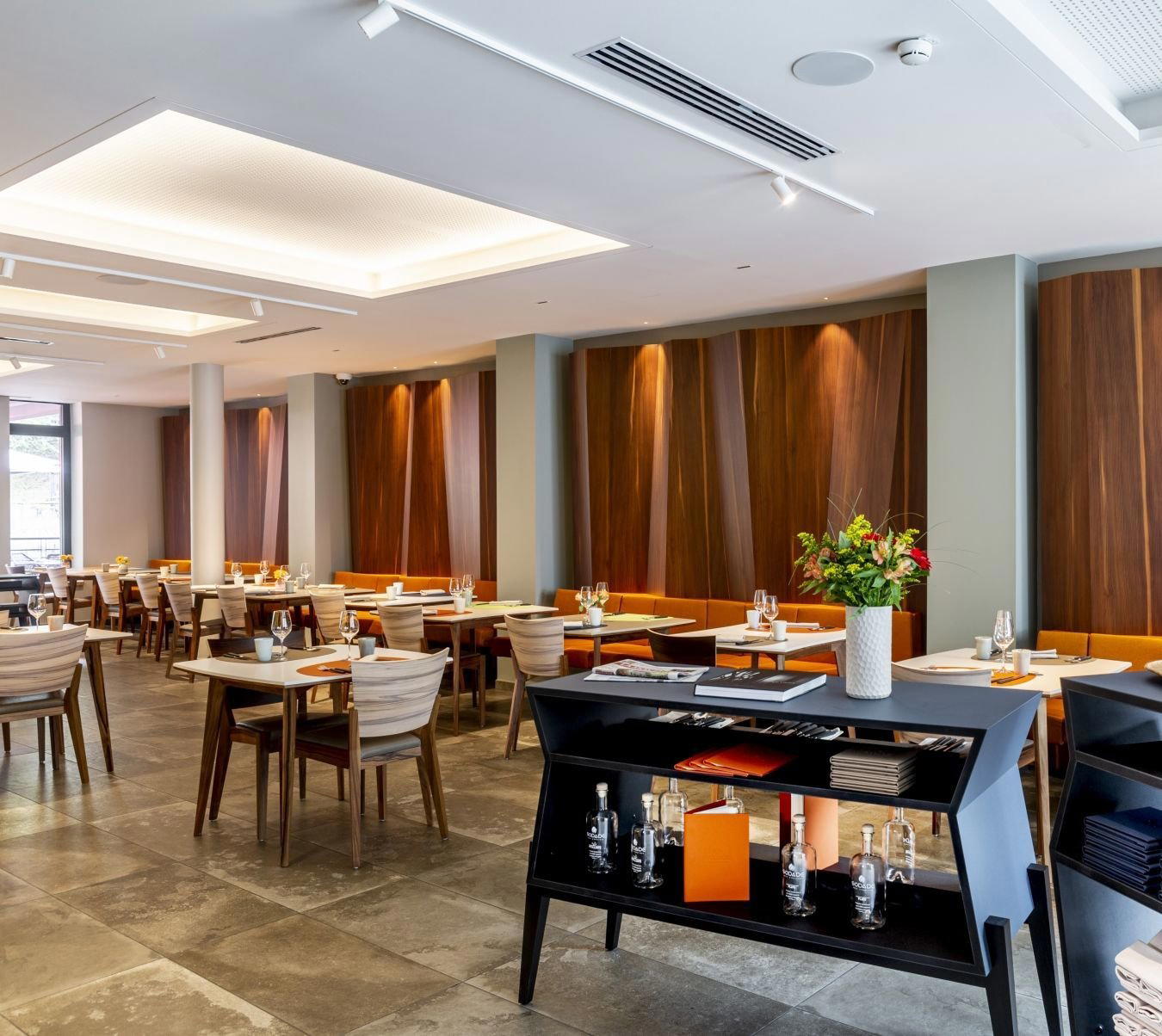
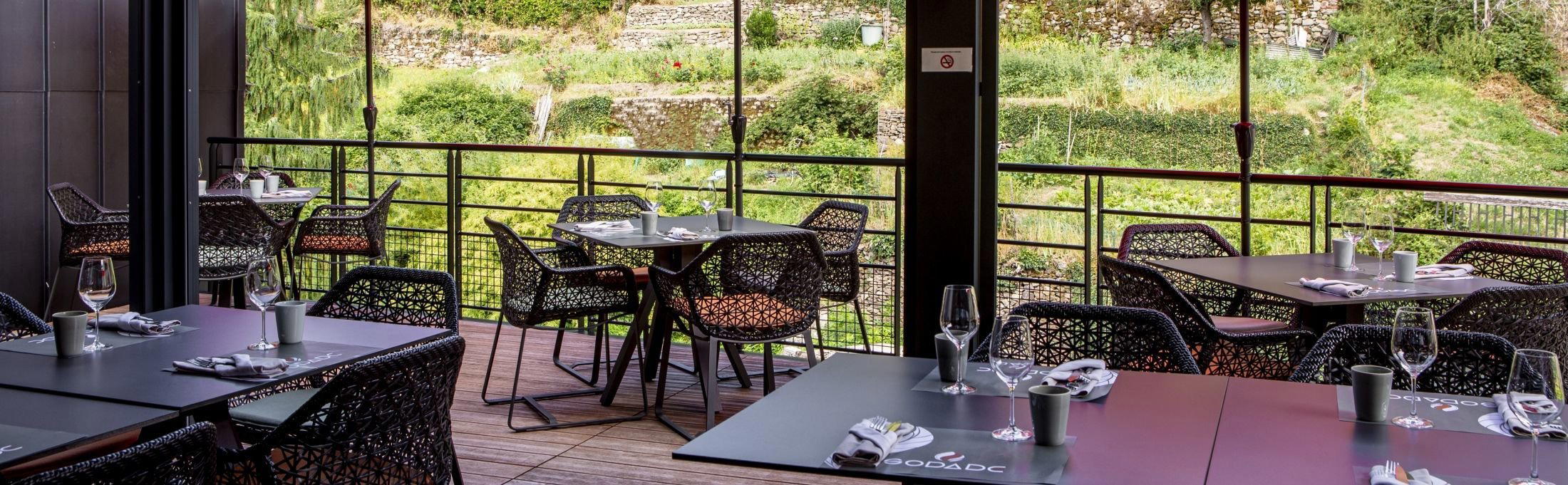
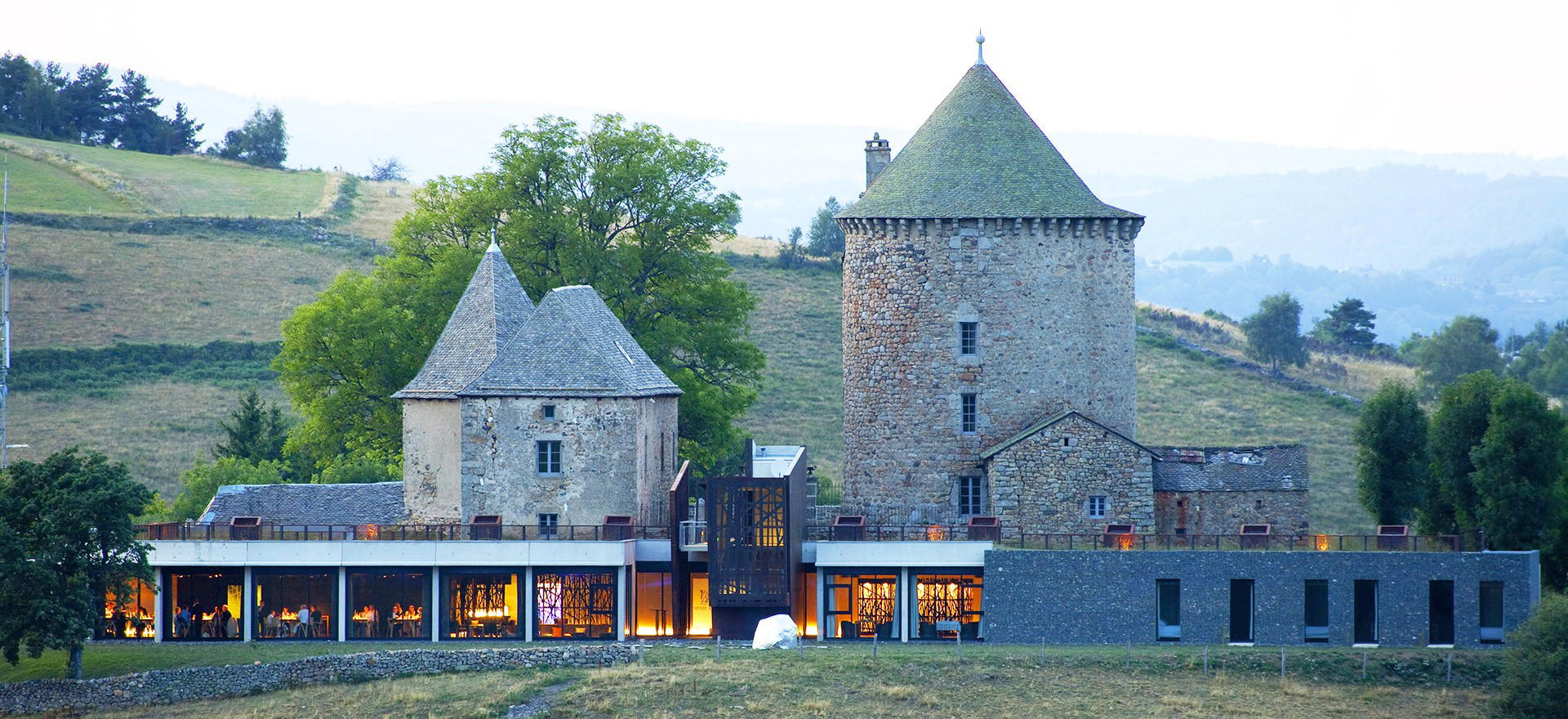
Warm and lively atmosphere in a former stone building, perfect for convivial evenings.