Le Théophile - Château d’Orfeuillette

Michelin Plate
Our verdict
Le Théophile at Château d'Orfeuillette is a Michelin Plate-recognised modern cuisine restaurant set within a historic château in the remote Margeride highlands of Lozère. Holding consecutive Michelin Plate recognition in 2024 and 2025, it draws visitors seeking refined cooking at a mid-range price point deep in rural southern France.

Pearl is the En Primeur Club membership app — saves, bookings, and concierge access live there. Same editors, same standards.
- Address
- 48200 Albaret-Sainte-Marie, France
- Phone
- +33 4 66 42 65 65
- Website
- logishotels.com
- Directions
- Get directions
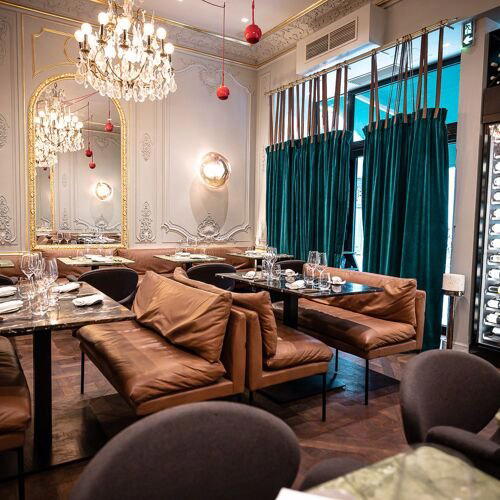
Dining at Altitude: Modern Cuisine in the Margeride
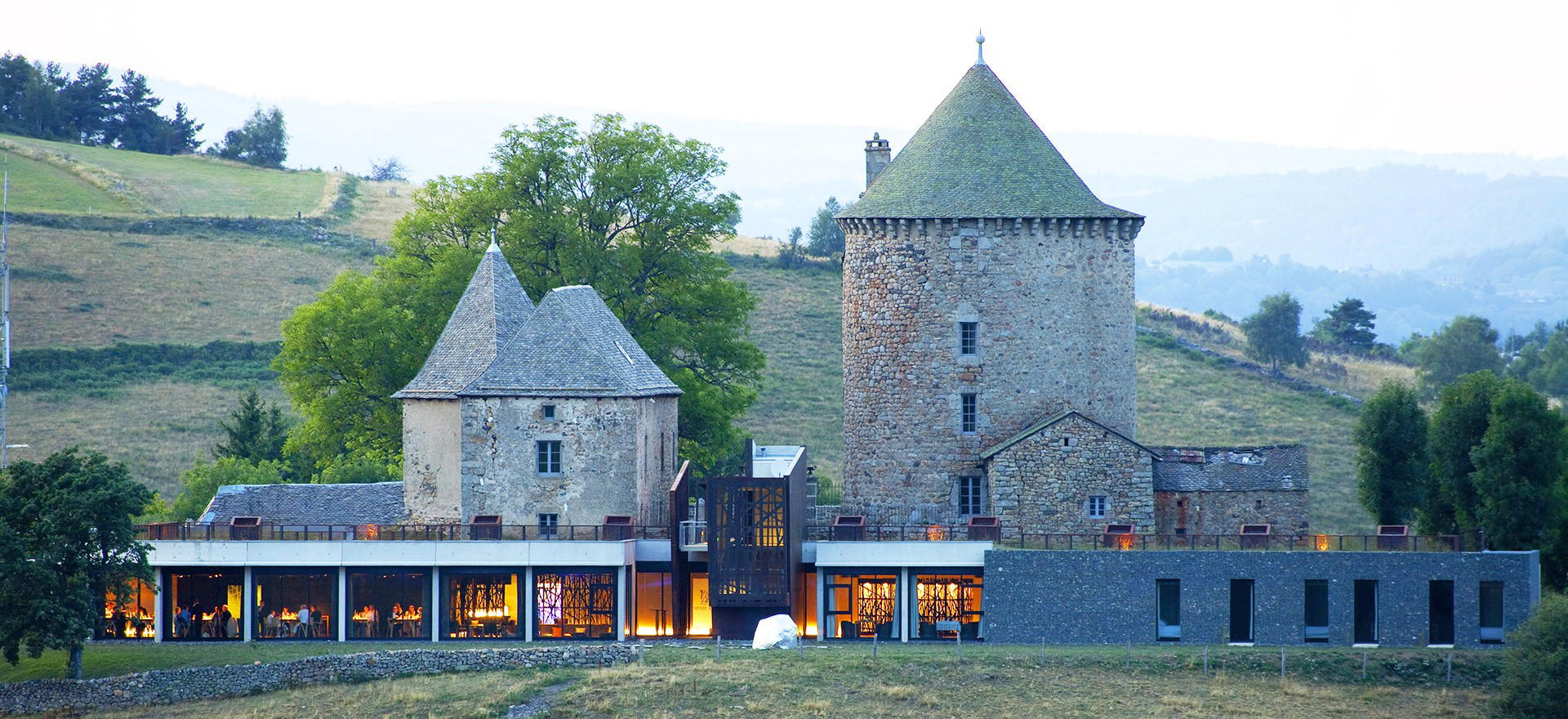
The Margeride plateau in Lozère is not where most travellers expect to find Michelin-recognised cooking. This high granite tableland, sitting above 1,000 metres in one of France's least populated departments, has historically been associated with hardy pastoral life rather than refined dining. That context matters when arriving at Château d'Orfeuillette, a 19th-century turreted château set against a range of pine forest and open moorland near Albaret-Sainte-Marie. The drive itself — through the kind of emptiness that southern France reserves for its most interior corners — signals that this is a different register of experience from city-centre gastronomy.
Le Théophile, the château's restaurant, holds consecutive Michelin Plate recognition for 2024 and 2025, the guide's signal that a kitchen is producing cooking worth a specific journey. At the €€ price point, it belongs to a category that French regional dining has always done well: serious technique applied to local terroir without the pricing architecture of the grande cuisine houses. For comparison, the flagship modern cuisine operations in Paris, from Alléno Paris au Pavillon Ledoyen to Assiette Champenoise in Reims, operate at €€€€. Le Théophile's positioning reflects a regional French tradition of château hospitality where the kitchen competes on quality rather than scale.
The Cultural Logic of the French Regional Château Table
France's relationship between châteaux and serious cooking is centuries old, and it has never been purely about luxury. The great regional houses, Auberge de l'Ill in Illhaeusern, Bras in Laguiole, Troisgros in Ouches, built their identity on the specific character of a place, not just on technical excellence imported from elsewhere. The Margeride has its own culinary logic: cattle raised on plateau grassland, chestnuts, wild mushrooms, and the particular intensity of ingredients from a short growing season at altitude. Modern cuisine formats, as recognised by Michelin's Plate category, apply contemporary plating and structural discipline to that kind of regional material, rather than replacing it.
Lozère itself has become something of a reference point for this strand of French dining. Bras in Laguiole, roughly 60 kilometres to the southwest, spent decades defining what place-rooted haute cuisine could look like in the southern highlands. Le Théophile operates in a different tier and format, but the broader argument, that remote geography need not mean culinary compromise, runs through both. For diners travelling the Massif Central corridor, the density of serious kitchens across this region rewards planning a multi-stop itinerary rather than a single destination visit.
What the Michelin Plate Signals Here
Michelin's Plate designation, introduced to replace the previously used Bib Gourmand for certain categories, indicates that inspectors found cooking of consistent quality meriting attention, without awarding a star. In a region where star-level resources and supplier networks are harder to maintain than in urban France, consecutive Plate recognition across 2024 and 2025 represents a meaningful signal of sustained kitchen discipline. It places Le Théophile within a defined peer tier: regional French restaurants that have passed inspection thresholds and hold their position year-on-year.
For travellers cross-referencing Michelin guidance with broader visitor data, the alignment of the two sources is a reasonable basis for confidence.
In the French modern cuisine category more broadly, the Plate tier sits below operations like Mirazur in Menton, Flocons de Sel in Megève, or AM par Alexandre Mazzia in Marseille, but it is the appropriate reference point for a rural château at this price level. Comparing a €€ regional property against €€€€ destination restaurants misreads how the French dining ecosystem actually distributes quality across geography and price.
The Setting as Part of the Proposition
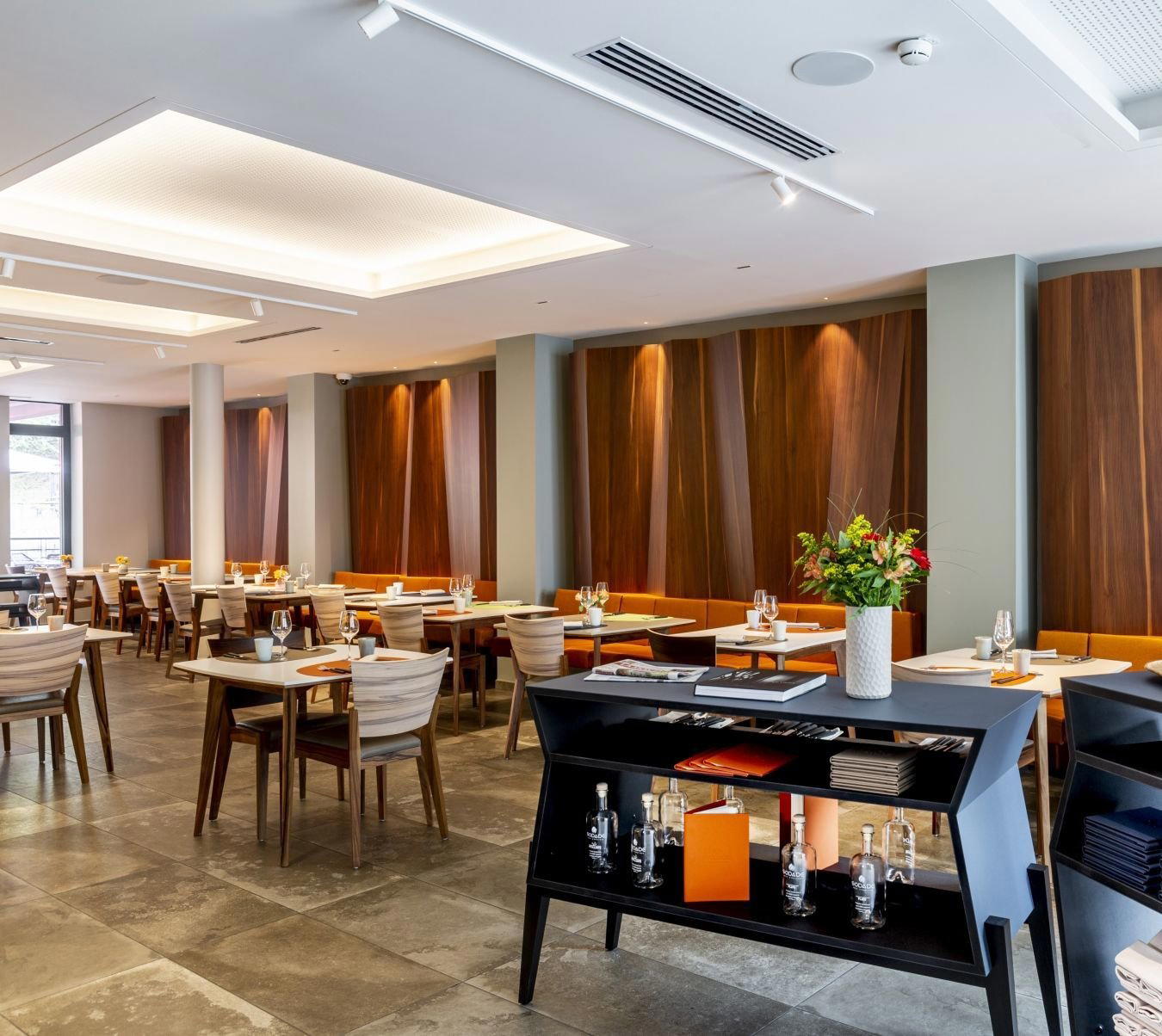
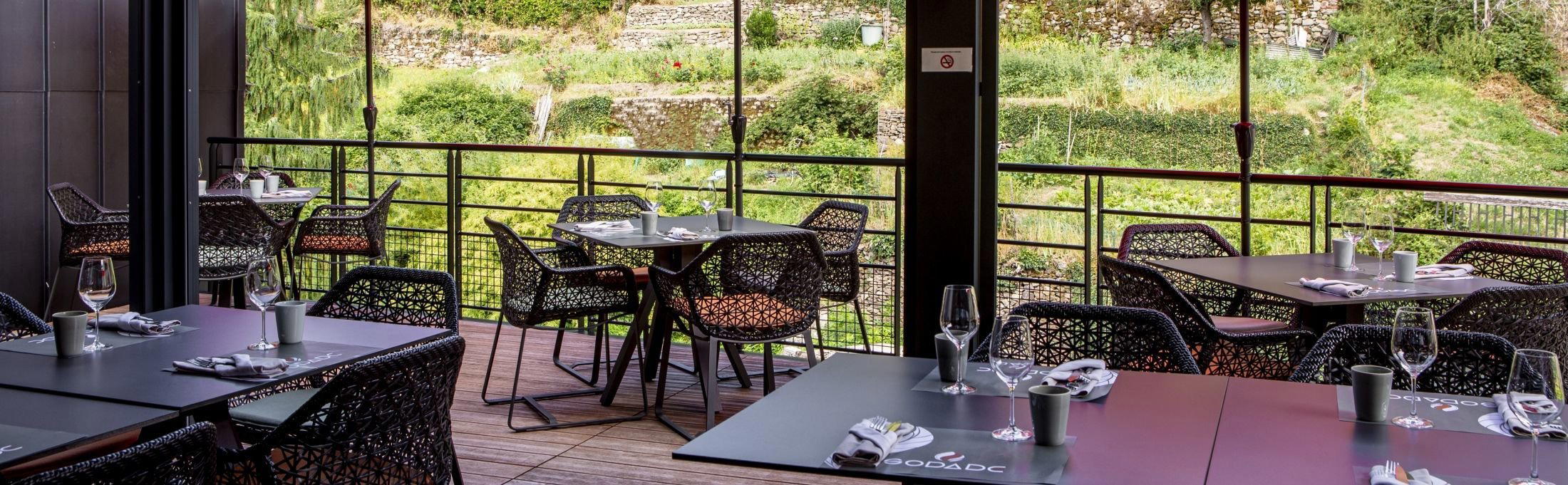
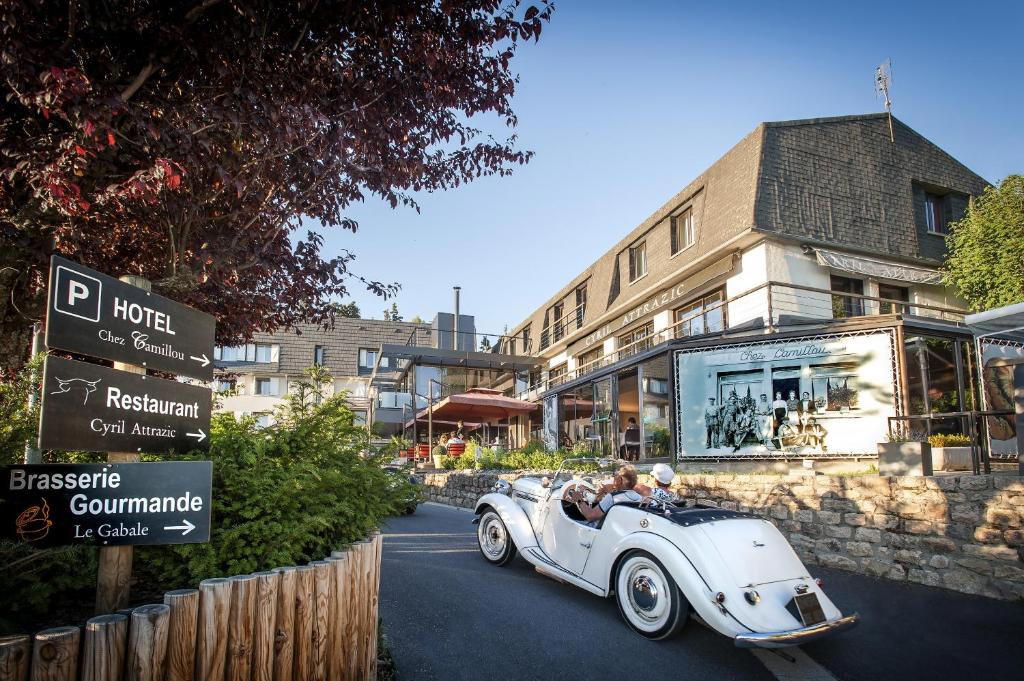
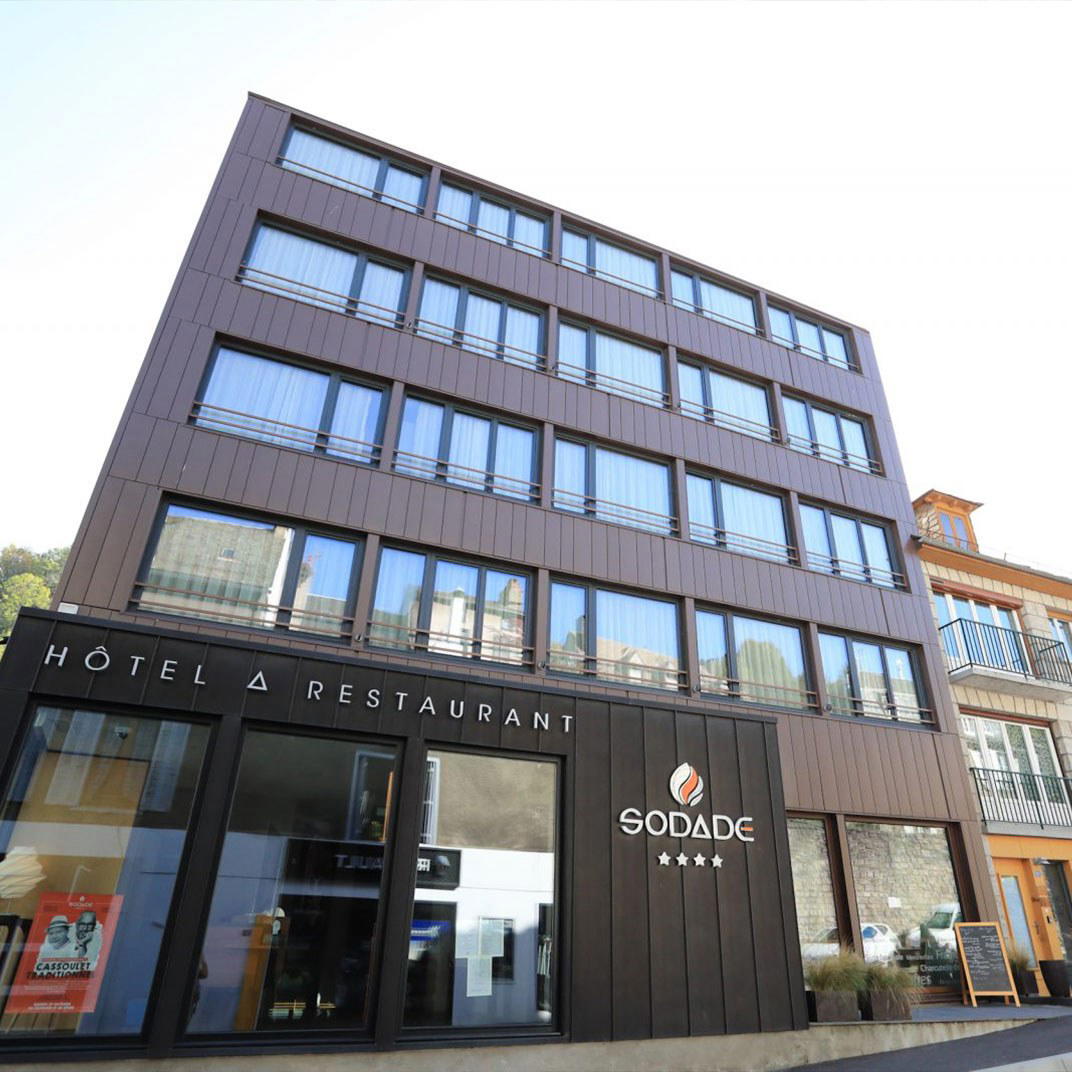
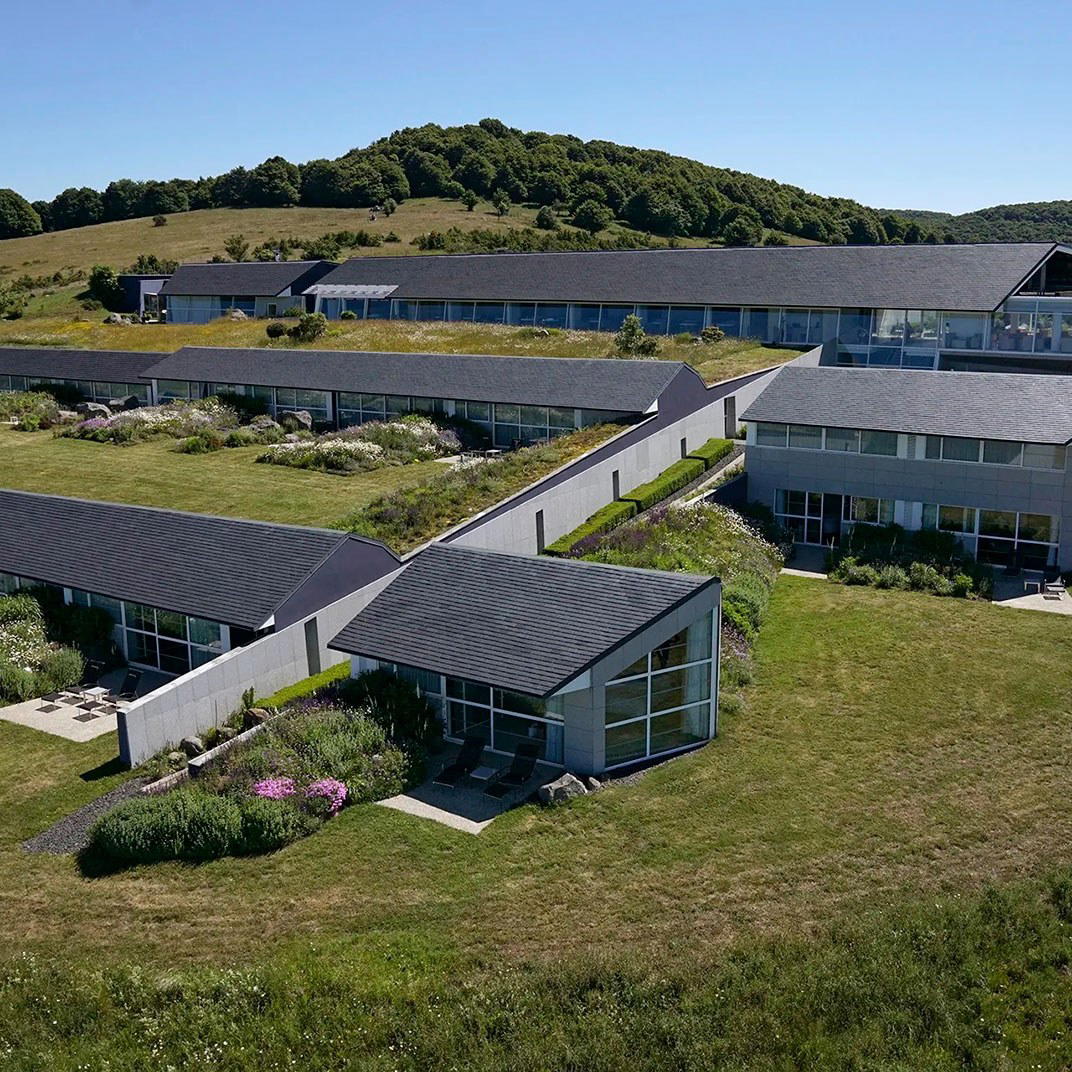
Château d'Orfeuillette functions as a hospitality complex where the restaurant is one element of a larger visit. The château format, common in French regional tourism, means that the dining room sits within a historic built environment that contributes substantially to the experience. Arriving at a turreted 19th-century château after a drive through the Margeride places the meal in a physical context that modern urban restaurants cannot replicate, regardless of their technical credentials.
For travellers combining a stay at the château with dinner at Le Théophile, the integration of accommodation and dining reflects a long French regional tradition. The full Albaret-Sainte-Marie hotels guide covers the broader accommodation picture in the area. Those planning around the restaurant alone should note that rural properties at this distance from major urban centres typically require advance booking, particularly during the summer season when the Margeride draws visitors to its hiking and natural park areas. The nearest major transport hubs are at Mende or Clermont-Ferrand, making a car the practical requirement for this part of Lozère.
The area around Albaret-Sainte-Marie rewards a longer visit. The experiences guide, bars guide, and wineries guide offer further orientation for travellers building an itinerary around this part of the southern Massif Central.
Placing Le Théophile in the Albaret-Sainte-Marie Dining Picture
Within Albaret-Sainte-Marie itself, Le Théophile operates alongside Le Rocher Blanc, giving the village a modest but genuine dining identity unusual for a commune of this size. The concentration of two named restaurants in a location this remote reflects the château hospitality economy that sustains serious cooking in areas where a purely local customer base could not. Visitors to the region have reason to plan their dining stops in advance rather than relying on casual discovery.
For those travelling France's modern cuisine circuit from north to south, the Massif Central represents a distinct chapter: terrain-defined, less glossy than coastal or capital dining, and shaped by traditions that predate the aesthetic concerns of contemporary restaurant culture. Our full Albaret-Sainte-Marie restaurants guide maps the wider picture. Le Théophile, at a château in the Lozère highlands with two consecutive years of Michelin recognition, is a credible anchor point for any itinerary through this part of France.
Frequently asked questions
What do people recommend at Le Théophile - Château d'Orfeuillette?
The restaurant holds Michelin Plate recognition for both 2024 and 2025, which indicates that inspectors found the modern cuisine format consistently executed. Specific dish recommendations are leading sought directly from the restaurant when booking, as menus at Michelin-recognised regional properties typically follow seasonal and local availability, particularly in a highland terroir like the Margeride.
Can I walk in to Le Théophile - Château d'Orfeuillette?
The restaurant is set within a château property in a remote rural location in Lozère, and operates at a Michelin Plate level that attracts visitors from beyond the immediate area. Walk-in availability is possible outside peak season, but given the distance from major population centres and the draw of consecutive Michelin recognition, contacting the château in advance is the more practical approach. Summer months, when the Margeride region draws visitors to the regional nature park, are likely to see the highest occupancy.
What is Le Théophile - Château d'Orfeuillette known for?
Le Théophile is recognised for modern cuisine delivered within a 19th-century château setting in the Margeride highlands of Lozère, one of France's most sparsely populated departments. Its consecutive Michelin Plate awards in 2024 and 2025 place it among a defined group of regional French restaurants that consistently meet inspection standards. The combination of a historic built environment, highland terroir, and mid-range pricing makes it a reference point for the tradition of serious French regional cooking practised far from urban centres.
A Pricing-First Comparison
| Venue | Cuisine | Price | Awards |
|---|---|---|---|
| Le Théophile - Château d’OrfeuilletteThis venue — the venue you are viewing | Modern French Gastronomic | $50–100 | Michelin Plate |
| Alléno Paris au Pavillon Ledoyen | Creative | Not listed | Michelin 3 Star |
| Kei | Contemporary French, Modern Cuisine | Not listed | Michelin 3 Star |
| L'Ambroisie | French, Classic Cuisine | Not listed | Michelin 3 Star |
| Le Cinq - Four Seasons Hôtel George V | French, Modern Cuisine | Not listed | Michelin 3 Star |
| Plénitude | Contemporary French | Not listed | Michelin 3 Star |
Recognition history
Dated appearances from independent guides and award organizations, with the underlying list record or original source where available.
Michelin Plate
Michelin
Full recognition history (3 entries)
Michelin Plate
Michelin
Michelin Plate
Michelin
Continue exploring
More in Albaret-Sainte-Marie
Restaurants in Albaret-Sainte-Marie
Browse all →
Details
- Romantic
- Elegant
- Cozy
- Sophisticated
- Rustic
- Date Night
- Special Occasion
- Historic Building
- Hotel Restaurant
- Terrace
- Extensive Wine List
- Local Sourcing
- Organic
- Garden
- Tasting Menu
- Vegetarian Friendly
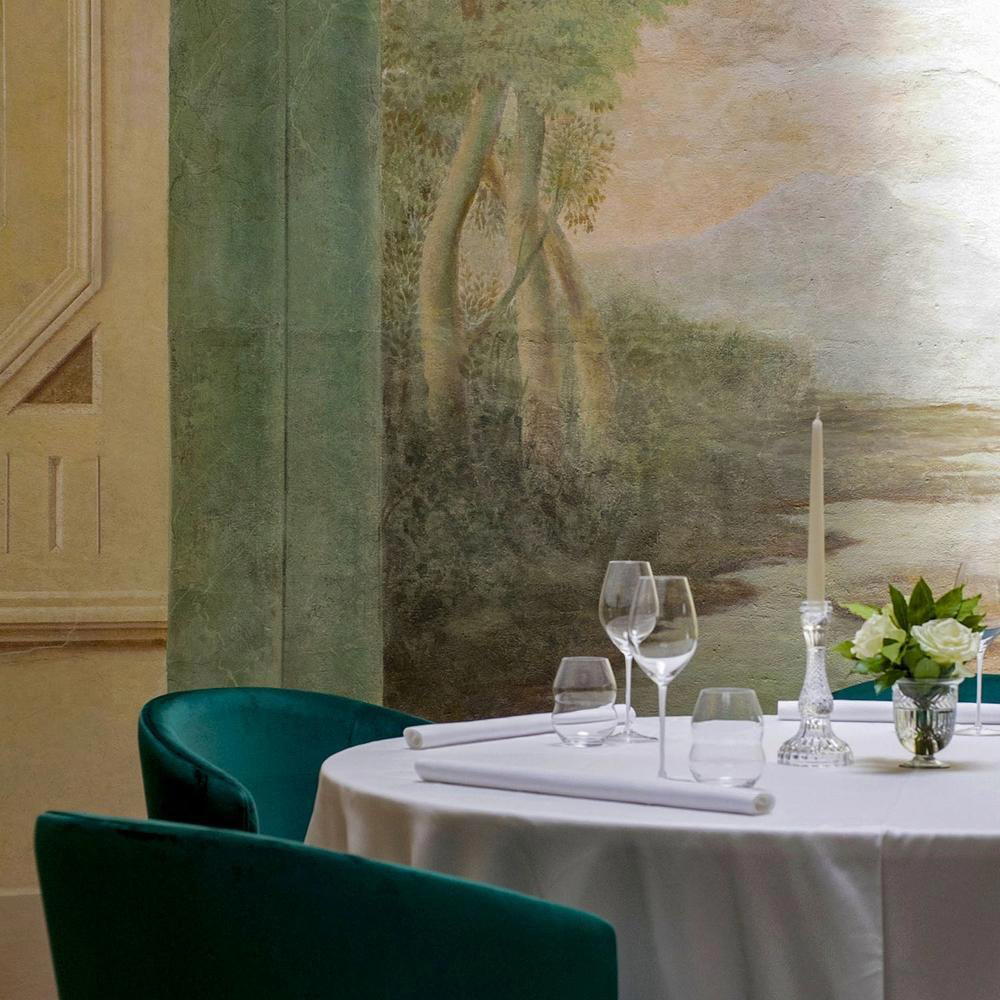
Feutrée and romantic atmosphere in a refined historic interior with contemporary glamour.